이스라엘이 진지를 구축하면서 헤즈볼라에 대한 불만이 지지로 변모
As Israel Entrenches, Frustration With Hezbollah Turns to Support
The New York Times
· 🇺🇸 New York, US
Christina Goldbaum and David Guttenfelder
EN
2026-05-01 18:13
Translated
휴전이 흔들리고 이스라엘이 남부 마을들을 파괴하자, 레바논의 많은 헤즈볼라 지지자들은 이 단체에 대한 불만을 접어두고 보호를 받기 위해 이들에게 의존하고 있다.
레바논 남부의 민간인들은 헤즈볼라와 이스라엘의 전쟁 속에서 황폐화와 손실 속에 산다.
취약한 휴전으로 일부 국내 실향민 가족들이 남부 지역으로 돌아올 수 있었다.
그들은 이스라엘 공격으로 파괴된 집과 도로, 마을들을 발견했다.
그들은 자신들의 삶의 잔해를 헤치며 다음 전투가 언제 일어날지 궁금해하고 있다.
레바논 남부의 언덕 마을에서 묘지기들은 대척선에서 검은 연기가 솟아오르는 것을 지켜봤다. 불과 1마일 떨어진 곳에서 이스라엘군은 레바논 땅의 건물들을 폭파하고 있었고, 새로 심어진 이스라엘 국기 아래에서 그렇게 하고 있었다.
레바논의 취약한 휴전이 시작된 지 며칠 만에 붕괴가 이미 불가피해 보였다. 이스라엘군은 점령된 남부 지역에 진지를 구축하고 있었고, 헤즈볼라 대원들은 여전히 자신들의 통제 아래 있는 지역에서 다음 전투를 준비하고 있었다. 마즈달 준 마을의 묘지에서 남자들은 20개의 무덤을 파고 있었다 - 9개는 이미 죽은 헤즈볼라 전투원들을 위한 것이고, 나머지는 앞으로의 전투에서 죽을 것으로 예상되는 자들을 위한 것이었다.
"하늘 위의 소리를 들어봐"라고 50세의 무함마드 알리가 이스라엘 드론의 윙윙거림이 들리자 말했다. "이 전쟁은 끝나지 않았어."
4월 16일 헤즈볼라와 이스라엘 간의 휴전이 타결되었을 때, 최근의 전쟁으로 피폐해진 지역인 남부 레바논 위에 불안한 고요함이 내려앉았다.
남부에서 실향된 수천 명의 사람들이 집으로 돌아가기 위해 고속도로에 넘쳐났다. 하지만 2006년과 2024년 헤즈볼라와 이스라엘 간의 이전 전쟁과 달리, 이것은 기뻐하는 귀향도 헤즈볼라의 자칭 승리 축하도 아니었다. 그 휴지기는 사람들에게 파괴를 파악하고 뒤에 남겨둔 여름 옷을 찾을 수 있는 시간만 주었다.
이스라엘 철거의 굉음이 언덕을 울려 퍼지자, 고속도로는 곧 다시 자동차로 가득 찼다 - 이번에는 북쪽으로 향하는 자동차들이었다.
이제 처음의 전투 중단은 레바논 남부의 저열한 분쟁으로 바뀌었고, 이는 국가를 다시 한 번 전면전의 위험에 처하게 했다.
나와 동료들은 휴전의 처음 10일 동안 남부 레바논 전역을 여행했으며, 이란 지지 민병대 단체인 헤즈볼라가 테헤란과 연대하여 이스라엘을 공격한 후 발발한 전쟁 중에 뒤에 남아 있던 소수를 포함하여 구출 작업자, 시정 관계자, 돌아온 주민들과 대화했다. 우리는 또한 이스라엘이 점령한 레바논 영토를 나머지 국가와 분리하는 새로운 이스라엘 선언 경계인 소위 "옐로우 라인"의 북쪽 가장자리를 포함한 여러 곳을 여행했다.
이것은 헤즈볼라의 지난 2년간 두 번째 대규모 이스라엘과의 전쟁이었고, 남부로 돌아온 레바논인들 사이에서 그룹 지도부에 대한 일부 불만이 있었다. 헤즈볼라의 지지층을 구성하는 시아파 무슬림들 사이에서 그들이 레바논의 종파적으로 분열된 정치·사회 혼합 속에서 새로운 정치적 전위대가 필요하다는 합의가 나타나고 있는 것 같았다.
하지만 그들의 불만은 헤즈볼라의 완전한 포기에는 미치지 못했다. 이스라엘이 남부 점령 계획을 선언하고 레바논 정부군이 이스라엘군에 맞서기 위한 움직임을 보이지 않자, 사람들은 헤즈볼라 전투원들을 자신들의 집과 땅을 지키기 위한 유일한 희망으로 봤다.
"이게 무슨 인생인가?" 53세의 제이나브 바즈가 그녀의 집이 남긴 모든 것인 전선과 휘어진 철판의 엉킴 위로 비틀거리며 울음을 터뜨렸다. "모든 아름다운 것이 사라졌어."
전쟁 후 몇 주 만의 귀향은 남부로 돌아온 사람들에게 불필요한 의식이 되었다. 대부분은 2024년에 이스라엘과의 적대 행위가 마지막으로 고조되었을 때 실향된 후, 그 분쟁이 끝나면서 돌아와 손상된 집을 재건했다.
헤즈볼라가 3월에 이스라엘을 공격했을 때, 그 지지층 중 많은 사람들은 최근의 전쟁 발발이 그 대가의 가치가 있는지 의문을 제기했다. 남부에서는 그 대가가 명백히 드러났다.
주황 과수원과 올리브 나무 숲에 산재해 있는 것은 완전히 분쇄된 마을들이었다. 벽이 날려가 옆으로 쓰러진 건물들의 전체 층, 그 옆에는 허리까지 오는 높이의 콘크리트 블록 더미와 흔들리는 전선들이 있었다. 셔터가 닫힌 한 줄의 가게 밖에는 두 마리의 버려진 갈색 말이 주차장에 어색하게 서 있었다.
해안 도시인 타이어의 한 묘지에서 54세의 여성 수헬라는 전쟁에서 죽은 헤즈볼라 전투원인 그녀의 아들 후세인의 임시 무덤을 찾고 있었다. 그것을 찾았을 때 - 콘크리트 블록에 기대어 있는 그의 사진으로 표시되어 있었다 - 그녀는 무릎을 꿇고 양손으로 딱딱하게 굳은 흙을 때리기 시작했다. 그녀에게는 휴전이 헤즈볼라의 후원자인 이란이 얻은 레바논 시아파들을 위한 승리라는 환상은 없었다.
"이게 무슨 승리지?" 보안상의 이유로 이름만 제공한 수헬라가 울음을 터뜨렸다. "이게 무슨 승리야, 후세인?"
카스미예에서 몇 마일 떨어진 곳에서 파리다 알리 아윌라는 시아파 마을인 툴린의 자신의 집을 확인하기 위해 기다리면서 가스 스테이션의 연석에 앉아 노려봤다.
그녀 옆에 헤즈볼라 대원은 이란의 새로운 최고 지도자인 모즈타바 하메네이를 보여주는 전단지를 지나가는 자동차에 나눠주고 있었는데, 운전자들이 그들의 윈드스크린에 승리감을 가지고 표시할 수 있었다.
아윌라 씨는 몇 분간 조용히 지켜봤다. 그러다가 그녀의 분노가 폭발했다.
"우리는 많은 남자들을 잃었어, 그들은 무엇을 위해 죽고 있어? 누구를 위해? 이란을 위해?" 그녀가 소리쳤다. "이란은 우리의 등뒤에서 거래를 하고 있고 우리의 남자들은 그들을 위해 죽고 있어?"
포스터들은 그룹이 휴전에 대한 신용을 이란에 귀속시키려는 노력의 일부였다. 하지만 그들은 또한 그룹의 테헤란에 대한 충성도에 대한 가장 명확한 인정 중 하나였으며, 2024년 이전 지도자 하산 나스랄라가 이스라엘에 의해 살해된 이후 헤즈볼라의 작전에 더 무거운 손을 휘둘렀다.
그의 후계자인 나임 카씀은 레바논 시아파들 사이에서 나스랄라가 한때 했던 열렬한 충성도를 고취하지 않는다. 또 다른 주요 시아파 정치 정당인 아말 운동은 더 적은 대중적 지지와 영향력을 행사한다. 많은 시아파들은 전쟁터에서만 이길 수 있다고 생각하는 사람이 거의 없는 전쟁 속에서 자신들을 위해 옹호할 강한 정치적 지도자를 갈망했다.
나스랄라 치하에서 "마치 우리가 자고 있었지만, 누군가 우리를 지키고 있다는 것을 알고 있었다"고 국가의 지중해 해안선 근처의 마을인 클라일레에서 60세의 카디자 라메즈 고즈엘이 말했다.
이제 헤즈볼라 전투원들은, 그녀가 말했다, "남부의 시아파들을 보호하기 위한 우리가 가진 유일한 것"이다.
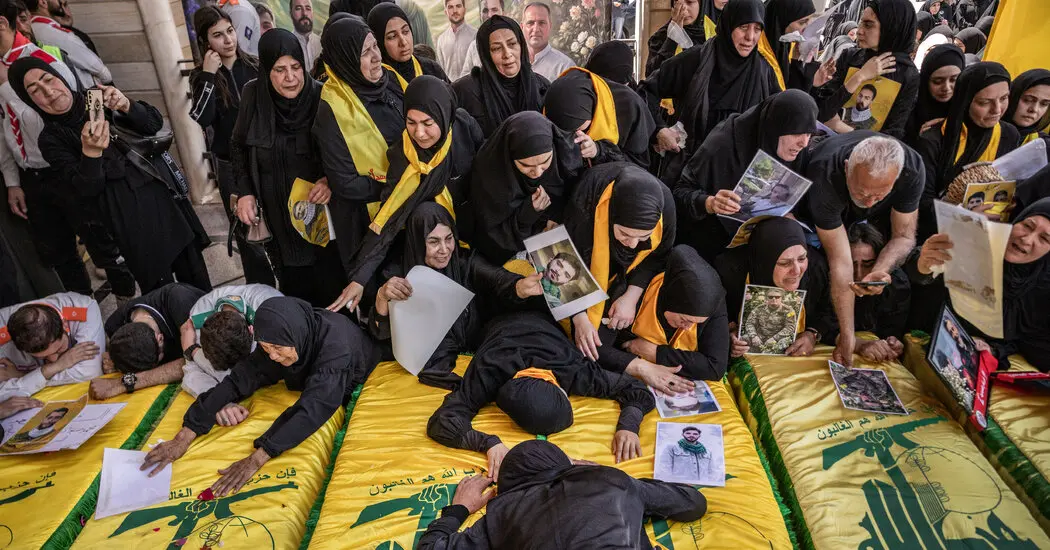
그 감정은 광범위하게 시아파 무슬림이고 헤즈볼라의 지지의 대부분을 제공하는 남부 내륙 전역에 퍼져 있었다. 그룹의 영향력의 징후는 널려 있다. 전사한 전투원들의 광고판이 도로를 따라 늘어서 있으며, 남자들의 제복 초상화가 밝은 노란색 헤즈볼라 깃발의 중앙에 배치되어 있다. 휴전이 발효된 후, 수백 명은 매일 마을에 모여 전투에서 죽은 헤즈볼라 전투원들을 애도했다.
구급차들은 시체 보관소나 임시 묘지에 보관되어 있던 죽은 전투원과 민간인들의 시신을 가지고 마을에 도착했다. 응급 작업자들이 후면 문을 열면서 추도자들에게 사랑하는 사람들을 마지막으로 볼 수 있는 기회를 줬을 때, 여자들은 차량으로 몸을 날렸고 시신에 자신들을 던졌다.
"그들은 영웅이었어, 그들은 우리를 보호하고 있었어"라고 해산에서 3마일 내륙인 할루시예에서 43세의 레합 타마라가 토요일에 3명의 헤즈볼라 전투원의 장례식에 모인 수백 명의 다른 주민들과 함께 말했다.
오랫동안 헤즈볼라는 자신을 레바논의 시아파 공동체의 보호자로 자리매김했으며, 평시에 사회 서비스를 제공하고 국가의 가장 소외된 그룹 중 하나의 정치적, 경제적 이득을 증진했다. 하지만 최근의 전쟁의 이해 관계가 증가함에 따라, 신체 보호를 위한 시아파의 헤즈볼라에 대한 의존이 전면에 나왔다.
이스라엘군은 남부 레바논 전역에 걸친 새로 점령된 6마일 너비의 벨트에 진지를 구축했다. 레바논 정부군은 전쟁이 발발한 후 남부의 대부분에서 철수했으며, 정부가 정치적 해결을 추구했지만 이스라엘에 대한 영향력이 거의 없다.
"우리는 정부와 함께하지만 우리는 정부가 우리를 보호하기를 원하고, 이스라엘이 원하는 것을 하도록 내버려두지 않기를 원한다"고 할루시예에서 자신의 집 근처에 서 있는 70세의 파티마 모와미스가 말했다.
이스라엘은 휴전의 조건에 따라 자기 방위 행동을 허용하는 헤즈볼라 목표라고 설명하는 것에 대해 계속 공격을 감행했다. 헤즈볼라는 이스라엘과 레바논 영토의 이스라엘군을 향해 산발적으로 로켓을 발사하면서 대응했으며, 자신의 무기를 내려놓지 않겠다는 점을 다시 한 번 강조했다.
"나는 전혀 안전하다고 느끼지 않는다"고 마즈달 준의 언덕에 서 있는 46세의 하난 함제가 말했다.
묘지기들이 묘지를 준비한 지 일주일 후, 그 마을의 수백 명이 언덕으로 몰려와 사랑하는 사람들을 휴식에 놓았다. 많은 사람들이 대척선에 있는 이스라엘 국기를 믿을 수 없는 표정으로 바라봤다.
"전쟁이 다시 시작될 것 같은 기분이 들어"라고 함제 씨가 말했다, "그리고 그렇게 되면, 이전보다 더 나빠질 것 같아."
흐와이다 사드와 사라 차이토가 보도에 기여했다.
크리스티나 골드바움은 레바논과 시리아의 보도를 주도하는 베이루트의 타임즈 국장이다.
데이비드 구텐펠더는 미니애폴리스에 본거지를 둔 타임즈 영상 기자이다.
취약한 휴전으로 일부 국내 실향민 가족들이 남부 지역으로 돌아올 수 있었다.
그들은 이스라엘 공격으로 파괴된 집과 도로, 마을들을 발견했다.
그들은 자신들의 삶의 잔해를 헤치며 다음 전투가 언제 일어날지 궁금해하고 있다.
레바논 남부의 언덕 마을에서 묘지기들은 대척선에서 검은 연기가 솟아오르는 것을 지켜봤다. 불과 1마일 떨어진 곳에서 이스라엘군은 레바논 땅의 건물들을 폭파하고 있었고, 새로 심어진 이스라엘 국기 아래에서 그렇게 하고 있었다.
레바논의 취약한 휴전이 시작된 지 며칠 만에 붕괴가 이미 불가피해 보였다. 이스라엘군은 점령된 남부 지역에 진지를 구축하고 있었고, 헤즈볼라 대원들은 여전히 자신들의 통제 아래 있는 지역에서 다음 전투를 준비하고 있었다. 마즈달 준 마을의 묘지에서 남자들은 20개의 무덤을 파고 있었다 - 9개는 이미 죽은 헤즈볼라 전투원들을 위한 것이고, 나머지는 앞으로의 전투에서 죽을 것으로 예상되는 자들을 위한 것이었다.
"하늘 위의 소리를 들어봐"라고 50세의 무함마드 알리가 이스라엘 드론의 윙윙거림이 들리자 말했다. "이 전쟁은 끝나지 않았어."
4월 16일 헤즈볼라와 이스라엘 간의 휴전이 타결되었을 때, 최근의 전쟁으로 피폐해진 지역인 남부 레바논 위에 불안한 고요함이 내려앉았다.
남부에서 실향된 수천 명의 사람들이 집으로 돌아가기 위해 고속도로에 넘쳐났다. 하지만 2006년과 2024년 헤즈볼라와 이스라엘 간의 이전 전쟁과 달리, 이것은 기뻐하는 귀향도 헤즈볼라의 자칭 승리 축하도 아니었다. 그 휴지기는 사람들에게 파괴를 파악하고 뒤에 남겨둔 여름 옷을 찾을 수 있는 시간만 주었다.
이스라엘 철거의 굉음이 언덕을 울려 퍼지자, 고속도로는 곧 다시 자동차로 가득 찼다 - 이번에는 북쪽으로 향하는 자동차들이었다.
이제 처음의 전투 중단은 레바논 남부의 저열한 분쟁으로 바뀌었고, 이는 국가를 다시 한 번 전면전의 위험에 처하게 했다.
나와 동료들은 휴전의 처음 10일 동안 남부 레바논 전역을 여행했으며, 이란 지지 민병대 단체인 헤즈볼라가 테헤란과 연대하여 이스라엘을 공격한 후 발발한 전쟁 중에 뒤에 남아 있던 소수를 포함하여 구출 작업자, 시정 관계자, 돌아온 주민들과 대화했다. 우리는 또한 이스라엘이 점령한 레바논 영토를 나머지 국가와 분리하는 새로운 이스라엘 선언 경계인 소위 "옐로우 라인"의 북쪽 가장자리를 포함한 여러 곳을 여행했다.
이것은 헤즈볼라의 지난 2년간 두 번째 대규모 이스라엘과의 전쟁이었고, 남부로 돌아온 레바논인들 사이에서 그룹 지도부에 대한 일부 불만이 있었다. 헤즈볼라의 지지층을 구성하는 시아파 무슬림들 사이에서 그들이 레바논의 종파적으로 분열된 정치·사회 혼합 속에서 새로운 정치적 전위대가 필요하다는 합의가 나타나고 있는 것 같았다.
하지만 그들의 불만은 헤즈볼라의 완전한 포기에는 미치지 못했다. 이스라엘이 남부 점령 계획을 선언하고 레바논 정부군이 이스라엘군에 맞서기 위한 움직임을 보이지 않자, 사람들은 헤즈볼라 전투원들을 자신들의 집과 땅을 지키기 위한 유일한 희망으로 봤다.
"이게 무슨 인생인가?" 53세의 제이나브 바즈가 그녀의 집이 남긴 모든 것인 전선과 휘어진 철판의 엉킴 위로 비틀거리며 울음을 터뜨렸다. "모든 아름다운 것이 사라졌어."
전쟁 후 몇 주 만의 귀향은 남부로 돌아온 사람들에게 불필요한 의식이 되었다. 대부분은 2024년에 이스라엘과의 적대 행위가 마지막으로 고조되었을 때 실향된 후, 그 분쟁이 끝나면서 돌아와 손상된 집을 재건했다.
헤즈볼라가 3월에 이스라엘을 공격했을 때, 그 지지층 중 많은 사람들은 최근의 전쟁 발발이 그 대가의 가치가 있는지 의문을 제기했다. 남부에서는 그 대가가 명백히 드러났다.
주황 과수원과 올리브 나무 숲에 산재해 있는 것은 완전히 분쇄된 마을들이었다. 벽이 날려가 옆으로 쓰러진 건물들의 전체 층, 그 옆에는 허리까지 오는 높이의 콘크리트 블록 더미와 흔들리는 전선들이 있었다. 셔터가 닫힌 한 줄의 가게 밖에는 두 마리의 버려진 갈색 말이 주차장에 어색하게 서 있었다.
해안 도시인 타이어의 한 묘지에서 54세의 여성 수헬라는 전쟁에서 죽은 헤즈볼라 전투원인 그녀의 아들 후세인의 임시 무덤을 찾고 있었다. 그것을 찾았을 때 - 콘크리트 블록에 기대어 있는 그의 사진으로 표시되어 있었다 - 그녀는 무릎을 꿇고 양손으로 딱딱하게 굳은 흙을 때리기 시작했다. 그녀에게는 휴전이 헤즈볼라의 후원자인 이란이 얻은 레바논 시아파들을 위한 승리라는 환상은 없었다.
"이게 무슨 승리지?" 보안상의 이유로 이름만 제공한 수헬라가 울음을 터뜨렸다. "이게 무슨 승리야, 후세인?"
카스미예에서 몇 마일 떨어진 곳에서 파리다 알리 아윌라는 시아파 마을인 툴린의 자신의 집을 확인하기 위해 기다리면서 가스 스테이션의 연석에 앉아 노려봤다.
그녀 옆에 헤즈볼라 대원은 이란의 새로운 최고 지도자인 모즈타바 하메네이를 보여주는 전단지를 지나가는 자동차에 나눠주고 있었는데, 운전자들이 그들의 윈드스크린에 승리감을 가지고 표시할 수 있었다.
아윌라 씨는 몇 분간 조용히 지켜봤다. 그러다가 그녀의 분노가 폭발했다.
"우리는 많은 남자들을 잃었어, 그들은 무엇을 위해 죽고 있어? 누구를 위해? 이란을 위해?" 그녀가 소리쳤다. "이란은 우리의 등뒤에서 거래를 하고 있고 우리의 남자들은 그들을 위해 죽고 있어?"
포스터들은 그룹이 휴전에 대한 신용을 이란에 귀속시키려는 노력의 일부였다. 하지만 그들은 또한 그룹의 테헤란에 대한 충성도에 대한 가장 명확한 인정 중 하나였으며, 2024년 이전 지도자 하산 나스랄라가 이스라엘에 의해 살해된 이후 헤즈볼라의 작전에 더 무거운 손을 휘둘렀다.
그의 후계자인 나임 카씀은 레바논 시아파들 사이에서 나스랄라가 한때 했던 열렬한 충성도를 고취하지 않는다. 또 다른 주요 시아파 정치 정당인 아말 운동은 더 적은 대중적 지지와 영향력을 행사한다. 많은 시아파들은 전쟁터에서만 이길 수 있다고 생각하는 사람이 거의 없는 전쟁 속에서 자신들을 위해 옹호할 강한 정치적 지도자를 갈망했다.
나스랄라 치하에서 "마치 우리가 자고 있었지만, 누군가 우리를 지키고 있다는 것을 알고 있었다"고 국가의 지중해 해안선 근처의 마을인 클라일레에서 60세의 카디자 라메즈 고즈엘이 말했다.
이제 헤즈볼라 전투원들은, 그녀가 말했다, "남부의 시아파들을 보호하기 위한 우리가 가진 유일한 것"이다.
그 감정은 광범위하게 시아파 무슬림이고 헤즈볼라의 지지의 대부분을 제공하는 남부 내륙 전역에 퍼져 있었다. 그룹의 영향력의 징후는 널려 있다. 전사한 전투원들의 광고판이 도로를 따라 늘어서 있으며, 남자들의 제복 초상화가 밝은 노란색 헤즈볼라 깃발의 중앙에 배치되어 있다. 휴전이 발효된 후, 수백 명은 매일 마을에 모여 전투에서 죽은 헤즈볼라 전투원들을 애도했다.
구급차들은 시체 보관소나 임시 묘지에 보관되어 있던 죽은 전투원과 민간인들의 시신을 가지고 마을에 도착했다. 응급 작업자들이 후면 문을 열면서 추도자들에게 사랑하는 사람들을 마지막으로 볼 수 있는 기회를 줬을 때, 여자들은 차량으로 몸을 날렸고 시신에 자신들을 던졌다.
"그들은 영웅이었어, 그들은 우리를 보호하고 있었어"라고 해산에서 3마일 내륙인 할루시예에서 43세의 레합 타마라가 토요일에 3명의 헤즈볼라 전투원의 장례식에 모인 수백 명의 다른 주민들과 함께 말했다.
오랫동안 헤즈볼라는 자신을 레바논의 시아파 공동체의 보호자로 자리매김했으며, 평시에 사회 서비스를 제공하고 국가의 가장 소외된 그룹 중 하나의 정치적, 경제적 이득을 증진했다. 하지만 최근의 전쟁의 이해 관계가 증가함에 따라, 신체 보호를 위한 시아파의 헤즈볼라에 대한 의존이 전면에 나왔다.
이스라엘군은 남부 레바논 전역에 걸친 새로 점령된 6마일 너비의 벨트에 진지를 구축했다. 레바논 정부군은 전쟁이 발발한 후 남부의 대부분에서 철수했으며, 정부가 정치적 해결을 추구했지만 이스라엘에 대한 영향력이 거의 없다.
"우리는 정부와 함께하지만 우리는 정부가 우리를 보호하기를 원하고, 이스라엘이 원하는 것을 하도록 내버려두지 않기를 원한다"고 할루시예에서 자신의 집 근처에 서 있는 70세의 파티마 모와미스가 말했다.
이스라엘은 휴전의 조건에 따라 자기 방위 행동을 허용하는 헤즈볼라 목표라고 설명하는 것에 대해 계속 공격을 감행했다. 헤즈볼라는 이스라엘과 레바논 영토의 이스라엘군을 향해 산발적으로 로켓을 발사하면서 대응했으며, 자신의 무기를 내려놓지 않겠다는 점을 다시 한 번 강조했다.
"나는 전혀 안전하다고 느끼지 않는다"고 마즈달 준의 언덕에 서 있는 46세의 하난 함제가 말했다.
묘지기들이 묘지를 준비한 지 일주일 후, 그 마을의 수백 명이 언덕으로 몰려와 사랑하는 사람들을 휴식에 놓았다. 많은 사람들이 대척선에 있는 이스라엘 국기를 믿을 수 없는 표정으로 바라봤다.
"전쟁이 다시 시작될 것 같은 기분이 들어"라고 함제 씨가 말했다, "그리고 그렇게 되면, 이전보다 더 나빠질 것 같아."
흐와이다 사드와 사라 차이토가 보도에 기여했다.
크리스티나 골드바움은 레바논과 시리아의 보도를 주도하는 베이루트의 타임즈 국장이다.
데이비드 구텐펠더는 미니애폴리스에 본거지를 둔 타임즈 영상 기자이다.
처리 완료
8,045 tokens · $0.0236
기사 수집 완료 · 18:55
매체 피드에서 기사 메타데이터 수집
헤드라인 번역 완료 · 19:07
제목/요약 한국어 번역 (fetch 시점 inline)
claude-haiku-4-5-20251001
253 tokens
$0.00065
2.1s
본문 추출 완료
9,016자 추출 완료
본문 한국어 번역 완료 · 19:07
4,572자 번역 완료
claude-haiku-4-5-20251001
7,792 tokens
$0.02299
56.4s
지정학적 엔티티 추출 완료 · 19:07
7개 엔티티 추출 완료
지정학적 맥락 & R-Scanner
R-Scanner · 평상
z=-0.3
일상적인 보도 수준 — 기준: Lebanon
(🇱🇧 LB)
최근 6시간 3건
7일 평균 3.64건 / 6h
3개국 매체
3개 매체
본문에서 추출된 지명 (7)
위치 지도
지도 로딩 중…
같은 주제의 다른 기사 (최근 7일)
With the cease-fire fraying and Israel demolishing villages in the south, many Hezbollah supporters in Lebanon are putting aside their annoyance with the group and turning to it for protection.
Civilians in southern Lebanon live amidst devastation and loss in Hezbollah’s war with Israel.A fragile cease-fire allowed some displaced families to return home to the country’s south.
They found their homes and roads and villages destroyed by Israeli strikes.
Leaving them to pick through the rubble of their lives and wonder when the next round of fighting might come.
From their hilltop village in southern Lebanon, gravediggers watched black smoke curl up from the opposing ridgeline. Just a mile away, Israeli forces were blowing up buildings on Lebanese land, under a newly planted Israeli flag.
Days into Lebanon’s fragile cease-fire, its collapse already seemed inevitable. Israeli forces were entrenching their positions in the occupied south while Hezbollah members prepared for the next round of fighting in areas still under their control. In the cemetery in their village of Majdal Zoun, the men were digging 20 graves — nine for Hezbollah fighters already killed, the rest for those expected to die in the battles ahead.
“Just listen to the sky above us,” said one of the men, Muhammad Ali, 50, as the thrum of an Israeli drone buzzed overhead. “This war is not over.”
When the cease-fire between Hezbollah and Israel was struck on April 16, an uneasy calm settled over southern Lebanon, a region that has been battered in the latest war.
Thousands of people displaced from the south flooded the highways to return home. But unlike the last wars between Hezbollah and Israel in 2006 and 2024, this was no jubilant homecoming or celebration of a self-proclaimed victory for Hezbollah. The pause offered people only a moment to take stock of the destruction and search for summer clothes they had left behind.
With the booms of Israeli demolitions echoing across the hillsides, the highway was soon again filled with cars — this time driving north.
Now, the initial pause in fighting has given way to a simmering conflict in southern Lebanon, leaving the country at the risk of all-out war once more.
My colleagues and I traveled across southern Lebanon over the first 10 days of the truce, including to the northern edge of the so-called “yellow line,” a new Israeli-declared boundary separating the Lebanese territory now under Israeli occupation from the rest of the country. We spoke to rescue workers, municipal workers, residents who returned and the few who had remained behind during the war that broke out after Hezbollah, the Iran-backed militant group, fired at Israel in solidarity with Tehran.
This was Hezbollah’s second major war with Israel in two years, and among Lebanese returning south, there was some disenchantment with the group’s leadership. A consensus appeared to be emerging among the Shiite Muslims who make up Hezbollah’s support base that they need a new political vanguard in Lebanon, a country with a fractious political and social mix of sects..
But their frustration stopped far short of any abandonment of Hezbollah. With Israel declaring plans to occupy the south and Lebanese government forces making no move to counter Israeli troops, people saw Hezbollah fighters as their only hope of keeping their homes and land.
“What is this life?” Zeinab Baz, 53, cried as she stumbled across a jumble of wires and twisted sheet metal, all that remained of her home. “Everything beautiful is gone.”
The homecoming after weeks of war had become an unwelcome ritual for those returning south. Most had been displaced before, when hostilities with Israel last escalated in 2024, then returned as that conflict ended and rebuilt their damaged homes.
When Hezbollah fired on Israel in March, many among its support base questioned whether the latest outbreak of war was worth the cost. And in the south, those costs came into plain view.
Scattered across the orange orchards and olive groves were villages that had been completely pulverized. Entire floors of buildings, their walls blown out, had keeled over onto their sides next to waist-deep mounds of cinder blocks and dangling wires. Outside one strip of shuttered stores, two abandoned brown horses stood awkwardly in the parking lot.
At a cemetery in the coastal city of Tyre, one woman, Suheila, 54, searched for the temporary grave of her son, Hussein, a Hezbollah fighter who was killed in the war. When she found it — marked by a photo of him propped up against a cinder block — she collapsed on her knees and began slapping the hardened earth with both hands. For her, there was no illusion that the cease-fire was a victory for Lebanese Shiites, secured by Hezbollah’s patron, Iran.
“What is this victory?” cried Suheila, who provided only her first name, citing security reasons. “What is this victory, Hussein?”
A few miles away in Qasmiyeh, Farida Ali Awila glowered as she sat on the curb of a gas station and waited to check on her home in the Shiite village of Touline.
Beside her, a Hezbollah member handed out fliers to cars passing by showing Mojtaba Khamenei, the new supreme leader of Iran, that drivers could triumphantly display on their windshields.
Ms. Awila watched silently for a few minutes. Then her anger boiled over.
“We lost many men, they’re dying for what? For who? Iran?” she yelled. “Iran is doing deals behind our back and our men are dying for them?”
The posters were part of the group’s effort to give credit for the truce to Iran. But they were also among the most explicit acknowledgments of the group’s fealty to Tehran, which has wielded an even heavier hand with Hezbollah’s operations since its former leader, Hassan Nasrallah, was killed by Israel in 2024.
His successor, Naim Qassem, does not inspire the same fervent loyalty among Lebanese Shiites as Mr. Nasrallah once did. The other main Shiite political party, the Amal Movement, commands less popular support and influence. Many Shiites longed for a strong political leader to advocate for them amid a war that few think will be won solely on the battlefield.
Under Mr. Nasrallah, “it was as if we were sleeping, but we knew there was someone guarding us,” said Khadija Ramez Ghozyel, 60, in Qlaileh, a village near the country’s Mediterranean coastline.
Now the Hezbollah fighters, she said, “are the only ones we have” to protect Shiites in the south.
That sentiment was widespread across the southern hinterland, which is largely Shiite Muslim and delivers Hezbollah much of its support. Signs of the group’s reach abound. Billboards of slain fighters line the roads, with the men’s uniformed portraits placed in the center of the bright-yellow Hezbollah flags. After the truce went into effect, hundreds gathered each day in villages to mourn Hezbollah fighters killed in battle.
Ambulances arrived in towns with the bodies of dead fighters and civilians, which had been kept in morgues or temporary cemeteries. As emergency workers opened their back doors, giving mourners a final glimpse of their loved ones, women lunged into the vehicles and threw themselves on the bodies.
“They were heroes, they were protecting us,” said Rehab Tamara, 43, in Hallousiyeh, five miles inland, where she and hundreds of other residents gathered on Saturday for the funeral of three Hezbollah fighters.
For years, Hezbollah cast itself as the protector of Lebanon’s Shiite community, providing social services in peacetime and advancing the political and economic gains of one of the country’s most marginalized groups. But as the stakes of the latest war ratcheted up, Shiite reliance on Hezbollah for physical protection has come to the forefront.
Israeli forces have entrenched themselves in a newly occupied belt running six miles across southern Lebanon. Lebanese government forces withdrew from much of the south after the war broke out, and while the government has pursued a political resolution, it has little leverage over Israel.
“We are with the government but we want the government to protect us, and not just let Israel do anything it wants,” said Fatima Mowamis, 70, standing near her home in Hallousiyeh.
Israel has continued to launch strikes on what it describes as Hezbollah targets, citing the terms of the truce that allow Israel to act in self-defense. Hezbollah has responded in turn, sporadically launching rockets toward Israel and at Israeli forces on Lebanese territory, while reiterating that it will not lay down its weapons.
“I don’t feel safe at all,” said Hanan Hamze, 46, at she stood on a hillside in Majdal Zoun.
A week after the gravediggers had prepared the cemetery, hundreds in the village flocked to the hilltop to lay their loved ones to rest. Many looked in disbelief at the Israeli flag on the opposite ridgeline.
“It feels like the war will start up again,” Ms. Hamze said, “and when it does, it will be even worse than before.”
Hwaida Saad and Sarah Chaayto contributed reporting.
Christina Goldbaum is The Times’s bureau chief in Beirut, leading coverage of Lebanon and Syria.
David Guttenfelder is a Times visual journalist based in Minneapolis.