�즈볼라, 우크라이나 전쟁에서 광범위하게 사용되는 광섬유 드론이라는 새로운 무기 채택
Hezbollah adopts a new weapon: Fiber-optic drones, used widely in the war in Ukraine
Associated Press
· 🇺🇸 New York, US
https://apnews.com/author/melanie-lidman
EN
2026-05-01 12:10
Translated
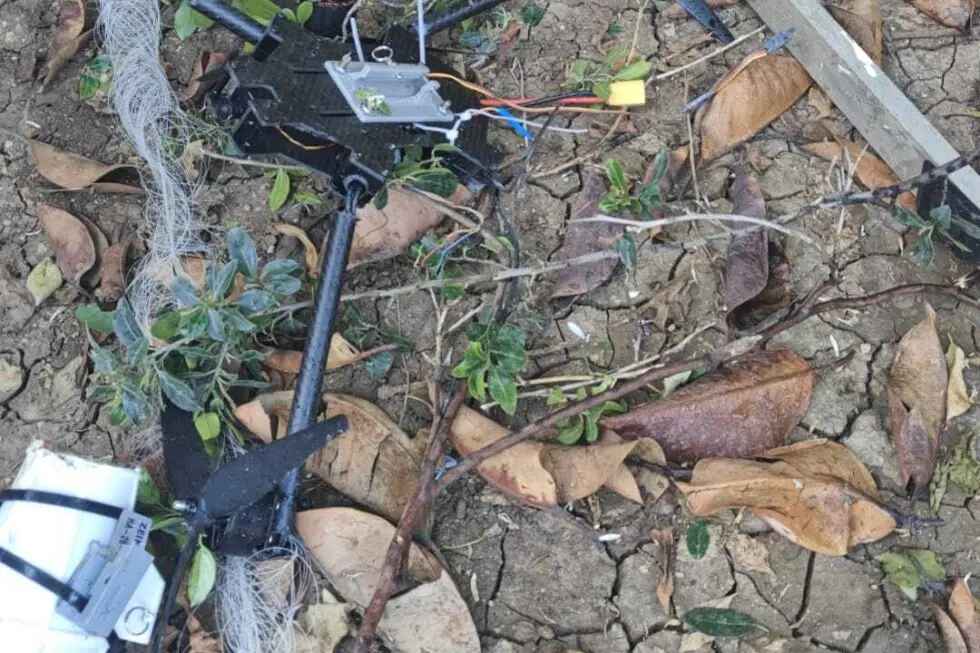
이 사진은 제빅 글리다이가 제공한 것으로, 2026년 4월 13일 월요일 레바논 국경을 넘어온 후 이스라엘 키랴트 시모나의 그의 집 뒷마당에 놓인 케이블로 둘러싸인 광섬유 드론을 보여준다. (제빅 글리다이/AP)
우크라이나에서 만든 FPV 광섬유 드론이 2025년 1월 29일 우크라이나 키예프 지역의 미공개 위치의 군사 시장에서 날고 있다. (AP Photo/에프렘 루카츠키, 자료사진)
이 사진은 제빅 글리다이가 제공한 것으로, 2026년 4월 13일 월요일 레바논 국경을 넘어온 후 이스라엘 키랴트 시모나의 그의 집 뒷마당에 놓인 케이블로 둘러싸인 광섬유 드론을 보여준다. (제빅 글리다이/AP)
이 사진은 제빅 글리다이가 제공한 것으로, 2026년 4월 13일 월요일 레바논 국경을 넘어온 후 이스라엘 키랴트 시모나의 그의 집 뒷마당에 놓인 케이블로 둘러싸인 광섬유 드론을 보여준다. (제빅 글리다이/AP)
우크라이나에서 만든 FPV 광섬유 드론이 2025년 1월 29일 우크라이나 키예프 지역의 미공개 위치의 군사 시장에서 날고 있다. (AP Photo/에프렘 루카츠키, 자료사진)
우크라이나에서 만든 FPV 광섬유 드론이 2025년 1월 29일 우크라이나 키예프 지역의 미공개 위치의 군사 시장에서 날고 있다. (AP Photo/에프렘 루카츠키, 자료사진)
텔아비브, 이스라엘 (AP) — 헤즈볼라는 최근 전투에서 이스라엘 북부를 상대로 새로운 무기를 발사했다: 치실 굵기의 광섬유 케이블로 조종되는 소형 드론으로 전자 탐지를 회피한다.
이 드론들은 우크라이나 전쟁에서 광범위하게 사용되고 있으며, 작고 추적이 어려우며 치명적이다. 드론들이 남부 레바논의 이스라엘 병사를 살해했고 목요일 이스라엘 북부에서 최소 12명을 부상시켰으며, 그 중 2명은 심각한 상태다. 한 명의 병사와 국방 계약업체가 이번 주 초 레바논에서 사망했다.
많은 드론들은 공중방어 전자 방해에 취약하다. 방해는 드론을 추락시키거나 출발지로 돌아가게 할 수 있다.
광섬유 드론은 GPS 신호나 무선 조종을 통해 조종되지 않는다. 조종자의 콘솔을 드론에 직접 연결하는 얇은 케이블이 뒤로 풀려나가므로 전자적으로 방해하는 것이 불가능하다.
드론은 바람이나 다른 드론들이 케이블을 얽히게 할 수 있기 때문에 완벽하지는 않다.
그러나 런던의 왕립통합국방연구소 드론 전문가이자 연구원인 로버트 톨라스트는 "당신이 무엇을 하고 있는지 안다면, 그것은 절대적으로 치명적"이라고 말하면서 드론이 낮게 날 수 있고 목표에 몰래 접근할 수 있는 방법을 설명했다.
전문가들은 군대가 드론의 작은 크기와 짧은 비행 경로로 인해 어려운 드론을 가로채거나, 거의 보이지 않는 케이블을 자르는 방법을 찾아야 한다고 말한다.
이란의 지원을 받는 레바논의 민간 무장단체인 헤즈볼라는 남부 레바논에서 활동하거나 국경의 마을에 있는 이스라엘 병사들을 상대로 광섬유 드론을 사용해왔다고 발표했다.
이스라엘 군 관계자는 AP에 광섬유 드론이 헤즈볼라와의 최근 전투 중 상대적으로 새로운 위협이라고 말했다. 헤즈볼라는 이스라엘 공중방어가 더 크고 강력한 로켓, 미사일 및 기타 드론에 성공했기 때문에 광섬유 드론으로 전환한 것으로 보인다고 익명을 조건으로 군 지침에 따라 말한 관계자가 말했다.
이스라엘은 드론이 국내에서 제조되고 생산하기 쉽다고 생각하며, 기성 드론, 소량의 폭발물, 소비자 시장에서 쉽게 구할 수 있는 투명한 와이어만 필요하다고 그는 말했다.
그는 드론을 레바논 내부 병력에 대한 가장 큰 위협이라고 불렀지만 이스라엘 군이 기술적 해결책을 추진하고 있다고 말했다. 그 동안 이스라엘은 군용 차량에 그물과 케이지를 추가하는 등 지면에서 병력을 방어하기 위한 조치를 취하고 있다.
광섬유 드론은 이스라엘의 첨단 방어가 새로운 위협, 특히 덜 정교한 위협을 가로채기 위해 경쟁하는 고양이와 쥐 경쟁의 최신 부분이다.
이스라엘 군 공중방위 사령부의 전 지휘관인 란 코차브는 이스라엘이 광섬유 드론 방어 시도에 실패하고 있다고 말했다.
"그들은 매우 낮고 매우 빠르게 날고, 매우 작으며, 탐지하기 매우 어렵고, 탐지 후에도 추적하기가 정말 어렵습니다"라고 그는 말했다.
코차브는 이스라엘이 로켓과 미사일에 대한 보호를 개선하기 위해 공중방위 시스템을 강화하는 데 수년을 보냈다고 말했다. 하지만 드론은 최우선 과제로 간주되지 않았다.
그는 이스라엘이 우크라이나 전쟁에서 광섬유 드론의 진전을 따르고 러시아처럼 다른 이란 동맹국도 결국 그것을 사용할 것으로 가정했어야 한다고 말했다.
우크라이나 전쟁 내내 모스크바와 키예프는 새로운 기술 개발 경쟁에 참여해왔다.
러시아는 거의 매일 밤 원래 이란에서 온 샤헤드 장거리 공격 드론으로 우크라이나를 강타한다. 모스크바가 드론에 많은 개선을 했지만, 일부는 여전히 전자 방해로 격추될 수 있다.
광섬유 드론은 그 문제를 해결하기 위해 개발되었지만, 무선 링크나 인공지능을 사용하여 항법하는 드론과 동일한 범위를 가지지 않는다.
일부 경우에, 광섬유 드론은 런던의 전문가 톨라스트에 따르면 31마일(50킬로미터)까지 연장되는 케이블로 기록되었다.
러시아와 우크라이나는 "엄청난 규모로" 많은 다양한 유형의 드론을 사용하고 있다고 그는 말했다.
광섬유 드론은 매우 광범위하게 사용되어 영상에는 햇빛에 반짝이는 거대한 거미줄을 연상시키는 반짝이는 낚싯줄 같은 문자열로 코팅된 최전선 우크라이나 마을을 보여준다.
이스라엘은 드론을 가로채기에 충분한 화력을 가지고 있지만, 핵심은 조기 탐지라고 코차브는 말했다.
그는 이스라엘이 이미 빛의 변화를 추적하고, 신호와 통신을 식별하고, 드론 프로펠러의 소리를 인식할 수 있는 적절한 기술을 가지고 있다고 설명했다.
하지만 그는 이러한 모니터링 시스템이 북부 국경을 따라 광범위하게 배포되지 않았다고 말했다.
지난 몇 주 동안 헤즈볼라는 소셜 미디어 플랫폼과 알 마나르 TV 방송국을 통해 특히 남부 레바논의 이스라엘 병력에 대한 이 새로운 드론들의 공격 영상을 방송했다.
이 공격들은 대중의 관심을 끌었다. 지난 주말 한 공격으로 이스라엘 병사 1명이 사망하고 6명이 부상을 입었으며, 그 중 일부는 심각한 상태다. 화요일의 또 다른 공격으로 이스라엘 민간 계약업체가 남부 레바논에서 사망했다.
병사를 사망시킨 공격에서 헤즈볼라는 차량 근처에 모인 병력 중간에 폭발할 때까지 드론이 촬영한 영상을 배포했다. 또 다른 드론은 부상자를 대피시키기 위해 군용 헬리콥터가 착륙한 같은 위치에 발사되었지만 거의 명중하지 못했다.
보안 및 군사 문제 전문 기자이자 헤즈볼라의 능력을 긴밀히 따르고 있는 알리 제지니는 그룹이 사용하는 일부 드론의 비용이 각각 300~400달러 사이라고 추정했다. 그는 또한 그들이 3D 프린팅 기술을 사용하여 국내에서 제조되는 것 같으며, 쌍용 응용에 적합하지만 민간 목적으로 일반적으로 사용되는 용이하게 이용 가능한 전자 부품에 추가된다고 덧붙였다.
헤즈볼라는 3월 2일에 시작된 전투 라운드 중에 광섬유 유도 드론을 처음 사용하기 시작했다고 발표했으며, 수년 동안 다른 유형의 드론을 사용한 후였다.
이스라엘도 광섬유 케이블을 반드시 사용하지는 않지만 헤즈볼라 민병대를 대상으로 감시 및 공격을 수행하는 드론 함대를 가지고 있다.
제빅 글리다이는 이스라엘 북부 도시 키랴트 시모나의 자신의 뒷마당에 충돌한 드론 주위에 투명한 광섬유 케이블 코일을 발견한 78세의 수학 교사이자 자원봉사 구급차 운전사다.
그의 집은 레바논 국경에서 2킬로미터(1.5마일) 떨어져 있다. 그는 집에 앉아 있을 때 고음의 비명과 작은 충돌을 들었다. 그의 이웃이 마당이 불타고 있다고 외쳤다.
그들은 정원 호스로 불을 껐지만 뭔가 새로운 것을 발견했다: 파괴된 드론이 흰 실의 고리와 컬로 둘러싸여 있었다.
"우리는 이 드론들에 대해 매우 걱정하고 있습니다. 왜냐하면 우리가 그것을 탐지할 수 없기 때문에 그것을 격추할 방법이 없습니다"라고 글리다이는 말했다.
그는 드론이 충돌하기 전에 경보 사이렌이 없었으며, 대응한 폭탄 처리반이 거의 2킬로그램(4.4파운드)의 폭발물이 폭발하지 못한 것을 기적이라고 불렀다고 말했다.
"그들은 저에게 '당신은 운이 많다'고 말했습니다"라고 글리다이는 말했으며, 키랴트 시모나에서 48년을 산 동안 헤즈볼라 무기의 여러 반복을 경험했다고 지적했다. "그들은 그들이 집을 수 있는 모든 조각을 집어 들었고, 그들은 나에게 기념품으로 몇 개의 광학 섬유를 남겼습니다."
므루에는 베이루트에서 보도했고; 버로우는 런던에서 보도했다.
우크라이나에서 만든 FPV 광섬유 드론이 2025년 1월 29일 우크라이나 키예프 지역의 미공개 위치의 군사 시장에서 날고 있다. (AP Photo/에프렘 루카츠키, 자료사진)
이 사진은 제빅 글리다이가 제공한 것으로, 2026년 4월 13일 월요일 레바논 국경을 넘어온 후 이스라엘 키랴트 시모나의 그의 집 뒷마당에 놓인 케이블로 둘러싸인 광섬유 드론을 보여준다. (제빅 글리다이/AP)
이 사진은 제빅 글리다이가 제공한 것으로, 2026년 4월 13일 월요일 레바논 국경을 넘어온 후 이스라엘 키랴트 시모나의 그의 집 뒷마당에 놓인 케이블로 둘러싸인 광섬유 드론을 보여준다. (제빅 글리다이/AP)
우크라이나에서 만든 FPV 광섬유 드론이 2025년 1월 29일 우크라이나 키예프 지역의 미공개 위치의 군사 시장에서 날고 있다. (AP Photo/에프렘 루카츠키, 자료사진)
우크라이나에서 만든 FPV 광섬유 드론이 2025년 1월 29일 우크라이나 키예프 지역의 미공개 위치의 군사 시장에서 날고 있다. (AP Photo/에프렘 루카츠키, 자료사진)
텔아비브, 이스라엘 (AP) — 헤즈볼라는 최근 전투에서 이스라엘 북부를 상대로 새로운 무기를 발사했다: 치실 굵기의 광섬유 케이블로 조종되는 소형 드론으로 전자 탐지를 회피한다.
이 드론들은 우크라이나 전쟁에서 광범위하게 사용되고 있으며, 작고 추적이 어려우며 치명적이다. 드론들이 남부 레바논의 이스라엘 병사를 살해했고 목요일 이스라엘 북부에서 최소 12명을 부상시켰으며, 그 중 2명은 심각한 상태다. 한 명의 병사와 국방 계약업체가 이번 주 초 레바논에서 사망했다.
많은 드론들은 공중방어 전자 방해에 취약하다. 방해는 드론을 추락시키거나 출발지로 돌아가게 할 수 있다.
광섬유 드론은 GPS 신호나 무선 조종을 통해 조종되지 않는다. 조종자의 콘솔을 드론에 직접 연결하는 얇은 케이블이 뒤로 풀려나가므로 전자적으로 방해하는 것이 불가능하다.
드론은 바람이나 다른 드론들이 케이블을 얽히게 할 수 있기 때문에 완벽하지는 않다.
그러나 런던의 왕립통합국방연구소 드론 전문가이자 연구원인 로버트 톨라스트는 "당신이 무엇을 하고 있는지 안다면, 그것은 절대적으로 치명적"이라고 말하면서 드론이 낮게 날 수 있고 목표에 몰래 접근할 수 있는 방법을 설명했다.
전문가들은 군대가 드론의 작은 크기와 짧은 비행 경로로 인해 어려운 드론을 가로채거나, 거의 보이지 않는 케이블을 자르는 방법을 찾아야 한다고 말한다.
이란의 지원을 받는 레바논의 민간 무장단체인 헤즈볼라는 남부 레바논에서 활동하거나 국경의 마을에 있는 이스라엘 병사들을 상대로 광섬유 드론을 사용해왔다고 발표했다.
이스라엘 군 관계자는 AP에 광섬유 드론이 헤즈볼라와의 최근 전투 중 상대적으로 새로운 위협이라고 말했다. 헤즈볼라는 이스라엘 공중방어가 더 크고 강력한 로켓, 미사일 및 기타 드론에 성공했기 때문에 광섬유 드론으로 전환한 것으로 보인다고 익명을 조건으로 군 지침에 따라 말한 관계자가 말했다.
이스라엘은 드론이 국내에서 제조되고 생산하기 쉽다고 생각하며, 기성 드론, 소량의 폭발물, 소비자 시장에서 쉽게 구할 수 있는 투명한 와이어만 필요하다고 그는 말했다.
그는 드론을 레바논 내부 병력에 대한 가장 큰 위협이라고 불렀지만 이스라엘 군이 기술적 해결책을 추진하고 있다고 말했다. 그 동안 이스라엘은 군용 차량에 그물과 케이지를 추가하는 등 지면에서 병력을 방어하기 위한 조치를 취하고 있다.
광섬유 드론은 이스라엘의 첨단 방어가 새로운 위협, 특히 덜 정교한 위협을 가로채기 위해 경쟁하는 고양이와 쥐 경쟁의 최신 부분이다.
이스라엘 군 공중방위 사령부의 전 지휘관인 란 코차브는 이스라엘이 광섬유 드론 방어 시도에 실패하고 있다고 말했다.
"그들은 매우 낮고 매우 빠르게 날고, 매우 작으며, 탐지하기 매우 어렵고, 탐지 후에도 추적하기가 정말 어렵습니다"라고 그는 말했다.
코차브는 이스라엘이 로켓과 미사일에 대한 보호를 개선하기 위해 공중방위 시스템을 강화하는 데 수년을 보냈다고 말했다. 하지만 드론은 최우선 과제로 간주되지 않았다.
그는 이스라엘이 우크라이나 전쟁에서 광섬유 드론의 진전을 따르고 러시아처럼 다른 이란 동맹국도 결국 그것을 사용할 것으로 가정했어야 한다고 말했다.
우크라이나 전쟁 내내 모스크바와 키예프는 새로운 기술 개발 경쟁에 참여해왔다.
러시아는 거의 매일 밤 원래 이란에서 온 샤헤드 장거리 공격 드론으로 우크라이나를 강타한다. 모스크바가 드론에 많은 개선을 했지만, 일부는 여전히 전자 방해로 격추될 수 있다.
광섬유 드론은 그 문제를 해결하기 위해 개발되었지만, 무선 링크나 인공지능을 사용하여 항법하는 드론과 동일한 범위를 가지지 않는다.
일부 경우에, 광섬유 드론은 런던의 전문가 톨라스트에 따르면 31마일(50킬로미터)까지 연장되는 케이블로 기록되었다.
러시아와 우크라이나는 "엄청난 규모로" 많은 다양한 유형의 드론을 사용하고 있다고 그는 말했다.
광섬유 드론은 매우 광범위하게 사용되어 영상에는 햇빛에 반짝이는 거대한 거미줄을 연상시키는 반짝이는 낚싯줄 같은 문자열로 코팅된 최전선 우크라이나 마을을 보여준다.
이스라엘은 드론을 가로채기에 충분한 화력을 가지고 있지만, 핵심은 조기 탐지라고 코차브는 말했다.
그는 이스라엘이 이미 빛의 변화를 추적하고, 신호와 통신을 식별하고, 드론 프로펠러의 소리를 인식할 수 있는 적절한 기술을 가지고 있다고 설명했다.
하지만 그는 이러한 모니터링 시스템이 북부 국경을 따라 광범위하게 배포되지 않았다고 말했다.
지난 몇 주 동안 헤즈볼라는 소셜 미디어 플랫폼과 알 마나르 TV 방송국을 통해 특히 남부 레바논의 이스라엘 병력에 대한 이 새로운 드론들의 공격 영상을 방송했다.
이 공격들은 대중의 관심을 끌었다. 지난 주말 한 공격으로 이스라엘 병사 1명이 사망하고 6명이 부상을 입었으며, 그 중 일부는 심각한 상태다. 화요일의 또 다른 공격으로 이스라엘 민간 계약업체가 남부 레바논에서 사망했다.
병사를 사망시킨 공격에서 헤즈볼라는 차량 근처에 모인 병력 중간에 폭발할 때까지 드론이 촬영한 영상을 배포했다. 또 다른 드론은 부상자를 대피시키기 위해 군용 헬리콥터가 착륙한 같은 위치에 발사되었지만 거의 명중하지 못했다.
보안 및 군사 문제 전문 기자이자 헤즈볼라의 능력을 긴밀히 따르고 있는 알리 제지니는 그룹이 사용하는 일부 드론의 비용이 각각 300~400달러 사이라고 추정했다. 그는 또한 그들이 3D 프린팅 기술을 사용하여 국내에서 제조되는 것 같으며, 쌍용 응용에 적합하지만 민간 목적으로 일반적으로 사용되는 용이하게 이용 가능한 전자 부품에 추가된다고 덧붙였다.
헤즈볼라는 3월 2일에 시작된 전투 라운드 중에 광섬유 유도 드론을 처음 사용하기 시작했다고 발표했으며, 수년 동안 다른 유형의 드론을 사용한 후였다.
이스라엘도 광섬유 케이블을 반드시 사용하지는 않지만 헤즈볼라 민병대를 대상으로 감시 및 공격을 수행하는 드론 함대를 가지고 있다.
제빅 글리다이는 이스라엘 북부 도시 키랴트 시모나의 자신의 뒷마당에 충돌한 드론 주위에 투명한 광섬유 케이블 코일을 발견한 78세의 수학 교사이자 자원봉사 구급차 운전사다.
그의 집은 레바논 국경에서 2킬로미터(1.5마일) 떨어져 있다. 그는 집에 앉아 있을 때 고음의 비명과 작은 충돌을 들었다. 그의 이웃이 마당이 불타고 있다고 외쳤다.
그들은 정원 호스로 불을 껐지만 뭔가 새로운 것을 발견했다: 파괴된 드론이 흰 실의 고리와 컬로 둘러싸여 있었다.
"우리는 이 드론들에 대해 매우 걱정하고 있습니다. 왜냐하면 우리가 그것을 탐지할 수 없기 때문에 그것을 격추할 방법이 없습니다"라고 글리다이는 말했다.
그는 드론이 충돌하기 전에 경보 사이렌이 없었으며, 대응한 폭탄 처리반이 거의 2킬로그램(4.4파운드)의 폭발물이 폭발하지 못한 것을 기적이라고 불렀다고 말했다.
"그들은 저에게 '당신은 운이 많다'고 말했습니다"라고 글리다이는 말했으며, 키랴트 시모나에서 48년을 산 동안 헤즈볼라 무기의 여러 반복을 경험했다고 지적했다. "그들은 그들이 집을 수 있는 모든 조각을 집어 들었고, 그들은 나에게 기념품으로 몇 개의 광학 섬유를 남겼습니다."
므루에는 베이루트에서 보도했고; 버로우는 런던에서 보도했다.
처리 완료
7,220 tokens · $0.0210
기사 수집 완료 · 12:10
매체 피드에서 기사 메타데이터 수집
헤드라인 번역 완료 · 12:25
제목/요약 한국어 번역 (fetch 시점 inline)
claude-haiku-4-5-20251001
191 tokens
$0.00054
1.8s
본문 추출 완료
8,533자 추출 완료
본문 한국어 번역 완료 · 12:25
4,188자 번역 완료
claude-haiku-4-5-20251001
7,029 tokens
$0.02041
43.6s
지정학적 엔티티 추출 완료 · 12:25
8개 엔티티 추출 완료
지정학적 맥락 & R-Scanner
R-Scanner · 평상
z=-0.26
일상적인 보도 수준 — 기준: Israel
(🇮🇱 IL)
최근 6시간 19건
7일 평균 20.18건 / 6h
7개국 매체
9개 매체
본문에서 추출된 지명 (8)
위치 지도
지도 로딩 중…
같은 주제의 다른 기사 (최근 7일)
This photo provided by Zevik Glidai shows a fiber-optic drone surrounded by cables lying in the backyard of his home in Kiryat Shmona, Israel, after being brought over the border from Lebanon, Monday, April 13, 2026. (Zevik Glidai via AP)
A Ukrainian made FPV fibre optic drone flies at a military market place at an undisclosed location in the Kyiv region, Ukraine, Jan. 29, 2025. (AP Photo/Efrem Lukatsky, File)
This photo provided by Zevik Glidai shows a fiber-optic drone surrounded by cables lying in the backyard of his home in Kiryat Shmona, Israel, after being brought over the border from Lebanon, Monday, April 13, 2026. (Zevik Glidai via AP)
This photo provided by Zevik Glidai shows a fiber-optic drone surrounded by cables lying in the backyard of his home in Kiryat Shmona, Israel, after being brought over the border from Lebanon, Monday, April 13, 2026. (Zevik Glidai via AP)
A Ukrainian made FPV fibre optic drone flies at a military market place at an undisclosed location in the Kyiv region, Ukraine, Jan. 29, 2025. (AP Photo/Efrem Lukatsky, File)
A Ukrainian made FPV fibre optic drone flies at a military market place at an undisclosed location in the Kyiv region, Ukraine, Jan. 29, 2025. (AP Photo/Efrem Lukatsky, File)
TEL AVIV, Israel (AP) — Hezbollah has launched a new weapon against northern Israel in the latest round of fighting: small drones controlled with fiber-optic cables the width of dental floss that avoid electronic detection.
These drones — used widely in the war in Ukraine — are small, hard to track and lethal. Drones killed an Israeli soldier in southern Lebanon and injured at least a dozen others in northern Israel on Thursday, two seriously. A soldier and defense contractor were killed in Lebanon earlier this week.
Many drones are susceptible to electronic jamming by air defenses. Jamming can cause a drone to crash or return to its point of origin.
Fiber-optic drones are not piloted via GPS signals or radio control. They have a thin cable spooling out behind them that connects the operator’s console directly to the drone, making it impossible to electronically jam.
The drones are not infallible because the wind — or other drones — can cause the cables to tangle.
But, “if you know what you’re doing, it’s absolutely deadly,” said Robert Tollast, a drone expert and researcher at the Royal United Services Institute in London, explaining how the drone can fly low and creep up on a target.
Experts say militaries must either intercept the drones, which is difficult due to their small size and short flight path, or find a way to snip the nearly invisible cable.
Hezbollah — the Iran-backed militant group in Lebanon — announced it has been using the fiber optic drones on Israeli soldiers operating in southern Lebanon or towns on the border.
An Israeli military official told AP the fiber optic drones are a relatively new threat during the latest round of fighting with Hezbollah. Hezbollah seems to have turned to them because Israeli air defenses have been successful against larger and more powerful rockets, missiles and other drones, said the official, who spoke on the condition of anonymity in line with military guidelines.
Israel believes the drones are made locally and are easy to produce – requiring little more than an off-the-shelf drone, a small amount of explosives, and transparent wire that is readily available on the consumer market, he said.
He called the drones the biggest threat to troops inside Lebanon but said the Israeli military is working on technological solutions. In the meantime, Israel is taking measures on the ground to defend troops, such as adding nets and cages to military vehicles.
The fiber-optic drones are the latest part of a cat-and-mouse race as Israel’s high-tech defenses race to intercept new threats, especially ones that are less sophisticated.
Ran Kochav, a former head of the Israeli military’s air defense command, said Israel is failing in its attempts to defend against the fiber-optic drones.
“They fly very low and very fast, and they are very small, it’s very difficult to detect them, and even after they’re detected, they are really hard to track,” he said.
Kochav said Israel spent years focusing on strengthening its air defense systems to improve protection against rockets and missiles. But drones were not seen as a top priority.
He said Israel should have been following the advances in fiber-optic drones in the war in Ukraine and assumed that like Russia, other Iranian allies would eventually use them.
Throughout the war in Ukraine, Moscow and Kyiv have been engaged in a race to develop new technology.
Russia pummels Ukraine almost nightly with Shahed long-range attack drones — originally from Iran. Although Moscow has made many improvements to the drones, some can still be taken down by electronic jamming.
Fiber-optic drones were developed to get around that problem — although they do not have the same range as a drone that uses a radio link or artificial intelligence to navigate.
In some cases, fiber-optic drones have been recorded with cables extending as far as 31 miles (50 kilometers) said Tollast, the expert in London.
Russia and Ukraine are using many different types of drones “at a phenomenal scale,” he said.
The fiber-optic drones are in such wide use that footage shows front-line Ukrainian towns coated with shiny, fishing line-like strings, resembling massive spiderwebs shimmering in the sunlight.
Israel has sufficient firepower to intercept drones, but the key is early detection, Kochav said.
He explained that Israel already has suitable technology that tracks changes in light, identifies signals and communications, and can recognize the sound of drone propellers.
But he said these monitoring systems haven’t been widely deployed along the northern border.
Over the past weeks, Hezbollah has aired videos through social media platforms and its Al-Manar TV station of attacks with these new drones, especially against Israeli troops in southern Lebanon.
These attacks have captured public attention. One attack killed one Israeli soldier and wounded six others, some of them seriously, last weekend. Another attack, on Tuesday, killed an Israeli civilian contractor in southern Lebanon.
In the attack that killed the soldier, Hezbollah issued a video taken by the drone until it exploded in the middle of troops gathering near a vehicle. Another drone was fired at the same location as a military helicopter landed to evacuate the wounded but narrowly missed.
Ali Jezzini, a journalist specializing in security and military affairs who closely follows Hezbollah’s capabilities, estimated that some of the drones used by the group cost between $300 and $400 each. He added that they appear to be manufactured locally using 3D printing technology, in addition to readily available electronic components typically used for civilian purposes but capable of dual-use applications.
Hezbollah announced that it began using fiber-optic guided drones for the first time during the round of fighting that began March 2, after using other types of drones for years.
Israel also has a fleet of drones that carry out surveillance and attacks, though not necessarily with the fiber-optic cables, to target Hezbollah militants.
Zevik Glidai, a 78-year-old math teacher and volunteer ambulance driver, discovered coils of the translucent fiber-optic cables surrounding a drone that crashed into his backyard in the northern Israeli city of Kiryat Shmona on April 13.
His house is 2 kilometers (1.5 miles) from the Lebanon border. He was sitting at home when he heard a high-pitched shriek and a small crash. His neighbor yelled that the yard was on fire.
The two of them put out the fire with a garden hose but noticed something new: The destroyed drone was surrounded by loops and curls of a white thread.
“We are very worried about these drones because there’s no way to shoot it down, because we can’t detect it,” Glidai said.
He said there was no warning siren before the drone crashed, and the bomb squad that responded called it a miracle that nearly 2 kilograms (4.4 pounds) of explosives failed to detonate.
“They told me, ‘You have a lot of luck,’” said Glidai, who noted that he’s lived through several iterations of Hezbollah weapons in his 48 years in Kiryat Shmona. “They picked up all of the pieces that they could pick up, and they left me a few optical fibers as a keepsake.”
Mroue reported from Beirut; Burrows from London.
A Ukrainian made FPV fibre optic drone flies at a military market place at an undisclosed location in the Kyiv region, Ukraine, Jan. 29, 2025. (AP Photo/Efrem Lukatsky, File)
This photo provided by Zevik Glidai shows a fiber-optic drone surrounded by cables lying in the backyard of his home in Kiryat Shmona, Israel, after being brought over the border from Lebanon, Monday, April 13, 2026. (Zevik Glidai via AP)
This photo provided by Zevik Glidai shows a fiber-optic drone surrounded by cables lying in the backyard of his home in Kiryat Shmona, Israel, after being brought over the border from Lebanon, Monday, April 13, 2026. (Zevik Glidai via AP)
A Ukrainian made FPV fibre optic drone flies at a military market place at an undisclosed location in the Kyiv region, Ukraine, Jan. 29, 2025. (AP Photo/Efrem Lukatsky, File)
A Ukrainian made FPV fibre optic drone flies at a military market place at an undisclosed location in the Kyiv region, Ukraine, Jan. 29, 2025. (AP Photo/Efrem Lukatsky, File)
TEL AVIV, Israel (AP) — Hezbollah has launched a new weapon against northern Israel in the latest round of fighting: small drones controlled with fiber-optic cables the width of dental floss that avoid electronic detection.
These drones — used widely in the war in Ukraine — are small, hard to track and lethal. Drones killed an Israeli soldier in southern Lebanon and injured at least a dozen others in northern Israel on Thursday, two seriously. A soldier and defense contractor were killed in Lebanon earlier this week.
Many drones are susceptible to electronic jamming by air defenses. Jamming can cause a drone to crash or return to its point of origin.
Fiber-optic drones are not piloted via GPS signals or radio control. They have a thin cable spooling out behind them that connects the operator’s console directly to the drone, making it impossible to electronically jam.
The drones are not infallible because the wind — or other drones — can cause the cables to tangle.
But, “if you know what you’re doing, it’s absolutely deadly,” said Robert Tollast, a drone expert and researcher at the Royal United Services Institute in London, explaining how the drone can fly low and creep up on a target.
Experts say militaries must either intercept the drones, which is difficult due to their small size and short flight path, or find a way to snip the nearly invisible cable.
Hezbollah — the Iran-backed militant group in Lebanon — announced it has been using the fiber optic drones on Israeli soldiers operating in southern Lebanon or towns on the border.
An Israeli military official told AP the fiber optic drones are a relatively new threat during the latest round of fighting with Hezbollah. Hezbollah seems to have turned to them because Israeli air defenses have been successful against larger and more powerful rockets, missiles and other drones, said the official, who spoke on the condition of anonymity in line with military guidelines.
Israel believes the drones are made locally and are easy to produce – requiring little more than an off-the-shelf drone, a small amount of explosives, and transparent wire that is readily available on the consumer market, he said.
He called the drones the biggest threat to troops inside Lebanon but said the Israeli military is working on technological solutions. In the meantime, Israel is taking measures on the ground to defend troops, such as adding nets and cages to military vehicles.
The fiber-optic drones are the latest part of a cat-and-mouse race as Israel’s high-tech defenses race to intercept new threats, especially ones that are less sophisticated.
Ran Kochav, a former head of the Israeli military’s air defense command, said Israel is failing in its attempts to defend against the fiber-optic drones.
“They fly very low and very fast, and they are very small, it’s very difficult to detect them, and even after they’re detected, they are really hard to track,” he said.
Kochav said Israel spent years focusing on strengthening its air defense systems to improve protection against rockets and missiles. But drones were not seen as a top priority.
He said Israel should have been following the advances in fiber-optic drones in the war in Ukraine and assumed that like Russia, other Iranian allies would eventually use them.
Throughout the war in Ukraine, Moscow and Kyiv have been engaged in a race to develop new technology.
Russia pummels Ukraine almost nightly with Shahed long-range attack drones — originally from Iran. Although Moscow has made many improvements to the drones, some can still be taken down by electronic jamming.
Fiber-optic drones were developed to get around that problem — although they do not have the same range as a drone that uses a radio link or artificial intelligence to navigate.
In some cases, fiber-optic drones have been recorded with cables extending as far as 31 miles (50 kilometers) said Tollast, the expert in London.
Russia and Ukraine are using many different types of drones “at a phenomenal scale,” he said.
The fiber-optic drones are in such wide use that footage shows front-line Ukrainian towns coated with shiny, fishing line-like strings, resembling massive spiderwebs shimmering in the sunlight.
Israel has sufficient firepower to intercept drones, but the key is early detection, Kochav said.
He explained that Israel already has suitable technology that tracks changes in light, identifies signals and communications, and can recognize the sound of drone propellers.
But he said these monitoring systems haven’t been widely deployed along the northern border.
Over the past weeks, Hezbollah has aired videos through social media platforms and its Al-Manar TV station of attacks with these new drones, especially against Israeli troops in southern Lebanon.
These attacks have captured public attention. One attack killed one Israeli soldier and wounded six others, some of them seriously, last weekend. Another attack, on Tuesday, killed an Israeli civilian contractor in southern Lebanon.
In the attack that killed the soldier, Hezbollah issued a video taken by the drone until it exploded in the middle of troops gathering near a vehicle. Another drone was fired at the same location as a military helicopter landed to evacuate the wounded but narrowly missed.
Ali Jezzini, a journalist specializing in security and military affairs who closely follows Hezbollah’s capabilities, estimated that some of the drones used by the group cost between $300 and $400 each. He added that they appear to be manufactured locally using 3D printing technology, in addition to readily available electronic components typically used for civilian purposes but capable of dual-use applications.
Hezbollah announced that it began using fiber-optic guided drones for the first time during the round of fighting that began March 2, after using other types of drones for years.
Israel also has a fleet of drones that carry out surveillance and attacks, though not necessarily with the fiber-optic cables, to target Hezbollah militants.
Zevik Glidai, a 78-year-old math teacher and volunteer ambulance driver, discovered coils of the translucent fiber-optic cables surrounding a drone that crashed into his backyard in the northern Israeli city of Kiryat Shmona on April 13.
His house is 2 kilometers (1.5 miles) from the Lebanon border. He was sitting at home when he heard a high-pitched shriek and a small crash. His neighbor yelled that the yard was on fire.
The two of them put out the fire with a garden hose but noticed something new: The destroyed drone was surrounded by loops and curls of a white thread.
“We are very worried about these drones because there’s no way to shoot it down, because we can’t detect it,” Glidai said.
He said there was no warning siren before the drone crashed, and the bomb squad that responded called it a miracle that nearly 2 kilograms (4.4 pounds) of explosives failed to detonate.
“They told me, ‘You have a lot of luck,’” said Glidai, who noted that he’s lived through several iterations of Hezbollah weapons in his 48 years in Kiryat Shmona. “They picked up all of the pieces that they could pick up, and they left me a few optical fibers as a keepsake.”
Mroue reported from Beirut; Burrows from London.