그리고 선거 승자는… 아프리카의 치솟는 후보 등록비를 감당할 수 있는 후보자
And the election winner is … the candidate who can afford Africa’s soaring nomination fees
그러나 주말 선거에서 모하메드는 투표용지에 이름이 올라있지 않았다. 현재 국외에 있는 그는 신뢰할 수 있는 안전 보장 없이는 고국에 돌아가 후보 등록 서류를 제출하거나 자유롭게 선거 운동을 할 수 없다고 말한다. 설령 경쟁이 허용되더라도, 등록 비용은 많은 비판가들이 형식적이라고 묘사하는 정치 환경에서 여전히 높은 장벽으로 남아있으며, 겔레는 상습적인 승자이다.
지부티와 베냉은 주말에 대통령 선거를 치렀으며, 2026년에 투표에 참가하는 약 18개 아프리카 국가들에 합류했다. 이 두 프랑스어권 국가는 한 가지 눈에 띄는 특징을 공유한다: 광범위한 항의를 불러일으킨 높은 후보 등록비이다. 지부티의 등록비는 약 2만 파운드 상당으로 책정되었고, 베냉은 약 32만 8천 파운드로 설정했다.
"이것은 서면상으로는 단순한 법적 요건으로 보일 수 있다. 실제로는 추가적인 선별 및 배제 메커니즘"이라고 모하메드는 말하며, 선거 참여를 시간과 돈의 낭비라고 묘사했다. 지부티에서는 후보 등록비는 투표 수의 최소 10%를 얻은 후보자에게만 환급된다.
모하메드는 덧붙인다: "현직 대통령이 선거마다 97%에 가까운 득표율로 승리하는 것으로 제시되는 국가에서, 이러한 규정의 진정한 의미는 단순히 경쟁을 규제하는 것이 아니라 경쟁을 봉쇄하는 것"이라고.
78세의 겔레는 1999년부터 통치해왔으며, 자신에게 유리하도록 조정된 것으로 널리 여겨지는 헌법 개정을 추진해왔다. 먼저 공직 연임을 가능하게 했고, 나중에는 이전에 75세로 상한이 있던 대통령 연령 제한을 폐지했다.
이러한 패턴은 아프리카 전역에서 점점 더 뚜렷해지고 있으며, 후보 등록비와 선거 운동의 전반적인 비용이 급격히 상승하면서 누가 출마할 수 있고 민주주의가 어떤 모습인지 변화시키고 있다.
등록비 인상에 대한 항의가 짐바브웨에서 점점 더 커지고 있다. 짐바브웨에서는 지난 선거에서 등록비가 1만 5천 파운드로 올라 1,900% 증가했다. 짐바브웨 야당 지도자이자 노동 경제학자 및 아프리카 민주주의자 대통령인 린다 츙기리라이 마사리라는 "과도한 비용" 때문에 2023년 투표에 참여할 수 없었다고 말한다.
마사리라는 말한다: "높은 후보 등록비가 진지한 리더십을 생산한다는 개념은 근본적으로 결함이 있다. 재정적 능력은 정치적 역량, 청렴성, 대중 지지 또는 비전 있는 리더십의 척도가 아니다."
그녀는 비용의 필요성을 완전히 부정하지는 않지만, 합리적이어야 한다고 말하며, 현재 금액이 정치적 영역을 좁혀 여성과 젊은이의 참여를 어렵게 만들고, 무소속 및 소규모 정당 후보를 좌절시키며, 이미 자원이 있는 정치 행위자들 사이에서 권력을 공고화한다고 경고한다.
보츠와나에 본부를 둔 민주주의 및 선거 인식 센터의 실행 이사인 모틀라펠레 랄레루는 상승하는 비용이 "이로운 것보다 해가 더 많다"고 말한다. 그녀는 비용이 후보자 수를 줄일 수는 있지만, 남은 선택의 질을 개선하지는 않는다고 말한다. 더 나쁜 것은, 이것이 "후보 자격을 상업적 거래로, 시민적 권리가 아닌 것으로 만든다"는 것이다.
랄레루는 실제로 높은 비용이 부유한 정치 행위자에게 특권을 주고 유권자 선택을 축소하며 "민주주의를 위태롭게" 하고 사실상 "최고 입찰자에게 판매"하는 "체계적인 부 테스트"가 된다고 말한다.
말라위는 다른 종류의 경고를 제공한다. 거기서 대통령 후보 등록비는 5년 전 약 800파운드에서 2025년 9월 선거를 위해 약 4,200파운드로 상승했다. 이론은 단순했다: "진지한" 경쟁자만 끌어들이기 위해 가격을 올린다. 그러나 투표용지는 이전 선거의 7명 후보에서 17명으로 확대되었다. 일부 후보는 늦게 등록했고 알려진 정치적 이력 없이 참여한 것으로 보도되었다.
말라위 정치학 교수인 난디니 파텔은 강력한 행위자들이 표를 분열시키고 상대를 혼란시키기 위해 "대리인"을 자금 지원했을 가능성을 배제하지 않으며, 이는 높은 비용이 여전히 붐비는 경쟁을 만들 수는 있지만 반드시 더 신뢰할 수 있는 경쟁을 만들지는 않는다는 의미이다. 그녀는 등록비 인상이 "부패를 유발할 수 있다"고 우려하며, 현재 "끔찍한" 비용 수준이 유능한 후보를 차단할 수 있다고 말한다.
2025년 말라위 대선의 무소속 대통령 후보인 밀워드 토비아스는 돈이 진지함을 측정한다는 생각을 거부한다. "정치적 경쟁은 후보 등록비로 측정하기에는 너무 큰 희생"이라고 그는 말한다. 그의 견해로는 일부 지망생들이 신념이 부족해서가 아니라 비용 때문에 출마하지 못했다.
파텔이 부풀려진 투표용지 뒤에 공모가 있다고 의심하는 반면, 토비아스는 그것이 "항의의 표시"였으며, 리더십 스타일에 대한 대중의 좌절에 의해 주도되었다고 주장한다. 그는 리더십은 믿음에 의해 이끌리지 은행 잔고에 의해 이끌리지 않는다고 주장한다.
미국 미시간 대학의 정치학자 마이클 와만은 말라위와 잠비아의 선거 비용을 연구해왔다. 그는 후보 등록비가 많은 아프리카 선거에서 후보자들이 발생시키는 막대한 비용의 일부에 불과하다고 지적한다. 미국에서 대통령 선거 운동 비용이 수십억 달러에 달하는 것처럼, 그는 관련된 금액이 선거를 부패의 위험한 온상으로 만든다고 말한다.
kimi-k2.5
535 tokens
$0.00113
19.7s
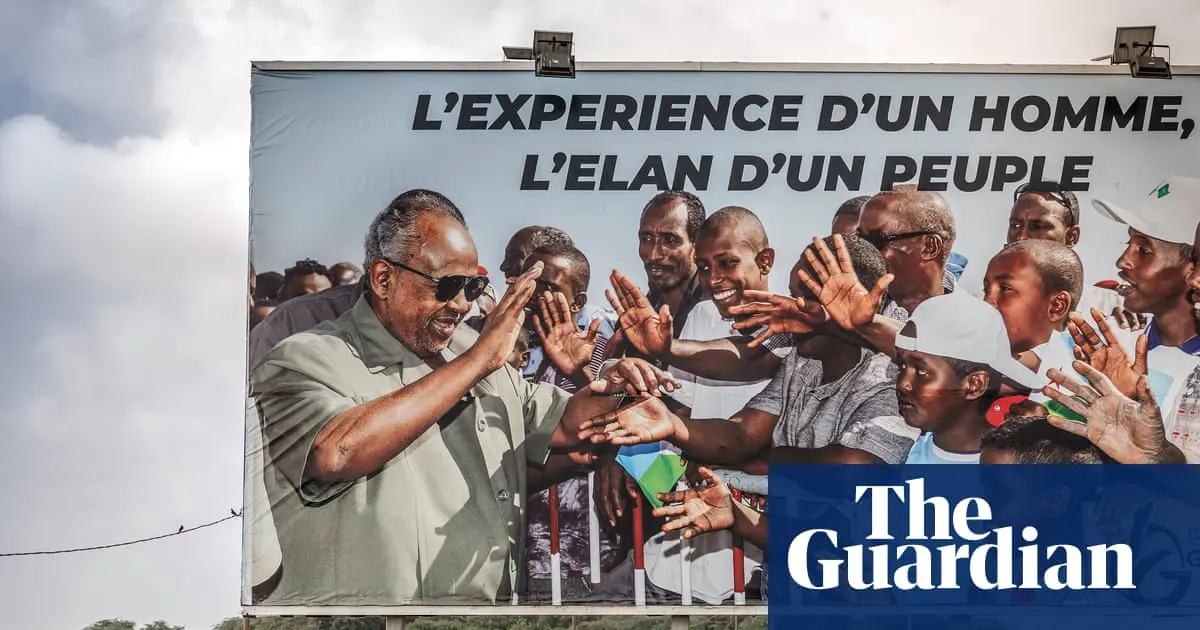
Presidential elections in Djibouti and Benin at the weekend highlighted how a costly electoral system is reshaping democracyAlexis Mohamed would have loved to stand against his former boss. A longtime adviser to Djibouti’s president, Ismail Omar Guelleh, Mohamed resigned last September, citing democratic regression in the country.But at the election at the weekend, Mohamed was not on the ballot. Now outside the country, he says he cannot return home to file nomination papers or campaign freely without credible security guarantees. Even if he were allowed to compete, nomination costs would still loom as a steep barrier in a political environment many critics describe as ceremonial, with Guelleh the habitual winner.
Alexis Mohamed would have loved to stand against his former boss. A longtime adviser to Djibouti’s president, Ismail Omar Guelleh, Mohamed resigned last September, citing democratic regression in the country.But at the election at the weekend, Mohamed was not on the ballot. Now outside the country, he says he cannot return home to file nomination papers or campaign freely without credible security guarantees. Even if he were allowed to compete, nomination costs would still loom as a steep barrier in a political environment many critics describe as ceremonial, with Guelleh the habitual winner.
Djibouti and Benin held presidential elections at the weekend, joining the 18 or so African nations going to the polls in 2026. The two French-speaking countries share one striking feature: high nomination fees that have attracted widespread protest. Djibouti’s fee was set at about the equivalent of £20,000 while Benin has pegged it at about £328,000.
“On paper, this may appear to be a simple legal requirement. In reality, it is an additional mechanism of selection and exclusion,” says Mohamed, describing participation in the election as a waste of time and money. In Djibouti, the nomination fee is refundable only to candidates who obtain at least 10% of votes cast.
Mohamed adds: “In a country where the incumbent president is presented, election after election, as winning with figures close to 97%, the real meaning of such a provision is not merely to regulate competition but to lock it down.”
Guelleh, 78, has ruled since 1999 and has pushed through constitutional changes widely seen as tailored to his advantage, first enabling open tenure and later removing the presidential age limit, previously capped at 75.
This pattern is increasingly visible across Africa, where nomination fees and the wider costs of campaigning are rising fast, reshaping who can run and what democracy looks like.
The outcry over increased nomination fees is growing louder in Zimbabwe, where the fee in the last elections rose to £15,000, a 1,900% increase. Zimbabwe’s opposition leader, Linda Tsungirirai Masarira, president of Labour Economists and Afrikan Democrats, says she could not participate in the 2023 polls due to “exorbitant fees”.
Masarira says: “The notion that high nomination fees produce serious leadership is fundamentally flawed. Financial capacity is not a measure of political competence, integrity, public support or visionary leadership.”
She does not entirely dismiss the need for fees, but says they must be reasonable, and warns that the current amount narrows the political field, making it harder for women and young people to participate, discourages independent and smaller party candidates, and consolidates power among already resourced political actors.
Motlapele Raleru, executive director of the Botswana-based Centre for Democracy and Electoral Awareness, says rising fees do “more harm than good”. They may reduce the number of candidates, she says, but it does not improve the quality of choices left behind. Worse, it “reduces [candidacy] to a commercial transaction, not a civic right”.
In practice, says Raleru, high fees become a “systematic wealth test” that privileges affluent political actors, shrinks voter choice and “puts democracy at stake”, effectively “on sale to the highest bidder”.
Malawi offers a different kind of warning. There, the presidential nomination fee rose to about £4,200 for the September 2025 election, from about £800 five years earlier. The theory was simple: raise the price to attract only “serious” contenders. Yet the ballot expanded from seven candidates in the previous election to 17. Some candidates reportedly entered late and without a known political history.
Malawian political science professor Nandini Patel does not rule out the possibility that powerful actors financed “proxies” to split votes and confuse opponents, meaning a high fee could still produce a crowded race but not necessarily a more credible one. She fears that an increase in nomination fees “may inspire corruption” and that the current “horrendous” fee level could block capable candidates.
Milward Tobias, an independent presidential candidate in Malawi’s 2025 elections, rejects the idea that money measures seriousness. “Political competition is too heavy a sacrifice to be measured by nomination fee,” he says. In his view, some aspirants failed to run not because they lacked conviction, but because they were priced out.
While Patel suspects collusion behind the bloated ballot, Tobias argues that it “was a protest statement”, driven by public frustration with the leadership style. He insists that leadership is driven by belief, not bank balance.
Political scientist Michael Wahman, at the University of Michigan in the US, has researched the cost of elections in Malawi and Zambia. He points out that nomination fees are only a fragment of the massive costs candidates incur in many African elections. As in the US, where presidential campaign costs run into the billions, he says the sums involved make elections a dangerous breeding ground for corruption.