쿠바 연료 위기 속 아바나의 수중 버스, 필수 교통수단으로 부상
An underwater bus in Havana becomes the ride that matters during Cuba's fuel crisis
Associated Press
· 🇺🇸 New York, US
https://apnews.com/author/andrea-rodr-guez
EN
2026-04-14 02:00
Translated
[CONTENT]
아바나(AP) — 최근 뜨거운 오후, 쿠바 수도에서 수십 명의 자전거, 스쿠터, 전기 오토바이를 탄 통근객들이 아바나 만 터널 입구에 줄지어 모였다. 그들은 올드 아바나와 섬 동쪽을 연결하는 수중 터널을 지나 사람들과 그들의 탈것을 실어 나르는 특수 개조 버스인 시클로버스를 기다리고 있었다.
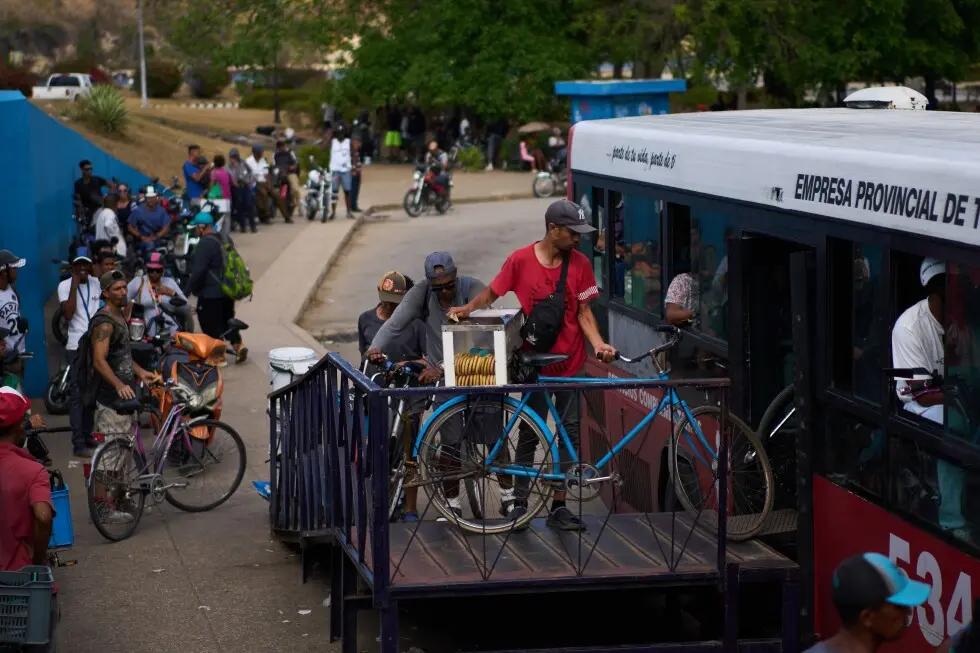
디젤 엔진으로 운행되는 이 버스는 약 60명의 승객과 그들의 탈것을 수용할 수 있으며, 하루 2,000명 이상을 수송할 만큼 충분한 운행 횟수를 가진다. 앞쪽에는 좌석 구역이 있지만, 금속 프레임의 절반은 화물용 개방식 칸이다. 승객들은 전용 경사로를 통해 탑승하고, 여행 내내 자신의 탈것과 함께 있으며, 균형을 잡기 위해 벽에 설치된 손잡이를 잡는다. 자전거, 오토바이, 스쿠터는 터널 통행이 금지되어 있다.
시클로버스는 새로운 것은 아니지만, 쿠바가 수십 년 만에 가장 심각한 에너지 위기를 겪으며 그 어느 때보다 인기 있고 필수적인 교통수단이 되었다.
도널드 트럼프 미국 대통령이 1월에 가한 에너지 봉쇄로 인해 쿠바는 차량당 휘발유를 20리터(5갤런)로 제한해야 했으며, 수 주 또는 수 개월이 걸리는 번거로운 예약 절차를 거쳐야 해 대중교통이 중단되었다. 요즘 아바나 거리에는 자동차가 거의 없고, 수천 대의 자전거와 소형 전기 오토바이가 유일한 이동 수단이 되어 북적거린다.
"남편이 자전거를 가지고 있어서 동승자로 타고 있어요"라고 동아바나 주민이자 올드 아바나에서 일하는 잉그리드 킨타나가 터널 버스를 기다리며 말했다. "대중교통이 없고 사택택시를 탈 여유가 없어서 시클로버스를 타는 거예요."
시클로버스는 섬에서 가장 짧은 대중교통 노선으로, 약 15분 만에 3킬로미터(1.8마일)를 주행한다.
올드 아바나의 아바나 만 터널 근처에서 승차한 승객들은 어둠 속 수중 통로를 통과하며 덜컹거리는 여정을 견뎌야 한다. 수십만 명이 거주하는 넓게 펼쳐진 주거 지역인 동아바나로 나온다. 대조적으로 대체 육로는 거대한 만을 돌아 16킬로미터(10마일)의 거리를 가야 하며, 인구가 희박하고 포장이 열악한 산업 항구 지역을 통과해야 한다.
요금은 자전거나 오토바이를 수송하는지에 따라 2쿠바 페소에서 5쿠바 페소(비공식 시장에서 미국 달러의 극소량)까지 다양하다.
비교해 보면, 동쪽 주거 지역에서 터널을 지나는 합승택시는 1,000쿠바 페소(약 2달러)가 든다. 쿠바 노동자의 월급은 7,000쿠바 페소(약 14달러)이다.
아바나의 국영 교통 회사가 소유한 시클로버스는 1990년대 소련 붕괴로 섬이 고립된 위기, 이른바 "특수시기"에 등장했으며, 당시 피델 카스트로 대통령이 중국산 자전거를 국민에게 배포했다.
시간이 지나면서 주민들이 일반 버스나 합승택시로 전환하면서 이 서비스는 인기를 잃었지만, 연료 부족으로 더 많은 쿠바인들이 일상 통근에 자전거, 전기 삼륜차, 스쿠터, 오토바이에 의존하게 되면서 다시 부활하고 있다.
"대부분의 일자리는 건너편, 시내에 있어서 건너가려면 이걸 타야 해요"라고 32세 체육 교사 바르바로 카브랄이 시클로버스가 승객으로 가득 차기 시작하며 자전거를 꽉 잡고 말했다.
아바나(AP) — 최근 뜨거운 오후, 쿠바 수도에서 수십 명의 자전거, 스쿠터, 전기 오토바이를 탄 통근객들이 아바나 만 터널 입구에 줄지어 모였다. 그들은 올드 아바나와 섬 동쪽을 연결하는 수중 터널을 지나 사람들과 그들의 탈것을 실어 나르는 특수 개조 버스인 시클로버스를 기다리고 있었다.
디젤 엔진으로 운행되는 이 버스는 약 60명의 승객과 그들의 탈것을 수용할 수 있으며, 하루 2,000명 이상을 수송할 만큼 충분한 운행 횟수를 가진다. 앞쪽에는 좌석 구역이 있지만, 금속 프레임의 절반은 화물용 개방식 칸이다. 승객들은 전용 경사로를 통해 탑승하고, 여행 내내 자신의 탈것과 함께 있으며, 균형을 잡기 위해 벽에 설치된 손잡이를 잡는다. 자전거, 오토바이, 스쿠터는 터널 통행이 금지되어 있다.
시클로버스는 새로운 것은 아니지만, 쿠바가 수십 년 만에 가장 심각한 에너지 위기를 겪으며 그 어느 때보다 인기 있고 필수적인 교통수단이 되었다.
도널드 트럼프 미국 대통령이 1월에 가한 에너지 봉쇄로 인해 쿠바는 차량당 휘발유를 20리터(5갤런)로 제한해야 했으며, 수 주 또는 수 개월이 걸리는 번거로운 예약 절차를 거쳐야 해 대중교통이 중단되었다. 요즘 아바나 거리에는 자동차가 거의 없고, 수천 대의 자전거와 소형 전기 오토바이가 유일한 이동 수단이 되어 북적거린다.
"남편이 자전거를 가지고 있어서 동승자로 타고 있어요"라고 동아바나 주민이자 올드 아바나에서 일하는 잉그리드 킨타나가 터널 버스를 기다리며 말했다. "대중교통이 없고 사택택시를 탈 여유가 없어서 시클로버스를 타는 거예요."
시클로버스는 섬에서 가장 짧은 대중교통 노선으로, 약 15분 만에 3킬로미터(1.8마일)를 주행한다.
올드 아바나의 아바나 만 터널 근처에서 승차한 승객들은 어둠 속 수중 통로를 통과하며 덜컹거리는 여정을 견뎌야 한다. 수십만 명이 거주하는 넓게 펼쳐진 주거 지역인 동아바나로 나온다. 대조적으로 대체 육로는 거대한 만을 돌아 16킬로미터(10마일)의 거리를 가야 하며, 인구가 희박하고 포장이 열악한 산업 항구 지역을 통과해야 한다.
요금은 자전거나 오토바이를 수송하는지에 따라 2쿠바 페소에서 5쿠바 페소(비공식 시장에서 미국 달러의 극소량)까지 다양하다.
비교해 보면, 동쪽 주거 지역에서 터널을 지나는 합승택시는 1,000쿠바 페소(약 2달러)가 든다. 쿠바 노동자의 월급은 7,000쿠바 페소(약 14달러)이다.
아바나의 국영 교통 회사가 소유한 시클로버스는 1990년대 소련 붕괴로 섬이 고립된 위기, 이른바 "특수시기"에 등장했으며, 당시 피델 카스트로 대통령이 중국산 자전거를 국민에게 배포했다.
시간이 지나면서 주민들이 일반 버스나 합승택시로 전환하면서 이 서비스는 인기를 잃었지만, 연료 부족으로 더 많은 쿠바인들이 일상 통근에 자전거, 전기 삼륜차, 스쿠터, 오토바이에 의존하게 되면서 다시 부활하고 있다.
"대부분의 일자리는 건너편, 시내에 있어서 건너가려면 이걸 타야 해요"라고 32세 체육 교사 바르바로 카브랄이 시클로버스가 승객으로 가득 차기 시작하며 자전거를 꽉 잡고 말했다.
디젤 엔진으로 운행되는 이 버스는 약 60명의 승객과 그들의 탈것을 수용할 수 있으며, 하루 2,000명 이상을 수송할 만큼 충분한 운행 횟수를 가진다. 앞쪽에는 좌석 구역이 있지만, 금속 프레임의 절반은 화물용 개방식 칸이다. 승객들은 전용 경사로를 통해 탑승하고, 여행 내내 자신의 탈것과 함께 있으며, 균형을 잡기 위해 벽에 설치된 손잡이를 잡는다. 자전거, 오토바이, 스쿠터는 터널 통행이 금지되어 있다.
시클로버스는 새로운 것은 아니지만, 쿠바가 수십 년 만에 가장 심각한 에너지 위기를 겪으며 그 어느 때보다 인기 있고 필수적인 교통수단이 되었다.
도널드 트럼프 미국 대통령이 1월에 가한 에너지 봉쇄로 인해 쿠바는 차량당 휘발유를 20리터(5갤런)로 제한해야 했으며, 수 주 또는 수 개월이 걸리는 번거로운 예약 절차를 거쳐야 해 대중교통이 중단되었다. 요즘 아바나 거리에는 자동차가 거의 없고, 수천 대의 자전거와 소형 전기 오토바이가 유일한 이동 수단이 되어 북적거린다.
"남편이 자전거를 가지고 있어서 동승자로 타고 있어요"라고 동아바나 주민이자 올드 아바나에서 일하는 잉그리드 킨타나가 터널 버스를 기다리며 말했다. "대중교통이 없고 사택택시를 탈 여유가 없어서 시클로버스를 타는 거예요."
시클로버스는 섬에서 가장 짧은 대중교통 노선으로, 약 15분 만에 3킬로미터(1.8마일)를 주행한다.
올드 아바나의 아바나 만 터널 근처에서 승차한 승객들은 어둠 속 수중 통로를 통과하며 덜컹거리는 여정을 견뎌야 한다. 수십만 명이 거주하는 넓게 펼쳐진 주거 지역인 동아바나로 나온다. 대조적으로 대체 육로는 거대한 만을 돌아 16킬로미터(10마일)의 거리를 가야 하며, 인구가 희박하고 포장이 열악한 산업 항구 지역을 통과해야 한다.
요금은 자전거나 오토바이를 수송하는지에 따라 2쿠바 페소에서 5쿠바 페소(비공식 시장에서 미국 달러의 극소량)까지 다양하다.
비교해 보면, 동쪽 주거 지역에서 터널을 지나는 합승택시는 1,000쿠바 페소(약 2달러)가 든다. 쿠바 노동자의 월급은 7,000쿠바 페소(약 14달러)이다.
아바나의 국영 교통 회사가 소유한 시클로버스는 1990년대 소련 붕괴로 섬이 고립된 위기, 이른바 "특수시기"에 등장했으며, 당시 피델 카스트로 대통령이 중국산 자전거를 국민에게 배포했다.
시간이 지나면서 주민들이 일반 버스나 합승택시로 전환하면서 이 서비스는 인기를 잃었지만, 연료 부족으로 더 많은 쿠바인들이 일상 통근에 자전거, 전기 삼륜차, 스쿠터, 오토바이에 의존하게 되면서 다시 부활하고 있다.
"대부분의 일자리는 건너편, 시내에 있어서 건너가려면 이걸 타야 해요"라고 32세 체육 교사 바르바로 카브랄이 시클로버스가 승객으로 가득 차기 시작하며 자전거를 꽉 잡고 말했다.
처리 완료
3,051 tokens · $0.0057
기사 수집 완료 · 02:00
매체 피드에서 기사 메타데이터 수집
헤드라인 번역 완료 · 02:15
제목/요약 한국어 번역 (fetch 시점 inline)
kimi-k2.5
146 tokens
$0.00031
10.1s
본문 추출 완료
4,625자 추출 완료
본문 한국어 번역 완료 · 02:15
1,527자 번역 완료
kimi-k2.5
2,905 tokens
$0.00542
55.0s
지정학적 엔티티 추출 완료 · 02:15
6개 엔티티 추출 완료
지정학적 맥락 & R-Scanner
R-Scanner · 평상
z=-0.5
일상적인 보도 수준 — 기준: Havana
(🇨🇺 CU)
최근 6시간 0건
7일 평균 0.64건 / 6h
0개국 매체
0개 매체
본문에서 추출된 지명 (6)
위치 지도
지도 로딩 중…
같은 주제의 다른 기사 (최근 7일)
HAVANA (AP) — On a recent sweltering afternoon in the Cuban capital, dozens of commuters on bicycles, scooters and electric motorcycles gathered in a tidy row at the entrance of the Havana Bay Tunnel. They were waiting for the Ciclobús, a bus specially fitted to take people — and their rides — through the underwater tunnel linking Old Havana to the eastern side of the island.
The diesel-powered bus can accommodate around 60 travelers and their vehicles, making enough trips to transport more than 2,000 people per day. It features a front seating section, but half its metallic frame is an open bay for cargo. Riders enter via a specialized ramp and stay with their vehicles for the duration of the trip, holding onto wall-mounted grab bars for balance. Bicycles, motorcycles and scooters are not allowed in the tunnel.
While the Ciclobús is not new, it has never been as popular — and essential — as Cuba navigates its most severe energy crisis in decades.
People load their bicycles onto a public bus to cross the Bay Tunnel in Havana, Wednesday, April 8, 2026. (AP Photo/Ramon Espinosa)
People load their bicycles onto a public bus to cross the Bay Tunnel in Havana, Wednesday, April 8, 2026. (AP Photo/Ramon Espinosa)
The energy blockade imposed by U.S. President Donald Trump in January has forced the country to ration gasoline to only 20 liters (5 gallons) per vehicle through a cumbersome appointment process that can take weeks, or even months, halting public transportation. These days, the streets of Havana are almost empty of cars but teeming with thousands of bicycles and small electric motorcycles that have become the only way to get around.
“My husband owns a bicycle, so I’m riding as his companion,” said Ingrid Quintana, a resident of East Havana, who works in the old part of Havana, while waiting for the tunnel bus. “It’s an option we have, because there’s no public transportation and we can’t afford to pay for a private taxi, so we ride the Ciclobús.”
The Ciclobús is the shortest public transportation route on the island, covering 3 kilometers (1.8 miles) in about 15 minutes.
People with their bicycles and motorcycles cross the Bay Tunnel in a public bus in Havana, Wednesday, April 8, 2026. (AP Photo/Ramon Espinosa)
People with their bicycles and motorcycles cross the Bay Tunnel in a public bus in Havana, Wednesday, April 8, 2026. (AP Photo/Ramon Espinosa)
After boarding near the Havana Bay Tunnel in Old Havana, passengers endure a rattling journey through the darkness of the underwater passage. They emerge in eastern Havana, a sprawling residential zone where hundreds of thousands reside. By contrast, the alternative land route must skirt the massive bay, a 16-kilometer (10-mile) trek through sparsely populated and poorly paved industrial port areas.
The fare for boarding ranges from 2 to 5 Cuban pesos (a tiny fraction of a U.S. dollar on the informal market) depending on whether you are transporting a bicycle or a motorcycle.
In comparison, a ride in a shared taxi from the eastern neighborhoods — passing through the tunnel — costs 1,000 Cuban pesos (about $2). A Cuban worker can earn a monthly salary of 7,000 Cuban pesos (about $14).
Commuters wait for the arrival of a public bus in Havana, Wednesday, April 8, 2026. (AP Photo/Ramon Espinosa)
Commuters wait for the arrival of a public bus in Havana, Wednesday, April 8, 2026. (AP Photo/Ramon Espinosa)
Owned by Havana’s state-run transport company, the Ciclobús emerged in the 1990s during the so-called “Special Period,” the crisis triggered by the collapse of the Soviet Union that left the island isolated, prompting then-President Fidel Castro to distribute Chinese-made bicycles among the population.
Over time, the service lost some of its appeal as residents turned to regular buses or shared taxis. But it is now seeing a resurgence as fuel shortages force more Cubans to rely on bicycles, electric tricycles, scooters and motorcycles for their daily commutes.
“Most jobs are on the other side, in the city, and that’s why we have to ride it to get across,” said 32-year-old gym teacher Bárbaro Cabral, gripping his bicycle tightly as the Ciclobús began to fill with passengers.
People wait for the arrival of a public bus to transport their bicycles across the Bay Tunnel in Havana, Wednesday, April 8, 2026. (AP Photo/Ramon Espinosa)
People wait for the arrival of a public bus to transport their bicycles across the Bay Tunnel in Havana, Wednesday, April 8, 2026. (AP Photo/Ramon Espinosa)
Follow AP’s coverage of Latin America and the Caribbean at https://apnews.com/hub/latin-america
The diesel-powered bus can accommodate around 60 travelers and their vehicles, making enough trips to transport more than 2,000 people per day. It features a front seating section, but half its metallic frame is an open bay for cargo. Riders enter via a specialized ramp and stay with their vehicles for the duration of the trip, holding onto wall-mounted grab bars for balance. Bicycles, motorcycles and scooters are not allowed in the tunnel.
While the Ciclobús is not new, it has never been as popular — and essential — as Cuba navigates its most severe energy crisis in decades.
People load their bicycles onto a public bus to cross the Bay Tunnel in Havana, Wednesday, April 8, 2026. (AP Photo/Ramon Espinosa)
People load their bicycles onto a public bus to cross the Bay Tunnel in Havana, Wednesday, April 8, 2026. (AP Photo/Ramon Espinosa)
The energy blockade imposed by U.S. President Donald Trump in January has forced the country to ration gasoline to only 20 liters (5 gallons) per vehicle through a cumbersome appointment process that can take weeks, or even months, halting public transportation. These days, the streets of Havana are almost empty of cars but teeming with thousands of bicycles and small electric motorcycles that have become the only way to get around.
“My husband owns a bicycle, so I’m riding as his companion,” said Ingrid Quintana, a resident of East Havana, who works in the old part of Havana, while waiting for the tunnel bus. “It’s an option we have, because there’s no public transportation and we can’t afford to pay for a private taxi, so we ride the Ciclobús.”
The Ciclobús is the shortest public transportation route on the island, covering 3 kilometers (1.8 miles) in about 15 minutes.
People with their bicycles and motorcycles cross the Bay Tunnel in a public bus in Havana, Wednesday, April 8, 2026. (AP Photo/Ramon Espinosa)
People with their bicycles and motorcycles cross the Bay Tunnel in a public bus in Havana, Wednesday, April 8, 2026. (AP Photo/Ramon Espinosa)
After boarding near the Havana Bay Tunnel in Old Havana, passengers endure a rattling journey through the darkness of the underwater passage. They emerge in eastern Havana, a sprawling residential zone where hundreds of thousands reside. By contrast, the alternative land route must skirt the massive bay, a 16-kilometer (10-mile) trek through sparsely populated and poorly paved industrial port areas.
The fare for boarding ranges from 2 to 5 Cuban pesos (a tiny fraction of a U.S. dollar on the informal market) depending on whether you are transporting a bicycle or a motorcycle.
In comparison, a ride in a shared taxi from the eastern neighborhoods — passing through the tunnel — costs 1,000 Cuban pesos (about $2). A Cuban worker can earn a monthly salary of 7,000 Cuban pesos (about $14).
Commuters wait for the arrival of a public bus in Havana, Wednesday, April 8, 2026. (AP Photo/Ramon Espinosa)
Commuters wait for the arrival of a public bus in Havana, Wednesday, April 8, 2026. (AP Photo/Ramon Espinosa)
Owned by Havana’s state-run transport company, the Ciclobús emerged in the 1990s during the so-called “Special Period,” the crisis triggered by the collapse of the Soviet Union that left the island isolated, prompting then-President Fidel Castro to distribute Chinese-made bicycles among the population.
Over time, the service lost some of its appeal as residents turned to regular buses or shared taxis. But it is now seeing a resurgence as fuel shortages force more Cubans to rely on bicycles, electric tricycles, scooters and motorcycles for their daily commutes.
“Most jobs are on the other side, in the city, and that’s why we have to ride it to get across,” said 32-year-old gym teacher Bárbaro Cabral, gripping his bicycle tightly as the Ciclobús began to fill with passengers.
People wait for the arrival of a public bus to transport their bicycles across the Bay Tunnel in Havana, Wednesday, April 8, 2026. (AP Photo/Ramon Espinosa)
People wait for the arrival of a public bus to transport their bicycles across the Bay Tunnel in Havana, Wednesday, April 8, 2026. (AP Photo/Ramon Espinosa)
Follow AP’s coverage of Latin America and the Caribbean at https://apnews.com/hub/latin-america