알바니즈, 길롱 정유소 대형 화재 이후 연료 제한 없다고 밝혀
Albanese says no fuel restrictions in wake of massive Geelong refinery fire
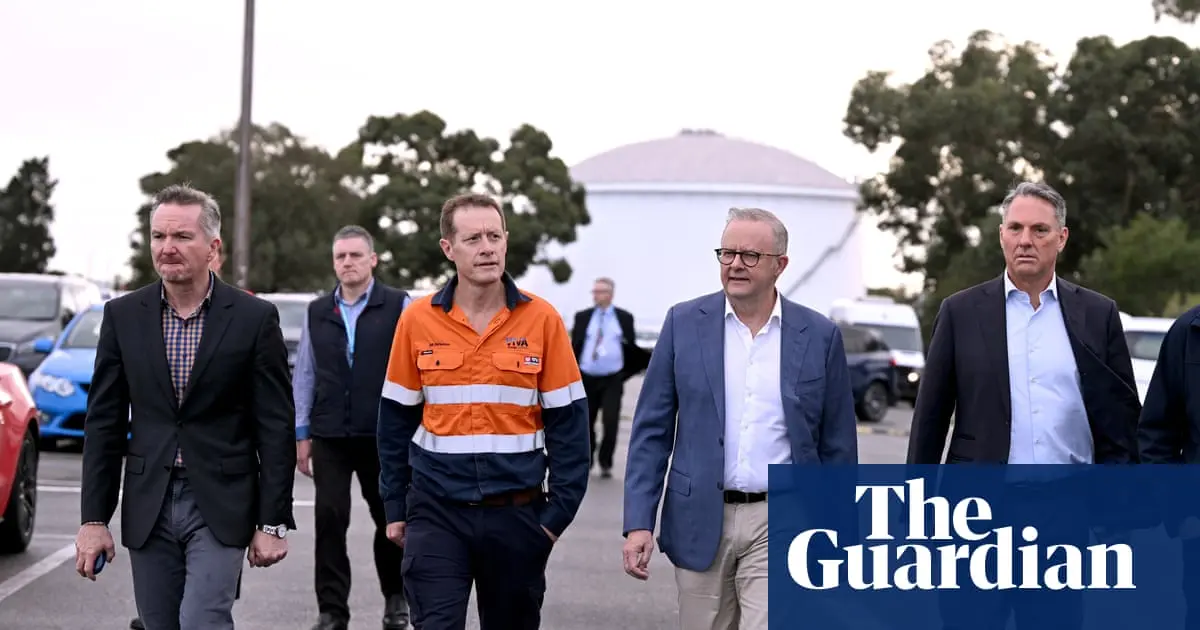
총리는 금요일 아침 비바 에너지 정유소 밖에서 기자회견을 열었으며, 이 정유소는 목요일 정오까지 13시간 동안 대형 화재가 발생하기 전 빅토리아 주 연료의 약 절반을 공급해왔다. 그는 이 시설이 디젤과 항공유 생산도 줄이고 있다고 밝혔다.
"오늘 받은 보고에 따르면 디젤 생산의 80%가 계속되고 있으며, 항공유 생산의 80%도 계속되고 있다"고 알바니즈가 말했다.
"상황 때문에 약간 느려졌지만, 휘발유 생산의 60%도 오늘 진행되고 있다."
"향후 기간 동안 이것이 증가하기를 바란다."
알바니즈는 생산이 정상으로 돌아가는 시점에 대한 구체적인 일정은 밝히지 않았다.
비바 에너지 시설의 화재는 길롱 교외 코리오에서 수요일 밤 시작되었으며, 소방구조국은 폭발과 화엄에 대한 119 신고 전화가 여러 건 접수되어 화재를 인지했다.
비바 에너지 웹사이트에 따르면 이 정유소는 하루에 약 12만 배럴의 원유를 가공할 수 있다. 지난달 회사는 이란의 전쟁 상황에도 불구하고 공급을 유지할 수 있다고 밝혔다.
회사는 화재로 인한 연료 공급에 "즉각적인 영향"은 없으며, 손실된 생산은 연료 수입 프로그램을 통해 대체할 것으로 예상한다고 말했다.
에너지 전문가들은 목요일에 더 많은 연료 제한이 필요할 수 있으며 빅토리아 주 운전자들은 리터당 최대 20센트의 단기적인 휘발유 가격 상승에 대비해야 한다고 경고했다.
알바니즈는 목요일 밤 화재 발생 후 동남아시아 연료 외교 임무에서 일찍 귀국했다.
그는 화재가 "유감스러운" 일이며, 특히 시점을 고려할 때 그렇다고 말했지만, 이것이 국가를 연료 계획의 "3단계"로 밀어넣지는 않을 것이라고 밝혔다.
지난달 말 발표된 이 계획에는 4개 단계가 있다: 1) 계획 및 준비; 2) 호주를 계속 움직이게 하기; 3) 표적 조치 취하기; 4) 모든 호주인을 위한 핵심 서비스 보호.
호주는 2단계에 있었으며, 지역적 공급 중단 기간에도 불구하고 연료 공급이 계속되었다.
이 설정 하에서 운전자들은 "필요한 연료만 구매하라"는 권고를 받는다. 이 계획은 자발적인 선택을 통해 연료 사용을 줄이고 소비자들이 더 높은 연료 가격의 영향을 피하는 데 도움이 될 것이라고 말한다.
3단계와 4단계는 지역과 핵심 산업에 연료 공급을 우선시하도록 설계된 더 엄격한 조건을 포함한다.
"정부는 주로 국내 사건이 아닌 전 세계적 사건의 영향을 받는 상황에 대비하기 위해 4개 단계를 마련했다"고 알바니즈는 금요일에 말했다.
"여기서 발생한 사건은 어떤 변화도 가져오지 않을 것이다. 내일 보유한 연료 공급에 대한 업데이트를 제공할 것이다."
"휘발유 생산의 60%가 계속되고 있다는 사실은 사람들이 본 상황을 고려할 때 실제로 매우 긍정적이다. 우리 모두 심각한 화재였던 것의 시각적 자료를 봤다."
목요일에 빌 패터슨 비바 에너지 에너지 및 인프라 총괄 이사는 화재 원인이 아직 조사 중이지만, 정비 문제나 현장 생산 증가로 인해 발생했다는 징후는 없다고 말했다.
그는 영향을 받은 지역은 LPG를 가솔린형 분자와 결합하는 정유소의 일부였으며, 이는 나중에 연료 혼합 및 전문 제품에 사용되었다고 설명했다.
kimi-k2.5
534 tokens
$0.00112
11.5s
kimi-k2.5
2,756 tokens
$0.00544
47.7s
Prime minister says Corio refinery fire will not push Australia into stage 3 restrictions, despite reduced production of petrol, diesel and aviation fuelFollow our Australia news live blog for latest updatesGet our breaking news email, free app or daily news podcastAnthony Albanese says petrol production has fallen 40% at one of Australia’s two remaining oil refineries but the damage caused by the fire at the Geelong facility will not lead to fuel restrictions.The prime minister spoke outside the Viva Energy refinery – which had been supplying about half of Victoria’s fuel before a massive fire burned for 13 hours until noon Thursday – on Friday morning, and said the facility was also producing less diesel and aviation fuel.
Anthony Albanese says petrol production has fallen 40% at one of Australia’s two remaining oil refineries but the damage caused by the fire at the Geelong facility will not lead to fuel restrictions.The prime minister spoke outside the Viva Energy refinery – which had been supplying about half of Victoria’s fuel before a massive fire burned for 13 hours until noon Thursday – on Friday morning, and said the facility was also producing less diesel and aviation fuel.
“The advice that we have received today is that 80% of diesel production is continuing, [and] 80% of aviation fuel is continuing,” Albanese said.
“It has been slowed down just slightly because of the circumstances which are there, but 60% of petrol production [is] proceeding today as well.
“We hope that … ramps up over the coming period as well.”
Albanese did not give a timeline on when production would return to normal.
The blaze at the Viva Energy facility, in the Geelong suburb of Corio, began on Wednesday night, with Fire Rescue Victoria alerted to the blaze by multiple calls to triple zero reporting explosions and flames.
According to the Viva Energy website, the refinery can process about 120,000 barrels of oil each day. Last month the company said it was able to maintain supplies despite the war in Iran.
The company said there was no “immediate impact” to fuel supply from the fire, and it expected to replace any lost production through its fuel import program.
Energy experts on Thursday warned more fuel restrictions could be needed and Victorian motorists should brace for a short-lived petrol price spike of up to 20 cents a litre.
Albanese flew home early from his fuel diplomacy mission in south-east Asia on Thursday night, in the wake of the fire.
He said the blaze was “regrettable”, especially given the timing, but it would not push the country into “stage 3” of the national fuel plan.
Announced late last month, the plan has four levels: 1) plan and prepare; 2) keeping Australia moving; 3) taking targeted action; and 4) protecting critical services for all Australians.
Australia has been a at level 2, with fuel supply continuing notwithstanding periods of localised supply disruptions.
Under this setting, motorists are encouraged to “only buy the fuel you need”. The plan says making voluntary choices will use less fuel and help consumers avoid the impact of higher fuel prices.
Levels 3 and 4 include tougher conditions designed to prioritise fuel supply to the regions and critical industries.
“The government’s put in place the four stages in order to plan, and in order to prepare for circumstances which are predominantly impacted by global events, not by events here,” Albanese said on Friday.
“The event here will not lead to any change – we will give an update tomorrow about fuel supplies that are on hand.
“The fact that 60% of petrol production is continuing is actually very positive, given the circumstances people have seen … we all saw the visuals of what was a serious fire.
On Thursday, Bill Patterson, Viva Energy’s executive general manager of energy and infrastructure, said while the cause of the fire was still being investigated there was no indication it had occurred because of maintenance issues or an increase in production at the site.
He said the affected area was part of the refinery responsible for combining LPG into gasoline-type molecules, which were later used in fuel blending and specialty products.