배심원단, 라이브 네이션을 독점 기업으로 선언…하지만 티켓 가격은 당장 떨어지지 않을 것
A jury declared Live Nation a monopoly. But ticket prices won't drop just yet
NPR
· 🇺🇸 Washington, US
Rachel Treisman
EN
2026-04-17 03:41
Translated
워싱턴 D.C.와 33개 주가 이제 구체적인 구제 조치와 벌금을 주장해야 하며, 라이브 네이션이 항소할 경우 중단될 수 있다. 전문가들은 장기적으로 티켓 가격에 미치는 영향도 불분명하다고 말한다.
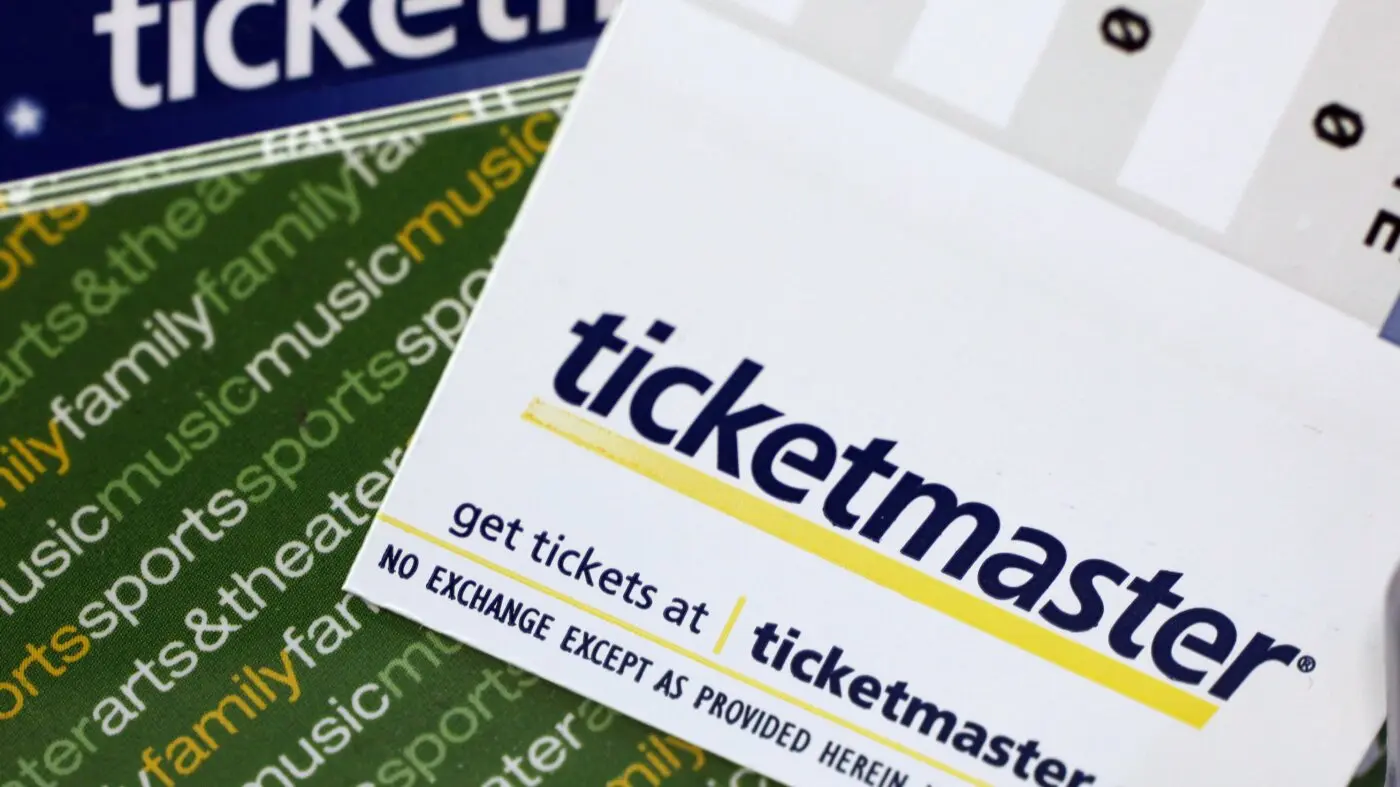
연방 배심원단은 2010년 합병한 라이브 네이션과 티켓마스터가 공연 행사와 관련해 경쟁을 억제하고 소비자에게 과도한 요금을 부과해왔다고 판결했다.
폴 사쿠마/AP
캡션 숨기기
맨해튼의 연방 배심원단은 티켓마스터와 모회사인 라이브 네이션이 독점 기업으로 행동하며 경쟁을 억제하고 소비자에게 과도한 요금을 부과해왔다고 판결했다.
하지만 그렇다고 다음 콘서트 티켓이 자동으로 더 저렴해지는 것은 아니다.
수요일의 평결은 공연 기획, 아티스트 매니지먼트, 공연장 운영, 티켓 판매 서비스에 이르기까지 라이브 엔터테인먼트 산업의 너무 많은 측면에 막대한 영향력을 행사했다고 회사를 고소한 33개 주와 워싱턴 D.C.에게 법적 승리다.
그리고 대가를 치러왔다고 말하는 수많은 불만족스러운 아티스트, 공연장, 팬들에게 명예 회복이다. 이 평결은 미국의 라이브 음악 산업을 재편할 가능성이 있다. 하지만 싸움은 끝나지 않았다.
주 검사들은 이제 별도의 재판에서 구체적인 "구제 조치와 재정적 제재"를 주장해야 한다—많은 이들이 축하 성명에서 표현한 대로다. 원고 측 수석 변호사 제프리 케슬러는 그 재판이 아직 예정되지 않았다는 이유로 NPR의 논평 요청을 거절했다.
많은 티켓팅 옹호자와 민주당 의원들이 원하는 구제 조치 중 하나는 정부가 2010년에 합병한 라이브 네이션과 티켓마스터의 분할을 강제해 콘서트 기획사와 티켓 판매업자를 분리하는 것이다.
한편, 라이브 네이션은 성명에서 "배심원단의 평결이 이 문제의 마지막 단어는 아니다"라고 밝혔다. 회사는 NPR의 논평 요청에 응답하지 않았다.
회사는 재판의 일부 전문가 증언을 삭제하라는 요청 등 여러 가처분 신청이 법원에 계류 중이라고 말했다.
"물론, 라이브 네이션은 이러한 가처분 신청에 대한 불리한 판결에 대해 항소할 수 있고 할 것"이라고 덧붙였다.
반독점법을 전문으로 하는 하버드 로스쿨 방문 교수 레베카 호 앨런스워스는 배심원단의 평결이 일반적으로 판사의 평결보다 성공적으로 다투기 어렵다고 말했다. 어쨌든 법원이 명령하는 어떤 구제 조치든 항소가 진행되는 동안 중단될 가능성이 높다고 그녀는 말했다.
"그래서 내년 달에… 2026년에도 라이브 네이션이 티켓마스터와 분리되지는 않을 것"이라고 그녀는 말했다.
UC 샌디에이고 라디 경영대학원 교수 탈레스 테세이라는 이 다음 단계가 "너무 많은 당사자가 관여해 있어 조금 복잡하다"며 "잠재적 합의나 재판에서 서로 다른 것을 원할 수 있다"고 말한다.
대규모 재구조화를 넘어, 라이브 네이션은 독점 계약 종료, 서비스 수수료 상한 설정, 공연장 예약을 SeatGeek과 AXS 같은 경쟁 플랫폼에 개방하는 등의 조치를 강제당할 수 있다.
회사는 또한 재정적 제재를 직면할 가능성이 높은데, 일부 소비자에게 지급을 포함할 수 있다: 배심원단은 라이브 네이션이 22개 주에서 티켓당 1.72달러를 과다 청구했다고 판결했다. 라이브 네이션은 이것이 판매된 티켓의 일부에만 해당하며 총 손해액을 1억 5천만 달러 미만으로 추정했다(법적 기준에 따라 법원이 3배로 산정할 것이라고 회사는 말한다).
하지만 그 돈은 소비자에게 직접 돌아가지 않을 가능성이 높다고 앨런스워스는 말한다, 집단 소송(회사가 직면한 또 다른 소송)과는 달리. 그녀는 어떤 판결 금액이든 참여 주들에게 돌아가며, 그들이 적절하다고 판단하는 대로 사용할 수 있다—아마도 어떤 형태의 소비자 관련 문제에 사용되겠지만, 티켓 구매자들의 주머니로 돌아가지는 않을 것이라고 그녀는 말한다.
"정말, 여기서 소비자를 위한 승리는 미래이자 경쟁의 회복—만약 그것이 일어난다면—이기 때문에, 나는 구제 조치가 이 금액을 넘어서는 것이 매우 중요하다고 생각한다"고 그녀는 말한다.
2024년 8월 런던의 테일러 스위프트 콘서트 밖에서 운을 시험하는 젊은 팬. 2022년 혼란스러운 Eras Tour 선판매로 티켓마스터가 마비되고 일반 판매가 취소되면서 플랫폼에 책임을 물으라는 요구가 커졌다.
알리시아 아보둔데/게티이미지 유럽
캡션 숨기기
테세이라는 미국 소비자들이 콘서트 티켓의 높은 비용은 물론 음식, 주차 등 기타 비용에 익숙해졌다고 말한다. 만약 있다면, 그는 일부 팬들의 분노가 티켓마스터의 202년 전면 가격 표시 시행(연방 규정 준수를 위해)으로 완화되었을 수 있다고 말한다. 이는 수수료를 결제 시점이 아닌 사전에 명시하는 것이다.
그리고 그는 이 사건의 결과가 장기적으로 티켓 가격을 낮출 것이라고 생각하지 않는다. 우선, 그는 라이브 네이션이 주차 비용 인상 등 회사가 통제하는 많은 공연장에서 다른 방식으로 잃은 수수료를 만회할 수 있다고 말한다.
"내 견해로는, 최상의 시나리오에서도 재판을 진행한 주들이 대부분의 주장에서 승리하더라도, 일반 콘서트 관객에게는 거의 변화가 없을 것"이라고 그는 말했다.
많은 주 검사들이 일관되게 자신들의 노력을 "연합"이라고 언급했지만, 테세이라는 어떤 주들은 자신들의 요구가 충족되는지에 따라 과정을 일찍 떠날 가능성이 있다고 말한다.
그 버전이 이미 이 사건에서 일어났다: 약 반 다스의 주들이 지난달 트럼프 대통령의 법무부와 라이브 네이션 간의 잠정적 2억 8천만 달러 합의에 합류했으며, 이는 재판 시작 며칠 만이었다.
합의의 일환으로, 회사는 서비스 수수료를 15%로 상한 설정하고 약 12개의 원형 극장과의 독점 예약 계약을 처분하는 등의 조치에 동의했다. 이는 티켓팅 단체와 민주당 의원들이 훨씬 부족하다고 말하는 것이다. 그 합의는 확정되기 전에 60일 공개 의견 수렴 기간을 거치고 연방 법원의 승인을 받아야 한다.
바로 이번 주, 이 주제에 가장 목소리를 높인 민주당 의원들 중 몇 명—미네소타의 에이미 클로버샤 상원의원, 매사추세츠의 엘리자베스 워런 상원의원, 코네티컷의 리처드 블루먼솔 상원의원 등—이 사건의 판사에게 그 합의를 "엄밀히 심사"하라고 촉구하는 서한을 제출했다. 그들은 이를 불충분하다고 불렀다.
라이브 네이션은 수요일 성명에서 "주들의 사건의 최종 결과가 법무부 합의가 상상하는 것과 본질적으로 다르지 않을 것이라고 확신한다"고 밝혔다.
앨런스워스는 라이브 네이션이 이미 경쟁 회복을 위한 조치를 취하고 있다는 점을 판사에게 보여주어 덜 침입적인 구제 조치를 희망할 수 있다고 말한다. 하지만 그녀는 주들이 민주당 의원들과 같은 반응을 보일 것으로 예상한다: "이건 손바닥 때리기이며, 판사님, 여기서 더 의미 있는 것을 부과해야 합니다."
회사가 강제 분할되더라도, 그녀는 라이브 네이션과 티켓마스터가 오랫동안 지배해온 라이브 행사 환경이 영향을 느끼는 데 얼마나 걸릴지는 불분명하다고 말한다. 하지만 그녀는 경쟁의 압력이 공연장, 아티스트, 팬 모두의 경험을 의심할 여지없이 개선할 것이라고 말한다.
"경쟁을 통해 우리 전체 경제를 조직하는 것의 놀랍고, 나는 짜증나는 측면 중 하나는, 우리가 어떤 새로운 아이디어가 나타날지 모른다는 것"이라고 앨런스워스는 말한다. "그것들이 소비자에게 어떤 영향을 미칠지 모른다. 하지만 우리는 장기적인 소비자 복지를 제공하는 최선의 방법이 새로운 아이디어가 실현될 공간을 갖는 것임을 안다."
폴 사쿠마/AP
캡션 숨기기
맨해튼의 연방 배심원단은 티켓마스터와 모회사인 라이브 네이션이 독점 기업으로 행동하며 경쟁을 억제하고 소비자에게 과도한 요금을 부과해왔다고 판결했다.
하지만 그렇다고 다음 콘서트 티켓이 자동으로 더 저렴해지는 것은 아니다.
수요일의 평결은 공연 기획, 아티스트 매니지먼트, 공연장 운영, 티켓 판매 서비스에 이르기까지 라이브 엔터테인먼트 산업의 너무 많은 측면에 막대한 영향력을 행사했다고 회사를 고소한 33개 주와 워싱턴 D.C.에게 법적 승리다.
그리고 대가를 치러왔다고 말하는 수많은 불만족스러운 아티스트, 공연장, 팬들에게 명예 회복이다. 이 평결은 미국의 라이브 음악 산업을 재편할 가능성이 있다. 하지만 싸움은 끝나지 않았다.
주 검사들은 이제 별도의 재판에서 구체적인 "구제 조치와 재정적 제재"를 주장해야 한다—많은 이들이 축하 성명에서 표현한 대로다. 원고 측 수석 변호사 제프리 케슬러는 그 재판이 아직 예정되지 않았다는 이유로 NPR의 논평 요청을 거절했다.
많은 티켓팅 옹호자와 민주당 의원들이 원하는 구제 조치 중 하나는 정부가 2010년에 합병한 라이브 네이션과 티켓마스터의 분할을 강제해 콘서트 기획사와 티켓 판매업자를 분리하는 것이다.
한편, 라이브 네이션은 성명에서 "배심원단의 평결이 이 문제의 마지막 단어는 아니다"라고 밝혔다. 회사는 NPR의 논평 요청에 응답하지 않았다.
회사는 재판의 일부 전문가 증언을 삭제하라는 요청 등 여러 가처분 신청이 법원에 계류 중이라고 말했다.
"물론, 라이브 네이션은 이러한 가처분 신청에 대한 불리한 판결에 대해 항소할 수 있고 할 것"이라고 덧붙였다.
반독점법을 전문으로 하는 하버드 로스쿨 방문 교수 레베카 호 앨런스워스는 배심원단의 평결이 일반적으로 판사의 평결보다 성공적으로 다투기 어렵다고 말했다. 어쨌든 법원이 명령하는 어떤 구제 조치든 항소가 진행되는 동안 중단될 가능성이 높다고 그녀는 말했다.
"그래서 내년 달에… 2026년에도 라이브 네이션이 티켓마스터와 분리되지는 않을 것"이라고 그녀는 말했다.
UC 샌디에이고 라디 경영대학원 교수 탈레스 테세이라는 이 다음 단계가 "너무 많은 당사자가 관여해 있어 조금 복잡하다"며 "잠재적 합의나 재판에서 서로 다른 것을 원할 수 있다"고 말한다.
대규모 재구조화를 넘어, 라이브 네이션은 독점 계약 종료, 서비스 수수료 상한 설정, 공연장 예약을 SeatGeek과 AXS 같은 경쟁 플랫폼에 개방하는 등의 조치를 강제당할 수 있다.
회사는 또한 재정적 제재를 직면할 가능성이 높은데, 일부 소비자에게 지급을 포함할 수 있다: 배심원단은 라이브 네이션이 22개 주에서 티켓당 1.72달러를 과다 청구했다고 판결했다. 라이브 네이션은 이것이 판매된 티켓의 일부에만 해당하며 총 손해액을 1억 5천만 달러 미만으로 추정했다(법적 기준에 따라 법원이 3배로 산정할 것이라고 회사는 말한다).
하지만 그 돈은 소비자에게 직접 돌아가지 않을 가능성이 높다고 앨런스워스는 말한다, 집단 소송(회사가 직면한 또 다른 소송)과는 달리. 그녀는 어떤 판결 금액이든 참여 주들에게 돌아가며, 그들이 적절하다고 판단하는 대로 사용할 수 있다—아마도 어떤 형태의 소비자 관련 문제에 사용되겠지만, 티켓 구매자들의 주머니로 돌아가지는 않을 것이라고 그녀는 말한다.
"정말, 여기서 소비자를 위한 승리는 미래이자 경쟁의 회복—만약 그것이 일어난다면—이기 때문에, 나는 구제 조치가 이 금액을 넘어서는 것이 매우 중요하다고 생각한다"고 그녀는 말한다.
2024년 8월 런던의 테일러 스위프트 콘서트 밖에서 운을 시험하는 젊은 팬. 2022년 혼란스러운 Eras Tour 선판매로 티켓마스터가 마비되고 일반 판매가 취소되면서 플랫폼에 책임을 물으라는 요구가 커졌다.
알리시아 아보둔데/게티이미지 유럽
캡션 숨기기
테세이라는 미국 소비자들이 콘서트 티켓의 높은 비용은 물론 음식, 주차 등 기타 비용에 익숙해졌다고 말한다. 만약 있다면, 그는 일부 팬들의 분노가 티켓마스터의 202년 전면 가격 표시 시행(연방 규정 준수를 위해)으로 완화되었을 수 있다고 말한다. 이는 수수료를 결제 시점이 아닌 사전에 명시하는 것이다.
그리고 그는 이 사건의 결과가 장기적으로 티켓 가격을 낮출 것이라고 생각하지 않는다. 우선, 그는 라이브 네이션이 주차 비용 인상 등 회사가 통제하는 많은 공연장에서 다른 방식으로 잃은 수수료를 만회할 수 있다고 말한다.
"내 견해로는, 최상의 시나리오에서도 재판을 진행한 주들이 대부분의 주장에서 승리하더라도, 일반 콘서트 관객에게는 거의 변화가 없을 것"이라고 그는 말했다.
많은 주 검사들이 일관되게 자신들의 노력을 "연합"이라고 언급했지만, 테세이라는 어떤 주들은 자신들의 요구가 충족되는지에 따라 과정을 일찍 떠날 가능성이 있다고 말한다.
그 버전이 이미 이 사건에서 일어났다: 약 반 다스의 주들이 지난달 트럼프 대통령의 법무부와 라이브 네이션 간의 잠정적 2억 8천만 달러 합의에 합류했으며, 이는 재판 시작 며칠 만이었다.
합의의 일환으로, 회사는 서비스 수수료를 15%로 상한 설정하고 약 12개의 원형 극장과의 독점 예약 계약을 처분하는 등의 조치에 동의했다. 이는 티켓팅 단체와 민주당 의원들이 훨씬 부족하다고 말하는 것이다. 그 합의는 확정되기 전에 60일 공개 의견 수렴 기간을 거치고 연방 법원의 승인을 받아야 한다.
바로 이번 주, 이 주제에 가장 목소리를 높인 민주당 의원들 중 몇 명—미네소타의 에이미 클로버샤 상원의원, 매사추세츠의 엘리자베스 워런 상원의원, 코네티컷의 리처드 블루먼솔 상원의원 등—이 사건의 판사에게 그 합의를 "엄밀히 심사"하라고 촉구하는 서한을 제출했다. 그들은 이를 불충분하다고 불렀다.
라이브 네이션은 수요일 성명에서 "주들의 사건의 최종 결과가 법무부 합의가 상상하는 것과 본질적으로 다르지 않을 것이라고 확신한다"고 밝혔다.
앨런스워스는 라이브 네이션이 이미 경쟁 회복을 위한 조치를 취하고 있다는 점을 판사에게 보여주어 덜 침입적인 구제 조치를 희망할 수 있다고 말한다. 하지만 그녀는 주들이 민주당 의원들과 같은 반응을 보일 것으로 예상한다: "이건 손바닥 때리기이며, 판사님, 여기서 더 의미 있는 것을 부과해야 합니다."
회사가 강제 분할되더라도, 그녀는 라이브 네이션과 티켓마스터가 오랫동안 지배해온 라이브 행사 환경이 영향을 느끼는 데 얼마나 걸릴지는 불분명하다고 말한다. 하지만 그녀는 경쟁의 압력이 공연장, 아티스트, 팬 모두의 경험을 의심할 여지없이 개선할 것이라고 말한다.
"경쟁을 통해 우리 전체 경제를 조직하는 것의 놀랍고, 나는 짜증나는 측면 중 하나는, 우리가 어떤 새로운 아이디어가 나타날지 모른다는 것"이라고 앨런스워스는 말한다. "그것들이 소비자에게 어떤 영향을 미칠지 모른다. 하지만 우리는 장기적인 소비자 복지를 제공하는 최선의 방법이 새로운 아이디어가 실현될 공간을 갖는 것임을 안다."
처리 완료
244 tokens · $0.0005
기사 수집 완료 · 03:55
매체 피드에서 기사 메타데이터 수집
헤드라인 번역 완료 · 04:08
제목/요약 한국어 번역 (fetch 시점 inline)
kimi-k2.5
244 tokens
$0.00049
5.1s
본문 추출 완료
7,056자 추출 완료
본문 한국어 번역 완료 · 04:08
3,490자 번역 완료
지정학적 엔티티 추출 완료 · 04:08
7개 엔티티 추출 완료
지정학적 맥락 & R-Scanner
R-Scanner · 평상
z=-4.45
일상적인 보도 수준 — 기준: United States
(🇺🇸 US)
최근 6시간 0건
7일 평균 20.79건 / 6h
0개국 매체
0개 매체
본문에서 추출된 지명 (7)
United States
🇺🇸
Manhattan
🇺🇸
Washington, D.C.
🇺🇸
London
🇬🇧
Minnesota
🇺🇸
Massachusetts
🇺🇸
Connecticut
🇺🇸
위치 지도
지도 로딩 중…
같은 주제의 다른 기사 (최근 7일)
D.C. and 33 states now have to argue in favor of specific remedies and fines, which could be paused if Live Nation appeals. Experts say the long-term impact on ticket prices isn't clear either.
A federal jury found that Live Nation and Ticketmaster, which merged in 2010, have been stifling competition and overcharging consumers when it comes to live events.Paul Sakuma/AP
hide caption
A federal jury in Manhattan found that Ticketmaster and its parent company, Live Nation, have been acting as a monopoly, stifling competition and overcharging consumers.
But that doesn't mean your next concert ticket will automatically be a better deal.
Wednesday's verdict is a legal win for the 33 states and Washington, D.C., that accused the company of wielding its immense power over too many aspects of the live entertainment industry, from concert promotion and artist management to venue operations and ticketing services.
And it's vindication for the many disgruntled artists, venues and fans who say they have been paying the price. The verdict has the potential to reshape the live music industry in the U.S. But the fight isn't over.
States' attorneys general now have to argue in favor of specific "remedies and financial penalties" — as many of them put it in celebratory press releases — at a separate trial. The lead lawyer for the plaintiffs, Jeffrey Kessler, declined to comment to NPR because that trial has not been scheduled.
One remedy that many ticketing advocates and Democratic lawmakers want is for the government to force the breakup of Live Nation and Ticketmaster — which merged in 2010 — separating the concert promoter from the ticket seller.
Meanwhile, Live Nation said in a statement that "the jury's verdict is not the last word on this matter." It has not responded to NPR's request for comment.
The company said several motions are still pending in front of the court, including one to strike some expert testimony from the trial.
"Of course, Live Nation can and will appeal any unfavorable rulings on these motions," it added.
Rebecca Haw Allensworth, a visiting professor at Harvard Law School who specializes in antitrust law, said a verdict from a jury is generally harder to fight successfully than one from a judge. In any case, she said, whatever remedy the court orders would likely be paused while an appeal plays out.
"So it's not like next month … certainly not in 2026, will Live Nation be severed from Ticketmaster," she said.
Thales Teixeira, a professor at UC San Diego's Rady School of Management, says this next phase is "a little bit complicated because there's so many parties involved … that might want different things out of a potential settlement or a trial."
Beyond major restructuring, Live Nation could be forced to take steps like end exclusive contracts, cap service fees and open booking at its venues to competing platforms like SeatGeek and AXS.
The company is also likely to face financial penalties, which could include payouts to some consumers: The jury found that Live Nation overcharged customers by $1.72 per ticket in 22 states. Live Nation said that applies to only a fraction of tickets sold, and estimated total damages below $150 million (which it says the court would triple, per legal standards).
But that money most likely won't go directly to consumers, Allensworth says, unlike in a class-action lawsuit (which the company also faces). She says any judgment amount would go back to the participating states, which can use it as they see fit — most likely for some sort of consumer-related issue, not back into ticket-buyers' pockets.
"Really, here, the win for the consumers is the future and the restoration of competition, if that happens, which is why I think it's so important for the remedy to go beyond this dollar amount," she says.
A young fan tries her luck outside Taylor Swift's concert in London in August 2024. A chaotic Eras Tour presale in 2022 crashed Ticketmaster, canceled the general fueled calls for the platform to be held accountable.
Alishia Abodunde/Getty Images Europe
hide caption
Teixeira says consumers in the U.S. have gotten used to the high cost of concert tickets, not to mention food, parking and other expenses. If anything, he says some of fans' anger may have been alleviated by Ticketmaster's implementation (to comply with federal regulations) of all-in pricing in 2025, labeling fees upfront rather than revealing them at checkout.
And he doesn't think the outcome of this case will lower ticket prices in the long term. For one, he says Live Nation can make up any lost fees in other ways, like upping the cost of a parking spot at one of the many venues it controls.
"My view is that even in the best-case scenario, if the states that have gone forward with the trial win most of their claims, I'd say very little will change for the average concertgoer," he said.
While many states' attorneys general have uniformly referred to their effort as a "coalition," Teixeira says it's possible that some could leave the process early, depending on which of their demands are met.
A version of that has happened in this case already: About half a dozen states joined a tentative $280 settlement between President Trump's Justice Department and Live Nation last month, just days into the trial.
As part of the settlement, the company agreed to do things like cap service fees at 15% and divest exclusive booking agreements with about a dozen amphitheaters, which ticketing organizations and Democratic lawmakers say does not go nearly far enough. That settlement must undergo a 60-day public comment period and get federal court approval before it can be finalized.
Just this week, several of the most vocal Democrats on this topic — including Sens. Amy Klobuchar of Minnesota, Elizabeth Warren of Massachusetts and Richard Blumenthal of Connecticut — submitted a letter urging the judge in the case to "closely scrutinize this settlement," which they called insufficient.
Live Nation said in its Wednesday statement that it is confident "that the ultimate outcome of the States' case will not be materially different than what is envisioned by the DOJ settlement."
Allensworth says that Live Nation can point to the settlement to show the judge that it is already taking steps to restore competition, in hopes of less intrusive remedies. But she expects states to have the same response as the Democratic lawmakers: "It's a slap on the wrist and, your Honor, you need to impose something more meaningful here."
Even if the company is forced to split up, she says, it's not clear how long it would take for the live events landscape — which Live Nation and Ticketmaster have dominated for so long — to feel the effects. But she says the pressure of competition would undoubtedly improve the experience for venues, artists and fans alike.
"It's one of the wonderful, and I think frustrating, things about organizing our whole economy through competition, is that we don't know what new ideas will come forward," Allensworth says. "We don't know how they will affect consumers. But we do know that the best way to provide long-term consumer welfare is to have a place for new ideas to come to life."