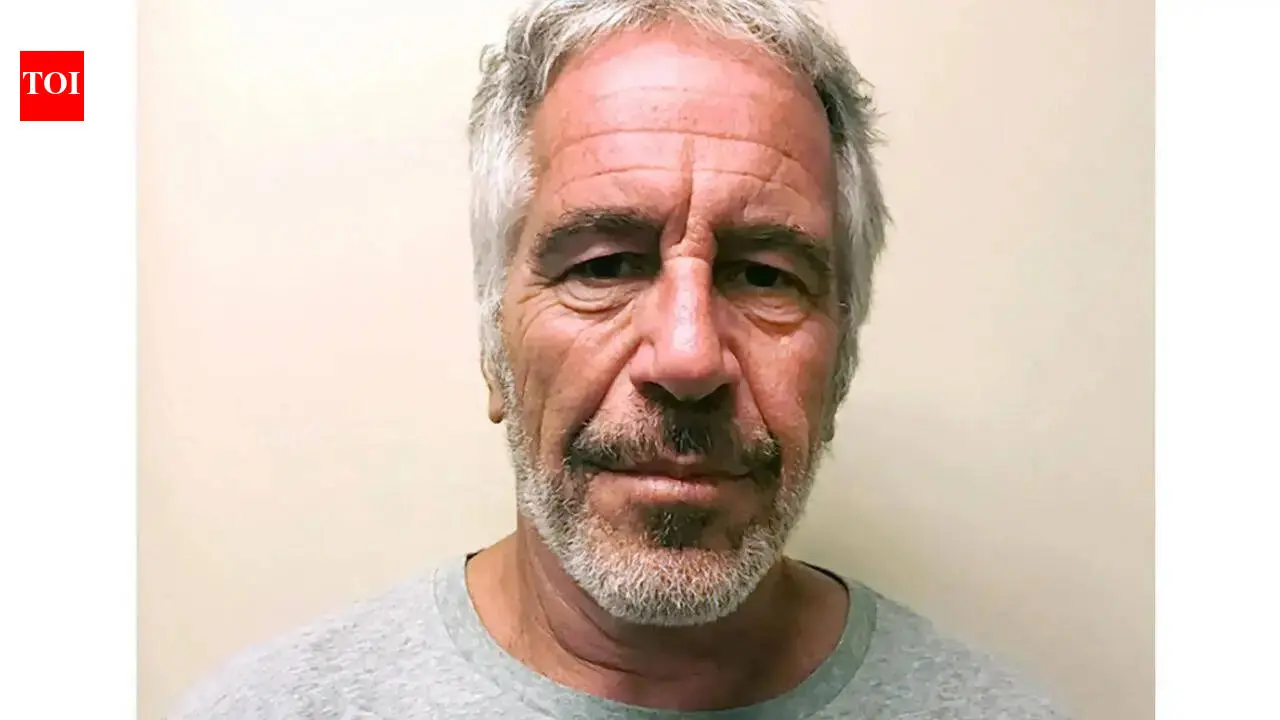
에프스타인이 자신의 개인 섬에 '모스크'를 건설하고 있었나? 중동에서 가져온 희귀 이슬람 유물
Was Epstein building a 'mosque' on his private island? Rare Islamic artefacts brought from Mid East
The Times of India
· 🇮🇳 Mumbai, IN
TOI WORLD DESK
EN
2026-04-30 05:45
Translated
악명높은 금융인 제프리 에프스타인은 중동 지역과의 연결고리를 구축하면서 카바 성소의 유물을 포함한 희귀 이슬람 유물을 수집했으며, 자신의 개인 섬에 '모스크'라고 부르는 건물을 지었다. 문서는 그의 이슬람 건축에 대한 관심과 체포 및 사망 전 사우디아라비아 사업 기회 추구를 보여준다.
악명높은 금융인 제프리 에프스타인은 중동 지역의 희귀 이슬람 유물을 수집하면서 개인 카리브해 섬에 특이한 건물을 짓기 위해 수년간 중동 지역과의 연결을 구축해왔다. 뉴욕 타임스에 따르면 이는 올해 1월 미국 법무부가 공개한 수백만 페이지의 문서에서 드러났다. 문서들은 에프스타인이 지역 내 부유하고 영향력 있는 인물들과의 관계를 형성하면서 이슬람 미술과 건축에 집중했음을 보여준다.
성스럽고 역사적인 유적지의 희귀 유물들
기록에 따르면 에프스타인은 이슬람의 성지인 메카의 카바 성소에서 운송된 꾸란 구절이 자수로 된 태피스트리를 포함한 극히 중요한 종교 및 문화 유물을 획득했다. 기타 유물로는 우즈베키스탄의 모스크에서 출처된 타일과 고대 시리아의 건축 양식을 복제하도록 설계된 금색 돔 구조물이 있었다. 뉴욕 타임스에 따르면 한 문서는 에프스타인이 카바와 연결된 3개의 유물, 즉 거룩한 성소를 덮는 검은 천인 키스와의 일부를 받았음을 설명한다. 키스와는 수천 파운드의 비단과 금, 은 실을 사용하여 사우디아라비아의 왕실 공방에서 생산되며 매년 교체된다. 교체 후 천의 일부는 때때로 기관이나 개인에게 배포된다.
에프스타인의 개인 섬 위의 '모스크'
이 재료들은 에프스타인의 개인 섬인 리틀 세인트 제임스에 있는 독특한 파란색과 흰색 줄무늬의 금색 돔으로 장식된 건물을 위한 것이었다. 수년에 걸쳐 이 건물은 음악실, 파빌리온, 예배당 또는 신비주의 공간으로 다양하게 설명되어 왔다. 그러나 문서에 인용된 서신과 인터뷰에 따르면 에프스타인은 이를 '모스크'라고 반복적으로 언급했다. 에프스타인에게 이 건물은 기능하는 예배 장소가 아니라 이슬람 디자인에서 영감을 받은 건축 및 예술 프로젝트였다. 이 프로젝트에 참여한 한 예술가는 뉴욕 타임스에 따르면 인터뷰에서 에프스타인이 이 구조물을 자신의 '모스크'라고 정기적으로 불렀음을 확인했다.
디자인 계획 및 상징성
기록들은 목욕탕과 모스크 같은 역사적 중동 구조물에 대한 언급을 포함하여 에프스타인의 이슬람 건축에 대한 강한 관심을 보여준다. 이메일에서 그는 전통적인 이슬람 패턴에서 영감을 받은 내부를 설계하도록 협력자들에게 지시했으며 아랍어 종교 비문을 자신의 이니셜로 바꾸기까지 제안했다. 또한 우즈베키스탄의 진정한 타일을 요청했으며 건물의 디자인 영감으로 시리아의 건축 참고자료를 공유했다. 기록은 에프스타인이 사우디 왕실 궁전과 연결된 개인들을 만났으며 사우디 경제 개혁 및 국영 석유 회사 아람코의 상장 계획과 관련된 자문 기회를 추구했음을 보여준다.
카바의 유물들
문서들은 사우디아라비아에서 온 종교 유물의 운송, 즉 카바와 연결된 직물과 의식 용품을 자세히 설명한다. 한 이메일은 성소의 검은 천의 문화적, 영적 중요성을 강조했으며, 수백만 명의 순례자들이 종교 의식 중에 이를 만졌다고 언급했다.
쇠락과 최후의 해
기록들은 또한 2017년 마리아 허리케인 동안 에프스타인의 섬이 피해를 입었으며 이른바 '모스크' 구조물과 그 내용물의 일부에 영향을 미쳤음을 보여준다. 같은 기간에 에프스타인과 일부 국제 연락처들과의 관계는 사우디아라비아의 정치 발전이 변하면서 악화되었다. 에프스타인은 2019년 연방 성매매 혐의로 체포되었다. 구금된 직후 에프스타인은 자신의 섬의 소유권을 개인 신탁으로 이전했다. 나중에 2019년 8월 재판을 기다리던 중 맨해튼 교도소 감옥에서 시신으로 발견되었다.
성스럽고 역사적인 유적지의 희귀 유물들
기록에 따르면 에프스타인은 이슬람의 성지인 메카의 카바 성소에서 운송된 꾸란 구절이 자수로 된 태피스트리를 포함한 극히 중요한 종교 및 문화 유물을 획득했다. 기타 유물로는 우즈베키스탄의 모스크에서 출처된 타일과 고대 시리아의 건축 양식을 복제하도록 설계된 금색 돔 구조물이 있었다. 뉴욕 타임스에 따르면 한 문서는 에프스타인이 카바와 연결된 3개의 유물, 즉 거룩한 성소를 덮는 검은 천인 키스와의 일부를 받았음을 설명한다. 키스와는 수천 파운드의 비단과 금, 은 실을 사용하여 사우디아라비아의 왕실 공방에서 생산되며 매년 교체된다. 교체 후 천의 일부는 때때로 기관이나 개인에게 배포된다.
에프스타인의 개인 섬 위의 '모스크'
이 재료들은 에프스타인의 개인 섬인 리틀 세인트 제임스에 있는 독특한 파란색과 흰색 줄무늬의 금색 돔으로 장식된 건물을 위한 것이었다. 수년에 걸쳐 이 건물은 음악실, 파빌리온, 예배당 또는 신비주의 공간으로 다양하게 설명되어 왔다. 그러나 문서에 인용된 서신과 인터뷰에 따르면 에프스타인은 이를 '모스크'라고 반복적으로 언급했다. 에프스타인에게 이 건물은 기능하는 예배 장소가 아니라 이슬람 디자인에서 영감을 받은 건축 및 예술 프로젝트였다. 이 프로젝트에 참여한 한 예술가는 뉴욕 타임스에 따르면 인터뷰에서 에프스타인이 이 구조물을 자신의 '모스크'라고 정기적으로 불렀음을 확인했다.
디자인 계획 및 상징성
기록들은 목욕탕과 모스크 같은 역사적 중동 구조물에 대한 언급을 포함하여 에프스타인의 이슬람 건축에 대한 강한 관심을 보여준다. 이메일에서 그는 전통적인 이슬람 패턴에서 영감을 받은 내부를 설계하도록 협력자들에게 지시했으며 아랍어 종교 비문을 자신의 이니셜로 바꾸기까지 제안했다. 또한 우즈베키스탄의 진정한 타일을 요청했으며 건물의 디자인 영감으로 시리아의 건축 참고자료를 공유했다. 기록은 에프스타인이 사우디 왕실 궁전과 연결된 개인들을 만났으며 사우디 경제 개혁 및 국영 석유 회사 아람코의 상장 계획과 관련된 자문 기회를 추구했음을 보여준다.
카바의 유물들
문서들은 사우디아라비아에서 온 종교 유물의 운송, 즉 카바와 연결된 직물과 의식 용품을 자세히 설명한다. 한 이메일은 성소의 검은 천의 문화적, 영적 중요성을 강조했으며, 수백만 명의 순례자들이 종교 의식 중에 이를 만졌다고 언급했다.
쇠락과 최후의 해
기록들은 또한 2017년 마리아 허리케인 동안 에프스타인의 섬이 피해를 입었으며 이른바 '모스크' 구조물과 그 내용물의 일부에 영향을 미쳤음을 보여준다. 같은 기간에 에프스타인과 일부 국제 연락처들과의 관계는 사우디아라비아의 정치 발전이 변하면서 악화되었다. 에프스타인은 2019년 연방 성매매 혐의로 체포되었다. 구금된 직후 에프스타인은 자신의 섬의 소유권을 개인 신탁으로 이전했다. 나중에 2019년 8월 재판을 기다리던 중 맨해튼 교도소 감옥에서 시신으로 발견되었다.
처리 완료
3,766 tokens · $0.0108
기사 수집 완료 · 12:25
매체 피드에서 기사 메타데이터 수집
헤드라인 번역 완료 · 12:36
제목/요약 한국어 번역 (fetch 시점 inline)
claude-haiku-4-5-20251001
382 tokens
$0.00108
2.7s
본문 추출 완료
3,702자 추출 완료
본문 한국어 번역 완료 · 12:36
1,657자 번역 완료
claude-haiku-4-5-20251001
3,384 tokens
$0.00972
18.2s
지정학적 엔티티 추출 완료 · 12:36
8개 엔티티 추출 완료
지정학적 맥락 & R-Scanner
R-Scanner · 상승
z=1
평소보다 보도량이 증가 추세 — 기준: Little Saint James
(🇻🇮 VI)
최근 6시간 1건
7일 평균 0건 / 6h
1개국 매체
1개 매체
본문에서 추출된 지명 (8)
Little Saint James
🇻🇮
Middle East
🇽🇲
Saudi Arabia
🇸🇦
Mecca
🇺🇸
Uzbekistan
🇺🇿
Syria
🇸🇾
Caribbean
🇽🇨
Manhattan
🇺🇸
위치 지도
지도 로딩 중…
같은 주제의 다른 기사 (최근 7일)
Disgraced financier Jeffrey Epstein cultivated Middle Eastern connections and acquired rare Islamic artifacts, including pieces from the Kaaba, for a building on his private island he called a 'mosque.' Documents reveal his interest in Islamic architecture and his pursuit of Saudi Arabian business opportunities before his arrest and death.
Jeffrey Epstein (AP image) Disgraced financier Jeffrey Epstein has spent years in building connections across the Middle East while also acquiring rare Islamic artefacts for an unusual building on his private Caribbean island. According to The New York Times, this was revealed in the millions of pages released US Justice Department in January this year. The documents show how Epstein focused on Islamic art and architecture, as he cultivated relationships with wealthy and powerful figures in the region.Rare artefacts from holy and historic sitesAccording to the records, Epstein obtained highly significant religious and cultural items, including tapestries embroidered with Quranic verses that were shipped from the Kaaba in Mecca, Islam’s holiest site.Other items included tiles sourced from a mosque in Uzbekistan and a golden dome structure designed to replicate architectural styles from ancient Syria, New York Times reported. One document describes how Epstein received three pieces linked to the Kaaba, including sections of the Kiswa, the black cloth that covers the holy shrine and is replaced annually.The Kiswa is produced in a royal workshop in Saudi Arabia using thousands of pounds of silk and gold and silver thread. After replacement, sections of the cloth are sometimes distributed to institutions or individuals.'Mosque' on Epstein’s private islandThe materials were intended for a distinctive blue-and-white striped building topped with a golden dome on Epstein’s private island, Little Saint James.Over the years, the structure has been described in various ways including as a music room, pavilion, chapel or even an occult space. However, correspondence and interviews cited in the documents suggest Epstein repeatedly referred to it as a 'mosque.'For Epstein, the building was not intended as a functioning place of worship, but as an architectural and artistic project inspired by Islamic design.An artist involved in the project confirmed in an interview that Epstein regularly called the structure his 'mosque,' according to The New York Times.Design plans and symbolismThe records show Epstein’s strong interest in Islamic architecture, including references to historic Middle Eastern structures such as bathhouses and mosques.In emails, he instructed collaborators to design interiors inspired by traditional Islamic patterns and even suggested replacing Arabic religious inscriptions with his own initials.He also requested authentic tiles from Uzbekistan and shared architectural references from Syria as design inspiration for the building.Records show Epstein met individuals linked to the Saudi royal court and pursued advisory opportunities related to Saudi economic reforms and the planned listing of the state-owned oil company Aramco.Artefacts from the Kaaba The documents detail shipments of religious artefacts from Saudi Arabia, including textiles and ceremonial pieces linked to the Kaaba.One email described the cultural and spiritual significance of a black cloth from the shrine, highlighting that millions of pilgrims had touched it during religious rituals.Decline and final yearsThe records also show that Epstein’s island suffered damage during Hurricane Maria in 2017, affecting parts of the so-called 'mosque' structure and its contents.During the same period, Epstein’s relationship with some of his international contacts deteriorated as political developments shifted in Saudi Arabia.Epstein was later arrested in 2019 on federal sex trafficking charges.Shortly after being taken into custody, Epstein transferred ownership of his island to a private trust. He was later found dead in a Manhattan jail cell in August 2019 while awaiting trial.