트럼프, 이란 붕괴 주장하며 테헤란은 호르무즈 해협 대치 속 영향력 강화 추구
Trump claims Iran collapse while Teheran sees leverage as Hormuz stand-off tightens
The Times of India
· 🇮🇳 Mumbai, IN
CHIDANAND RAJGHATTA
EN
2026-04-29 02:20
Translated
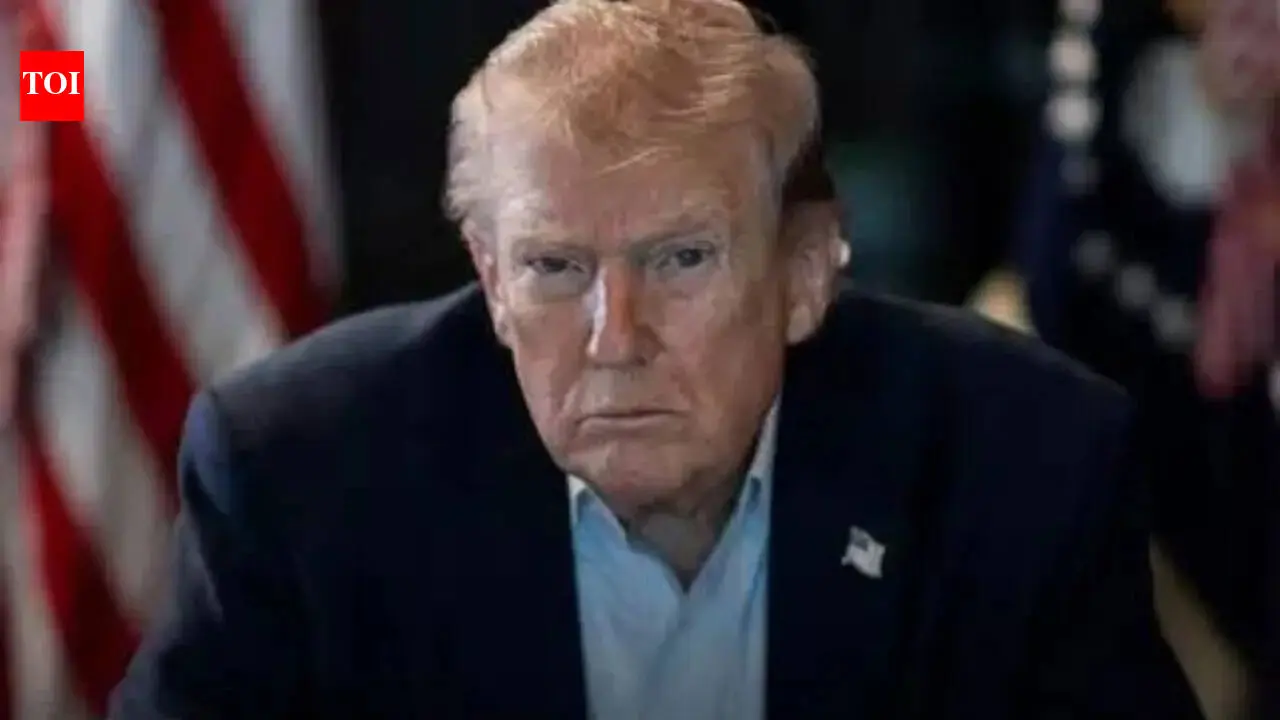
도널드 트럼프 워싱턴 특파원: 미국 대통령 도널드 트럼프는 화요일 이란이 "붕괴 상태"에 있으며 호르무즈 해협 개방을 위해 워싱턴에 긴급히 요청하고 있다고 주장하며, 약화된 적대국이 구제를 간절히 원하는 이미지를 투영했다. 그러나 현장의 발전은 훨씬 더 복잡한 현실을 시사한다: 테헤란이 이 중요한 수로에 대한 자신의 통제력을 유지하면서 동시에 미국이 해상 봉쇄를 해제할 것을 요구하는 강화된 해양 교착 상태이다. 이러한 교착 상태는 이제 미국을 포함한 전 세계 경제에 스트레스를 주고 있다. 트럼프가 이란이 해협을 "최대한 빨리" 개방하기를 원한다는 소셜 미디어 게시물에서의 주장은 양측 간의 긴장 완화에 대한 간접 연락 속에서 나온 것이다. 그러나 위기를 추적하는 분석가들은 사실이 일방적인 이란의 항복이 아니라 상호 강압 전략을 가리킨다고 말한다. 미국 대통령은 이전에 거짓으로 판명된 주장들을 했으며, 예를 들어 이란이 모든 "핵 먼지"(농축 우라늄)를 인도하기로 동의했다고 주장했다. 그는 또한 테헤란이 같은 입장에서 말해왔음에도 불구하고 이란 지도부가 분열되어 있다고 반복해서 시사했다. 트럼프의 수사와 작전 현실 간의 차이는 또한 분쟁을 둘러싼 정보전을 강조한다. 워싱턴이 이란의 경제적 곤경을 강조하는 동안 - 트럼프는 봉쇄가 테헤란에 하루 5억 달러를 비용으로 청구한다고 주장한다 - 테헤란은 위기를 "해적질"에 대한 저항으로 프레임화했으며, 미국이 불법적으로 탱커를 압수하고 해상 무역을 무기화하고 있다고 비난한다. 실제로 양측은 서로를 봉쇄하고 있으며, 일반적으로 전 지구적 석유의 약 5분의 1이 흐르는 호르무즈 해협을 수십 년 만에 가장 심각한 에너지 혼란의 진원지로 돌리고 있다. 항복을 신호하기는커녕 이란은 월요일 자신에게 유리한 조건에서 해협을 개방할 것을 제안했다: 제재 해제 및 핵 프로그램과 같은 논쟁이 많은 문제 연기. 그러나 트럼프는 "핵 질문을 제쳐두고" 해운로를 다시 개방할 틀을 거부한 것으로 알려졌으며, 이란이 광범위한 거래의 일부로 자신의 무기 야망을 다루어야 한다고 주장했다. 결과는 적극적인 군사 및 경제적 대결 위에 겹겹이 쌓인 외교적 교착이다. 이러한 교착 상태는 상황이 유지될 수 있다는 우려 속에서 유가가 배럴당 110달러 이상으로 급등하면서 걸프 지역을 훨씬 넘어 반향을 일으키고 있으며, 분석가들은 낙관적인 외교 시나리오에서도 지속적인 변동성을 경고하고 있다. 특히 인도, 일본, 한국과 같은 에너지 의존 경제를 가진 아시아의 경우, 위기는 공급을 더욱 제약하고 수입 비용을 올렸다. 이미 에너지 불안정에 시달리고 있는 유럽은 새로운 인플레이션 압력에 직면해 있다. 국제에너지기구(IEA)는 상황을 현대 역사상 가장 심각한 공급 혼란 중 하나로 묘사했다. 오랫동안 국내 생산으로 완충되어온 미국은 더 이상 고립되어 있지 않다. 증가하는 전 지구적 원유 가격은 국내 휘발유 비용 상승으로 이어지고 있으며, 시장 추적자에 따르면 소매 연료 가격이 최근 며칠간 신고가에 올랐다. 정치적 영향은 에너지 가격 적정성을 중심 경제 메시지로 삼아온 백악관에 중요하며, 중기 선거에서 공화당의 암울한 전망이 있다. 혼란을 악화시키면서, 아랍에미리트는 화요일 석유수출국기구(OPEC)를 탈퇴할 것이라고 발표했으며, 이는 세계 석유 질서를 재편성할 수 있다. 이 조치는 경제적 계산과 지정학적 신호를 모두 반영한다. 아랍에미리트는 사우디아라비아가 지배하는 카르텔이 부과하는 생산 할당량에 대해 점점 더 불만을 품고 있으며 높은 가격을 활용하기 위해 독립적으로 산출량을 늘리려고 한다. 트럼프의 경우, 아랍에미리트의 탈퇴는 전략적 승리로 표현되고 있다. 그는 오랫동안 OPEC이 가격을 인위적으로 인상한다고 비판해왔으며, 약화된 카르텔은 이론적으로 그 가격 책정력을 희석할 수 있다. 그러나 단기적으로, 직접적인 영향은 이란 위기와 관련된 공급 혼란이 점진적인 생산 증가를 그림자로 드리우면서 완화보다는 모호함이다. 현재의 교착 상태는 역설을 나타낸다: 양측이 세계에서 가장 중요한 무역 통로 중 하나를 다시 개방하는 데 관심이 있음을 표명하고 있으나, 어느 쪽도 이를 위해 필요한 조건을 양보할 의사가 없다. 트럼프의 이란이 구제를 요청하고 있다는 주장은 그림의 일부만 포착한다. 테헤란은 확실히 경제적 숨 쉴 공간을 모색하고 있으나 - 자신의 전략적 영향력을 보존할 조건에 따라서만. 그 격차가 해결될 때까지, 호르무즈 해협은 전 지구적 상거래의 통로보다는 높은 이해가 걸린 지정학적 경쟁의 압력점으로 남아 있을 가능성이 높으며 - 그 결과는 이제 인도의 식당에서 미국 주유소까지 느껴지고 있다.
처리 완료
4,224 tokens · $0.0124
기사 수집 완료 · 02:45
매체 피드에서 기사 메타데이터 수집
헤드라인 번역 완료 · 02:56
제목/요약 한국어 번역 (fetch 시점 inline)
claude-haiku-4-5-20251001
214 tokens
$0.00064
2.0s
본문 추출 완료
4,778자 추출 완료
본문 한국어 번역 완료 · 02:56
2,262자 번역 완료
claude-haiku-4-5-20251001
4,010 tokens
$0.01173
25.3s
지정학적 엔티티 추출 완료 · 02:56
8개 엔티티 추출 완료
지정학적 맥락 & R-Scanner
R-Scanner · 평상
z=0.31
일상적인 보도 수준 — 기준: Iran
(🇮🇷 IR)
최근 6시간 49건
7일 평균 46.86건 / 6h
9개국 매체
11개 매체
본문에서 추출된 지명 (8)
Iran
🇮🇷
United States
🇺🇸
Strait of Hormuz
🇮🇷
United Arab Emirates
🇦🇪
Asia
🇦🇸
India
🇮🇳
Japan
🇯🇵
South Korea
🇰🇷
위치 지도
지도 로딩 중…
같은 주제의 다른 기사 (최근 7일)
Donald Trump TOI correspondent from Washington: US President Donald Trump on Tuesday claimed that Iran is “in a state of collapse” and is urgently pleading with Washington to reopen the Strait of Hormuz, projecting an image of a weakened adversary desperately seeking relief. But developments on the ground suggest a far more complex reality: a hardened maritime standoff in which Tehran is simultaneously demanding that the US lift its naval blockade even as it maintains its own chokehold over the critical waterway. The impasse is now stressing out economies across the world, including in the United States itself.Trump’s assertion in a social media post that Iran wants the strait opened “as soon as possible” comes amid indirect contacts between the two sides over de-escalation. Yet analysts tracking the crisis say the facts point not to unilateral Iranian capitulation but to a mutual coercion strategy. The US President has previously made claims that have not been true -- such as asserting Iran has agreed to hand over all its "nuclear dust" (enriched uranium). He has also repeatedly suggested that the Iranian leadership is divided even though Teheran has been speaking from the same page.The divergence between Trump’s rhetoric and the operational reality also underscores the information war surrounding the conflict. While Washington emphasizes Iranian economic distress – Trump claims the blockade is costing Tehran $ 500 million a day -- Tehran has framed the crisis as resistance against “piracy,” accusing the US of unlawfully seizing tankers and weaponizing maritime trade. In effect, both sides are blockading each other, turning the Strait of Hormuz, through which roughly a fifth of global oil normally flows, into the epicenter of the most severe energy disruption in decades.Far from signaling surrender, Iran on Monday proposed reopening the strait under conditions favorable to itself: lifting sanctions and deferring contentious issues such as its nuclear program. But Trump reportedly rejected a framework that would reopen shipping lanes while “setting aside” nuclear questions, insisting that Iran must address its weapons ambitions as part of any broader deal. The result is a diplomatic deadlock layered atop an active military and economic confrontation.The standoff is reverberating far beyond the Gulf, with oil prices surging above $110 a barrel amid fears of prolonged disruption, and analysts warning of sustained volatility even under optimistic diplomatic scenarios. For Asia—particularly energy-dependent economies like India, Japan, and South Korea—the crisis has tightened supplies and driven up import costs. Europe, already grappling with energy insecurity, faces renewed inflationary pressure. The International Energy Agency (IEA) has described the situation as one of the most severe supply disruptions in modern history.The US, long cushioned by domestic production, is no longer insulated. Rising global crude prices are feeding into higher gasoline costs at home, with retail fuel prices climbing to fresh highs in recent days, according to market trackers. The political implications are significant for a White House that has made energy affordability a central economic message amid a gloomy outlook in the mid-term elections for the Republican Party.Compounding the turbulence, the United Arab Emirates announced Tuesday that it will leave the Organization of the Petroleum Exporting Countries (OPEC), a decision that could reshape the global oil order. The move reflects both economic calculation and geopolitical signaling. The UAE has grown increasingly frustrated with production quotas imposed by the cartel—dominated by Saudi Arabia—and is seeking to ramp up output independently to capitalize on high prices.For Trump, the UAE’s departure is being framed as a strategic win. He has long criticized OPEC for artificially inflating prices, and a weakened cartel could, in theory, dilute its pricing power. But in the short term, the immediate impact is more ambiguity than relief, as supply disruptions linked to the Iran crisis overshadow any incremental production gains.The current standoff represents a paradox: both sides professing interest in reopening one of the world’s most vital trade arteries, yet neither willing to concede the terms necessary to do so. Trump’s claim that Iran is pleading for relief captures only part of the picture. Tehran is indeed seeking economic breathing space—but on conditions that would preserve its strategic leverage. Until that gap is bridged, the Strait of Hormuz is likely to remain less a conduit for global commerce than a pressure point in a high-stakes geopolitical contest—one whose consequences are now being felt from Indian restaurants to American gas stations.