이란 전쟁이 의류와 크레용 같은 석유 파생 제품의 비용을 올릴 수 있다
The Iran war could drive up costs for petroleum-derived products like clothes and crayons
Associated Press
· 🇺🇸 New York, US
https://apnews.com/author/anne-dinnocenzio
EN
2026-04-22 22:30
Translated
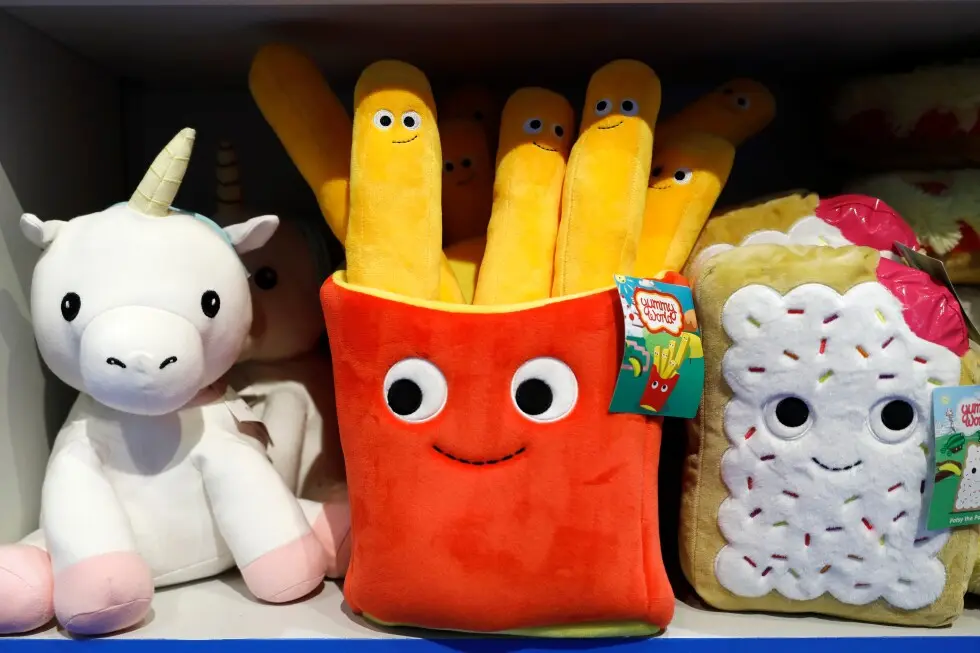
뉴욕의 Camp 매장에 봉제 인형이 전시되어 있다. Camp, 2019년 11월 21일. (AP Photo/Mark Lennihan, File)
2022년 6월 30일 인도 뭄바이의 Juhu 해변에서 한 소녀가 빙수를 마시기 위해 플라스틱 잔을 들고 있다. (AP Photo/Rafiq Maqbool, File)
스페인의 Alejandro Davidovich Fokina 선수의 라켓이 2026년 1월 21일 호주 멜버른의 호주 오픈 테니스 챔피언십에서 미국의 Reilly Opelka 선수와의 2라운드 경기 중 코트 위에 놓여있다. (AP Photo/Aaron Favila)
한 사람이 2024년 6월 6일 미국 오리건주 포틀랜드에서 키보드를 입력하고 있다. (AP Photo/Jenny Kane, File)
칫솔이 2025년 3월 6일 목요일 버지니아주 알렉산드리아에서 촬영되었다. (AP Photo/Jessie Wardarski, File)
뉴욕 — 이란 전쟁이 Snuggle Glove, Bizzikins, Wobblies 같은 이름의 봉제 인형에 영향을 미친다고 상상하기 어렵겠지만, 중동에서의 석유 선적이 제한될 때 봉제 장난감도 면역이 아니다.
많은 부드러운 장난감처럼 플로리다 포트 로더데일에 본사를 둔 제조업체가 개발한 이 인형들은 석유에서 파생된 합성 섬유인 폴리에스터와 아크릴로 만들어진다. 전쟁이 시작된 지 3주 후, 중국의 공급업체들은 Aleni Brands의 CEO 리카르도 베네가스에게 이미 재료 비용이 10~15% 더 들고 있다고 통보했다.
"나는 이 상황이 석유가 우리 시스템에 얼마나 많이 스며들어 있는지, 그리고 우리가 그것으로부터 벗어날 수 없다는 것을 보여준다고 생각합니다"라고 작년에 Aleni Brands를 설립했고 제품 라인을 추가하는 과정에 있는 베네가스가 말했다. "누가 장난감의 가격이 석유와 직접적인 관계가 있을 거라고 생각했을까요?"
장난감만이 아니다. 미국 에너지부에 따르면 석유와 천연가스에서 파생된 석유화학 제품은 6,000개 이상의 소비자 제품 제조에 사용된다. 컴퓨터 키보드, 립스틱, 테니스 라켓, 잠옷, 소프트 콘택트렌즈, 세제, 껌, 신발, 크레용, 면도크림, 베개, 아스피린, 틀니, 테이프, 우산, 나일론 기타 현 등이 그 예다.
지금까지 분쟁 지역 외의 많은 사람들에게 전쟁의 가장 눈에 띄고 즉각적인 영향은 휘발유 가격 급등이었다. 여행자들도 항공사가 제트 연료 가격 상승에 대응하면서 항공료와 수수료 상승을 보고 있다. 소비자들은 디젤을 연료로 하는 트럭으로 운송되는 식품, 가구 또는 수많은 상품에 대해 더 많은 비용을 지불하게 될 수 있다.
그러나 원유는 단지 연료로만 정제되지 않는다. 석유화학 제품, 파라핀, 오일 및 기타 혼합물로 변환되어 대부분 플라스틱과 고무로 만든 제품을 포함한 광범위한 일상용품에 나타난다. 석유 파생물은 많은 포장재에도 사용된다. 전 지구적 석유 공급 중단이 8주째에 접어든 가운데 더 높은 생산 비용으로 인해 쇼핑객들을 위한 물품이 더 비싸질 수 있다고 업계 단체와 일부 회사들이 말했다.
30년 장난감 업계 베테랑인 베네가스는 현재로서는 더 높은 재료 비용을 흡수할 것이지만 전쟁이 향후 3~6개월 더 지속되면 2027년 초까지 고객 가격을 인상할 것으로 예상한다.
콜롬비아 대학교 경영대학원의 기후 경제학자 게르노트 바그너에 따르면 전 지구적 석유 소비의 85%는 연료 형태이고 나머지는 광범위한 소비자 제품으로 간다.
원유는 주로 탄소와 수소 원자로 이루어진 화합물인 탄화수소의 복잡한 혼합물이다. 정유소와 화학 공장은 이를 분리하고 분해하여 석유화학이라고 불리는 더 작은 화학 빌딩 블록으로 전환한다.
에틸렌, 프로필렌, 부틸렌, 벤젠, 톨루엔, 자일렌 등 6가지 석유화학 제품이 나일론 및 폴리에스터와 같은 플라스틱과 합성 재료의 주요 기초이며, 제조업체들은 이를 사용하여 제품을 설계하고 공급한다. 에너지부의 추가 정보: 자동차 부품, 볼펜, 커튼, 주사위, 안경, 비료, 골프공, 보청기, 곤충 퇴치제, 카약, 수하물, 걸레, 매니큐어.
재료는 카펫, 의류 및 타이어를 공급하는 업체들을 포함하여 많은 제조업체의 생산 비용의 큰 부분을 차지한다고 글로벌 전략 및 경영 컨설팅 회사 Kearney의 화학 부문 파트너이자 글로벌 리더인 앤드류 월베러는 말했다.
예를 들어, 앞단추 셔츠를 생각해보자. 월베러는 재료가 제조업체가 셔츠를 만드는 데 드는 비용의 27~30%를 차지한다고 추정했다. 노동 비용은 10~30%를 기여한다. 마케팅, 배급 및 관리와 관련된 사업 비용이 나머지를 구성한다고 그는 말했다.
전문가들은 향후 몇 개월 동안 석유가 배럴당 90달러 이상을 유지한다면 공급망 전체에 걸쳐 비용 압박이 가속화될 것이라고 말한다.
미국 신발류 유통 및 소매 협회 CEO 매트 프리스트는 해당 업계 조직의 대부분 회원들이 2~3개월 완성품 재고를 보유하고 있어 높은 재료 비용에 대한 일시적 완충 역할을 한다고 말했다.
합성 신발의 재료 중 약 70%가 석유화학 기반이며, 그 재료 비용의 30%가 유가 변동과 직접 연결되어 있다고 지난달 조직이 발표한 미국 신발류 산업의 "유가 노출 및 신발류 비용에 미치는 영향"에 대한 보고서에 따르면.
FDRA 분석은 재료, 공장 에너지, 운송 간에 석유에 대해 더 많은 비용을 지불하는 회사들이 늦여름과 가을까지 신발 한 켤레의 가격에서 1.5~3% 인상으로 이어질 수 있다고 추정했다.
4월 말까지 미국 신발류 및 의류 제조업체들은 주로 미국 외부의 공급업체들과 계약서에 서명하여 휴일 쇼핑 시즌을 위해 소매 매장과 온라인에서 그들의 디자인을 얻기 위해 폴리에스터 스테이플 섬유와 폴리에스터 필라멘트 사의 주문을 시작해야 한다고 미국 의류 및 신발류 협회의 경영진인 네이트 허먼이 말했다.
미국과 이스라엘이 이란을 공격하기 전 평균 90센트에서 킬로그램당 1.33달러로 폴리에스터 직물에 사용되는 재료 1킬로그램 또는 2파운드가 넘는 가격이 인상되었다고 허먼은 말했다. 그는 그 결과로 각 의류가 생산 비용이 10~15센트 더 들 것으로 추정했다.
일부 기업들은 상승하는 비용을 상쇄하는 방법을 찾고 있다.
휴대형 샤워헤드, 욕조 및 싱크대 세척 부착물을 판매하는 Rinseroo의 창립자 리사 레인은 최근 중국 제조업체가 30일 이내에 비용이 30% 더 높아질 것이라고 한 후 매달 중국에서 조달하는 슬립온 호스 수를 3배로 늘렸다. 그녀는 3개월 선구매를 할지 여부를 결정할 며칠이 있었다.
Rinseroo의 제품 구성요소는 염화폴리비닐 같은 석유 파생물을 포함한다고 레인은 말했다. 평소 80,000개 대신 240,000개를 구매한 후 그녀는 비용 절감 옵션도 평가하고 있다.
레인은 지난해 중국에서의 수입에 대한 미국 관세 인상을 상쇄하기 위해 Rinseroo가 가격을 인상한 이후 부착물을 판매하는 소매점에 대한 가격 인상을 미루고 싶다고 말했다. 예를 들어, 욕조에서 애완동물을 씻기 위한 호스가 소매 웹사이트에서 29.95달러에서 33.95달러로 올랐다고 그녀는 말했다.
"우리는 사람들이 우리로부터 계속 구매하고 좋은 가치를 얻는다고 느끼는 그 절묘한 지점에 머물고 싶습니다"라고 레인은 말했다.
상처 관리 제품(붕대, 드레싱, 패드 및 스펀지)을 양로원 및 기타 의료 시설에 판매하는 또 다른 회사는 몇 주 내에 가격을 15% 인상할 계획이다. Gentell CEO 데이비드 나바지오는 제품의 접착제가 여러 석유화학에 의존한다고 언급했다.
생산 에너지와 재료를 포함하여 나바지오는 회사의 비용이 20% 증가하고 있다고 추정했다.
펜실베니아주 야들리에 본사를 두고 있지만 주요 제조 장소가 토론토에 있는 Gentell은 또한 CVS 같은 소매점을 공급하는 의료 기술 회사를 포함한 다른 회사를 위한 민간 라벨 제품도 만든다.
붕대와 드레싱이 필수품이기 때문에 나바지오는 고객 가격을 인상해도 자신의 사업이 고통받을 것으로 생각하지 않는다고 말했다. 전쟁이 끝나고 석유 선적이 안정화된 후 가격이 내려올지는 덜 확실하다.
"과거에 나는 운송 비용이 내려간 것을 봤지만, 원재료 가격이 내려간 적은 없다"고 그는 말했다.
2022년 6월 30일 인도 뭄바이의 Juhu 해변에서 한 소녀가 빙수를 마시기 위해 플라스틱 잔을 들고 있다. (AP Photo/Rafiq Maqbool, File)
스페인의 Alejandro Davidovich Fokina 선수의 라켓이 2026년 1월 21일 호주 멜버른의 호주 오픈 테니스 챔피언십에서 미국의 Reilly Opelka 선수와의 2라운드 경기 중 코트 위에 놓여있다. (AP Photo/Aaron Favila)
한 사람이 2024년 6월 6일 미국 오리건주 포틀랜드에서 키보드를 입력하고 있다. (AP Photo/Jenny Kane, File)
칫솔이 2025년 3월 6일 목요일 버지니아주 알렉산드리아에서 촬영되었다. (AP Photo/Jessie Wardarski, File)
뉴욕 — 이란 전쟁이 Snuggle Glove, Bizzikins, Wobblies 같은 이름의 봉제 인형에 영향을 미친다고 상상하기 어렵겠지만, 중동에서의 석유 선적이 제한될 때 봉제 장난감도 면역이 아니다.
많은 부드러운 장난감처럼 플로리다 포트 로더데일에 본사를 둔 제조업체가 개발한 이 인형들은 석유에서 파생된 합성 섬유인 폴리에스터와 아크릴로 만들어진다. 전쟁이 시작된 지 3주 후, 중국의 공급업체들은 Aleni Brands의 CEO 리카르도 베네가스에게 이미 재료 비용이 10~15% 더 들고 있다고 통보했다.
"나는 이 상황이 석유가 우리 시스템에 얼마나 많이 스며들어 있는지, 그리고 우리가 그것으로부터 벗어날 수 없다는 것을 보여준다고 생각합니다"라고 작년에 Aleni Brands를 설립했고 제품 라인을 추가하는 과정에 있는 베네가스가 말했다. "누가 장난감의 가격이 석유와 직접적인 관계가 있을 거라고 생각했을까요?"
장난감만이 아니다. 미국 에너지부에 따르면 석유와 천연가스에서 파생된 석유화학 제품은 6,000개 이상의 소비자 제품 제조에 사용된다. 컴퓨터 키보드, 립스틱, 테니스 라켓, 잠옷, 소프트 콘택트렌즈, 세제, 껌, 신발, 크레용, 면도크림, 베개, 아스피린, 틀니, 테이프, 우산, 나일론 기타 현 등이 그 예다.
지금까지 분쟁 지역 외의 많은 사람들에게 전쟁의 가장 눈에 띄고 즉각적인 영향은 휘발유 가격 급등이었다. 여행자들도 항공사가 제트 연료 가격 상승에 대응하면서 항공료와 수수료 상승을 보고 있다. 소비자들은 디젤을 연료로 하는 트럭으로 운송되는 식품, 가구 또는 수많은 상품에 대해 더 많은 비용을 지불하게 될 수 있다.
그러나 원유는 단지 연료로만 정제되지 않는다. 석유화학 제품, 파라핀, 오일 및 기타 혼합물로 변환되어 대부분 플라스틱과 고무로 만든 제품을 포함한 광범위한 일상용품에 나타난다. 석유 파생물은 많은 포장재에도 사용된다. 전 지구적 석유 공급 중단이 8주째에 접어든 가운데 더 높은 생산 비용으로 인해 쇼핑객들을 위한 물품이 더 비싸질 수 있다고 업계 단체와 일부 회사들이 말했다.
30년 장난감 업계 베테랑인 베네가스는 현재로서는 더 높은 재료 비용을 흡수할 것이지만 전쟁이 향후 3~6개월 더 지속되면 2027년 초까지 고객 가격을 인상할 것으로 예상한다.
콜롬비아 대학교 경영대학원의 기후 경제학자 게르노트 바그너에 따르면 전 지구적 석유 소비의 85%는 연료 형태이고 나머지는 광범위한 소비자 제품으로 간다.
원유는 주로 탄소와 수소 원자로 이루어진 화합물인 탄화수소의 복잡한 혼합물이다. 정유소와 화학 공장은 이를 분리하고 분해하여 석유화학이라고 불리는 더 작은 화학 빌딩 블록으로 전환한다.
에틸렌, 프로필렌, 부틸렌, 벤젠, 톨루엔, 자일렌 등 6가지 석유화학 제품이 나일론 및 폴리에스터와 같은 플라스틱과 합성 재료의 주요 기초이며, 제조업체들은 이를 사용하여 제품을 설계하고 공급한다. 에너지부의 추가 정보: 자동차 부품, 볼펜, 커튼, 주사위, 안경, 비료, 골프공, 보청기, 곤충 퇴치제, 카약, 수하물, 걸레, 매니큐어.
재료는 카펫, 의류 및 타이어를 공급하는 업체들을 포함하여 많은 제조업체의 생산 비용의 큰 부분을 차지한다고 글로벌 전략 및 경영 컨설팅 회사 Kearney의 화학 부문 파트너이자 글로벌 리더인 앤드류 월베러는 말했다.
예를 들어, 앞단추 셔츠를 생각해보자. 월베러는 재료가 제조업체가 셔츠를 만드는 데 드는 비용의 27~30%를 차지한다고 추정했다. 노동 비용은 10~30%를 기여한다. 마케팅, 배급 및 관리와 관련된 사업 비용이 나머지를 구성한다고 그는 말했다.
전문가들은 향후 몇 개월 동안 석유가 배럴당 90달러 이상을 유지한다면 공급망 전체에 걸쳐 비용 압박이 가속화될 것이라고 말한다.
미국 신발류 유통 및 소매 협회 CEO 매트 프리스트는 해당 업계 조직의 대부분 회원들이 2~3개월 완성품 재고를 보유하고 있어 높은 재료 비용에 대한 일시적 완충 역할을 한다고 말했다.
합성 신발의 재료 중 약 70%가 석유화학 기반이며, 그 재료 비용의 30%가 유가 변동과 직접 연결되어 있다고 지난달 조직이 발표한 미국 신발류 산업의 "유가 노출 및 신발류 비용에 미치는 영향"에 대한 보고서에 따르면.
FDRA 분석은 재료, 공장 에너지, 운송 간에 석유에 대해 더 많은 비용을 지불하는 회사들이 늦여름과 가을까지 신발 한 켤레의 가격에서 1.5~3% 인상으로 이어질 수 있다고 추정했다.
4월 말까지 미국 신발류 및 의류 제조업체들은 주로 미국 외부의 공급업체들과 계약서에 서명하여 휴일 쇼핑 시즌을 위해 소매 매장과 온라인에서 그들의 디자인을 얻기 위해 폴리에스터 스테이플 섬유와 폴리에스터 필라멘트 사의 주문을 시작해야 한다고 미국 의류 및 신발류 협회의 경영진인 네이트 허먼이 말했다.
미국과 이스라엘이 이란을 공격하기 전 평균 90센트에서 킬로그램당 1.33달러로 폴리에스터 직물에 사용되는 재료 1킬로그램 또는 2파운드가 넘는 가격이 인상되었다고 허먼은 말했다. 그는 그 결과로 각 의류가 생산 비용이 10~15센트 더 들 것으로 추정했다.
일부 기업들은 상승하는 비용을 상쇄하는 방법을 찾고 있다.
휴대형 샤워헤드, 욕조 및 싱크대 세척 부착물을 판매하는 Rinseroo의 창립자 리사 레인은 최근 중국 제조업체가 30일 이내에 비용이 30% 더 높아질 것이라고 한 후 매달 중국에서 조달하는 슬립온 호스 수를 3배로 늘렸다. 그녀는 3개월 선구매를 할지 여부를 결정할 며칠이 있었다.
Rinseroo의 제품 구성요소는 염화폴리비닐 같은 석유 파생물을 포함한다고 레인은 말했다. 평소 80,000개 대신 240,000개를 구매한 후 그녀는 비용 절감 옵션도 평가하고 있다.
레인은 지난해 중국에서의 수입에 대한 미국 관세 인상을 상쇄하기 위해 Rinseroo가 가격을 인상한 이후 부착물을 판매하는 소매점에 대한 가격 인상을 미루고 싶다고 말했다. 예를 들어, 욕조에서 애완동물을 씻기 위한 호스가 소매 웹사이트에서 29.95달러에서 33.95달러로 올랐다고 그녀는 말했다.
"우리는 사람들이 우리로부터 계속 구매하고 좋은 가치를 얻는다고 느끼는 그 절묘한 지점에 머물고 싶습니다"라고 레인은 말했다.
상처 관리 제품(붕대, 드레싱, 패드 및 스펀지)을 양로원 및 기타 의료 시설에 판매하는 또 다른 회사는 몇 주 내에 가격을 15% 인상할 계획이다. Gentell CEO 데이비드 나바지오는 제품의 접착제가 여러 석유화학에 의존한다고 언급했다.
생산 에너지와 재료를 포함하여 나바지오는 회사의 비용이 20% 증가하고 있다고 추정했다.
펜실베니아주 야들리에 본사를 두고 있지만 주요 제조 장소가 토론토에 있는 Gentell은 또한 CVS 같은 소매점을 공급하는 의료 기술 회사를 포함한 다른 회사를 위한 민간 라벨 제품도 만든다.
붕대와 드레싱이 필수품이기 때문에 나바지오는 고객 가격을 인상해도 자신의 사업이 고통받을 것으로 생각하지 않는다고 말했다. 전쟁이 끝나고 석유 선적이 안정화된 후 가격이 내려올지는 덜 확실하다.
"과거에 나는 운송 비용이 내려간 것을 봤지만, 원재료 가격이 내려간 적은 없다"고 그는 말했다.
처리 완료
6,956 tokens · $0.0190
기사 수집 완료 · 22:30
매체 피드에서 기사 메타데이터 수집
헤드라인 번역 완료 · 14:49
제목/요약 한국어 번역 (fetch 시점 inline)
kimi-k2.5
0 tokens
$0.00000
0.2s
본문 추출 완료
9,456자 추출 완료
본문 한국어 번역 완료 · 14:49
4,009자 번역 완료
claude-haiku-4-5-20251001
6,956 tokens
$0.01901
43.6s
지정학적 엔티티 추출 완료 · 14:49
8개 엔티티 추출 완료
지정학적 맥락 & R-Scanner
R-Scanner · 핫스팟
z=2.26
평소보다 훨씬 많은 매체가 집중 보도 중 — 기준: Fort Lauderdale
(🇺🇸 US)
최근 6시간 57건
7일 평균 42.18건 / 6h
11개국 매체
14개 매체
본문에서 추출된 지명 (8)
Fort Lauderdale
🇺🇸
China
🇨🇳
New York
🇺🇸
Pennsylvania
🇺🇸
Toronto
🇨🇦
Mumbai
🇮🇳
Melbourne
🇦🇺
Portland
🇺🇸
위치 지도
지도 로딩 중…
같은 주제의 다른 기사 (최근 7일)
Plush toys are displayed at a Camp store in New York. Camp, Nov. 21, 2019. (AP Photo/Mark Lennihan, File)
A girl hold a plastic glass as she prepares to drink Shaved ice at Juhu beach in Mumbai, India, on June 30, 2022. (AP Photo/Rafiq Maqbool, File)
Alejandro Davidovich Fokina of Spain’s racket lies on the court during his second round match against Reilly Opelka of the U.S. at the Australian Open tennis championship in Melbourne, Australia, on Jan. 21, 2026. (AP Photo/Aaron Favila)
A person types on a keyboard on June 6, 2024, in Portland, Ore. (AP Photo/Jenny Kane, File)
Toothbrushes are pictured in Alexandria, Va., Thursday, March 6, 2025. (AP Photo/Jessie Wardarski, File)
Plush toys are displayed at a Camp store in New York. Camp, Nov. 21, 2019. (AP Photo/Mark Lennihan, File)
Plush toys are displayed at a Camp store in New York. Camp, Nov. 21, 2019. (AP Photo/Mark Lennihan, File)
A girl hold a plastic glass as she prepares to drink Shaved ice at Juhu beach in Mumbai, India, on June 30, 2022. (AP Photo/Rafiq Maqbool, File)
A girl hold a plastic glass as she prepares to drink Shaved ice at Juhu beach in Mumbai, India, on June 30, 2022. (AP Photo/Rafiq Maqbool, File)
Alejandro Davidovich Fokina of Spain’s racket lies on the court during his second round match against Reilly Opelka of the U.S. at the Australian Open tennis championship in Melbourne, Australia, on Jan. 21, 2026. (AP Photo/Aaron Favila)
Alejandro Davidovich Fokina of Spain’s racket lies on the court during his second round match against Reilly Opelka of the U.S. at the Australian Open tennis championship in Melbourne, Australia, on Jan. 21, 2026. (AP Photo/Aaron Favila)
A person types on a keyboard on June 6, 2024, in Portland, Ore. (AP Photo/Jenny Kane, File)
A person types on a keyboard on June 6, 2024, in Portland, Ore. (AP Photo/Jenny Kane, File)
Toothbrushes are pictured in Alexandria, Va., Thursday, March 6, 2025. (AP Photo/Jessie Wardarski, File)
Toothbrushes are pictured in Alexandria, Va., Thursday, March 6, 2025. (AP Photo/Jessie Wardarski, File)
NEW YORK (AP) — It might be hard to imagine the Iran war weighing on stuffed toys with names like Snuggle Glove, Bizzikins and Wobblies, but even plush playthings are not immune when oil shipments from the Middle East are constrained.
Like many soft toys, the creatures developed by a manufacturer in Fort Lauderdale, Florida, are made with polyester and acrylic, synthetic fibers derived from petroleum. Three weeks after the war started, suppliers in China notified Aleni Brands that getting the materials already was costing them 10% to 15% more, CEO Ricardo Venegas said.
“I think this situation demonstrates how much oil permeates throughout our system, and we can’t get away from it,” said Venegas, who founded Aleni Brands last year and is in the process of adding product lines. “Who would have thought that the price of a toy would have a direct relationship with oil?”
It’s not just toys. Petrochemicals derived from oil and natural gas go into making more than 6,000 consumer products, according to the U.S. Department of Energy. Computer keyboards, lipstick, tennis rackets, pajamas, soft contact lenses, detergent, chewing gum, shoes, crayons, shaving cream, pillows, aspirin, dentures, tape, umbrellas and nylon guitar strings are just a few of them.
So far, the war’s most tangible and immediate effect for many people outside the conflict zone has been spiking gasoline prices. Travelers also are seeing higher airfares and flight fees as airlines respond to the rising cost of jet fuel. Consumers may find themselves paying more for food, furniture or any of the myriad of goods transported by trucks that run on diesel.
But crude oil isn’t just refined as fuel. It gets turned into chemicals, waxes, oils and other mixtures that appear in a vast array of everyday items, including most made with plastic and rubber. Petroleum derivatives also are used in a lot of packaging. With disruptions to global oil supplies now in their eighth week, higher production costs also could make things more expensive for shoppers, according to trade groups and some companies.
Venegas, a 30-year toy industry veteran, said he would absorb higher material costs for now but expects to increase prices for customers by early 2027, if the war goes on another three to six months.
While 85% of global oil consumption is in the form of fuel, the rest goes into a wide range of consumer products, according to Gernot Wagner, a climate economist at Columbia University’s School of Business.
Crude oil is mostly a complex mixture of hydrocarbons, which are compounds made of carbon and hydrogen atoms. Refineries and chemical plants separate and break them down to convert them into smaller chemical building blocks known as petrochemicals.
Six petrochemicals — ethylene, propylene, butylene, benzene, toluene and xylenes — are the major foundations of plastics and synthetic materials like nylon and polyesters, which manufacturers in turn use to design and deliver products. More from the Department of Energy: Automobile parts, ballpoint pens, curtains, dice, eyeglasses, fertilizer, golf balls, hearing aids, insect repellant, kayaks, luggage, mops and nail polish.
Materials account for a big share of production costs for many manufacturers, including those that supply carpets, clothing and tires, according to Andrew Walberer, partner and global lead in the chemicals practice of global strategy and management consultancy Kearney.
Take a button-down shirt, for example. Walberer estimated that materials account for 27%-30% of how much it costs a manufacturer to make one. Labor costs contribute 10% to 30%. Business expenses tied to marketing, distribution and administration comprises the rest, he said.
Experts say if oil holds above $90 per barrel for the next several months, cost pressures will accelerate throughout the supply network.
Footwear Distributors and Retailers of America CEO Matt Priest said most of the trade organization’s members keep a two- to three-month inventory of finished products, providing a temporary cushion against higher materials costs.
Roughly 70% of the materials in synthetic shoes are petrochemical-based, and 30% of the costs for those materials are directly tied to oil price rate swings, according to a report the organization published last month on the U.S. footwear industry’s “exposure to oil prices & the impact on shoe costs.”
The FDRA analysis estimated that between materials, factory energy and transportation, companies paying more for petroleum could translate into a 1.5% to 3% increase in the price shoppers pay for a pair of shoes by late summer and the fall.
By the end of April, U.S. shoe and clothing manufacturers need to start signing contracts with suppliers, mostly outside the U.S., for orders of polyester staple fiber and polyester filament yarn to get their designs on retail shelves and online for the holiday shopping season, according to Nate Herman, executive vice president of the American Apparel & Footwear Association.
One kilogram, or a little over two pounds, of the materials used in polyester textiles, has increased in price from an average of 90 cents before the U.S. and Israel attacked Iran to $1.33 per kilogram, Herman said. He estimated that each garment will cost 10 cents to 15 cents more to produce as a result.
Some businesses are looking for ways to offset rising costs.
Lisa Lane is the founder of Rinseroo, which sells portable shower head, bathtub and sink attachments for cleaning, pet grooming, and bathing. She recently tripled the number of the slip-on hoses she procures from China each month after her manufacturer said the cost would be 30% higher in another 30 days. She had a few days to decide whether to place a three-month advance order.
The components of Rinseroo’s products include petroleum derivatives like polyvinyl chloride, Lane said. After purchasing 240,000 units instead of her usual 80,000, she is also evaluating cost-cutting options.
Lane said she wants to hold off on increasing prices for retailers that sell the attachments since Rinseroo did that last year to offset higher U.S. tariffs on imports from China. For example, a hose for washing pets in a bathtub went up to $33.95 from $29.95 on retail websites, she said.
“We want to stay at that sweet spot where people want to continue to buy from us and feel like they’re getting a good value,” Lane said.
Another company, which sells wound care products like bandages, dressings, pads and sponges to nursing homes and other medical facilities, plans to raise its prices by 15% in a matter of weeks. Gentell CEO David Navazio noted that adhesives in the products rely on several petrochemicals.
Including energy for production and materials, Navazio estimated the company’s costs are going up by 20%.
Gentell, which is based in Yardley, Pennsylvania but has its main manufacturing location in Toronto, also makes private label products for other companies, including a medical technology firm that supplies retail stores like CVS.
Because bandages and dressings are necessities, Navazio said he doesn’t think his business will suffer if it raises customer prices. Less certain is whether prices will come down once the war ends and oil shipments stabilize.
“In the past, I’ve seen transportation costs come down, but I’ve never seen prices of raw material come down,” he said.
A girl hold a plastic glass as she prepares to drink Shaved ice at Juhu beach in Mumbai, India, on June 30, 2022. (AP Photo/Rafiq Maqbool, File)
Alejandro Davidovich Fokina of Spain’s racket lies on the court during his second round match against Reilly Opelka of the U.S. at the Australian Open tennis championship in Melbourne, Australia, on Jan. 21, 2026. (AP Photo/Aaron Favila)
A person types on a keyboard on June 6, 2024, in Portland, Ore. (AP Photo/Jenny Kane, File)
Toothbrushes are pictured in Alexandria, Va., Thursday, March 6, 2025. (AP Photo/Jessie Wardarski, File)
Plush toys are displayed at a Camp store in New York. Camp, Nov. 21, 2019. (AP Photo/Mark Lennihan, File)
Plush toys are displayed at a Camp store in New York. Camp, Nov. 21, 2019. (AP Photo/Mark Lennihan, File)
A girl hold a plastic glass as she prepares to drink Shaved ice at Juhu beach in Mumbai, India, on June 30, 2022. (AP Photo/Rafiq Maqbool, File)
A girl hold a plastic glass as she prepares to drink Shaved ice at Juhu beach in Mumbai, India, on June 30, 2022. (AP Photo/Rafiq Maqbool, File)
Alejandro Davidovich Fokina of Spain’s racket lies on the court during his second round match against Reilly Opelka of the U.S. at the Australian Open tennis championship in Melbourne, Australia, on Jan. 21, 2026. (AP Photo/Aaron Favila)
Alejandro Davidovich Fokina of Spain’s racket lies on the court during his second round match against Reilly Opelka of the U.S. at the Australian Open tennis championship in Melbourne, Australia, on Jan. 21, 2026. (AP Photo/Aaron Favila)
A person types on a keyboard on June 6, 2024, in Portland, Ore. (AP Photo/Jenny Kane, File)
A person types on a keyboard on June 6, 2024, in Portland, Ore. (AP Photo/Jenny Kane, File)
Toothbrushes are pictured in Alexandria, Va., Thursday, March 6, 2025. (AP Photo/Jessie Wardarski, File)
Toothbrushes are pictured in Alexandria, Va., Thursday, March 6, 2025. (AP Photo/Jessie Wardarski, File)
NEW YORK (AP) — It might be hard to imagine the Iran war weighing on stuffed toys with names like Snuggle Glove, Bizzikins and Wobblies, but even plush playthings are not immune when oil shipments from the Middle East are constrained.
Like many soft toys, the creatures developed by a manufacturer in Fort Lauderdale, Florida, are made with polyester and acrylic, synthetic fibers derived from petroleum. Three weeks after the war started, suppliers in China notified Aleni Brands that getting the materials already was costing them 10% to 15% more, CEO Ricardo Venegas said.
“I think this situation demonstrates how much oil permeates throughout our system, and we can’t get away from it,” said Venegas, who founded Aleni Brands last year and is in the process of adding product lines. “Who would have thought that the price of a toy would have a direct relationship with oil?”
It’s not just toys. Petrochemicals derived from oil and natural gas go into making more than 6,000 consumer products, according to the U.S. Department of Energy. Computer keyboards, lipstick, tennis rackets, pajamas, soft contact lenses, detergent, chewing gum, shoes, crayons, shaving cream, pillows, aspirin, dentures, tape, umbrellas and nylon guitar strings are just a few of them.
So far, the war’s most tangible and immediate effect for many people outside the conflict zone has been spiking gasoline prices. Travelers also are seeing higher airfares and flight fees as airlines respond to the rising cost of jet fuel. Consumers may find themselves paying more for food, furniture or any of the myriad of goods transported by trucks that run on diesel.
But crude oil isn’t just refined as fuel. It gets turned into chemicals, waxes, oils and other mixtures that appear in a vast array of everyday items, including most made with plastic and rubber. Petroleum derivatives also are used in a lot of packaging. With disruptions to global oil supplies now in their eighth week, higher production costs also could make things more expensive for shoppers, according to trade groups and some companies.
Venegas, a 30-year toy industry veteran, said he would absorb higher material costs for now but expects to increase prices for customers by early 2027, if the war goes on another three to six months.
While 85% of global oil consumption is in the form of fuel, the rest goes into a wide range of consumer products, according to Gernot Wagner, a climate economist at Columbia University’s School of Business.
Crude oil is mostly a complex mixture of hydrocarbons, which are compounds made of carbon and hydrogen atoms. Refineries and chemical plants separate and break them down to convert them into smaller chemical building blocks known as petrochemicals.
Six petrochemicals — ethylene, propylene, butylene, benzene, toluene and xylenes — are the major foundations of plastics and synthetic materials like nylon and polyesters, which manufacturers in turn use to design and deliver products. More from the Department of Energy: Automobile parts, ballpoint pens, curtains, dice, eyeglasses, fertilizer, golf balls, hearing aids, insect repellant, kayaks, luggage, mops and nail polish.
Materials account for a big share of production costs for many manufacturers, including those that supply carpets, clothing and tires, according to Andrew Walberer, partner and global lead in the chemicals practice of global strategy and management consultancy Kearney.
Take a button-down shirt, for example. Walberer estimated that materials account for 27%-30% of how much it costs a manufacturer to make one. Labor costs contribute 10% to 30%. Business expenses tied to marketing, distribution and administration comprises the rest, he said.
Experts say if oil holds above $90 per barrel for the next several months, cost pressures will accelerate throughout the supply network.
Footwear Distributors and Retailers of America CEO Matt Priest said most of the trade organization’s members keep a two- to three-month inventory of finished products, providing a temporary cushion against higher materials costs.
Roughly 70% of the materials in synthetic shoes are petrochemical-based, and 30% of the costs for those materials are directly tied to oil price rate swings, according to a report the organization published last month on the U.S. footwear industry’s “exposure to oil prices & the impact on shoe costs.”
The FDRA analysis estimated that between materials, factory energy and transportation, companies paying more for petroleum could translate into a 1.5% to 3% increase in the price shoppers pay for a pair of shoes by late summer and the fall.
By the end of April, U.S. shoe and clothing manufacturers need to start signing contracts with suppliers, mostly outside the U.S., for orders of polyester staple fiber and polyester filament yarn to get their designs on retail shelves and online for the holiday shopping season, according to Nate Herman, executive vice president of the American Apparel & Footwear Association.
One kilogram, or a little over two pounds, of the materials used in polyester textiles, has increased in price from an average of 90 cents before the U.S. and Israel attacked Iran to $1.33 per kilogram, Herman said. He estimated that each garment will cost 10 cents to 15 cents more to produce as a result.
Some businesses are looking for ways to offset rising costs.
Lisa Lane is the founder of Rinseroo, which sells portable shower head, bathtub and sink attachments for cleaning, pet grooming, and bathing. She recently tripled the number of the slip-on hoses she procures from China each month after her manufacturer said the cost would be 30% higher in another 30 days. She had a few days to decide whether to place a three-month advance order.
The components of Rinseroo’s products include petroleum derivatives like polyvinyl chloride, Lane said. After purchasing 240,000 units instead of her usual 80,000, she is also evaluating cost-cutting options.
Lane said she wants to hold off on increasing prices for retailers that sell the attachments since Rinseroo did that last year to offset higher U.S. tariffs on imports from China. For example, a hose for washing pets in a bathtub went up to $33.95 from $29.95 on retail websites, she said.
“We want to stay at that sweet spot where people want to continue to buy from us and feel like they’re getting a good value,” Lane said.
Another company, which sells wound care products like bandages, dressings, pads and sponges to nursing homes and other medical facilities, plans to raise its prices by 15% in a matter of weeks. Gentell CEO David Navazio noted that adhesives in the products rely on several petrochemicals.
Including energy for production and materials, Navazio estimated the company’s costs are going up by 20%.
Gentell, which is based in Yardley, Pennsylvania but has its main manufacturing location in Toronto, also makes private label products for other companies, including a medical technology firm that supplies retail stores like CVS.
Because bandages and dressings are necessities, Navazio said he doesn’t think his business will suffer if it raises customer prices. Less certain is whether prices will come down once the war ends and oil shipments stabilize.
“In the past, I’ve seen transportation costs come down, but I’ve never seen prices of raw material come down,” he said.