소말리아: 악화되는 가뭄 위기로 인한 인구 이동 증가
Somalia: Somalia Faces Growing Human Displacement in Worsening Drought Crisis
AllAfrica
· 🇿🇦 Cape Town, ZA
Peter Kenny
EN
2026-04-25 02:20
Translated
제네바 — 국제이주기구(IOM)는 금요일 올해 초부터 약 62,000명이 가뭄으로 인해 이주했으며, 소말리아의 5개 지구에서 600만 명 이상이 기아에 직면해 있다고 밝혔다.
IOM 소말리아 선임 프로그램 조정관인 브라이언 켈리는 나이로비에서 제네바 UN 기자회견에서 "우리는 전국적으로 총 수치가 300,000명을 초과할 수 있다고 생각하지만, 현재까지 5개 지구에 대한 데이터만 보유하고 있습니다"라고 말했다.
IOM은 또한 강우량 예측에도 불구하고 4월부터 6월 말까지 약 125,000명의 추가 인구가 가뭄으로 인해 이주할 것으로 예상된다고 경고했다.
추정 인구 약 1,900만 명인 소말리아에서 가장 영향을 받은 5개 지구에서 가뭄은 새로운 이주의 4건 중 3건을 차지하고 있다.
"동시에 약 650만 명, 즉 국민의 3명 중 거의 1명이 높은 수준의 기아에 직면해 있으며, 180만 명 이상의 어린이가 올해 급성 영양실조로 고통받을 것으로 예상됩니다"라고 켈리는 말했다.
"이러한 수치는 급속도로 악화되는 인도주의적 상황을 시사합니다."
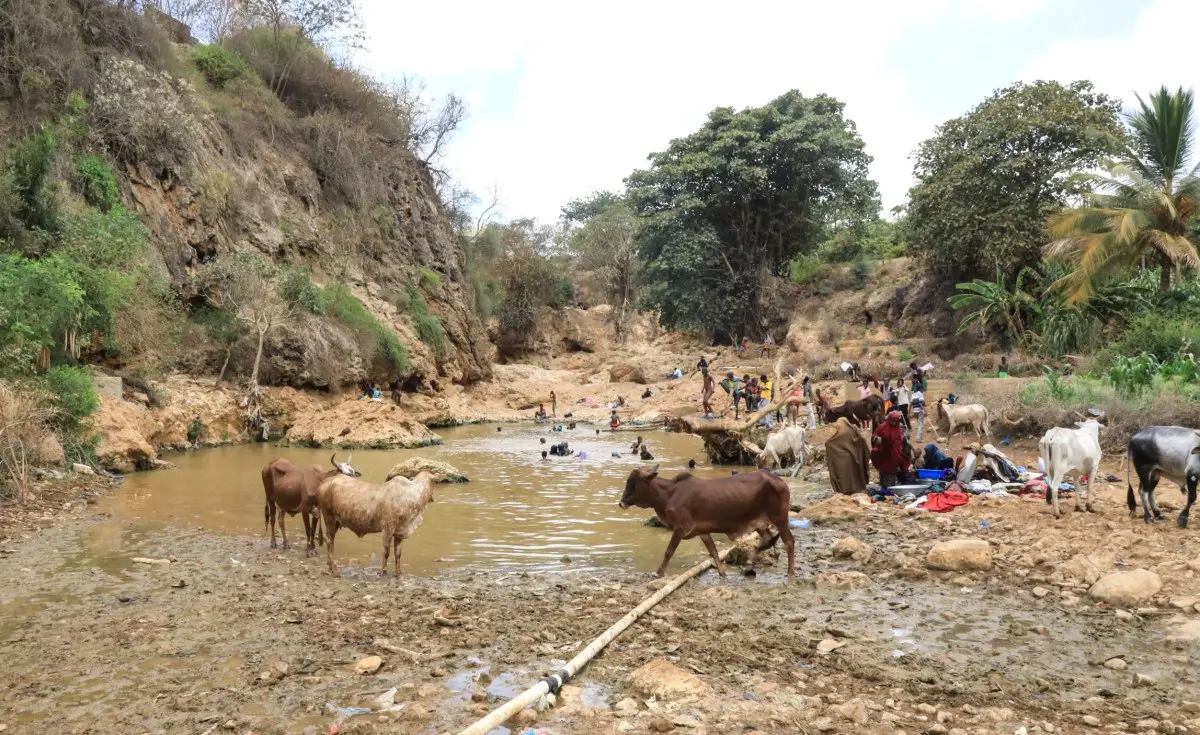
켈리는 가장 피해가 큰 지역에서 가뭄이 작물 실패, 가축 손실 및 물 부족을 야기하고 있으며, 이로 인해 가족들이 지원을 찾기 위해 집을 떠나도록 강요받고 있다고 말했다.
"많은 사람들이 이미 과부하 상태인 모가디슈와 바이도아 같은 도시 지역과 이주 지역으로 이동하고 있으며, 이곳에서는 주거, 물, 기본 서비스에 대한 접근이 제한적입니다"라고 IOM 관계자가 말했다.
그는 가족들이 물이 떨어지고 작물이 시들어지며 가축이 죽은 후 그들을 부양할 수 없는 장소에 도착하고 있다고 설명했다.
켈리는 농촌에서 도시로의 이주는 "역사만큼 오래된 것"이지만, 소말리아의 강제 이주는 가장 취약한 계층에 영향을 미치고 있다고 말했다.
영양실조 증가
영향을 받은 지역의 보건 시설에서는 특히 어린이들 사이에서 영양실조 사례가 증가하고 있다.
이들은 또한 집결 지점이 되었으며, 물에 접근할 수 있는 유일한 장소인 경우가 많다.
UN 관계자는 이전에 자신의 마을에서 물 배송을 받았던 보로마 지구의 이도라는 젊은 여성의 사례를 언급했으며, 그 이후 그녀는 가장 가까운 의료소까지 5킬로미터를 걸어간다.
15킬로미터 떨어진 곳에 사는 또 다른 여성 아샤는 지난 한 달 동안 같은 여행을 다섯 번 했다.
UN 기구와 NGO 파트너들은 2026년 인도주의적 지원을 위해 요청된 총 자금의 14%만 받았다.
켈리는 비가 내리지 않으면 작물을 재배할 수 없으며, 가족들은 가진 것을 나누도록 남겨진다고 말했다.
켈리는 필요가 이용 가능한 자원보다 더 빠르게 증가하고 있다고 말했다.
총체적으로 UN 기구와 NGO 파트너들은 2026년 인도주의적 지원을 위해 요청된 총 자금의 14%만 받았다.
IOM은 최근 필요성의 "초우선순위화"를 완료했으며 가장 취약한 계층의 생명을 구하고 기본적인 인간의 존엄성을 제공하기 위해 긴급히 1,000만 달러를 모색하고 있다.
IOM 소말리아 선임 프로그램 조정관인 브라이언 켈리는 나이로비에서 제네바 UN 기자회견에서 "우리는 전국적으로 총 수치가 300,000명을 초과할 수 있다고 생각하지만, 현재까지 5개 지구에 대한 데이터만 보유하고 있습니다"라고 말했다.
IOM은 또한 강우량 예측에도 불구하고 4월부터 6월 말까지 약 125,000명의 추가 인구가 가뭄으로 인해 이주할 것으로 예상된다고 경고했다.
추정 인구 약 1,900만 명인 소말리아에서 가장 영향을 받은 5개 지구에서 가뭄은 새로운 이주의 4건 중 3건을 차지하고 있다.
"동시에 약 650만 명, 즉 국민의 3명 중 거의 1명이 높은 수준의 기아에 직면해 있으며, 180만 명 이상의 어린이가 올해 급성 영양실조로 고통받을 것으로 예상됩니다"라고 켈리는 말했다.
"이러한 수치는 급속도로 악화되는 인도주의적 상황을 시사합니다."
켈리는 가장 피해가 큰 지역에서 가뭄이 작물 실패, 가축 손실 및 물 부족을 야기하고 있으며, 이로 인해 가족들이 지원을 찾기 위해 집을 떠나도록 강요받고 있다고 말했다.
"많은 사람들이 이미 과부하 상태인 모가디슈와 바이도아 같은 도시 지역과 이주 지역으로 이동하고 있으며, 이곳에서는 주거, 물, 기본 서비스에 대한 접근이 제한적입니다"라고 IOM 관계자가 말했다.
그는 가족들이 물이 떨어지고 작물이 시들어지며 가축이 죽은 후 그들을 부양할 수 없는 장소에 도착하고 있다고 설명했다.
켈리는 농촌에서 도시로의 이주는 "역사만큼 오래된 것"이지만, 소말리아의 강제 이주는 가장 취약한 계층에 영향을 미치고 있다고 말했다.
영양실조 증가
영향을 받은 지역의 보건 시설에서는 특히 어린이들 사이에서 영양실조 사례가 증가하고 있다.
이들은 또한 집결 지점이 되었으며, 물에 접근할 수 있는 유일한 장소인 경우가 많다.
UN 관계자는 이전에 자신의 마을에서 물 배송을 받았던 보로마 지구의 이도라는 젊은 여성의 사례를 언급했으며, 그 이후 그녀는 가장 가까운 의료소까지 5킬로미터를 걸어간다.
15킬로미터 떨어진 곳에 사는 또 다른 여성 아샤는 지난 한 달 동안 같은 여행을 다섯 번 했다.
UN 기구와 NGO 파트너들은 2026년 인도주의적 지원을 위해 요청된 총 자금의 14%만 받았다.
켈리는 비가 내리지 않으면 작물을 재배할 수 없으며, 가족들은 가진 것을 나누도록 남겨진다고 말했다.
켈리는 필요가 이용 가능한 자원보다 더 빠르게 증가하고 있다고 말했다.
총체적으로 UN 기구와 NGO 파트너들은 2026년 인도주의적 지원을 위해 요청된 총 자금의 14%만 받았다.
IOM은 최근 필요성의 "초우선순위화"를 완료했으며 가장 취약한 계층의 생명을 구하고 기본적인 인간의 존엄성을 제공하기 위해 긴급히 1,000만 달러를 모색하고 있다.
처리 완료
2,840 tokens · $0.0078
기사 수집 완료 · 02:20
매체 피드에서 기사 메타데이터 수집
헤드라인 번역 완료 · 02:31
제목/요약 한국어 번역 (fetch 시점 inline)
claude-haiku-4-5-20251001
130 tokens
$0.00032
1.4s
본문 추출 완료
3,051자 추출 완료
본문 한국어 번역 완료 · 02:31
1,467자 번역 완료
claude-haiku-4-5-20251001
2,710 tokens
$0.00753
13.7s
지정학적 엔티티 추출 완료 · 02:31
6개 엔티티 추출 완료
지정학적 맥락 & R-Scanner
R-Scanner · 평상
z=0.34
일상적인 보도 수준 — 기준: Somalia
(🇸🇴 SO)
최근 6시간 1건
7일 평균 0.57건 / 6h
1개국 매체
1개 매체
본문에서 추출된 지명 (6)
위치 지도
지도 로딩 중…
같은 주제의 다른 기사 (최근 7일)
Geneva — Nearly 62,000 people have been displaced by drought since the beginning of this year, while more than six million people face hunger across five districts in Somalia, the International Organisation for Migration (IOM) said Friday.
“We think that the total figure could be over 300,000 for the country, but we only have the data for five districts as of today,” said Brian Kelly, senior programme coordinator with IOM Somalia, speaking at a Geneva UN press conference from Nairobi.
The IOM also warned that projections indicate drought-related displacement of approximately 125,000 additional people between April and the end of June, despite rainfall forecasts.
Drought now accounts for three out of every four new displacements in the five most affected districts in Somalia, which has an estimated population of around 19 million.
Keep up with the latest headlines on WhatsApp | LinkedIn
“At the same time, nearly 6.5 million people, almost one out of every three in the country, are facing high levels of hunger, while more than 1.8 million children are expected to suffer from acute malnutrition this year,” said Kelly.
“These figures point to a rapidly deteriorating humanitarian situation.”
Kelly said that in the hardest-hit areas, drought is driving crop failure, livestock losses and water shortages, forcing families to leave their homes in search of assistance.
“Many are moving to urban areas and displacement sites that are already overstretched, where access to shelter, water and basic services remains limited,” said the IOM official.
He explained that families are arriving in places like Mogadishu and Baidoa that cannot support them, and that often after their water has run out, crops have shrivelled and livestock dies.
Kelly said that rural-to-urban migration “is as old as time,” but the forced displacement in Somalia is affecting the most vulnerable.
Rising malnutrition
Health facilities in affected areas are seeing rising cases of malnutrition, particularly among children.
They have also become gathering points, as they are often the only places with access to water.
The UN official cited the case of a young woman named Ido from Boroma district, who used to receive water deliveries in her village, but since they stopped, she now walks five kilometres to the nearest clinic.
Another woman, Asha, who lives 15 kilometres away, has made the same journey five times in the past month.
UN agencies and NGO partners have received only 14 percent of the total funding requested for humanitarian assistance in 2026.
She said that without rain, crops cannot grow, and families are left sharing what little they have.
Kelly said that needs are rising faster than available resources.
Collectively, UN agencies and NGO partners have received only 14 percent of the total funding requested for humanitarian assistance in 2026.
IOM has recently concluded a “hyper-prioritisation” of needs and is urgently seeking US$10 million to save lives and provide a basic level of dignity to the most vulnerable.
“We think that the total figure could be over 300,000 for the country, but we only have the data for five districts as of today,” said Brian Kelly, senior programme coordinator with IOM Somalia, speaking at a Geneva UN press conference from Nairobi.
The IOM also warned that projections indicate drought-related displacement of approximately 125,000 additional people between April and the end of June, despite rainfall forecasts.
Drought now accounts for three out of every four new displacements in the five most affected districts in Somalia, which has an estimated population of around 19 million.
Keep up with the latest headlines on WhatsApp | LinkedIn
“At the same time, nearly 6.5 million people, almost one out of every three in the country, are facing high levels of hunger, while more than 1.8 million children are expected to suffer from acute malnutrition this year,” said Kelly.
“These figures point to a rapidly deteriorating humanitarian situation.”
Kelly said that in the hardest-hit areas, drought is driving crop failure, livestock losses and water shortages, forcing families to leave their homes in search of assistance.
“Many are moving to urban areas and displacement sites that are already overstretched, where access to shelter, water and basic services remains limited,” said the IOM official.
He explained that families are arriving in places like Mogadishu and Baidoa that cannot support them, and that often after their water has run out, crops have shrivelled and livestock dies.
Kelly said that rural-to-urban migration “is as old as time,” but the forced displacement in Somalia is affecting the most vulnerable.
Rising malnutrition
Health facilities in affected areas are seeing rising cases of malnutrition, particularly among children.
They have also become gathering points, as they are often the only places with access to water.
The UN official cited the case of a young woman named Ido from Boroma district, who used to receive water deliveries in her village, but since they stopped, she now walks five kilometres to the nearest clinic.
Another woman, Asha, who lives 15 kilometres away, has made the same journey five times in the past month.
UN agencies and NGO partners have received only 14 percent of the total funding requested for humanitarian assistance in 2026.
She said that without rain, crops cannot grow, and families are left sharing what little they have.
Kelly said that needs are rising faster than available resources.
Collectively, UN agencies and NGO partners have received only 14 percent of the total funding requested for humanitarian assistance in 2026.
IOM has recently concluded a “hyper-prioritisation” of needs and is urgently seeking US$10 million to save lives and provide a basic level of dignity to the most vulnerable.