'교황 설명' 밴스, 이란이 정당한 전쟁인지 논쟁에서 역량 부족 드러내
‘Popesplaining’ Vance out of depth in row over whether Iran is a just war
The Guardian
· 🇬🇧 London, GB
Peter Beaumont Senior international correspondent
EN
2026-04-17 18:00
Translated
트럼프 행정부가 이란 분쟁 정당화에 신학을 사용한 것에 대해 가톨릭 교회 수장을 분노하게 해
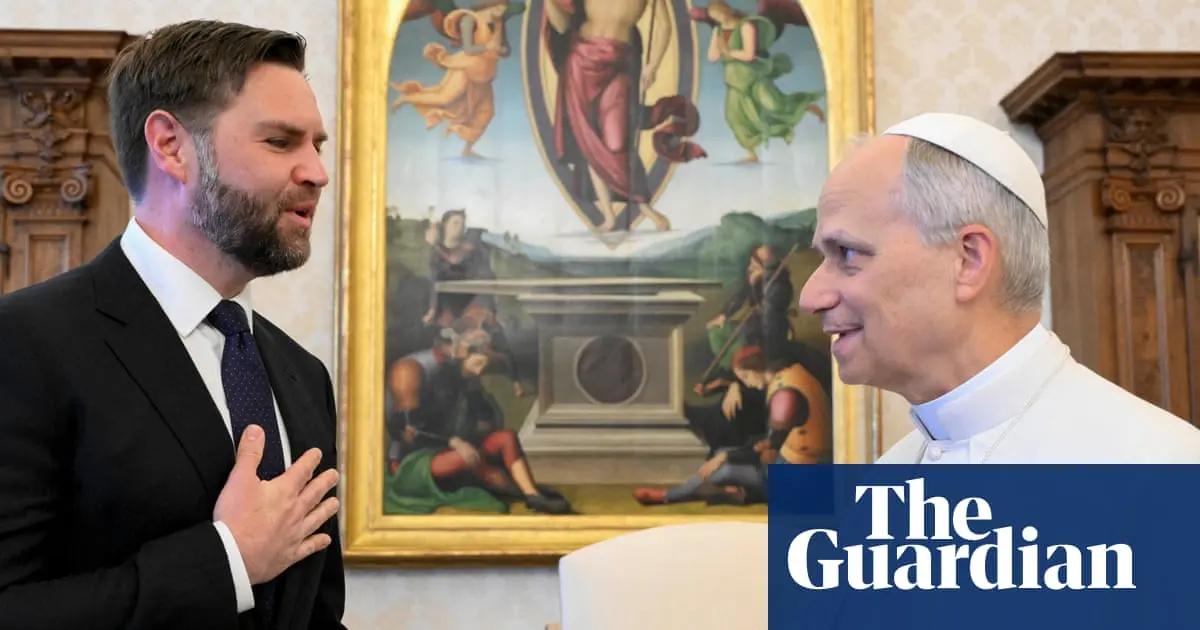
전쟁과 신학을 두고 의견을 달리하는 두 사람의 경험 대조가 뚜렷했다.
한쪽에는 성 아우구스티노가 한때 살았던 현대 알제리 도시를 이번 주 방문한 교황 레오 14세가 있었다. 그는 가톨릭 교회를 이끄는 최초의 북미 출신이자 아우구스티노 수도회 최초의 성직자로, 아우구스티노의 사상에 관한 박사 학위 논문을 쓴 그에게 이 방문은 평생의 지적 관심사의 정점이었다.
다른 한쪽에는 최근에야 성인으로 개종한 가톨릭 신자이며 교회 사상사에 대한 학문적 배경이 전혀 없는 미국 부통령 JD 밴스가 있었다.
그들의 의견 대립의 핵심은 4세기 사상가 아우구스티노가 초기 기독교 전통이 수세기 동안 방어조차 거부했던 전쟁과 폭력에 대해 어떻게 '정당한 전쟁' 개념을 틀 짰는가 하는 것이다. 이는 서구 사상에서 가장 지속적으로 중요한 개념 중 하나로, 수세기 동안 이 주제의 모든 주요 철학자, 법학자, 신학자들이 이에 대해 의견을 개진해왔다.
이 논쟁은 트럼프 행정부가 이란에 대한 미국 전쟁에 일관성 없는 기독교적 호전성을 불어넣으려는 노력으로 인한 격렬한 논란의 한 갈래다.
가장 기이한 것은 미국 대통령이 자신을 비행 중인 전투기와 무장한 초자연적 존재들 아래 병자를 치유하는 그리스도 같은 인물로 묘사한 이미지를 소셜 미디어에 게시한 것이다.
한편 미국 국방장관 피트 헤그세스는 현대 십자군 전사처럼 행동하며 정당한 폭력의 면류관을 주장하고 있다.
지난달 일련의 개입에서 레오 교황은 그리스도의 가르침이 전쟁을 거부했으며 더 나아가 "전쟁을 일으키는 자들의 기도를 듣지 않고 거부한다"고 말했다.
최근 몇 주간 그의 담론은 더욱 날카로워졌다. 트럼프가 4월 7일 이란이 미국과 거래하지 않으면 "전체 문명이 오늘 밤 멸망할 것"이라고 한 위협은 "정말 받아들일 수 없는" 것이라며, 그러한 공격은 국제법을 위반할 것이라고 덧붙였다.
밴스는 4월 14일 조지아 대학에서 보수 단체 터닝 포인트 USA 행사에서 반박을 내놓았다. "교황이 하나님이 칼을 휘두르는 사람들의 편이 결코 아니라고 말할 때, 1,000년이 넘는 정당한 전쟁 이론 전통이 있다"고 밴스는 말했다. "어떻게 하나님이 칼을 휘두르는 자들의 편이 결코 아니라고 말할 수 있느냐"고 그는 물으며, 나치로부터 프랑스를 해방하고 홀로코스트 수용소에서 수감자들을 해방한 미군의 예를 들었다.
"교황이 신학 문제에 대해 말할 때 조심하는 것이 매우, 매우 중요하다고 생각한다"고 밴스는 말했다. "신학 문제에 대해 의견을 말하려면 조심해야 한다."
밴스의 공격은 소셜 미디어에서 그가 교황에게 신학을 '교황 설명'하고 있다는 비난을 불러일으켰다.
아우구스티노 자신은 정당한 전쟁이 국가의 일이라고 주장했다. '올바른 의도'로 싸우고 평화 회복을 추구하는 경우 정당화될 수 있었다.
전쟁을 일으킨 지도자는 기독교 판사와 같아야 했고, 무고한 자는 보호받아야 했으며, 보복, 분노, 탐욕에 동기 부여된 행동은 정의에 대한 어떤 주장도 무효로 만들었다. 아우구스티노와 그 뒤를 이은 사상가들이 제시한 시험은 여전히 분쟁법의 지침 원칙으로 남아있다.
3월 가톨릭 스탠더드와의 인터뷰에서 워싱턴 DC의 로버트 맥엘로이 추기경은 미국과 이스라엘의 이란 공격이 정당한 전쟁 기준에 부합하지 못했다고 말했다. "분명한 의도가 없다면 정당한 전쟁 전통의 올바른 의도 기준을 충족할 수 없다"고 추기경은 말했다.
그런 다음 수요일, 미국 가톨릭 주교회의 교리 위원회 의장인 제임스 마사 주교는 미국 가톨릭 주교들을 대신해 개입하여 레오 교황의 발언이 교황의 '의견' 문제가 아니라 교회의 수집된 교리인 교리서에 담긴 가톨릭 교리라는 점을 분명히 했다.
"1,000년 이상 가톨릭 교회는 정당한 전쟁 이론을 가르쳐왔으며, 교황님은 전쟁에 대한 발언에서 그 오랜 전통을 신중하게 언급하고 있다"고 마사는 말했다.
"그 1,000년 전통의 일관된 원칙은 국가가 칼을 들 수 있는 유일한 정당성은 '모든 평화 노력이 실패한 후 자기 방어'에 있다는 것이다. 즉, 정당한 전쟁이 되려면 적극적으로 전쟁을 일으키는 다른 자에 대한 방어여야 하는데, 이것이 교황님이 실제로 말씀하신 것이다: '그는 전쟁을 일으키는 자들의 기도를 듣지 않으신다.'"
많은 이들이 트럼프가 자신을 예수로 게시한 것과 교황에 대한 공격 모두에 불쾌감을 느낀 가운데, 이 논쟁은 불가피하게 트럼프의 가장 신뢰할 수 있는 옹호자들까지 끌어들였다. 남침례교 신자로 자처하는 하원의장 마이크 존슨은 레오 교황이 하려는 말의 요점에 대해 밴스만큼이나 흐릿해 보인다.
"정치적 물에 발을 담그면 정치적 반응을 기대해야 한다"고 존슨은 말했다.
보수 가톨릭 뉴욕타임스 칼럼니스트 로스 도우샛과 같은 다른 이들은 울타리 위에 걸터앉아, 한편으로는 교회가 보수파에게 적대적으로 보일 수 있다고 불평하면서도, 다른 한편으로는 트럼프 행정부의 이란 전쟁 정당화가 계속 변하고 때로는 증발한다는 점을 인정하는 양면적 태도를 보였다.
"전쟁이 정당한가 아닌가?"라고 도우샛은 물으며 자신만의 정당할 수 있는 이유에 대한 논거를 제시한다. "행정부는 단순히 분쟁의 정당성에 대해 일관되고 일관된 주장을 하지 않고 있다."
한쪽에는 성 아우구스티노가 한때 살았던 현대 알제리 도시를 이번 주 방문한 교황 레오 14세가 있었다. 그는 가톨릭 교회를 이끄는 최초의 북미 출신이자 아우구스티노 수도회 최초의 성직자로, 아우구스티노의 사상에 관한 박사 학위 논문을 쓴 그에게 이 방문은 평생의 지적 관심사의 정점이었다.
다른 한쪽에는 최근에야 성인으로 개종한 가톨릭 신자이며 교회 사상사에 대한 학문적 배경이 전혀 없는 미국 부통령 JD 밴스가 있었다.
그들의 의견 대립의 핵심은 4세기 사상가 아우구스티노가 초기 기독교 전통이 수세기 동안 방어조차 거부했던 전쟁과 폭력에 대해 어떻게 '정당한 전쟁' 개념을 틀 짰는가 하는 것이다. 이는 서구 사상에서 가장 지속적으로 중요한 개념 중 하나로, 수세기 동안 이 주제의 모든 주요 철학자, 법학자, 신학자들이 이에 대해 의견을 개진해왔다.
이 논쟁은 트럼프 행정부가 이란에 대한 미국 전쟁에 일관성 없는 기독교적 호전성을 불어넣으려는 노력으로 인한 격렬한 논란의 한 갈래다.
가장 기이한 것은 미국 대통령이 자신을 비행 중인 전투기와 무장한 초자연적 존재들 아래 병자를 치유하는 그리스도 같은 인물로 묘사한 이미지를 소셜 미디어에 게시한 것이다.
한편 미국 국방장관 피트 헤그세스는 현대 십자군 전사처럼 행동하며 정당한 폭력의 면류관을 주장하고 있다.
지난달 일련의 개입에서 레오 교황은 그리스도의 가르침이 전쟁을 거부했으며 더 나아가 "전쟁을 일으키는 자들의 기도를 듣지 않고 거부한다"고 말했다.
최근 몇 주간 그의 담론은 더욱 날카로워졌다. 트럼프가 4월 7일 이란이 미국과 거래하지 않으면 "전체 문명이 오늘 밤 멸망할 것"이라고 한 위협은 "정말 받아들일 수 없는" 것이라며, 그러한 공격은 국제법을 위반할 것이라고 덧붙였다.
밴스는 4월 14일 조지아 대학에서 보수 단체 터닝 포인트 USA 행사에서 반박을 내놓았다. "교황이 하나님이 칼을 휘두르는 사람들의 편이 결코 아니라고 말할 때, 1,000년이 넘는 정당한 전쟁 이론 전통이 있다"고 밴스는 말했다. "어떻게 하나님이 칼을 휘두르는 자들의 편이 결코 아니라고 말할 수 있느냐"고 그는 물으며, 나치로부터 프랑스를 해방하고 홀로코스트 수용소에서 수감자들을 해방한 미군의 예를 들었다.
"교황이 신학 문제에 대해 말할 때 조심하는 것이 매우, 매우 중요하다고 생각한다"고 밴스는 말했다. "신학 문제에 대해 의견을 말하려면 조심해야 한다."
밴스의 공격은 소셜 미디어에서 그가 교황에게 신학을 '교황 설명'하고 있다는 비난을 불러일으켰다.
아우구스티노 자신은 정당한 전쟁이 국가의 일이라고 주장했다. '올바른 의도'로 싸우고 평화 회복을 추구하는 경우 정당화될 수 있었다.
전쟁을 일으킨 지도자는 기독교 판사와 같아야 했고, 무고한 자는 보호받아야 했으며, 보복, 분노, 탐욕에 동기 부여된 행동은 정의에 대한 어떤 주장도 무효로 만들었다. 아우구스티노와 그 뒤를 이은 사상가들이 제시한 시험은 여전히 분쟁법의 지침 원칙으로 남아있다.
3월 가톨릭 스탠더드와의 인터뷰에서 워싱턴 DC의 로버트 맥엘로이 추기경은 미국과 이스라엘의 이란 공격이 정당한 전쟁 기준에 부합하지 못했다고 말했다. "분명한 의도가 없다면 정당한 전쟁 전통의 올바른 의도 기준을 충족할 수 없다"고 추기경은 말했다.
그런 다음 수요일, 미국 가톨릭 주교회의 교리 위원회 의장인 제임스 마사 주교는 미국 가톨릭 주교들을 대신해 개입하여 레오 교황의 발언이 교황의 '의견' 문제가 아니라 교회의 수집된 교리인 교리서에 담긴 가톨릭 교리라는 점을 분명히 했다.
"1,000년 이상 가톨릭 교회는 정당한 전쟁 이론을 가르쳐왔으며, 교황님은 전쟁에 대한 발언에서 그 오랜 전통을 신중하게 언급하고 있다"고 마사는 말했다.
"그 1,000년 전통의 일관된 원칙은 국가가 칼을 들 수 있는 유일한 정당성은 '모든 평화 노력이 실패한 후 자기 방어'에 있다는 것이다. 즉, 정당한 전쟁이 되려면 적극적으로 전쟁을 일으키는 다른 자에 대한 방어여야 하는데, 이것이 교황님이 실제로 말씀하신 것이다: '그는 전쟁을 일으키는 자들의 기도를 듣지 않으신다.'"
많은 이들이 트럼프가 자신을 예수로 게시한 것과 교황에 대한 공격 모두에 불쾌감을 느낀 가운데, 이 논쟁은 불가피하게 트럼프의 가장 신뢰할 수 있는 옹호자들까지 끌어들였다. 남침례교 신자로 자처하는 하원의장 마이크 존슨은 레오 교황이 하려는 말의 요점에 대해 밴스만큼이나 흐릿해 보인다.
"정치적 물에 발을 담그면 정치적 반응을 기대해야 한다"고 존슨은 말했다.
보수 가톨릭 뉴욕타임스 칼럼니스트 로스 도우샛과 같은 다른 이들은 울타리 위에 걸터앉아, 한편으로는 교회가 보수파에게 적대적으로 보일 수 있다고 불평하면서도, 다른 한편으로는 트럼프 행정부의 이란 전쟁 정당화가 계속 변하고 때로는 증발한다는 점을 인정하는 양면적 태도를 보였다.
"전쟁이 정당한가 아닌가?"라고 도우샛은 물으며 자신만의 정당할 수 있는 이유에 대한 논거를 제시한다. "행정부는 단순히 분쟁의 정당성에 대해 일관되고 일관된 주장을 하지 않고 있다."
처리 완료
418 tokens · $0.0009
기사 수집 완료 · 18:15
매체 피드에서 기사 메타데이터 수집
헤드라인 번역 완료 · 18:41
제목/요약 한국어 번역 (fetch 시점 inline)
kimi-k2.5
418 tokens
$0.00086
10.2s
본문 추출 완료
5,251자 추출 완료
본문 한국어 번역 완료 · 18:41
2,535자 번역 완료
지정학적 엔티티 추출 완료 · 18:41
7개 엔티티 추출 완료
지정학적 맥락 & R-Scanner
R-Scanner · 평상
z=-2.85
일상적인 보도 수준 — 기준: Iran
(🇮🇷 IR)
최근 6시간 41건
7일 평균 63.93건 / 6h
10개국 매체
12개 매체
본문에서 추출된 지명 (7)
위치 지도
지도 로딩 중…
같은 주제의 다른 기사 (최근 7일)
Trump administration has riled head of Catholic church over use of theology to justify conflict in IranThe contrast in experience between the two men disagreeing over war and theology was striking.On the one side was Pope Leo XIV, the first North American to head the Catholic church and the first cleric from the Augustinian order, who this week visited the modern Algerian city where Saint Augustine once lived. For Leo, who wrote his doctoral thesis on Augustine’s ideas, it was the culmination of a lifelong intellectual interest.
The contrast in experience between the two men disagreeing over war and theology was striking.On the one side was Pope Leo XIV, the first North American to head the Catholic church and the first cleric from the Augustinian order, who this week visited the modern Algerian city where Saint Augustine once lived. For Leo, who wrote his doctoral thesis on Augustine’s ideas, it was the culmination of a lifelong intellectual interest.
On the other, the US vice-president, JD Vance, a very recent adult convert to Catholicism with no academic background in the history of the church’s thinking.
At the heart of their disagreement: how Augustine, the fourth-century thinker, framed the idea of a “just war” after centuries in which the early Christian tradition had rejected war and violence, even in self-defence. It is one of the most persistently important ideas in western thinking. Every major philosopher, jurist and theologian on the subject has weighed in on it over the centuries.
The dispute is one strand of the intense controversy caused by the Trump administration’s efforts to imbue the US war against Iran with an incoherent Christian militancy.
At its most bizarre, the US president posted an image of himself on social media as a Christ-like figure healing the sick under flying jets and armed supernatural beings.
The US defence secretary, Pete Hegseth, has meanwhile conducted himself like a modern crusader, claiming the mantle of a righteous violence.
In a series of interventions last month, Leo said Christ’s teaching rejected war and that moreover, he “does not listen to the prayers of those who wage war, but rejects them”.
In recent weeks his discourse has became more pointed. Trump’s threat on 7 April that “a whole civilisation will die tonight” unless Iran made a deal with the US was “truly unacceptable”, he said, adding that such attacks would violate international law.
Vance delivered his reply at an event for the conservative group Turning Point USA at the University of Georgia on 14 April. “When the pope says that God is never on the side of people who wield the sword, there is more than a 1,000-year tradition of just-war theory,” Vance said. “How do you say that God is never on the side of those who wield the sword?” he asked, citing the example of US troops that had liberated France from the Nazis and freed prisoners from the Holocaust camps.
“I think it’s very, very important for the pope to be careful when he talks about matters of theology,” Vance said. “If you’re going to opine on matters of theology, you’ve got to be careful.”
Vance’s attack drew accusations on social media that he was “popesplaining” theology to the pontiff.
Augustine himself had argued that a just war was the business of the state. It could be justified if it was fought with the “right intention” and in pursuit of restoring peace.
The leader who waged war should be like a Christian judge; the innocent should be protected; actions motivated by revenge, wrath or greed invalidated any claim to justice. The tests set by Augustine and the thinkers that followed remain the guiding principles of conflict law.
In an interview with the Catholic Standard in March, Cardinal Robert McElroy of Washington DC said the US and Israeli attack on Iran had failed the just-war criteria. “You cannot satisfy the just war tradition’s criterion of right intention if you do not have a clear intention,” the cardinal said.
Then on Wednesday, Bishop James Massa, the chair of the US Conference of Catholic Bishops’ committee on doctrine, intervened on behalf of the Catholic bishops in the US to make clear that Leo’s comments were not a question of the pope’s “opinion” but Catholic teaching contained in the catechism, the collected doctrine of the church.
“For over 1,000 years, the Catholic church has taught just-war theory, and it is that long tradition the Holy Father carefully references in his comments on war,” Massa said.
“A constant tenet of that 1,000-year tradition is a nation can only legitimately take up the sword ‘in self-defence, once all peace efforts have failed’. That is, to be a just war it must be a defence against another who actively wages war, which is what the Holy Father actually said: ‘He does not listen to the prayers of those who wage war.’”
While many have been offended both by Trump’s posting of himself as Jesus and the attacks on the pope, inevitably, the row has drawn in Trump’s most reliable defenders, including the House speaker, Mike Johnson, who identifies as a Southern Baptist and appears as foggy as Vance about the point Leo was making.
“If you wade into political waters, you should expect some political response,” said Johnson.
Others, such as the conservative Catholic New York Times columnist Ross Douthat, have found themselves straddling the fence, at once complaining that the church can seem hostile to conservatives, while conceding that the Trump administration’s justifications for the war against Iran are ever changing and sometimes evaporating.
“Is the war just or is it not?” asks Douthat, offering his own arguments about why it might be just. “The administration simply has not made a coherent and consistent case for the justice of the conflict.”