'착한가 나쁜가?' 트럼프, 이란 전쟁 지원 놓고 나토 동맹국 순위 매기다
'Naughty or nice?' Trump ranks Nato allies over support in Iran war
The Times of India
· 🇮🇳 Mumbai, IN
TOI WORLD DESK
EN
2026-04-23 23:13
Translated
백악관이 이란 전쟁 중 기여도와 지원 입장을 토대로 나토 동맹국들을 순위 매기는 '착한 목록'과 '나쁜 목록'을 작성한 것으로 보도됐다. 이 계획은 미국의 입장에 동조하지 않은 국가들에 압력을 가하기 위한 것으로 보이며, 향후 군사 협력과 전략적 지원에 영향을 미칠 수 있다.
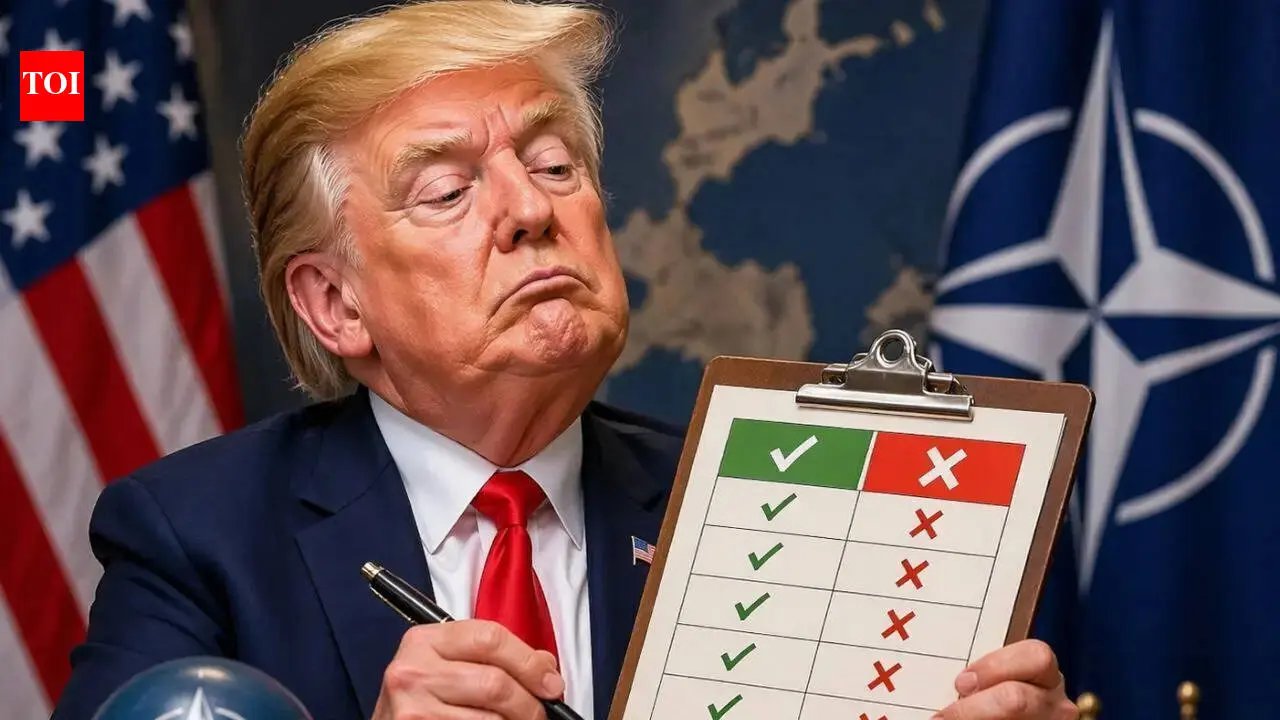
대표 이미지(AI 생성) 백악관이 나토 국가들을 '착한 목록'과 '나쁜 목록'으로 분류하여 동맹 기여도와 지속적인 이란 전쟁 중 입장을 토대로 회원국들을 순위 매기고 있는 것으로 백악관이 밝혔다. 이러한 움직임은 트럼프 행정부가 워싱턴의 입장을 지지하지 않은 동맹국들에 압력을 가하려는 더 광범위한 노력의 일환으로 평가된다. 보기: 폭로: 트럼프의 비밀 나토 점수표가 동맹국들을 이란 전쟁 충성도 테스트에서 '착한가 나쁜가'로 나눔 계획에 정통한 관계자들에 따르면, 나토 회원국들은 국방 지출, 군사 협력 및 작전 지원을 토대로 서로 다른 계층으로 분류되었다. 평가는 나토 사무총장 마크 루테의 워싱턴 방문을 앞두고 준비된 것으로 알려졌으며, 관계자들은 각 회원국이 집단 안보에 어떻게 기여하는지 검토했다고 정치 전문지 폴리티코가 보도했다. 이 아이디어는 지난해 미국 국방부 장관 피트 헤그스스가 제시했다. 그는 앞서 국방 지출과 군사 협력에 대한 미국의 기대를 충족하는 국가들에 보상을 주는 개념을 설명했다. "이스라엘, 남한, 폴란드, 점점 더 독일, 발트 3국 등 역할을 다하는 모범적 동맹국들은 우리의 특별한 호의를 받을 것이다"라고 그는 말했다. "집단 방위를 위해 여전히 역할을 다하지 못하는 동맹국들은 결과에 직면할 것이다"라고 헤그스스는 말했다. 펜타곤은 또한 국방 전략에서 집단 방위와 공동 안보 목표를 위해 '역할을 다하는' 동맹국들과의 협력을 우선시한다고 명시했다. 한 외교관은 이 목록이 해당 개념을 반영하는 것으로 보인다고 말했다. "백악관이 착한 것과 나쁜 것에 대한 문서를 가지고 있으니 생각이 비슷한 것 같다"고 그 사람은 폴리티코에 따라 말했다. 이 평가는 또한 특히 호르무즈 해협 위기와 미국 군사 작전과 관련하여 이란 분쟁을 둘러싼 나토 내 최근 긴장과도 연결되어 있다. 관계자들은 순위가 향후 작전에서 더 많은 군사 협력이나 전략적 지원을 제공받을 국가를 결정하는 데 영향을 미칠 수 있다고 말했다. 트럼프 행정부는 분쟁 중 미국의 요청을 지지하지 않은 동맹국들, 특히 작전 참여나 군사 기지 접근을 거부한 국가들에 불만을 표했다. 나토 회원국 간 분열 보도에 따르면 루마니아와 폴란드 같은 국가들이 더 협조적이었으며, 중동 작전 중 미국의 공군기지 사용과 물류 지원을 허용했다. 이미 나토의 국방 지출이 가장 많은 국가 중 하나인 폴란드는 약 10,000명의 미국 군대를 주둔하고 관련 비용의 대부분을 부담하고 있다. 루마니아의 확대된 미하일 코갈니체아누 공군기지도 미국 군사 작전에 사용되었다. 이와 대조적으로 스페인을 포함한 일부 서유럽 동맹국들은 미국의 지원 요청에 저항하거나 지연시킨 것으로 보도되었다. 한편 리투아니아, 라트비아, 에스토니아 같은 발트 3국은 국방 지출 목표를 충족하거나 초과한 것으로 지속적으로 칭찬받았다. 관계자들은 목록에서 낮은 순위에 있는 국가들에 대한 잠재적 결과가 군대 배치 감소, 합동 훈련 감소 또는 군사 판매 및 협력의 변화를 포함할 수 있다고 말했다. 그러나 그들은 또한 유럽 내 미국 군사 주둔지를 변경하는 것이 비용이 많이 들고, 복잡하며, 물류적으로 어려울 것이라고 인정했다. 한 유럽 관계자는 군대 재배치 옵션도 미국군을 유럽에서 완전히 철수시키기보다는 동맹국 간에 주로 이동시킬 수 있다고 지적했다. 시행의 명확성 부족 논의에도 불구하고, 관계자들은 순위 시스템이 얼마나 엄격하게 시행될 것인지 또는 구체적인 '보상' 또는 '처벌'이 무엇인지에 대해 거의 명확히 하지 않았다. 논의에 정통한 일부 외교관들은 행정부 자체가 이 아이디어를 어떻게 운영할지에 대해 불확실해 보인다고 말했다. 한 유럽 관계자는 이 개념이 아직 완전히 개발되지 않았다고 설명했으며, 군대 이동이 한 옵션이 될 수 있지만 미국 자원에 더 큰 부담을 주기보다 동맹국을 처벌하는 결과로 이어질 수도 있다고 제안했다. 그러나 백악관은 자신의 접근 방식을 옹호했다. 대변인 애나 켈리는 미국이 오랫동안 현재 더 많은 기여가 필요한 동맹국들을 지원했다고 말했다. "미국이 항상 소위 동맹국을 위해 있었고, 수천 명의 군대로 보호하는 국가들은 '작전 에픽 퓨리' 전체에서 우리를 위해 있지 않았다"고 그녀는 펜타곤이 이란 관련 작전으로 지정한 것을 언급하며 말했다. "트럼프 대통령은 이 불공정한 역학관계에 대한 자신의 생각을 명확히 했으며, 그가 말했듯이 미국은 기억할 것이다"고 그녀는 덧붙였다. 미국 상원의원 로저 윅커는 "미국 지도자들이 우리의 동맹국들에 대해 조롱으로 말할 때는 도움이 되지 않는다"고 말했으며, 동맹이 나라에 '정치적, 전략적, 도덕적 이점'을 가져다준다고 경고했다. "미국 지도자들이 우리의 동맹국들을 경멸로 말할 때는 도움이 되지 않는다. 우리는 나라가 동맹국들로부터 받는 수많은 정치적, 전략적, 도덕적 이점에 대해 명확해야 한다"고 윅커는 말했다. 전직 관료들도 트럼프 행정부가 진행 중인 글로벌 위기를 관리하면서 동맹 관계의 이러한 광범위한 재구성을 추구할 수 있는 능력이 있는지 의문을 제기했다.
처리 완료
4,428 tokens · $0.0132
기사 수집 완료 · 01:50
매체 피드에서 기사 메타데이터 수집
헤드라인 번역 완료 · 12:09
제목/요약 한국어 번역 (fetch 시점 inline)
kimi-k2.5
0 tokens
$0.00000
0.1s
본문 추출 완료
5,094자 추출 완료
본문 한국어 번역 완료 · 12:09
2,455자 번역 완료
claude-haiku-4-5-20251001
4,428 tokens
$0.01318
26.7s
지정학적 엔티티 추출 완료 · 12:10
8개 엔티티 추출 완료
지정학적 맥락 & R-Scanner
R-Scanner · 평상
z=-3.76
일상적인 보도 수준 — 기준: United States
(🇺🇸 US)
최근 6시간 54건
7일 평균 89.86건 / 6h
8개국 매체
12개 매체
본문에서 추출된 지명 (8)
United States
🇺🇸
NATO
🇵🇭
Iran
🇮🇷
Poland
🇵🇱
Romania
🇷🇴
Strait of Hormuz
🇮🇷
Baltic States
🇽🇽
Europe
🇽🇽
위치 지도
지도 로딩 중…
같은 주제의 다른 기사 (최근 7일)
The White House has reportedly created a 'naughty and nice' list for Nato allies, ranking them on contributions and support during the Iran war. This initiative aims to pressure nations that did not align with US positions, potentially impacting future military cooperation and strategic support.
Representative image (AI-generated) The White House has developed a 'naughty and nice' list of Nato countries, ranking member countries based on their contributions to the alliance and their stance during the ongoing Iran war, White House said.The move is seen as a part of the Trump administration’s broader push to pressure allies who did not support Washington’s position during the war. Watch EXPOSED: Trump’s Secret NATO Scorecard Splits Allies Into ‘Naughty Or Nice’ In Iran War Loyalty TestAccording to officials familiar with the plan, Nato members have been placed into different tiers based on defence spending, military cooperation and operational support.The assessment was reportedly prepared ahead of Nato Secretary-General Mark Rutte’s visit to Washington, with officials reviewing how each member contributes to collective security, according to Politico.The idea was floated by US Defence Secretary Pete Hegseth last year. He had earlier outlined the concept of rewarding countries that meet US expectations on defence spending and military cooperation.“Model allies that step up, like Israel, South Korea, Poland, increasingly Germany, the Baltics and others, will receive our special favor,” he said. “Allies that still fail to do their part for collective defense will face consequences,” Hegseth said.The Pentagon has also reinforced this approach in its National Defense Strategy, stating that cooperation would be prioritised with allies 'doing their part' for collective defence and shared security goals.One of the diplomats said the list appeared to reflect that concept. “The White House has a naughty and nice paper so I guess the thinking is similar,” the person said, according to Politico.The assessment is also linked to recent tensions within Nato over the Iran conflict, particularly regarding the Strait of Hormuz crisis and US military operations. Officials said that the ranking could influence decisions on which countries are offered greater military cooperation or strategic support in future operations.The Trump administration has expressed frustration with allies who did not support US requests during the conflict, including participation in operations or access to military bases.Division among Nato membersReports suggest that countries such as Romania and Poland were more cooperative, allowing US use of air bases and logistical support during Middle East operations. Poland, already one of Nato’s highest defence spenders, also hosts around 10,000 US troops and covers most of the associated costs. Romania’s expanded Mihail Kogălniceanu Air Base has also been used for US military operations.In contrast, countries including Spain and some other Western European allies reportedly resisted or delayed US requests for assistance. Meanwhile, Baltic nations such as Lithuania, Latvia and Estonia have been consistently praised for meeting or exceeding defence spending targets.Officials said potential consequences for countries placed lower on the list could include reduced troop deployments, fewer joint exercises or changes in military sales and cooperation. However, they also acknowledged that shifting US military presence within Europe would be costly, complex and logistically difficult.One European official highlighted that even troop redeployment options would largely shift US forces between allied countries rather than remove them from Europe entirely.Limited clarity on enforcementDespite the discussion, officials have provided little clarity on how strictly the ranking system would be enforced or what specific 'rewards' or 'penalties' would look like. Some diplomats familiar with the discussions said the administration itself appears uncertain about how to operationalise the idea.A European official described the concept as still not fully developed, suggesting that while troop movement is one option, it could also end up placing more strain on US resources rather than punishing allies.The White House has, however, defended its approach. Spokesperson Anna Kelly said the US has long supported allies that now need to contribute more.“While the United States has always been there for our so-called allies, countries we protect with thousands of troops have not been there for us throughout Operation Epic Fury,” she said, referring to the Pentagon’s designation for the Iran-related operation.“President Trump has made his thoughts on this unfair dynamic clear, and as he said, the United States will remember,” she added.US Senator Roger Wicker said it was “not helpful when American leaders speak of our alliances with derision,” warning that alliances carry 'political, strategic and moral benefits' for the country.“It is not helpful when American leaders speak of our alliances with derision. We must be clear about the numerous political, strategic and moral benefits that country receives from its alliances,” Wicker said.Former officials have also questioned whether the Trump administration has the capacity to pursue such an expansive restructuring of alliance relations while managing ongoing global crises.