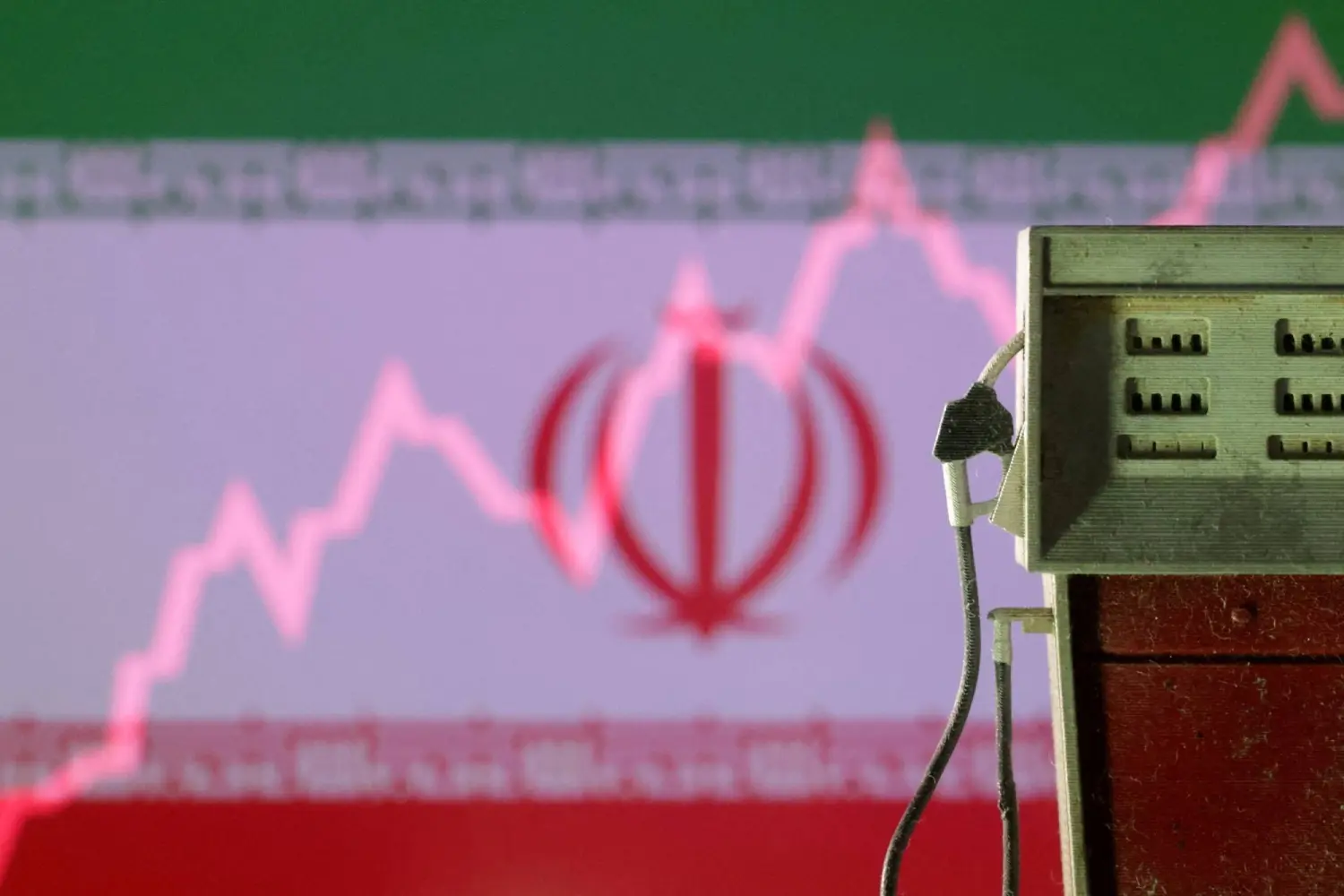
이란 전쟁으로 유가가 급등하는 가운데 화석 연료 폐지를 논의하기 위해 국가들이 회동
Nations meet to discuss fossil fuel exit as Iran war drives up prices
The Japan Times
· 🇯🇵 Tokyo, JP
Kate Abnett
EN
2026-04-28 11:57
Translated
이 회동은 UN 기후 정상회담에서 합의한 것과 같은 새로운 글로벌 목표를 설정하기보다는 경제를 화석 연료에서 벗어나게 하기 위한 실질적인 조치에 중점을 둘 것이다.
브라질, 독일, 캐나다, 나이지리아를 포함한 약 60개 국가가 이란 전쟁이 글로벌 석유와 가스 시장을 뒤흔들고 가격을 급등시키는 가운데, 이번 주 화석 연료 단계적 폐지를 논의하기 위한 첫 국제 회의를 개최할 예정이다.
콜롬비아 산타마르타에서 화요일에 시작되는 장관 및 관계자들의 회동은 UN 기후 정상회담에서 합의한 것과 같은 새로운 글로벌 목표를 설정하기보다는 경제를 화석 연료에서 벗어나게 하기 위한 실질적인 조치에 중점을 둘 것이다.
회의를 콜롬비아와 공동 조직하는 네덜란드의 기후장관 스티엔치에 판 펠드호펜은 "우리는 야심을 협상하는 것이 아니고, 약속을 협상하는 것도 아니다. 이것은 정말로 어떻게 이를 수행하는지 공유하는 것에 관한 것이다"라고 말했다.
정부들은 "어떤 종류의 금융 수단, 어떤 종류의 규제 인센티브, 어떤 종류의 계획 수단"이 단계적 폐지를 시작하는 데 필요한지 논의할 것이라고 그녀는 말했다.
회담은 또한 산업이 가스에서 전기로 전환하기 위한 투자 조건을 만드는 방법과 화석 연료 보조금을 개혁하는 방법을 다룰 것이다.
이 회의는 의지 있는 국가들의 연합을 한데 모으는데, 세계 최대 오염국인 중국과 미국이 주목할 만하게 부재하고 있다. 사우디아라비아와 다른 주요 중동 석유 및 가스 생산국들도 참석하지 않고 있다. 이란 전쟁은 많은 국가들의 석유 및 가스 수입에 대한 높은 의존성을 노출시켰으며, 아시아 경제는 연료 부족으로 타격을 입었고 유럽 국가들은 급증하는 에너지 비용에 직면해 있다.
판 펠드호펜은 에너지 위기가 기후 변화에 대처하기 위해서뿐만 아니라 경제 및 에너지 안보를 강화하기 위해 석유와 가스를 단계적으로 폐지해야 한다는 주장을 더욱 강화했다고 말했다.
"중동의 이 전쟁은 화석 연료에 대한 우리의 의존성 때문에 전 세계에 영향을 미친다"고 그녀는 말했다. "화석 연료에 대한 의존성이 낮을수록 취약성은 낮아진다."
이 회의는 또한 거의 200개 국가가 합의에 의해 결정에 동의해야 하는 연간 UN 기후 회담의 느린 진전에 대한 일부 정부의 좌절감을 반영한다. 국가들은 2023년 COP28 기후 정상회담에서 화석 연료에서 벗어나는 것에 동의했다. 하지만 그 이후 COP 회의들은 사우디아라비아를 포함한 국가들이 화석 연료를 목표로 하는 최근 제안들을 차단하면서 그 약속을 진전시키기 위해 거의 노력하지 않았다.
석탄, 석유, 가스 연소로 인한 이산화탄소 배출은 기후 변화의 주요 원인이다.
콜롬비아 산타마르타에서 화요일에 시작되는 장관 및 관계자들의 회동은 UN 기후 정상회담에서 합의한 것과 같은 새로운 글로벌 목표를 설정하기보다는 경제를 화석 연료에서 벗어나게 하기 위한 실질적인 조치에 중점을 둘 것이다.
회의를 콜롬비아와 공동 조직하는 네덜란드의 기후장관 스티엔치에 판 펠드호펜은 "우리는 야심을 협상하는 것이 아니고, 약속을 협상하는 것도 아니다. 이것은 정말로 어떻게 이를 수행하는지 공유하는 것에 관한 것이다"라고 말했다.
정부들은 "어떤 종류의 금융 수단, 어떤 종류의 규제 인센티브, 어떤 종류의 계획 수단"이 단계적 폐지를 시작하는 데 필요한지 논의할 것이라고 그녀는 말했다.
회담은 또한 산업이 가스에서 전기로 전환하기 위한 투자 조건을 만드는 방법과 화석 연료 보조금을 개혁하는 방법을 다룰 것이다.
이 회의는 의지 있는 국가들의 연합을 한데 모으는데, 세계 최대 오염국인 중국과 미국이 주목할 만하게 부재하고 있다. 사우디아라비아와 다른 주요 중동 석유 및 가스 생산국들도 참석하지 않고 있다. 이란 전쟁은 많은 국가들의 석유 및 가스 수입에 대한 높은 의존성을 노출시켰으며, 아시아 경제는 연료 부족으로 타격을 입었고 유럽 국가들은 급증하는 에너지 비용에 직면해 있다.
판 펠드호펜은 에너지 위기가 기후 변화에 대처하기 위해서뿐만 아니라 경제 및 에너지 안보를 강화하기 위해 석유와 가스를 단계적으로 폐지해야 한다는 주장을 더욱 강화했다고 말했다.
"중동의 이 전쟁은 화석 연료에 대한 우리의 의존성 때문에 전 세계에 영향을 미친다"고 그녀는 말했다. "화석 연료에 대한 의존성이 낮을수록 취약성은 낮아진다."
이 회의는 또한 거의 200개 국가가 합의에 의해 결정에 동의해야 하는 연간 UN 기후 회담의 느린 진전에 대한 일부 정부의 좌절감을 반영한다. 국가들은 2023년 COP28 기후 정상회담에서 화석 연료에서 벗어나는 것에 동의했다. 하지만 그 이후 COP 회의들은 사우디아라비아를 포함한 국가들이 화석 연료를 목표로 하는 최근 제안들을 차단하면서 그 약속을 진전시키기 위해 거의 노력하지 않았다.
석탄, 석유, 가스 연소로 인한 이산화탄소 배출은 기후 변화의 주요 원인이다.
처리 완료
2,812 tokens · $0.0079
기사 수집 완료 · 12:16
매체 피드에서 기사 메타데이터 수집
헤드라인 번역 완료 · 12:25
제목/요약 한국어 번역 (fetch 시점 inline)
claude-haiku-4-5-20251001
239 tokens
$0.00063
2.4s
본문 추출 완료
2,344자 추출 완료
본문 한국어 번역 완료 · 12:25
1,207자 번역 완료
claude-haiku-4-5-20251001
2,573 tokens
$0.00725
12.0s
지정학적 엔티티 추출 완료 · 12:25
8개 엔티티 추출 완료
지정학적 맥락 & R-Scanner
R-Scanner · 평상
z=-0.14
일상적인 보도 수준 — 기준: Colombia
(🇨🇴 CO)
최근 6시간 2건
7일 평균 2.25건 / 6h
2개국 매체
2개 매체
본문에서 추출된 지명 (8)
위치 지도
지도 로딩 중…
같은 주제의 다른 기사 (최근 7일)
The gathering will focus on practical steps to shift economies away from fossil fuels, rather than setting new global targets of the kind agreed to at U.N. climate summits.
Around 60 governments, including Brazil, Germany, Canada and Nigeria, will hold the first international meeting this week to discuss phasing out fossil fuels, as the Iran war upends global oil and gas markets and sends prices soaring.The gathering of ministers and officials in Santa Marta, Colombia, which starts on Tuesday, will focus on practical steps to shift economies away from fossil fuels, rather than setting new global targets of the kind agreed to at U.N. climate summits.
"We're not negotiating ambitions, we're not negotiating commitments. This really is about sharing how you do this," said Stientje van Veldhoven, climate minister for the Netherlands, which is co-organizing the meeting with Colombia.
Governments will discuss "what kind of financial instruments, what kind of regulatory incentives, what kind of planning instruments" are needed to kickstart a phase-out, she said.
Talks will also address how to create investment conditions for industries to switch from gas to electricity, and how to reform fossil fuel subsidies.
The meeting brings together a coalition of willing nations, with the world's top two polluters — China and the U.S. — notably absent. Saudi Arabia and other major Middle Eastern oil and gas producers are also not attending. The Iran war has exposed many countries' heavy dependency on oil and gas imports, with Asian economies hit by fuel shortages and European countries facing surging energy costs.
Van Veldhoven said the energy crisis had reinforced the case for phasing out oil and gas to bolster economic and energy security, not just to tackle climate change.
"This war in the Middle East has ramifications all around the world because of our dependency on fossil fuels," she said. "The less you are dependent on it, the less vulnerable you are."
The meeting also reflects frustration among some governments at slow progress in annual U.N. climate talks, where nearly 200 countries must agree decisions by consensus. Countries agreed to transition away from fossil fuels at the COP28 climate summit in 2023. But subsequent COP meetings have done little to advance that pledge, with countries including Saudi Arabia blocking recent proposals targeting fossil fuels.
Carbon dioxide emissions from burning coal, oil and gas are the main driver of climate change.