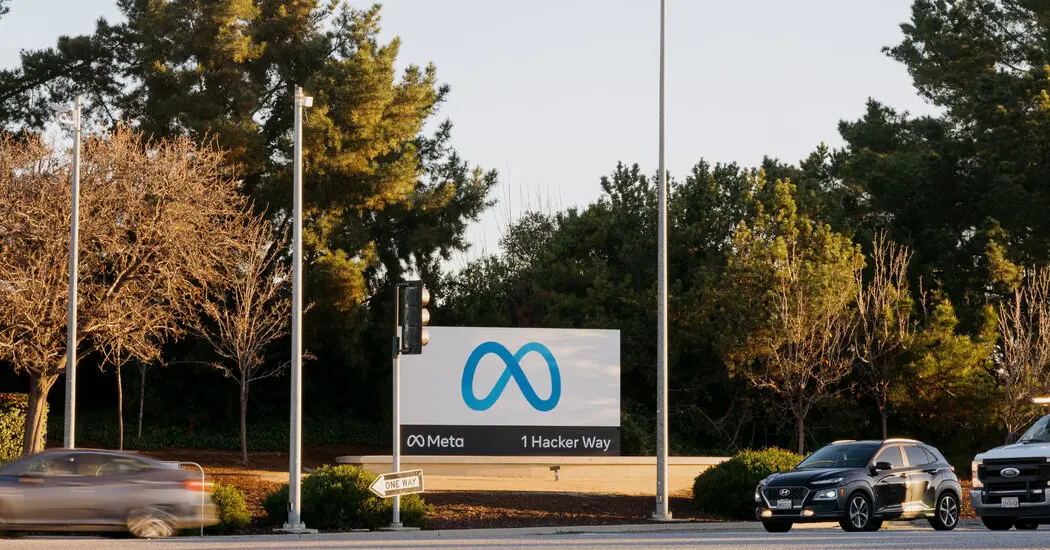
메타 딜 반대로 중국과 실리콘밸리 간 분열 심화
Meta Deal Reversal Deepens Split Between China and Silicon Valley
The New York Times
· 🇺🇸 New York, US
Meaghan Tobin and Erin Griffith
EN
2026-04-30 06:08
Translated
베이징의 중국 AI 스타트업과의 메타 거래 해제 요구가 첨단 기술을 놓고 벌어지는 지정학적 싸움을 심화시키고 있습니다.
인공지능 스타트업 매뉴스는 중국 우한의 세 명의 엔지니어가 AI에 대한 집착과 글로벌 벤처를 구축하겠다는 공동의 야망으로 시작했습니다. 처음부터 그들은 중국을 넘어 세계를 바라봤습니다.
큰 전환점은 지난해 3월 찾아왔습니다. 매뉴스는 자체적으로 작업을 수행할 수 있는 AI 에이전트로 실리콘밸리 투자자들의 관심을 끌었습니다. 연말까지 메타가 매뉴스 인수에 합의했습니다.
중국의 붐비고 엄격하게 규제되는 시장에서의 깨끗한 탈출처럼 보였고, 세계 무대로 나아가는 길로 보였습니다. 그러다가 월요일 중국 정부가 개입해 20억 달러 규모의 거래 해제를 요구했습니다.
10년 전만 해도 실리콘밸리 투자자들은 중국 스타트업 지원에 경쟁적이었습니다. 오늘날에는 거의 그렇지 않습니다. 메타의 매뉴스 인수 같은 거래는 이미 드물어졌으며, 중국의 기술 부문이 미국 자본에서 멀어져 가고 있습니다. 베이징의 개입은 분열을 더 심화시킵니다.
투자자들과 창업자들은 이 움직임이 파편화되는 환경을 반영한다고 말합니다. 중국 스타트업은 국내에서 자금을 모으고 국내 시장을 위해 사업을 펼치고 있는 반면, 미국 투자자들은 그들을 지원하는 데 따르는 조사를 피하고 있습니다.
샌프란시스코 소재 벤처펌 카이버 나이트의 투자자 리너스 리앙은 "위대한 창업자와 자유시장이 승자를 결정했지만, 점점 더 외부 세력이 최종 결정을 할 수 있다"고 말했습니다.
리앙은 자신의 펌이 이미 위험성과 복잡성 때문에 국경을 넘는 투자에 신중했다고 말했습니다. 하지만 매뉴스 사건은 AI 제품과 인재가 이제 "전략적 국가 자산"으로 취급된다는 것을 보여줬다고 그는 말했습니다.
이미 약한 시장을 더욱 냉각시켰습니다. 민간 투자를 추적하는 피치북에 따르면 중국 기업과 외국 투자자가 관련된 거래는 2021년 이후 급격히 감소했습니다. 2024년 거래 건수는 2021년 최고치에서 73% 감소했으며, 거래 총액은 540억 달러에서 78억 달러로 떨어졌습니다.
항상 이렇게 된 것은 아니었습니다. 2010년대에 미국 투자 회사들은 실리콘밸리식 성장에 끌려 중국으로 몰려들었으며 워싱턴의 정책입안자들로부터 장려를 받았습니다. 골드만삭스와 피델리티는 전자상거래 거인 알리바바의 초기 투자자였습니다. 타이거 글로벌과 코트우 매니지먼트는 중국판 우버로 알려진 디디추싱 테크놀로지의 초기 투자자였습니다. 제너럴 애틀란틱과 세쿼이아 캐피털은 틱톡의 모회사인 바이트댄스를 지원했습니다.
그러나 2016년까지 오바마 행정부의 관리들은 부당 경쟁과 정부 개입에 대한 우려를 제기했습니다.
트럼프 대통령 재임 중 긴장이 고조되었으며, 그는 2020년 틱톡 금지를 추진했습니다. 몇 년 뒤 의회가 미국 벤처캐피탈의 중국 군사 관련 기업 투자를 조사했을 때 관계는 더욱 악화되었습니다. 조 바이든 대통령은 인공지능을 포함한 특정 중국 기술에 대한 미국 투자를 금지하는 행정명령을 내렸습니다.
많은 펌들이 이후 물러났습니다. 세쿼이아와 GGV 캐피탈을 포함해 중국에 큰 규모의 사업 기반을 둔 일부 펌들은 중국 펀드를 별도 회사로 분리했습니다. GGV는 미국 사업을 노터블 캐피탈로 이름을 바꿨고 아시아 사업을 그래니트 아시아로 브랜드를 변경했습니다. 세쿼이아는 중국 부문을 분리해 현재 HSG라고 불립니다.
중국 창업자들은 이제 초기에 투자자의 구성을 고려해야 합니다. 중국 자금이 너무 많으면 규제 감시를 우려하는 미국 투자자들을 놀라게 할 수 있으며, 글로벌 확장은 틱톡과 패스트패션 소매업체 시인이 직면한 것과 같은 원치 않는 관심을 초래할 수 있습니다. 둘 다 본사를 싱가포르로 옮겼지만 중국과의 연결고리라는 인식을 벗지 못했습니다.
중국의 한 AI 스타트업 창업자는 미국과 중국의 대형 기술 회사에서 일했으며 해외에서는 자금을 모았지만 미국에서는 자금을 모으지 않았습니다. 그는 사업이 중국에서 분리될 수 있다는 것을 실리콘밸리 투자자들을 납득시키는 데 너무 많은 노력이 필요했다고 말했습니다.
중국 관리들의 관심을 끌기 위해 신원을 밝히지 않기를 원했던 이 기업가는 이것이 할 가치가 있는 노력이 아니라고 말했습니다. 그는 대부분의 창업자들이 중국에 머물면서 현지에서 자금을 모으기로 선택하고 있다고 덧붙였습니다.
일부는 대신 동남아시아, 중동, 호주의 투자자들에게 눈을 돌리고 있습니다. 실리콘밸리 벤처캐피탈 회사들이 오픈AI와 앤스로픽 같은 회사들을 지원할 수 있지만, 국내에 유망한 AI 스타트업이 적은 다른 곳의 투자자들은 중국에 관심을 유지하고 있습니다.
매뉴스는 이 두 세계를 연결하려고 시도했습니다. 중국 엔지니어들이 설립한 중국 모회사로, 해외에 통합되었고 중국에서 외국인 소유 기업으로 구조화되었으며 베이징과 우한에 사무실을 두고 있었습니다.
실리콘밸리가 주목했습니다. 벤처펌 벤치마크는 2025년 3월 7500만 달러 규모 펀딩 라운드를 주도했으며, 파트너 체탄 풋타군타는 회사가 싱가포르로 이전하면서 이사회에 합류했습니다. 12월까지 매뉴스는 연간 재정 수익이 1억 달러를 넘었다고 발표했습니다.
풋타군타는 의견 요청에 응하지 않았습니다.
메타가 매뉴스를 인수했을 때 많은 사람들이 중국 스타트업을 위한 새로운 플레이북을 보았습니다. 이제 그렇지 않습니다.
캘리포니아 메닐로파크 소재 벤처캐피탈 펌 키메이커 VC의 투자자 호만 유엔은 이 움직임이 싱가포르로 이전해 미국 자금을 모으고 확장하려는 중국 기업들의 파이프라인을 늦출 것이라고 말했습니다. 그는 시간이 지남에 따라 중국의 기술 생태계를 강화할 수 있다고 덧붙였습니다.
"그들은 판매하거나 인수되려고 하기보다는 자신들을 위해 계속 개발할 것입니다"라고 그는 말했습니다.
중국은 특정한 민감하고 첨단 기술의 수출 승인을 요구합니다. 이제 규제 담당자들이 AI 제품을 포함시킨다는 것이 명확합니다.
인수가 어떻게 해제될지는 여전히 불분명합니다.
메타가 12월 말 매뉴스 대금을 지불한 후, 자금은 그 이후 주 동안 매뉴스의 주주들에게 송금되었습니다. 벤치마크를 포함한 벤처 지원자들은 그들의 펀드 투자자들에게 수익금을 배분했다고 거래에 정통한 한 사람이 말했습니다.
그 사람은 돈을 되찾으려면 복잡할 수도 있고 불가능할 수도 있다고 말했습니다. 메타는 이미 수개월 동안 매뉴스의 기술과 엔지니어에 접근했으며 두 팀을 "깊이 있게 통합되었다"고 설명했습니다.
메타는 월요일 성명에서 거래가 적용 가능한 법률을 준수했으며 "적절한 해결"을 기대한다고 밝혔습니다. 회사는 추가 논평을 거절했습니다. 매뉴스의 이전 투자와 관련된 여러 중국 회사들은 의견 요청에 응하지 않았습니다.
뉴욕 피어선 페르디난드의 변호사 벤자민 큐이는 20년간 중국 기술 회사들의 해외 투자 및 국경 간 거래를 자문해왔으며 가능한 해결책을 제시했습니다. 메타는 매뉴스의 과반수 소유권을 베이징 승인 투자자에게 팔고 대신 매뉴스의 기술을 라이선스하기 위해 비용을 지불할 수 있으며, 미국 투자자들이 바이트댄스에서 틱톡의 미국 사업을 라이선스하는 방식을 반영하고 있습니다.
하지만 결과가 무엇이든 중국 정부의 메시지는 명확합니다. 최고의 인재와 기술이 국가를 떠나는 것을 막을 의도입니다.
"베이징은 기술 인재와 AI의 왕관 보석으로 간주되는 것의 대피를 우려하고 있습니다"라고 큐이는 말했습니다.
스탠포드 대학교의 지정학과 기술에 초점을 맞춘 학자 그레이엄 웹스터는 이 접근 방식이 비용이 들 수 있다고 말했습니다.
"만약 사람들이 자신의 스타트업을 그들을 구매하고 싶어 하는 회사에 팔 수 있다고 생각하지 않으면 중국의 기업가들에게 계속 발목을 잡을 것입니다"라고 웹스터는 말했습니다. "중국 시장은 거대하지만 인류의 5분의 1입니다. 그 다음에는 다른 80%가 있습니다."
신윤 우는 타이베이에서 보도했습니다.
큰 전환점은 지난해 3월 찾아왔습니다. 매뉴스는 자체적으로 작업을 수행할 수 있는 AI 에이전트로 실리콘밸리 투자자들의 관심을 끌었습니다. 연말까지 메타가 매뉴스 인수에 합의했습니다.
중국의 붐비고 엄격하게 규제되는 시장에서의 깨끗한 탈출처럼 보였고, 세계 무대로 나아가는 길로 보였습니다. 그러다가 월요일 중국 정부가 개입해 20억 달러 규모의 거래 해제를 요구했습니다.
10년 전만 해도 실리콘밸리 투자자들은 중국 스타트업 지원에 경쟁적이었습니다. 오늘날에는 거의 그렇지 않습니다. 메타의 매뉴스 인수 같은 거래는 이미 드물어졌으며, 중국의 기술 부문이 미국 자본에서 멀어져 가고 있습니다. 베이징의 개입은 분열을 더 심화시킵니다.
투자자들과 창업자들은 이 움직임이 파편화되는 환경을 반영한다고 말합니다. 중국 스타트업은 국내에서 자금을 모으고 국내 시장을 위해 사업을 펼치고 있는 반면, 미국 투자자들은 그들을 지원하는 데 따르는 조사를 피하고 있습니다.
샌프란시스코 소재 벤처펌 카이버 나이트의 투자자 리너스 리앙은 "위대한 창업자와 자유시장이 승자를 결정했지만, 점점 더 외부 세력이 최종 결정을 할 수 있다"고 말했습니다.
리앙은 자신의 펌이 이미 위험성과 복잡성 때문에 국경을 넘는 투자에 신중했다고 말했습니다. 하지만 매뉴스 사건은 AI 제품과 인재가 이제 "전략적 국가 자산"으로 취급된다는 것을 보여줬다고 그는 말했습니다.
이미 약한 시장을 더욱 냉각시켰습니다. 민간 투자를 추적하는 피치북에 따르면 중국 기업과 외국 투자자가 관련된 거래는 2021년 이후 급격히 감소했습니다. 2024년 거래 건수는 2021년 최고치에서 73% 감소했으며, 거래 총액은 540억 달러에서 78억 달러로 떨어졌습니다.
항상 이렇게 된 것은 아니었습니다. 2010년대에 미국 투자 회사들은 실리콘밸리식 성장에 끌려 중국으로 몰려들었으며 워싱턴의 정책입안자들로부터 장려를 받았습니다. 골드만삭스와 피델리티는 전자상거래 거인 알리바바의 초기 투자자였습니다. 타이거 글로벌과 코트우 매니지먼트는 중국판 우버로 알려진 디디추싱 테크놀로지의 초기 투자자였습니다. 제너럴 애틀란틱과 세쿼이아 캐피털은 틱톡의 모회사인 바이트댄스를 지원했습니다.
그러나 2016년까지 오바마 행정부의 관리들은 부당 경쟁과 정부 개입에 대한 우려를 제기했습니다.
트럼프 대통령 재임 중 긴장이 고조되었으며, 그는 2020년 틱톡 금지를 추진했습니다. 몇 년 뒤 의회가 미국 벤처캐피탈의 중국 군사 관련 기업 투자를 조사했을 때 관계는 더욱 악화되었습니다. 조 바이든 대통령은 인공지능을 포함한 특정 중국 기술에 대한 미국 투자를 금지하는 행정명령을 내렸습니다.
많은 펌들이 이후 물러났습니다. 세쿼이아와 GGV 캐피탈을 포함해 중국에 큰 규모의 사업 기반을 둔 일부 펌들은 중국 펀드를 별도 회사로 분리했습니다. GGV는 미국 사업을 노터블 캐피탈로 이름을 바꿨고 아시아 사업을 그래니트 아시아로 브랜드를 변경했습니다. 세쿼이아는 중국 부문을 분리해 현재 HSG라고 불립니다.
중국 창업자들은 이제 초기에 투자자의 구성을 고려해야 합니다. 중국 자금이 너무 많으면 규제 감시를 우려하는 미국 투자자들을 놀라게 할 수 있으며, 글로벌 확장은 틱톡과 패스트패션 소매업체 시인이 직면한 것과 같은 원치 않는 관심을 초래할 수 있습니다. 둘 다 본사를 싱가포르로 옮겼지만 중국과의 연결고리라는 인식을 벗지 못했습니다.
중국의 한 AI 스타트업 창업자는 미국과 중국의 대형 기술 회사에서 일했으며 해외에서는 자금을 모았지만 미국에서는 자금을 모으지 않았습니다. 그는 사업이 중국에서 분리될 수 있다는 것을 실리콘밸리 투자자들을 납득시키는 데 너무 많은 노력이 필요했다고 말했습니다.
중국 관리들의 관심을 끌기 위해 신원을 밝히지 않기를 원했던 이 기업가는 이것이 할 가치가 있는 노력이 아니라고 말했습니다. 그는 대부분의 창업자들이 중국에 머물면서 현지에서 자금을 모으기로 선택하고 있다고 덧붙였습니다.
일부는 대신 동남아시아, 중동, 호주의 투자자들에게 눈을 돌리고 있습니다. 실리콘밸리 벤처캐피탈 회사들이 오픈AI와 앤스로픽 같은 회사들을 지원할 수 있지만, 국내에 유망한 AI 스타트업이 적은 다른 곳의 투자자들은 중국에 관심을 유지하고 있습니다.
매뉴스는 이 두 세계를 연결하려고 시도했습니다. 중국 엔지니어들이 설립한 중국 모회사로, 해외에 통합되었고 중국에서 외국인 소유 기업으로 구조화되었으며 베이징과 우한에 사무실을 두고 있었습니다.
실리콘밸리가 주목했습니다. 벤처펌 벤치마크는 2025년 3월 7500만 달러 규모 펀딩 라운드를 주도했으며, 파트너 체탄 풋타군타는 회사가 싱가포르로 이전하면서 이사회에 합류했습니다. 12월까지 매뉴스는 연간 재정 수익이 1억 달러를 넘었다고 발표했습니다.
풋타군타는 의견 요청에 응하지 않았습니다.
메타가 매뉴스를 인수했을 때 많은 사람들이 중국 스타트업을 위한 새로운 플레이북을 보았습니다. 이제 그렇지 않습니다.
캘리포니아 메닐로파크 소재 벤처캐피탈 펌 키메이커 VC의 투자자 호만 유엔은 이 움직임이 싱가포르로 이전해 미국 자금을 모으고 확장하려는 중국 기업들의 파이프라인을 늦출 것이라고 말했습니다. 그는 시간이 지남에 따라 중국의 기술 생태계를 강화할 수 있다고 덧붙였습니다.
"그들은 판매하거나 인수되려고 하기보다는 자신들을 위해 계속 개발할 것입니다"라고 그는 말했습니다.
중국은 특정한 민감하고 첨단 기술의 수출 승인을 요구합니다. 이제 규제 담당자들이 AI 제품을 포함시킨다는 것이 명확합니다.
인수가 어떻게 해제될지는 여전히 불분명합니다.
메타가 12월 말 매뉴스 대금을 지불한 후, 자금은 그 이후 주 동안 매뉴스의 주주들에게 송금되었습니다. 벤치마크를 포함한 벤처 지원자들은 그들의 펀드 투자자들에게 수익금을 배분했다고 거래에 정통한 한 사람이 말했습니다.
그 사람은 돈을 되찾으려면 복잡할 수도 있고 불가능할 수도 있다고 말했습니다. 메타는 이미 수개월 동안 매뉴스의 기술과 엔지니어에 접근했으며 두 팀을 "깊이 있게 통합되었다"고 설명했습니다.
메타는 월요일 성명에서 거래가 적용 가능한 법률을 준수했으며 "적절한 해결"을 기대한다고 밝혔습니다. 회사는 추가 논평을 거절했습니다. 매뉴스의 이전 투자와 관련된 여러 중국 회사들은 의견 요청에 응하지 않았습니다.
뉴욕 피어선 페르디난드의 변호사 벤자민 큐이는 20년간 중국 기술 회사들의 해외 투자 및 국경 간 거래를 자문해왔으며 가능한 해결책을 제시했습니다. 메타는 매뉴스의 과반수 소유권을 베이징 승인 투자자에게 팔고 대신 매뉴스의 기술을 라이선스하기 위해 비용을 지불할 수 있으며, 미국 투자자들이 바이트댄스에서 틱톡의 미국 사업을 라이선스하는 방식을 반영하고 있습니다.
하지만 결과가 무엇이든 중국 정부의 메시지는 명확합니다. 최고의 인재와 기술이 국가를 떠나는 것을 막을 의도입니다.
"베이징은 기술 인재와 AI의 왕관 보석으로 간주되는 것의 대피를 우려하고 있습니다"라고 큐이는 말했습니다.
스탠포드 대학교의 지정학과 기술에 초점을 맞춘 학자 그레이엄 웹스터는 이 접근 방식이 비용이 들 수 있다고 말했습니다.
"만약 사람들이 자신의 스타트업을 그들을 구매하고 싶어 하는 회사에 팔 수 있다고 생각하지 않으면 중국의 기업가들에게 계속 발목을 잡을 것입니다"라고 웹스터는 말했습니다. "중국 시장은 거대하지만 인류의 5분의 1입니다. 그 다음에는 다른 80%가 있습니다."
신윤 우는 타이베이에서 보도했습니다.
처리 완료
6,600 tokens · $0.0193
기사 수집 완료 · 06:15
매체 피드에서 기사 메타데이터 수집
헤드라인 번역 완료 · 06:26
제목/요약 한국어 번역 (fetch 시점 inline)
claude-haiku-4-5-20251001
215 tokens
$0.00055
1.5s
본문 추출 완료
7,636자 추출 완료
본문 한국어 번역 완료 · 06:26
3,776자 번역 완료
claude-haiku-4-5-20251001
6,385 tokens
$0.01875
44.0s
지정학적 엔티티 추출 완료 · 06:26
8개 엔티티 추출 완료
지정학적 맥락 & R-Scanner
R-Scanner · 핫스팟
z=1.93
평소보다 훨씬 많은 매체가 집중 보도 중 — 기준: China
(🇨🇳 CN)
최근 6시간 19건
7일 평균 12.04건 / 6h
9개국 매체
10개 매체
본문에서 추출된 지명 (8)
China
🇨🇳
United States
🇺🇸
Silicon Valley
🇺🇸
Wuhan
🇨🇳
Singapore
🇸🇬
Beijing
🇨🇳
Taiwan
🇹🇼
San Francisco
🇺🇸
위치 지도
지도 로딩 중…
같은 주제의 다른 기사 (최근 7일)
Beijing’s insistence that Meta unwind its deal with a Chinese A.I. start-up escalates the geopolitical fight over advanced tech.
Manus, an artificial intelligence start-up, began with an idea among three engineers in Wuhan, China, united by an obsession with A.I. and a shared ambition to build a global venture. From the outset, they looked beyond China.Their big break came in March last year. Manus had drawn the attention of Silicon Valley investors with an A.I. agent capable of carrying out tasks on its own. By year’s end, Meta had agreed to acquire Manus.
It looked like a clean breakout from China’s crowded, tightly regulated market and a path to the world stage. Then, on Monday, the Chinese government stepped in and demanded that the $2 billion deal be undone.
A decade ago, Silicon Valley investors raced to back Chinese start-ups. Today, few do. Deals like Meta’s acquisition of Manus were already rare, as China’s tech sector drifted from American capital. Beijing’s intervention sharpens the split.
Investors and founders say the move reflects a fragmenting landscape. Chinese start-ups are raising money at home and building for domestic markets, while U.S. investors steer clear of the scrutiny that comes with backing them.
“Great founders and free markets used to decide who won, but increasingly, outside forces may have the final say,” said Linus Liang, an investor at Kyber Knight, a venture firm based in San Francisco.
Mr. Liang said his firm had already been cautious about cross-border investments because of the risks and complexity. But the Manus episode underscored that A.I. products and talent are now treated “like strategic national assets,” he said.
It has further chilled an already weak market. Deals involving Chinese companies and foreign investors have dropped sharply since 2021, according to PitchBook, which tracks private investment. In 2024, the number of deals was down 73 percent from the 2021 peak, while the total value of such transactions dropped to $7.8 billion from $54 billion.
Things were not always this way. In the 2010s, American investment firms flocked to China, drawn by Silicon Valley-style growth and encouraged by policymakers in Washington. Goldman Sachs and Fidelity were early investors in Alibaba, the e-commerce giant. Tiger Global and Coatue Management were early investors in Didi Chuxing Technology Company, known as the Uber of China. And General Atlantic and Sequoia Capital backed ByteDance, the parent company of TikTok.
By 2016, however, officials in the Obama administration were raising concerns about unfair competition and government interference.
Tensions escalated under President Trump, who moved to ban TikTok in 2020. Relations worsened a few years later when Congress investigated U.S. venture capital investments in Chinese companies with military ties. President Joseph R. Biden Jr. issued an executive order barring U.S. investments in certain Chinese technologies, including artificial intelligence.
Many firms have since pulled back. Some firms with a large presence in China, including Sequoia and GGV Capital, split their Chinese funds into separate firms. GGV renamed its U.S. business Notable Capital and rebranded its Asia business Granite Asia. Sequoia spun off its China unit, now called HSG.
Chinese founders must now consider the composition of their investors early on. Too much Chinese funding could scare off American investors wary of regulatory scrutiny, while global expansion may invite the kind of unwanted attention faced by companies like TikTok and the fast-fashion retailer Shein. Both moved their headquarters to Singapore, but neither shed the perception of Chinese ties.
An A.I. start-up founder in China, who has worked at major U.S. and Chinese tech companies and raised money abroad but not in the United States, said it took too much effort to convince Silicon Valley investors that a business could be separated from China.
It is not worth the effort, said the entrepreneur, who asked not to be identified to avoid drawing the attention of Chinese officials. Most founders, he added, are choosing to stay in China and raise money locally.
Some are turning instead to investors in Southeast Asia, the Middle East and Australia. While Silicon Valley venture capital firms can back companies like OpenAI and Anthropic, investors elsewhere, with fewer promising A.I. start-ups at home, remain interested in China.
Manus tried to bridge those two worlds. Founded by Chinese engineers with a Chinese parent company, it was incorporated offshore and structured as a foreign-owned entity in China with offices in Beijing and Wuhan.
Silicon Valley took notice. The venture firm Benchmark led a $75 million funding round in March 2025, and its partner Chetan Puttagunta joined the board as the founders moved the company to Singapore. By December, Manus said it had surpassed $100 million in annual recurring revenue.
Mr. Puttagunta did not respond to a request for comment.
When Meta acquired Manus, many saw a new playbook for Chinese start-ups. That is no longer the case.
Homan Yuen, an investor at Keymaker VC, a venture capital firm based in Menlo Park, Calif., said the move would slow the pipeline of Chinese companies relocating to Singapore to raise U.S. funding and expand. Over time, he added, it could strengthen China’s tech ecosystem.
“They’ll continue to build for themselves, as opposed to trying to sell or get acquired,” he said.
China requires approval for the export of certain sensitive and advanced technologies. It is now clear that regulators count A.I. products among them.
How the acquisition will be unwound remains unclear.
After Meta paid for Manus in late December, the funds were wired to Manus’s shareholders in the ensuing weeks. Venture backers, including Benchmark, distributed the proceeds to the investors in their funds, according to a person familiar with the transaction.
Clawing the money back would be complicated, if not impossible, the person said. Meta has already had access to Manus’s technology and engineers for months and has described the two teams as “deeply integrated.”
Meta said in a statement on Monday that the transaction complied with applicable law and that it expected an “appropriate resolution.” The company declined to comment further. Several Chinese firms with previous investments in Manus did not return emails seeking comment.
Benjamin Qiu, a lawyer at Pierson Ferdinand in New York who has spent two decades advising Chinese tech companies on foreign investment and cross-border deals, outlined a possible fix. Meta could sell a majority ownership in Manus to Beijing-approved investors and instead pay to license Manus’s technology, mirroring the arrangement under which American investors license TikTok’s U.S. operations from ByteDance.
But whatever the outcome, the message from the Chinese government is clear: It intends to keep top talent and technology from leaving the country.
“Beijing is nervous about a flight of tech talent together with its deemed crown jewels in A.I.,” Mr. Qiu said.
That approach might come at a cost, said Graham Webster, an academic focused on geopolitics and technology at Stanford University.
“It’s going to continue to be a drag on entrepreneurs in China if people don’t think they can sell their start-ups to the companies that want to buy them,” Mr. Webster said. “The Chinese market is huge, but it’s one-fifth of humanity. Then there’s the other 80 percent.”
Xinyun Wu contributed reporting from Taipei.
Meaghan Tobin covers business and tech stories in Asia with a focus on China and is based in Taipei.
Erin Griffith covers tech companies, start-ups and the culture of Silicon Valley from San Francisco.