이스라엘의 레바논 점령: '보안 완충지대'는 합법인가?
Israel in Lebanon: Is the 'security buffer zone' legal?
Deutsche Welle
· 🇩🇪 Bonn, DE
Cathrin Schaer Author for the Middle East desk.
DE
2026-04-29 18:05
Translated
완충지대는 국제인도법에서 회색지대를 차지하고 있으며, 현대 전쟁에서 완충지대에 관한 규칙은 특별히 명확하지 않습니다.
이스라엘이 레바논에 설립하고 있는 완충지대와 같은 것이 국제법상 합법인가?
짧은 답변은: 아마도 그렇습니다.
하지만 더 긴 답변은 훨씬 더 복잡하며, 전문가들에 따르면 이스라엘이 레바논 남부에 설립하고 있는 것이 적어도 국제법상 실제 '보안 완충지대'가 아닐 수도 있다는 결론에 이릅니다.
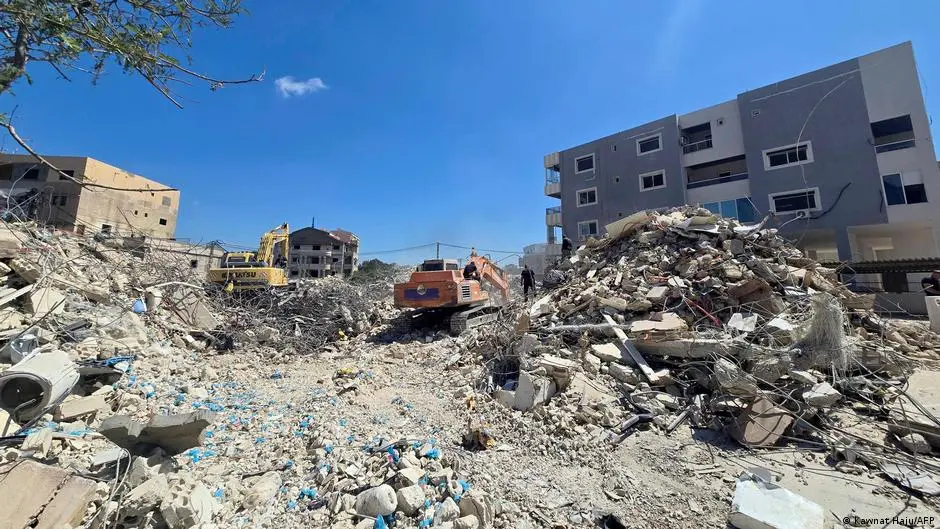
3월 초부터 이스라엘군은 국경에서 5~10킬로미터(3~6마일) 떨어진 레바논 지역을 장악했습니다. 이스라엘은 자위권으로 행동하고 있다고 주장했습니다. 벤야민 네타냐후 총리는 레바논 남부의 완충지대가 레바논 무장단체 헤즈볼라의 '침략 위협을 저지'하기 위한 것이라고 말합니다.
원래 질문에 대한 답변이 매우 복잡한 이유는 이번 세기 전쟁과 정치에서 자주 사용되는 완충지대가 국제인도법상 명확하게 정의되어 있지 않기 때문입니다. 이러한 법의 대부분은 지난 세기의 세계대전 이후 개발되었습니다.
네덜란드 라드바우드 대학교의 국제관계 조교수이자 완충지대 및 비행금지지역과 같은 현상을 연구해온 구스타프 마이바우어는 "완충지대는 실제로 국제법 어디에서도 명시적으로 다루어지지 않습니다"라고 확인합니다. "UN 헌장, 제네바 협약 또는 헤이그 협약과 같은 표준 자료들은 완충지대에 대해 명시적이지 않더라도 많은 내용을 담고 있지 않습니다."
법률 연구원 이안 카츠는 시카고 대학 법률 평론을 위한 논평에서 완충지대가 긍정적인 측면을 가질 수 있다고 주장했습니다. 그의 2017년 논문은 전문가들이 여전히 완충지대 법에 관한 최고의 텍스트 중 하나로 간주합니다.
현재 미국 국무부 변호사로 근무하는 카츠는 "완충지대는 국가가 비국가 행위자, 특히 테러리즘과 불법 이민으로 인한 신종 보안 위협으로부터 보호하는 데 더 잘 대비할 수 있도록 함으로써 국경 무결성을 강화합니다. 또한 전쟁 지역을 포함하기 위해 사용될 수 있습니다"라고 계속했습니다. 완충지대는 또한 난민을 보호하거나 원조를 배분하는 데 도움이 되는 인도적 기능을 할 수 있습니다.
카츠는 "그러나 완충지대가 항상 그러한 고귀한 목표에 영감을 받는 것은 아니며, 영향력 범위를 확대하거나 별개의 외교 정책 목표를 추구하기 위한 구실로 대신 사용되어 왔습니다"라고 덧붙였습니다.
실제로 마이바우어는 완충지대를 둘러싼 흐릿한 법적 상황이 실제로 그것을 더욱 매력적으로 만들 수 있다고 말합니다. "정치적으로 말해서, 그들이 처한 법적 회색지대가 실제로 자신이 하는 일을 국제법으로 그렇게 명시적으로 다루고 싶지 않은 정책 결정권자들에게 매력적일 수 있습니다"라고 그는 설명합니다.
그들은 또한 단순히 더 좋게 들리기 때문에 완충지대라는 용어를 사용하는 것을 선호할 수 있습니다. 그는 "점령과 병합은 악한 사람들이 하는 것이지만, 완충지대는 더 부드럽고 절제된 제한된 유형의 도구처럼 들리며, 국내 및 국제 청중 모두에게 더 수용 가능해 보입니다"라고 말합니다.
법이 완충지대의 합법성을 결정할 때 고려할 여러 요소들이 있습니다.
가장 중요한 것 중 하나는 완충지대가 상호 합의를 통해 생성되었는지 또는 일방적으로 부과되었는지 여부입니다. 예를 들어, 두 국가가 군인들이 실수로 서로를 쏘지 않도록 그들 사이에 공간을 두는 것이 좋다고 결정합니다. 그러면 국제법의 관점에서, 그것은 일반적으로 문제가 되지 않습니다.
하지만 완충지대가 한 국가에 다른 국가에 의해 일방적으로 부과된다면, 그것은 다르며 주권에 대한 위협으로 볼 수 있습니다.
이 경우, 카츠가 법률 논평에서 언급한 완충지대가 부과될 때 사용되는 세 가지 종종 겹치는 주장이 있습니다.
이는 다음과 같습니다: 완충지대가 유엔 안전보장이사회에 의해 승인되었거나, 완충지대를 부과한 국가가 인도적 이유로 그렇게 하고 있거나, 완충지대를 부과한 국가가 자위권으로 행동하고 있습니다.
완충지대가 설립된 후, 법적으로 정당화되는지 여부와 관계없이 "국제법이 여전히 그 운영을 지배합니다"라고 카츠는 계속합니다. "무력 분쟁의 기본 규칙을 설정하는 제네바 협약 및 추가의정서가 해당 법의 기초를 형성할 것입니다."
이러한 규칙은 비례성과 군사적 필요성의 원칙을 강조합니다. 즉, 귀국의 군대가 하는 일이 이유로 정당화될 수 있지만, 귀국의 군인들이 절대적으로 필요한 것보다 더 나아가지 않는다는 의미입니다. 비례성과 필요성 모두 완충지대에도 적용되며 법은 이를 위한 높은 기준을 갖고 있습니다. 예를 들어, 협약은 민간인 물체, 사유 재산 및 인프라가 군사 목표에 기여할 수 있는 특정의 엄격하게 정의된 상황을 제외하고는 대상으로 삼거나 파괴되어서는 안 된다고 말합니다.
이스라엘은 종종 헤즈볼라가 완충지대의 건물과 이스라엘 국경 근처를 사용하고 있다고 주장하며, 3월 22일 이스라엘 국방부 장관 이스라엘 카츠는 군부에 "가자 지구의 '모델'을 기반으로 레바논 주택 파괴를 '가속화'하도록" 명령했습니다.
2025년 4월 CNN과의 인터뷰에서 옥스퍼드 대학교 윤리, 법률 및 무력 분쟁 연구소의 공동 이사인 야니나 딜은 "가자 지구에서 이스라엘 군부 행동에 대해 "정당한 군사 목표와 작전 목표가 있어야 하며, 그것을 달성하는 유일한 방법은 민간인 재산을 파괴하는 것일 것입니다"라고 말했습니다.
하지만 딜은 명확한 군사적 필요 없이 민간인 재산을 의도적이고 광범위하게 파괴하는 것은 전쟁 범죄라고 미국 방송사에 말했습니다.
비례성과 필요성의 동일한 원칙은 완충지대의 인간에게도 적용됩니다. 가능한 경우, 민간인을 사격하기 전에 접촉, 확인 및 우회를 시도해야 한다고 카츠는 말합니다. 그러나 그는 "불법 무력 사용이 많은 완충지대에서 일반적인 사건이 되었습니다"라고 덧붙입니다.
국제법이 완충지대와 관련하여 고려하는 또 다른 요소는 그들이 얼마나 영구적인지입니다. 초기 국제법은 완충지대를 임시적인 것으로 보는 경향이 있었습니다. 전쟁이 끝나면, 더 이상의 필요가 없을 것입니다.
실제로, 완충지대가 영구적이 되면, 그들은 실제로 완충지대가 아닐 수도 있다고 마이바우어는 지적합니다.
"정치적으로, 완충지대 또는 보안 지역은 종종 대체로 수행적입니다"라고 그는 말합니다. "중요한 것은 무언가를 무엇이라고 부르느냐가 아니라 무엇을 하고 있는가입니다."
국제법상, 한 지역은 점령된 것으로 간주됩니다. 외국 군대가 점령당한 국가의 허가 없이 존재하고 외국 군대가 해당 지역에 대한 통제권을 확립했을 때입니다.
화요일에 미국 국무부 장관 마르코 루비오는 이스라엘이 레바논의 영토를 영구적으로 보유하기를 원하지 않는다고 말했습니다. 그러나 국방부 장관을 포함한 고위 이스라엘 정치인들은 반대를 말했으며 또한 레바논 민간인들(지금까지 약 100만 명이 피난했음)에게 그들이 집으로 돌아올 수 없을 것이라고 말했습니다.
마이바우어는 "이스라엘의 영토 침략이 되는 정도로, 첫째, 영토가 거주 불가능하게 되고, 둘째, 이스라엘의 실질적인 통제하에 있다면, 우리가 보고 있는 것은 점령입니다"라고 결론짓습니다.
"그리고 그것은 중요합니다. 왜냐하면 그로부터 발생하는 모든 종류의 법적 결과가 있기 때문입니다. 점령은 제네바 협약과 헤이그 협약에서 상세히 다루어집니다."
편집: Rob Mudge
짧은 답변은: 아마도 그렇습니다.
하지만 더 긴 답변은 훨씬 더 복잡하며, 전문가들에 따르면 이스라엘이 레바논 남부에 설립하고 있는 것이 적어도 국제법상 실제 '보안 완충지대'가 아닐 수도 있다는 결론에 이릅니다.
3월 초부터 이스라엘군은 국경에서 5~10킬로미터(3~6마일) 떨어진 레바논 지역을 장악했습니다. 이스라엘은 자위권으로 행동하고 있다고 주장했습니다. 벤야민 네타냐후 총리는 레바논 남부의 완충지대가 레바논 무장단체 헤즈볼라의 '침략 위협을 저지'하기 위한 것이라고 말합니다.
원래 질문에 대한 답변이 매우 복잡한 이유는 이번 세기 전쟁과 정치에서 자주 사용되는 완충지대가 국제인도법상 명확하게 정의되어 있지 않기 때문입니다. 이러한 법의 대부분은 지난 세기의 세계대전 이후 개발되었습니다.
네덜란드 라드바우드 대학교의 국제관계 조교수이자 완충지대 및 비행금지지역과 같은 현상을 연구해온 구스타프 마이바우어는 "완충지대는 실제로 국제법 어디에서도 명시적으로 다루어지지 않습니다"라고 확인합니다. "UN 헌장, 제네바 협약 또는 헤이그 협약과 같은 표준 자료들은 완충지대에 대해 명시적이지 않더라도 많은 내용을 담고 있지 않습니다."
법률 연구원 이안 카츠는 시카고 대학 법률 평론을 위한 논평에서 완충지대가 긍정적인 측면을 가질 수 있다고 주장했습니다. 그의 2017년 논문은 전문가들이 여전히 완충지대 법에 관한 최고의 텍스트 중 하나로 간주합니다.
현재 미국 국무부 변호사로 근무하는 카츠는 "완충지대는 국가가 비국가 행위자, 특히 테러리즘과 불법 이민으로 인한 신종 보안 위협으로부터 보호하는 데 더 잘 대비할 수 있도록 함으로써 국경 무결성을 강화합니다. 또한 전쟁 지역을 포함하기 위해 사용될 수 있습니다"라고 계속했습니다. 완충지대는 또한 난민을 보호하거나 원조를 배분하는 데 도움이 되는 인도적 기능을 할 수 있습니다.
카츠는 "그러나 완충지대가 항상 그러한 고귀한 목표에 영감을 받는 것은 아니며, 영향력 범위를 확대하거나 별개의 외교 정책 목표를 추구하기 위한 구실로 대신 사용되어 왔습니다"라고 덧붙였습니다.
실제로 마이바우어는 완충지대를 둘러싼 흐릿한 법적 상황이 실제로 그것을 더욱 매력적으로 만들 수 있다고 말합니다. "정치적으로 말해서, 그들이 처한 법적 회색지대가 실제로 자신이 하는 일을 국제법으로 그렇게 명시적으로 다루고 싶지 않은 정책 결정권자들에게 매력적일 수 있습니다"라고 그는 설명합니다.
그들은 또한 단순히 더 좋게 들리기 때문에 완충지대라는 용어를 사용하는 것을 선호할 수 있습니다. 그는 "점령과 병합은 악한 사람들이 하는 것이지만, 완충지대는 더 부드럽고 절제된 제한된 유형의 도구처럼 들리며, 국내 및 국제 청중 모두에게 더 수용 가능해 보입니다"라고 말합니다.
법이 완충지대의 합법성을 결정할 때 고려할 여러 요소들이 있습니다.
가장 중요한 것 중 하나는 완충지대가 상호 합의를 통해 생성되었는지 또는 일방적으로 부과되었는지 여부입니다. 예를 들어, 두 국가가 군인들이 실수로 서로를 쏘지 않도록 그들 사이에 공간을 두는 것이 좋다고 결정합니다. 그러면 국제법의 관점에서, 그것은 일반적으로 문제가 되지 않습니다.
하지만 완충지대가 한 국가에 다른 국가에 의해 일방적으로 부과된다면, 그것은 다르며 주권에 대한 위협으로 볼 수 있습니다.
이 경우, 카츠가 법률 논평에서 언급한 완충지대가 부과될 때 사용되는 세 가지 종종 겹치는 주장이 있습니다.
이는 다음과 같습니다: 완충지대가 유엔 안전보장이사회에 의해 승인되었거나, 완충지대를 부과한 국가가 인도적 이유로 그렇게 하고 있거나, 완충지대를 부과한 국가가 자위권으로 행동하고 있습니다.
완충지대가 설립된 후, 법적으로 정당화되는지 여부와 관계없이 "국제법이 여전히 그 운영을 지배합니다"라고 카츠는 계속합니다. "무력 분쟁의 기본 규칙을 설정하는 제네바 협약 및 추가의정서가 해당 법의 기초를 형성할 것입니다."
이러한 규칙은 비례성과 군사적 필요성의 원칙을 강조합니다. 즉, 귀국의 군대가 하는 일이 이유로 정당화될 수 있지만, 귀국의 군인들이 절대적으로 필요한 것보다 더 나아가지 않는다는 의미입니다. 비례성과 필요성 모두 완충지대에도 적용되며 법은 이를 위한 높은 기준을 갖고 있습니다. 예를 들어, 협약은 민간인 물체, 사유 재산 및 인프라가 군사 목표에 기여할 수 있는 특정의 엄격하게 정의된 상황을 제외하고는 대상으로 삼거나 파괴되어서는 안 된다고 말합니다.
이스라엘은 종종 헤즈볼라가 완충지대의 건물과 이스라엘 국경 근처를 사용하고 있다고 주장하며, 3월 22일 이스라엘 국방부 장관 이스라엘 카츠는 군부에 "가자 지구의 '모델'을 기반으로 레바논 주택 파괴를 '가속화'하도록" 명령했습니다.
2025년 4월 CNN과의 인터뷰에서 옥스퍼드 대학교 윤리, 법률 및 무력 분쟁 연구소의 공동 이사인 야니나 딜은 "가자 지구에서 이스라엘 군부 행동에 대해 "정당한 군사 목표와 작전 목표가 있어야 하며, 그것을 달성하는 유일한 방법은 민간인 재산을 파괴하는 것일 것입니다"라고 말했습니다.
하지만 딜은 명확한 군사적 필요 없이 민간인 재산을 의도적이고 광범위하게 파괴하는 것은 전쟁 범죄라고 미국 방송사에 말했습니다.
비례성과 필요성의 동일한 원칙은 완충지대의 인간에게도 적용됩니다. 가능한 경우, 민간인을 사격하기 전에 접촉, 확인 및 우회를 시도해야 한다고 카츠는 말합니다. 그러나 그는 "불법 무력 사용이 많은 완충지대에서 일반적인 사건이 되었습니다"라고 덧붙입니다.
국제법이 완충지대와 관련하여 고려하는 또 다른 요소는 그들이 얼마나 영구적인지입니다. 초기 국제법은 완충지대를 임시적인 것으로 보는 경향이 있었습니다. 전쟁이 끝나면, 더 이상의 필요가 없을 것입니다.
실제로, 완충지대가 영구적이 되면, 그들은 실제로 완충지대가 아닐 수도 있다고 마이바우어는 지적합니다.
"정치적으로, 완충지대 또는 보안 지역은 종종 대체로 수행적입니다"라고 그는 말합니다. "중요한 것은 무언가를 무엇이라고 부르느냐가 아니라 무엇을 하고 있는가입니다."
국제법상, 한 지역은 점령된 것으로 간주됩니다. 외국 군대가 점령당한 국가의 허가 없이 존재하고 외국 군대가 해당 지역에 대한 통제권을 확립했을 때입니다.
화요일에 미국 국무부 장관 마르코 루비오는 이스라엘이 레바논의 영토를 영구적으로 보유하기를 원하지 않는다고 말했습니다. 그러나 국방부 장관을 포함한 고위 이스라엘 정치인들은 반대를 말했으며 또한 레바논 민간인들(지금까지 약 100만 명이 피난했음)에게 그들이 집으로 돌아올 수 없을 것이라고 말했습니다.
마이바우어는 "이스라엘의 영토 침략이 되는 정도로, 첫째, 영토가 거주 불가능하게 되고, 둘째, 이스라엘의 실질적인 통제하에 있다면, 우리가 보고 있는 것은 점령입니다"라고 결론짓습니다.
"그리고 그것은 중요합니다. 왜냐하면 그로부터 발생하는 모든 종류의 법적 결과가 있기 때문입니다. 점령은 제네바 협약과 헤이그 협약에서 상세히 다루어집니다."
편집: Rob Mudge
처리 완료
5,952 tokens · $0.0174
기사 수집 완료 · 18:10
매체 피드에서 기사 메타데이터 수집
헤드라인 번역 완료 · 18:25
제목/요약 한국어 번역 (fetch 시점 inline)
claude-haiku-4-5-20251001
191 tokens
$0.00048
1.7s
본문 추출 완료
7,317자 추출 완료
본문 한국어 번역 완료 · 18:25
3,484자 번역 완료
claude-haiku-4-5-20251001
5,761 tokens
$0.01690
36.2s
지정학적 엔티티 추출 완료 · 18:25
6개 엔티티 추출 완료
지정학적 맥락 & R-Scanner
R-Scanner · 평상
z=-0.7
일상적인 보도 수준 — 기준: Lebanon
(🇱🇧 LB)
최근 6시간 6건
7일 평균 8.11건 / 6h
5개국 매체
6개 매체
본문에서 추출된 지명 (6)
위치 지도
지도 로딩 중…
같은 주제의 다른 기사 (최근 7일)
Buffer zones occupy a grey area in international humanitarian law, as rules around them in contemporary warfare are not particularly clear.
Is a buffer zone — such as the one that Israel is establishing in Lebanon — legal under international law?The short answer is: possibly.
But the long answer is more complicated and, experts say, leads to the conclusion that what Israel is establishing in southern Lebanon may not actually be a "security buffer zone" at all, at least not under international law.
Since early March, Israeli troops have taken over an area of Lebanon between 5 and 10 kilometers (3 and 6 miles) away from the border. Israel has argued it is acting in self-defense. Prime Minister Benjamin Netanyahu says the buffer zone in southern Lebanon is to "thwart the threat of invasion" from the Lebanese militant group Hezbollah.
The reason an answer to the original question is so complex is that buffer zones, as they are often used in warfare and politics this century, are not very well defined under international humanitarian law. Much of this law was developed following the world wars of the last century.
"Buffer zones are not really explicitly covered anywhere in international law," confirms Gustav Meibauer, an assistant professor in international relations at Radboud University in the Netherlands, who has studied phenomena such as buffer and no-fly zones. "The standard sources — like the UN Charter, the Geneva or Hague Conventions — don't have a lot to say on buffer zones, at least not explicitly."
Buffer zones can have positive aspects, legal researcher Eian Katz argued in a commentary for the University of Chicago Law Review; his 2017 article is still considered one of the best texts on buffer zone law, experts say.
"They enhance border integrity by better enabling states to guard against emerging security threats from nonstate actors, especially terrorism and illegal immigration. They may also be used to contain war zones," Katz, who now works as an attorney for the US State Department, continued. A buffer zone can also have a humanitarian function, where it helps shelter the displaced, or aid can be distributed.
"But buffer zones are not always inspired by such noble aims," Katz added, "and they have been alternatively deployed as a pretext to broaden a sphere of influence or pursue discrete foreign policy objectives."
In fact, Meibauer says the blurry legal situation around buffer zones can actually make them more appealing. "Politically speaking, that legal gray zone they're in might actually make them attractive to decision makers who don't necessarily want what they are doing to be covered quite so explicitly by international law," he explains.
They may also prefer to use the term buffer zone simply because it sounds better, he adds. "Occupying and annexing is what evil people do," he says, "whereas a buffer zone sounds more like a softer, restrained, limited type of tool, one that's more acceptable to both domestic and international audiences."
There are several factors the law would consider when deciding whether a buffer zone is legal.
One of the most important is whether the buffer zone was created via mutual agreement or was self-imposed. For example, two countries decide it's a good idea to have space between them so that their soldiers won't accidentally shoot at one another. Then, from the perspective of international law, that's usually not a problem.
But if a buffer zone is unilaterally imposed on one country by another, that's different and can be seen as a threat to sovereignty.
In that case, there are three, often overlapping arguments used when a buffer zone is imposed, Katz says in his legal commentary.
These are: The buffer zone was permitted by the United Nations Security Council, the country that imposed the buffer zone is doing so for humanitarian reasons, or the country that imposed the buffer zone is acting in self-defense.
After a buffer zone has been established, whether or not it's legally justified, "international law still governs its operation," Katz continues. "The Geneva Conventions and their additional protocol, which set the ground rules for armed conflict, would form the basis of that law."
These rules stress the principles of proportionality and military necessity — that is, what your army is doing may be justified by your reasons, but your soldiers are not going any further than they absolutely need to. Both proportionality and necessity also apply to buffer zones and the law has a high bar for those. For example, the conventions say civilian objects, private property and infrastructure shouldn't be targeted or destroyed except under certain, strictly defined circumstances, where they might contribute to a military objective.
Israel often claims Hezbollah is using buildings in the buffer zone and on March 22, Israeli Defense Minister Israel Katz ordered the military to "accelerate the destruction of Lebanese homes" near the Israeli border based on the "model in Gaza."
"There needs to be a legitimate military objective and operational objective — and the only way to achieve it would be to destroy the civilian property," Janina Dill, co-director at Oxford University's Institute for Ethics, Law and Armed Conflict, told CNN in April 2025, speaking about Israeli army conduct in Gaza.
However, the deliberate, widespread destruction of civilian property without a clear military necessity is a war crime, Dill told the US broadcaster.
The same principles of proportionality and necessity also apply to human beings in the buffer zone. If it is feasible, there should be attempts at contact, identification and diversion before you shoot at a civilian, Katz says. However, he adds, "illegal uses of force have become common occurrences in many buffer zones."
Another factor that international law considers when it comes to buffer zones is how permanent they are. Early international law tended to see buffer zones as temporary things — when war was over, there'd be no further need for them.
In fact, if buffer zones do become permanent, they might not actually be buffer zones at all, Meibauer points out.
"Politically, a buffer zone or security zone is often largely performative," he says. "What matters is not what something is called, but what is being done."
Under international law, an area is considered occupied when there is a foreign military in place, without permission from the country being occupied, and the foreign military has established control over that area.
On Tuesday, US Secretary of State Marco Rubio said that Israel doesn't want to hold territory in Lebanon permanently. However, senior Israeli politicians, including the defense minister, have said the opposite and also told Lebanese civilians — around 1 million have been displaced so far — they won't be able to return to their homes.
"To the extent that this invasion [of Lebanon] becomes a de facto permanent arrangement where, one, territory is rendered uninhabitable, and two, under the effective control of Israel, then what we are looking at is an occupation," Meibauer concludes.
"And that matters because there are all sorts of legal consequences that emanate from that. Occupation is governed at length by the Geneva Conventions and the Hague Conventions."
Edited by: Rob Mudge
To view this video please enable JavaScript, and consider upgrading to a web browser that supports HTML5 video