이란의 경제가 타격을 받았다. 지도자들은 여전히 트럼프가 먼저 물러날 것이라고 생각한다
Iran's economy has been battered. Its leaders still think Trump will blink first
Associated Press
· 🇺🇸 New York, US
https://apnews.com/author/amir-hussein-radjy
EN
2026-04-29 02:25
Translated
두 명의 지역 관리들은 이란이 호르무즈 해협에 대한 영향력을 끝내는 대신 미국이 이란에 대한 봉쇄를 해제하고 전쟁을 종료할 것을 제안했다고 말했다. 전 세계 무역 석유와 천연가스의 5분의 1이 통과하는 페르시아 만의 좁은 입구인 해협에서는 교착 상태가 지속되고 있으며, 이란이 통행을 제한하고 미국이 이란 항구에 대한 봉쇄를 강제하고 있다.
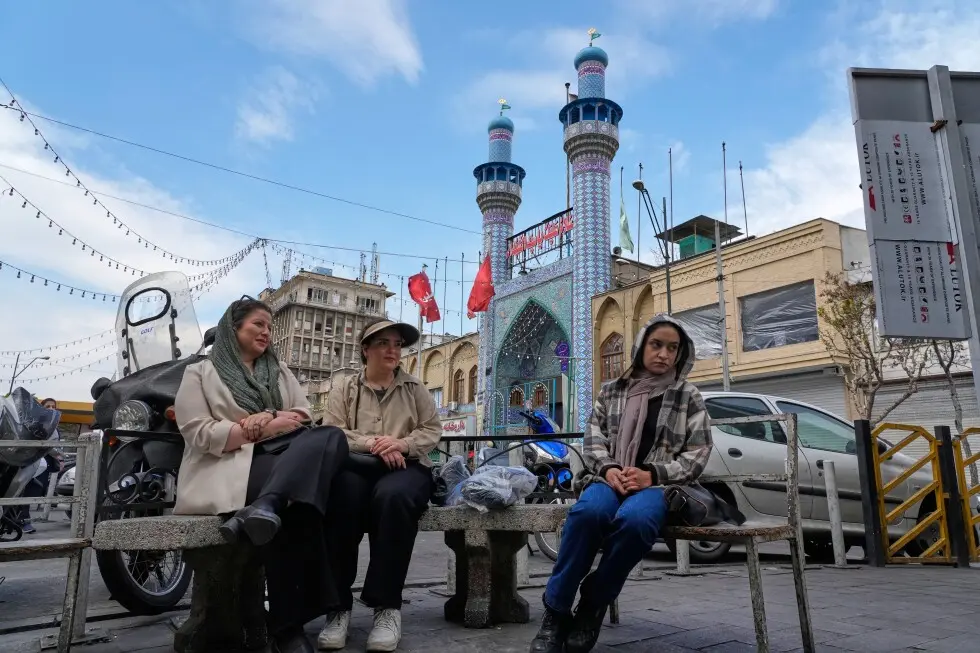
2026년 3월 29일 이란 테헤란의 전통적인 그랜드 바자르 주변 모스크 앞에 여성들이 앉아 있다. (AP Photo/Vahid Salemi, File)
2026년 4월 18일 이란 케시 섬 해안 근처 호르무즈 해협에 정박한 유조선 근처로 보트가 항해한다. (AP Photo/Asghar Besharati, File)
2026년 3월 29일 이란 테헤란의 전통적인 그랜드 바자르 주변에서 사람들이 사업을 진행하고 있다. (AP Photo/Vahid Salemi, File)
2026년 3월 8일 미국-이스라엘 공습으로 타격을 받은 이란 테헤란의 석유 저장 시설에서 검은 연기가 피어오른다. (AP Photo/Vahid Salemi, File)
타스님 뉴스 에이전시에서 공개한 사진에서 혁명수비대 해군(IRGC) 고속정이 호르무즈 해협에서 위반 혐의를 받는 2척 중 하나의 포획으로 국영 미디어가 설명한 카고선 에파미논다스에 접근하고 있다. 2026년 4월 21일. (Meysam Mirzadeh/Tasnim News Agency via AP, File)
이란의 카펫 제조 산업의 심장부에서 제조업이 거의 멈췄다. 유제품 회사들은 우유와 버터를 담을 포장재를 찾기에 어려움을 겪고 있다. 한때 이란 경제를 주도했던 거대한 제철소들이 문을 닫았다. 수십만 명이 일자리를 잃었고, 수백만 명이 더 위험에 처해 있다.
5주 이상의 폭격 이후 미국과 이스라엘의 공습은 수천 개의 공장을 타격했다. 그 피해는 이란 경제 전역에 영향을 미치고 있으며, 이란인들이 치솟는 물가에 직면한 상황에서도 점증하는 대규모 감원을 위협하고 있다. 지난 달 닭고기 가격은 75% 올랐으며, 소고기와 양고기는 68% 뛰었다. 많은 유제품은 50% 증가했다.
미국이 이란 항구를 봉쇄하면서 상황은 더 악화될 수 있으며, 수십억 달러를 가져오는 많은 수입품과 석유 수출이 끊기고 있다. 경제 악화는 전쟁 전에 진압된 대규모 항의를 촉발했으며, 다시 이란인들을 거리로 내몰 수 있다.
그럼에도 불구하고 이란은 호르무즈 해협에 대한 영향력으로 세계 경제를 겨냥한 자신의 무기를 가지고 있다. 이란 지도자들은 봉쇄가 해제되고 전쟁이 끝날 때만 이 핵심 해로를 다시 열 것이라고 말한다. 그들은 수십 년의 국제 제재 속에서 자급자족하도록 구축된 경제가 미국의 도널드 트럼프 대통령보다 더 오래 고통을 견딜 수 있다고 내기하고 있다.
국영 미디어에 따르면 노동 차관 골람호세인 모하마디는 이란이 전쟁으로 인해 최소 100만 개의 일자리를 잃었다고 말했다.
하지만 파급 효과는 이란 경제학자 하디 카할자데에 따르면 약 1천만 에서 1천2백만 개의 일자리를 위험에 빠뜨린다 — 이란 노동력의 절반이다.
이스라엘은 이란의 준군사조직인 혁명수비대의 산업 기반을 타격했다고 주장했다. 그러나 공습은 그 이상으로, 그 세력이 소유하지 않은 시설들도 타격했다.
브랜다이스 대학의 연구원인 카할자데에 따르면 공습은 2만 개의 공장, 즉 국가의 생산 시설의 약 20%에 손상을 입혔다. 피해를 입은 시설에는 항암제 등 다양한 제품을 생산하는 이란 최대 제약 지주회사 토피 다루, 광학 및 화학 개발자, 알루미늄 및 시멘트 공장 등이 포함되었다.
아마도 가장 손상이 큰 것은 이스라엘이 이란 최대 제철소 및 석유화학 공장을 타격했으며, 대부분은 4월 8일 휴전 직전의 공습 물결에서였다. 모바라케 제철소 및 후제스탄 제철소라는 두 개의 최대 철강 생산업체와 더 작은 제철소들이 생산을 중단했다. 이란의 준관영 자마란 통신사에 따르면 50개 이상의 석유화학 복합체가 폐쇄되었다.
이는 이란의 두 개의 최대 비석유 수출을 마비시켰으며, 높은 가격은 플라스틱에서 파이프, 직물 및 우유, 버터, 치즈와 같은 식료품의 포장재까지 모든 것에 영향을 미쳤다.
공습만이 경제 악화의 원인이 아니다. 인터넷이 항의 이후 대부분 차단되었으며, 온라인 판매에 의존하는 중소 기업들을 황폐화시켰다. 미국의 봉쇄 전에도, 이란의 아랍에미리트 공습(약 3분의 1의 수입에 의존했음)으로 인해 그 국가가 무역을 단절했다.
이란 카펫 제조업의 중심지인 카샨 시의 산업 지구에서 약 80%의 러그 및 카펫 제조업체가 운영을 중단했다고 한 카펫 제조업체의 아들이 말했다. 한 달에 수백 개의 러그를 기계로 만들던 20명에서 30명의 직원을 고용한 그의 가족 공장도 문을 닫았으나, 그의 아버지는 여전히 매일 시설에 간다.
미국에 살고 있으며 가족의 안전상 익명을 요청한 아들은 "아버지가 이렇게 화난 것을 들어본 적이 없다"고 말했다.
수백 개의 카펫 제조업체의 집인 카샨은 "러그 산업에 의존하고 있으며, 불행히도 그것이 마비되었다"고 그는 말했다. 전쟁이 시작된 이후 수출이 급감했으며, 국내 판매는 거의 없다. 합성 섬유의 가격은 30%-50% 뛰었다 — 부분적으로 석유화학 시설에 대한 타격의 파급 효과이다.
메디 보스탄치는 환기 및 에어컨 공장과 가계 선풍기를 생산하는 두 번째 공장을 소유하고 있으며, 총 1,130명 이상의 직원을 고용하고 있다. 둘 다 여전히 운영되고 있다. 그러나 HVAC 공장은 건설 산업에 크게 의존하고 있으며, "건설이 대규모 충격에 직면하고 있다"고 그는 말했다.
대부분의 새로운 건설이 보류되어 있으며, 철판의 가격은 두 배 이상 올랐다.
이란 산업인을 대표하는 평의회의 일원인 보스탄치는 "국가의 모든 산업이 어떤 방식으로든 우리의 석유화학 산업에 의존한다"고 말했다. 직접 강철이나 석유화학 제품이 필요하지 않은 회사들도 그런 것들을 하는 업체와 계약을 가지고 있다.
이란 최대 민간 건설 계약업체 중 한 곳에서 일하는 화학 공학자는 그것이 본사 180명의 직원 중 절반을 해고했으며 모바라케 제철소와의 프로젝트를 폐쇄해야 했으며, 1,000개의 일자리 손실을 야기했다고 말했다.
테헤란 거주자는 전쟁 직전에 컨설팅 엔지니어로서의 일을 그만두었으며, 그가 준비했던 새 일자리는 이제 불확실하다.
"나는 상위 1%(사회)에 있고, 나는 일이 없다. 나는 내 미래에 대해 극도로 걱정하고 있다"고 그는 말했다. 사람들의 저축이 앞으로 몇 주 안에 떨어질 것이라고 덧붙였다.
그와 화학 공학자 모두 안보상의 우려로 익명을 요청했다.
수백만 명이 1월의 항의에 거리로 나왔으며, 그것은 악화되는 인플레이션으로 촉발되었지만 이슬람 공화국의 종말을 요청으로 바뀌었고, 피의 진압을 가져왔다.
관리들은 이란이 경제적 고통을 견딜 수 있다는 것을 국민을 안심시키려고 노력하고 있다. 정부는 실업 보험을 증가시키겠다고 약속했다. 하지만 이란의 사회 보장 제도에 대한 부담은 높아지고 있으며, 석유화학 회사 및 다른 주요 산업에 대한 지분에 크게 의존하기 때문에 그 자금은 삭감되고 있다고 카할자데는 말했다.
미국의 봉쇄는 수출 수익을 끊을 위협을 한다. 이란은 2025년에 약 980억 달러의 상품을 판매했으며, 그 중 절반 미만이 석유였다.
하지만 완전한 봉쇄는 어렵다; 이란의 비석유 무역의 약 절반은 육로 또는 카스피해 항구를 통해 이동한다고 경제 전문가 에스판디아르 배트만겔리디는 말한다.
이란은 또한 상당한 탄력성과 "최악의 시나리오에 대한 준비"를 구축했으며, 배트만겔리디는 경제 개발에 관한 연구 그룹을 이끄는 부르세 및 바자르 재단을 위해 저술했다.
이란은 중요한 공급품의 거대한 비축금을 유지하고 있다. 2025년 말에 이란은 거의 8개월 동안 전기 기계, 거의 6개월을 지속할 시멘트, 4개월 동안 충분한 강철과 철을 저장했다고 그는 저술했으며, 공급품이 배급에 의해 더 연장될 수 있다고 덧붙였다.
공장 소유자 보스탄치는 전쟁이 끝나면 이란의 경제가 반등할 수 있다고 믿는다고 말했다. 하지만 얼마나 그런지는 이란이 국제 제재의 종료를 이룰 수 있는지에 달려 있다.
"우리가 어떤 합의에서도 제재를 해제할 수 없다면, 그렇지 않습니다. 낙관적인 예측 ... 일어나지 않을 것입니다"라고 그는 말했다.
2026년 3월 29일 이란 테헤란의 전통적인 그랜드 바자르 주변 모스크 앞에 여성들이 앉아 있다. (AP Photo/Vahid Salemi, File)
2026년 4월 18일 이란 케시 섬 해안 근처 호르무즈 해협에 정박한 유조선 근처로 보트가 항해한다. (AP Photo/Asghar Besharati, File)
2026년 3월 29일 이란 테헤란의 전통적인 그랜드 바자르 주변에서 사람들이 사업을 진행하고 있다. (AP Photo/Vahid Salemi, File)
2026년 3월 8일 미국-이스라엘 공습으로 타격을 받은 이란 테헤란의 석유 저장 시설에서 검은 연기가 피어오른다. (AP Photo/Vahid Salemi, File)
타스님 뉴스 에이전시에서 공개한 사진에서 혁명수비대 해군(IRGC) 고속정이 호르무즈 해협에서 위반 혐의를 받는 2척 중 하나의 포획으로 국영 미디어가 설명한 카고선 에파미논다스에 접근하고 있다. 2026년 4월 21일. (Meysam Mirzadeh/Tasnim News Agency via AP, File)
이란의 카펫 제조 산업의 심장부에서 제조업이 거의 멈췄다. 유제품 회사들은 우유와 버터를 담을 포장재를 찾기에 어려움을 겪고 있다. 한때 이란 경제를 주도했던 거대한 제철소들이 문을 닫았다. 수십만 명이 일자리를 잃었고, 수백만 명이 더 위험에 처해 있다.
5주 이상의 폭격 이후 미국과 이스라엘의 공습은 수천 개의 공장을 타격했다. 그 피해는 이란 경제 전역에 영향을 미치고 있으며, 이란인들이 치솟는 물가에 직면한 상황에서도 점증하는 대규모 감원을 위협하고 있다. 지난 달 닭고기 가격은 75% 올랐으며, 소고기와 양고기는 68% 뛰었다. 많은 유제품은 50% 증가했다.
미국이 이란 항구를 봉쇄하면서 상황은 더 악화될 수 있으며, 수십억 달러를 가져오는 많은 수입품과 석유 수출이 끊기고 있다. 경제 악화는 전쟁 전에 진압된 대규모 항의를 촉발했으며, 다시 이란인들을 거리로 내몰 수 있다.
그럼에도 불구하고 이란은 호르무즈 해협에 대한 영향력으로 세계 경제를 겨냥한 자신의 무기를 가지고 있다. 이란 지도자들은 봉쇄가 해제되고 전쟁이 끝날 때만 이 핵심 해로를 다시 열 것이라고 말한다. 그들은 수십 년의 국제 제재 속에서 자급자족하도록 구축된 경제가 미국의 도널드 트럼프 대통령보다 더 오래 고통을 견딜 수 있다고 내기하고 있다.
국영 미디어에 따르면 노동 차관 골람호세인 모하마디는 이란이 전쟁으로 인해 최소 100만 개의 일자리를 잃었다고 말했다.
하지만 파급 효과는 이란 경제학자 하디 카할자데에 따르면 약 1천만 에서 1천2백만 개의 일자리를 위험에 빠뜨린다 — 이란 노동력의 절반이다.
이스라엘은 이란의 준군사조직인 혁명수비대의 산업 기반을 타격했다고 주장했다. 그러나 공습은 그 이상으로, 그 세력이 소유하지 않은 시설들도 타격했다.
브랜다이스 대학의 연구원인 카할자데에 따르면 공습은 2만 개의 공장, 즉 국가의 생산 시설의 약 20%에 손상을 입혔다. 피해를 입은 시설에는 항암제 등 다양한 제품을 생산하는 이란 최대 제약 지주회사 토피 다루, 광학 및 화학 개발자, 알루미늄 및 시멘트 공장 등이 포함되었다.
아마도 가장 손상이 큰 것은 이스라엘이 이란 최대 제철소 및 석유화학 공장을 타격했으며, 대부분은 4월 8일 휴전 직전의 공습 물결에서였다. 모바라케 제철소 및 후제스탄 제철소라는 두 개의 최대 철강 생산업체와 더 작은 제철소들이 생산을 중단했다. 이란의 준관영 자마란 통신사에 따르면 50개 이상의 석유화학 복합체가 폐쇄되었다.
이는 이란의 두 개의 최대 비석유 수출을 마비시켰으며, 높은 가격은 플라스틱에서 파이프, 직물 및 우유, 버터, 치즈와 같은 식료품의 포장재까지 모든 것에 영향을 미쳤다.
공습만이 경제 악화의 원인이 아니다. 인터넷이 항의 이후 대부분 차단되었으며, 온라인 판매에 의존하는 중소 기업들을 황폐화시켰다. 미국의 봉쇄 전에도, 이란의 아랍에미리트 공습(약 3분의 1의 수입에 의존했음)으로 인해 그 국가가 무역을 단절했다.
이란 카펫 제조업의 중심지인 카샨 시의 산업 지구에서 약 80%의 러그 및 카펫 제조업체가 운영을 중단했다고 한 카펫 제조업체의 아들이 말했다. 한 달에 수백 개의 러그를 기계로 만들던 20명에서 30명의 직원을 고용한 그의 가족 공장도 문을 닫았으나, 그의 아버지는 여전히 매일 시설에 간다.
미국에 살고 있으며 가족의 안전상 익명을 요청한 아들은 "아버지가 이렇게 화난 것을 들어본 적이 없다"고 말했다.
수백 개의 카펫 제조업체의 집인 카샨은 "러그 산업에 의존하고 있으며, 불행히도 그것이 마비되었다"고 그는 말했다. 전쟁이 시작된 이후 수출이 급감했으며, 국내 판매는 거의 없다. 합성 섬유의 가격은 30%-50% 뛰었다 — 부분적으로 석유화학 시설에 대한 타격의 파급 효과이다.
메디 보스탄치는 환기 및 에어컨 공장과 가계 선풍기를 생산하는 두 번째 공장을 소유하고 있으며, 총 1,130명 이상의 직원을 고용하고 있다. 둘 다 여전히 운영되고 있다. 그러나 HVAC 공장은 건설 산업에 크게 의존하고 있으며, "건설이 대규모 충격에 직면하고 있다"고 그는 말했다.
대부분의 새로운 건설이 보류되어 있으며, 철판의 가격은 두 배 이상 올랐다.
이란 산업인을 대표하는 평의회의 일원인 보스탄치는 "국가의 모든 산업이 어떤 방식으로든 우리의 석유화학 산업에 의존한다"고 말했다. 직접 강철이나 석유화학 제품이 필요하지 않은 회사들도 그런 것들을 하는 업체와 계약을 가지고 있다.
이란 최대 민간 건설 계약업체 중 한 곳에서 일하는 화학 공학자는 그것이 본사 180명의 직원 중 절반을 해고했으며 모바라케 제철소와의 프로젝트를 폐쇄해야 했으며, 1,000개의 일자리 손실을 야기했다고 말했다.
테헤란 거주자는 전쟁 직전에 컨설팅 엔지니어로서의 일을 그만두었으며, 그가 준비했던 새 일자리는 이제 불확실하다.
"나는 상위 1%(사회)에 있고, 나는 일이 없다. 나는 내 미래에 대해 극도로 걱정하고 있다"고 그는 말했다. 사람들의 저축이 앞으로 몇 주 안에 떨어질 것이라고 덧붙였다.
그와 화학 공학자 모두 안보상의 우려로 익명을 요청했다.
수백만 명이 1월의 항의에 거리로 나왔으며, 그것은 악화되는 인플레이션으로 촉발되었지만 이슬람 공화국의 종말을 요청으로 바뀌었고, 피의 진압을 가져왔다.
관리들은 이란이 경제적 고통을 견딜 수 있다는 것을 국민을 안심시키려고 노력하고 있다. 정부는 실업 보험을 증가시키겠다고 약속했다. 하지만 이란의 사회 보장 제도에 대한 부담은 높아지고 있으며, 석유화학 회사 및 다른 주요 산업에 대한 지분에 크게 의존하기 때문에 그 자금은 삭감되고 있다고 카할자데는 말했다.
미국의 봉쇄는 수출 수익을 끊을 위협을 한다. 이란은 2025년에 약 980억 달러의 상품을 판매했으며, 그 중 절반 미만이 석유였다.
하지만 완전한 봉쇄는 어렵다; 이란의 비석유 무역의 약 절반은 육로 또는 카스피해 항구를 통해 이동한다고 경제 전문가 에스판디아르 배트만겔리디는 말한다.
이란은 또한 상당한 탄력성과 "최악의 시나리오에 대한 준비"를 구축했으며, 배트만겔리디는 경제 개발에 관한 연구 그룹을 이끄는 부르세 및 바자르 재단을 위해 저술했다.
이란은 중요한 공급품의 거대한 비축금을 유지하고 있다. 2025년 말에 이란은 거의 8개월 동안 전기 기계, 거의 6개월을 지속할 시멘트, 4개월 동안 충분한 강철과 철을 저장했다고 그는 저술했으며, 공급품이 배급에 의해 더 연장될 수 있다고 덧붙였다.
공장 소유자 보스탄치는 전쟁이 끝나면 이란의 경제가 반등할 수 있다고 믿는다고 말했다. 하지만 얼마나 그런지는 이란이 국제 제재의 종료를 이룰 수 있는지에 달려 있다.
"우리가 어떤 합의에서도 제재를 해제할 수 없다면, 그렇지 않습니다. 낙관적인 예측 ... 일어나지 않을 것입니다"라고 그는 말했다.
처리 완료
7,412 tokens · $0.0201
기사 수집 완료 · 02:25
매체 피드에서 기사 메타데이터 수집
헤드라인 번역 완료 · 02:36
제목/요약 한국어 번역 (fetch 시점 inline)
claude-haiku-4-5-20251001
130 tokens
$0.00032
1.4s
본문 추출 완료
10,229자 추출 완료
본문 한국어 번역 완료 · 02:36
4,065자 번역 완료
claude-haiku-4-5-20251001
7,282 tokens
$0.01975
45.4s
지정학적 엔티티 추출 완료 · 02:36
8개 엔티티 추출 완료
지정학적 맥락 & R-Scanner
R-Scanner · 평상
z=0.31
일상적인 보도 수준 — 기준: Iran
(🇮🇷 IR)
최근 6시간 49건
7일 평균 46.86건 / 6h
9개국 매체
11개 매체
본문에서 추출된 지명 (8)
Iran
🇮🇷
Strait of Hormuz
🇮🇷
United States
🇺🇸
Tehran
🇮🇷
Kashan
🇮🇷
Israel
🇮🇱
Persian Gulf
🇮🇷
Qeshm Island
🇮🇷
위치 지도
지도 로딩 중…
같은 주제의 다른 기사 (최근 7일)
Two regional officials say that Iran has offered to end its chokehold on the Strait of Hormuz in exchange for the U.S. lifting its blockade on the country and an end to the war. A standoff remains on the strait, the narrow mouth of the Persian Gulf through which a fifth of all traded oil and natural gas passes, as Iran has restricted movement through it and the U.S. enforced a blockade of Iranian ports.
Women sit in front of a mosque around the traditional grand bazaar of Tehran, Iran, March 29, 2026. (AP Photo/Vahid Salemi, File)
A boat sails past a tanker anchored on the Strait of Hormuz off the coast Qeshm island, Iran, April 18, 2026. (AP Photo/Asghar Besharati, File)
People conduct their businesses around the traditional grand bazaar of Tehran, Iran, March 29, 2026. (AP Photo/Vahid Salemi, File)
A thick plume of smoke rises from an oil storage facility hit by a U.S.-Israeli strike in Tehran, Iran, March 8, 2026. (AP Photo/Vahid Salemi, File)
In this photo released by Tasnim News Agency, a Revolutionary Guard Navy (IRGC) speedboat approaches the cargo ship Epaminondas during what state media described as the seizure of one of two vessels accused of violations in the Strait of Hormuz, April 21, 2026. (Meysam Mirzadeh/Tasnim News Agency via AP, File)
Two regional officials say that Iran has offered to end its chokehold on the Strait of Hormuz in exchange for the U.S. lifting its blockade on the country and an end to the war. A standoff remains on the strait, the narrow mouth of the Persian Gulf through which a fifth of all traded oil and natural gas passes, as Iran has restricted movement through it and the U.S. enforced a blockade of Iranian ports.
Women sit in front of a mosque around the traditional grand bazaar of Tehran, Iran, March 29, 2026. (AP Photo/Vahid Salemi, File)
Women sit in front of a mosque around the traditional grand bazaar of Tehran, Iran, March 29, 2026. (AP Photo/Vahid Salemi, File)
A boat sails past a tanker anchored on the Strait of Hormuz off the coast Qeshm island, Iran, April 18, 2026. (AP Photo/Asghar Besharati, File)
A boat sails past a tanker anchored on the Strait of Hormuz off the coast Qeshm island, Iran, April 18, 2026. (AP Photo/Asghar Besharati, File)
People conduct their businesses around the traditional grand bazaar of Tehran, Iran, March 29, 2026. (AP Photo/Vahid Salemi, File)
People conduct their businesses around the traditional grand bazaar of Tehran, Iran, March 29, 2026. (AP Photo/Vahid Salemi, File)
A thick plume of smoke rises from an oil storage facility hit by a U.S.-Israeli strike in Tehran, Iran, March 8, 2026. (AP Photo/Vahid Salemi, File)
A thick plume of smoke rises from an oil storage facility hit by a U.S.-Israeli strike in Tehran, Iran, March 8, 2026. (AP Photo/Vahid Salemi, File)
In this photo released by Tasnim News Agency, a Revolutionary Guard Navy (IRGC) speedboat approaches the cargo ship Epaminondas during what state media described as the seizure of one of two vessels accused of violations in the Strait of Hormuz, April 21, 2026. (Meysam Mirzadeh/Tasnim News Agency via AP, File)
In this photo released by Tasnim News Agency, a Revolutionary Guard Navy (IRGC) speedboat approaches the cargo ship Epaminondas during what state media described as the seizure of one of two vessels accused of violations in the Strait of Hormuz, April 21, 2026. (Meysam Mirzadeh/Tasnim News Agency via AP, File)
CAIRO (AP) — In the heartland of Iran’s famed carpet-making industry, manufacturing has ground to a near halt. Dairies struggle to find packages for milk and butter. Giant steel mills that once drove Iran’s economy have gone silent. Hundreds of thousands have lost jobs, and millions more are at risk.
Over more than five weeks of bombardment, U.S. and Israeli strikes hit thousands of factories. The damage is reverberating across Iran’s economy, threatening increasing waves of layoffs, even as Iranians face skyrocketing prices. The cost of chicken is up 75% the past month, and beef and lamb jumped 68%. Many dairy products have increased by half.
It could get worse as the United States blockades Iranian ports, choking off many imports and oil exports that bring in billions of dollars. Economic woes sparked the mass protests that were crushed before the war and could again push Iranians into the streets.
Still, Iran has its own weapon pointed at the global economy, with its grip on the Strait of Hormuz. Iran’s leaders say they will only reopen the key waterway for global energy if the blockade is lifted and the war ends. They are betting that an economy built to be self-reliant under decades of international sanctions can endure the pain longer than U.S. President Donald Trump.
Iran has lost at least 1 million jobs directly because of the war, Deputy Labor Minister Gholamhossein Mohammadi said, according to state media.
But the ripple effects put some 10 million to 12 million jobs at risk — half of Iran’s labor force — warns Hadi Kahalzadeh, an Iranian economist.
Israel claimed to have struck the industrial base of Iran’s paramilitary Revolutionary Guard. But the strikes went well beyond, hitting facilities not owned by the force.
Airstrikes damaged 20,000 factories, some 20% of the country’s production units, according to Kahalzadeh, a research fellow at Brandeis University. The stricken facilities included Tofigh Daru, Iran’s largest pharmaceutical holding, producing anticancer drugs among other things. Optics and chemical developers, and aluminum and cement factories, were also hit.
Perhaps most damaging, Israel hit Iran’s biggest steelmaking and petrochemical factories, most of them in a wave of strikes just before the April 8 ceasefire. The two biggest steel producers, Mobarakeh Steel and Khuzestan Steel, as well as smaller mills, halted production. More than 50 petrochemical complexes have been shut down, according to Iran’s semiofficial Jamaran news agency.
That has crippled Iran’s two biggest non-oil exports, and higher prices have affected everything from plastics to pipes, to fabrics and packaging for groceries like milk, butter and cheese.
Strikes are not the only cause of economic woes. The internet has largely been shut down since the protests, gutting small and medium-sized businesses reliant on online sales. Even before the U.S. blockade, Iranian strikes on the United Arab Emirates, on which it relied for around a third of its imports, led that country to cut off trade.
Around 80% of rug and carpet manufacturers have stopped operations in the industrial zone of the city of Kashan, the center of Iran’s rugmaking industry, said the son of a rugmaker. His family factory, which employs 20 to 30 people and used to machine-make hundreds of rugs a month, is among those that shut down, though his father still goes to the facility every day.
“Never have I heard my father so upset,” said the son, who lives in the United States and spoke on condition of anonymity for his family’s security.
Kashan, home to hundreds of carpet manufacturers, “relies on the rug industry and unfortunately it’s been crippled,” he said. Exports plummeted since the war began, and domestic sales are almost zero. Prices for synthetic fibers have leaped 30%- 50% — partly a downstream effect of hits on petrochemical facilities, he said.
Mehdi Bostanchi owns a ventilation and air conditioning factory, and a second producing household fans, with a total of more than 1,130 employees. Both still operate. But the HVAC factory heavily depends on the construction industry, and “construction is facing a massive shock,” he said.
Most new building is on hold, while the price of iron sheeting has more than doubled.
Bostanchi, a member of a council representing Iranian industrialists, said “all the country’s industries in some way rely on our petrochemical industry.” Even companies that don’t directly need steel or petrochemical products have contracts with those that do.
A chemical engineer working at one of Iran’s biggest private construction contractors said it laid off half of its 180 headquarters staffers and had to shut down a project with Mobarakeh Steel, costing 1,000 jobs.
A Tehran resident quit his job as a consulting engineer just before the war, and the new job he had lined up is now uncertain.
“I am at the top 1% (of society), and I am without a job. I am super worried about my future,” he said, adding that people’s savings will start to run out in the coming weeks.
Both he and the chemical engineer spoke on condition of anonymity out of security concerns.
Millions took to the streets in January’s protests that were triggered by worsening inflation but turned into calls for the end of the Islamic Republic, bringing a bloody crackdown.
Officials are trying to reassure the public that Iran can withstand the economic pain. The government has promised to increase unemployment insurance. But the burden on Iran’s social security system is rising even as its funding is gouged, since it depends heavily on its stakes in petrochemical companies and other key industries, Kahalzadeh said.
The U.S. blockade threatens to cut off export revenues: Iran sold some $98 billion in exports in 2025, just under half of it from oil.
But a complete blockade is difficult; around half of Iran’s non-oil trade goes overland or through Caspian Sea ports, according to Esfandyar Batmanghelidj, an economic expert.
Iran has also built up significant resilience and “readiness for worst-case scenarios,” Batmanghelidj wrote for the Bourse and Bazaar Foundation, a research group he heads on economic development in West and Central Asia.
Iran maintains large reserves of vital supplies. At the end of 2025, Iran had stored up enough electrical machinery for nearly eight months, cement to last nearly six months and enough steel and iron for four months, he wrote, adding that supplies could be further stretched by rationing.
Bostanchi, the factories owner, said he believes Iran’s economy could bounce back once the war ends. But how much depends on whether Iran can win an end to international sanctions.
“If we cannot lift the sanctions in any agreements, then no, the optimistic forecast … will not happen,” he said.
Women sit in front of a mosque around the traditional grand bazaar of Tehran, Iran, March 29, 2026. (AP Photo/Vahid Salemi, File)
A boat sails past a tanker anchored on the Strait of Hormuz off the coast Qeshm island, Iran, April 18, 2026. (AP Photo/Asghar Besharati, File)
People conduct their businesses around the traditional grand bazaar of Tehran, Iran, March 29, 2026. (AP Photo/Vahid Salemi, File)
A thick plume of smoke rises from an oil storage facility hit by a U.S.-Israeli strike in Tehran, Iran, March 8, 2026. (AP Photo/Vahid Salemi, File)
In this photo released by Tasnim News Agency, a Revolutionary Guard Navy (IRGC) speedboat approaches the cargo ship Epaminondas during what state media described as the seizure of one of two vessels accused of violations in the Strait of Hormuz, April 21, 2026. (Meysam Mirzadeh/Tasnim News Agency via AP, File)
Two regional officials say that Iran has offered to end its chokehold on the Strait of Hormuz in exchange for the U.S. lifting its blockade on the country and an end to the war. A standoff remains on the strait, the narrow mouth of the Persian Gulf through which a fifth of all traded oil and natural gas passes, as Iran has restricted movement through it and the U.S. enforced a blockade of Iranian ports.
Women sit in front of a mosque around the traditional grand bazaar of Tehran, Iran, March 29, 2026. (AP Photo/Vahid Salemi, File)
Women sit in front of a mosque around the traditional grand bazaar of Tehran, Iran, March 29, 2026. (AP Photo/Vahid Salemi, File)
A boat sails past a tanker anchored on the Strait of Hormuz off the coast Qeshm island, Iran, April 18, 2026. (AP Photo/Asghar Besharati, File)
A boat sails past a tanker anchored on the Strait of Hormuz off the coast Qeshm island, Iran, April 18, 2026. (AP Photo/Asghar Besharati, File)
People conduct their businesses around the traditional grand bazaar of Tehran, Iran, March 29, 2026. (AP Photo/Vahid Salemi, File)
People conduct their businesses around the traditional grand bazaar of Tehran, Iran, March 29, 2026. (AP Photo/Vahid Salemi, File)
A thick plume of smoke rises from an oil storage facility hit by a U.S.-Israeli strike in Tehran, Iran, March 8, 2026. (AP Photo/Vahid Salemi, File)
A thick plume of smoke rises from an oil storage facility hit by a U.S.-Israeli strike in Tehran, Iran, March 8, 2026. (AP Photo/Vahid Salemi, File)
In this photo released by Tasnim News Agency, a Revolutionary Guard Navy (IRGC) speedboat approaches the cargo ship Epaminondas during what state media described as the seizure of one of two vessels accused of violations in the Strait of Hormuz, April 21, 2026. (Meysam Mirzadeh/Tasnim News Agency via AP, File)
In this photo released by Tasnim News Agency, a Revolutionary Guard Navy (IRGC) speedboat approaches the cargo ship Epaminondas during what state media described as the seizure of one of two vessels accused of violations in the Strait of Hormuz, April 21, 2026. (Meysam Mirzadeh/Tasnim News Agency via AP, File)
CAIRO (AP) — In the heartland of Iran’s famed carpet-making industry, manufacturing has ground to a near halt. Dairies struggle to find packages for milk and butter. Giant steel mills that once drove Iran’s economy have gone silent. Hundreds of thousands have lost jobs, and millions more are at risk.
Over more than five weeks of bombardment, U.S. and Israeli strikes hit thousands of factories. The damage is reverberating across Iran’s economy, threatening increasing waves of layoffs, even as Iranians face skyrocketing prices. The cost of chicken is up 75% the past month, and beef and lamb jumped 68%. Many dairy products have increased by half.
It could get worse as the United States blockades Iranian ports, choking off many imports and oil exports that bring in billions of dollars. Economic woes sparked the mass protests that were crushed before the war and could again push Iranians into the streets.
Still, Iran has its own weapon pointed at the global economy, with its grip on the Strait of Hormuz. Iran’s leaders say they will only reopen the key waterway for global energy if the blockade is lifted and the war ends. They are betting that an economy built to be self-reliant under decades of international sanctions can endure the pain longer than U.S. President Donald Trump.
Iran has lost at least 1 million jobs directly because of the war, Deputy Labor Minister Gholamhossein Mohammadi said, according to state media.
But the ripple effects put some 10 million to 12 million jobs at risk — half of Iran’s labor force — warns Hadi Kahalzadeh, an Iranian economist.
Israel claimed to have struck the industrial base of Iran’s paramilitary Revolutionary Guard. But the strikes went well beyond, hitting facilities not owned by the force.
Airstrikes damaged 20,000 factories, some 20% of the country’s production units, according to Kahalzadeh, a research fellow at Brandeis University. The stricken facilities included Tofigh Daru, Iran’s largest pharmaceutical holding, producing anticancer drugs among other things. Optics and chemical developers, and aluminum and cement factories, were also hit.
Perhaps most damaging, Israel hit Iran’s biggest steelmaking and petrochemical factories, most of them in a wave of strikes just before the April 8 ceasefire. The two biggest steel producers, Mobarakeh Steel and Khuzestan Steel, as well as smaller mills, halted production. More than 50 petrochemical complexes have been shut down, according to Iran’s semiofficial Jamaran news agency.
That has crippled Iran’s two biggest non-oil exports, and higher prices have affected everything from plastics to pipes, to fabrics and packaging for groceries like milk, butter and cheese.
Strikes are not the only cause of economic woes. The internet has largely been shut down since the protests, gutting small and medium-sized businesses reliant on online sales. Even before the U.S. blockade, Iranian strikes on the United Arab Emirates, on which it relied for around a third of its imports, led that country to cut off trade.
Around 80% of rug and carpet manufacturers have stopped operations in the industrial zone of the city of Kashan, the center of Iran’s rugmaking industry, said the son of a rugmaker. His family factory, which employs 20 to 30 people and used to machine-make hundreds of rugs a month, is among those that shut down, though his father still goes to the facility every day.
“Never have I heard my father so upset,” said the son, who lives in the United States and spoke on condition of anonymity for his family’s security.
Kashan, home to hundreds of carpet manufacturers, “relies on the rug industry and unfortunately it’s been crippled,” he said. Exports plummeted since the war began, and domestic sales are almost zero. Prices for synthetic fibers have leaped 30%- 50% — partly a downstream effect of hits on petrochemical facilities, he said.
Mehdi Bostanchi owns a ventilation and air conditioning factory, and a second producing household fans, with a total of more than 1,130 employees. Both still operate. But the HVAC factory heavily depends on the construction industry, and “construction is facing a massive shock,” he said.
Most new building is on hold, while the price of iron sheeting has more than doubled.
Bostanchi, a member of a council representing Iranian industrialists, said “all the country’s industries in some way rely on our petrochemical industry.” Even companies that don’t directly need steel or petrochemical products have contracts with those that do.
A chemical engineer working at one of Iran’s biggest private construction contractors said it laid off half of its 180 headquarters staffers and had to shut down a project with Mobarakeh Steel, costing 1,000 jobs.
A Tehran resident quit his job as a consulting engineer just before the war, and the new job he had lined up is now uncertain.
“I am at the top 1% (of society), and I am without a job. I am super worried about my future,” he said, adding that people’s savings will start to run out in the coming weeks.
Both he and the chemical engineer spoke on condition of anonymity out of security concerns.
Millions took to the streets in January’s protests that were triggered by worsening inflation but turned into calls for the end of the Islamic Republic, bringing a bloody crackdown.
Officials are trying to reassure the public that Iran can withstand the economic pain. The government has promised to increase unemployment insurance. But the burden on Iran’s social security system is rising even as its funding is gouged, since it depends heavily on its stakes in petrochemical companies and other key industries, Kahalzadeh said.
The U.S. blockade threatens to cut off export revenues: Iran sold some $98 billion in exports in 2025, just under half of it from oil.
But a complete blockade is difficult; around half of Iran’s non-oil trade goes overland or through Caspian Sea ports, according to Esfandyar Batmanghelidj, an economic expert.
Iran has also built up significant resilience and “readiness for worst-case scenarios,” Batmanghelidj wrote for the Bourse and Bazaar Foundation, a research group he heads on economic development in West and Central Asia.
Iran maintains large reserves of vital supplies. At the end of 2025, Iran had stored up enough electrical machinery for nearly eight months, cement to last nearly six months and enough steel and iron for four months, he wrote, adding that supplies could be further stretched by rationing.
Bostanchi, the factories owner, said he believes Iran’s economy could bounce back once the war ends. But how much depends on whether Iran can win an end to international sanctions.
“If we cannot lift the sanctions in any agreements, then no, the optimistic forecast … will not happen,” he said.