인도의 친환경 연료 계획, 농민들의 물 부족 우려와 충돌
India's green fuel plans collide with farmers' water fears
The Japan Times
· 🇯🇵 Tokyo, JP
Bhasker Tripathi
EN
2026-04-15 10:08
Translated
인도는 석유와 가스의 80%를 수입에 의존하고 있으며, 중동 전쟁이 석유 가격과 공급에 영향을 미치면서 에너지 안보를 위해 에탄올을 청정 에너지 계획의 핵심으로 삼아왔다.
인도 농촌 지역 전역에서 에탄올 공장 건설에 대한 항의 시위가 확산되고 있다. 이 공장들은 인도의 석유 및 가스 수입 의존도를 낮출 수 있지만, 많은 농촌 주민들은 해당 시설이 물 공급, 토지 및 건강에 압력을 가할 것을 우려하고 있다.
인도는 석유와 가스의 80%를 수입하는 국가로, 중동의 전쟁이 석유 가격과 공급에 영향을 미치면서 에너지 안보를 위해 에탄올을 청정 에너지 계획의 핵심으로 삼아왔다.
델리는 2014년 1%에 불과했던 휘발유 내 에탄올 혼합 비율을 지난해 20%까지 높였다. 그러나 대부분의 에탄올은 옥수수와 사탕수수로 만들어지는데, 이 작물들은 상당한 양의 토지와 물을 필요로 하며 여러 농촌 지역에서 저항을 촉발시켰다.
한 예로 북서부 라자스탄 주의 작은 마을 티비에서는 지난달 말 수백 명의 농민들이 제안된 에탄올 공장에 반대하며 행진했다.
"이 공장이 우리 물을 빼앗아 갈 것이다. 공사 시작 전에 아무도 우리에게 물어보지 않았다"고 공장에 반대하는 일련의 시위에 참여한 농민 마단 두게사르가 말했다.
불만은 수개월 동안 쌓여왔다. 주민들은 경찰이 11월 새벽 급습으로 시위 지도부를 체포하고 공장 근처 시위를 해산했으며, 이러한 조치는 역효과를 낳아 더 많은 분노한 사람들을 거리로 끌어모았다고 말했다.
티비 주민들은 중장비가 도착하고 지난해 심층 굴착이 시작되었을 때야 대규모 에탄올 공장이 건설되고 있다는 사실을 알았다고 말했다.
일부 농민들은 인접한 펀자브 주로 이동해 그곳의 유사 공장의 영향과 시위가 어떻게 주 정부가 에탄올 증류소를 폐쇄하도록 이끌었는지 알아보았다.
"지하수가 오염되었다. 사람들이 아프기 시작했고, 그때 시위가 시작되었다"고 펀자브 시위의 중심지인 지라 마을의 농민 지도자 로만 브라르가 말했다.
그곳 주민들은 농성을 벌이고 도로를 봉쇄하며 인도 최고 환경 보호 기관인 국립녹색재판소에 항소했으며, 현재 이 재판소가 사건을 심의하고 있다.
"우리는 산업 자체를 반대하는 것이 아니다"라고 브라르가 말했다. "우리는 물과 토지를 오염시키는 산업에 반대하는 것이다."
티비에서는 주민들이 관개용 운하와 지하수에 의존하는 지역에서 물을 많이 사용하는 프로젝트라고 주장하며 반대하고 있다.
티비 주민 마한구 싱 시두는 지하수위가 급격히 하강하고 있으며 에탄올 공장이 이를 더 고갈시켜 작물과 물을 경쟁하게 하고 수원을 오염시킬 것이라고 말했다.
주민들은 시위 단체를 구성해 지난해 4월 지방 정부에 탄원서를 제출했으나 답변을 받지 못해 8월부터 공장 부지에서 상설 시위를 벌이게 되었다고 말했다.
12월에는 수천 명이 모여 공장을 향해 행진했다. 주민들은 군중이 공장에 도달한 후 경찰이 곤봉으로 진압을 감행했으며, 이후 공장 경계벽 일부가 무너졌다고 말했다. 공사는 이후 중단되었다.
공식 문서에 따르면 한 구청 관리는 민심을 이유로 공사 중단을 권고하는 내용으로 주 정부에 서신을 보냈다.
구청 행정부와 환경부는 논평 요청에 응답하지 않았다.
에탄올 확산이 물 부족 지역으로 확대되면서 텔랑가나, 마하라슈트라, 우타르프라데시 등 다른 주에서도 유사한 시위가 발생하고 있다.
정책 추진과 지역 저항의 충돌
티비 주민들은 공장에 대한 의사결정 과정에서 배제된 것이 지역 사회를 분노하게 한 핵심 문제 중 하나라고 말했다.
2021년 환경 규칙 개정에 따라 인도는 곡물 기반 에탄올 증류소가 국가 혼합 목표를 위해 에탄올을 공급하고 무액체 배출(ZLD) 기준을 충족하는 경우 상세한 영향 평가와 공청회를 생략할 수 있도록 허용했다.
ZLD는 모든 폐수를 재활용하고 재사용하여 산과 중금속이 가득한 액체 폐기물이 시설을 떠나지 않도록 하는 수처리 공정이다.
그러나 주민들과 활동가들은 이러한 안전장치가 항상 신뢰할 수 있는 것은 아니라고 말한다.
지라에서 브라르는 처리되지 않은 폐기물이 지하로 유입되었다고 말했다. 당국은 나중에 폐수를 지하수로 펌프하는 등 불법 폐기 관행의 증거를 발견했다고 지역 언론 보도에 따른다.
에탄올 혼합을 유지하기 위해 인도는 2030년까지 옥수수 재배를 위해 추가로 400만~800만 헥타르의 토지가 필요할 수 있다고 방갈로르 기반 싱크탱크인 과학기술정책연구센터의 분석에 따른다. 이는 뉴욕시 면적의 약 7배에 해당한다.
연구자들은 이것이 연료 작물과 식량 작물 간의 경쟁을 심화시키고 수자원에 대한 압력을 가할 수 있다고 말한다.
텔랑가나에 기반을 둔 환경 정책 전문가 나라심하 레디는 시위가 더 깊은 우려를 반영하고 있다고 말했다.
"주민들은 협상을 통해 이루어지는 개발에 반대하는 것이 아니라, 자신들의 삶을 재편할 결정에서 지워지는 것에 반대하는 것"이라고 그는 말했다.
그는 지역 사회가 물과 비옥한 토지에 대한 접근권을 잃을 것을 두려워한다고 말했다. "시위의 이면에는 연료 생산의 서두름 속에서 국가의 식량 생산 능력이 조용히 거래되고 있다는 더 깊은 두려움이 자리 잡고 있다."
기후와 지역 사회의 균형
정부는 에탄올 정책이 2025년까지 10년간 원유 수입에서 1조 600억 루피(120억 달러)를 절약하고 5,440만 메트릭톤의 탄소 배출을 피했다고 밝혔다.
이를 달성하기 위해 인도는 기록적인 양의 사탕수수, 옥수수, 쌀을 연료 생산으로 전환하고 있어 사람과 가축을 위한 곡물 가용성을 줄이고 식량 작물에서 연료 작물로 토지 이용을 전환하고 있다고 분석가들은 말한다.
미국 농무부가 자금을 지원한 2022년 연구와 왕립학회에 발표된 2020년 검토에 따르면, 이러한 작물을 재배하고 가공하여 에탄올을 만드는 것이 연료보다 더 많은 배출을 발생시킬 수 있다.
인도가 바이오연료 프로그램을 확대하면서 티비의 분쟁은 지역 지원 없이 대규모 프로젝트를 추진하는 위험을 보여준다.
"우리는 개발에 반대하는 것이 아니다"라고 티비의 두게사르가 말하며 "하지만 우리 토지, 물, 건강의 대가로는 안 된다"고 덧붙였다.
인도는 석유와 가스의 80%를 수입하는 국가로, 중동의 전쟁이 석유 가격과 공급에 영향을 미치면서 에너지 안보를 위해 에탄올을 청정 에너지 계획의 핵심으로 삼아왔다.
델리는 2014년 1%에 불과했던 휘발유 내 에탄올 혼합 비율을 지난해 20%까지 높였다. 그러나 대부분의 에탄올은 옥수수와 사탕수수로 만들어지는데, 이 작물들은 상당한 양의 토지와 물을 필요로 하며 여러 농촌 지역에서 저항을 촉발시켰다.
한 예로 북서부 라자스탄 주의 작은 마을 티비에서는 지난달 말 수백 명의 농민들이 제안된 에탄올 공장에 반대하며 행진했다.
"이 공장이 우리 물을 빼앗아 갈 것이다. 공사 시작 전에 아무도 우리에게 물어보지 않았다"고 공장에 반대하는 일련의 시위에 참여한 농민 마단 두게사르가 말했다.
불만은 수개월 동안 쌓여왔다. 주민들은 경찰이 11월 새벽 급습으로 시위 지도부를 체포하고 공장 근처 시위를 해산했으며, 이러한 조치는 역효과를 낳아 더 많은 분노한 사람들을 거리로 끌어모았다고 말했다.
티비 주민들은 중장비가 도착하고 지난해 심층 굴착이 시작되었을 때야 대규모 에탄올 공장이 건설되고 있다는 사실을 알았다고 말했다.
일부 농민들은 인접한 펀자브 주로 이동해 그곳의 유사 공장의 영향과 시위가 어떻게 주 정부가 에탄올 증류소를 폐쇄하도록 이끌었는지 알아보았다.
"지하수가 오염되었다. 사람들이 아프기 시작했고, 그때 시위가 시작되었다"고 펀자브 시위의 중심지인 지라 마을의 농민 지도자 로만 브라르가 말했다.
그곳 주민들은 농성을 벌이고 도로를 봉쇄하며 인도 최고 환경 보호 기관인 국립녹색재판소에 항소했으며, 현재 이 재판소가 사건을 심의하고 있다.
"우리는 산업 자체를 반대하는 것이 아니다"라고 브라르가 말했다. "우리는 물과 토지를 오염시키는 산업에 반대하는 것이다."
티비에서는 주민들이 관개용 운하와 지하수에 의존하는 지역에서 물을 많이 사용하는 프로젝트라고 주장하며 반대하고 있다.
티비 주민 마한구 싱 시두는 지하수위가 급격히 하강하고 있으며 에탄올 공장이 이를 더 고갈시켜 작물과 물을 경쟁하게 하고 수원을 오염시킬 것이라고 말했다.
주민들은 시위 단체를 구성해 지난해 4월 지방 정부에 탄원서를 제출했으나 답변을 받지 못해 8월부터 공장 부지에서 상설 시위를 벌이게 되었다고 말했다.
12월에는 수천 명이 모여 공장을 향해 행진했다. 주민들은 군중이 공장에 도달한 후 경찰이 곤봉으로 진압을 감행했으며, 이후 공장 경계벽 일부가 무너졌다고 말했다. 공사는 이후 중단되었다.
공식 문서에 따르면 한 구청 관리는 민심을 이유로 공사 중단을 권고하는 내용으로 주 정부에 서신을 보냈다.
구청 행정부와 환경부는 논평 요청에 응답하지 않았다.
에탄올 확산이 물 부족 지역으로 확대되면서 텔랑가나, 마하라슈트라, 우타르프라데시 등 다른 주에서도 유사한 시위가 발생하고 있다.
정책 추진과 지역 저항의 충돌
티비 주민들은 공장에 대한 의사결정 과정에서 배제된 것이 지역 사회를 분노하게 한 핵심 문제 중 하나라고 말했다.
2021년 환경 규칙 개정에 따라 인도는 곡물 기반 에탄올 증류소가 국가 혼합 목표를 위해 에탄올을 공급하고 무액체 배출(ZLD) 기준을 충족하는 경우 상세한 영향 평가와 공청회를 생략할 수 있도록 허용했다.
ZLD는 모든 폐수를 재활용하고 재사용하여 산과 중금속이 가득한 액체 폐기물이 시설을 떠나지 않도록 하는 수처리 공정이다.
그러나 주민들과 활동가들은 이러한 안전장치가 항상 신뢰할 수 있는 것은 아니라고 말한다.
지라에서 브라르는 처리되지 않은 폐기물이 지하로 유입되었다고 말했다. 당국은 나중에 폐수를 지하수로 펌프하는 등 불법 폐기 관행의 증거를 발견했다고 지역 언론 보도에 따른다.
에탄올 혼합을 유지하기 위해 인도는 2030년까지 옥수수 재배를 위해 추가로 400만~800만 헥타르의 토지가 필요할 수 있다고 방갈로르 기반 싱크탱크인 과학기술정책연구센터의 분석에 따른다. 이는 뉴욕시 면적의 약 7배에 해당한다.
연구자들은 이것이 연료 작물과 식량 작물 간의 경쟁을 심화시키고 수자원에 대한 압력을 가할 수 있다고 말한다.
텔랑가나에 기반을 둔 환경 정책 전문가 나라심하 레디는 시위가 더 깊은 우려를 반영하고 있다고 말했다.
"주민들은 협상을 통해 이루어지는 개발에 반대하는 것이 아니라, 자신들의 삶을 재편할 결정에서 지워지는 것에 반대하는 것"이라고 그는 말했다.
그는 지역 사회가 물과 비옥한 토지에 대한 접근권을 잃을 것을 두려워한다고 말했다. "시위의 이면에는 연료 생산의 서두름 속에서 국가의 식량 생산 능력이 조용히 거래되고 있다는 더 깊은 두려움이 자리 잡고 있다."
기후와 지역 사회의 균형
정부는 에탄올 정책이 2025년까지 10년간 원유 수입에서 1조 600억 루피(120억 달러)를 절약하고 5,440만 메트릭톤의 탄소 배출을 피했다고 밝혔다.
이를 달성하기 위해 인도는 기록적인 양의 사탕수수, 옥수수, 쌀을 연료 생산으로 전환하고 있어 사람과 가축을 위한 곡물 가용성을 줄이고 식량 작물에서 연료 작물로 토지 이용을 전환하고 있다고 분석가들은 말한다.
미국 농무부가 자금을 지원한 2022년 연구와 왕립학회에 발표된 2020년 검토에 따르면, 이러한 작물을 재배하고 가공하여 에탄올을 만드는 것이 연료보다 더 많은 배출을 발생시킬 수 있다.
인도가 바이오연료 프로그램을 확대하면서 티비의 분쟁은 지역 지원 없이 대규모 프로젝트를 추진하는 위험을 보여준다.
"우리는 개발에 반대하는 것이 아니다"라고 티비의 두게사르가 말하며 "하지만 우리 토지, 물, 건강의 대가로는 안 된다"고 덧붙였다.
처리 완료
235 tokens · $0.0005
기사 수집 완료 · 12:41
매체 피드에서 기사 메타데이터 수집
헤드라인 번역 완료 · 12:57
제목/요약 한국어 번역 (fetch 시점 inline)
kimi-k2.5
235 tokens
$0.00047
11.3s
본문 추출 완료
5,824자 추출 완료
본문 한국어 번역 완료 · 12:57
2,891자 번역 완료
지정학적 엔티티 추출 완료 · 12:57
8개 엔티티 추출 완료
지정학적 맥락 & R-Scanner
R-Scanner · 평상
z=-1.75
일상적인 보도 수준 — 기준: India
(🇮🇳 IN)
최근 6시간 21건
7일 평균 30.89건 / 6h
6개국 매체
7개 매체
본문에서 추출된 지명 (8)
위치 지도
지도 로딩 중…
같은 주제의 다른 기사 (최근 7일)
India, which imports 80% of its oil and gas, has made ethanol central to its clean energy plans and, as war in the Mideast impacts the price and supply of oil, its energy security.
Protests are rippling across rural India against proposed ethanol plants that could ease the country's dependence on oil and gas imports, but many in the countryside worry the sites put pressure on their water supply, land and health.India, which imports 80% of its oil and gas, has made ethanol central to its clean energy plans and, as war in the Middle East impacts the price and supply of oil, its energy security.
Delhi increased the amount of ethanol blended into petrol from 1% in 2014 to 20% last year. But most ethanol is made from maize and sugarcane, crops requiring significant amounts of land and water, and has triggered resistance in several rural regions.
One example is the small town of Tibbi in the northwestern state of Rajasthan where hundreds of farmers marched against a proposed ethanol plant late last month.
"This factory will take away our water. No one asked us before starting the work," said Madan Dugesar, a farmer involved in a series of protests against the plant.
The unrest had been building for months. Residents said police arrested protest leaders in dawn raids in November and cleared a demonstration near the plant, actions that backfired and drew more angry people out onto the streets.
Tibbi villagers said they only realized a large ethanol plant was being built when heavy machinery arrived and deep drilling began last year.
Some of the farmers traveled to the neighboring state of Punjab to learn about the impact of a similar plant there and how protests had led to the state government closing down an ethanol distillery.
"Underground water got polluted. People started falling sick, and that is when protests began," said Roman Brar, a farm leader in the town of Zira, the focus of the Punjab protests.
Residents there staged sit-ins, blocked roads and appealed to the National Green Tribunal, India's top environmental protection body, which is now considering the case.
"We are not against industry," Brar said. "We are against industries that pollute our water and land."
In Tibbi, villagers oppose what they say is a water-intensive project in a region dependent on canals and groundwater for irrigation.
Tibbi resident Mahangu Singh Sidhu said the water-table was rapidly falling and an ethanol plant would deplete it further, competing with crops for water and polluting supplies.
Residents formed a protest group and petitioned the local government in April last year, but said they received no response, leading to a permanent protest at the site by August.
In December, thousands gathered and marched toward the plant. Residents said police carried out a baton charge when crowds reached the site, after which parts of the plant's boundary wall were brought down. Construction was later halted.
A district official wrote to the state government recommending that work be stopped due to the public sentiment, according to official documents.
The district administration and the Environment Ministry did not respond to requests for comment.
Similar protests have surfaced in other states, including Telangana, Maharashtra and Uttar Pradesh, as ethanol expansion moves into water-stressed regions.
POLICY PUSH MEETS LOCAL RESISTANCE
Villagers in Tibbi said their exclusion from decision-making over the plant was one of the key issues angering communities.
Under a 2021 amendment to environmental rules, India allowed grain-based ethanol distilleries to bypass detailed impact assessments and public hearings, if they supply ethanol for national blending targets and meet zero liquid discharge (ZLD) norms.
ZLD is a water treatment process that recycles and reuses all wastewater, ensuring no liquid waste, full of acids and heavy metals, leaves the facility.
Villagers and activists, however, say such safeguards are not always trusted.
In Zira, Brar said untreated waste was diverted underground. Authorities later found evidence of illegal disposal practices, including pumping effluents into underground water, according to local media reports.
To sustain its ethanol blending, India may need an additional 4 million to 8 million hectares of land for maize by 2030, according to an analysis by the Center for Study of Science, Technology and Policy, a Bangalore-based think tank. This is roughly seven times the size of New York City.
Researchers say this could intensify competition between fuel and food crops and add pressure on water resources.
Narasimha Reddy, an environmental policy expert based in Telangana, said the protests reflected deeper concerns.
"Villagers are not opposed to development that is negotiated, they are opposed to being erased from decisions that will reshape their lives," he said.
He said communities feared losing access to water and fertile land. "Beneath the protests lies a deeper fear that in the rush to produce fuel, the nation's food-producing capacity is being quietly traded away."
BALANCING CLIMATE AND COMMUNITY
The government says its ethanol policy has saved 1.06 trillion rupees ($12 billion) in crude oil imports and avoided 54.4 million metric tons of carbon emissions over the decade to 2025.
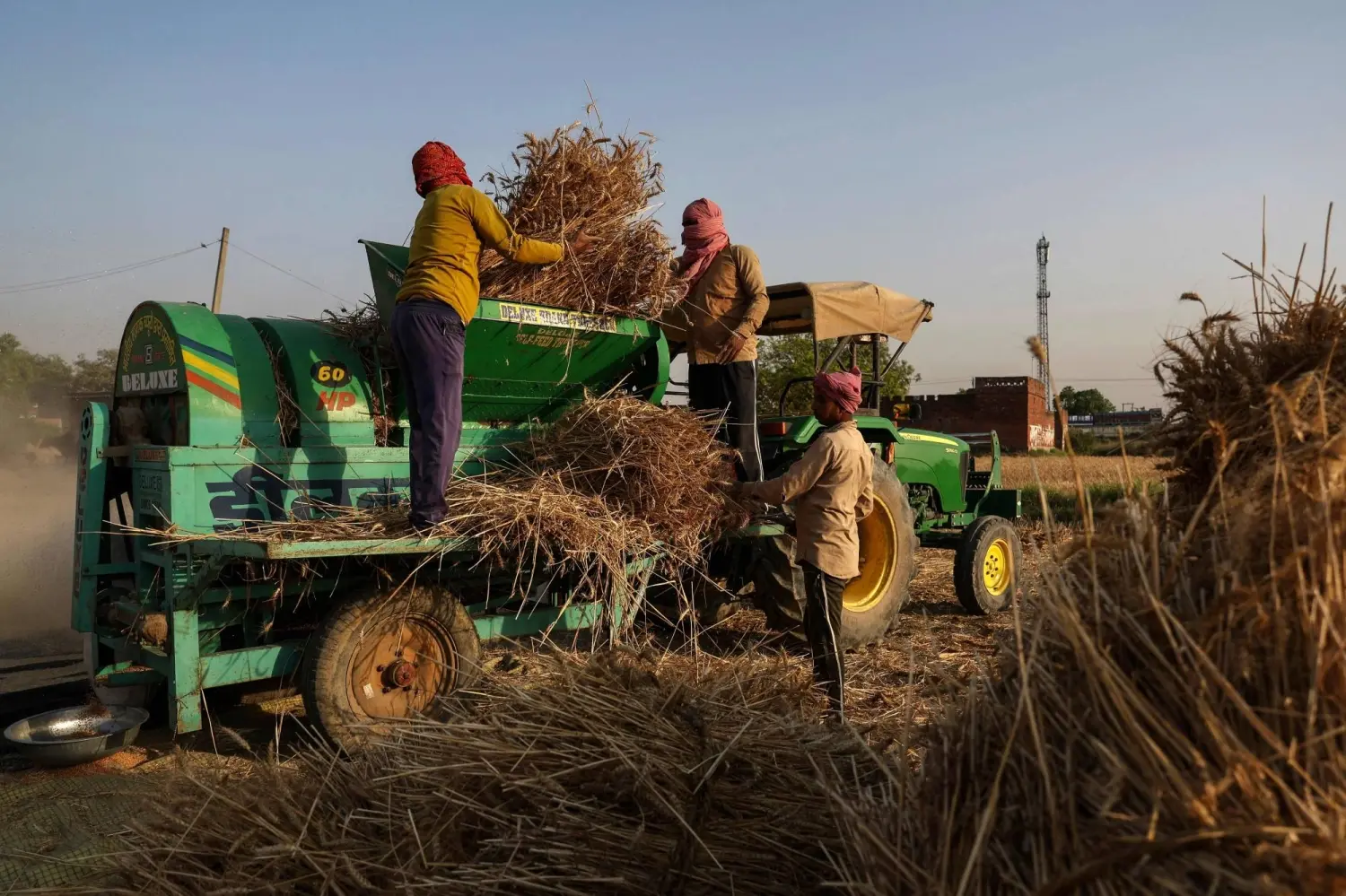
To achieve this, India is diverting record amounts of sugarcane, maize and rice to make fuel, reducing the availability of grain for people and cattle, and shifting land use away from food crops, analysts say.
Farming and processing these crops to make ethanol may generate more emissions than fuel, according to a 2022 study funded by the U.S. Department of Agriculture and a 2020 review published the Royal Society.
As India expands its biofuel program, the dispute in Tibbi highlights the risks of pushing large projects without local support.
"We are not against development," said Dugesar from Tibbi, adding, "But not at the cost of our land, water and health."