에베레스트 베이스캠프에서 빙설 블록이 수백 명의 등산객을 막다
Ice block stalls hundreds of Everest climbers at base camp
The Guardian
· 🇬🇧 London, GB
Associated Press
EN
2026-04-24 17:06
Translated
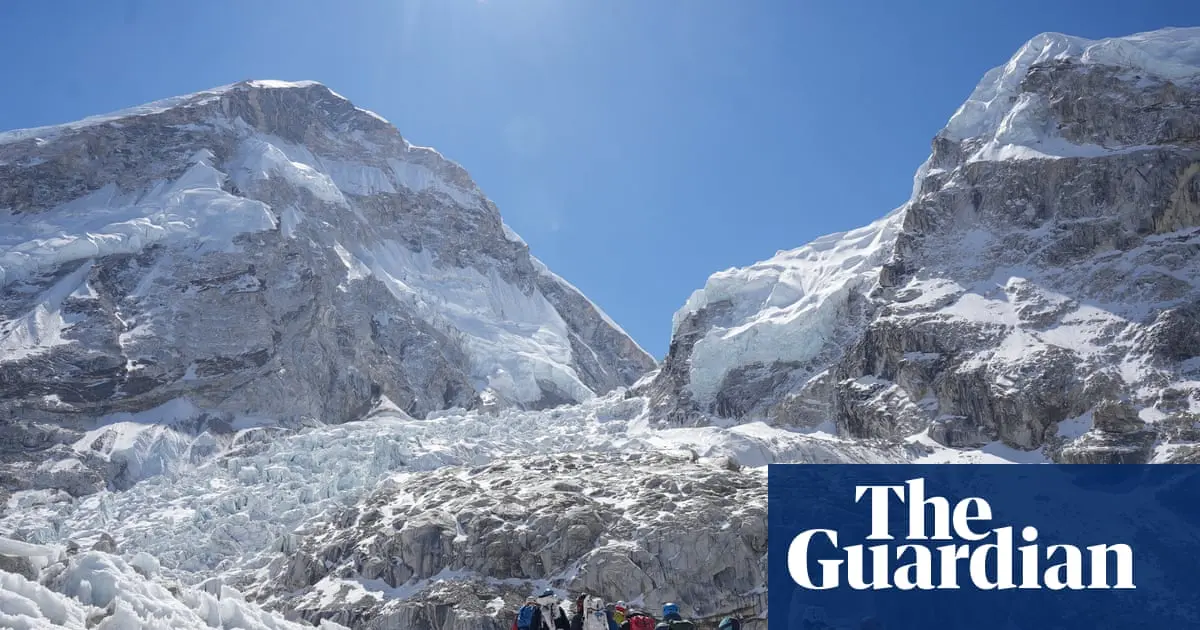
베이스캠프와 1캠프 사이의 세락이 불안정하고 등산객에게 너무 위험한 것으로 판단되어 경로 평가 중 에베레스트산 베이스캠프 바로 위의 경로에 있는 거대한 빙설 블록이 수백 명의 등산객과 현지 가이드들이 세계 최고봉 등반을 지연하도록 강요했다. 네팔 산악 부서의 히말 가우탐은 금요일 베이스캠프와 1캠프 사이의 세락이 불안정하며 등산객에게 위험하다고 말했다.
에베레스트산 베이스캠프 바로 위의 경로에 있는 거대한 빙설 블록이 수백 명의 등산객과 현지 가이드들이 세계 최고봉 등반을 지연하도록 강요했다.
네팔 산악 부서의 히말 가우탐은 금요일 베이스캠프와 1캠프 사이의 세락이 불안정하며 등산객에게 위험하다고 말했다.
관리들은 등산객들과 원정대 조직자들과 함께 상황을 평가하기 위해 노력하고 있으며, 등산객들은 산 위로 올라갈 수 없는 베이스캠프에서 기다리고 있다.
부서에 따르면 410명의 외국인 등산객에게 봄 등반 시즌 동안 에베레스트 정상에 도달하기 위한 허가가 발급되었으며, 이는 5월 말까지 계속된다.
"빙설 의사"라고 불리는 사람들은 밧줄을 설치하고 빙하의 틈을 가로질러 알루미늄 사다리를 고정함으로써 매년 등반 경로를 표시하며, 보통 4월 중순까지 작업을 완료한다.
경로를 깔기 위해 팀을 배치하는 사가르마타 오염 제어 위원회는 항공 조사를 통해 세락을 평가할 계획이다. 위원회 의장인 라마 카지 셰르파는 눈사태 위험이 높으며 세락이 안전한 수준으로 자연적으로 녹기를 기다리고 있다고 말했다.
세락은 끊임없이 변화하는 빙하인 쿰부 빙설로(Khumbu Icefall)의 일부이며, 깊은 틈과 10층 건물만큼 클 수 있는 거대한 돌출된 얼음을 가지고 있다. 이는 등반에서 가장 어렵고 까다로운 섹션 중 하나로 간주된다.
2014년에 빙하의 일부가 산에서 분리되어 클라이언트의 장비를 산 위로 운반하고 있던 16명의 셰르파 가이드를 죽인 빙설 눈사태를 일으켰다. 이는 에베레스트 등반 역사에서 가장 치명적인 재해 중 하나였다.
수백 명의 외국인 등산객과 약 같은 수의 네팔 가이드 및 조력자들이 유리한 날씨의 짧은 창이 있는 다음 달에 산을 오르려고 시도할 것으로 예상된다.
1953년 5월 29일 뉴질랜드인 에드먼드 힐러리와 셰르파 가이드 텐징 노르게이가 처음 등반한 이후로 수천 명이 높이 8,849미터(29,032피트)의 봉우리를 등반했다.
네팔 산악 부서의 히말 가우탐은 금요일 베이스캠프와 1캠프 사이의 세락이 불안정하며 등산객에게 위험하다고 말했다.
관리들은 등산객들과 원정대 조직자들과 함께 상황을 평가하기 위해 노력하고 있으며, 등산객들은 산 위로 올라갈 수 없는 베이스캠프에서 기다리고 있다.
부서에 따르면 410명의 외국인 등산객에게 봄 등반 시즌 동안 에베레스트 정상에 도달하기 위한 허가가 발급되었으며, 이는 5월 말까지 계속된다.
"빙설 의사"라고 불리는 사람들은 밧줄을 설치하고 빙하의 틈을 가로질러 알루미늄 사다리를 고정함으로써 매년 등반 경로를 표시하며, 보통 4월 중순까지 작업을 완료한다.
경로를 깔기 위해 팀을 배치하는 사가르마타 오염 제어 위원회는 항공 조사를 통해 세락을 평가할 계획이다. 위원회 의장인 라마 카지 셰르파는 눈사태 위험이 높으며 세락이 안전한 수준으로 자연적으로 녹기를 기다리고 있다고 말했다.
세락은 끊임없이 변화하는 빙하인 쿰부 빙설로(Khumbu Icefall)의 일부이며, 깊은 틈과 10층 건물만큼 클 수 있는 거대한 돌출된 얼음을 가지고 있다. 이는 등반에서 가장 어렵고 까다로운 섹션 중 하나로 간주된다.
2014년에 빙하의 일부가 산에서 분리되어 클라이언트의 장비를 산 위로 운반하고 있던 16명의 셰르파 가이드를 죽인 빙설 눈사태를 일으켰다. 이는 에베레스트 등반 역사에서 가장 치명적인 재해 중 하나였다.
수백 명의 외국인 등산객과 약 같은 수의 네팔 가이드 및 조력자들이 유리한 날씨의 짧은 창이 있는 다음 달에 산을 오르려고 시도할 것으로 예상된다.
1953년 5월 29일 뉴질랜드인 에드먼드 힐러리와 셰르파 가이드 텐징 노르게이가 처음 등반한 이후로 수천 명이 높이 8,849미터(29,032피트)의 봉우리를 등반했다.
처리 완료
2,742 tokens · $0.0074
기사 수집 완료 · 17:30
매체 피드에서 기사 메타데이터 수집
헤드라인 번역 완료 · 17:41
제목/요약 한국어 번역 (fetch 시점 inline)
claude-haiku-4-5-20251001
414 tokens
$0.00113
10.4s
본문 추출 완료
1,960자 추출 완료
본문 한국어 번역 완료 · 17:41
956자 번역 완료
claude-haiku-4-5-20251001
2,328 tokens
$0.00626
10.7s
지정학적 엔티티 추출 완료 · 17:41
4개 엔티티 추출 완료
지정학적 맥락 & R-Scanner
R-Scanner · 평상
z=-0.13
일상적인 보도 수준 — 기준: Mount Everest
(🇳🇵 NP)
최근 6시간 0건
7일 평균 0.14건 / 6h
0개국 매체
0개 매체
본문에서 추출된 지명 (4)
위치 지도
지도 로딩 중…
같은 주제의 다른 기사 (최근 7일)
Officials assessing route after serac between base camp and camp one deemed unstable and too risky for climbers A large ice block on the route just above the Mount Everest base camp has forced hundreds of climbers and local guides to delay their attempt to scale the world’s highest peak.The serac between base camp and camp one is unstable and is risky for climbers, said Himal Gautam of Nepal’s department of mountaineering on Friday.
A large ice block on the route just above the Mount Everest base camp has forced hundreds of climbers and local guides to delay their attempt to scale the world’s highest peak.The serac between base camp and camp one is unstable and is risky for climbers, said Himal Gautam of Nepal’s department of mountaineering on Friday.
Officials are working with climbers and expedition organisers to assess the situation as climbers wait at base camp unable to move up the mountain.
According to the department, 410 foreign climbers have been issued permits to attempt to reach the Everest summit during the spring climbing season, which ends at the end of May.
“Icefall doctors”, who lay the yearly climbing route by setting ropes and securing aluminium ladders over crevasses, usually finish the task by mid-April.
The Sagarmatha Pollution Control Committee, which deploys teams to lay the route, plans to assess the serac by aerial survey. The risk of avalanche is high and they are waiting for the serac to melt down on its own to a safe level, the committee’s chair, Lama Kazi Sherpa, said.
The serac is part of the Khumbu Icefall, a constantly shifting glacier with deep crevasses and huge overhanging ice that can be as big as 10-story buildings. It is considered one of the most difficult and trickiest sections of the climb.
In 2014, a chunk of the glacier sheared away from the mountain, setting off an avalanche of ice that killed 16 Sherpa guides as they carried clients’ equipment up the mountain. It was one of the deadliest disasters in Everest climbing history.
Hundreds of foreign climbers and about the same number of Nepalese guides and helpers are expected to attempt to scale the mountain next month when there are a few brief windows of favourable weather.
Thousands of people have climbed the 8,849-metre (29,032-ft) high peak since it was first climbed on 29 May 1953 by the New Zealander Edmund Hillary and Sherpa guide Tenzing Norgay.