일본 공항 실험에서 휴머노이드 로봇이 수하물 운송원이 될 예정
Humanoid robots to become baggage handlers in Japan airport experiment
The Guardian
· 🇬🇧 London, GB
Justin McCurry in Tokyo
EN
2026-04-28 12:14
Translated
일본항공이 관광객 증가와 악화되는 노동 부족 속에서 도쿄 공항에서 로봇을 시범 운영할 예정
일본의 성실하기로 유명하지만 과중한 업무에 시달리는 수하물 운송원들이 곧 도쿄의 하네다 공항에서 추가 인력을 맞이하게 될 것이다. 다만 그들의 새로운 동료들은 정기적으로 충전 시간이 필요할 것이다.
일본항공은 5월 초부터 휴머노이드 로봇을 시범적으로 도입할 예정이며, 일본의 만성적인 노동 부족 문제 해결책으로 영구 배치할 계획이다.
중국산 휴머노이드는 연간 6,000만 명 이상의 승객을 처리하는 하네다에서 여행객의 짐과 화물을 활주로에서 옮길 것이다.
일본항공과 이 계획의 파트너인 일본항공 GMO 인터넷 그룹은 2028년에 끝나는 이 실험이 관광객 증가와 더욱 심각한 노동 부족 예측 속에서 직원들의 부담을 줄일 수 있기를 기대하고 있다.
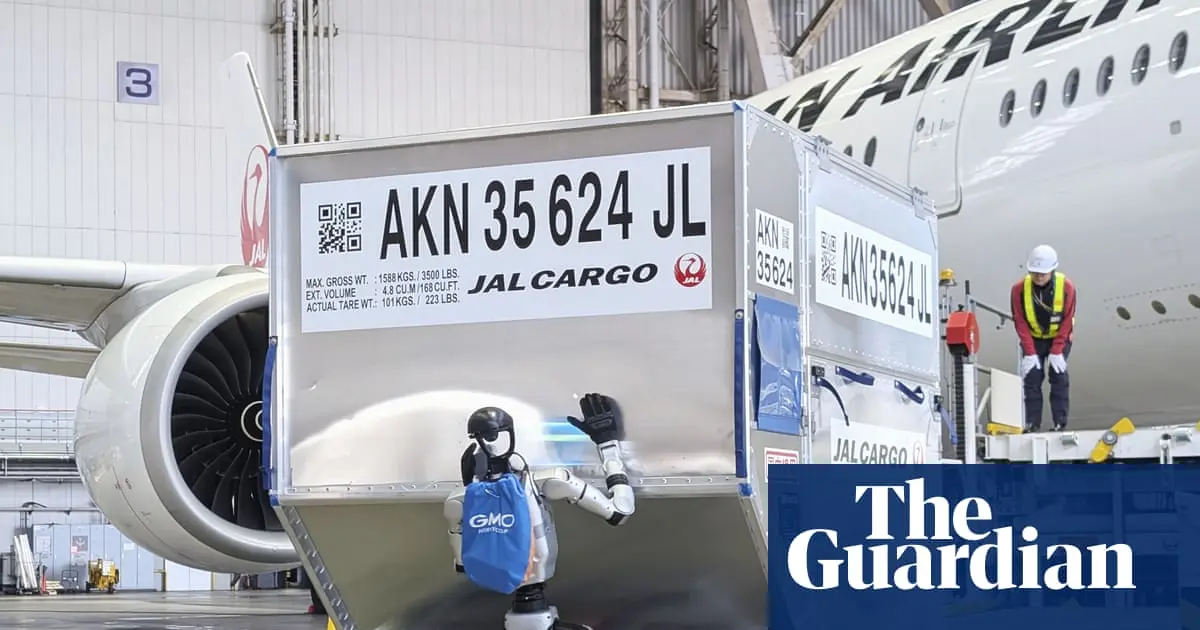
이번 주 언론 시연에서 항저우에 본사를 둔 유니트리가 제조한 130cm 높이의 로봇이 조심스럽게 화물을 일본항공 여객기 옆의 컨베이어 벨트로 "밀어" 옮기고 눈에 띄지 않는 동료에게 손을 흔드는 모습이 보였다.
일본항공 그라운드 서비스 회장 스즈키 요시테루는 교도통신에 따르면 로봇이 신체적으로 힘든 일을 수행하는 것이 "필연적으로 근로자의 부담을 줄이고 직원에게 상당한 이득을 제공할 것"이라고 말했다.
스즈키는 또한 안전 관리와 같은 특정 핵심 업무는 계속 인간이 수행할 것이라고 덧붙였다.
일본은 해외 관광객의 급증과 고령화, 인구 감소에 동시에 대처하는 데 어려움을 겪고 있다.
일본 국가관광기구에 따르면 2026년 첫 두 달 동안 700만 명 이상이 일본을 방문했으며, 지난해 도쿄와 베이징 간의 외교 분쟁으로 인한 중국 방문객 감소에도 불구하고 기록적인 4,270만 명을 달성했다.
한 추정에 따르면 국내 노동력이 계속 감소함에 따라 일본은 2040년까지 성장 목표를 달성하기 위해 650만 명 이상의 외국인 근로자가 필요할 것이다. 최근 몇 년간 일본의 외국인 인구가 급격히 증가했지만, 정부는 현재 이민을 억제하도록 정치적 압박을 받고 있다.
GMO AI 및 로봇공학 회장 우치다 토모히로는 "공항은 고도로 자동화되고 표준화된 것으로 보이지만, 백엔드 운영은 여전히 인간 노동에 크게 의존하고 있으며 심각한 노동 부족에 직면해 있다"고 말했다.
로봇은 2~3시간 동안 계속 작동할 수 있으며, 두 회사는 항공기 객실 청소와 같은 다른 작업을 수행하기 위해 로봇을 사용할 계획이다.
일본항공은 5월 초부터 휴머노이드 로봇을 시범적으로 도입할 예정이며, 일본의 만성적인 노동 부족 문제 해결책으로 영구 배치할 계획이다.
중국산 휴머노이드는 연간 6,000만 명 이상의 승객을 처리하는 하네다에서 여행객의 짐과 화물을 활주로에서 옮길 것이다.
일본항공과 이 계획의 파트너인 일본항공 GMO 인터넷 그룹은 2028년에 끝나는 이 실험이 관광객 증가와 더욱 심각한 노동 부족 예측 속에서 직원들의 부담을 줄일 수 있기를 기대하고 있다.
이번 주 언론 시연에서 항저우에 본사를 둔 유니트리가 제조한 130cm 높이의 로봇이 조심스럽게 화물을 일본항공 여객기 옆의 컨베이어 벨트로 "밀어" 옮기고 눈에 띄지 않는 동료에게 손을 흔드는 모습이 보였다.
일본항공 그라운드 서비스 회장 스즈키 요시테루는 교도통신에 따르면 로봇이 신체적으로 힘든 일을 수행하는 것이 "필연적으로 근로자의 부담을 줄이고 직원에게 상당한 이득을 제공할 것"이라고 말했다.
스즈키는 또한 안전 관리와 같은 특정 핵심 업무는 계속 인간이 수행할 것이라고 덧붙였다.
일본은 해외 관광객의 급증과 고령화, 인구 감소에 동시에 대처하는 데 어려움을 겪고 있다.
일본 국가관광기구에 따르면 2026년 첫 두 달 동안 700만 명 이상이 일본을 방문했으며, 지난해 도쿄와 베이징 간의 외교 분쟁으로 인한 중국 방문객 감소에도 불구하고 기록적인 4,270만 명을 달성했다.
한 추정에 따르면 국내 노동력이 계속 감소함에 따라 일본은 2040년까지 성장 목표를 달성하기 위해 650만 명 이상의 외국인 근로자가 필요할 것이다. 최근 몇 년간 일본의 외국인 인구가 급격히 증가했지만, 정부는 현재 이민을 억제하도록 정치적 압박을 받고 있다.
GMO AI 및 로봇공학 회장 우치다 토모히로는 "공항은 고도로 자동화되고 표준화된 것으로 보이지만, 백엔드 운영은 여전히 인간 노동에 크게 의존하고 있으며 심각한 노동 부족에 직면해 있다"고 말했다.
로봇은 2~3시간 동안 계속 작동할 수 있으며, 두 회사는 항공기 객실 청소와 같은 다른 작업을 수행하기 위해 로봇을 사용할 계획이다.
처리 완료
2,902 tokens · $0.0078
기사 수집 완료 · 12:40
매체 피드에서 기사 메타데이터 수집
헤드라인 번역 완료 · 12:55
제목/요약 한국어 번역 (fetch 시점 inline)
claude-haiku-4-5-20251001
433 tokens
$0.00117
3.0s
본문 추출 완료
2,450자 추출 완료
본문 한국어 번역 완료 · 12:55
1,152자 번역 완료
claude-haiku-4-5-20251001
2,469 tokens
$0.00660
12.1s
지정학적 엔티티 추출 완료 · 12:55
6개 엔티티 추출 완료
지정학적 맥락 & R-Scanner
R-Scanner · 평상
z=-2.7
일상적인 보도 수준 — 기준: Japan
(🇯🇵 JP)
최근 6시간 0건
7일 평균 8.18건 / 6h
0개국 매체
0개 매체
본문에서 추출된 지명 (6)
위치 지도
지도 로딩 중…
같은 주제의 다른 기사 (최근 7일)
Japan Airlines will introduce the robots for trial run at a Tokyo airport amid country’s surge in inbound tourism and worsening labour shortagesJapan’s famously conscientious but overburdened baggage handlers will soon be joined by extra staff at Tokyo’s Haneda airport – although their new colleagues will need to take regular recharging breaks.Japan Airlines will introduce humanoid robots on a trial basis from the beginning of May, with a view to deploying them permanently as a solution to the country’s chronic labour shortage.
Japan’s famously conscientious but overburdened baggage handlers will soon be joined by extra staff at Tokyo’s Haneda airport – although their new colleagues will need to take regular recharging breaks.Japan Airlines will introduce humanoid robots on a trial basis from the beginning of May, with a view to deploying them permanently as a solution to the country’s chronic labour shortage.
The Chinese-made humanoids will move travellers’ luggage and cargo on the tarmac at Haneda, which handles more than 60 million passengers a year.
JAL and its partner in the initiative, Japan Airlines GMO Internet Group, hope the experiment – which ends in 2028 – will lessen the burden on human employees amid a surge in inbound tourism and forecasts of more severe labour shortages.
In a demonstration for the media this week, a 130cm-tall robot manufactured by Hangzhou-based Unitree was seen tentatively “pushing” cargo on to a conveyer belt next to a JAL passenger plane and waving to an unseen colleague.
The president of JAL Ground Service, Yoshiteru Suzuki, said using robots to perform physically demanding work would “inevitably reduce the burden on workers and provide significant benefits to employees”, according to the Kyodo news agency.
Suzuki added, however, that certain key tasks – such as safety management – would continue to be performed by humans.
Japan is struggling to cope with a simultaneous surge in tourists from overseas and an ageing, declining population.
More than 7 million people visited the country in the first two months of 2026, according to the Japan National Tourism Organisation, after a record 42.7 million last year, despite a drop in the number of visitors from China triggered by a diplomatic row between Tokyo and Beijing.
According to one estimate, Japan will need more than 6.5 million foreign workers in 2040 to reach its growth targets as the indigenous workforce continues to shrink. The country’s foreign population has risen dramatically in recent years, but the government is now under political pressure to rein in immigration.
The president of GMO AI and Robotics, Tomohiro Uchida, said: “While airports appear highly automated and standardised, their back-end operations still rely heavily on human labour and face serious labor shortages.”
Robots can operate continuously for two to three hours and the firms are planning to use them to perform other tasks, such as cleaning aircraft cabins.