트럼프 행정부가 어떻게 이란 지도부에 재집결할 안전한 장소를 제공했는가
How the Trump administration handed Iran’s leadership a safe place to regroup
Sydney Morning Herald
· 🇦🇺 Sydney, AU
Akhtar Makoii
EN
2026-04-15 17:00
Translated
이란 관리들은 이슬라마바드에서의 황금 같은 기회 덕분에 다음 미국 협상에서 더 잘 준비되어 있을 가능성이 높다.
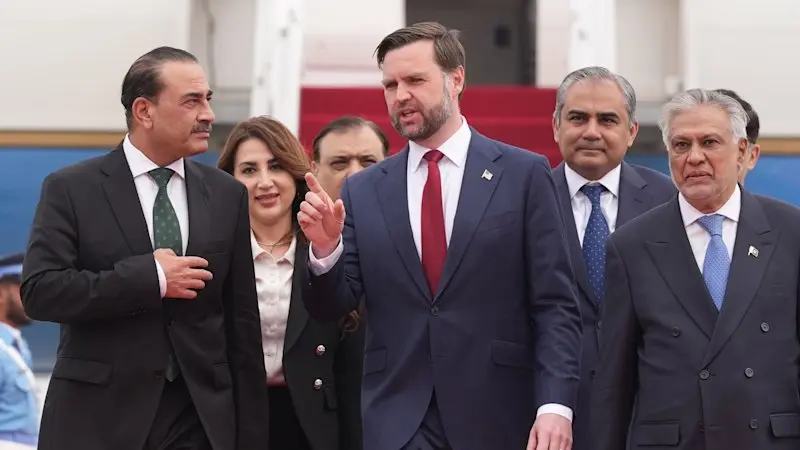
이란 대표단을 태운 비행기가 평화 회담을 위해 이슬라마바드에 착륙했을 때, 미국 관리들조차 활주로에 내려온 사람들의 수에 놀랐다.
69명의 남성과 2명의 여성이 검은색 정장을 입고 전세 계약한 메라즈 항공기에서 내려 5성급 세레나 호텔로 향했다.
이란 의회의장 모하마드 바게르 갈리바프, 외무장관 압바스 아라그치, 중앙은행 총재 압돌나세르 헴마티, 국방위원회 비서 알리 아크바르 아마디안을 비롯해 수많은 고위 외교관, 혁명수비대 고문, 기자들이 함께했다.
40년 이상의 분쟁을 끝내기 위한 회담이었으며, 1979년 이란 혁명가들이 테헤란의 미국 대사관을 습격한 이후 양국 간 최고위급 직접 접촉이었다.
외교적 과잉처럼 보였지만, 이 대규모 인원은 이란에게 두 번째, 말하지 않은 목적을 수행했다. 회담을 개최하면서 미국은 의도치 않게 이란에게 2월 28일 이후 처음으로 지도자들이 서로 만날 수 있는 안전한 장소를 제공했다.
"그들은 40일 동안 걱정 없이 만나, 조율하고, 국가와 미래 계획에 대해 논의할 기회를 찾고 있었다"고 대표단 계획에 정통한 이란 관리가 런던 텔레그래프에 말했다.
"이 파키스탄 방문은 업무 관리에 많은 도움이 되었다. 이란은 평화를 의도하고 갔지만, 미국인들은 의도치 않게 전쟁이 다시 발발할 경우를 대비해 이란이 조율하는 것을 도왔다."
평화 회담의 성공 여부는 그것이 가능하게 한 조율보다 덜 중요했다.
"이 방문은 국가 관리에 긍정적인 영향을 미쳤다"고 해당 관리가 말했다. 최고지도자 모자타바 하메네이를 언급하며 그는 "지도자의 메시지를 교환했을 수도 있다"고 덧붙였다.
56세의 그는 아버지가 사망한 후 선출된 이후 공개적으로 나타나지 않았으며, 그 자신도 미국-이스라엘 공습으로 부상을 입었다. 그의 건강 상태에 대한 추측은 이란 내부에서도 외부에서도 널리 퍼져 있다.
"체제 내에서 요즘 주요 화두는 새 지도자가 어디에 있고 살아있는지 여부다"고 해당 관리가 말했다.
"갈리바프는 모든 것이 괜찮다고 모두에게 확신시켰다. 모두가 늦은 지도자[알리 하메네이]의 장례식을 치를 수 있도록 국가를 정상으로 되돌리기를 원하고 노력하고 있다."
"상황으로 인해 일과 국가 운영이 어려워졌지만, 모두가 갈리바프를 신뢰한다."
전쟁과 회담은 아야톨라 루홀라 호메이니가 1979년 설계했을 때 결코 예상하지 못한 이란의 신정체제의 근본적인 취약점을 드러냈다—전체 통치 구조가 물리적 근접성에 의존한다는 것이다.
최고지도자는 입법부의 법안을 심사하는 감시위원회에 지시를 내리고, 이는 의회와 조율하고, 혁명수비대 사령관들은 최고국가안전보장위원회를 통해 보고한다.
모든 중대한 결정은 이슬람법학을 논의하고, 군사 전략을 토론하며, 중개인을 통해 해결될 수 없는 파벌 간 경쟁을 조율해야 하는 성직자, 장군, 관료들의 대면 상담을 필요로 한다.
사령부와 지도 시설을 표적으로 한 6주간의 미국-이스라엘 공습은 정상적인 통치를 마비시켰다.
고위 관리들은 테헤란, 이스파한 또는 쿰에서 안전하게 집회할 수 없었다—많은 동료들이 그랬듯 공습을 당할 두려움 때문에.
분석가들은 대표단과 그 구성이 단결을 투영하는지 분열을 투영하는지 의견이 갈린다.
이론상 아라그치가 외교 임무를 이끌어야 한다. 그는 이란의 가장 경험 많은 핵 협상가로, 2015년 협정을 만들어낸 회담에 참여했고, 미국 관리들을 알며, 워싱턴의 관료주의를 이해하고 그들의 외교 언어를 구사한다.
어떤 합리적 기준으로 보나 그는 명백한 선택이지만, 합리적 기준은 "미국에 죽음을"이라는 구호로 거의 반세기의 정당성을 구축한 정권이 이제 미국 조건을 수용해야 할 때 적용되지 않는다.
전 혁명수비대 사령관인 갈리바프가 대신 지휘를 맡았다—외교관들이 협상을 처리하는 동안 혁명수비대가 궁극적 통제권을 유지한다는 신호다.
그는 하메네이와 가까우며, 하메네이는 그의 경력을 끝내야 할 여러 부패 스캔들에서 그를 보호해왔다. 그는 대통령인 마수드 페제시키안이 아닌 하메네이와 수비대에 보고한다. 페제시키안은 이번 방문에 참여하지도 않았다.
국방위원회 비서로서 아마디안의 참석은 군사적 우선순위를 강조했다. 헴마티의 포함은 경제 위기가 즉각적인 관심을 필요로 한다는 것을 인정한 것이다.
테헤란의 이란 분석가 알리 빅델리는 대표단 구성을 비판하며 "이러한 민감한 협상에 필요한 단결과 경험이 협상팀 구성에 부족했다"고 말했다.
그는 회담이 "필요한 기반을 다지지 않고, 이러한 수준의 복잡성으로 협상에 들어가기 전에 기밀 외교를 수행하지 않고 서두른" 데서 어려움을 겪었다고 주장했다.
Dawn Institute의 선임 연구원이자 이란 전문가인 오미드 메마리안은 뉴욕타임스에 "이란이 대표단 구성으로 전달하는 가장 중요한 메시지는 정권 최고위급에서 협상과 합의에 대한 내부적 합의가 있다는 것"이라고 말했다.
결과적으로 회담은 21시간 지속되었다가 JD 밴스 미국 부통령이 이란의 핵 농축과 호르무즈 해협에 대한 입장을 받아들일 수 없다고 선언하며 퇴장했다.
아라그치는 나중에 양측이 "이슬라마바드 양해각서"에서 "불과 몇 센티미터 떨어져 있었"으나 미국의 "극대주의"에 부딪혔다고 말했다.
갈리바프는 더 솔직하게 워싱턴이 테헤란의 신뢰를 얻지 못했다고 말했다. 그 감정은 여전히 유효하다.
이란 내부의 느낌은 미국 정보 당국이 거의 확실하게 도착을 추적하고, 참석자를 목록화하며, 방문 내내와 테헤란으로의 귀국에서 움직임을 감시해—회담이 결정적으로 실패할 경우 표적 목록을 제공했다는 것이다.
양측 모두 협상 재개 의사를 시사했다. 새로운 회담은 "이번 주 후반"에 재개될 수 있다고 보도되었으나, 파키스탄 관리들은 날짜가 정해지지 않았다고 말했다.
이란 지도부는 다시 은신에 들어간다. 이번에는 완전히 눈먼 것은 아니다.
69명의 남성과 2명의 여성이 검은색 정장을 입고 전세 계약한 메라즈 항공기에서 내려 5성급 세레나 호텔로 향했다.
이란 의회의장 모하마드 바게르 갈리바프, 외무장관 압바스 아라그치, 중앙은행 총재 압돌나세르 헴마티, 국방위원회 비서 알리 아크바르 아마디안을 비롯해 수많은 고위 외교관, 혁명수비대 고문, 기자들이 함께했다.
40년 이상의 분쟁을 끝내기 위한 회담이었으며, 1979년 이란 혁명가들이 테헤란의 미국 대사관을 습격한 이후 양국 간 최고위급 직접 접촉이었다.
외교적 과잉처럼 보였지만, 이 대규모 인원은 이란에게 두 번째, 말하지 않은 목적을 수행했다. 회담을 개최하면서 미국은 의도치 않게 이란에게 2월 28일 이후 처음으로 지도자들이 서로 만날 수 있는 안전한 장소를 제공했다.
"그들은 40일 동안 걱정 없이 만나, 조율하고, 국가와 미래 계획에 대해 논의할 기회를 찾고 있었다"고 대표단 계획에 정통한 이란 관리가 런던 텔레그래프에 말했다.
"이 파키스탄 방문은 업무 관리에 많은 도움이 되었다. 이란은 평화를 의도하고 갔지만, 미국인들은 의도치 않게 전쟁이 다시 발발할 경우를 대비해 이란이 조율하는 것을 도왔다."
평화 회담의 성공 여부는 그것이 가능하게 한 조율보다 덜 중요했다.
"이 방문은 국가 관리에 긍정적인 영향을 미쳤다"고 해당 관리가 말했다. 최고지도자 모자타바 하메네이를 언급하며 그는 "지도자의 메시지를 교환했을 수도 있다"고 덧붙였다.
56세의 그는 아버지가 사망한 후 선출된 이후 공개적으로 나타나지 않았으며, 그 자신도 미국-이스라엘 공습으로 부상을 입었다. 그의 건강 상태에 대한 추측은 이란 내부에서도 외부에서도 널리 퍼져 있다.
"체제 내에서 요즘 주요 화두는 새 지도자가 어디에 있고 살아있는지 여부다"고 해당 관리가 말했다.
"갈리바프는 모든 것이 괜찮다고 모두에게 확신시켰다. 모두가 늦은 지도자[알리 하메네이]의 장례식을 치를 수 있도록 국가를 정상으로 되돌리기를 원하고 노력하고 있다."
"상황으로 인해 일과 국가 운영이 어려워졌지만, 모두가 갈리바프를 신뢰한다."
전쟁과 회담은 아야톨라 루홀라 호메이니가 1979년 설계했을 때 결코 예상하지 못한 이란의 신정체제의 근본적인 취약점을 드러냈다—전체 통치 구조가 물리적 근접성에 의존한다는 것이다.
최고지도자는 입법부의 법안을 심사하는 감시위원회에 지시를 내리고, 이는 의회와 조율하고, 혁명수비대 사령관들은 최고국가안전보장위원회를 통해 보고한다.
모든 중대한 결정은 이슬람법학을 논의하고, 군사 전략을 토론하며, 중개인을 통해 해결될 수 없는 파벌 간 경쟁을 조율해야 하는 성직자, 장군, 관료들의 대면 상담을 필요로 한다.
사령부와 지도 시설을 표적으로 한 6주간의 미국-이스라엘 공습은 정상적인 통치를 마비시켰다.
고위 관리들은 테헤란, 이스파한 또는 쿰에서 안전하게 집회할 수 없었다—많은 동료들이 그랬듯 공습을 당할 두려움 때문에.
분석가들은 대표단과 그 구성이 단결을 투영하는지 분열을 투영하는지 의견이 갈린다.
이론상 아라그치가 외교 임무를 이끌어야 한다. 그는 이란의 가장 경험 많은 핵 협상가로, 2015년 협정을 만들어낸 회담에 참여했고, 미국 관리들을 알며, 워싱턴의 관료주의를 이해하고 그들의 외교 언어를 구사한다.
어떤 합리적 기준으로 보나 그는 명백한 선택이지만, 합리적 기준은 "미국에 죽음을"이라는 구호로 거의 반세기의 정당성을 구축한 정권이 이제 미국 조건을 수용해야 할 때 적용되지 않는다.
전 혁명수비대 사령관인 갈리바프가 대신 지휘를 맡았다—외교관들이 협상을 처리하는 동안 혁명수비대가 궁극적 통제권을 유지한다는 신호다.
그는 하메네이와 가까우며, 하메네이는 그의 경력을 끝내야 할 여러 부패 스캔들에서 그를 보호해왔다. 그는 대통령인 마수드 페제시키안이 아닌 하메네이와 수비대에 보고한다. 페제시키안은 이번 방문에 참여하지도 않았다.
국방위원회 비서로서 아마디안의 참석은 군사적 우선순위를 강조했다. 헴마티의 포함은 경제 위기가 즉각적인 관심을 필요로 한다는 것을 인정한 것이다.
테헤란의 이란 분석가 알리 빅델리는 대표단 구성을 비판하며 "이러한 민감한 협상에 필요한 단결과 경험이 협상팀 구성에 부족했다"고 말했다.
그는 회담이 "필요한 기반을 다지지 않고, 이러한 수준의 복잡성으로 협상에 들어가기 전에 기밀 외교를 수행하지 않고 서두른" 데서 어려움을 겪었다고 주장했다.
Dawn Institute의 선임 연구원이자 이란 전문가인 오미드 메마리안은 뉴욕타임스에 "이란이 대표단 구성으로 전달하는 가장 중요한 메시지는 정권 최고위급에서 협상과 합의에 대한 내부적 합의가 있다는 것"이라고 말했다.
결과적으로 회담은 21시간 지속되었다가 JD 밴스 미국 부통령이 이란의 핵 농축과 호르무즈 해협에 대한 입장을 받아들일 수 없다고 선언하며 퇴장했다.
아라그치는 나중에 양측이 "이슬라마바드 양해각서"에서 "불과 몇 센티미터 떨어져 있었"으나 미국의 "극대주의"에 부딪혔다고 말했다.
갈리바프는 더 솔직하게 워싱턴이 테헤란의 신뢰를 얻지 못했다고 말했다. 그 감정은 여전히 유효하다.
이란 내부의 느낌은 미국 정보 당국이 거의 확실하게 도착을 추적하고, 참석자를 목록화하며, 방문 내내와 테헤란으로의 귀국에서 움직임을 감시해—회담이 결정적으로 실패할 경우 표적 목록을 제공했다는 것이다.
양측 모두 협상 재개 의사를 시사했다. 새로운 회담은 "이번 주 후반"에 재개될 수 있다고 보도되었으나, 파키스탄 관리들은 날짜가 정해지지 않았다고 말했다.
이란 지도부는 다시 은신에 들어간다. 이번에는 완전히 눈먼 것은 아니다.
처리 완료
4,490 tokens · $0.0093
기사 수집 완료 · 17:11
매체 피드에서 기사 메타데이터 수집
헤드라인 번역 완료 · 17:27
제목/요약 한국어 번역 (fetch 시점 inline)
kimi-k2.5
169 tokens
$0.00031
32.1s
본문 추출 완료
6,423자 추출 완료
본문 한국어 번역 완료 · 17:27
2,828자 번역 완료
kimi-k2.5
4,321 tokens
$0.00903
91.4s
지정학적 엔티티 추출 완료 · 17:27
8개 엔티티 추출 완료
지정학적 맥락 & R-Scanner
R-Scanner · 평상
z=-0.45
일상적인 보도 수준 — 기준: Islamabad
(🇵🇰 PK)
최근 6시간 12건
7일 평균 13.71건 / 6h
6개국 매체
6개 매체
본문에서 추출된 지명 (8)
위치 지도
지도 로딩 중…
같은 주제의 다른 기사 (최근 7일)
Iran’s officials are likely to be better prepared for the next round of US negotiations thanks to a golden opportunity in Islamabad.
When the plane carrying Iran’s delegation touched down in Islamabad for peace talks, even US officials were surprised at how many people stepped onto the tarmac.Sixty-nine men and two women, dressed uniformly in black suits, disembarked from the chartered Meraj Airlines jet and made their way to the five-star Serena Hotel.
There was Mohammad Bagher Ghalibaf, the Iranian parliament Speaker, Abbas Araghchi, the foreign minister, Abdolnaser Hemmati, the central bank governor, Ali Akbar Ahmadian, the defence council secretary, as well as a host of senior diplomats, Revolutionary Guards advisers and journalists.
It was a meeting to try and bring an end to more than a month of conflict, the highest-level direct engagement between the two countries since Iranian revolutionaries stormed the US embassy in Tehran in 1979.
It looked like diplomatic excess, but the size of the group served a second, unspoken purpose for Iran. In holding the talks, the US inadvertently gave Iran something it has not had since February 28 – a safe place for its leaders to meet each other.
“They were looking for an opportunity for 40 days to meet up without worry, co-ordinate things, and discuss what to do with the country and future plans,” an Iranian official with knowledge of the delegation’s planning told the London Telegraph.
“This trip to Pakistan helped a lot in managing affairs. Iran went there with the intention of peace, but the Americans unintentionally helped Iran co-ordinate in case war breaks out again.”
Whether peace talks succeeded mattered less than the co-ordination they enabled.
“This trip has had a positive impact on managing the country,” the official said. Referring to Mojtaba Khamenei, the supreme leader, they added: “They may have even exchanged messages from the leader.”
The 56-year-old has not appeared publicly since his selection after his father was killed, and he himself was injured by a US-Israeli airstrike. Speculation about his condition is as widespread inside Iran as it is outside.
“Within the system, the main topic these days is where the new leader is and whether he is even alive,” the official said.
“Ghalibaf has assured everyone that everything is OK. Everyone wants and is trying to bring the country back to normal so they can hold a funeral for the late leader [Ali Khamenei].
“The situation has made things and running the country difficult, but everyone trusts Ghalibaf.”
The war and the talks have exposed a fundamental vulnerability in Iran’s theocratic system that Ayatollah Ruhollah Khomeini never anticipated when he designed it in 1979 – that the entire governance structure depends on physical proximity.
The supreme leader issues directives to the Guardian Council, which vets legislation from parliament, which co-ordinates with the IRGC commanders, who report back through the Supreme National Security Council.
Every critical decision requires face-to-face consultation between clerics, generals and bureaucrats who must physically convene to argue Islamic jurisprudence, debate military strategy and navigate factional rivalries that cannot be resolved through intermediaries.
Six weeks of US-Israeli strikes targeting command centres and leadership facilities have paralysed normal governance.
Senior officials could not safely convene in Tehran, Isfahan or Qom without fear of being hit by an airstrike – as so many of their colleagues had been.
Analysts are split on whether the delegation and its composition projects unity or division.
In theory, Araghchi should lead diplomatic missions. He is Iran’s most experienced nuclear negotiator, was in the talks that produced the 2015 agreement, knows American officials, understands Washington’s bureaucracy and speaks their diplomatic language.
By any rational measure, he is the obvious choice, but rational measures don’t apply when a regime that has built nearly half a century of legitimacy on “Death to America” now needs to accept US terms.
Ghalibaf, a former Revolutionary Guards commander, took charge instead – a signal that the IRGC maintains ultimate control even as diplomats handle negotiations.
He is close to Khamenei, who has protected him through multiple corruption scandals that should have ended his career. He answers to Khamenei and the Guards, not Massoud Pezeshkian, the president, who did not even make the trip.
Ahmadian’s presence as defence council secretary underscored military priorities. Hemmati’s inclusion acknowledged that the economic crisis required immediate attention.
Ali Bigdeli, an Iranian analyst in Tehran, criticised the composition of the delegation, saying: “The make-up of the negotiating team lacked the unity and experience necessary for such sensitive negotiations. This issue, along with other factors, affected the negotiating process.”
He argued that the talks suffered from “rushing in without laying necessary groundwork and without conducting confidential diplomacy before entering negotiations at this level of complexity”.
Omid Memarian, a senior fellow and Iran expert at Dawn Institute, told The New York Times: “The most important message Iran is sending with the composition of its delegation is that there is internal consensus for negotiations and a deal at the highest levels of the regime.”
As it was, the talks lasted 21 hours before JD Vance, the US vice-president, walked out, declaring Iranian positions on nuclear enrichment and the Strait of Hormuz unacceptable.
Araghchi later said the sides had been “just inches away” from an “Islamabad memorandum of understanding” before encountering US “maximalism.”
Ghalibaf was more frank, saying Washington had failed to earn Tehran’s trust. That sentiment still stands.
The feeling inside Iran is that US intelligence almost certainly tracked arrivals, catalogued attendees, and monitored movements throughout the visit and their return in Tehran – providing targeting lists if talks definitively fail.
Both sides have signalled willingness to resume negotiations. Fresh talks could reportedly restart “later this week”, although Pakistani officials said no date had been set.
Iran’s leadership once again goes into hiding. This time, it is not completely blind.
Get a note directly from our foreign correspondents on what’s making headlines around the world.
You have reached your maximum number of saved items.
Remove items from your saved list to add more.