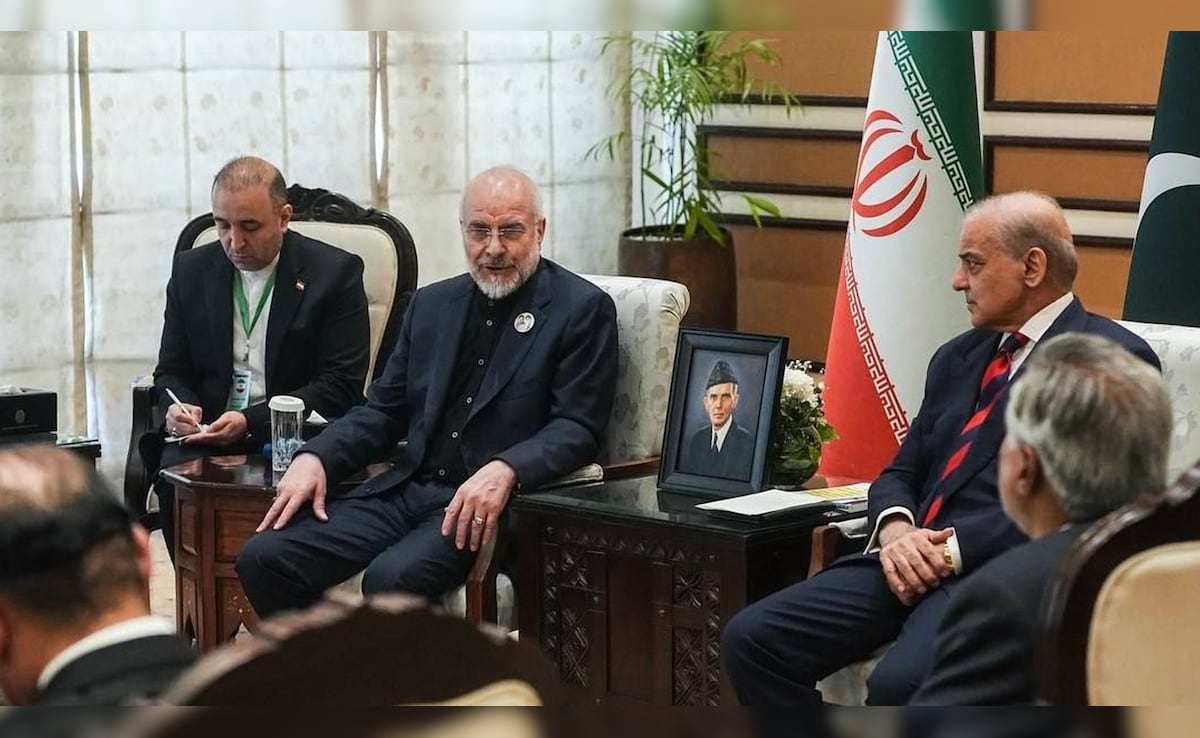
칼럼: 미국-이란 회담 주최국이 된 파키스탄이 직면할 수 있는 3가지 문제
Opinion: 3 Things That May Trouble Pakistan After Playing Host To US-Iran Talks
NDTV
· 🇮🇳 New Delhi, IN
EN
2026-04-14 19:18
Translated
이슬라마바드에서 실패한 평화 회담의 여파에 대한 파키스탄 내부의 우려가 있지만, 현재로서는 정권이 잠시의 명성을 만끽하고 있다. 하지만 그것이...
미국과 이란 간의 이슬라마바드 회담이 실제 평화 협정으로 이어질 것을 기대한 사람은 영원한 낙천주의자이거나 현실과 완전히 동떨어진 사람뿐이었을 것이다. 마라톤 협상 끝에 회담이 결렬된 것은 놀라운 일이 아니다. 전 세계의 평화 중재자, 세계의 구원자, 국제 외교의 중심이라는 새로운 영광에 흠뻑 취해 있던 '행사 주최국' 파키스탄조차 기대를 낮추기 시작했다. 정권의 대변인들은 파키스탄이 두 교전국 간의 회담을 조직함으로써 세계에 대한 의무를 다했다는 식의 이야기를 만들기 시작했다. 그러나 그들은 협상의 결과는 주인공들에게 달려 있으며 파키스탄에게 달려 있는 것이 아니라고 주장했다. 물론 회담이 성공했다면 파키스탄은 공을 독차지했을 것이다.
이슬라마바드로서는 이미 이 행사를 최대한 활용하고 국제사회에서 이미지를 광내기 위해 가능한 모든 선의 표시를 다 했다. 이제 중재자 역할을 한 것으로 인해 향후 수일, 수주, 수개월 동안 입을 수 있는 모든 이득과 가능한 손실을 따져볼 것이다.
파키스탄의 자산 대비표의 플러스 측면에는 회담 장소로서 스스로 구축했다고 믿는 프로필이 있다. 미국과 이란 간의 회담이 이전에 제네바, 무스카트, 도하 등 여러 도시에서 열렸지만, 파키스탄은 이슬라마바드 회담을 획기적인 것으로 포장했다. 파키스탄과 군부, 그리고 국가 통제 사유 미디어 내의 과장은 국제 미디어의 그 어떤 것보다도 컸다. 글로벌 미디어는 대부분 회담 장소로서만 파키스탄을 언급했다. 파키스탄의 (명목상) 총리와 세계 지도자들 간의 전화 통화 줄은 특별한 것이 아니라 위태로운 시기에 행해지는 국제 외교의 일부였다. 그것이 어떤 평화 협정에서 파키스탄의 중심성을 의미하는 것은 아니었다. 그럼에도 이슬라마바드는 수십 년 만에 이 나라의 이름이 전쟁, 테러리즘, 이중 플레이, 불안정, 무능, 군사 통치, 훔친 선거 등의 부정적 맥락에서 언급되지 않는다는 것에 만족했다. 긴 목록이다.
파키스탄은 또한 트럼프 행정부의 호의를 얻었다고 주장할 수 있다. 결국 휴전을 추진하려고 애쓰며 트럼프를 구하려고 온 힘을 다했다. 파키스탄인들은 미국인들로부터 내려온 메시지를 그대로 복사해서 붙여넣기만 한 것이 아니라, 터키, 이집트, 심지어 사우디아라비아까지 평화 회담 추진을 위해 뒤에서 지지하도록 맞추려고 노력했다. 이는 미국 부통령의 감사를 끌어냈는데, 그는 매우 크게 감사를 표했다. 노벨 평화상에 트럼프를 추천하는 것부터 그의 친구들과 암호화폐 및 채굴 거래를 체결하고, 심지어 뉴욕시의 루스벨트 호텔에 대한 합의에 이르기까지 트럼프 일가를 꼬시기 위해 가능한 모든 것을 해온 파키스탄인들에게 미국인들로부터 머리 쓰다듬는 것은 명예의 훈장으로 여겨질 것이다.
더 실질적으로, 파키스탄인들은 사우디를 상당히 잘 다룬 것처럼 보인다. 리야드를 방어하기 위해 이란과의 분쟁에 뛰어들지 않은 것은 물론, 왕국의 이익을 보호하기 위해 이렇게 하고 있다고 사우디를 설득하는 데 성공했다. 그 과정에서 파키스탄은 사우디에게 아부하여 파키스탄이 외환 보유고를 쌓기 위해 왕국으로부터 50억 달러의 예금을 받게 될 것이라는 보도가 나올 정도로 친해졌다. 외환 보유고는 UAE가 돈을 갚으라고 요구한 후 고갈되었다. 카타르도 파키스탄에 재정 지원을 할 것이고 사우디가 파키스탄에 대규모 투자를 할 수 있다는 보도도 있다.
다시 말해, 파키스탄인들은 평화 중재자 역할을 함으로써 실질적으로 절실히 필요한 돈을 벌었다고 믿고 있다. 또한 파키스탄이 중동에서 순수 안보 제공자 및 안보 보증자로서 중요한 역할을 할 수 있는 위치에 자리매김했다는 기대도 있다. 이는 이 나라에 엄청난 외교적, 정치적, 경제적, 전략적 기회를 열어줄 것이다.
국내적으로, 정권은 야당이 수감된 이무란 칸에 대한 외부 압력을 잊어도 된다는 인상을 만들어 자신의 입지를 굳혔다.
그러나 파키스탄이 연기한 역할에는 특히 회담이 결렬되고 적대 행위가 재개될 실제 가능성이 있는 하락 요인도 있다. 더 나쁜 것은, 두 번째 전쟁이 훨씬 더 파괴적이어서 파키스탄을 소용돌이에 빠뜨릴 수 있다는 것이다. 사우디와의 상호 방위 협정에 따라 파키스탄은 수천 명의 병사와 일부 전투기를 왕국에 파견한 것으로 보도되었다. 적대 행위가 재개될 경우 이란의 공격으로부터 왕국을 지원하기 위한 것으로 추정된다. 파키스탄이 전쟁에 끌려들어가면 이란은 파키스탄의 기반 시설을 표적으로 삼을 수밖에 없다. 그런 경우 파키스탄 경제에 대한 피해는 치명적일 것이다. 그리고 중동의 지역 불안정도 파키스탄으로 퍼질 것이다.
파키스탄이 지난 며칠간 국제 무대에서 한 모든 브랜드 포장에도 불구하고, 무대 뒤 상황은 상당히 위험하다. 오히려 파키스탄 자체가 매우 불안정한 상태에 있다. 경제가 붕괴 직전이고, 빈곤, 실업, 인플레이션이 상승하며, 성장이 미미하고, 산업이 붕괴하고, 두 개 주가 전면적인 반란에 휩싸여 있으며, 동부와 서부 국경이 활발하고, 내부 정치 분열로 정권은 정치적 자본이 거의 없다. 이런 상황에서 특히 지역에 불안정의 유령이 드리워져 있어 이 나라에 투자하려는 사람은 거의 없다. 주목할 점은 파키스탄의 비선출 정권의 통치 실적이 사우디 같은 후원자들로부터도 엄지손가락을 내려받았다는 것인데, 그들은 파키스탄이 투자할 만한 실행 가능한 프로젝트를 제시하지 못했다고 불평했다.
파키스탄의 취약성은 행사 주최국 역할을 했다고 끝나지 않을 것이다. 사우디가 파키스탄에 돈을 쏟아붓는다면, 그들은 약속을 이행할 것을 기대할 것이다. 이의 한 결과는 파키스탄이 외부 기부국이 요구하는 정치적, 군사적, 심지어 외교적 요구에 저항하는 능력이 심각하게 제한될 것이라는 것이다. 이미 이슬라마바드는 UAE와 다른 몇몇 걸프 국가들의 분노를 샀는데, 그들은 파키스탄이 이란을 구하려는 노력에 대해 격분해 있다. 이란에 대해서는, 파키스탄의 외교적 노력에 꽤 영리하게 맞춰준 이란이 후자가 이란에 대한 전선을 열도록 밀리면 결별할 수 있다. 지난 40일간 이란은 파키스탄을 끌어들이는 데 성공했다. 이슬라마바드의 요청에 따라 사우디에 대한 공격을 제한하고, 파키스탄의 평화 노력을 칭찬하며, 파키스탄의 외교적 노력에 긍정적으로 반응했다. 그 모든 것은 신념이 아니라 편의와 교활함에서 나온 것이다. 이란은 파키스탄이 외교에 집중하고 군사적 움직임을 하지 않도록 유지되기를 원한다.
또한 상당히 어색한 시나리오도 있다. 걸프 국가들이 공동의 적에 대항해 공동 전선을 구축하기 위해 이스라엘과 관계를 발전시키면 어떻게 될까? 그런 가능성은 이스라엘조차 인정하지 않는 파키스탄에게 문제를 복잡하게 만들 수 있다.
이슬라마바드에서 실패한 평화 회담의 여파에 대한 파키스탄 내부의 우려가 있지만, 대체로 정권과 국민은 현재 잠시의 명성을 만끽하고 있다. 미래가 항상 할인되는 나라에서는 현재가 중요하다. 그들의 기대가 머지않은 미래에 무너질 가능성은 단순히 나중의 문제일 뿐이다. 적어도 지금은.
(저자는 ORF 선임 연구원이다)
면책 조항: 이것은 저자의 개인적 의견이다
이슬라마바드로서는 이미 이 행사를 최대한 활용하고 국제사회에서 이미지를 광내기 위해 가능한 모든 선의 표시를 다 했다. 이제 중재자 역할을 한 것으로 인해 향후 수일, 수주, 수개월 동안 입을 수 있는 모든 이득과 가능한 손실을 따져볼 것이다.
파키스탄의 자산 대비표의 플러스 측면에는 회담 장소로서 스스로 구축했다고 믿는 프로필이 있다. 미국과 이란 간의 회담이 이전에 제네바, 무스카트, 도하 등 여러 도시에서 열렸지만, 파키스탄은 이슬라마바드 회담을 획기적인 것으로 포장했다. 파키스탄과 군부, 그리고 국가 통제 사유 미디어 내의 과장은 국제 미디어의 그 어떤 것보다도 컸다. 글로벌 미디어는 대부분 회담 장소로서만 파키스탄을 언급했다. 파키스탄의 (명목상) 총리와 세계 지도자들 간의 전화 통화 줄은 특별한 것이 아니라 위태로운 시기에 행해지는 국제 외교의 일부였다. 그것이 어떤 평화 협정에서 파키스탄의 중심성을 의미하는 것은 아니었다. 그럼에도 이슬라마바드는 수십 년 만에 이 나라의 이름이 전쟁, 테러리즘, 이중 플레이, 불안정, 무능, 군사 통치, 훔친 선거 등의 부정적 맥락에서 언급되지 않는다는 것에 만족했다. 긴 목록이다.
파키스탄은 또한 트럼프 행정부의 호의를 얻었다고 주장할 수 있다. 결국 휴전을 추진하려고 애쓰며 트럼프를 구하려고 온 힘을 다했다. 파키스탄인들은 미국인들로부터 내려온 메시지를 그대로 복사해서 붙여넣기만 한 것이 아니라, 터키, 이집트, 심지어 사우디아라비아까지 평화 회담 추진을 위해 뒤에서 지지하도록 맞추려고 노력했다. 이는 미국 부통령의 감사를 끌어냈는데, 그는 매우 크게 감사를 표했다. 노벨 평화상에 트럼프를 추천하는 것부터 그의 친구들과 암호화폐 및 채굴 거래를 체결하고, 심지어 뉴욕시의 루스벨트 호텔에 대한 합의에 이르기까지 트럼프 일가를 꼬시기 위해 가능한 모든 것을 해온 파키스탄인들에게 미국인들로부터 머리 쓰다듬는 것은 명예의 훈장으로 여겨질 것이다.
더 실질적으로, 파키스탄인들은 사우디를 상당히 잘 다룬 것처럼 보인다. 리야드를 방어하기 위해 이란과의 분쟁에 뛰어들지 않은 것은 물론, 왕국의 이익을 보호하기 위해 이렇게 하고 있다고 사우디를 설득하는 데 성공했다. 그 과정에서 파키스탄은 사우디에게 아부하여 파키스탄이 외환 보유고를 쌓기 위해 왕국으로부터 50억 달러의 예금을 받게 될 것이라는 보도가 나올 정도로 친해졌다. 외환 보유고는 UAE가 돈을 갚으라고 요구한 후 고갈되었다. 카타르도 파키스탄에 재정 지원을 할 것이고 사우디가 파키스탄에 대규모 투자를 할 수 있다는 보도도 있다.
다시 말해, 파키스탄인들은 평화 중재자 역할을 함으로써 실질적으로 절실히 필요한 돈을 벌었다고 믿고 있다. 또한 파키스탄이 중동에서 순수 안보 제공자 및 안보 보증자로서 중요한 역할을 할 수 있는 위치에 자리매김했다는 기대도 있다. 이는 이 나라에 엄청난 외교적, 정치적, 경제적, 전략적 기회를 열어줄 것이다.
국내적으로, 정권은 야당이 수감된 이무란 칸에 대한 외부 압력을 잊어도 된다는 인상을 만들어 자신의 입지를 굳혔다.
그러나 파키스탄이 연기한 역할에는 특히 회담이 결렬되고 적대 행위가 재개될 실제 가능성이 있는 하락 요인도 있다. 더 나쁜 것은, 두 번째 전쟁이 훨씬 더 파괴적이어서 파키스탄을 소용돌이에 빠뜨릴 수 있다는 것이다. 사우디와의 상호 방위 협정에 따라 파키스탄은 수천 명의 병사와 일부 전투기를 왕국에 파견한 것으로 보도되었다. 적대 행위가 재개될 경우 이란의 공격으로부터 왕국을 지원하기 위한 것으로 추정된다. 파키스탄이 전쟁에 끌려들어가면 이란은 파키스탄의 기반 시설을 표적으로 삼을 수밖에 없다. 그런 경우 파키스탄 경제에 대한 피해는 치명적일 것이다. 그리고 중동의 지역 불안정도 파키스탄으로 퍼질 것이다.
파키스탄이 지난 며칠간 국제 무대에서 한 모든 브랜드 포장에도 불구하고, 무대 뒤 상황은 상당히 위험하다. 오히려 파키스탄 자체가 매우 불안정한 상태에 있다. 경제가 붕괴 직전이고, 빈곤, 실업, 인플레이션이 상승하며, 성장이 미미하고, 산업이 붕괴하고, 두 개 주가 전면적인 반란에 휩싸여 있으며, 동부와 서부 국경이 활발하고, 내부 정치 분열로 정권은 정치적 자본이 거의 없다. 이런 상황에서 특히 지역에 불안정의 유령이 드리워져 있어 이 나라에 투자하려는 사람은 거의 없다. 주목할 점은 파키스탄의 비선출 정권의 통치 실적이 사우디 같은 후원자들로부터도 엄지손가락을 내려받았다는 것인데, 그들은 파키스탄이 투자할 만한 실행 가능한 프로젝트를 제시하지 못했다고 불평했다.
파키스탄의 취약성은 행사 주최국 역할을 했다고 끝나지 않을 것이다. 사우디가 파키스탄에 돈을 쏟아붓는다면, 그들은 약속을 이행할 것을 기대할 것이다. 이의 한 결과는 파키스탄이 외부 기부국이 요구하는 정치적, 군사적, 심지어 외교적 요구에 저항하는 능력이 심각하게 제한될 것이라는 것이다. 이미 이슬라마바드는 UAE와 다른 몇몇 걸프 국가들의 분노를 샀는데, 그들은 파키스탄이 이란을 구하려는 노력에 대해 격분해 있다. 이란에 대해서는, 파키스탄의 외교적 노력에 꽤 영리하게 맞춰준 이란이 후자가 이란에 대한 전선을 열도록 밀리면 결별할 수 있다. 지난 40일간 이란은 파키스탄을 끌어들이는 데 성공했다. 이슬라마바드의 요청에 따라 사우디에 대한 공격을 제한하고, 파키스탄의 평화 노력을 칭찬하며, 파키스탄의 외교적 노력에 긍정적으로 반응했다. 그 모든 것은 신념이 아니라 편의와 교활함에서 나온 것이다. 이란은 파키스탄이 외교에 집중하고 군사적 움직임을 하지 않도록 유지되기를 원한다.
또한 상당히 어색한 시나리오도 있다. 걸프 국가들이 공동의 적에 대항해 공동 전선을 구축하기 위해 이스라엘과 관계를 발전시키면 어떻게 될까? 그런 가능성은 이스라엘조차 인정하지 않는 파키스탄에게 문제를 복잡하게 만들 수 있다.
이슬라마바드에서 실패한 평화 회담의 여파에 대한 파키스탄 내부의 우려가 있지만, 대체로 정권과 국민은 현재 잠시의 명성을 만끽하고 있다. 미래가 항상 할인되는 나라에서는 현재가 중요하다. 그들의 기대가 머지않은 미래에 무너질 가능성은 단순히 나중의 문제일 뿐이다. 적어도 지금은.
(저자는 ORF 선임 연구원이다)
면책 조항: 이것은 저자의 개인적 의견이다
처리 완료
229 tokens · $0.0004
기사 수집 완료 · 19:41
매체 피드에서 기사 메타데이터 수집
헤드라인 번역 완료 · 19:56
제목/요약 한국어 번역 (fetch 시점 inline)
kimi-k2.5
229 tokens
$0.00043
5.9s
본문 추출 완료
9,529자 추출 완료
본문 한국어 번역 완료 · 19:56
3,423자 번역 완료
지정학적 엔티티 추출 완료 · 19:56
8개 엔티티 추출 완료
지정학적 맥락 & R-Scanner
R-Scanner · 평상
z=-1.8
일상적인 보도 수준 — 기준: Pakistan
(🇵🇰 PK)
최근 6시간 13건
7일 평균 21.57건 / 6h
7개국 매체
9개 매체
본문에서 추출된 지명 (8)
위치 지도
지도 로딩 중…
같은 주제의 다른 기사 (최근 7일)
While there is some concern within Pakistan over the fallout of the failed peace talks in Islamabad, by and large, the regime, for now, is revelling in its fifteen minutes of fame. But it might not...
Only the eternal optimist or someone completely detached from reality could have expected the Islamabad talks between the US and Iran to lead to an actual peace deal. That the talks collapsed after marathon discussions doesn't come as a surprise. Even the 'event manager' - Pakistan - which was basking in its newfound glory as the global peacemaker, the saviour of the world, and centre of international diplomacy, had started to dampen its expectations. Mouthpieces of the regime had started spinning stories about how Pakistan had fulfilled its duty to the world by organising the talks between the two belligerents. They, however, insisted that the outcome of the parleys depended on the protagonists and not on Pakistan. Of course, had the talks succeeded, Pakistan would have taken the credit.As far as Islamabad is concerned, it has already milked the event for whatever it was worth and did all the virtue-signalling possible to burnish its image in the comity of nations. It will now take stock of all its gains and the possible losses it might incur in the coming days, weeks and months because of the role it played as a broker.
On the plus side of Pakistan's balance sheet is the profile it believes it has built up for itself as the venue of the talks. While talks between the US and Iran have been held earlier in various cities - Geneva, Muscat, Doha - Pakistan presented the Islamabad talks as something epochal. The hype within Pakistan and its military - and state-controlled private media - was bigger than anything in the international media. The global media mentioned Pakistan, in most part, only as the location of the parleys. The stream of phone calls between Pakistan's (nominal) Prime Minister and global leaders was nothing extraordinary and was part and parcel of the kind of international diplomacy practised in fraught times. It in no way signified Pakistan's centrality to any peace deal. Even so, Islamabad was satisfied that after decades, the country's name was not being taken in a negative context - war, terrorism, double-dealing, instability, insolvency, military rule, stolen elections ... Well, it's a long list.
Pakistan can also claim to have won the goodwill of the Trump administration. After all, it went out of its way in trying to bail out Trump by pushing for a ceasefire. Not only did the Pakistanis copy-paste messages handed down to them from Americans, but they also tried to align Türkey, Egypt and even Saudi Arabia behind its efforts to push for peace talks. This drew appreciation from the US Vice-President, who thanked them quite profusely. For the Pakistanis, who have done everything possible to woo Trump & Co - from nominating him for the Nobel Peace Prize to signing crypto and mining deals with his buddies, and even entering into an agreement on the Roosevelt hotel in New York City - getting a pat on the head from the Americans will be worn as a medal of honour.
More substantively, the Pakistanis seem to have managed the Saudis rather well. Not only did they avoid jumping into the fray against Iran in defence of Riyadh, but they also managed to convince the Saudis that they were doing this to protect the interests of the Kingdom. In doing so, they even managed to ingratiate themselves with the Saudis to a point that there were reports that Pakistan would be given a deposit of $5 billion by the Kingdom to build up its foreign exchange reserves, which were depleted after the UAE asked them to pay back their money. There are also reports that Qatar will aid Pakistan financially and that the Saudis could make some big investments in Pakistan.
In other words, the Pakistanis believe that, in tangible terms, they have managed to make some much-needed money by playing peacemaker. There is also an expectation that Pakistan has positioned itself to play a significant role as a net security provider and security guarantor in the Middle East. This would open up enormous diplomatic, political, economic and strategic opportunities for the country.
Domestically, the regime has cemented its position by creating an impression that the opposition can forget about any pressure from outside over the incarcerated Imran Khan.
There is, however, also a downside to the role Pakistan has played, especially since the talks collapsed and there is a real possibility of hostilities restarting. Worse, the second round of war could be far more destructive and could pull Pakistan into the vortex. Under its mutual defence agreement with the Saudis, Pakistan is reported to have dispatched thousands of soldiers and some fighter aircraft to the Kingdom, presumably to support it against Iranian attacks if hostilities resume. If Pakistan gets dragged into the war, then Iran could be forced to target infrastructure in Pakistan. The damage to Pakistan's economy, in such a case, would be crippling. And the Middle East's regional instability will also spill into Pakistan.
For all the brand packaging Pakistan has done in the last few days on the international stage, the backstage scenario remains pretty dangerous. If anything, Pakistan itself is in a very precarious state - its economy is on the brink of collapse, poverty, unemployment, inflation are rising, growth is anaemic, industry is collapsing, two provinces are in the throes of full-blown insurgency, the eastern and western borders are active, and internal political divisions have left the regime with very little political capital. In such a situation, few can think about investing in the country, given especially the spectre of instability looming over the region. Of note is the fact that the governance record of Pakistan's unelected regime has received a thumbs-down from even benefactors like the Saudis, who have complained that the country failed to come up with any bankable projects to invest in the country.
Pakistan's vulnerabilities will not end because it played event manager. If the Saudis pump money into Pakistan, they will expect it to deliver its side of the bargain. One consequence of this will be the severe constriction of Pakistan's ability to resist political, military or even diplomatic demands made on it by external donor countries. Already, Islamabad appears to have attracted the ire of countries like the UAE and a few other Gulf states, which are incensed at what they see as Pakistan's efforts to bail out Iran. As for Iran, which has quite cleverly played along with Pakistan's diplomatic efforts, it could have a falling out if the latter is pushed into opening up a front against it. Over the last 40 days, Iran has been successful in stringing Pakistan along. Upon Islamabad's request, it agreed to limit attacks on Saudis, lauded Pakistan's peace efforts, and responded positively to Pakistan's diplomatic efforts. All that is not out of conviction, but convenience and cunning. Iran wants to ensure that Pakistan remains focused on diplomacy and stays away from making any military moves.
There is also a rather awkward scenario. What happens if the Gulf states develop their relations with Israel to build a common front against a common enemy? Such an eventuality could complicate matters for Pakistan, which does not even recognise Israel.
While there is some concern within Pakistan over the fallout of the failed peace talks in Islamabad, by and large, the regime and the people are, for now, revelling in their fifteen minutes of fame. In a country where the future is always at a discount, it is the present that counts. The possibility that their expectations might come crashing down in the not-too-distant future is simply an afterthought. At least for now.
(The author is a Senior Fellow at ORF)
Disclaimer: These are the personal opinions of the author
Sheikh Moussa refuses to leave his family home in Beirut's Dahieh despite decades of Israeli missile strikes. His faith - tawakkul al-Allah - keeps him rooted amid rubble, memories, and a doctrine designed to break Israel's rivals.
Mamata Banerjee's political journey is a testament that she is at her most ferocious when she faces a difficult battle
A strict population-based delimitation could produce a Lok Sabha in which a handful of large northern Hindi-belt states hold a permanent majority, enabling them to shape national policies even against the preferences of the rest of the country.
Netanyahu sold the White House fantasy after fantasy - and got away with it even when they backfired. Now, Trump can't seem to rid himself of this big albatross around his neck.
The president framed the Iran war as 'divinely sanctioned' but the pope insisted 'God does not bless any conflict', setting up a clash between presidential power and papal moral authority.
The collapse of US-Iran peace talks in Pakistan exposed deep contradictions in Washington's approach to Tehran's nuclear programme, particularly in the context of Donald Trump scrapping the 2015 JCPOA.
It remains unclear whether Netanyahu is defying the American president or acting with his blessing to pressure Tehran as he pounds Lebanon
Why any straightforward application of pressure on Iran is bound to fail or backfire
On Sunday, after 21 hours of talks in Islamabad produced no agreement with Iran, US Vice-President JD Vance invoked the phrase on Donald Trump's behalf.
It is extraordinary how Bhosle's voice has been part of the cultural landscape of changing India, signifying freedom, independence, and risk-taking. Forever brilliant, forever bubbly, forever young, she will be missed.