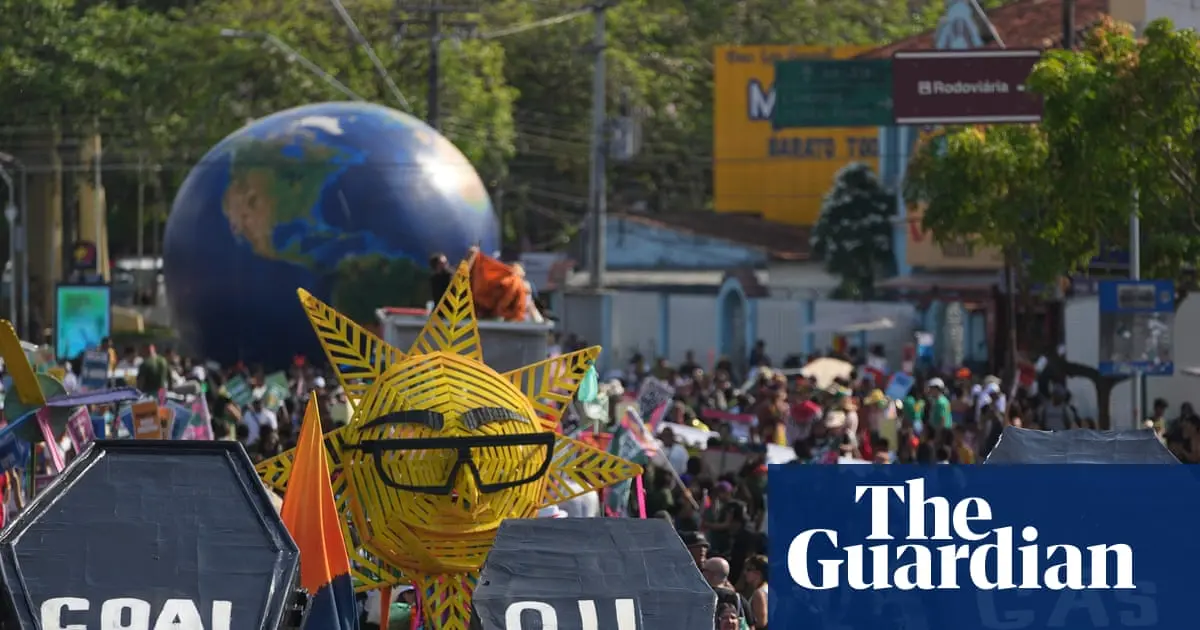
Cop 교착 상태에 대한 좌절감이 화석 연료 단계적 폐지에 관한 첫 글로벌 회담을 촉발하다
How frustration at Cop stalemates inspires first global talks on phasing out fossil fuels
The Guardian
· 🇬🇧 London, GB
Fiona Harvey and Jonathan Watts
EN
2026-04-24 20:42
Translated
'자발적 연합'이 콜롬비아에 모여 석유 국가들의 Cop 정상회담 차단을 우회하고 새로운 경로를 모색하려고 시도하다. 콜롬비아와 네덜란드가 공동 주최하는 세계 최초 화석 연료 단계적 폐지 컨퍼런스가 4월 24일부터 29일까지 콜롬비아 산타마르타에서 개최된다. 54개국과 다양한 지역 정부, 시민 사회 단체 및 학계를 포함한 '자발적 연합'이 저탄소 에너지로 세계에 전력을 공급할 새로운 길을 모색할 것이다.
세계 최초 화석 연료 단계적 폐지 컨퍼런스가 콜롬비아와 네덜란드 공동 주최로 4월 24일부터 29일까지 콜롬비아 산타마르타에서 개최된다. 54개국과 다양한 지역 정부, 시민 사회 단체 및 학계를 포함한 '자발적 연합'이 저탄소 에너지로 세계에 전력을 공급할 새로운 길을 모색할 것이다.
육지와 해상의 기온이 기록을 경신하고 있으며, 지구 온난화를 산업화 이전 수준보다 1.5도 이상으로 제한할 전망은 점점 더 희박해 보인다. 기후 혼란의 최악의 영향을 피할 수 있는 유일한 방법은 화석 연료에 제동을 걸고 지구 경제를 급속히 저탄소 기반으로 전환하는 것이라는 것이 널리 인정되고 있다.
그렇게 하는 데 필요한 기술 - 풍력 및 태양력, 전기 자동차, 가정 난방용 열펌프, 배터리 저장소 - 은 모두 이용 가능하며 점점 더 저렴해지고 있다. 하지만 화석 연료 경제의 관성과 석유, 가스 및 석탄 산업의 광대한 기득권이 이러한 전환에 저항하고 있다.
아니다. UN 기후변화 기본협약에 따라 실패한 소수 국가를 제외한 모든 국가는 1992년 이후 거의 매년 '당사자 회의'(Cop)를 열어 기후에 대해 논의해 왔다. 하지만 이 과정은 합의가 필요하기 때문에 석유 생산국들은 화석 연료의 역할에 대한 논의를 억압할 수 있었다. 2023년 두바이의 Cop28 컨퍼런스에서야 화석 연료가 Cop 결과에서 직접 다루어졌으며, 국가들은 '화석 연료에서의 전환'을 약속했지만 일정이나 청사진에 동의하지 않았다. 그 이후의 Cop들에서 그러한 틀을 마련하려는 시도는 좌절되었다.
콜롬비아는 지난해 이웃 브라질의 UN Cop30 기후 정상회담에서 분리 컨퍼런스를 개최할 의도를 발표했으며, 최종 성과에는 화석 연료 단계적 폐지에 대한 간접적 언급만 있었다. 석유 국가와 그들의 동맹국에 의해 방해받은 진전 부족에 좌절한 콜롬비아는 그러한 전환이 어떤 모습일지 논의하기 위해 '자발적 연합'을 구성할 것을 제안했다.
54개 정부가 등록되었으며, 대부분 장관이나 고위 관료를 파견하고 있으며, 전 세계 화석 연료 생산량의 약 5분의 1과 화석 연료 수요의 약 3분의 1을 나타낸다. 여기에는 EU 회원국, 영국, Cop31 정상회담의 공동 개최국인 터키와 호주, 그리고 수십 개의 개발 도상국이 포함되며, 그 중 많은 국가는 극단적인 날씨의 영향에 취약한 소국이다. 참석하는 주요 화석 연료 생산국에는 브라질, 멕시코, 나이지리아, 앙골라 및 캐나다가 포함된다.
중국, 인도, 미국, 러시아, 이란 및 일본을 포함한 세계 최대 온실가스 배출국 중 많은 국가들이 부재할 것이다. 콜롬비아 환경부 장관 이레네 벨레스 토레스는 가디언과의 인터뷰에서 그들의 부재는 문제가 아니라고 말했으며, 이 컨퍼런스는 새로운 경로를 추진하고자 하는 국가들을 모을 것이라고 했다. "아직 그 결정을 내리지 않은 국가들은 이것이 그들을 위한 공간이 아니다. 우리는 탁자에 보이콧자나 기후 부정론자를 두지 않을 것이다"라고 벨레스는 말했다.
이란의 전쟁과 호르무즈 해협의 폐쇄로 인해 유가가 급등했으며, 호르무즈 해협을 통해 전 세계 석유 및 액화 천연가스의 약 5분의 1이 지난다. 모든 국가가 충격을 받고 있다. 에너지, 식품, 비료 및 기타 산업 제품의 가격 상승은 소비자와 기업에게 문제가 되며, 빈곤 국가의 취약한 사람들이 기아에 빠지고 있다.
대조적으로 재생 가능 에너지 발전은 저렴하고 자체적인 대안을 제공하고 있으며, 일부 정부가 에너지 전환을 더욱 강력하게 추진하도록 촉발하고 있다. 기후 활동가 빌 맥키벤이 말했듯이, "햇빛은 9,300만 마일을 여행하여 지구에 도달하며 - 호르무즈 해협을 통해 가는 것은 없다."
화석 연료 생산국이 중심 무대에 오를 것이다. 콜롬비아의 대규모 석탄 및 석유 수출국인 콜롬비아의 전임 광물 장관이었던 벨레스는 "컨퍼런스의 첫 번째 [우선순위]는: 우리가 화석 연료 생산에 경제적으로 덜 의존할 수 있는 방법은 무엇인가이다"라고 말했다. 개발 도상국이 전환하기 위한 재정 및 채무 감면이 논의의 중요한 측면이 될 것이다. 화석 연료 수요도 다루어질 것이다.
정확히 말하면 아니다. 화석 연료에서의 전환을 위한 글로벌 로드맵은 Cop30에서 가장 핫한 주제 중 하나였으며, 그러한 틀에 대한 작업을 시작하기 위한 공식적인 결의는 없었지만, 개최국인 브라질은 국가들이 하나를 작성하는 것을 돕는 과정을 시작하기로 동의했다. 콜롬비아의 컨퍼런스는 그러한 노력을 도울 것이지만, 그들에 의존하지는 않는다.
국가들은 자신의 국가 로드맵을 작성할 것이며, 유명한 과학자 그룹 - 벨레스에 따르면 '록스타 학자' - 이 그들을 돕기 위한 보고서를 초안할 것이다.
콜롬비아의 컨퍼런스는 화석 연료에서의 전환을 현실로 만들기 위한 여러 겹치는 글로벌 노력 중 하나이다. 콜롬비아 및 네덜란드 개최국의 한 가지 과제는 이러한 노력이 서로 목적이 맞지 않는 것이 아닌 조화롭게 작동하도록 보장하는 것이다.
재생 가능 에너지는 태양광 및 풍력 에너지 부품의 급격한 가격 하락과 이란 전쟁과 석유 위기로 인한 국가 안보에 대한 우려로 인해 급속히 증가하고 있다. 지난해 전 세계 태양력 발전 생산량은 약 3분의 1 증가했으며, 화석 연료 발전량은 동결되었다고 싱크탱크 엠버가 말했다. 올해는 많은 국가에서 전기차와 태양 전지판에 대한 관심이 급증했다.
국제 지속 가능 개발 연구소의 선임 정책 고문인 나탈리 존스는 "정부들은 현재의 에너지 위기에 대응하는 데 있어 십자로에 서 있다: 화석 연료에 더 집중하고 미래의 가격 충격에 대한 취약성을 심화시키거나, 재생 가능 에너지, 효율성 및 전기화로의 전환을 가속화함으로써 실제로 구축할 수 있다"고 말했다.
실제 질문은 전환이 기후 위기의 최악의 피해를 피할 만큼 빠르게 일어날 수 있는가이다. 과학자들은 상승하는 기온이 대서양 자오선 순환계의 잠재적 붕괴와 같이 빠르게 돌이킬 수 없게 되는 장기적 변화를 초래하는 임계점을 이미 통과했을 수도 있다고 우려하고 있으며, 유럽에 따뜻한 날씨를 가져온다. 화석 연료 제거에 걸리는 시간이 길수록 위험이 커진다.
육지와 해상의 기온이 기록을 경신하고 있으며, 지구 온난화를 산업화 이전 수준보다 1.5도 이상으로 제한할 전망은 점점 더 희박해 보인다. 기후 혼란의 최악의 영향을 피할 수 있는 유일한 방법은 화석 연료에 제동을 걸고 지구 경제를 급속히 저탄소 기반으로 전환하는 것이라는 것이 널리 인정되고 있다.
그렇게 하는 데 필요한 기술 - 풍력 및 태양력, 전기 자동차, 가정 난방용 열펌프, 배터리 저장소 - 은 모두 이용 가능하며 점점 더 저렴해지고 있다. 하지만 화석 연료 경제의 관성과 석유, 가스 및 석탄 산업의 광대한 기득권이 이러한 전환에 저항하고 있다.
아니다. UN 기후변화 기본협약에 따라 실패한 소수 국가를 제외한 모든 국가는 1992년 이후 거의 매년 '당사자 회의'(Cop)를 열어 기후에 대해 논의해 왔다. 하지만 이 과정은 합의가 필요하기 때문에 석유 생산국들은 화석 연료의 역할에 대한 논의를 억압할 수 있었다. 2023년 두바이의 Cop28 컨퍼런스에서야 화석 연료가 Cop 결과에서 직접 다루어졌으며, 국가들은 '화석 연료에서의 전환'을 약속했지만 일정이나 청사진에 동의하지 않았다. 그 이후의 Cop들에서 그러한 틀을 마련하려는 시도는 좌절되었다.
콜롬비아는 지난해 이웃 브라질의 UN Cop30 기후 정상회담에서 분리 컨퍼런스를 개최할 의도를 발표했으며, 최종 성과에는 화석 연료 단계적 폐지에 대한 간접적 언급만 있었다. 석유 국가와 그들의 동맹국에 의해 방해받은 진전 부족에 좌절한 콜롬비아는 그러한 전환이 어떤 모습일지 논의하기 위해 '자발적 연합'을 구성할 것을 제안했다.
54개 정부가 등록되었으며, 대부분 장관이나 고위 관료를 파견하고 있으며, 전 세계 화석 연료 생산량의 약 5분의 1과 화석 연료 수요의 약 3분의 1을 나타낸다. 여기에는 EU 회원국, 영국, Cop31 정상회담의 공동 개최국인 터키와 호주, 그리고 수십 개의 개발 도상국이 포함되며, 그 중 많은 국가는 극단적인 날씨의 영향에 취약한 소국이다. 참석하는 주요 화석 연료 생산국에는 브라질, 멕시코, 나이지리아, 앙골라 및 캐나다가 포함된다.
중국, 인도, 미국, 러시아, 이란 및 일본을 포함한 세계 최대 온실가스 배출국 중 많은 국가들이 부재할 것이다. 콜롬비아 환경부 장관 이레네 벨레스 토레스는 가디언과의 인터뷰에서 그들의 부재는 문제가 아니라고 말했으며, 이 컨퍼런스는 새로운 경로를 추진하고자 하는 국가들을 모을 것이라고 했다. "아직 그 결정을 내리지 않은 국가들은 이것이 그들을 위한 공간이 아니다. 우리는 탁자에 보이콧자나 기후 부정론자를 두지 않을 것이다"라고 벨레스는 말했다.
이란의 전쟁과 호르무즈 해협의 폐쇄로 인해 유가가 급등했으며, 호르무즈 해협을 통해 전 세계 석유 및 액화 천연가스의 약 5분의 1이 지난다. 모든 국가가 충격을 받고 있다. 에너지, 식품, 비료 및 기타 산업 제품의 가격 상승은 소비자와 기업에게 문제가 되며, 빈곤 국가의 취약한 사람들이 기아에 빠지고 있다.
대조적으로 재생 가능 에너지 발전은 저렴하고 자체적인 대안을 제공하고 있으며, 일부 정부가 에너지 전환을 더욱 강력하게 추진하도록 촉발하고 있다. 기후 활동가 빌 맥키벤이 말했듯이, "햇빛은 9,300만 마일을 여행하여 지구에 도달하며 - 호르무즈 해협을 통해 가는 것은 없다."
화석 연료 생산국이 중심 무대에 오를 것이다. 콜롬비아의 대규모 석탄 및 석유 수출국인 콜롬비아의 전임 광물 장관이었던 벨레스는 "컨퍼런스의 첫 번째 [우선순위]는: 우리가 화석 연료 생산에 경제적으로 덜 의존할 수 있는 방법은 무엇인가이다"라고 말했다. 개발 도상국이 전환하기 위한 재정 및 채무 감면이 논의의 중요한 측면이 될 것이다. 화석 연료 수요도 다루어질 것이다.
정확히 말하면 아니다. 화석 연료에서의 전환을 위한 글로벌 로드맵은 Cop30에서 가장 핫한 주제 중 하나였으며, 그러한 틀에 대한 작업을 시작하기 위한 공식적인 결의는 없었지만, 개최국인 브라질은 국가들이 하나를 작성하는 것을 돕는 과정을 시작하기로 동의했다. 콜롬비아의 컨퍼런스는 그러한 노력을 도울 것이지만, 그들에 의존하지는 않는다.
국가들은 자신의 국가 로드맵을 작성할 것이며, 유명한 과학자 그룹 - 벨레스에 따르면 '록스타 학자' - 이 그들을 돕기 위한 보고서를 초안할 것이다.
콜롬비아의 컨퍼런스는 화석 연료에서의 전환을 현실로 만들기 위한 여러 겹치는 글로벌 노력 중 하나이다. 콜롬비아 및 네덜란드 개최국의 한 가지 과제는 이러한 노력이 서로 목적이 맞지 않는 것이 아닌 조화롭게 작동하도록 보장하는 것이다.
재생 가능 에너지는 태양광 및 풍력 에너지 부품의 급격한 가격 하락과 이란 전쟁과 석유 위기로 인한 국가 안보에 대한 우려로 인해 급속히 증가하고 있다. 지난해 전 세계 태양력 발전 생산량은 약 3분의 1 증가했으며, 화석 연료 발전량은 동결되었다고 싱크탱크 엠버가 말했다. 올해는 많은 국가에서 전기차와 태양 전지판에 대한 관심이 급증했다.
국제 지속 가능 개발 연구소의 선임 정책 고문인 나탈리 존스는 "정부들은 현재의 에너지 위기에 대응하는 데 있어 십자로에 서 있다: 화석 연료에 더 집중하고 미래의 가격 충격에 대한 취약성을 심화시키거나, 재생 가능 에너지, 효율성 및 전기화로의 전환을 가속화함으로써 실제로 구축할 수 있다"고 말했다.
실제 질문은 전환이 기후 위기의 최악의 피해를 피할 만큼 빠르게 일어날 수 있는가이다. 과학자들은 상승하는 기온이 대서양 자오선 순환계의 잠재적 붕괴와 같이 빠르게 돌이킬 수 없게 되는 장기적 변화를 초래하는 임계점을 이미 통과했을 수도 있다고 우려하고 있으며, 유럽에 따뜻한 날씨를 가져온다. 화석 연료 제거에 걸리는 시간이 길수록 위험이 커진다.
처리 완료
5,922 tokens · $0.0172
기사 수집 완료 · 21:00
매체 피드에서 기사 메타데이터 수집
헤드라인 번역 완료 · 21:12
제목/요약 한국어 번역 (fetch 시점 inline)
claude-haiku-4-5-20251001
477 tokens
$0.00130
3.3s
본문 추출 완료
6,295자 추출 완료
본문 한국어 번역 완료 · 21:12
2,974자 번역 완료
claude-haiku-4-5-20251001
5,445 tokens
$0.01587
34.3s
지정학적 엔티티 추출 완료 · 21:12
8개 엔티티 추출 완료
지정학적 맥락 & R-Scanner
R-Scanner · 평상
z=-0.14
일상적인 보도 수준 — 기준: Colombia
(🇨🇴 CO)
최근 6시간 2건
7일 평균 2.25건 / 6h
2개국 매체
2개 매체
본문에서 추출된 지명 (8)
Colombia
🇨🇴
Santa Marta
🇨🇴
Netherlands
🇳🇱
Dubai
🇦🇪
Brazil
🇧🇷
Turkey
🇹🇷
Australia
🇦🇺
Strait of Hormuz
🇮🇷
위치 지도
지도 로딩 중…
같은 주제의 다른 기사 (최근 7일)
‘Coalition of the willing’ gathers in Colombia to try to bypass petrostate blockages of Cop summits and chart fresh pathThe world’s first Transitioning Away from Fossil Fuels conference, co-hosted by Colombia and the Netherlands, takes place in Santa Marta, Colombia, from 24 to 29 April. A “coalition of the willing” – including 54 countries and various subnational governments, civil society groups and academics – will try to chart a new path to powering the world with low-carbon energy.
The world’s first Transitioning Away from Fossil Fuels conference, co-hosted by Colombia and the Netherlands, takes place in Santa Marta, Colombia, from 24 to 29 April. A “coalition of the willing” – including 54 countries and various subnational governments, civil society groups and academics – will try to chart a new path to powering the world with low-carbon energy.With temperatures at land and sea breaking records, the prospect of limiting global heating to 1.5C above preindustrial levels looks increasingly remote. It is widely accepted that the only way of avoiding the worst ravages of climate chaos is to slam the brakes on fossil fuels and shift the global economy urgently to a low-carbon footing.
The technologies needed to do that – wind and solar power, electric vehicles, heat pumps for home heating, battery storage – are all available and increasingly affordable. But the inertia of the fossil fuel economy, and the vast vested interests of the oil, gas and coal industries, are working against the shift.
No. Under the UN Framework Convention on Climate Change, all global governments, bar a few failed states, have met for a “conference of the parties” (Cop) almost every year since 1992 to discuss the climate. But that process requires consensus, so oil-producing countries have been able to stifle debate on the role of fossil fuels. It was only in 2023, at the Cop28 conference in Dubai, that fossil fuels were addressed directly in a Cop outcome – countries pledged to “transition away from fossil fuels”, but agreed no timetable or blueprint to do so. In the Cops since then, attempts to work on such a framework have foundered.
Colombia announced its intention to hold the breakaway conference last year, at the UN Cop30 climate summit in neighbouring Brazil, where the final outcome contained only an oblique reference to the phaseout of fossil fuels. Frustrated at the lack of progress, which was stymied by petrostates and their allies, Colombia proposed forging a “coalition of the willing” to discuss the detail of what such a transition would look like.
Fifty-four governments are registered, with most sending ministers or high-ranking officials, representing about a fifth of global fossil fuel production, and about a third of fossil fuel demand. They include EU member states, the UK, the co-hosts of the Cop31 summit Turkey and Australia, and dozens of developing countries, many of them small countries vulnerable to the effects of extreme weather. Major fossil fuel producers attending include Brazil, Mexico, Nigeria, Angola and Canada.
Many of the world’s biggest emitters of greenhouse gases will be absent, including China, India, the US, Russia, Iran and Japan. Irene Vélez Torres, Colombia’s environment minister, told the Guardian their absence was not a problem, as the conference would bring together countries that wanted to push for a new pathway. “Whatever nations have not yet taken that decision, then this is not the space for them. We are not going to have boycotters or climate denialists at the table,” Vélez said.
War in Iran and the closure of the strait of Hormuz, through which about a fifth of global oil and liquefied natural gas passes, have sent the oil price soaring, and all countries are feeling the shock. Rising prices for energy, food, fertiliser and other industrial products are a problem for consumers and businesses, while vulnerable people in poor countries are being pushed into hunger.
Renewable power generation, by contrast, offers a cheap and homegrown alternative, spurring some governments to push harder for an energy transition. As Bill McKibben, a climate campaigner, put it: “Sunlight travels 93m miles to reach the Earth – none of them through the strait of Hormuz.”
Fossil fuel producers will take centre stage. Vélez , one of whose previous jobs was minister of mines for Colombia, which is a big coal and oil exporter, said: “The first [priority for the conference] is: how can we be less economically dependent on the production of fossil fuels.” Finance for developing countries to switch, and debt relief, will be significant aspects of the discussion. Fossil fuel demand will also be addressed.
Not quite. A global roadmap for a transition away from fossil fuels was one of the hottest subjects at Cop30, and though there was no formal resolution to begin work on such a framework, the host country, Brazil, agreed to start the process of helping countries to draw one up. Colombia’s conference will help those efforts, but does not rely on them.
Countries will draw up their own national roadmaps, and a group of renowned scientists – “rock star academics”, according to Vélez – will draft a report to help them.
Colombia’s conference is one of several overlapping global efforts to make the transition from fossil fuels a reality. One task for the Colombian and Dutch hosts will be to ensure these efforts work in harmony, rather than at cross purposes.
Renewable energy is surging ahead because of sharp falls in the cost of solar and wind energy components, and fears over national security raised by the Iran war and oil crisis. Last year, solar power generation increased by about a third globally, while generation from fossil fuels remained flat, according to the thinktank Ember. This year there has been a flurry of interest in EVs and solar panels in many countries.
Natalie Jones, a senior policy adviser at the International Institute for Sustainable Development, said: “Governments are now at a crossroads in responding to the current energy crisis: they can either double down on fossil fuels and entrench their vulnerability to future price shocks or they can actually build their way out by accelerating their transition to renewables efficiency and electrification.”
The real question is whether the transition can happen fast enough to avert the worst ravages of the climate crisis. Scientists fear the world may already have passed tipping points, when rising temperatures cause long-term changes that quickly become irreversible, such as the potential collapse of the critical Atlantic current system, the Atlantic meridional overturning circulation, which brings warm weather to Europe. The longer it takes to get rid of fossil fuels, the greater the danger.