전쟁의 여파가 유럽의 정치적 스트레스에 경제적 고통을 더하다
Fallout of War Piles Economic Pain Onto Europe’s Political Stress
The New York Times
· 🇺🇸 New York, US
Patricia Cohen
EN
2026-04-11 13:00
Translated
유럽이 러시아, 중국, 미국과의 관계에서 소외되고 있으며, 이는 마치 고등학교 식당의 "평균 여학생들" 같은 상황이다.
만약 글로벌 지정학이 고등학교 식당에서 펼쳐진다면, 유럽은 "평균 여학생들" 같은 상황을 겪고 있을 것이다.
한때 찾던 친구이자 무역 파트너였던 유럽은 세계 강대국들로부터 소외되고 있다.
대륙의 오랜 석유 공급업체였던 러시아는 우크라이나 침공 이후 서방 이웃들을 상대로 돌아섰으며, 파괴 행위, 드론 비행, 사이버 공격으로 유럽을 괴롭히고 있다.
중요한 경쟁-협력 관계이자 유럽연합의 두 번째로 큰 물품 무역 파트너인 중국은 저가 물품으로 블록의 시장을 범람시켜 독일, 프랑스, 이탈리아 및 유럽의 나머지 지역의 산업을 약화시키고 있다. 또한 핵심 광물의 수출을 중단하거나 제한하여 유럽의 공급망을 방해하고 있다.
그리고 가장 가까운 우방인 미국은 반복적으로 결별을 위협하고 있다. 트럼프 대통령은 악의적인 무역전쟁을 시작했고, 그린란드에 대한 권력 장악을 시도했으며, 정부를 불안정하게 할 수 있는 극우 정당들을 지지했다.
심지어 비난도 심해졌다. 트럼프 대통령은 미국의 이란 전쟁 지원에 제한을 둔 독일, 영국, 프랑스 같은 대서양 동맹 회원들을 "겁쟁이"라고 맹비난했다. 또한 프랑스의 에마뉘엘 마크롱 대통령과 그의 아내를 모욕적으로 놀렸다.
평균 여학생들의 표현으로는 유럽을 뚱뚱하다고 부르는 것 같은 것이다.
이제 미국-이스라엘의 이란 전쟁은 유럽의 증가하는 경제 문제를 더욱 악화시켰고, 지역이 대처하고 경쟁하기를 더 어렵게 만들었다.
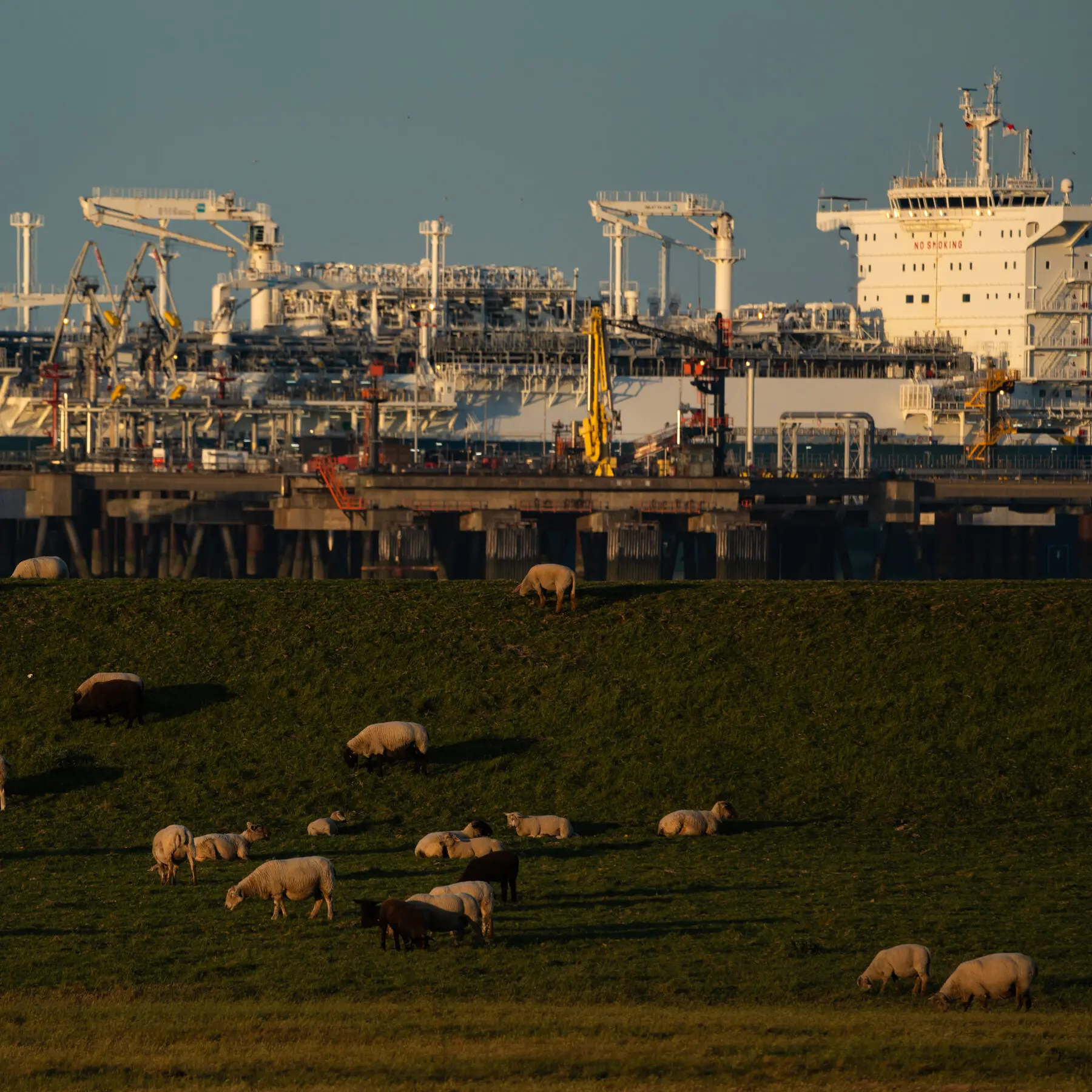
우선, 분쟁의 여파는 유럽을 또 다른 에너지 충격에 노출시켰다. 유럽인들은 파이프라인 러시아 석유와 가스에서 벗어나기 위한 극도로 고통스럽고 비용이 많이 드는 전환을 추진했으며, 액화천연가스(LNG) 공급에 훨씬 더 많이 의존하게 되었다.
대부분의 LNG는 미국에서 공급되며, 이는 유럽의 미국 공급에 대한 취약성을 강조한다. 동시에 페르시아만 공급 중단으로 인한 글로벌 가격 충격이 유럽에 큰 타격을 입혔다.
유럽의 가스 가격은 2월 28일 전쟁 시작 전보다 60% 높다. 영국과 이탈리아는 에너지 믹스에서 가스에 대한 높은 의존도로 인해 특히 영향을 받고 있다. 유럽 최대 경제국인 독일에서는 인플레이션이 이미 급증했으며, 판테온 마이크로이코노믹스의 예측 전문가들은 적어도 앞으로 몇 개월간 상승할 것으로 예상하고 있다.
더 비싼 에너지는 기업의 생산 비용을 높이고 자동차, 화학, 기계 같은 유럽의 에너지 집약적 산업의 생산 비용을 올린다.
이는 글로벌 경제에서의 축소되는 점유율로 특징지어진 유럽의 오랫동안의 경쟁력 위기에 더욱 기여한다. 27개 회원국 유럽연합의 집행부에 의해 의뢰된 2024년 보고서는 블록이 경쟁할 수 있으려면 인공지능, 공유 에너지 망, 슈퍼컴퓨팅 등에 거의 1조 달러를 투자해야 한다고 결론지었다.
투자의 필요성은 대부분의 유럽 국가들이 이미 직면하고 있는 압도적인 채무 부담을 고려할 때 최악의 시기에 나타난다.
더 이상 미국 안보 보장에 의존할 수 있다고 확신하지 않는 유럽 지도자들은 이미 국방 지출을 크게 증가시켰다. 북대서양조약기구(NATO)의 유럽 회원국들은 지난 10년간 군사 지출을 두 배로 늘렸다. 2030년까지 국방 장비 및 관련 인프라에 1조 달러 이상을 지출할 것으로 예상된다.
동시에 고령 인구에 대한 사회 서비스, 연금, 의료 비용의 증가하는 비용이 공공 예산을 더욱 압박하고 있다.
영국, 프랑스, 이탈리아 같은 국가에서 채무 수준이 이미 기록적 수준이므로, 차입 비용이 점점 더 비싸지고 있다.
공공 채무에 관해 저술한 캘리포니아 대학교 버클리 경제 역사가 배리 아이헨그린은 국가들이 거대한 채무 문제를 가장 효과적으로 처리한 경우는 강건한 성장이나 낮은 수준의 정치적 양극화를 가지고 있었다고 했다. 유럽은 둘 다 없다.
유럽중앙은행은 최근 회의에서 중동 전쟁으로 인한 갑작스러운 에너지 가격 상승으로 인해 올해 성장 예측을 1.2%에서 0.9%로 하향 조정했다.
국내 정치와 관련하여, 극우 반이민 정당들은 프랑스와 독일 같은 국가들에서 지난 10년간 지지도를 높이고 있으며, 최근까지만 해도 매우 극단주의적으로 간주되던 의제를 추진하고 있다.
최근 여론조사에 따르면 극우 독일선택당(AfD)은 집권 기독민주연합만큼 인기가 있는 것으로 나타났다.
중동의 폭력과 불안정은 새로운 난민 위기의 우려를 야기하며, 이는 반이민 감정을 증가시키고, 극우를 강화하며, 유권자들 사이의 분열을 더욱 심화시킬 가능성이 높다. 독일의 총리 프리드리히 메르츠는 다음과 같이 말했다: "우리는 이 지역에서 난민의 새로운 유입을 피하기 위해 우리 자신의 강한 이익을 가지고 있다."
극우 민족주의 정당들은 또한 유럽연합 자체에 대해 의심스러우며, 브뤼셀의 관료들에게 너무 많은 권력과 독립성을 양도하는 것에 의심한다. 그러나 많은 유럽 관료, 경제학자, 기업 지도자들 및 기타는 지역이 더욱 적대적인 세계에서 경제적, 정치적으로 자신의 입지를 유지할 수 있는 유일한 방법은 더욱 긴밀한 협력을 통해서라고 주장한다.
수십 년간 유럽의 안보와 번영은 미국의 군사 보호, 러시아의 저가 에너지, 국제 규칙에 기반한 상호 이익이 되는 무역에 달려 있었다. 그 글로벌 질서는 붕괴되었다.
유럽연합의 경쟁력 보고서를 감시한 전 이탈리아 총리 마리오 드래기는 최근 연설에서 유럽이 중국과 미국 정책에 대처하기 위한 조정된 조치를 취하지 않으면 "한 번에 종속, 분열, 탈산업화될 위험이 있다"고 경고했다.
드래기는 블록이 무역, 경제, 통화 정책에 더하여 국방, 산업 정책, 외교를 조율하는 더 강한 연합으로 변모해야 한다고까지 주장했다.
"개별적으로, 대부분의 EU 국가들은 이 새로운 질서를 탐색하여 연합을 형성할 수 있는 중견국 수준도 아니다"라고 그는 말했다. "권력은 유럽이 연방제에서 연방제로 이동해야 한다."
그러나 현재로서는, 유럽의 우선순위 불일치와 양극화된 정치가 조정된 정책 대응을 그 어느 때보다 어렵게 만들고 있다.
패트리샤 코헨은 런던을 기반으로 타임스를 위해 글로벌 경제를 집필한다.
한때 찾던 친구이자 무역 파트너였던 유럽은 세계 강대국들로부터 소외되고 있다.
대륙의 오랜 석유 공급업체였던 러시아는 우크라이나 침공 이후 서방 이웃들을 상대로 돌아섰으며, 파괴 행위, 드론 비행, 사이버 공격으로 유럽을 괴롭히고 있다.
중요한 경쟁-협력 관계이자 유럽연합의 두 번째로 큰 물품 무역 파트너인 중국은 저가 물품으로 블록의 시장을 범람시켜 독일, 프랑스, 이탈리아 및 유럽의 나머지 지역의 산업을 약화시키고 있다. 또한 핵심 광물의 수출을 중단하거나 제한하여 유럽의 공급망을 방해하고 있다.
그리고 가장 가까운 우방인 미국은 반복적으로 결별을 위협하고 있다. 트럼프 대통령은 악의적인 무역전쟁을 시작했고, 그린란드에 대한 권력 장악을 시도했으며, 정부를 불안정하게 할 수 있는 극우 정당들을 지지했다.
심지어 비난도 심해졌다. 트럼프 대통령은 미국의 이란 전쟁 지원에 제한을 둔 독일, 영국, 프랑스 같은 대서양 동맹 회원들을 "겁쟁이"라고 맹비난했다. 또한 프랑스의 에마뉘엘 마크롱 대통령과 그의 아내를 모욕적으로 놀렸다.
평균 여학생들의 표현으로는 유럽을 뚱뚱하다고 부르는 것 같은 것이다.
이제 미국-이스라엘의 이란 전쟁은 유럽의 증가하는 경제 문제를 더욱 악화시켰고, 지역이 대처하고 경쟁하기를 더 어렵게 만들었다.
우선, 분쟁의 여파는 유럽을 또 다른 에너지 충격에 노출시켰다. 유럽인들은 파이프라인 러시아 석유와 가스에서 벗어나기 위한 극도로 고통스럽고 비용이 많이 드는 전환을 추진했으며, 액화천연가스(LNG) 공급에 훨씬 더 많이 의존하게 되었다.
대부분의 LNG는 미국에서 공급되며, 이는 유럽의 미국 공급에 대한 취약성을 강조한다. 동시에 페르시아만 공급 중단으로 인한 글로벌 가격 충격이 유럽에 큰 타격을 입혔다.
유럽의 가스 가격은 2월 28일 전쟁 시작 전보다 60% 높다. 영국과 이탈리아는 에너지 믹스에서 가스에 대한 높은 의존도로 인해 특히 영향을 받고 있다. 유럽 최대 경제국인 독일에서는 인플레이션이 이미 급증했으며, 판테온 마이크로이코노믹스의 예측 전문가들은 적어도 앞으로 몇 개월간 상승할 것으로 예상하고 있다.
더 비싼 에너지는 기업의 생산 비용을 높이고 자동차, 화학, 기계 같은 유럽의 에너지 집약적 산업의 생산 비용을 올린다.
이는 글로벌 경제에서의 축소되는 점유율로 특징지어진 유럽의 오랫동안의 경쟁력 위기에 더욱 기여한다. 27개 회원국 유럽연합의 집행부에 의해 의뢰된 2024년 보고서는 블록이 경쟁할 수 있으려면 인공지능, 공유 에너지 망, 슈퍼컴퓨팅 등에 거의 1조 달러를 투자해야 한다고 결론지었다.
투자의 필요성은 대부분의 유럽 국가들이 이미 직면하고 있는 압도적인 채무 부담을 고려할 때 최악의 시기에 나타난다.
더 이상 미국 안보 보장에 의존할 수 있다고 확신하지 않는 유럽 지도자들은 이미 국방 지출을 크게 증가시켰다. 북대서양조약기구(NATO)의 유럽 회원국들은 지난 10년간 군사 지출을 두 배로 늘렸다. 2030년까지 국방 장비 및 관련 인프라에 1조 달러 이상을 지출할 것으로 예상된다.
동시에 고령 인구에 대한 사회 서비스, 연금, 의료 비용의 증가하는 비용이 공공 예산을 더욱 압박하고 있다.
영국, 프랑스, 이탈리아 같은 국가에서 채무 수준이 이미 기록적 수준이므로, 차입 비용이 점점 더 비싸지고 있다.
공공 채무에 관해 저술한 캘리포니아 대학교 버클리 경제 역사가 배리 아이헨그린은 국가들이 거대한 채무 문제를 가장 효과적으로 처리한 경우는 강건한 성장이나 낮은 수준의 정치적 양극화를 가지고 있었다고 했다. 유럽은 둘 다 없다.
유럽중앙은행은 최근 회의에서 중동 전쟁으로 인한 갑작스러운 에너지 가격 상승으로 인해 올해 성장 예측을 1.2%에서 0.9%로 하향 조정했다.
국내 정치와 관련하여, 극우 반이민 정당들은 프랑스와 독일 같은 국가들에서 지난 10년간 지지도를 높이고 있으며, 최근까지만 해도 매우 극단주의적으로 간주되던 의제를 추진하고 있다.
최근 여론조사에 따르면 극우 독일선택당(AfD)은 집권 기독민주연합만큼 인기가 있는 것으로 나타났다.
중동의 폭력과 불안정은 새로운 난민 위기의 우려를 야기하며, 이는 반이민 감정을 증가시키고, 극우를 강화하며, 유권자들 사이의 분열을 더욱 심화시킬 가능성이 높다. 독일의 총리 프리드리히 메르츠는 다음과 같이 말했다: "우리는 이 지역에서 난민의 새로운 유입을 피하기 위해 우리 자신의 강한 이익을 가지고 있다."
극우 민족주의 정당들은 또한 유럽연합 자체에 대해 의심스러우며, 브뤼셀의 관료들에게 너무 많은 권력과 독립성을 양도하는 것에 의심한다. 그러나 많은 유럽 관료, 경제학자, 기업 지도자들 및 기타는 지역이 더욱 적대적인 세계에서 경제적, 정치적으로 자신의 입지를 유지할 수 있는 유일한 방법은 더욱 긴밀한 협력을 통해서라고 주장한다.
수십 년간 유럽의 안보와 번영은 미국의 군사 보호, 러시아의 저가 에너지, 국제 규칙에 기반한 상호 이익이 되는 무역에 달려 있었다. 그 글로벌 질서는 붕괴되었다.
유럽연합의 경쟁력 보고서를 감시한 전 이탈리아 총리 마리오 드래기는 최근 연설에서 유럽이 중국과 미국 정책에 대처하기 위한 조정된 조치를 취하지 않으면 "한 번에 종속, 분열, 탈산업화될 위험이 있다"고 경고했다.
드래기는 블록이 무역, 경제, 통화 정책에 더하여 국방, 산업 정책, 외교를 조율하는 더 강한 연합으로 변모해야 한다고까지 주장했다.
"개별적으로, 대부분의 EU 국가들은 이 새로운 질서를 탐색하여 연합을 형성할 수 있는 중견국 수준도 아니다"라고 그는 말했다. "권력은 유럽이 연방제에서 연방제로 이동해야 한다."
그러나 현재로서는, 유럽의 우선순위 불일치와 양극화된 정치가 조정된 정책 대응을 그 어느 때보다 어렵게 만들고 있다.
패트리샤 코헨은 런던을 기반으로 타임스를 위해 글로벌 경제를 집필한다.
처리 완료
5,350 tokens · $0.0155
기사 수집 완료 · 13:15
매체 피드에서 기사 메타데이터 수집
헤드라인 번역 완료 · 13:26
제목/요약 한국어 번역 (fetch 시점 inline)
claude-haiku-4-5-20251001
216 tokens
$0.00054
2.3s
본문 추출 완료
6,399자 추출 완료
본문 한국어 번역 완료 · 13:26
2,932자 번역 완료
claude-haiku-4-5-20251001
5,134 tokens
$0.01496
34.4s
지정학적 엔티티 추출 완료 · 13:26
16개 엔티티 추출 완료
지정학적 맥락 & R-Scanner
R-Scanner · 평상
z=-1.05
일상적인 보도 수준 — 기준: Europe
(🇪🇺 EU)
최근 6시간 5건
7일 평균 8.18건 / 6h
5개국 매체
5개 매체
본문에서 추출된 지명 (16)
Europe
🇪🇺
Russia
🇷🇺
China
🇨🇳
United States
🇺🇸
Europe
🇪🇺
Ukraine
🇺🇦
Germany
🇩🇪
France
🇫🇷
Britain
🇬🇧
Ukraine
🇺🇦
Russia
🇷🇺
Germany
🇩🇪
France
🇫🇷
Italy
🇮🇹
China
🇨🇳
Greenland
🇬🇱
위치 지도
지도 로딩 중…
같은 주제의 다른 기사 (최근 7일)
Europe is finding itself on the outs with Russia, China and the U.S., in what’s amounting to its very own “Mean Girls” moment.
If global geopolitics were played out in a high school cafeteria, Europe would be having a “Mean Girls” moment.Once a sought-after friend and trading partner, Europe is finding itself on the outs with the world’s big powers.
Russia, the continent’s longtime supplier of oil, turned on its Western neighbors after invading Ukraine and has been provoking Europe with sabotage, drone flights and cyberattacks.
China, an important frenemy and the European Union’s second-largest trading partner for goods, has flooded the bloc’s markets with cheap goods, undermining industries in Germany, France, Italy and the rest of Europe. It has also halted or restricted the export of critical minerals, disrupting the European supply chain.
And the United States, its closest BFF, is repeatedly threatening to break up. President Trump launched a nasty trade war, made a power grab for Greenland and supported far-right parties that could destabilize governments.
Even the name calling has ramped up. Mr. Trump has slammed members of the Atlantic alliance like Germany, Britain and France as “cowards” after they put limits on aiding the American war on Iran. And he crudely mocked President Emmanuel Macron of France and his wife.
In Mean Girls-speak, it’s like calling Europe fat.
Now, the U.S.-Israeli war on Iran has further contributed to Europe’s growing slate of economic problems and made it more difficult for the region to both cope and compete.
For starters, the fallout from the conflict has exposed Europe to another energy shock. Europeans engineered an extremely painful and expensive transition away from piped Russian oil and gas, relying much more on deliveries of liquefied natural gas, or L.N.G.
Most of that L.N.G. comes from the United States, underscoring Europe’s vulnerability to American supplies. At the same time, the global price shock from the interruption of supplies from the Persian Gulf has hit Europe hard.
Gas prices in Europe are 60 percent higher than they were before the war’s start on Feb. 28. Britain and Italy are particularly affected because of their heavy reliance on gas in their energy mix. In Germany, Europe’s largest economy, inflation has already spiked and is expected to rise for at least the next couple of months, forecasters at Pantheon Microeconomics predicted.
Pricier energy also raises production costs for businesses and Europe’s energy-heavy powerhouse industries like automobiles, chemicals and machinery.
And that further contributes to Europe’s longstanding competitiveness crisis, which has been marked by its shrinking share of the global economy. A 2024 report commissioned by the executive arms of the 27-member European Union concluded — among other things — that the bloc must invest nearly $1 trillion in artificial intelligence, a shared energy grid, supercomputing and more if it is to compete.
The need for investment comes at the worst possible moment given the crushing debt load that most European countries are already facing.
European leaders, no longer confident that they can depend on American security guarantees, have already ramped up defense spending. The European members of the North Atlantic Treaty Organization have doubled military spending over the past decade. By 2030, they are slated to spend more than $1 trillion on defense equipment and related infrastructure.
At the same time, growing costs of providing social services, pensions and health care to aging populations are further squeezing public budgets.
With debt levels already at record levels in countries like Britain, France and Italy, borrowing costs are becoming more and more expensive.
Barry Eichengreen, an economic historian at the University of California, Berkeley, who has written about public debt, said research showed that countries that dealt most effectively with a giant debt problem either had robust growth or low levels of political polarization. Europe has neither.
At its most recent meeting, the European Central Bank revised its growth projections for this year down to 0.9 percent from 1.2 percent because of the sudden rise in energy prices provoked by the war in the Middle East.
As for domestic politics, far-right, anti-immigrant parties have been gaining ground over the last decade in countries like France and Germany, promoting agendas that only recently were considered frighteningly extremist.
Recent polls found that the far-right Alternative for Germany, or AfD, was nearly as popular as the ruling Christian Democratic Union.
The violence and volatility in the Middle East raise the specter of a new refugee crisis, which is likely to increase anti-immigrant sentiment, boost the far right and further sharpen divisions among voters. Friedrich Merz, the chancellor of Germany, has said: “We have a strong interest ourselves in avoiding new influxes of refugees from the region.”
Far-right nationalist parties also tend to be wary of the European Union itself, suspicious of ceding too much power and independence to officials in Brussels. Yet many European officials, economists, business leaders and others argue that the only way for the region to hold its own economically and politically in a more hostile world is by even closer cooperation.
For decades, European security and prosperity rested on military protection from the United States, cheap energy from Russia and mutually beneficial trade based on international rules. That global order has crumbled.
Mario Draghi, the former Italian prime minister who oversaw the European Union’s competitiveness report, recently warned in a speech that Europe “risks becoming subordinated, divided and deindustrialized — at once,” if it doesn’t take coordinated steps to deal with Chinese and American policies.
Mr. Draghi has gone so far as to call for the bloc to transform into a stronger union that coordinates defense, industrial policy and foreign affairs in addition to trade, economic and monetary policies.
“Individually, most E.U. countries are not even middle powers capable of navigating this new order by forming coalitions,” he said. “Power requires Europe to move from confederation to federation.”
At the moment, though, diverging priorities and polarizing politics in Europe are making coordinated policy responses more difficult than ever.
Patricia Cohen writes about global economics for The Times and is based in London.