에프스타인 피해자들의 정의 추구, 새로운 무대 찾다: 뉴욕 올버니
Epstein Victims’ Pursuit of Justice Finds a New Venue: Albany, N.Y.
The New York Times
· 🇺🇸 New York, US
Benjamin Oreskes
EN
2026-05-01 01:52
Translated
제프리 에프스타인의 두 명의 피해자들이 다음 주 주 의사당에서 그의 유산에 대한 징벌적 손해배상을 청구할 수 있도록 하는 법안을 지지하기 위해 증언할 예정이다.
제프리 에프스타인의 사망 이후 6년 이상이 지난 지금, 정의 추구 및 금전적 손해배상 청구가 뉴욕 주 의사당으로 향하고 있다.
에프스타인을 성적 비위로 고소한 두 여성이 다음 주 올버니에 나타나 자신들이 경험한 공포와 금융가의 학대가 오랫동안 계속되도록 허용한 시스템에 대해 설명할 것으로 예상된다. 그들의 증언은 주의 성매매 법률을 수정하여 에프스타인이 고소받은 종류의 범죄를 더 잘 설명하는 법안에 대한 청문회에서 이루어질 것이다.
제안된 입법은 에프스타인의 피해자들이 그의 유산과 그와 함께 일한 사람들을 상대로 주 소송에서 징벌적 손해배상을 청구할 수 있도록 할 것이다. 또한 성매매를 지속하도록 돕고 에프스타인 같은 사람들이 설립한 계획으로부터 이익을 얻는 사람들의 행동을 범죄화할 것이다.
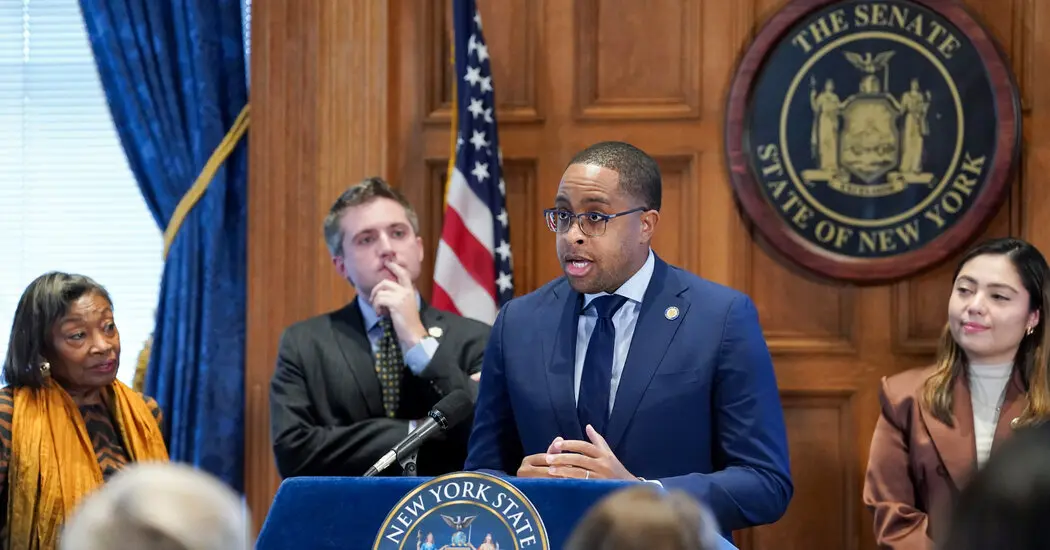
"학대자가 죽을 때, 그 영향은 죽지 않습니다"라고 브루클린 출신의 민주당 상원의원 첼노르 마이리는 이 법안을 발의하며 말했다. "그 효과는 죽지 않으며, 피해자와 생존자들은 - 특히 에프스타인 사건에서이지만 더 광범위하게 - 뉴욕 주민들이 그들이 회복할 것으로 기대하는 방식으로 유산으로부터 회복할 수 없습니다."
주 법률은 사망한 사람의 유산에서 징벌적 손해배상을 청구하는 것을 금지하고 있으며, 이는 피고소인이 처벌받거나 향후 범죄로부터 억지될 수 없다는 이론에 기반한다고 마이리는 말했다. 뉴욕 타임스는 2월에 최근 법원 제출 서류가 에프스타인의 유산이 1억 2천만 달러로 평가되었다고 보도했으나, 이 추정치는 과소평가될 수 있다.
제안된 입법은 또한 피해자들이 소멸 시효 외에 있는 행동에 대해 소송할 수 있는 1년의 회고 기간을 만들 것이다. 이런 방식으로, 그것은 2022년에 뉴욕에서 소멸 시효가 만료된 후 성적 학대 소송을 제출할 수 있도록 하는 일회성 창을 열었던 성인 생존자 법과 유사하다. 그 결과 전 뉴욕 시장 에릭 애덤스 및 음악 재벌 숀 콤스와 같은 저명 인사들을 상대로 한 소송을 포함하여 3,000건 이상의 민사 소송이 제기되었다.
상원 법규 위원회 의장으로서 마이리는 다음 월요일에 에프스타인을 성적 비위로 고소한 두 여성 - 카린 실바 데 데우스와 라라 블루메 맥기 - 로부터 증언을 받을 계획이다. 전국적으로 이러한 종류의 입법 변화를 추진해온 변호사 캐서린 롭도 출석할 것으로 예상된다.
아칸소 주 리틀락에 본부를 둔 비영리 단체 행정가인 블루메 맥기는 작년 말에 기슬레인 맥스웰에 의해 길들여지고 그 후 에프스타인에 의해 학대받은 것에 대해 공개적으로 말하기 시작했다. 그녀는 맥스웰에 의해 에프스타인의 집으로 가져갔을 때 뉴욕시의 지망 모델이었다고 말했다.
"두 번째로 그를 만났을 때가 학대가 시작된 때입니다"라고 그녀는 말했다.
데 데우스는 17세일 때 마사지사로 일하고 있었을 때 에프스타인에게 학대받았다고 말했다. 그녀가 경험한 트라우마를 이해하고 정의를 추구할 수 있게 되는 데 수년이 걸렸다고 그녀는 말했다.
"여전히 말하기가 매우 어렵지만, 시작하고 있습니다"라고 그녀는 인터뷰에서 말했다.
현재 42세인 데 데우스는 작년에 뉴욕시 의회에서 도시의 성별 기반 폭력법에 따른 소송을 제출할 수 있도록 18개월의 회고 창을 만들 법안에 대한 청문회에 증언했을 때 자신의 고통에 대해 침묵을 깼다.
"어렸을 때, 저는 제프리 에프스타인에게 성적으로 학대받았습니다"라고 그녀는 그 청문회에서 말했다. "저는 전에 나올 수 없었습니다. 준비가 되어 있지 않았습니다. 인식과 용기는 시간이 걸립니다."
의회가 법안을 통과한 후, 데 데우스는 에프스타인의 유산 집행자들을 상대로 소송을 제기했다. 유산을 대리하는 변호사들은 법원 서류에서 오직 주만이 그러한 법령을 이행할 수 있다고 주장했다.
시의회의 2022년 구 사건에 대한 그러한 창을 만들기 위한 첫 번째 노력은 판사에 의해 기각되었다. 데 데우스의 변호사인 조던 머슨은 마이리가 추구하는 입법 변화가 자신의 의뢰인과 다른 사람들이 정의를 얻기가 더 쉽도록 할 것이라고 말했다.
"에프스타인 유산과 그의 협력자들이 소멸 시효 법률 주변의 주장 뒤에 숨어서 생존자들이 앞으로 나오는 데 오랜 시간이 걸린다는 사실로부터 이익을 얻는 것은 맞지 않습니다"라고 그는 말했다.
에프스타인 유산의 변호사들은 의견을 요청하는 여러 이메일에 응하지 않았다.
아직까지 하원에 일치하는 법안이 없지만, 마이리는 하나가 있을 것이라고 확신한다. 그는 월요일의 증언이 학대자의 행동을 가능하게 하고 은폐하는 광범위한 사람과 회사 네트워크가 종종 있음을 보여줄 수 있기를 바란다.
마이리는 이 법안과 여성들이 주 의사당에 출석한 것이 일부 공화당원들의 지지를 받고 있다고 말했다 - 민주당원이 의회와 상원 모두에서 큰 다수당을 차지하는 올버니에서는 드문 초당적 협력의 신호이다.
이 협력은 공화당 의원 소수가 민주당원들이 에프스타인 파일의 공개를 가속화하도록 도움을 준 연방 차원에서 일어난 것과 유사하다. 그들의 지지가 너무 견고해서 트럼프 대통령은 파일 배포에 대한 우려를 버리고 작년 가을에 문서를 공개하기 위한 법안에 서명했다.
"전직 검사로서, 저는 이러한 사건으로 인해 이 피해자들이 겪는 감정과 지속적인 고문이 제 동료들에게 조금은 잘못 알려져 있다고 생각합니다"라고 법규 위원회의 순위 기준인 롱아일랜드 출신의 공화당 주 상원의원 앤서니 팔룸보가 말했다.
"따라서 피해자들의 목소리를 주 의사당에서 크게, 명확하게 그리고 공개적으로 들을 수 있는 모든 기회에 저는 찬성합니다"라고 그는 덧붙였다.
컬럼비아 대학 법학대학원 교수인 다니엘 C. 리치만은 제안된 입법이 성매매에 관한 연방 법률을 바탕으로 하며 성적 학대와 관련된 위법행위에 대해 소송을 제기할 수 있는 사람의 범위를 확대한다고 말했다.
"범죄 행위에 대해 누군가를 고소하는 아이디어는 수 년 동안 책에 있었던 것입니다"라고 그는 말했다. "여기서의 확대는 다른 사람들을 쫓는 것입니다."
영향력 있는 뉴욕주 민사 변호사 협회의 변호사이자 회장인 앤드류 핑켈스타인은 에프스타인 같은 사람이 "생전에 책임이 있었을 무엇이든 그의 유산은 사망 후 책임이 있다"고 하기 때문에 이러한 변화가 타당하다고 말했다. 하지만 그는 징벌적 손해배상 회수에는 변하지 않아야 할 높은 증거 기준을 충족하도록 요구된다고 경고했다.
"피고인들은 여전히 그의 행동이 고의적이었으며, 무분별하고, 무모하고, 악의적이었으며, 악의적인 동기이거나 다른 사람의 권리에 대한 무의식적인 무시였음을 보여야 합니다"라고 그는 말했다. "뉴욕에서, 징벌적 손해배상은 예외적인 경우에만 이용 가능합니다."
벤자민 오레스케스는 뉴욕 타임스를 위한 뉴욕주 정치 및 정부를 다루는 기자이다.
에프스타인을 성적 비위로 고소한 두 여성이 다음 주 올버니에 나타나 자신들이 경험한 공포와 금융가의 학대가 오랫동안 계속되도록 허용한 시스템에 대해 설명할 것으로 예상된다. 그들의 증언은 주의 성매매 법률을 수정하여 에프스타인이 고소받은 종류의 범죄를 더 잘 설명하는 법안에 대한 청문회에서 이루어질 것이다.
제안된 입법은 에프스타인의 피해자들이 그의 유산과 그와 함께 일한 사람들을 상대로 주 소송에서 징벌적 손해배상을 청구할 수 있도록 할 것이다. 또한 성매매를 지속하도록 돕고 에프스타인 같은 사람들이 설립한 계획으로부터 이익을 얻는 사람들의 행동을 범죄화할 것이다.
"학대자가 죽을 때, 그 영향은 죽지 않습니다"라고 브루클린 출신의 민주당 상원의원 첼노르 마이리는 이 법안을 발의하며 말했다. "그 효과는 죽지 않으며, 피해자와 생존자들은 - 특히 에프스타인 사건에서이지만 더 광범위하게 - 뉴욕 주민들이 그들이 회복할 것으로 기대하는 방식으로 유산으로부터 회복할 수 없습니다."
주 법률은 사망한 사람의 유산에서 징벌적 손해배상을 청구하는 것을 금지하고 있으며, 이는 피고소인이 처벌받거나 향후 범죄로부터 억지될 수 없다는 이론에 기반한다고 마이리는 말했다. 뉴욕 타임스는 2월에 최근 법원 제출 서류가 에프스타인의 유산이 1억 2천만 달러로 평가되었다고 보도했으나, 이 추정치는 과소평가될 수 있다.
제안된 입법은 또한 피해자들이 소멸 시효 외에 있는 행동에 대해 소송할 수 있는 1년의 회고 기간을 만들 것이다. 이런 방식으로, 그것은 2022년에 뉴욕에서 소멸 시효가 만료된 후 성적 학대 소송을 제출할 수 있도록 하는 일회성 창을 열었던 성인 생존자 법과 유사하다. 그 결과 전 뉴욕 시장 에릭 애덤스 및 음악 재벌 숀 콤스와 같은 저명 인사들을 상대로 한 소송을 포함하여 3,000건 이상의 민사 소송이 제기되었다.
상원 법규 위원회 의장으로서 마이리는 다음 월요일에 에프스타인을 성적 비위로 고소한 두 여성 - 카린 실바 데 데우스와 라라 블루메 맥기 - 로부터 증언을 받을 계획이다. 전국적으로 이러한 종류의 입법 변화를 추진해온 변호사 캐서린 롭도 출석할 것으로 예상된다.
아칸소 주 리틀락에 본부를 둔 비영리 단체 행정가인 블루메 맥기는 작년 말에 기슬레인 맥스웰에 의해 길들여지고 그 후 에프스타인에 의해 학대받은 것에 대해 공개적으로 말하기 시작했다. 그녀는 맥스웰에 의해 에프스타인의 집으로 가져갔을 때 뉴욕시의 지망 모델이었다고 말했다.
"두 번째로 그를 만났을 때가 학대가 시작된 때입니다"라고 그녀는 말했다.
데 데우스는 17세일 때 마사지사로 일하고 있었을 때 에프스타인에게 학대받았다고 말했다. 그녀가 경험한 트라우마를 이해하고 정의를 추구할 수 있게 되는 데 수년이 걸렸다고 그녀는 말했다.
"여전히 말하기가 매우 어렵지만, 시작하고 있습니다"라고 그녀는 인터뷰에서 말했다.
현재 42세인 데 데우스는 작년에 뉴욕시 의회에서 도시의 성별 기반 폭력법에 따른 소송을 제출할 수 있도록 18개월의 회고 창을 만들 법안에 대한 청문회에 증언했을 때 자신의 고통에 대해 침묵을 깼다.
"어렸을 때, 저는 제프리 에프스타인에게 성적으로 학대받았습니다"라고 그녀는 그 청문회에서 말했다. "저는 전에 나올 수 없었습니다. 준비가 되어 있지 않았습니다. 인식과 용기는 시간이 걸립니다."
의회가 법안을 통과한 후, 데 데우스는 에프스타인의 유산 집행자들을 상대로 소송을 제기했다. 유산을 대리하는 변호사들은 법원 서류에서 오직 주만이 그러한 법령을 이행할 수 있다고 주장했다.
시의회의 2022년 구 사건에 대한 그러한 창을 만들기 위한 첫 번째 노력은 판사에 의해 기각되었다. 데 데우스의 변호사인 조던 머슨은 마이리가 추구하는 입법 변화가 자신의 의뢰인과 다른 사람들이 정의를 얻기가 더 쉽도록 할 것이라고 말했다.
"에프스타인 유산과 그의 협력자들이 소멸 시효 법률 주변의 주장 뒤에 숨어서 생존자들이 앞으로 나오는 데 오랜 시간이 걸린다는 사실로부터 이익을 얻는 것은 맞지 않습니다"라고 그는 말했다.
에프스타인 유산의 변호사들은 의견을 요청하는 여러 이메일에 응하지 않았다.
아직까지 하원에 일치하는 법안이 없지만, 마이리는 하나가 있을 것이라고 확신한다. 그는 월요일의 증언이 학대자의 행동을 가능하게 하고 은폐하는 광범위한 사람과 회사 네트워크가 종종 있음을 보여줄 수 있기를 바란다.
마이리는 이 법안과 여성들이 주 의사당에 출석한 것이 일부 공화당원들의 지지를 받고 있다고 말했다 - 민주당원이 의회와 상원 모두에서 큰 다수당을 차지하는 올버니에서는 드문 초당적 협력의 신호이다.
이 협력은 공화당 의원 소수가 민주당원들이 에프스타인 파일의 공개를 가속화하도록 도움을 준 연방 차원에서 일어난 것과 유사하다. 그들의 지지가 너무 견고해서 트럼프 대통령은 파일 배포에 대한 우려를 버리고 작년 가을에 문서를 공개하기 위한 법안에 서명했다.
"전직 검사로서, 저는 이러한 사건으로 인해 이 피해자들이 겪는 감정과 지속적인 고문이 제 동료들에게 조금은 잘못 알려져 있다고 생각합니다"라고 법규 위원회의 순위 기준인 롱아일랜드 출신의 공화당 주 상원의원 앤서니 팔룸보가 말했다.
"따라서 피해자들의 목소리를 주 의사당에서 크게, 명확하게 그리고 공개적으로 들을 수 있는 모든 기회에 저는 찬성합니다"라고 그는 덧붙였다.
컬럼비아 대학 법학대학원 교수인 다니엘 C. 리치만은 제안된 입법이 성매매에 관한 연방 법률을 바탕으로 하며 성적 학대와 관련된 위법행위에 대해 소송을 제기할 수 있는 사람의 범위를 확대한다고 말했다.
"범죄 행위에 대해 누군가를 고소하는 아이디어는 수 년 동안 책에 있었던 것입니다"라고 그는 말했다. "여기서의 확대는 다른 사람들을 쫓는 것입니다."
영향력 있는 뉴욕주 민사 변호사 협회의 변호사이자 회장인 앤드류 핑켈스타인은 에프스타인 같은 사람이 "생전에 책임이 있었을 무엇이든 그의 유산은 사망 후 책임이 있다"고 하기 때문에 이러한 변화가 타당하다고 말했다. 하지만 그는 징벌적 손해배상 회수에는 변하지 않아야 할 높은 증거 기준을 충족하도록 요구된다고 경고했다.
"피고인들은 여전히 그의 행동이 고의적이었으며, 무분별하고, 무모하고, 악의적이었으며, 악의적인 동기이거나 다른 사람의 권리에 대한 무의식적인 무시였음을 보여야 합니다"라고 그는 말했다. "뉴욕에서, 징벌적 손해배상은 예외적인 경우에만 이용 가능합니다."
벤자민 오레스케스는 뉴욕 타임스를 위한 뉴욕주 정치 및 정부를 다루는 기자이다.
처리 완료
5,933 tokens · $0.0171
기사 수집 완료 · 03:20
매체 피드에서 기사 메타데이터 수집
헤드라인 번역 완료 · 03:36
제목/요약 한국어 번역 (fetch 시점 inline)
claude-haiku-4-5-20251001
247 tokens
$0.00064
2.5s
본문 추출 완료
6,667자 추출 완료
본문 한국어 번역 완료 · 03:36
3,271자 번역 완료
claude-haiku-4-5-20251001
5,686 tokens
$0.01649
38.2s
지정학적 엔티티 추출 완료 · 03:36
8개 엔티티 추출 완료
지정학적 맥락 & R-Scanner
R-Scanner · 핫스팟
z=3.05
평소보다 훨씬 많은 매체가 집중 보도 중 — 기준: Albany
(🇺🇸 US)
최근 6시간 56건
7일 평균 37.14건 / 6h
7개국 매체
10개 매체
본문에서 추출된 지명 (8)
Albany
🇺🇸
New York
🇺🇸
Brooklyn
🇺🇸
Little Rock
🇺🇸
Arkansas
🇺🇸
Long Island
🇧🇸
New York City
🇺🇸
United States
🇺🇸
위치 지도
지도 로딩 중…
같은 주제의 다른 기사 (최근 7일)
Two victims of Jeffrey Epstein will testify at the State Capitol next week in support of a bill that would enable them to seek punitive damages from his estate.
More than a half-decade after Jeffrey Epstein’s death, the pursuit of justice — and of financial damages — has found its way to the New York State Capitol.Two women who have accused Mr. Epstein of sexual misconduct are expected to appear in Albany next week to describe the horrors they experienced and the system that allowed the financier’s abuse to continue for so long. Their testimony will come at a hearing for a bill that seeks to alter the state’s sex-trafficking laws to better account for the kinds of crimes that Mr. Epstein was accused of.
The proposed legislation would make it possible for victims of Mr. Epstein to seek punitive damages in state lawsuits against his estate and the people who worked with him. It would also criminalize the actions of people who help perpetuate sex trafficking and benefit from schemes set up by people like Mr. Epstein.
“When the abuser dies, the impact does not die,” said Senator Zellnor Myrie, a Democrat from Brooklyn who introduced the bill. “The effects do not die, and, for victims and survivors — notably in the Epstein cases but more broadly — they cannot recover from the estate in a way that I think New Yorkers would expect for them to recover.”
State law prevents people from seeking punitive damages from the estate of someone who has died, on the theory that the accused cannot be punished or deterred from future crimes, Mr. Myrie said. The New York Times reported in February that a recent court filing showed that Mr. Epstein’s estate was valued at $120 million, though the estimate might be an undercount.
The proposed legislation would also create a one-year look-back period for victims to sue for behavior that falls outside the statute of limitations. In this manner, it resembles the Adult Survivors Act, which in 2022 opened a one-time window in New York permitting people to file sex-abuse lawsuits after the statute of limitations had expired. The result was more than 3,000 civil suits, including many against prominent figures such as Eric Adams, the former mayor of New York, and Sean Combs, the producer and music mogul.
In his capacity as chairman of the Senate’s Codes Committee, Mr. Myrie plans to take testimony next Monday from the two women — Carine Silva De Deus and Lara Blume McGee — who have accused Mr. Epstein of sexual misconduct. Kathryn Robb, a lawyer who has been pushing for these sorts of legislative changes across the country, is also expected to appear.
Ms. Blume McGee, a nonprofit executive based in Little Rock, Ark., began speaking out publicly late last year about being groomed by Ghislaine Maxwell and subsequently abused by Mr. Epstein. She said she was an aspiring model in New York City when she was brought to Mr. Epstein's home by Ms. Maxwell.
“The second time I met him is when the abuse started,” she said.
Ms. De Deus said she was 17 and working as a masseuse when Mr. Epstein abused her. It has taken her years to understand the trauma she experienced and to be able to seek justice, she said.
“It is still very hard to talk about, but I’m starting,” she said in an interview.
Ms. De Deus, now 42, broke her silence about her ordeal last year, when she testified before the New York City Council at a hearing for a bill that would create an 18-month look-back window to allow lawsuits to be filed under the city’s Gender-Motivated Violence Act.
“When I was a child, I was sexually abused by Jeffrey Epstein,” she said at that hearing. “I could not come forward before. I wasn’t ready. Awareness and courage take time.”
After the Council passed the bill, Ms. De Deus sued the executors of Mr. Epstein’s estate. Lawyers representing the estate have argued in court papers that only the state could implement such a statute.
The City Council’s first effort to create such a window for old cases in 2022 was struck down by a judge. Jordan Merson, Ms. De Deus’s lawyer, said the legislative changes Mr. Myrie is seeking would make it easier for his client and others to obtain justice.
“It is not right that the Epstein estate and his enablers hide behind arguments around the statute of limitations of laws and benefit from the fact it can take survivors a long time to come forward,” he said.
Lawyers for Mr. Epstein’s estate did not respond to several emails seeking comment.
There is not a matching bill in the Assembly as of yet, but Mr. Myrie is confident there will be. He hopes the testimony on Monday can show that there is often a broader network of people and companies who enable and cover up the actions of an abuser.
Mr. Myrie said the bill and the women’s appearance at the State Capitol has the support of some Republicans — a rare glimmer of bipartisanship in Albany where Democrats hold large majorities in both the Assembly and Senate.
The collaboration resembles what has taken place at the federal level, where a small clutch of Republican members of Congress helped Democrats hasten the release of the Epstein files. Their support proved so resolute that President Trump dispensed with his misgivings about the dissemination of the files and signed the bill last fall to release the documents.
“As a former prosecutor, I think that some of the emotion and the ongoing torture that these victims suffer from as a result of those incidents is a little bit lost on my colleagues,” said State Senator Anthony Palumbo, a Republican from Long Island who is the ranking member of the Codes Committee.
“So any opportunity to hear the voices of victims loudly, clearly and openly in the State Capitol, I’m on board,” he added.
Daniel C. Richman, a professor at Columbia University’s law school, said the proposed legislation draws on federal laws regarding sex trafficking and expands the range of people who can be sued for misdeeds related to sexual abuse.
“The idea of suing someone for criminal activities is something that’s been on the books for several years,” he said. “The extension here is to go after other people.”
Andrew Finkelstein, a lawyer and president of the influential New York State Trial Lawyers Association, said a change like this made sense because whatever a person like Mr. Epstein “would have been liable for in life, his estate is liable for in death.” But he cautioned that recouping punitive damages requires meeting a high evidentiary bar that should not change.
“The plaintiffs still have to show his actions were willful, wanton, reckless, malicious, evil motive or conscious disregard of others’ rights,” he said. “In New York, punitive damages are available in only exceptional cases.”
Benjamin Oreskes is a reporter covering New York State politics and government for The Times.