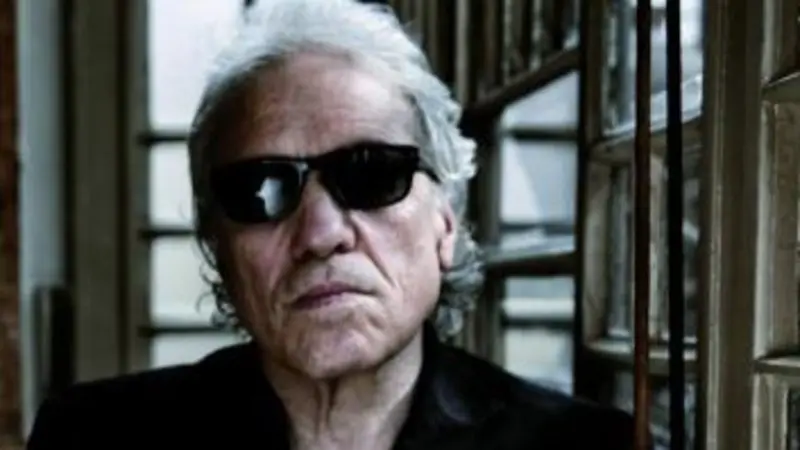
비행, 중독 그리고 창의성: 아벨 페라라는 자신의 사악한 방식에 대해 사과하지 않는다
Delinquency, addiction and creativity: Abel Ferrara makes no apology for his wicked ways
Sydney Morning Herald
· 🇦🇺 Sydney, AU
Tom Ryan
EN
2026-04-22 04:00
Translated
컬트 영화감독의 회고록은 창의성 추구와 여성들에 대한 타협 없는 계정이다.
영화 장면: 회고록
아벨 페라라
사이먼 & 슈스터, $59.99
1970년대 초 세 편의 단편영화로 경력을 시작한 후, 아벨 페라라는 자신의 경력을 시작하기 위해 저예산 영화에 눈을 돌렸다. 여전히 햄스터에서 볼 수 있는 첫 장편 영화 "9 Lives of a Wet Pussy"(1976)의 제목이 이를 말해준다. 하지만 'Jimmy Boy L.'라는 가명 뒤에 숨어 있던 감독이 미국 영화계에서 가장 존경받는 독립 영화감독 중 한 명이 될 운명이라는 것을 당시 관객들은 예상하지 못했을 것이다.
이후 50년 동안 그는 미국과 해외에서 30편 이상의 영화를 감독했으며, 때로는 각본을 썼고 때때로 단역을 맡기도 했다. 그는 두 편의 초기 공포 영화("The Driller Killer"와 "Ms. 45")와 1990년대 크리스토퍼 워켄("King of New York", "The Addiction", "The Funeral" 포함)과 하비 카이텔("Bad Lieutenant"과 "Dangerous Games")과 함께 만든 영화들로 가장 잘 알려져 있다. 그는 또한 윌렘 대포("New Rose Hotel", "Pasolini", "Siberia" 등)와 다큐멘터리 작업을 광범위하게 해왔다.
이제 그는 "Scene"이라는 수수께끼 같은 제목의 매력적인 회고록을 썼다. 이 책에서 그는 브롱크스와 비행 청소년 시절부터 자신이 걸어온 길을 삽화 형식으로 따라간다. 다양한 중독, 경찰과의 충돌, 평판이 의심스러운 잠재적 투자자들의 사무실로의 진출을 견디면서, 그는 결국 낮은 예산의, 종종 당신의 얼굴을 맞닥뜨리는, 어두운 면을 회피하지 않는 영화 세트에 도달한다.
특정 순서 없이 삽화 형식으로, 그는 바 주인이자 북메이커인 이탈리아계 미국인 아버지("대부분 북메이커"), 아름답고 금발의 아일랜드계 미국인 어머니("내 아버지의 조 디마지오에 대한 마릴린 먼로 그 자체")와 기타 가족 및 친구들을 소개한다.
그는 자신의 삶에서 만난 수많은 여성들과 함께 일한 협력자들을 광범위하게 성찰한다. 워켄, 카이텔, 대포 외에도 유명한 이탈리아 영화감독 다리오 아르젠토의 배우 딸 아시아 아르젠토(그 여성 중 한 명), 알 파치노("Carlito's Way" 사전 제작 중, 최종적으로 브라이언 드 팔마 감독), 제라르 드파르디외, 줄리엣 비노슈가 있다. 페라라의 영화감독으로서의 진화에 중심이 되는 것은 영화 사업의 기본 부분인 거래에 이르기까지 처음부터 함께한 오랜 시간의 시나리오 작가 니콜라스 세인트 존(본명 니코데모 올리베리오)이다.
페라라는 자신이 만든 영화에 대한 언급만 제공하는 대신, 투자자 및 제작자와의 전투를 추적하면서, 자신의 작업에 대한 헌신을 의사들을 환자에게 묶는 히포크라테스 선서와 비교한다: "영화가 피해를 입고 있을 때, 나는 그것을 일어나게 할 수 없다, 절대로, 감독으로서 내 맹세이다." "The Invasion of the Body Snatchers"의 두 번째 리메이크인 "Body Snatchers"(1993)에서 워너 브라더스와의 불행한 경험은, 그가 자랑스럽게 선언하듯이, "최종 편집 없이 작업한 마지막 시간"이었다.
그는 흥미롭게도 영화를 보는 것보다 책을 읽는 것을 선호한다고 고백한다("더 많은 가치")고, 영화와 영화 제작에서 그가 가장 매력을 느끼는 것은 연기라고 말한다. "그것은 내가 끊임없이 추구하는 쾌감이다"라고 그는 열정적으로 말한다. "나는 아름다운 샷을 사랑하고, 웰스와 큐브릭에 경외감을 느끼지만, 나를 계속 돌아오게 하는 것은 연기이다."
그는 자신의 일부 영화에 영감을 준 영향을 암시한다: "The Driller Killer"에 미친 "The Texas Chainsaw Massacre", "Ms. 45"에 미친 "I Spit on Your Grave", "King of New York"에 미친 "The Terminator"와 "The Road Warrior/Mad Max". 하지만 그는 자세히 설명하지 않으며, 독자들로 하여금 그의 주요 영감은 모두 낮은 예산 제작이면서도 공식적으로 정해진 지위 훨씬 위에 올랐다는 결론에 이르게 한다.
"Scene"은 찰리 쉰의 작년 후반에 출판된 "The Book of Sheen"과 같은 고백적인 온전한 회고록 스타일에 속한다. 하지만 그것은 또한 매우 다르다. 자신을 "거리 쥐"라고 표현하는 책의 페라라(그의 공개적 인격처럼)는 편안한 둥지에서 떨어져 나간 특권의 자녀보다는 스콜세세 갱스터 영화의 캐릭터처럼 보인다.
"Scene"에서 자신의 눈으로 본 페라라는 길의 잘못된 쪽에서 자란 누군가, 자신의 규칙에 따라 사는 사람, 불안정하고, 항상 긴장한 상태이며, 결단력 있는 만큼 위험한 사람이다.
따라서 뉴욕의 리틀 이탈리의 페라라가 자주 다니던 비디오 가게에서 일했던 조시 사프디가 "Marty Supreme"에서 그를 갱스터로 캐스팅한 것은 우연이 아니다. 그리고 그에게 "Scene"은 저자에 대한 정확한 초상화이다. "당신이 아벨이 자신의 개와 함께 영화에 들어오는 순간, 개가 어떤 면에서는 그를 부드럽게 만든다"고 조시는 올해 초 뉴욕 타임스에 말했다. "하지만 그에게는 강건함이 있다. 당신은 그의 얼굴에서 전체 회고록을 느낄 수 있다."
쉰과 달리 페라라는 16년간의 헤로인 중독과 세인트 존과의 파트너십이 어떻게 끝났는지를 제외하고는 실제이든 거짓이든 후회가 없다. 그리고 그는 자신의 사악한, 정말 사악한 방식에 대해 사과하지 않는다.
네이티브 아메리칸 우화를 인용하면서 - "우리 모두의 내면에는 두 마리의 늑대가 있다, 악한 것과 선한 것. 어느 것이 살아남는가? 당신이 먹인 것" - 그는 74세에 가장 중요한 것이 다음에 자신이 하는 일이라는 것을 명확히 한다. 스콜세세와 사프디는 잊어라; 그는 이제 자신의 이야기 속 캐릭터이다.
북리스트는 주간 칼럼이다.
아벨 페라라
사이먼 & 슈스터, $59.99
1970년대 초 세 편의 단편영화로 경력을 시작한 후, 아벨 페라라는 자신의 경력을 시작하기 위해 저예산 영화에 눈을 돌렸다. 여전히 햄스터에서 볼 수 있는 첫 장편 영화 "9 Lives of a Wet Pussy"(1976)의 제목이 이를 말해준다. 하지만 'Jimmy Boy L.'라는 가명 뒤에 숨어 있던 감독이 미국 영화계에서 가장 존경받는 독립 영화감독 중 한 명이 될 운명이라는 것을 당시 관객들은 예상하지 못했을 것이다.
이후 50년 동안 그는 미국과 해외에서 30편 이상의 영화를 감독했으며, 때로는 각본을 썼고 때때로 단역을 맡기도 했다. 그는 두 편의 초기 공포 영화("The Driller Killer"와 "Ms. 45")와 1990년대 크리스토퍼 워켄("King of New York", "The Addiction", "The Funeral" 포함)과 하비 카이텔("Bad Lieutenant"과 "Dangerous Games")과 함께 만든 영화들로 가장 잘 알려져 있다. 그는 또한 윌렘 대포("New Rose Hotel", "Pasolini", "Siberia" 등)와 다큐멘터리 작업을 광범위하게 해왔다.
이제 그는 "Scene"이라는 수수께끼 같은 제목의 매력적인 회고록을 썼다. 이 책에서 그는 브롱크스와 비행 청소년 시절부터 자신이 걸어온 길을 삽화 형식으로 따라간다. 다양한 중독, 경찰과의 충돌, 평판이 의심스러운 잠재적 투자자들의 사무실로의 진출을 견디면서, 그는 결국 낮은 예산의, 종종 당신의 얼굴을 맞닥뜨리는, 어두운 면을 회피하지 않는 영화 세트에 도달한다.
특정 순서 없이 삽화 형식으로, 그는 바 주인이자 북메이커인 이탈리아계 미국인 아버지("대부분 북메이커"), 아름답고 금발의 아일랜드계 미국인 어머니("내 아버지의 조 디마지오에 대한 마릴린 먼로 그 자체")와 기타 가족 및 친구들을 소개한다.
그는 자신의 삶에서 만난 수많은 여성들과 함께 일한 협력자들을 광범위하게 성찰한다. 워켄, 카이텔, 대포 외에도 유명한 이탈리아 영화감독 다리오 아르젠토의 배우 딸 아시아 아르젠토(그 여성 중 한 명), 알 파치노("Carlito's Way" 사전 제작 중, 최종적으로 브라이언 드 팔마 감독), 제라르 드파르디외, 줄리엣 비노슈가 있다. 페라라의 영화감독으로서의 진화에 중심이 되는 것은 영화 사업의 기본 부분인 거래에 이르기까지 처음부터 함께한 오랜 시간의 시나리오 작가 니콜라스 세인트 존(본명 니코데모 올리베리오)이다.
페라라는 자신이 만든 영화에 대한 언급만 제공하는 대신, 투자자 및 제작자와의 전투를 추적하면서, 자신의 작업에 대한 헌신을 의사들을 환자에게 묶는 히포크라테스 선서와 비교한다: "영화가 피해를 입고 있을 때, 나는 그것을 일어나게 할 수 없다, 절대로, 감독으로서 내 맹세이다." "The Invasion of the Body Snatchers"의 두 번째 리메이크인 "Body Snatchers"(1993)에서 워너 브라더스와의 불행한 경험은, 그가 자랑스럽게 선언하듯이, "최종 편집 없이 작업한 마지막 시간"이었다.
그는 흥미롭게도 영화를 보는 것보다 책을 읽는 것을 선호한다고 고백한다("더 많은 가치")고, 영화와 영화 제작에서 그가 가장 매력을 느끼는 것은 연기라고 말한다. "그것은 내가 끊임없이 추구하는 쾌감이다"라고 그는 열정적으로 말한다. "나는 아름다운 샷을 사랑하고, 웰스와 큐브릭에 경외감을 느끼지만, 나를 계속 돌아오게 하는 것은 연기이다."
그는 자신의 일부 영화에 영감을 준 영향을 암시한다: "The Driller Killer"에 미친 "The Texas Chainsaw Massacre", "Ms. 45"에 미친 "I Spit on Your Grave", "King of New York"에 미친 "The Terminator"와 "The Road Warrior/Mad Max". 하지만 그는 자세히 설명하지 않으며, 독자들로 하여금 그의 주요 영감은 모두 낮은 예산 제작이면서도 공식적으로 정해진 지위 훨씬 위에 올랐다는 결론에 이르게 한다.
"Scene"은 찰리 쉰의 작년 후반에 출판된 "The Book of Sheen"과 같은 고백적인 온전한 회고록 스타일에 속한다. 하지만 그것은 또한 매우 다르다. 자신을 "거리 쥐"라고 표현하는 책의 페라라(그의 공개적 인격처럼)는 편안한 둥지에서 떨어져 나간 특권의 자녀보다는 스콜세세 갱스터 영화의 캐릭터처럼 보인다.
"Scene"에서 자신의 눈으로 본 페라라는 길의 잘못된 쪽에서 자란 누군가, 자신의 규칙에 따라 사는 사람, 불안정하고, 항상 긴장한 상태이며, 결단력 있는 만큼 위험한 사람이다.
따라서 뉴욕의 리틀 이탈리의 페라라가 자주 다니던 비디오 가게에서 일했던 조시 사프디가 "Marty Supreme"에서 그를 갱스터로 캐스팅한 것은 우연이 아니다. 그리고 그에게 "Scene"은 저자에 대한 정확한 초상화이다. "당신이 아벨이 자신의 개와 함께 영화에 들어오는 순간, 개가 어떤 면에서는 그를 부드럽게 만든다"고 조시는 올해 초 뉴욕 타임스에 말했다. "하지만 그에게는 강건함이 있다. 당신은 그의 얼굴에서 전체 회고록을 느낄 수 있다."
쉰과 달리 페라라는 16년간의 헤로인 중독과 세인트 존과의 파트너십이 어떻게 끝났는지를 제외하고는 실제이든 거짓이든 후회가 없다. 그리고 그는 자신의 사악한, 정말 사악한 방식에 대해 사과하지 않는다.
네이티브 아메리칸 우화를 인용하면서 - "우리 모두의 내면에는 두 마리의 늑대가 있다, 악한 것과 선한 것. 어느 것이 살아남는가? 당신이 먹인 것" - 그는 74세에 가장 중요한 것이 다음에 자신이 하는 일이라는 것을 명확히 한다. 스콜세세와 사프디는 잊어라; 그는 이제 자신의 이야기 속 캐릭터이다.
북리스트는 주간 칼럼이다.
처리 완료
4,719 tokens · $0.0131
기사 수집 완료 · 04:20
매체 피드에서 기사 메타데이터 수집
헤드라인 번역 완료 · 15:55
제목/요약 한국어 번역 (fetch 시점 inline)
kimi-k2.5
0 tokens
$0.00000
0.1s
본문 추출 완료
5,458자 추출 완료
본문 한국어 번역 완료 · 15:55
2,875자 번역 완료
claude-haiku-4-5-20251001
4,719 tokens
$0.01314
34.3s
지정학적 엔티티 추출 완료 · 15:55
5개 엔티티 추출 완료
지정학적 맥락 & R-Scanner
R-Scanner · 평상
z=-2.41
일상적인 보도 수준 — 기준: Bronx
(🇺🇸 US)
최근 6시간 27건
7일 평균 43건 / 6h
5개국 매체
7개 매체
본문에서 추출된 지명 (5)
위치 지도
지도 로딩 중…
같은 주제의 다른 기사 (최근 7일)
The cult filmmaker’s memoir is an uncompromising account of his pursuit of creativity – and women.
CINEMAScene: A MemoirAbel FerraraSimon & Schuster, $59.99After he cut his teeth on a trio of short films in the early 1970s, Abel Ferrara turned to the grindhouse to get his career off the ground. The title of his first feature, 9 Lives of a Wet Pussy (1976), which is still available on Hamster, speaks for itself. What its original viewers mightn’t have anticipated, though, was that its director, disguised behind the nom de camera of Jimmy Boy L., was destined to become one of the American cinema’s most celebrated independent filmmakers.
Over the following half century, he directed, sometimes wrote and occasionally contributed bit parts to more than 30 features in the US and abroad. He’s probably best known for two early horror films (The Driller Killer and Ms. 45) and the films he made during the 1990s with Christopher Walken (including King of New York, The Addiction and The Funeral) and Harvey Keitel (Bad Lieutenant and Dangerous Games). However, he’s also worked extensively with Willem Dafoe (on films such as New Rose Hotel, Pasolini and Siberia) and on documentaries.
Now he’s written Scene, a cryptically entitled and engrossing memoir in which he jukeboxes his way along the path he’s taken from the Bronx and a delinquent adolescence. Surviving various addictions, run-ins with the police and forays into the offices of potential investors, many of dubious repute, he ends up on the sets of generally low-budget, often in-your-face movies that don’t shy away from the dark side.
In no special order, vignette-style, he introduces us to his Italian-American father who was a bar owner and a bookmaker, “mostly a bookmaker”, his beautiful, blonde Irish-American mother who was “every bit the Marilyn Monroe to my father’s Joe DiMaggio”, and sundry other family members and friends.
He reflects extensively on the numerous women in his life and on the collaborators with whom he’s worked. As well as Walken, Keitel and Dafoe, there’s Asia Argento (actor-daughter of famed Italian filmmaker Dario Argento, and one of those women), Al Pacino (during pre-production on Carlito’s Way, eventually directed by Brian De Palma), Gerard Depardieu and Juliette Binoche. Central to Ferrara’s evolution as a filmmaker, there’s also his long-time screenwriter Nicholas St. John (real name Nicodemo Oliverio), who was with him from the beginning until the wheeling and dealing that’s a fundamental part of the film business led to their falling-out.
Offering little more than passing nods to the films he’s made, Ferrara concentrates instead on what’s gone on behind the scenes, tracking his battles with investors and producers, and likening his commitment to his work to that of the Hippocratic Oath binding doctors to their patients: “When the film is being harmed, I cannot let it happen, never, that’s my oath as a director.” His unhappy experience with Warner Bros. on Body Snatchers (1993), the second remake of The Invasion of the Body Snatchers, was, he proudly proclaims, “the last time I ever worked without final cut”.
He confesses, intriguingly, that he’d rather read a book than watch a film (“More bang for your buck”) and that what he finds most fascinating about films and filmmaking is the acting. “It’s the hit I’m constantly chasing,” he enthuses. “I love the beautiful shots, I sit in awe of Welles and Kubrick, but it’s the acting that keeps me coming back.”
He alludes to the influences on some of his films: The Texas Chainsaw Massacre on The Driller Killer, I Spit on Your Grave on Ms. 45, The Terminator and The Road Warrior/Mad Max on King of New York. But he doesn’t elaborate, leaving readers to conclude that his primary inspiration must have been that they were all low-budget productions that rose far above their officially decreed station.
Scene belongs to the same confessional, warts-’n-all style of memoir as Charlie Sheen’s The Book of Sheen, published late last year. But it’s also very different. Describing himself as “a street rat”, the book’s Ferrara (like his public persona) is more like a character in a Scorsese gangster movie than a child of privilege who fell out of a comfortable nest.
Seen through his own eyes in Scene – the pun is doubtless intentional – Ferrara is someone who’s grown up on the wrong side of the street, lives according to his own rules, is restless, constantly on edge, and as dangerous as he is determined.
So it’s not by chance that Josh Safdie, who used to work at a video store Ferrara patronised in New York’s Little Italy, cast him as a gangster in Marty Supreme. And, for him, Scene is a spot-on portrait of its author. “The second you see Abel enter the movie with his dog,” he told The New York Times earlier this year, “the dog softens him in some ways. But there’s a hardness to him. You can feel the entire memoir in his face.”
Unlike Sheen, Ferrara has no regrets, real or feigned, except perhaps for his 16-year heroin addiction and for how his partnership with St. John ended. And he makes no apology for his wicked, wicked ways.
Citing a Native American parable – “We all have two wolves inside of us, the evil one and the good one. Which one survives? The one you feed” – he makes it clear that what matters most, at the age of 74, is what he does next. Forget Scorsese and Safdie; he’s now a character in his own story.
The Booklist is a weekly
You have reached your maximum number of saved items.
Remove items from your saved list to add more.