AI 기반 로열 윙맨 전투기: HAL의 CATS가 새로운 전투 시대를 이끌다; UCAV가 고위험 임무 수행
AI-Powered Loyal Wingman Jets: HAL’s CATS to lead new combat era; UCAVs take high-risk missions
The Times of India
· 🇮🇳 Mumbai, IN
TOI NEWS DESK
EN
2026-04-18 01:41
Translated
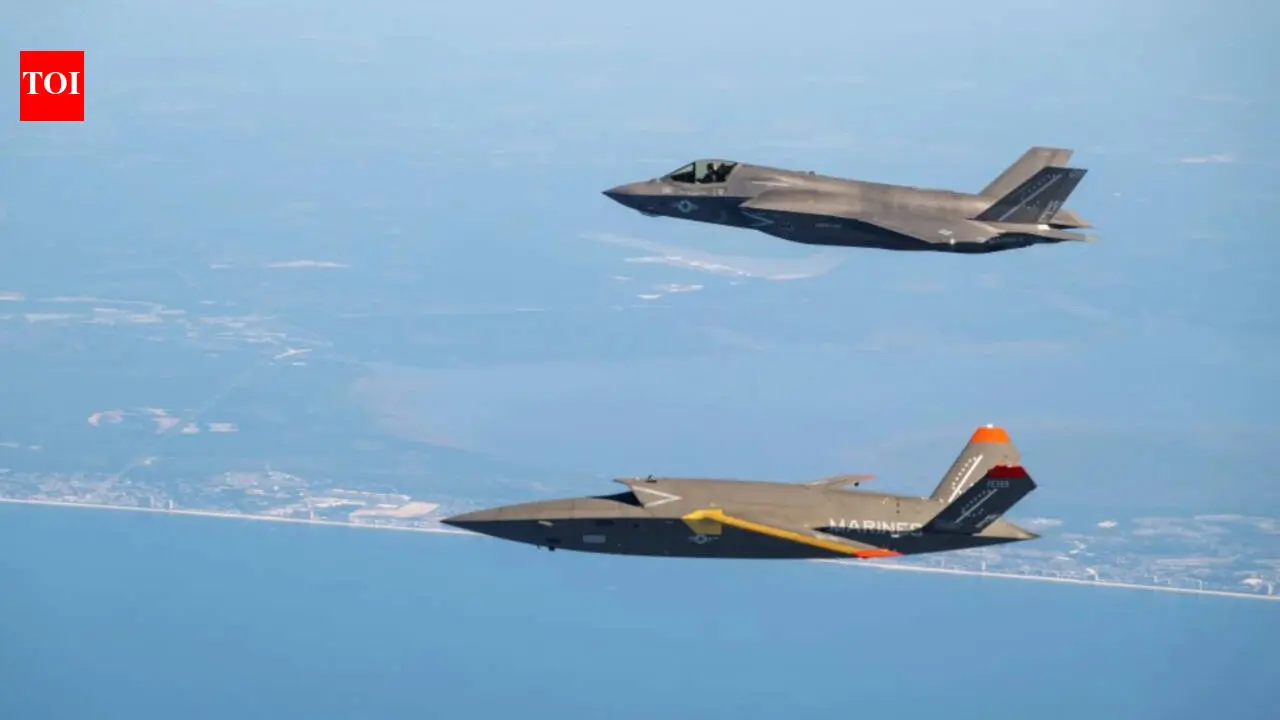
공중전의 미래는 협력 전투 항공기(CCA), 일명 로열 윙맨을 향해 변화하고 있습니다. 이러한 AI 장착 무인 드론은 유인 전투기와 함께 비행하며 전투 효율성과 생존성을 향상시킵니다. CCA는 정찰, 전자전, 타격 임무 등 다양한 역할을 수행할 수 있으며, 조종사의 생명을 위험에 빠뜨리지 않습니다.
공중전에 대한 대화는 5세대 또는 6세대 항공기, 대공 무기, 공대공 미사일을 중심으로 이루어져 왔습니다. 이제 협력 전투 항공기(CCA) 또는 로열 윙맨이 공중전의 다음 큰 변화로 개발되면서 이러한 대화에 뚜렷한 변화가 일어나고 있습니다. CCA는 유인 전투기와 함께 또는 그 앞에서 비행하여 전투기 앞 공역을 정리하거나 매핑하도록 설계된 무인 항공기입니다. 이러한 인공지능(AI) 장착 무인 전투 항공기(UCAV)는 자율 또는 반자율 항공기로, 전투기의 전투 효율성을 높이는 동시에 유인 전투기의 생존성을 높이는 것을 목표로 합니다. 이러한 항공기는 유인 전투기 앞 공역 정리, 전자전 수행, 미끼 역할, 목표물 폭격 등 다양한 역할을 수행할 것입니다. 이러한 시스템은 타격 임무에서 서로 다른 역할을 수행하는 다양한 UCAV 그룹과 팀으로 작동할 수 있습니다. 이러한 시나리오에서 일부 플랫폼은 공대공 역할로 구성되어 공역을 정리할 수 있고, 다른 시스템은 전자전, 적 공방 억제, 타격 임무를 위해 구성될 수 있습니다. 이 모든 것이 단 한 명의 조종사 생명도 위험에 빠뜨리지 않고 수행될 수 있습니다. AI 지원 시스템 덕분에 적의 강력한 전파 방해가 있을 경우에도 사전 프로그래밍된 임무를 수행할 수 있도록 임무를 계획할 수 있습니다. 항공기의 상대적으로 낮은 비용 때문에 공중 전략가들이 더 쉽게 위험을 감수할 수 있습니다. 전 세계적으로 이러한 UCAV는 스텔스를 염두에 두고 설계됩니다. 레이더에 탐지되기 어려운 저가시성 특성 덕분에 유인 전투기가 상대적으로 안전한 공역에 머무는 동안 분쟁 공역에서 더 많이 작전할 가능성이 높습니다. 이로써 조종사의 위험을 줄이면서 동시에 공중에 충분한 항공기를 제공합니다. 인도를 포함한 전 세계 많은 국가들이 자체 CCA 프로젝트를 진행하고 있습니다. 인도에서는 힌두스탄 항공우주 유한회사(HAL)가 전투 공중 협력 시스템(CATS)을 개발하고 있습니다. 이 무인 시스템은 테자스 Mk-1A, 수호이-30 MKI, 재규어 등 기존 전투기와 테자스 Mk-2, 인도 자체 5세대 플랫폼인 첨단 중형 전투기(AMCA) 등 미래 전투기와 함께 싸우도록 설계되고 있습니다. 이 쌍발 엔진 플랫폼은 국내 개발 PTAE-7 동력장치를 사용할 것이라고 더 뉴 인디언 익스프레스가 보도했습니다. 이러한 시스템을 개발 중인 다른 국가로는 미국의 스카이보그 프로젝트 하 XQ-58 발키리, 중국의 AVIC 다크 소드, 프랑스의 뉴런 프로젝트, 독일의 에어버스 윙맨, 러시아의 오흐트니크, 호주의 MQ-28 고스트 박, 터키의 앙카-3, 그리고 스웨덴과 한국이 각각 자체 프로젝트를 진행하고 있습니다.
처리 완료
2,793 tokens · $0.0056
기사 수집 완료 · 02:20
매체 피드에서 기사 메타데이터 수집
헤드라인 번역 완료 · 02:35
제목/요약 한국어 번역 (fetch 시점 inline)
kimi-k2.5
340 tokens
$0.00070
8.8s
본문 추출 완료
2,859자 추출 완료
본문 한국어 번역 완료 · 02:35
1,307자 번역 완료
kimi-k2.5
2,453 tokens
$0.00493
42.5s
지정학적 엔티티 추출 완료 · 02:35
8개 엔티티 추출 완료
지정학적 맥락 & R-Scanner
R-Scanner · 평상
z=-3.3
일상적인 보도 수준 — 기준: India
(🇮🇳 IN)
최근 6시간 20건
7일 평균 41.5건 / 6h
3개국 매체
4개 매체
본문에서 추출된 지명 (8)
위치 지도
지도 로딩 중…
같은 주제의 다른 기사 (최근 7일)
The future of aerial combat is shifting towards Collaborative Combat Aircraft (CCA), also known as loyal wingmen. These AI-equipped, unmanned drones will fly alongside manned fighters, enhancing their combat effectiveness and survivability. CCAs can perform diverse roles like reconnaissance, electronic warfare, and even strike missions, all without risking pilot lives.
Conversations about aerial combat revolve around fifth or sixth generation aircraft, stand-off weapons and air-to-air missiles. Now, a palpable shift is taking place in this conversation as Collaborative Combat Aircraft (CCA) or loyal wingman are being developed as the next big thing in aerial combat. A CCA is an unmanned aircraft that is designed to fly alongside or ahead of a manned fighter to clear or map the area ahead of the fighter aircraft.These Artificial Intelligence (AI) equipped Unmanned Combat Aerial Vehicle (UCAV) can be autonomous or semi-autonomous aircraft whose aim will be to increase the combat effectiveness of fighter aircraft, at the same time the these aircraft will increase the survivability of the manned fighter aircraft. These aircraft will perform different roles ranging from clearing the airspace ahead of manned fighter, carrying out electronic warfare, act as a decoy and to bomb targets. These systems can work as a team with a group of different UCAVs performing different roles in a strike mission. In such a scenario a few platforms could clear air space by being configured in the air-to-air role while other systems can be configured for electronic warfare, suppression of enemy air defence and strike mission. All of this can be done without risking the life of a single pilot. Because of their AI enabled systems, missions can be planned in such a manner that if in case of strong jamming from the adversary, a pre-programmed mission can be carried out. Because of the relatively low cost of the aircraft they can be risked more readily by air strategists. Universally, these UCAVs are designed with stealth in mind. As they are low-observable on radar, they are more likely to operate in contested air space while manned fighters stay in relatively safe airspace. Thus reducing risks to pilots, while at the same time providing enough airframes in the air. Many countries around the world, including India, are working on their own CCA projects. In India, the Hindustan Aeronautics Limited (HAL) is working on the Combat Air Teaming System (CATS). This unmanned system is being designed to fight alongside existing fighters such as the Tejas Mk-1A, Su-30 MKI and Jaguar, as well as future fighters such as the Tejas Mk-2 and India's very own fifth-generation platform the Advanced Medium Combat Aircraft (AMCA). This twin engine platform will using the domestically developed PTAE-7 powerplant, according to a report by The New Indian Express. Other countries developing such systems are the American XQ-58 Valkyrie under project Skyborg, the Chinese are working on the AVIC Dark Sword, France is working on the Neuron project, Germany on the Airbus Wingman, Russia on the Okhotnik, Australia on the MQ-28 Ghost bat, Turkey on the Anka-3, while Sweden and South Korea are working on their own separate projects.