분쟁 지역 장례식에서 보이지 않게 위험과 의식을 담아내다
Working unseen to frame risk and ritual in a conflict-zone funeral
Associated Press
· 🇺🇸 New York, US
https://apnews.com/author/emilio-morenatti
EN
2026-04-17 21:50
Translated
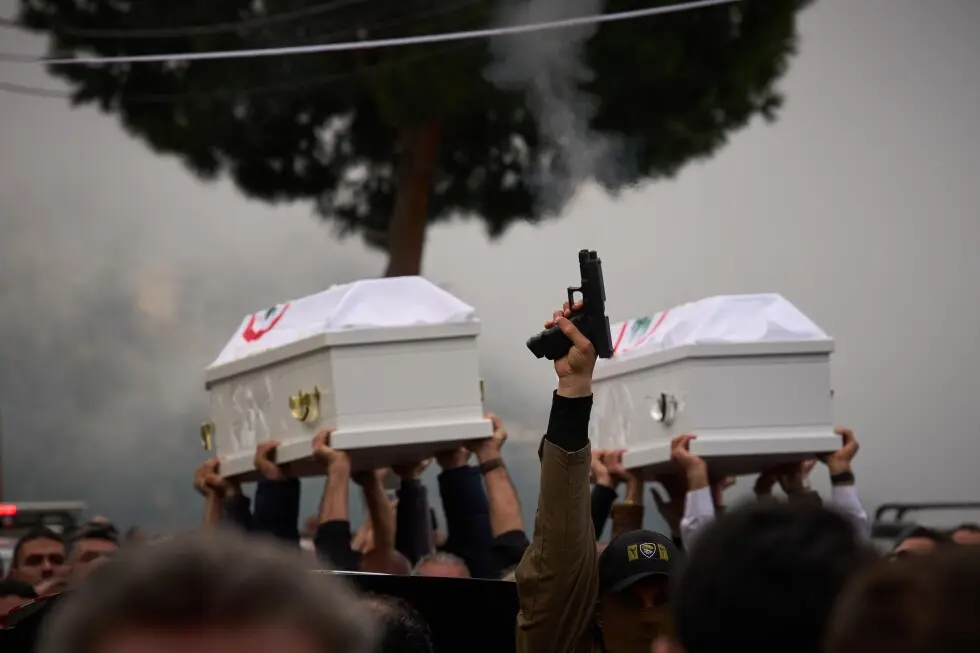
총격수가 총을 쏘는 가운데 남성들이 레바논 야슈슈에서 열린 레바논군(헤즈볼라 반대 정당) 관계자 피에르 무아와드와 그의 아내의 시신이 담긴 관을 운반하고 있다. 2026년 4월 7일 화요일. (AP 사진/에밀리오 모레나티)
야슈슈, 레바논 (AP) — 에밀리오 모레나티는 분쟁 지역을 취재하고 다양한 문화의 장례식을 기록해 온 사진작가다. 그는 바르셀로나에 기반을 두고 있으며 스페인과 포르투갈 수석 사진작가다. 그는 퓰리처상을 여러 차례 수상했으며 AP에서 22년 넘게 근무했다.
그가 이 특별한 사진에 대해 한 말은 다음과 같다.
분쟁 지역의 장례식을 취재하는 것은 비극의 규모를 이해하는 데 깊은 의미가 있고 필수적인 방법이 될 수 있다. 장례식은 전쟁이 야기한 가혹한 현실과 고통을 포착할 수 있는 독특한 기회를 제공한다. 나는 세계 각지의 다양한 전쟁 지역에서 수백 건의 장례식을 촬영할 기회를 가졌고, 모든 문화가 고유한 특징을 가지고 있지만 궁극적으로 슬픔은 보편적이며, 장례식은 사진이 분쟁을 인간화할 수 있는 그러한 감정적인 순간을 제공한다.
애도하는 이들의 분노와 슬픔이 공기 중에 무겁게 드리워져 있었다. 수십 명의 총격수가 무기를 휘두르며 두 개의 관이 군중 사이를 지나갈 때 수백 발의 총알을 하늘로 쏘아 올렸다. 관에는 헤즈볼라 반대 레바논군 당 관계자 피에르 무아와드와 그의 아내의 시신이 담겨 있었는데, 이들은 전날 베이루트 동쪽 기독교 마을에 있는 그들의 아파트에 대한 이스라엘 공습으로 사망했다.
애도하는 친척들의 비명과 울부짖음이 끊임없는 자동 소총 소리에 삼켜졌다. 우리는 총격수들을 촬영하지 말라는 경고를 받았다. 그들은 우리가 그렇게 하면 무기를 우리에게 겨눌 것이라고 분명히 했다. 도전은 보이지 않게 일하는 것이었다—눈치채지 않고 촬영하면서도 배경에 관을 담는 것이었다.
그때 나는 군중 위로 권총을 든 총격수를 보았다. 망설임 없이 위치를 바꿔 지나가는 관 앞에 그를 배치했다. 프레임을 좁히기 위해 줌을 당기고, 그가 탄창을 하늘로 비우는 바로 그 순간 연사 촬영을 했다. 나는 그 이미지를 얻었다는 것을 알았다.
사진저널리즘에서 이미지는 감정을 전달하고 느낌을 불러일으켜야 하며, 나는 이 이미지가 그 순간 내가 경험한 긴장감을 불러일으키는 데 성공했다고 믿는다. 총격수가 하늘로 총을 쏘는 분노는 또한 대의를 위해 생명을 잃은 이들에게 경의를 표하는 것이기도 하다.
—더 많은 특별한 AP 사진을 보려면,
야슈슈, 레바논 (AP) — 에밀리오 모레나티는 분쟁 지역을 취재하고 다양한 문화의 장례식을 기록해 온 사진작가다. 그는 바르셀로나에 기반을 두고 있으며 스페인과 포르투갈 수석 사진작가다. 그는 퓰리처상을 여러 차례 수상했으며 AP에서 22년 넘게 근무했다.
그가 이 특별한 사진에 대해 한 말은 다음과 같다.
분쟁 지역의 장례식을 취재하는 것은 비극의 규모를 이해하는 데 깊은 의미가 있고 필수적인 방법이 될 수 있다. 장례식은 전쟁이 야기한 가혹한 현실과 고통을 포착할 수 있는 독특한 기회를 제공한다. 나는 세계 각지의 다양한 전쟁 지역에서 수백 건의 장례식을 촬영할 기회를 가졌고, 모든 문화가 고유한 특징을 가지고 있지만 궁극적으로 슬픔은 보편적이며, 장례식은 사진이 분쟁을 인간화할 수 있는 그러한 감정적인 순간을 제공한다.
애도하는 이들의 분노와 슬픔이 공기 중에 무겁게 드리워져 있었다. 수십 명의 총격수가 무기를 휘두르며 두 개의 관이 군중 사이를 지나갈 때 수백 발의 총알을 하늘로 쏘아 올렸다. 관에는 헤즈볼라 반대 레바논군 당 관계자 피에르 무아와드와 그의 아내의 시신이 담겨 있었는데, 이들은 전날 베이루트 동쪽 기독교 마을에 있는 그들의 아파트에 대한 이스라엘 공습으로 사망했다.
애도하는 친척들의 비명과 울부짖음이 끊임없는 자동 소총 소리에 삼켜졌다. 우리는 총격수들을 촬영하지 말라는 경고를 받았다. 그들은 우리가 그렇게 하면 무기를 우리에게 겨눌 것이라고 분명히 했다. 도전은 보이지 않게 일하는 것이었다—눈치채지 않고 촬영하면서도 배경에 관을 담는 것이었다.
그때 나는 군중 위로 권총을 든 총격수를 보았다. 망설임 없이 위치를 바꿔 지나가는 관 앞에 그를 배치했다. 프레임을 좁히기 위해 줌을 당기고, 그가 탄창을 하늘로 비우는 바로 그 순간 연사 촬영을 했다. 나는 그 이미지를 얻었다는 것을 알았다.
사진저널리즘에서 이미지는 감정을 전달하고 느낌을 불러일으켜야 하며, 나는 이 이미지가 그 순간 내가 경험한 긴장감을 불러일으키는 데 성공했다고 믿는다. 총격수가 하늘로 총을 쏘는 분노는 또한 대의를 위해 생명을 잃은 이들에게 경의를 표하는 것이기도 하다.
—더 많은 특별한 AP 사진을 보려면,
처리 완료
2,233 tokens · $0.0045
기사 수집 완료 · 21:50
매체 피드에서 기사 메타데이터 수집
헤드라인 번역 완료 · 22:06
제목/요약 한국어 번역 (fetch 시점 inline)
kimi-k2.5
91 tokens
$0.00015
1.9s
본문 추출 완료
2,463자 추출 완료
본문 한국어 번역 완료 · 22:06
1,214자 번역 완료
kimi-k2.5
2,142 tokens
$0.00437
40.8s
지정학적 엔티티 추출 완료 · 22:06
7개 엔티티 추출 완료
지정학적 맥락 & R-Scanner
R-Scanner · 핫스팟
z=4.32
평소보다 훨씬 많은 매체가 집중 보도 중 — 기준: Yahshush
(🇱🇧 LB)
최근 6시간 14건
7일 평균 4.18건 / 6h
7개국 매체
10개 매체
본문에서 추출된 지명 (7)
위치 지도
지도 로딩 중…
A gunman fires his gun as men carry the coffins with the bodies of Pierre Mouawad, an official with the anti-Hezbollah Lebanese Forces party, and his wife during their funeral in Yahshush, in Lebanon, Tuesday, April 7, 2026. (AP Photo/Emilio Morenatti)
YAHSHUSH, Lebanon (AP) — Emilio Morenatti is a photographer who has covered conflict zones and documented funerals across different cultures. He is based in Barcelona and is the chief photographer for Spain and Portugal. He’s a multiple Pulitzer Prize winner and has been with the AP for over 22 years.
Here’s what he had to say about this extraordinary photo.
Covering funerals in conflict zones can be a deeply meaningful and essential way to understand the magnitude of a tragedy. Funerals offer a unique opportunity to capture the harsh reality and pain caused by war. I have had the opportunity to photograph hundreds of funerals in various war zones around the world, and although every culture has its own distinct characteristics, grief is ultimately universal to all of them, and funerals provide those emotional moments where photography can humanize the conflict.
The anger and grief of the mourners hung heavy in the air. Dozens of gunmen brandished their weapons, firing hundreds of bullets skyward as the two coffins — carrying the bodies of Pierre Mouawad, an official with the anti-Hezbollah Lebanese Forces party, and his wife, killed the previous day in an Israeli strike on their apartment in a Christian village east of Beirut — moved through the crowd.
The screams and wails of grieving relatives were swallowed by the relentless crack of automatic gunfire. We were warned not to photograph the gunmen; they made it clear they would turn their weapons on us if we did. The challenge was to work unseen—to photograph without being noticed, and still frame the coffins in the background.
Then I saw the gunman raising his pistol above the crowd. Without hesitation, I shifted position, placing him in front of the passing coffins. I zoomed in, tightening the frame, and fired a burst just as he emptied his magazine into the air. I knew I had the image.
In photojournalism, an image must convey a feeling and evoke an emotion, and I believe this image succeeds in evoking the tension I experienced at that moment, where the rage of the gunman firing his gun into the air also serves as a tribute to those who have lost their lives for a cause.
—For more extraordinary AP photography,
YAHSHUSH, Lebanon (AP) — Emilio Morenatti is a photographer who has covered conflict zones and documented funerals across different cultures. He is based in Barcelona and is the chief photographer for Spain and Portugal. He’s a multiple Pulitzer Prize winner and has been with the AP for over 22 years.
Here’s what he had to say about this extraordinary photo.
Covering funerals in conflict zones can be a deeply meaningful and essential way to understand the magnitude of a tragedy. Funerals offer a unique opportunity to capture the harsh reality and pain caused by war. I have had the opportunity to photograph hundreds of funerals in various war zones around the world, and although every culture has its own distinct characteristics, grief is ultimately universal to all of them, and funerals provide those emotional moments where photography can humanize the conflict.
The anger and grief of the mourners hung heavy in the air. Dozens of gunmen brandished their weapons, firing hundreds of bullets skyward as the two coffins — carrying the bodies of Pierre Mouawad, an official with the anti-Hezbollah Lebanese Forces party, and his wife, killed the previous day in an Israeli strike on their apartment in a Christian village east of Beirut — moved through the crowd.
The screams and wails of grieving relatives were swallowed by the relentless crack of automatic gunfire. We were warned not to photograph the gunmen; they made it clear they would turn their weapons on us if we did. The challenge was to work unseen—to photograph without being noticed, and still frame the coffins in the background.
Then I saw the gunman raising his pistol above the crowd. Without hesitation, I shifted position, placing him in front of the passing coffins. I zoomed in, tightening the frame, and fired a burst just as he emptied his magazine into the air. I knew I had the image.
In photojournalism, an image must convey a feeling and evoke an emotion, and I believe this image succeeds in evoking the tension I experienced at that moment, where the rage of the gunman firing his gun into the air also serves as a tribute to those who have lost their lives for a cause.
—For more extraordinary AP photography,