인도가 COP33 개최 입찰을 포기한 이유
Why India walked away from its bid to host COP33
Deutsche Welle
· 🇩🇪 Bonn, DE
Murali Krishnan Journalist based in New Delhi, focusing on Indian politics, society and business@mkrish11
DE
2026-04-14 22:34
Translated
인도가 유엔의 최고위급 기후회의 COP33 개최 입찰을 조용히 포기하며, 2023년 나렌드라 모디 총리의 약속에서 방향을 틀었다. 전문가와 분석가들이 이 결정의 배경을 탐구한다.
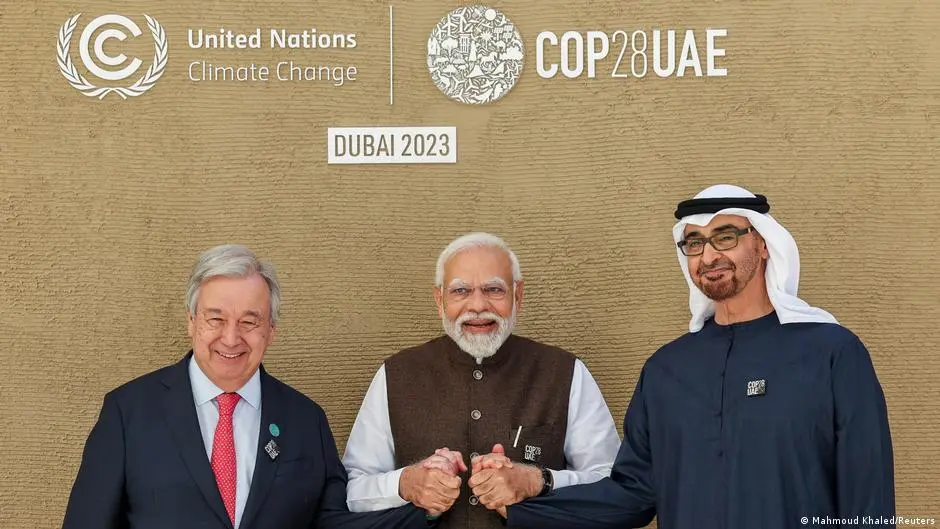
나렌드라 모디 인도 총리가 2023년 12월 두바이 기후정상회의에서 연단에 올라 인도가 기후회의를 개최하겠다고 약속했을 때, 그것은 야심의 순간이었다. 인도가 특히 자신을 글로벌 사우스의 대변자로 선언하며 리더십을 발휘할 준비가 되었다는 신호였다.
유엔 아시아태평양그룹의 개최국 입찰은 2025년 7월 브라질, 중국, 인도, 남아프리카공화국으로 구성된 BRICS 그룹의 지지를 받았다.
그러나 불과 18개월 후, 인도는 최초 보도한 Climate Home News에 따르면 4월 2일자 4단짜리 서한을 통해 조용히 철회했다.
당사국총회(COP)는 유엔 기후정상회의로, 198개 당사국—197개국과 유럽연합—이 모여 진전 상황을 평가하고 기후변화 대응책을 협상하는 자리다. 회의 개최는 지위, 의제 설정권, 외교적 가시성, 그리고 글로벌 담론을 형성할 플랫폼을 부여한다.
전문가와 정책 분석가들은 인도의 철수가 글로벌 우선순위의 변화를 반영하며, COP가 글로벌 불안정성과 국내 우선순위의 끌어당김 속에서 이전보다 지위가 약화되었다고 말한다. 최근 몇 년간 글로벌 기후 합의가 약화되었다. 2015년 각국이 지구온난화 제한을 위해 자발적 국가 목표를 설정한 글로벌 협정인 파리협정은 특히 트럼프 행정부가 미국을 협정에서 두 번째로 탈퇴시키면서 점점 더 압박을 받고 있다.
이 비디오를 보려면 자바스크립트를 활성화하고 HTML5 비디오를 지원하는 웹 브라우저로 업그레이드하십시오.
"인도 철수의 핵심 이유 중 하나는 의미 있는 글로벌 기후 행동을 주도하는 데서 COP의 꾸준히 감소하는 관련성인 것으로 보인다"고 델리 기반 국제환경지속가능기술포럼의 챠드라 부샨 대표가 말했다.
"브라질 벨렘 정상회의에서 여러 국가가 이전에 합의한 약속을 어기면서 국가 간 신뢰가 완전히 붕괴된 것이 결정적 계기가 된 것 같다"고 부샨이 덧붙였다.
정상회의에는 미국을 포함해 저조한 참석률과 고위급 정치적 참여가 거의 없었으며, 미국은 특히 고위급 참석자를 보내지 않았다.
부샨은 인도가 기후 다자주의 참여 의지를 보여주었다고 지적한다. 인도는 최근 2031-2035년 국가온실가스감축목표(NDC)를 업데이트했는데, 이는 파리협정 하에서 각국의 기후 행동 계획을 일컫는 이름이다. 인도는 2035년까지 2005년 대비 경제의 배출 강도를 47% 감축하고, 설비 발전 용량의 60%를 비화석연료에서 확보하며, 산림 및 수목 증가를 통해 추가로 35억~40억 톤의 이산화탄소 탄소 흡수원을 창출하겠다고 약속했다.
그러나 이제 국내에서 국내 기후 행동이 지속가능한 개발 달성의 핵심이 될 것이라는 합의가 커지고 있다. "이 접근법은 진정하고 효과적인 다자협력을 위한 더 유리한 조건이 출현할 때까지 계속될 가능성이 높다"고 부샨이 설명했다.
이러한 환경에서 정상회의 개최는 점점 줄어드는 수익을 가져온다. 상징적 가치는 남아있지만, 의미 있는 성과나 심지어 글로벌 관심을 이끌어내는 능력은 덜 확실해졌다.
국제개발기구 IPE Global의 기후변화 및 지속가능성 글로벌 부문장 아비나시 모한티는 인도의 철수를 실용적인 것으로 본다.
"첫째, 글로벌 시스템이 부족하다. 선진국들은 2020년까지 연간 1,000억 달러(914억 유로)의 기후 재정을 약속했지만, 반복적으로 미달했다. 동시에 미국은 파리협정에서 두 번 탈퇴하며 신뢰를 약화시켰다"고 모한티가 DW에 말했다.
형평성과 기후 재정을 꾸준히 강조해온 인도 같은 국가들에게 이러한 불균형은 더 무시하기 어려워진다고 모한티는 말한다.
모한티의 추산에 따르면, 인도는 외부 자금이 아닌 주로 자국 자원을 사용하여 비화석 설비 용량 50% 돌파, 설치 재생에너지 용량 200GW 달성, 2005년 이후 배출 강도 3분의 1 이상 감축 등 국내에서 성과를 거두었다.
"COP33 개최에는 비용이 따른다. 인도의 관점에서 글로벌 사우스에 공정하게 성과를 내지 못한 글로벌 과정을 지원하기 위해 상당한 비용과 정치적 자본을 소모해야 한다는 의미"라고 모한티가 주장한다.
"대신 인도는 전략을 전환하여 국제태양광동맹과 유사한 연대 같은 더 직접적으로 형성할 수 있는 플랫폼에 집중하고 있다"고 그가 덧붙였다.
이 비디오를 보려면 자바스크립트를 활성화하고 HTML5 비디오를 지원하는 웹 브라우저로 업그레이드하십시오.
COP33 개최는 인도를 다음 글로벌 현황점검 주기의 중심에 두었을 것이다. 이는 파리 프레임워크 하에서 배출 감축 및 기후 목표에 대한 집단적 진전을 평가하는 메커니즘이다.
인도에게 이는 석탄 의존도, 배출 궤적, 전환 일정에 대한 강화된 조사를 의미한다. 인도는 재생에너지 구현에서 상당한 진전을 이루었지만, 여전히 세계에서 두 번째로 큰 석탄 소비국이자 생산국이다.
콜카타 기반 환경 및 기후 특파원 자얀타 바수는 DW에 "개최국으로서 인도는 미래 목표, 배출 감축 일정, 석탄 의존에 대해 더 강력한 기후 행동을 보여야 하는 압력을 받았을 것—특히 파리협정 하에서 진전 상황의 글로벌 검토가 다가오는 상황에서"라고 말했다.
바수는 인도 정부가 2029년 총선을 앞두고 우선순위를 재조정하고 있다고 제안한다. "시스템에 대한 다중 수요 속에서 정부는 국내 우선순위와 다른 대형 행사에 집중하기로 선택했을 수 있다"고 바수가 말했다.
또한 회의 개최는 국가와 기후 옹호자들 모두로부터 압력을 증폭시켜, 선거를 앞두고 국내 정책 유연성을 제약할 수 있는 나쁜 시기가 될 수 있다. "강화된 조사는 인도의 국내 에너지 선택뿐 아니라 반대 및 활동가 목소리, 비국가 행위자, 시민사회와의 인도의 참여에도 향해질 것"이라고 라자마니가 말했다.
"글로벌 기후 합의를 '약화'가 아닌 '시간을 벌고 있다'고 특징짓겠다"고 옥스퍼드대 국제환경법 교수 라반야 라자마니가 DW에 말했다.
"인도의 철수는 국내 요인에 의해 주도될 가능성이 더 높지만, 국제적 관심이 충분히 분산된 시기에 이루어져 결정의 정치적·평판적 결과가 더 적을 것"이라고 라자마니가 말했다. "그러나 이는 인도가 이 영역에서 리더십 역할을 맡을 수 있는 놓친 기회"라고 그녀가 덧붙였다.
현재로서는 인도가 세계 무대에서 더 신중하게 자신의 등장을 선택하는 것처럼 보인다.
편집: 케이트 마티어
유엔 아시아태평양그룹의 개최국 입찰은 2025년 7월 브라질, 중국, 인도, 남아프리카공화국으로 구성된 BRICS 그룹의 지지를 받았다.
그러나 불과 18개월 후, 인도는 최초 보도한 Climate Home News에 따르면 4월 2일자 4단짜리 서한을 통해 조용히 철회했다.
당사국총회(COP)는 유엔 기후정상회의로, 198개 당사국—197개국과 유럽연합—이 모여 진전 상황을 평가하고 기후변화 대응책을 협상하는 자리다. 회의 개최는 지위, 의제 설정권, 외교적 가시성, 그리고 글로벌 담론을 형성할 플랫폼을 부여한다.
전문가와 정책 분석가들은 인도의 철수가 글로벌 우선순위의 변화를 반영하며, COP가 글로벌 불안정성과 국내 우선순위의 끌어당김 속에서 이전보다 지위가 약화되었다고 말한다. 최근 몇 년간 글로벌 기후 합의가 약화되었다. 2015년 각국이 지구온난화 제한을 위해 자발적 국가 목표를 설정한 글로벌 협정인 파리협정은 특히 트럼프 행정부가 미국을 협정에서 두 번째로 탈퇴시키면서 점점 더 압박을 받고 있다.
이 비디오를 보려면 자바스크립트를 활성화하고 HTML5 비디오를 지원하는 웹 브라우저로 업그레이드하십시오.
"인도 철수의 핵심 이유 중 하나는 의미 있는 글로벌 기후 행동을 주도하는 데서 COP의 꾸준히 감소하는 관련성인 것으로 보인다"고 델리 기반 국제환경지속가능기술포럼의 챠드라 부샨 대표가 말했다.
"브라질 벨렘 정상회의에서 여러 국가가 이전에 합의한 약속을 어기면서 국가 간 신뢰가 완전히 붕괴된 것이 결정적 계기가 된 것 같다"고 부샨이 덧붙였다.
정상회의에는 미국을 포함해 저조한 참석률과 고위급 정치적 참여가 거의 없었으며, 미국은 특히 고위급 참석자를 보내지 않았다.
부샨은 인도가 기후 다자주의 참여 의지를 보여주었다고 지적한다. 인도는 최근 2031-2035년 국가온실가스감축목표(NDC)를 업데이트했는데, 이는 파리협정 하에서 각국의 기후 행동 계획을 일컫는 이름이다. 인도는 2035년까지 2005년 대비 경제의 배출 강도를 47% 감축하고, 설비 발전 용량의 60%를 비화석연료에서 확보하며, 산림 및 수목 증가를 통해 추가로 35억~40억 톤의 이산화탄소 탄소 흡수원을 창출하겠다고 약속했다.
그러나 이제 국내에서 국내 기후 행동이 지속가능한 개발 달성의 핵심이 될 것이라는 합의가 커지고 있다. "이 접근법은 진정하고 효과적인 다자협력을 위한 더 유리한 조건이 출현할 때까지 계속될 가능성이 높다"고 부샨이 설명했다.
이러한 환경에서 정상회의 개최는 점점 줄어드는 수익을 가져온다. 상징적 가치는 남아있지만, 의미 있는 성과나 심지어 글로벌 관심을 이끌어내는 능력은 덜 확실해졌다.
국제개발기구 IPE Global의 기후변화 및 지속가능성 글로벌 부문장 아비나시 모한티는 인도의 철수를 실용적인 것으로 본다.
"첫째, 글로벌 시스템이 부족하다. 선진국들은 2020년까지 연간 1,000억 달러(914억 유로)의 기후 재정을 약속했지만, 반복적으로 미달했다. 동시에 미국은 파리협정에서 두 번 탈퇴하며 신뢰를 약화시켰다"고 모한티가 DW에 말했다.
형평성과 기후 재정을 꾸준히 강조해온 인도 같은 국가들에게 이러한 불균형은 더 무시하기 어려워진다고 모한티는 말한다.
모한티의 추산에 따르면, 인도는 외부 자금이 아닌 주로 자국 자원을 사용하여 비화석 설비 용량 50% 돌파, 설치 재생에너지 용량 200GW 달성, 2005년 이후 배출 강도 3분의 1 이상 감축 등 국내에서 성과를 거두었다.
"COP33 개최에는 비용이 따른다. 인도의 관점에서 글로벌 사우스에 공정하게 성과를 내지 못한 글로벌 과정을 지원하기 위해 상당한 비용과 정치적 자본을 소모해야 한다는 의미"라고 모한티가 주장한다.
"대신 인도는 전략을 전환하여 국제태양광동맹과 유사한 연대 같은 더 직접적으로 형성할 수 있는 플랫폼에 집중하고 있다"고 그가 덧붙였다.
이 비디오를 보려면 자바스크립트를 활성화하고 HTML5 비디오를 지원하는 웹 브라우저로 업그레이드하십시오.
COP33 개최는 인도를 다음 글로벌 현황점검 주기의 중심에 두었을 것이다. 이는 파리 프레임워크 하에서 배출 감축 및 기후 목표에 대한 집단적 진전을 평가하는 메커니즘이다.
인도에게 이는 석탄 의존도, 배출 궤적, 전환 일정에 대한 강화된 조사를 의미한다. 인도는 재생에너지 구현에서 상당한 진전을 이루었지만, 여전히 세계에서 두 번째로 큰 석탄 소비국이자 생산국이다.
콜카타 기반 환경 및 기후 특파원 자얀타 바수는 DW에 "개최국으로서 인도는 미래 목표, 배출 감축 일정, 석탄 의존에 대해 더 강력한 기후 행동을 보여야 하는 압력을 받았을 것—특히 파리협정 하에서 진전 상황의 글로벌 검토가 다가오는 상황에서"라고 말했다.
바수는 인도 정부가 2029년 총선을 앞두고 우선순위를 재조정하고 있다고 제안한다. "시스템에 대한 다중 수요 속에서 정부는 국내 우선순위와 다른 대형 행사에 집중하기로 선택했을 수 있다"고 바수가 말했다.
또한 회의 개최는 국가와 기후 옹호자들 모두로부터 압력을 증폭시켜, 선거를 앞두고 국내 정책 유연성을 제약할 수 있는 나쁜 시기가 될 수 있다. "강화된 조사는 인도의 국내 에너지 선택뿐 아니라 반대 및 활동가 목소리, 비국가 행위자, 시민사회와의 인도의 참여에도 향해질 것"이라고 라자마니가 말했다.
"글로벌 기후 합의를 '약화'가 아닌 '시간을 벌고 있다'고 특징짓겠다"고 옥스퍼드대 국제환경법 교수 라반야 라자마니가 DW에 말했다.
"인도의 철수는 국내 요인에 의해 주도될 가능성이 더 높지만, 국제적 관심이 충분히 분산된 시기에 이루어져 결정의 정치적·평판적 결과가 더 적을 것"이라고 라자마니가 말했다. "그러나 이는 인도가 이 영역에서 리더십 역할을 맡을 수 있는 놓친 기회"라고 그녀가 덧붙였다.
현재로서는 인도가 세계 무대에서 더 신중하게 자신의 등장을 선택하는 것처럼 보인다.
편집: 케이트 마티어
처리 완료
201 tokens · $0.0004
기사 수집 완료 · 22:45
매체 피드에서 기사 메타데이터 수집
헤드라인 번역 완료 · 23:06
제목/요약 한국어 번역 (fetch 시점 inline)
kimi-k2.5
201 tokens
$0.00037
5.9s
본문 추출 완료
6,820자 추출 완료
본문 한국어 번역 완료 · 23:06
3,041자 번역 완료
지정학적 엔티티 추출 완료 · 23:07
8개 엔티티 추출 완료
지정학적 맥락 & R-Scanner
R-Scanner · 평상
z=-0.36
일상적인 보도 수준 — 기준: India
(🇮🇳 IN)
최근 6시간 27건
7일 평균 28.96건 / 6h
4개국 매체
5개 매체
본문에서 추출된 지명 (8)
위치 지도
지도 로딩 중…
같은 주제의 다른 기사 (최근 7일)
India has quietly abandoned its bid to host the UN's top-tier climate conference COP33, marking a shift from PM Narendra Modi's pledge in 2023. Experts and analysts explore what's behind the decision.
When Prime Minister Narendra Modi took the stage at the Dubai climate summit in December 2023, he pledged that India would host the climate conference. It was a moment of ambition, a signal that India was ready to lead, particularly as a self-declared voice of the Global South.The bid to be host from the UN's Asia-Pacific Group was supported by the BRICS group of Brazil, China, India and South Africa in July 2025.
But just 18 months later, India quietly withdrew in a four-paragraph letter dated April 2, according to Climate Home News, which first broke the story.
The annual Conference of the Parties or COP is the United Nations climate summit where 198 parties — 197 countries plus the European Union — gather to measure progress and negotiate responses to climate change. Hosting the conference confers status, agenda-setting power, diplomatic visibility and a platform to shape the global conversation.
Experts and policy analysts say that India's withdrawal reflects a shift in global priorities, with COP wielding less status than previously amid global instability and the pull of priorities at home. In recent years, the global climate consensus has weakened. The Paris Agreement, the 2015 global pact under which countries set voluntary national targets to limit global warming, has been under increasing strain, particularly with the Trump administration withdrawing the US from the agreement for the second time.
To view this video please enable JavaScript, and consider upgrading to a web browser that supports HTML5 video
"One of the key reasons for India's withdrawal appears to be the steadily declining relevance of COP in driving meaningful global climate action," said Chandra Bhushan, head of the Delhi-based International Forum for Environment, Sustainability and Technology.
"The complete erosion of trust among countries at the Belem summit in Brazil, where several nations reneged on previously agreed commitments, seems to have been the tipping point," added Bhushan.
There was low attendance and little high-level political engagement at the summit, including the US, which notably sent no high-level attendees.
Bhushan points out that India has demonstrated its willingness to engage in climate multilateralism: it recently updated its Nationally Determined Contribution (NDC) for the years 2031-35 — the name for countries' climate action plans under the Paris Agreement: India has pledged to cut the emissions intensity of its economy by 47% from 2005 levels by 2035, ensure that 60% of its installed power capacity comes from non-fossil fuel sources, and create an additional carbon sink of 3.5 to 4 billion tonnes of carbon dioxide through increased forest and tree cover.
But there is now a growing consensus within the country that domestic climate action will be central to achieving sustainable development. "This approach is likely to continue until more favourable conditions emerge for genuine and effective multilateral cooperation,” Bhushan explained.
In this environment, hosting a summit carries diminishing returns. While the symbolic value remains, the ability to extract meaningful outcomes or even global attention has become less certain.
Abinash Mohanty, global sector head of climate change and sustainability of IPE Global, an international development organisation, views India's withdrawal as pragmatic.
"First, the global system is falling short. Developed countries promised $100 billion (€ 91.4 billion) per year by 2020 in climate finance, but have repeatedly under-delivered. Even newer pledges, like $300 billion (€273 billion) annually by 2035, cover only a fraction of what developing countries need. At the same time, the US has weakened trust by exiting the Paris Agreement twice,” Mohanty told DW.
For countries like India, which have consistently emphasised equity and climate finance, the imbalance becomes harder to ignore, according to Mohanty.
In Mohanty's estimate, India has delivered at home by crossing 50% non-fossil installed capacity, reaching 200GW of installed renewable energy capacity and cutting emissions intensity by over a third since 2005, largely using its own resources rather than external funding.
"Hosting COP33 would come at a cost. It would mean spending significant money and political capital to support a global process that, from India's perspective, has not delivered fairly for the Global South," argues Mohanty.
"Instead, India is shifting strategy, focusing on platforms it can shape more directly, like the International Solar Alliance and similar coalitions," he added.
To view this video please enable JavaScript, and consider upgrading to a web browser that supports HTML5 video
Hosting COP33 would have placed India at the centre of the next global stocktake cycle. This is the mechanism under the Paris framework that assesses collective progress on emissions reductions and climate goals.
For India, this would mean intensified scrutiny of its coal dependence, emissions trajectory, and timelines for transition. While India has made significant strides in implementing renewable energy, it is still the world's second-largest consumer and producer of coal.
Jayanta Basu, a Kolkata-based environment and climate correspondent, told DW, "As host, India would have faced pressure to show stronger climate action on future targets, timelines for cutting emissions, and its reliance on coal — especially with a global review of progress coming up under the Paris Agreement," he said.
Basu suggests that India's government is recalibrating its priorities ahead of the 2029 general elections. "With multiple demands on the system, the government may have chosen to focus on domestic priorities and other big events instead," Basu said.
Additionally, hosting the conference could amplify pressure from countries and climate advocates alike, potentially constraining policy flexibility at home, which could be bad timing ahead of the elections. "The heightened scrutiny will be not just of India's domestic energy choices but also of India's engagement with dissenting and activist voices, non-state actors, and civil society,” said Rajamani.
"I would characterize the global climate consensus as 'biding its time' rather than weakening," Lavanya Rajamani, Professor of International Environmental Law at the University of Oxford, told DW.
"India's withdrawal is more likely driven by domestic factors, but it comes at a time when international attention is sufficiently diverted that the decision will have fewer political and reputational consequences," said Rajamani. "It is, however, a missed opportunity for India to assume a leadership role in this space," she added.
For now, India appears to be choosing its performances on the world stage more carefully.
Edited by: Kate Martyr