DBS, 고위험 송금에 대한 심사 질문 도입
Who, what and why: DBS to roll out probing questions for high-risk transfers
The Straits Times
Sarah Koh
EN
2026-04-11 11:00
Translated
이 질문들은 피해자들이 결정을 재고하도록 유도하는 "인지적 휴지"로 작용할 것입니다.
향후 몇 개월 동안 고위험 송금을 할 때 DBS 온라인뱅킹 사용자들은 송금을 요청한 사람의 신원 같은 질문에 답해야 할 수 있습니다.
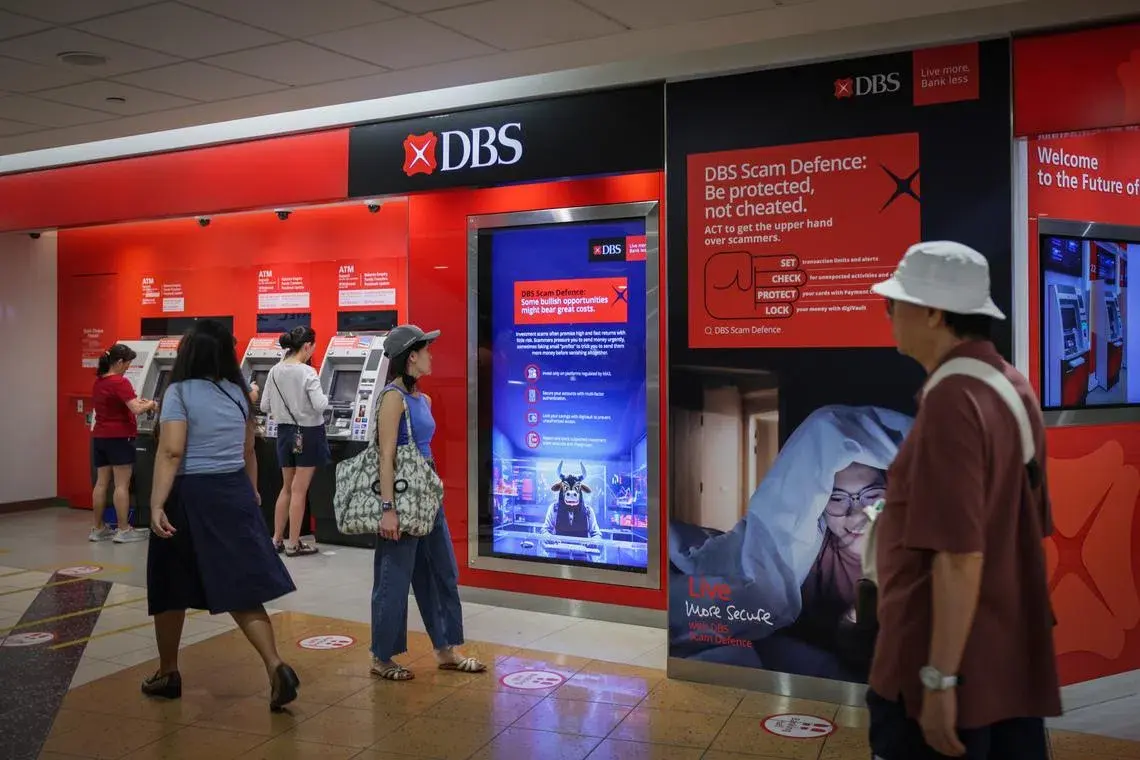
ST 사진: 진 테이
2026년 4월 11일 오전 10:00 게시
2026년 4월 11일 오전 10:27 업데이트
싱가포르 – 싱가포르의 최대 은행인 DBS가 사기를 근절하기 위한 새로운 조치를 도입함에 따라, 더 많은 DBS 온라인뱅킹 사용자들은 송금 성격에 대한 추가 심사를 기대할 수 있습니다. 대부분의 사기는 피해자가 자발적으로 자금을 송금하는 경우입니다.
향후 몇 개월 동안 고위험 송금을 할 때 사용자들은 송금을 요청한 사람의 신원을 비롯한 질문에 답해야 할 수 있습니다.
현재 작성 중인 이러한 질문들은 피해자들의 심리 상태를 방해하고 결정을 재고하도록 유도하는 "인지적 휴지"로 작용할 것입니다.
사용자의 응답에 따라 은행은 적절히 개입할 것이라고 DBS 은행의 집단조사 및 사기자문 담당자인 인 주온 강(Yin Juon Qiang) 씨가 말했습니다.
개입의 세부사항은 공개되지 않았지만, 고위험 거래에 대한 기존 개입 조치에는 고객에게 전화를 거는 것, 송금을 지연시키거나 임시로 차단하는 것이 포함됩니다.
새로운 수취인 추가 및 송금 한도 인상을 포함하여 더 높은 위험의 거래를 시작할 때 더욱 맞춤화된 인앱 알림도 활성화될 것입니다.
맞춤형 알림에는 "투자를 위해 송금하도록 요청받으셨나요?" 또는 "이 수취인을 실제로 만난 적이 있나요?"와 같은 내용이 포함될 수 있습니다. 고령 고객의 경우 더 큰 글씨체와 더욱 진한 시각 요소가 포함된 알림을 받을 수도 있습니다.
이러한 맞춤형 알림은 현재 표시되는 표준 알림을 보완할 것입니다: "수취인으로 추가하려는 개인 또는 기관을 정말 알고 있습니까? 사기꾼들이 새로운 전술을 사용하여 당신을 송금하도록 속일 수 있습니까? 의심스러우면 진행하지 마십시오."
인 씨는 이러한 개입 조치가 더욱 표적화된 접근을 가능하게 한다고 말했으며, 은행이 이미 신호(예: 사용된 기기의 변화 또는 비정상적인 거래 패턴)를 분석하여 매일 수백만 건의 거래 중에서 고위험 시나리오를 식별한다고 지적했습니다.
"이것은 단일 정적 통제에 관한 것이 아니라, 역동적으로 적응할 수 있는 시스템을 갖추는 것입니다"라고 그가 말했습니다.
표적화된 조치는 새로운 수취인 추가나 디지털 토큰 등록을 위한 12시간 대기 기간과 같은 광범위한 통제를 보완합니다.
은행들은 또한 고객이 일일 송금 한도를 인상하고, 연락처 정보를 업데이트하고, 디지털 토큰을 등록할 때 실시간 알림을 보내야 합니다.
이러한 광범위한 조치는 2021년 말과 2022년 초 OCBC 은행 고객을 대상으로 한 대규모 피싱 사기 이후 싱가포르 금융청에 의해 의무화되었습니다. 이 사기로 인해 수백 명의 피해자가 1,370만 달러의 손실을 입었습니다.
"광범위한 거래 통제는 무단 사기와 같은 특정 위험을 줄이는 데 효과적이지만, 합법적인 거래인 99.9% 이상의 거래를 포함하여 모든 고객에게 영향을 미칩니다"라고 인 씨가 말했습니다.
현재 공개되지 않은 한도 이상의 자금을 송금하는 사용자들은 디지털 또는 물리적 토큰을 통한 인증 같은 추가 인증에 직면합니다.
비정상적으로 큰 송금 같은 고위험으로 표시된 거래는 지연되거나, 심각한 경우 고객이 은행의 반사기 팀으로부터 전화를 받아야 할 수도 있습니다.
"DBS는 승인된 사기와 무단 사기 모두에서 비정상적인 행동과 패턴을 찾지만, 데이터에 따르면 무단 사기가 전체 사건의 더 작은 비중을 차지합니다"라고 인 씨가 말했습니다.
승인된 사기는 피해자가 사회공학을 통해 사기꾼에게 송금하도록 속을 때 발생합니다. 정부 관계자 사칭과 연애 사기가 이 범주에 속할 수 있습니다.
무단 사기는 사기꾼이 피싱 링크를 통해 로그인 자격증명을 훔친 후 피해자의 은행 계좌에 불법적으로 접근하는 것을 포함합니다.
2월에 경찰이 발표한 통계에 따르면 승인된 사기는 싱가포르가 2025년에 기록한 모든 사기 사건의 81.8%를 차지했습니다.
"따라서 탐지하고 성공적으로 개입하기가 더욱 복잡한 승인된 사기를 퇴치하는 데 상당한 초점을 맞추고 있습니다."
2월에 경찰이 발표한 통계에 따르면 싱가포르의 사기 사건 수는 8년 만에 처음으로 감소하여 2024년의 50,000건 이상에서 2025년 37,308건으로 감소했습니다.
그러나 2025년에 피해자들이 금 막대를 구매하여 사기꾼들에게 건네도록 설득당하는 우려스러운 사기 추세도 등장했으며, 이는 당국이 추적하기 더욱 어렵습니다.
인 씨는 "DBS는 표적화된 조치를 계속하는 것과 산업 전반적인 노력에 대해 집단적으로 움직이는 것 모두에서 우리의 역할을 계속 수행할 것입니다"라고 말했습니다.
인터넷 범죄 및 사기
ST 사진: 진 테이
2026년 4월 11일 오전 10:00 게시
2026년 4월 11일 오전 10:27 업데이트
싱가포르 – 싱가포르의 최대 은행인 DBS가 사기를 근절하기 위한 새로운 조치를 도입함에 따라, 더 많은 DBS 온라인뱅킹 사용자들은 송금 성격에 대한 추가 심사를 기대할 수 있습니다. 대부분의 사기는 피해자가 자발적으로 자금을 송금하는 경우입니다.
향후 몇 개월 동안 고위험 송금을 할 때 사용자들은 송금을 요청한 사람의 신원을 비롯한 질문에 답해야 할 수 있습니다.
현재 작성 중인 이러한 질문들은 피해자들의 심리 상태를 방해하고 결정을 재고하도록 유도하는 "인지적 휴지"로 작용할 것입니다.
사용자의 응답에 따라 은행은 적절히 개입할 것이라고 DBS 은행의 집단조사 및 사기자문 담당자인 인 주온 강(Yin Juon Qiang) 씨가 말했습니다.
개입의 세부사항은 공개되지 않았지만, 고위험 거래에 대한 기존 개입 조치에는 고객에게 전화를 거는 것, 송금을 지연시키거나 임시로 차단하는 것이 포함됩니다.
새로운 수취인 추가 및 송금 한도 인상을 포함하여 더 높은 위험의 거래를 시작할 때 더욱 맞춤화된 인앱 알림도 활성화될 것입니다.
맞춤형 알림에는 "투자를 위해 송금하도록 요청받으셨나요?" 또는 "이 수취인을 실제로 만난 적이 있나요?"와 같은 내용이 포함될 수 있습니다. 고령 고객의 경우 더 큰 글씨체와 더욱 진한 시각 요소가 포함된 알림을 받을 수도 있습니다.
이러한 맞춤형 알림은 현재 표시되는 표준 알림을 보완할 것입니다: "수취인으로 추가하려는 개인 또는 기관을 정말 알고 있습니까? 사기꾼들이 새로운 전술을 사용하여 당신을 송금하도록 속일 수 있습니까? 의심스러우면 진행하지 마십시오."
인 씨는 이러한 개입 조치가 더욱 표적화된 접근을 가능하게 한다고 말했으며, 은행이 이미 신호(예: 사용된 기기의 변화 또는 비정상적인 거래 패턴)를 분석하여 매일 수백만 건의 거래 중에서 고위험 시나리오를 식별한다고 지적했습니다.
"이것은 단일 정적 통제에 관한 것이 아니라, 역동적으로 적응할 수 있는 시스템을 갖추는 것입니다"라고 그가 말했습니다.
표적화된 조치는 새로운 수취인 추가나 디지털 토큰 등록을 위한 12시간 대기 기간과 같은 광범위한 통제를 보완합니다.
은행들은 또한 고객이 일일 송금 한도를 인상하고, 연락처 정보를 업데이트하고, 디지털 토큰을 등록할 때 실시간 알림을 보내야 합니다.
이러한 광범위한 조치는 2021년 말과 2022년 초 OCBC 은행 고객을 대상으로 한 대규모 피싱 사기 이후 싱가포르 금융청에 의해 의무화되었습니다. 이 사기로 인해 수백 명의 피해자가 1,370만 달러의 손실을 입었습니다.
"광범위한 거래 통제는 무단 사기와 같은 특정 위험을 줄이는 데 효과적이지만, 합법적인 거래인 99.9% 이상의 거래를 포함하여 모든 고객에게 영향을 미칩니다"라고 인 씨가 말했습니다.
현재 공개되지 않은 한도 이상의 자금을 송금하는 사용자들은 디지털 또는 물리적 토큰을 통한 인증 같은 추가 인증에 직면합니다.
비정상적으로 큰 송금 같은 고위험으로 표시된 거래는 지연되거나, 심각한 경우 고객이 은행의 반사기 팀으로부터 전화를 받아야 할 수도 있습니다.
"DBS는 승인된 사기와 무단 사기 모두에서 비정상적인 행동과 패턴을 찾지만, 데이터에 따르면 무단 사기가 전체 사건의 더 작은 비중을 차지합니다"라고 인 씨가 말했습니다.
승인된 사기는 피해자가 사회공학을 통해 사기꾼에게 송금하도록 속을 때 발생합니다. 정부 관계자 사칭과 연애 사기가 이 범주에 속할 수 있습니다.
무단 사기는 사기꾼이 피싱 링크를 통해 로그인 자격증명을 훔친 후 피해자의 은행 계좌에 불법적으로 접근하는 것을 포함합니다.
2월에 경찰이 발표한 통계에 따르면 승인된 사기는 싱가포르가 2025년에 기록한 모든 사기 사건의 81.8%를 차지했습니다.
"따라서 탐지하고 성공적으로 개입하기가 더욱 복잡한 승인된 사기를 퇴치하는 데 상당한 초점을 맞추고 있습니다."
2월에 경찰이 발표한 통계에 따르면 싱가포르의 사기 사건 수는 8년 만에 처음으로 감소하여 2024년의 50,000건 이상에서 2025년 37,308건으로 감소했습니다.
그러나 2025년에 피해자들이 금 막대를 구매하여 사기꾼들에게 건네도록 설득당하는 우려스러운 사기 추세도 등장했으며, 이는 당국이 추적하기 더욱 어렵습니다.
인 씨는 "DBS는 표적화된 조치를 계속하는 것과 산업 전반적인 노력에 대해 집단적으로 움직이는 것 모두에서 우리의 역할을 계속 수행할 것입니다"라고 말했습니다.
인터넷 범죄 및 사기
The questions will act as “cognitive breaks” to prompt victims to rethink their decision.
Over the coming months, making high-risk fund transfers may require users to answer questions such as the identity of the person requesting the transfer.ST PHOTO: GIN TAY
Published Apr 11, 2026, 10:00 AM
Updated Apr 11, 2026, 10:27 AM
SINGAPORE – More DBS online banking users can expect further probes into the nature of their transfers as Singapore’s largest bank rolls out new measures to stamp out scams, most of which involve victims knowingly sending funds.
Over the coming months, making high-risk fund transfers may require users to answer questions such as the identity of the person requesting the transfer.
These questions, which are still being worked out, will act as “cognitive breaks” to interrupt the psychological state of victims and prompt them to rethink their decision.
Depending on the user’s response, the bank will intervene accordingly, said Mr Yin Juon Qiang, DBS Bank’s head of group investigations and fraud advisory.
Details of the intervention have not been disclosed, but existing interventions for high-risk transactions include making a call to the customer, and delaying or temporarily blocking the transfer.
More customised in-app prompts will also be activated when customers initiate transactions of higher risk, including adding a new payee and raising transfer limits.
Customised prompts may include “Were you asked to transfer money for an investment?” or “Have you met this recipient in real life?”. Elderly customers may also receive a prompt in larger font and with bolder visuals.
These customised prompts will supplement standard ones seen today: “Do you really know the individual or organisation you are adding as a recipient? Could fraudsters be using a new tactic to trick you into sending money? If in doubt, do not proceed.”
Such interventions allow the bank to be more targeted, said Mr Yin, noting that it already analyses signals, such as changes in the device used or unusual transaction patterns, to pick out high-risk scenarios from millions of transactions daily.
“It’s not about a single static control; it’s about having a system that can adapt dynamically,” he said.
The targeted measures complement broad-based controls such as a 12-hour cooling period for adding a new payee or registering a digital token.
Banks are also required to send real-time alerts when customers increase daily transfer limits, update their contact details and register a digital token.
These broad-based measures were mandated by the Monetary Authority of Singapore following a major phishing scam in late 2021 and early 2022 that targeted OCBC Bank customers. The scam resulted in $13.7 million in losses for hundreds of victims.
“Broad-based transaction controls are effective in reducing certain risks such as unauthorised scams, but they also impact all customers, including more than 99.9 per cent of transactions which are legitimate,” said Mr Yin.
Currently, users who transfer funds above an undisclosed threshold face additional authentication such as via their digital or physical token.
Transactions flagged as high-risk – like unusually large transfers – may also be delayed or, in serious cases, require customers to answer a call from the bank’s anti-scam team.
“While DBS looks for unusual behaviour and patterns across both authorised and unauthorised scams, data shows that unauthorised scams form a smaller proportion of overall cases,” said Mr Yin.
Authorised scams occur when victims are duped into transferring money to scammers through social engineering. Government official impersonation and love scams can fall under this category.
Unauthorised scams involve scammers gaining illegal access to a victim’s bank account after stealing login credentials via phishing links.
Authorised scams made up 81.8 per cent of all scam cases that Singapore saw in 2025, according to statistics released by the police in February.
“As such, a significant focus is placed on combating authorised scams, which are more complex to detect and successfully intervene.”
The number of scam cases in Singapore has fallen for the first time in eight years, from more than 50,000 in 2024 to 37,308 in 2025, according to the police statistics released in February.
But a concerning scam trend also emerged in 2025, where victims have been convinced to buy gold bars and hand them over to scammers, as these are harder for the authorities to track.
Said Mr Yin: “DBS will continue to play our part in both continuing our targeted measures, as well as moving collectively on industry-wide efforts.”
Internet crimes and scams