미국-이란 파키스탄 휴전 회담에 대해 우리가 알고 있는 것
What We Know About the U.S.-Iran Cease-Fire Talks in Pakistan
The New York Times
Ashley Ahn, Pranav Baskar and Lynsey Chutel
EN
2026-04-11 20:36
Translated
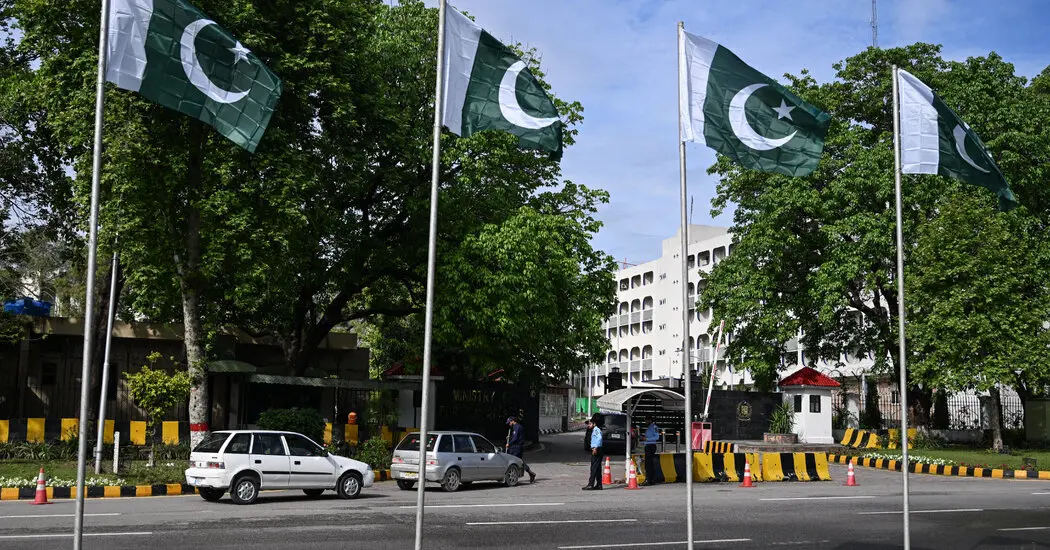
부통령 JD 밴스가 미국 대표단을 이끌고 있으며, 토요일 파키스탄에서 이란 관리들과 회담을 진행 중입니다.
미국과 이란 관리들이 토요일 파키스탄에서 고위급 평화 회담을 진행했으며, 중동에서의 계속된 공격과 호르무즈 해협에 대한 불확실성이 이미 취약한 휴전 상태를 시험하고 있습니다.
해협 재개통은 중요한 석유 운송로이며 미국의 중심 요구사항이지만, 금요일에는 단 2척의 선박만이 해협을 통과했으며 이는 휴전 이후 가장 적은 수입니다. 미국 관리들은 금요일 이란이 해협에 설치한 모든 지뢰를 찾을 수 없다고 밝혔습니다.
레바논에서는 토요일 국영 매체가 재개된 총격전과 이스라엘 군사 활동을 보도했습니다. 몇 시간 전 이란 대표단은 파키스탄에서의 회담이 레바논 휴전 없이는 시작될 수 없다고 말했습니다. 이스라엘과 미국은 현재의 휴전이 레바논에 적용되지 않는다고 말합니다. 이란, 파키스탄, 유럽 국가들의 한 그룹은 적용된다고 주장했습니다.
워싱턴과 테헤란은 파키스탄의 수도 이슬라마바드에서의 회담에 장기 정착 조건에 대한 상당한 차이를 안고 진입하게 됩니다.
긴장된 외교사도 회담에 그림자를 드리우고 있습니다. 지난해 두 번 이란은 미국과 간접 협상을 진행했으나 회담이 결렬되고 미국과 이스라엘이 공격했습니다.
전쟁 종료 압력이 증가하고 있는 백악관과 이란은 각각 승리로 표현할 수 있는 결과를 원합니다.
파키스탄은 중재자 역할을 하고 있습니다. 지난주 2주간의 휴전 협상을 도와 주요 외교적 승리를 거두었습니다.
파키스탄은 이란과 깊은 유대관계를 가지고 있으며 565마일의 국경을 공유합니다. 또한 지난 1년간 트럼프 행정부를 열심히 추진해왔으며 그에게 칭찬을 퍼붓고, 노벨 평화상 후보로 지명하고, 그의 행정부와 일련의 사업 거래를 체결했습니다.
부통령 JD 밴스가 미국 대표단을 이끌고 있으며, 여기에는 트럼프의 특사 스티브 위트코프와 그의 사위 자레드 쿠슈너가 포함됩니다.
위트코프와 쿠슈너는 지난 2월 말 이란 관리들과의 마지막 회담 라운드를 주도했으며, 테헤란이 핵 프로그램에 대한 거래에 개방적이지 않다고 결론지었습니다. 경험 많은 외교관들은 트럼프가 숙련된 전문가들을 제쳐두고 부동산 배경을 가진 친구와 가족 구성원에게 복잡한 중동 외교를 맡겼다는 우려를 제기했습니다.
최소 70명의 팀이 회담에서 이란을 대표하고 있으며, 국회의장 모하마드 바게르 갈리바프가 이끌고 있으며, 그는 국내에 남아있는 최고위급 관리 중 한 명으로 협상을 매우 심각하게 받아들이고 있음을 나타냅니다. 금요일 이슬라마바드에 도착한 이란 대표단에는 경험 많은 외교관, 협상가, 군 관리, 법무 고문, 금융 및 제재 전문가들이 포함됩니다.
미국과 이란 대표단 간 대면 회담이 진행될지 여부는 불명확합니다.
제재, 해상 교통, 핵 농축 및 이스라엘의 레바논 군사 공격이 의제에 올라있습니다.
미국 측의 중심 요구사항은 호르무즈 해협의 재개통이며, 이는 세계 해상 석유의 4분의 1과 천연가스의 5분의 1을 운반하는 중요한 수로입니다. 이란은 실질적으로 해협을 봉쇄했으며, 재개통은 테헤란이 그렇지 않으면 "전체 문명"을 없앨 것이라고 말한 트럼프 대통령의 종말론적 최후통첩의 초점이었습니다.
현재의 휴전 이후 이란 군부는 해협에 대한 통제를 유지할 계획이라고 신호를 보냈으며, 트럼프는 미국이 이란과 함께 통제할 수도 있다고 제안했습니다. 금요일에 그는 이란의 지속된 해상 교통 제한 노력을 "갈취"라고 묘사했습니다.
이란의 핵 프로그램도 핵심 쟁점이 될 가능성이 높습니다. 이란은 미국이 우라늄 농축 능력을 받아들이기를 원하지만, 트럼프의 최근 발언은 영 농축 요구를 반복했습니다.
이란 대표단의 지도자인 갈리바프는 금요일 미국과의 협상이 레바논의 휴전이 시작될 때까지 시작될 수 없다고 말했으며 동결된 이란 자산의 해제라는 새로운 요구사항으로 보이는 것을 제시했습니다.
이란인들은 또한 미국이 다시 이란을 공격하지 않을 것이라는 보장을 추구하고 있습니다. 이 최종 조건은 영구적인 적대 행위 종료를 의미하며 미국 중재자들이 현재 제공하고 있는 휴전보다 더 나아갑니다.
이란은 수요일에 평화 제안을 발표했으며 미국의 목표와 조화시키기 어렵거나 불가능할 광범위한 요구사항을 제시했습니다.
이란의 기본틀은 호르무즈 해협에 대한 통제를 유지할 수 있으며, 미국이 지역 내 모든 기지에서 군대를 철수할 것을 요구하며 이란의 핵 농축 추구 권리를 보존합니다. 또한 이스라엘의 레바논 헤즈볼라 목표에 대한 공격 종료를 요구합니다.
트럼프는 처음에 이란 기본틀을 전쟁 종료를 "협상할 수 있는 기반"이라고 묘사했습니다. 그러나 민감한 회담을 논의하기 위해 익명을 요청한 백악관 관리는 이란이 발표한 10개 항목 계획의 요구사항이 트럼프가 언급한 것과 동일하지 않다고 말했습니다.
이란의 많은 조건들은 미국 중재자들이 지난달 파키스탄 중개자를 통해 이란에 보낸 15개 항목 제안과 충돌할 가능성이 높습니다. 관리들은 이 제안이 이란의 탄도 미사일 및 핵 프로그램뿐만 아니라 해상 무역을 다루었다고 말했습니다.
목요일에 트럼프는 15개 항목을 언급했으며 이란이 이미 많은 항목에 동의했다고 주장했습니다. 그러나 계획이 몇 주 전 이란에 처음 전달된 후 이란 관리들 사이에 얼마나 널리 공유되었는지는 불명확합니다.
해협 재개통은 중요한 석유 운송로이며 미국의 중심 요구사항이지만, 금요일에는 단 2척의 선박만이 해협을 통과했으며 이는 휴전 이후 가장 적은 수입니다. 미국 관리들은 금요일 이란이 해협에 설치한 모든 지뢰를 찾을 수 없다고 밝혔습니다.
레바논에서는 토요일 국영 매체가 재개된 총격전과 이스라엘 군사 활동을 보도했습니다. 몇 시간 전 이란 대표단은 파키스탄에서의 회담이 레바논 휴전 없이는 시작될 수 없다고 말했습니다. 이스라엘과 미국은 현재의 휴전이 레바논에 적용되지 않는다고 말합니다. 이란, 파키스탄, 유럽 국가들의 한 그룹은 적용된다고 주장했습니다.
워싱턴과 테헤란은 파키스탄의 수도 이슬라마바드에서의 회담에 장기 정착 조건에 대한 상당한 차이를 안고 진입하게 됩니다.
긴장된 외교사도 회담에 그림자를 드리우고 있습니다. 지난해 두 번 이란은 미국과 간접 협상을 진행했으나 회담이 결렬되고 미국과 이스라엘이 공격했습니다.
전쟁 종료 압력이 증가하고 있는 백악관과 이란은 각각 승리로 표현할 수 있는 결과를 원합니다.
파키스탄은 중재자 역할을 하고 있습니다. 지난주 2주간의 휴전 협상을 도와 주요 외교적 승리를 거두었습니다.
파키스탄은 이란과 깊은 유대관계를 가지고 있으며 565마일의 국경을 공유합니다. 또한 지난 1년간 트럼프 행정부를 열심히 추진해왔으며 그에게 칭찬을 퍼붓고, 노벨 평화상 후보로 지명하고, 그의 행정부와 일련의 사업 거래를 체결했습니다.
부통령 JD 밴스가 미국 대표단을 이끌고 있으며, 여기에는 트럼프의 특사 스티브 위트코프와 그의 사위 자레드 쿠슈너가 포함됩니다.
위트코프와 쿠슈너는 지난 2월 말 이란 관리들과의 마지막 회담 라운드를 주도했으며, 테헤란이 핵 프로그램에 대한 거래에 개방적이지 않다고 결론지었습니다. 경험 많은 외교관들은 트럼프가 숙련된 전문가들을 제쳐두고 부동산 배경을 가진 친구와 가족 구성원에게 복잡한 중동 외교를 맡겼다는 우려를 제기했습니다.
최소 70명의 팀이 회담에서 이란을 대표하고 있으며, 국회의장 모하마드 바게르 갈리바프가 이끌고 있으며, 그는 국내에 남아있는 최고위급 관리 중 한 명으로 협상을 매우 심각하게 받아들이고 있음을 나타냅니다. 금요일 이슬라마바드에 도착한 이란 대표단에는 경험 많은 외교관, 협상가, 군 관리, 법무 고문, 금융 및 제재 전문가들이 포함됩니다.
미국과 이란 대표단 간 대면 회담이 진행될지 여부는 불명확합니다.
제재, 해상 교통, 핵 농축 및 이스라엘의 레바논 군사 공격이 의제에 올라있습니다.
미국 측의 중심 요구사항은 호르무즈 해협의 재개통이며, 이는 세계 해상 석유의 4분의 1과 천연가스의 5분의 1을 운반하는 중요한 수로입니다. 이란은 실질적으로 해협을 봉쇄했으며, 재개통은 테헤란이 그렇지 않으면 "전체 문명"을 없앨 것이라고 말한 트럼프 대통령의 종말론적 최후통첩의 초점이었습니다.
현재의 휴전 이후 이란 군부는 해협에 대한 통제를 유지할 계획이라고 신호를 보냈으며, 트럼프는 미국이 이란과 함께 통제할 수도 있다고 제안했습니다. 금요일에 그는 이란의 지속된 해상 교통 제한 노력을 "갈취"라고 묘사했습니다.
이란의 핵 프로그램도 핵심 쟁점이 될 가능성이 높습니다. 이란은 미국이 우라늄 농축 능력을 받아들이기를 원하지만, 트럼프의 최근 발언은 영 농축 요구를 반복했습니다.
이란 대표단의 지도자인 갈리바프는 금요일 미국과의 협상이 레바논의 휴전이 시작될 때까지 시작될 수 없다고 말했으며 동결된 이란 자산의 해제라는 새로운 요구사항으로 보이는 것을 제시했습니다.
이란인들은 또한 미국이 다시 이란을 공격하지 않을 것이라는 보장을 추구하고 있습니다. 이 최종 조건은 영구적인 적대 행위 종료를 의미하며 미국 중재자들이 현재 제공하고 있는 휴전보다 더 나아갑니다.
이란은 수요일에 평화 제안을 발표했으며 미국의 목표와 조화시키기 어렵거나 불가능할 광범위한 요구사항을 제시했습니다.
이란의 기본틀은 호르무즈 해협에 대한 통제를 유지할 수 있으며, 미국이 지역 내 모든 기지에서 군대를 철수할 것을 요구하며 이란의 핵 농축 추구 권리를 보존합니다. 또한 이스라엘의 레바논 헤즈볼라 목표에 대한 공격 종료를 요구합니다.
트럼프는 처음에 이란 기본틀을 전쟁 종료를 "협상할 수 있는 기반"이라고 묘사했습니다. 그러나 민감한 회담을 논의하기 위해 익명을 요청한 백악관 관리는 이란이 발표한 10개 항목 계획의 요구사항이 트럼프가 언급한 것과 동일하지 않다고 말했습니다.
이란의 많은 조건들은 미국 중재자들이 지난달 파키스탄 중개자를 통해 이란에 보낸 15개 항목 제안과 충돌할 가능성이 높습니다. 관리들은 이 제안이 이란의 탄도 미사일 및 핵 프로그램뿐만 아니라 해상 무역을 다루었다고 말했습니다.
목요일에 트럼프는 15개 항목을 언급했으며 이란이 이미 많은 항목에 동의했다고 주장했습니다. 그러나 계획이 몇 주 전 이란에 처음 전달된 후 이란 관리들 사이에 얼마나 널리 공유되었는지는 불명확합니다.
처리 완료 4,871 tokens · $0.0137
기사 수집 완료 · 21:40
매체 피드에서 기사 메타데이터 수집
헤드라인 번역 완료 · 21:55
제목/요약 한국어 번역 (fetch 시점 inline)
claude-haiku-4-5-20251001
200 tokens
$0.00049
2.7s
본문 추출 완료
5,900자 추출 완료
본문 한국어 번역 완료 · 21:55
2,526자 번역 완료
claude-haiku-4-5-20251001
4,671 tokens
$0.01322
29.3s
지정학적 엔티티 추출 완료 · 21:55
8개 엔티티 추출 완료
Vice President JD Vance is leading the U.S. delegation, which is in Pakistan for talks with Iranian officials on Saturday.
U.S. and Iranian officials were in Pakistan for high-level peace talks on Saturday as continued strikes in the Middle East and uncertainty about the Strait of Hormuz tested an already fragile cease-fire.Reopening the strait, a vital oil route, is a central demand for the United States, but on Friday only two ships passed through the waterway, the fewest since the cease-fire began. U.S. officials said on Friday that Iran cannot locate all of the mines it laid in the strait.
In Lebanon, state media on Saturday reported renewed gunfire and Israeli military activity. Hours earlier, the Iranian delegation had said that the talks in Pakistan could not begin without a cease-fire in Lebanon. Israel and the United States say the current truce does not apply to Lebanon. Iran, Pakistan and a group of European countries have said that it does.
Washington and Tehran will enter the talks in Islamabad, the Pakistani capital, with significant differences about the conditions for a longer-term settlement.
A strained diplomatic history also casts a shadow over the talks. Twice in the past year, Iran was deep in indirect negotiations with the United States when talks fell apart and the United States and Israel attacked.
Iran and the White House, which is under increasing pressure to end the war, want to come away from any talks with an outcome each can cast as a victory.
Pakistan is acting as a mediator. It helped negotiate a two-week cease-fire last week, scoring a major diplomatic victory.
Pakistan shares deep bonds and a 565-mile border with Iran. It has also spent the last year wooing Mr. Trump — lavishing him with praise, nominating him for the Nobel Peace Prize and striking a series of business deals with his administration.
Vice President JD Vance is leading the U.S. delegation, which also includes Steve Witkoff, Mr. Trump’s special envoy, and Jared Kushner, his son-in-law.
Mr. Witkoff and Mr. Kushner led the last round of talks with Iranian officials in late February, when they concluded that Tehran was not open to a deal over its nuclear program. Veteran diplomats have raised concerns that Mr. Trump has sidelined skilled experts while placing complex Middle East diplomacy in the hands of a friend and family member who have backgrounds in real estate.
A team of at least 70 people is representing Iran at the talks — led by its speaker of Parliament, Mohammad Bagher Ghalibaf, one of the highest-ranking officials left in the country — signaling how seriously it is taking the negotiations. The Iranian delegation, which arrived in Islamabad on Friday, includes experienced diplomats and negotiators, military officials and legal advisers, as well as experts in finance and sanctions.
It was unclear if the talks would involve face-to-face meetings between the U.S. and Iranian delegations.
Sanctions, shipping traffic, nuclear enrichment and Israel’s military attacks on Lebanon are on the agenda.
A central demand from the U.S. side is the reopening of the Strait of Hormuz, the vital waterway that serves as a conduit for a quarter of the world’s seaborne oil and one-fifth of its natural gas. Iran has effectively blockaded the strait, and reopening it was the focus of an apocalyptic ultimatum by President Trump, who said he would wipe out a “whole civilization” if Tehran didn’t do so.
Since the current truce was struck, Iran’s military has signaled it plans to maintain control of the strait, while Mr. Trump has suggested that the United States might jointly control it with Iran. On Friday, he described Iran’s continued efforts to restrict shipping traffic as “extortion.”
Iran’s nuclear program is also likely to be a key issue. Iran wants the United States to accept its ability to enrich uranium, but Mr. Trump’s most recent statements reiterated calls for zero enrichment.
Mr. Ghalibaf, the leader of Iran’s delegation, said on Friday that negotiations with the United States could not start until there is a cease-fire in Lebanon and introduced what appeared to be a new demand for frozen Iranian assets to be released.
Iranians are also seeking a guarantee that the United States will not attack Iran again. That final condition would mean a permanent end to hostilities, and go further than the cease-fire that U.S. mediators are currently offering.
Iran released its peace proposal on Wednesday, outlining sweeping demands that would be difficult, if not impossible, to reconcile with U.S. aims.
Iran’s framework allows it to maintain control of the Strait of Hormuz, requires the United States to withdraw its forces from all bases in the region and preserves Iran’s right to pursue nuclear enrichment. It also calls for an end to Israeli attacks on Hezbollah targets in Lebanon.
Mr. Trump initially described the Iranian framework as “a workable basis on which to negotiate” an end to the war. But a White House official, who spoke on the condition of anonymity to discuss sensitive talks, said the demands in the 10-point plan released by Iran were not the same as the ones referenced by Mr. Trump.
Many of Iran’s conditions are likely to conflict with a 15-point proposal that U.S. mediators sent to Iran through Pakistani intermediaries last month. Officials said that proposal addressed Iran’s ballistic missile and nuclear programs, as well as maritime trade.
On Thursday, Mr. Trump referred to the 15 points and claimed that Iran had already agreed to many of them. But it was unclear how widely the plan had been shared among Iranian officials after it was first passed to Iran several weeks ago.
Ashley Ahn covers breaking news for The Times from New York.
Pranav Baskar is an international reporter and a member of the 2025-26 Times Fellowship class, a program for journalists early in their careers.
Lynsey Chutel is a Times reporter based in London who covers breaking news in Africa, the Middle East and Europe.