긴급 상황에서 챙겨야 할 "집어 들고 나가기" 가방에 무엇을 담을 것인가
What to pack in emergency 'grab and go' bags
RNZ
EN
2026-04-11 02:02
Translated
사람들은 출입구 근처에 약 72시간 동안 지낼 수 있는 물품이 들어 있는 미리 준비된 "집어 들고 나가기" 가방을 갖춰두어야 한다.
사람들은 출입구 근처에 약 72시간 동안 지낼 수 있는 물품이 들어 있는 미리 준비된 "집어 들고 나가기" 가방을 갖춰두어야 한다.
지진, 쓰나미 경보 또는 홍수가 발생하면 무엇을 챙길지 결정할 시간이 없다.
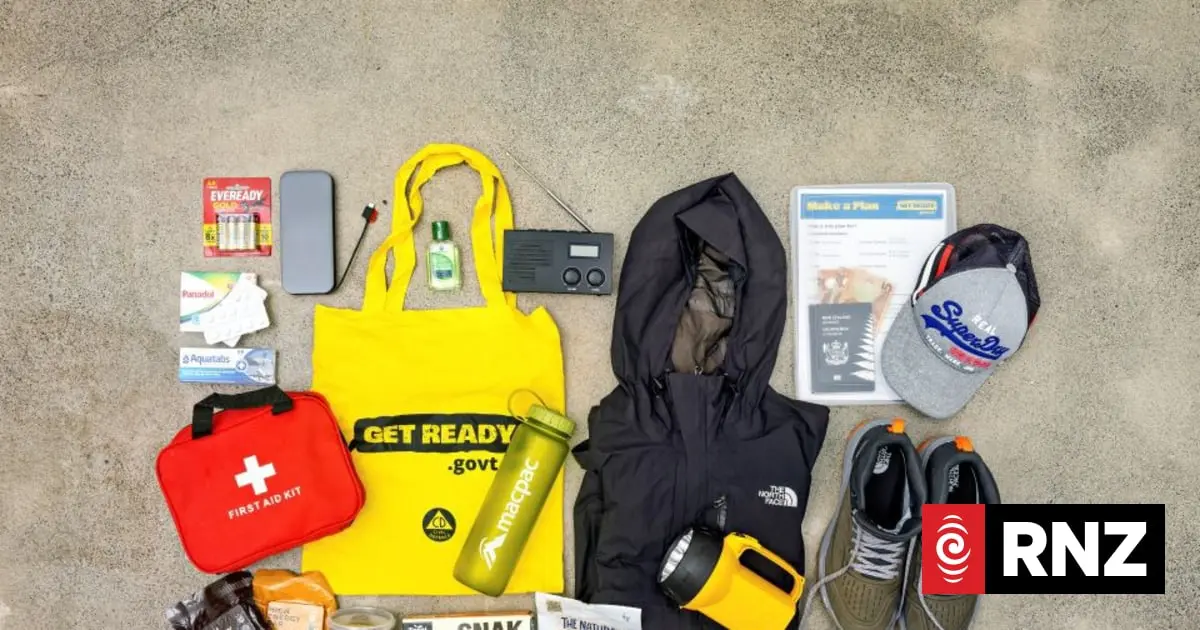
국가긴급관리청(NEMA)은 각 개인을 위해 견고한 운동화, 따뜻한 옷, 우비와 모자, 물과 간식, 손 소독제, 휴대용 휴대폰 충전기, 현금(소액권/동전), 중요한 서류와 신분증 사본(인쇄본 또는 휴대폰으로 스캔)과 같은 필수 물품이 담긴 작은 가방을 권장한다.
정규 약물과 특별 식단 물품, 응급 처치 키트, 마스크/안면 보호대, 손전등 및 배터리/태양광/수동 라디오(및 배터리)를 정전 대비용으로 챙기는 것을 잊지 마라. 장애인의 경우 보청기용 여분의 배터리 또는 수어 사용자를 위한 종이와 펜 같은 물품을 포함하라.
음식의 종류와 물의 양에 관해서는, 응아이 타후 이위의 긴급 지침에서 3일분의 상하기 쉽지 않은 바로 먹을 수 있는 음식과 캔따개, 그리고 500ml 물병 2개와 정수 정제를 권장한다. 이들은 매년 확인하고 만료 기한이 지났으면 교체해야 한다.
NEMA가 제공하는 고용주들이 고려할 수 있는 음식 배급량의 예가 있지만, 그 기관은 수행하는 작업의 종류도 고려해야 한다고 언급한다. 예를 들어, 육체 노동 대 사무직 업무이다.
소비자 뉴질랜드 저자 에이미 맥나브는 냉동 보관이 필요 없는 장기 보관 식품을 권장하므로 미리 가방에 담을 수 있다. 그 기구는 또한 두꺼운 장갑과 위생 용품(휴지, 물티슈, 칫솔/치약)을 추가할 것을 권장한다.
웰링턴 지역 긴급관리청은 미리 대피 조치 목록을 작성할 것을 조언한다(유틸리티를 끄고 문을 잠그기).
몇 가지 "있으면 좋은" 물품으로는 오락(카드, 책, 음악 플레이어 등), 글로우 스틱, 성냥, 모든 방과 물품의 사진이 담긴 플래시 드라이브, 작은 삽, 형광 조끼, 스위스 군용 칼, 쓰레기 봉투, 목적지와 연락처가 표시된 지역 지도 등이 있다.
맥나브는 무게가 너무 많이 나가지 않아 장거리 이동에 방해가 되지 않는 경우를 제외하고는 자는 가방이나 담요를 "집어 들고 나가기" 가방에 포함시킬 것을 권장하지 않는다.
"커뮤니티 허브와 같은 긴급 대피소에서는 보통 긴급 상황을 위한 담요를 제공한다."
겨울 운전 조건에서는 차량에 브러시, 삽, 타이어 체인, 앞유리 긁개, 따뜻한 옷, 운동화, 방수 재킷, 약물, 간식, 물, 휴대폰 충전 케이블 및 손전등을 보관하라.
유아 보육 센터의 긴급 계획에는 아이들을 따뜻하고 건조하게 유지하기 위한 물품뿐만 아니라 아기 분유, 깨끗한 병, 기저귀 등 나이에 맞는 물품이 포함될 수 있으며, 이는 아이 수와 필요에 따라 다르다. 하지만 교육부에 따르면 정해진 물품 목록은 없다.
자녀의 학교 대피 계획을 확인하고 방수 용기에 물품을 제공해야 하는지 또는 긴급 상황에서의 계획이 무엇인지 확인하라.
NEMA는 고용주들이 현장 모든 사람(방문객 포함)을 위해 3일분의 물품을 비축하고 직원들이 집으로 걸어가야 하는 경우에 대비해 직장용 "집어 들고 나가기" 가방을 보관하도록 권장한다.
심각한 부상에 대비하라 — 응급 서비스가 도착할 때까지 담요, 들것 및 완전한 응급 처치 키트를 준비하라.
애완동물과 가축을 긴급 계획에 포함시키라 — 그들을 계획에 포함시키지 못하면 생명이 위험해질 수 있다고 NEMA는 말한다.
공공 방송사 RNZ는 전화 사용 팁, 추억의 물품 보호 및 약물 관리를 포함한 추가 긴급 지침을 제공한다.
지진, 쓰나미 경보 또는 홍수가 발생하면 무엇을 챙길지 결정할 시간이 없다.
국가긴급관리청(NEMA)은 각 개인을 위해 견고한 운동화, 따뜻한 옷, 우비와 모자, 물과 간식, 손 소독제, 휴대용 휴대폰 충전기, 현금(소액권/동전), 중요한 서류와 신분증 사본(인쇄본 또는 휴대폰으로 스캔)과 같은 필수 물품이 담긴 작은 가방을 권장한다.
정규 약물과 특별 식단 물품, 응급 처치 키트, 마스크/안면 보호대, 손전등 및 배터리/태양광/수동 라디오(및 배터리)를 정전 대비용으로 챙기는 것을 잊지 마라. 장애인의 경우 보청기용 여분의 배터리 또는 수어 사용자를 위한 종이와 펜 같은 물품을 포함하라.
음식의 종류와 물의 양에 관해서는, 응아이 타후 이위의 긴급 지침에서 3일분의 상하기 쉽지 않은 바로 먹을 수 있는 음식과 캔따개, 그리고 500ml 물병 2개와 정수 정제를 권장한다. 이들은 매년 확인하고 만료 기한이 지났으면 교체해야 한다.
NEMA가 제공하는 고용주들이 고려할 수 있는 음식 배급량의 예가 있지만, 그 기관은 수행하는 작업의 종류도 고려해야 한다고 언급한다. 예를 들어, 육체 노동 대 사무직 업무이다.
소비자 뉴질랜드 저자 에이미 맥나브는 냉동 보관이 필요 없는 장기 보관 식품을 권장하므로 미리 가방에 담을 수 있다. 그 기구는 또한 두꺼운 장갑과 위생 용품(휴지, 물티슈, 칫솔/치약)을 추가할 것을 권장한다.
웰링턴 지역 긴급관리청은 미리 대피 조치 목록을 작성할 것을 조언한다(유틸리티를 끄고 문을 잠그기).
몇 가지 "있으면 좋은" 물품으로는 오락(카드, 책, 음악 플레이어 등), 글로우 스틱, 성냥, 모든 방과 물품의 사진이 담긴 플래시 드라이브, 작은 삽, 형광 조끼, 스위스 군용 칼, 쓰레기 봉투, 목적지와 연락처가 표시된 지역 지도 등이 있다.
맥나브는 무게가 너무 많이 나가지 않아 장거리 이동에 방해가 되지 않는 경우를 제외하고는 자는 가방이나 담요를 "집어 들고 나가기" 가방에 포함시킬 것을 권장하지 않는다.
"커뮤니티 허브와 같은 긴급 대피소에서는 보통 긴급 상황을 위한 담요를 제공한다."
겨울 운전 조건에서는 차량에 브러시, 삽, 타이어 체인, 앞유리 긁개, 따뜻한 옷, 운동화, 방수 재킷, 약물, 간식, 물, 휴대폰 충전 케이블 및 손전등을 보관하라.
유아 보육 센터의 긴급 계획에는 아이들을 따뜻하고 건조하게 유지하기 위한 물품뿐만 아니라 아기 분유, 깨끗한 병, 기저귀 등 나이에 맞는 물품이 포함될 수 있으며, 이는 아이 수와 필요에 따라 다르다. 하지만 교육부에 따르면 정해진 물품 목록은 없다.
자녀의 학교 대피 계획을 확인하고 방수 용기에 물품을 제공해야 하는지 또는 긴급 상황에서의 계획이 무엇인지 확인하라.
NEMA는 고용주들이 현장 모든 사람(방문객 포함)을 위해 3일분의 물품을 비축하고 직원들이 집으로 걸어가야 하는 경우에 대비해 직장용 "집어 들고 나가기" 가방을 보관하도록 권장한다.
심각한 부상에 대비하라 — 응급 서비스가 도착할 때까지 담요, 들것 및 완전한 응급 처치 키트를 준비하라.
애완동물과 가축을 긴급 계획에 포함시키라 — 그들을 계획에 포함시키지 못하면 생명이 위험해질 수 있다고 NEMA는 말한다.
공공 방송사 RNZ는 전화 사용 팁, 추억의 물품 보호 및 약물 관리를 포함한 추가 긴급 지침을 제공한다.
People should have a pre-packed "grab and go" bag by their exit, with supplies that can last about 72 hours in emergency.
People should have a pre-packed "grab and go" bag by their exit door, with supplies that can last about 72 hours in case of an emergency.When an earthquake, tsunami warning or flood strikes, you won’t have time to decide what to take.
National Emergency Management Agency (NEMA) recommends a small bag for each person with essentials, such as sturdy walking shoes, warm clothes, raincoat and hat, water and snack food, hand sanitiser, portable phone charger, cash (small notes/coins), and copies of important documents and photo ID (printed or scanned to your phone).
Don’t forget any regular medications and special-diet items, first aid kit, mask/face covering, torch and battery/solar/wind-up radio (plus batteries) for outages. For people with disabilities, include items such as spare batteries for hearing-aids or pen and paper for sign language users.
As for what kind of food and how much water, Ngāi Tahu iwi’s emergency guidance recommends three days’ worth of non-perishable, ready-to-eat food and a can opener plus two 500ml water bottles and purification tablets. These should be checked annually and replaced if expired.
An example of food rations employers might consider including is provided by NEMA, but the agency also notes the type of work being done should be factored in. For example, physical labour versus office desk jobs.
Consumer NZ writer Amy McNabb recommends long-life food items that don’t require refrigeration so they can be placed in your bag ahead of time. The organisation also suggests adding thick gloves and hygiene supplies (tissues, wet wipes, toothbrush/toothpaste).
Wellington Region Emergency Management Office advises writing a list of evacuation actions in advance (turn off utilities and locking doors).
Some “nice to haves” may include entertainment (pack of cards, book, music player, etc), glow sticks, matches, flash drive with photos of all the rooms and contents, small shovel, hi-vis vest, Swiss army knife, waste disposal bags, and a local map marked with destinations and contacts.
McNabb doesn’t recommend including sleeping bags or blankets in grab bags, unless they’re light enough to not add too much weight over a long walking distance.
“Emergency evacuation centres, such as community hubs, will usually have blankets for emergencies."
In winter driving conditions, keep a brush, shovel, tyre chains, windscreen scraper, warm clothing, walking shoes, waterproof jacket, medicines, snacks, water, phone charger lead and a torch in the vehicle.
Early childhood centres’ emergency plan may include supplies for keeping children warm/dry as well as age-appropriate supplies, such as infant formula, clean bottles, nappies, based on numbers and needs. But there is no set supplies list, according to the Ministry of Education.
Check your child’s school evacuation plan and whether you must provide a waterproof container of items or what their plans in an emergency are.
NEMA says employers should hold three days’ supplies for everyone onsite (including visitors) and encourage staff to keep work grab bags in case they must walk home.
Plan for serious injuries — have blankets, stretchers and a full first aid kit until emergency services arrive.
Include pets and livestock in emergency planning — failing to plan for them puts lives at risk, NEMA says.
RNZ, the statutory civil defence lifeline broadcaster, offers additional emergency guides, including phone-use tips, protecting sentimental items and managing medication.