태국의 비자 변경 정책의 진정한 의도는 무엇인가?
What are Thailand’s visa changes really about?
Bangkok Post
Bangkok Post Public Company Limited
EN
2026-04-11 14:34
Translated
지난 몇 개월 동안 태국의 비자 정책과 관련하여 국가 기관들로부터 여러 공지사항이 발표되었으며, 이로 인해 상황이 상당히 복잡해졌다.
지난 몇 개월 동안 태국의 비자 정책과 관련하여 국가 기관들로부터 여러 공지사항이 발표되었으며, 이로 인해 상황이 상당히 복잡해졌다.
최근의 사례 중 하나는 외교부가 특정 국가의 관광객들을 위한 무비자 기간을 60일에서 30일로 단축하는 계획을 승인했다는 발표였으며, 이는 약 1년 전에 연장이 승인된 지 얼마 되지 않아 나온 것이다.
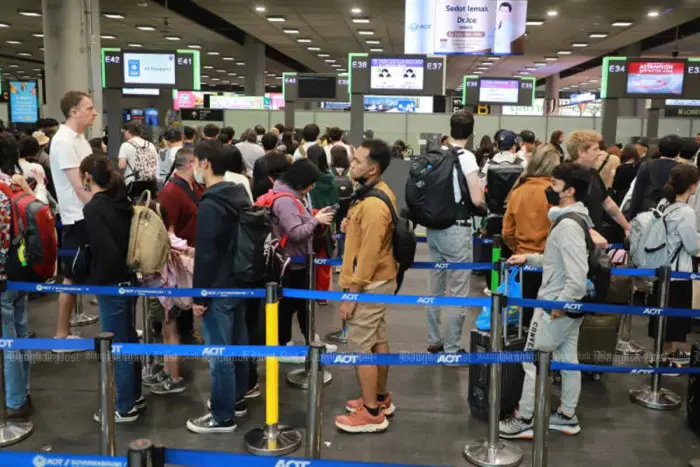
이 소식은 정부가 "국가의 의료비 부담을 줄이기 위해" 관광객들을 위한 보험 요구사항, 입국 시 추가 300바트의 관광료, 그리고 이민경찰이 소위 "비자 런"을 더 엄격히 감시하겠다는 신호를 검토하고 있다는 발표 직후에 나왔다.
전체적으로 보면, 태국이 방문객들에 대해 더 엄격해져야 한다는 필요성을 느끼고 있으며, 우리가 국경을 강화하고 있다는 인상을 주게 된다.
동시에 정부는 2월에 태국으로의 더 많은 여행자뿐만 아니라 장기 체류 방문객을 유치하기 위한 정책들을 제안했다. 이 목적을 위해 강조된 허가 중 하나는 최대 5년까지 체류할 수 있는 능력을 제공하는 태국 목적지 비자(Destination Thailand Visa)였다.
그렇다면 어느 것이 맞는가? 태국은 해외 손님들을 제한하고 싶은가, 아니면 더 많은 사람들이 도착하여 더 오래 머물기를 원하는가?
더욱 중요한 질문은, 최근에 해외에서 들어오는 사람들을 검열하는 데 더욱 신중해지고 있다는 신호의 물결을 갑자기 일으킨 것이 무엇인가라는 것이다.
외교부장관 시하삭 푸앙깟케우는 현재의 60일 비자가 사람들이 "의도된 목적 이외의 목적으로" 태국에 와서 머물 수 있도록 허용했다고 설명했다. 그의 사무실 입장에서는 30일이 관광에 충분하지만 60일은 불법 행위의 위험이 있다는 것이다.
그의 견해는 총리가 더 엄격한 비자 통제에 대해 사기꾼들과 "회색 활동"의 문제를 지적할 때까지 정부 전반에서 대부분 공유되는 것으로 보인다.
그러나 대부분의 이용 가능한 통계를 살펴보면, 이 주장은 거의 전적으로 일화적 증거에 기초하고 있는 것으로 보인다. 회색 시장 활동과 사기 같은 외국인 관련 범죄가 증가하고 있지만, 범죄 증가와 비자 관대함 사이에 직접적인 연결고리를 그릴 수 없다.
이용 가능한 수치에 따르면, 연간 30백만 명 이상의 외국인 입국을 환영하는 국가에서 2025년에 범죄와 불안으로 인해 3,249개의 비자가 취소되었다.
학생 비자를 남용한 사람들로 인한 비자 취소는 훨씬 더 높으며, 매년 만 개를 초과한다. 주목할 만한 사례 중 하나는 불운했던 국가감시원청 건설 프로젝트에 참여하기 위해 학생 비자로 입국한 중국 엔지니어들이었다. 그렇다면 왜 교육 허가에 대한 대화가 중심이 되지 않는가?
마하마꿋 불교대학의 정치학 교수 사웟 비엔통은 비자 기간과 수수료의 변경만으로는 태국의 초국적 범죄자 문제의 근본 원인을 해결할 수 없을 것이라고 말했다. 대신 그는 이민 당국이 입국자의 신원 조사를 강화할 것을 제안했으며, 특히 불법 네트워크와의 연결을 조사해야 한다고 제안했다.
치앙마이 관광산업위원회의 현직 의장인 파이산 숙차로엔은 외교부의 의도에 대해 신중한 동의를 표현했지만, 자신의 제안에 따르면 방문객들이 30일을 넘어 연장을 요청할 수 있다는 점을 상기시키며, 이는 남용의 여지를 남긴다고 했다.
그는 또한 범죄 의도를 가진 사람들이 단순히 다른 부패 수단을 사용하여 더 긴 체류를 달성할 수 있는 가능성을 지적했다. 관광산업 구성원으로서 그는 디지털 유목민 같은 합법적인 장기 체류 개인들에 대한 정책 전환의 영향에 대해 우려를 표명했다.
상황과 가능성에 대한 간단한 고찰만으로도 이러한 최근 제안들에 대해 강력한 의문을 제기한다면, 왜 국가는 이 특정 행동 방침의 검토를 계속 진행해야 하는가?
위협이 회색 사업, 범죄자들의 체류 연장, 의료 서비스 같은 국가 시스템에 대한 부담이라면, 이러한 문제들을 직접적으로 해결하는 데 주의를 기울이는 것이 더 효과적이지 않을까?
최소한, 태국이 더 엄격한 비자 정책을 통해서와 동일한 정도로만 이러한 문제들을 대응할 수 있게 된다 하더라도, 더 많은 관광객과 손님을 유치하는 사명을 계속 진행할 수 있으면서 그렇게 할 수 있을 것이다.
가장 중요한 것은, 태국의 목표가 해로운 요소들을 걸러내고 소위 "질 좋은 관광객"을 보존하는 것이라면, 부정적인 행동에 대해서는 강경한 태도를 취하고 국가의 가치와 문화에 대해 진정한 감사를 가진 사람들을 지지하는 이미지를 투영하는 것이 훨씬 더 나을 수 있다는 점이다.
질 좋은 관광객은 비자 정책의 결과가 아니라 법 집행 품질과 방문객들에게 제공되는 체류의 질에 달려 있다.
최근의 사례 중 하나는 외교부가 특정 국가의 관광객들을 위한 무비자 기간을 60일에서 30일로 단축하는 계획을 승인했다는 발표였으며, 이는 약 1년 전에 연장이 승인된 지 얼마 되지 않아 나온 것이다.
이 소식은 정부가 "국가의 의료비 부담을 줄이기 위해" 관광객들을 위한 보험 요구사항, 입국 시 추가 300바트의 관광료, 그리고 이민경찰이 소위 "비자 런"을 더 엄격히 감시하겠다는 신호를 검토하고 있다는 발표 직후에 나왔다.
전체적으로 보면, 태국이 방문객들에 대해 더 엄격해져야 한다는 필요성을 느끼고 있으며, 우리가 국경을 강화하고 있다는 인상을 주게 된다.
동시에 정부는 2월에 태국으로의 더 많은 여행자뿐만 아니라 장기 체류 방문객을 유치하기 위한 정책들을 제안했다. 이 목적을 위해 강조된 허가 중 하나는 최대 5년까지 체류할 수 있는 능력을 제공하는 태국 목적지 비자(Destination Thailand Visa)였다.
그렇다면 어느 것이 맞는가? 태국은 해외 손님들을 제한하고 싶은가, 아니면 더 많은 사람들이 도착하여 더 오래 머물기를 원하는가?
더욱 중요한 질문은, 최근에 해외에서 들어오는 사람들을 검열하는 데 더욱 신중해지고 있다는 신호의 물결을 갑자기 일으킨 것이 무엇인가라는 것이다.
외교부장관 시하삭 푸앙깟케우는 현재의 60일 비자가 사람들이 "의도된 목적 이외의 목적으로" 태국에 와서 머물 수 있도록 허용했다고 설명했다. 그의 사무실 입장에서는 30일이 관광에 충분하지만 60일은 불법 행위의 위험이 있다는 것이다.
그의 견해는 총리가 더 엄격한 비자 통제에 대해 사기꾼들과 "회색 활동"의 문제를 지적할 때까지 정부 전반에서 대부분 공유되는 것으로 보인다.
그러나 대부분의 이용 가능한 통계를 살펴보면, 이 주장은 거의 전적으로 일화적 증거에 기초하고 있는 것으로 보인다. 회색 시장 활동과 사기 같은 외국인 관련 범죄가 증가하고 있지만, 범죄 증가와 비자 관대함 사이에 직접적인 연결고리를 그릴 수 없다.
이용 가능한 수치에 따르면, 연간 30백만 명 이상의 외국인 입국을 환영하는 국가에서 2025년에 범죄와 불안으로 인해 3,249개의 비자가 취소되었다.
학생 비자를 남용한 사람들로 인한 비자 취소는 훨씬 더 높으며, 매년 만 개를 초과한다. 주목할 만한 사례 중 하나는 불운했던 국가감시원청 건설 프로젝트에 참여하기 위해 학생 비자로 입국한 중국 엔지니어들이었다. 그렇다면 왜 교육 허가에 대한 대화가 중심이 되지 않는가?
마하마꿋 불교대학의 정치학 교수 사웟 비엔통은 비자 기간과 수수료의 변경만으로는 태국의 초국적 범죄자 문제의 근본 원인을 해결할 수 없을 것이라고 말했다. 대신 그는 이민 당국이 입국자의 신원 조사를 강화할 것을 제안했으며, 특히 불법 네트워크와의 연결을 조사해야 한다고 제안했다.
치앙마이 관광산업위원회의 현직 의장인 파이산 숙차로엔은 외교부의 의도에 대해 신중한 동의를 표현했지만, 자신의 제안에 따르면 방문객들이 30일을 넘어 연장을 요청할 수 있다는 점을 상기시키며, 이는 남용의 여지를 남긴다고 했다.
그는 또한 범죄 의도를 가진 사람들이 단순히 다른 부패 수단을 사용하여 더 긴 체류를 달성할 수 있는 가능성을 지적했다. 관광산업 구성원으로서 그는 디지털 유목민 같은 합법적인 장기 체류 개인들에 대한 정책 전환의 영향에 대해 우려를 표명했다.
상황과 가능성에 대한 간단한 고찰만으로도 이러한 최근 제안들에 대해 강력한 의문을 제기한다면, 왜 국가는 이 특정 행동 방침의 검토를 계속 진행해야 하는가?
위협이 회색 사업, 범죄자들의 체류 연장, 의료 서비스 같은 국가 시스템에 대한 부담이라면, 이러한 문제들을 직접적으로 해결하는 데 주의를 기울이는 것이 더 효과적이지 않을까?
최소한, 태국이 더 엄격한 비자 정책을 통해서와 동일한 정도로만 이러한 문제들을 대응할 수 있게 된다 하더라도, 더 많은 관광객과 손님을 유치하는 사명을 계속 진행할 수 있으면서 그렇게 할 수 있을 것이다.
가장 중요한 것은, 태국의 목표가 해로운 요소들을 걸러내고 소위 "질 좋은 관광객"을 보존하는 것이라면, 부정적인 행동에 대해서는 강경한 태도를 취하고 국가의 가치와 문화에 대해 진정한 감사를 가진 사람들을 지지하는 이미지를 투영하는 것이 훨씬 더 나을 수 있다는 점이다.
질 좋은 관광객은 비자 정책의 결과가 아니라 법 집행 품질과 방문객들에게 제공되는 체류의 질에 달려 있다.
처리 완료 4,065 tokens · $0.0115
기사 수집 완료 · 15:40
매체 피드에서 기사 메타데이터 수집
헤드라인 번역 완료 · 15:56
제목/요약 한국어 번역 (fetch 시점 inline)
claude-haiku-4-5-20251001
194 tokens
$0.00047
1.8s
본문 추출 완료
4,797자 추출 완료
본문 한국어 번역 완료 · 15:56
2,247자 번역 완료
claude-haiku-4-5-20251001
3,871 tokens
$0.01102
22.4s
지정학적 엔티티 추출 완료 · 15:56
3개 엔티티 추출 완료
There have been a number of announcements from state agencies to do with visa policies in Thailand over the past several months that seem to have made the matter rather convoluted.
There have been a number of announcements from state agencies to do with visa policies in Thailand over the past several months that seem to have made the matter rather convoluted.One of the more recent examples came from the Ministry of Foreign Affairs, which said it had approved a plan to reduce visa-free periods for tourists from certain countries from 60 to 30 days, even though the extensions had been approved only about a year prior.
That news came shortly after the government indicated it was considering an insurance requirement for tourists to “reduce the burden of medical bills on the nation”, an additional 300-baht tourism fee on arrivals, and signals from Immigration Police that they were more closely scrutinising so-called “visa runs” before that.
Viewed together, the impression would be that Thailand has seen a need to get stricter with its visitors, that we’re tightening our borders.
At the same time, the administration in February acknowledged proposed policies to attract not only more travellers to Thailand, but more long-stay visitors. Among the permits highlighted for this purpose was the Destination Thailand Visa, which offers the ability to stay for up to five years.
Which is it then? Does Thailand want to limit guests from abroad or does it want more to arrive and stay even longer?
More importantly, perhaps, is the question of what suddenly sparked this recent wave of signals that the nation is getting more meticulous about screening people entering from abroad?
Foreign Minister Sihasak Phuangketkeow explained that the current 60-day visa has allowed people to come and stay in Thailand for “purposes other than those intended”. In the eyes of his office, 30 days is sufficient for tourism while 60 days risks delinquency.
His view appears to be mostly shared throughout the government, with even the prime minister pointing to the problem of scammers and “grey activities” when speaking of tighter visa controls.
Looking through most available statistics, however, this argument seems to be based almost exclusively on anecdotal evidence. While grey-market activities and crimes involving foreigners, like scamming, are on the rise, no direct line can be drawn between the upsurge of criminality and visa leniency.
From the available numbers, 3,249 visas were revoked for crimes and unrest in 2025 in a country that welcomes more than 30 million foreign arrivals each year.
Visa revocation for people abusing student visas is much higher, exceeding ten thousand yearly. One of the more notable cases was engineers from China arriving on student visas to take part in the ill-fated State Audit Office construction project. Why is the conversation not centred on educational permissions then?
Sawet Vienthong, a professor of political science at Mahamakut Buddhist University, said changes to visa durations and fees alone would not address the root cause of Thailand’s problem with transnational criminals. Instead, he suggested immigration authorities intensify their background checks of entrants, looking in particular for any connections to illegal networks.
Paisan Sukcharoen, acting chairman of the Chiang Mai Tourism Industry Council, expressed measured agreement with the sentiment of the Ministry of Foreign Affairs but reminded that under its own proposal, visitors would be able to request extensions beyond 30 days, leaving a loophole for abuse.
He also drew attention to the potential for those with criminal intent to simply use other corrupt means to achieve longer stays. As a member of the tourism industry, he voiced concern over the impacts of the policy switch on legitimate long-stay individuals, like digital nomads.
If even a brief consideration of circumstances and possibilities raises robust questions about these latest proposals, why should the country persist in its review of this particular course of action?
If the threat is grey business, overstaying by criminals and burdens on national systems such as healthcare, would it not be more effective to devote attention to directly addressing these problems?
At the very least, even if Thailand ends up only being able to counteract these issues to the same degree as through tougher visa policies, it would do so while still being able to proceed fully in its mission of attracting more tourists and guests.
Most importantly, it cannot go unsaid that if Thailand’s goal is to screen out detrimental elements and preserve so-called quality tourists, it might be much better served projecting an image that is tough on misbehaviour and supportive of those with an honest appreciation of the country’s values and culture.
Quality tourists are not the result of visa policies but of law enforcement quality and the quality of stays presented to visitors.