[Vantage Point] 영구적 자리의 종말: SEC가 브로커 제한에 옳은 이유
[Vantage Point] The end of perpetual seats: Why the SEC is right on broker limits
Rappler
Val A. Villanueva
EN
2026-04-11 09:00
Translated
역사는 브로커들이 자체 감시를 하도록 의존하는 것이 순진함을 증명하며, SEC의 이 모델에 대한 불신을 정당화한다
증권거래위원회(SEC)가 필리핀증권거래소(PSE)의 브로커 이사에 대해 제안한 임기 제한은 기술적 수정이 아니라 오랫동안 지속되어온 시장 지배구조 이상을 시정하려는 구조적 개입이다. SEC는 임기 제한과 순환 교대를 통해 민간 기업일 뿐만 아니라 중요한 시장 기반시설로 기능하는 기관에서의 이사회 고착 가능성에 대처하고 있다.
이해관계자 참여가 얕고 유동성이 제한된 시장에서 지배구조 신뢰성은 선택적이 아니라 기반이다. 이 조치에 대한 반대는 제도적 독립성과 규제 책임 사이의 더 깊은 차이에 관한 것이다. 그러나 국제 경험과 국제증권감시기구(IOSCO)가 정한 기준은 명확하다: 거래소는 투자자의 신뢰를 유지하려면 브로커 지배를 벗어나야 한다.
SEC의 조치는 대표성이 균형잡혀 있고, 감시가 신뢰할 수 있으며, 어떤 단일 이해관계자도 그것이 작동하는 시스템에 대해 지속적인 통제력을 보유하지 않는 현대적이고 투자자 지향적인 자본시장으로의 전환을 표시한다.
오랫동안 자리를 지켜온 일부 PSE 브로커 이사들이 제기하는 반대는 주주 권리, 제도적 자율성, 그리고 시장 전문성의 방어로 제시되고 있다. 그것은 이 모두가 아니다.
본질적으로 끝없는 임기에 대한 방어이다. 그리고 그것이 정확히 SEC가 현재 해체하려고 노력하는 것이다. 초안 회람문은 브로커-이사 재임 기간을 누적 10년으로 제한하고, 누적 5년 후 2년의 냉각 기간을 부과하며, 브로커 이사당 연 100만 페소의 벌금과 계속 위반 매월 3만 페소의 벌금을 부과한다.
내 관점에서는 규제 과잉이 아니라 필요하지만 늦은 지배구조 시정이다. 그렇긴 하지만, 제안이 제기한 법적 문제는 결국 법원에 의해 처리될 것이다; 여기서 논의되는 문제는 시장 구조와 지배구조이다.
제안에 대한 첫 번째 반대는 PSE가 민간 기업이고 주주로서의 브로커들이 원하는 사람을 원하는 만큼 오래 선택할 수 있는 재산권을 가지고 있다는 것이다. 그 주장은 PSE가 실제로 무엇인지 기억하는 순간 무너진다. 비누나 부동산을 파는 단순한 민간 기업이 아니다. 그것은 국내 유일한 증권거래소로 기능하며, 가격 발견, 시장 감시, 징계, 그리고 시장에 대한 투자자 신뢰를 형성하는 자체 규제 활동에 참여한다.
PSE 자신의 기업 지배구조 틀은 그 이사회가 단지 주주뿐만 아니라 투자자와 다른 이해관계자를 위해 존재한다는 것을 인정하며, 최소 51%의 구성원이 비브로커이고 최소 3분의 1이 독립 이사여야 한다. 다시 말해, 거래소의 구조 자체가 이미 순수한 브로커 통제가 현대적 시장 지배구조와 양립할 수 없다는 것을 인정한다.
그것이 또한 SEC가 일부가 주장하는 것보다 더 강한 기관인 이유이다. 초안 자체는 조치가 증권규제법에 따른 SEC의 정책 결정 권한, 기업지배구조를 장려하고 소수주주를 보호하기 위한 수정된 기업법에 따른 그 법정 권한, 그리고 자체규제 기구의 공정한 대표와 규제 감시를 요구하는 IOSCO 원칙에 근거한다는 주장을 제시한다. IOSCO는 증권 규제의 글로벌 표준 설정자이다.
제도가 - PSE와 같이 - 규제 기능을 수행할 수 있을 때 (거래 모니터링, 규칙 시행, 또는 브로커 징계와 같은), 그것은 더 이상 단순한 민간 기업이 아니다. 그것은 부분적으로 대중을 대신하여 행동하고 있다. 그 때문에 증권거래위원회는 개입할 수 있는 권한이 있으며 그 기관이 지배되는 방식에 대한 규칙을 설정할 수 있다 -- 누가 이사회에 앉는지와 얼마나 오래인지를 포함해서.
왜? "규제 포획"을 방지하기 위해.
그것은 규제 대상인 사람들 (이 경우 브로커들)이 자신들을 규제하기로 되어있는 시스템을 통제하게 되어, 잠재적으로 자신들의 이익을 위해 규칙을 형성할 때 발생한다. 따라서 공적 권한이 주어진다면, 공적 감시를 받아들여야 한다. SEC는 민간 기업을 간섭하는 것이 아니라 투자 대중에게 영향을 미치는 시장 기관의 무결성을 보호하고 있다.
SEC가 단순한 회람문으로 어떻게든 "입법"을 하고 있다는 주장은 증권 규제가 실제로 어떻게 작동하는지 무시한다. 규제기관들은 기업 정관이 자발적으로 징계를 제공할 때까지 기다리지 않는다. 대신, 공익 시장 기반시설이 그것을 요구할 때 그들은 그것을 부과한다.
두 번째 주장은 고착된 이사회 어디서나의 낡은 피난처이다: 제도적 기억. 거래소는 거래, 결제, 그리고 브로커 운영의 복잡성을 아는 사람들이 필요하다고 우리는 들었다. 그것이 좋은 고려 사항일 수 있지만, 전문 지식이 영구적 점유를 정당화하지 않는다는 것을 기억하는 것이 중요하다. PSE가 기술적 숙련성을 보존하기 위한 유일한 방법이 동일한 브로커 이사를 6년, 12년, 25년, 또는 28년 동안 유지하는 것이라면, 그것이 나타내는 것은 그 지배구조의 품질이 아니라 그것을 구축할 수 없다는 것이다.
SEC 제안은 브로커들을 배제하지 않는다. 그것은 브로커 대표를 유지하면서 권력을 순환시킨다. 이사회 자리는 유산적 특권이 아니다. 그것이 요점이다. 그것은 신탁 의무이다. 제안이 오래 자리를 지켜온 PSE 브로커 이사들, 즉 Ma. Vivian Yuchengco 28년, Eddie Gobing 25년, Wilson Sy 12년, Diosdado Arroyo 6년에 영향을 미칠 것으로 보도되었다. 어떤 심각한 지배구조 체계에서도 그것을 일반적인 갱신이라고 할 수 없다. (참조: SEC와 Vivian Yuchengco 간 PSE 이사회 임기 제한을 둘러싼 높은 지분의 대결)
세 번째 주장은 임기 제한이 주주 선택을 축소한다는 것이다. 그것은 민주적 접근처럼 읽혀 투자 대중을 위한 선택인지, 아니면 영향력을 통합하기 위해 수십 년을 가진 현직 브로커의 좁은 원을 위한 선택인지라는 더 긴급한 질문으로 전환할 때까지 읽힌다.
SEC 제안에 대한 더 강한 방어는 이상주의자가 아니라 주류 시장 기관에 의해 발행되었다. 필리핀 경영인 협회(MAP), 필리핀 재무 담당자 협회(FINEX), 기업 이사 협회(ICD), 자본시장 개발 재단(CMDFI), 그리고 필리핀 투자 회사 협회(IHAP)는 임기 제한을 부과하는 것이 주주 선택을 축소하지 않는다고 주장하며 개혁을 공개적으로 지지했다. 임기 제한을 가지면, 그들은 말하길, 이사회가 주기적으로 더 광범위한 적격 브로커 배열을 선택하도록 요구함으로써 주주 선택을 운전한다.
투자자를 대신하여 약 8조 페소를 관리하는 회원들을 가진 필리핀 펀드 매니저 협회(FMAP)는 PSE가 일반적인 민간 기업이 아니라는 주장의 선을 자세히 설명했다. FMAP에 따르면, 이사회 자리의 지속된 집중은 명확한 위법 행위 증거 없이도 지배구조 위험을 생성하며, 이 시점에서 브로커 이사들은 임기 제한 없는 거래소 이사회의 유일한 그룹이다. 그것은 결정적인 요소이다.
분명히, SEC는 비대칭을 생성하지 않고 있다 -- 그것을 제거하고 있다.
역사는 브로커들이 자신을 감시하도록 의존하는 것이 순진함을 증명하며, SEC의 이 모델에 대한 불신을 정당화한다. 2000년 3월, SEC는 1999년 BW Resources 주식 조작 스캔들 이후 PSE의 자체 규제 기구 면허를 취소했다.
그 이후 국제통화기금(IMF)이 내린 평가는 상호화 및 브로커 다수 이사회가 스캔들 이후에 필요한 개혁이었으며, 또한 브로커 소유 거래소가 브로커가 아닌 투자자의 최선의 이익에 있는지에 대한 잔여 의심이 풍부했다고 지적했다.
20년 이상 후, 파식 법원은 Solar Securities의 주식 중개인 Johnny Yap를 BW 주식과 관련된 세탁 판매 거래로 유죄 판결하고, 14년 징역과 100만 페소 벌금을 선고했다. SEC는 거래가 활발한 거래의 거짓 또는 오도된 외관을 생성했다고 말했다.
이것은 신화가 아니라 기록의 문제이다. 시장은 이미 브로커 권력, 열악한 감시, 그리고 상충하는 이해가 장기간 공존하도록 허용될 때 무엇이 발생하는지 본다.
그러나 BW Resources 문제는 최종 결정이 아니었다. 2019년, SEC는 소유권 및 고객 주식의 무단 이전 혐의 이후 붕괴된 중개소 R&L Investments의 인수를 명령했으며, 이후 보도는 가치를 7억 페소 이상으로 두었다. 회사의 면허는 결국 취소되었다.
이것은 모든 오래 자리를 지켜온 브로커 이사가 위법 행위에 관여한다는 교훈이 아니다. 문제의 비결은 증권 시장은 감시가 단순히 내부자 간의 예의로 취급될 때 공익의 규율로 부과될 때가 아니라 학대에 독특하게 취약하다는 것이다.
위험은 베테랑 브로커 이사들 간의 만연적 부패에 있지 않다. 핵심 문제는 규제가 의무적이고 공익 규율이 아닌 산업 내부자 간의 우호적이고 전문적인 예의로 취급될 때 증권 시장이 학대에 매우 취약해진다는 것이다.
지배구조 규칙은 규제기관들이 모든 위험이 조치를 취하기 전에 스캔들로 증가할 때까지 기다릴 수 없기 때문에 존재한다. SEC 제안의 비평가들이 정말로 원하는 것은 결과 없는 구분이다. 그들은 공개 상장 회사들이 그들의 이사를 순환시키는 생각의 대상이 되어야 하고, 독립 이사들이 그들의 임기에 제한을 가져야 하며, 거래소 이사회의 부문 이사들이 영구적 고정 설비가 되지 않아야 한다는 것을 받아들이지만, 브로커 이사들만 그들이 독특하게 박식하다는 이유로 면제 상태에 있어야 한다고 주장한다. 그것은 지배구조의 원칙이 아니다. 그것은 현직자를 위한 제외이다. 그리고 현직자는, 전문 지식의 베니어에서, 곧 포획의 가장 내구성 있는 형태가 된다.
SEC 의장 Francis Lim은 그 자리를 지킬 모든 이유가 있다. SEC는 거래소를 약화시키고 있지 않다. 그것은 그것을 현대화하려고 노력하고 있다. 증권거래소는 관리인보다는 점령처럼 보이는 이사회 배치를 방어하면서 투자자 신뢰를 요구할 수 없다.
공정한 대표는 무한정 거주를 의미하지 않는다. 기업 자율성은 규제로부터의 면제를 의미하지 않는다. 그리고 제도적 기억은 제도적 책임의 대체물이 아니다. 시장 앞의 실제 선택은 전문 지식과 개혁 사이가 아니다. 그것은 현대 공적 기반시설로 지배되는 증권거래소와 여전히 '남자들만의 클럽'의 습관에 의해 귀신이 나가는 거래소 사이이다.
SEC는 확실한 법적 근거에 근거하여 행동하고 있으며, 그것은 투자자 신뢰와 무결성을 지속하려는 모든 자본 시장의 유일한 기준이다. -- Rappler.com
이 칼럼은 자본시장 지배구조 및 규제 정책과 관련하여 공익 사항에 대한 공정한 논평을 논의한다. 그것은 보류 중인 모든 사법 절차를 판단, 영향, 또는 개입하려는 목적이 아니다. 증권거래위원회의 제안된 규제와 관련된 모든 법적 사항은 법원에서 정산될 것이다. 논의된 견해는 그러나 시장 구조, 투자자 보호, 및 제도적 지배구조에 대한 더 일반적인 함축에 제한된다.
이해관계자 참여가 얕고 유동성이 제한된 시장에서 지배구조 신뢰성은 선택적이 아니라 기반이다. 이 조치에 대한 반대는 제도적 독립성과 규제 책임 사이의 더 깊은 차이에 관한 것이다. 그러나 국제 경험과 국제증권감시기구(IOSCO)가 정한 기준은 명확하다: 거래소는 투자자의 신뢰를 유지하려면 브로커 지배를 벗어나야 한다.
SEC의 조치는 대표성이 균형잡혀 있고, 감시가 신뢰할 수 있으며, 어떤 단일 이해관계자도 그것이 작동하는 시스템에 대해 지속적인 통제력을 보유하지 않는 현대적이고 투자자 지향적인 자본시장으로의 전환을 표시한다.
오랫동안 자리를 지켜온 일부 PSE 브로커 이사들이 제기하는 반대는 주주 권리, 제도적 자율성, 그리고 시장 전문성의 방어로 제시되고 있다. 그것은 이 모두가 아니다.
본질적으로 끝없는 임기에 대한 방어이다. 그리고 그것이 정확히 SEC가 현재 해체하려고 노력하는 것이다. 초안 회람문은 브로커-이사 재임 기간을 누적 10년으로 제한하고, 누적 5년 후 2년의 냉각 기간을 부과하며, 브로커 이사당 연 100만 페소의 벌금과 계속 위반 매월 3만 페소의 벌금을 부과한다.
내 관점에서는 규제 과잉이 아니라 필요하지만 늦은 지배구조 시정이다. 그렇긴 하지만, 제안이 제기한 법적 문제는 결국 법원에 의해 처리될 것이다; 여기서 논의되는 문제는 시장 구조와 지배구조이다.
제안에 대한 첫 번째 반대는 PSE가 민간 기업이고 주주로서의 브로커들이 원하는 사람을 원하는 만큼 오래 선택할 수 있는 재산권을 가지고 있다는 것이다. 그 주장은 PSE가 실제로 무엇인지 기억하는 순간 무너진다. 비누나 부동산을 파는 단순한 민간 기업이 아니다. 그것은 국내 유일한 증권거래소로 기능하며, 가격 발견, 시장 감시, 징계, 그리고 시장에 대한 투자자 신뢰를 형성하는 자체 규제 활동에 참여한다.
PSE 자신의 기업 지배구조 틀은 그 이사회가 단지 주주뿐만 아니라 투자자와 다른 이해관계자를 위해 존재한다는 것을 인정하며, 최소 51%의 구성원이 비브로커이고 최소 3분의 1이 독립 이사여야 한다. 다시 말해, 거래소의 구조 자체가 이미 순수한 브로커 통제가 현대적 시장 지배구조와 양립할 수 없다는 것을 인정한다.
그것이 또한 SEC가 일부가 주장하는 것보다 더 강한 기관인 이유이다. 초안 자체는 조치가 증권규제법에 따른 SEC의 정책 결정 권한, 기업지배구조를 장려하고 소수주주를 보호하기 위한 수정된 기업법에 따른 그 법정 권한, 그리고 자체규제 기구의 공정한 대표와 규제 감시를 요구하는 IOSCO 원칙에 근거한다는 주장을 제시한다. IOSCO는 증권 규제의 글로벌 표준 설정자이다.
제도가 - PSE와 같이 - 규제 기능을 수행할 수 있을 때 (거래 모니터링, 규칙 시행, 또는 브로커 징계와 같은), 그것은 더 이상 단순한 민간 기업이 아니다. 그것은 부분적으로 대중을 대신하여 행동하고 있다. 그 때문에 증권거래위원회는 개입할 수 있는 권한이 있으며 그 기관이 지배되는 방식에 대한 규칙을 설정할 수 있다 -- 누가 이사회에 앉는지와 얼마나 오래인지를 포함해서.
왜? "규제 포획"을 방지하기 위해.
그것은 규제 대상인 사람들 (이 경우 브로커들)이 자신들을 규제하기로 되어있는 시스템을 통제하게 되어, 잠재적으로 자신들의 이익을 위해 규칙을 형성할 때 발생한다. 따라서 공적 권한이 주어진다면, 공적 감시를 받아들여야 한다. SEC는 민간 기업을 간섭하는 것이 아니라 투자 대중에게 영향을 미치는 시장 기관의 무결성을 보호하고 있다.
SEC가 단순한 회람문으로 어떻게든 "입법"을 하고 있다는 주장은 증권 규제가 실제로 어떻게 작동하는지 무시한다. 규제기관들은 기업 정관이 자발적으로 징계를 제공할 때까지 기다리지 않는다. 대신, 공익 시장 기반시설이 그것을 요구할 때 그들은 그것을 부과한다.
두 번째 주장은 고착된 이사회 어디서나의 낡은 피난처이다: 제도적 기억. 거래소는 거래, 결제, 그리고 브로커 운영의 복잡성을 아는 사람들이 필요하다고 우리는 들었다. 그것이 좋은 고려 사항일 수 있지만, 전문 지식이 영구적 점유를 정당화하지 않는다는 것을 기억하는 것이 중요하다. PSE가 기술적 숙련성을 보존하기 위한 유일한 방법이 동일한 브로커 이사를 6년, 12년, 25년, 또는 28년 동안 유지하는 것이라면, 그것이 나타내는 것은 그 지배구조의 품질이 아니라 그것을 구축할 수 없다는 것이다.
SEC 제안은 브로커들을 배제하지 않는다. 그것은 브로커 대표를 유지하면서 권력을 순환시킨다. 이사회 자리는 유산적 특권이 아니다. 그것이 요점이다. 그것은 신탁 의무이다. 제안이 오래 자리를 지켜온 PSE 브로커 이사들, 즉 Ma. Vivian Yuchengco 28년, Eddie Gobing 25년, Wilson Sy 12년, Diosdado Arroyo 6년에 영향을 미칠 것으로 보도되었다. 어떤 심각한 지배구조 체계에서도 그것을 일반적인 갱신이라고 할 수 없다. (참조: SEC와 Vivian Yuchengco 간 PSE 이사회 임기 제한을 둘러싼 높은 지분의 대결)
세 번째 주장은 임기 제한이 주주 선택을 축소한다는 것이다. 그것은 민주적 접근처럼 읽혀 투자 대중을 위한 선택인지, 아니면 영향력을 통합하기 위해 수십 년을 가진 현직 브로커의 좁은 원을 위한 선택인지라는 더 긴급한 질문으로 전환할 때까지 읽힌다.
SEC 제안에 대한 더 강한 방어는 이상주의자가 아니라 주류 시장 기관에 의해 발행되었다. 필리핀 경영인 협회(MAP), 필리핀 재무 담당자 협회(FINEX), 기업 이사 협회(ICD), 자본시장 개발 재단(CMDFI), 그리고 필리핀 투자 회사 협회(IHAP)는 임기 제한을 부과하는 것이 주주 선택을 축소하지 않는다고 주장하며 개혁을 공개적으로 지지했다. 임기 제한을 가지면, 그들은 말하길, 이사회가 주기적으로 더 광범위한 적격 브로커 배열을 선택하도록 요구함으로써 주주 선택을 운전한다.
투자자를 대신하여 약 8조 페소를 관리하는 회원들을 가진 필리핀 펀드 매니저 협회(FMAP)는 PSE가 일반적인 민간 기업이 아니라는 주장의 선을 자세히 설명했다. FMAP에 따르면, 이사회 자리의 지속된 집중은 명확한 위법 행위 증거 없이도 지배구조 위험을 생성하며, 이 시점에서 브로커 이사들은 임기 제한 없는 거래소 이사회의 유일한 그룹이다. 그것은 결정적인 요소이다.
분명히, SEC는 비대칭을 생성하지 않고 있다 -- 그것을 제거하고 있다.
역사는 브로커들이 자신을 감시하도록 의존하는 것이 순진함을 증명하며, SEC의 이 모델에 대한 불신을 정당화한다. 2000년 3월, SEC는 1999년 BW Resources 주식 조작 스캔들 이후 PSE의 자체 규제 기구 면허를 취소했다.
그 이후 국제통화기금(IMF)이 내린 평가는 상호화 및 브로커 다수 이사회가 스캔들 이후에 필요한 개혁이었으며, 또한 브로커 소유 거래소가 브로커가 아닌 투자자의 최선의 이익에 있는지에 대한 잔여 의심이 풍부했다고 지적했다.
20년 이상 후, 파식 법원은 Solar Securities의 주식 중개인 Johnny Yap를 BW 주식과 관련된 세탁 판매 거래로 유죄 판결하고, 14년 징역과 100만 페소 벌금을 선고했다. SEC는 거래가 활발한 거래의 거짓 또는 오도된 외관을 생성했다고 말했다.
이것은 신화가 아니라 기록의 문제이다. 시장은 이미 브로커 권력, 열악한 감시, 그리고 상충하는 이해가 장기간 공존하도록 허용될 때 무엇이 발생하는지 본다.
그러나 BW Resources 문제는 최종 결정이 아니었다. 2019년, SEC는 소유권 및 고객 주식의 무단 이전 혐의 이후 붕괴된 중개소 R&L Investments의 인수를 명령했으며, 이후 보도는 가치를 7억 페소 이상으로 두었다. 회사의 면허는 결국 취소되었다.
이것은 모든 오래 자리를 지켜온 브로커 이사가 위법 행위에 관여한다는 교훈이 아니다. 문제의 비결은 증권 시장은 감시가 단순히 내부자 간의 예의로 취급될 때 공익의 규율로 부과될 때가 아니라 학대에 독특하게 취약하다는 것이다.
위험은 베테랑 브로커 이사들 간의 만연적 부패에 있지 않다. 핵심 문제는 규제가 의무적이고 공익 규율이 아닌 산업 내부자 간의 우호적이고 전문적인 예의로 취급될 때 증권 시장이 학대에 매우 취약해진다는 것이다.
지배구조 규칙은 규제기관들이 모든 위험이 조치를 취하기 전에 스캔들로 증가할 때까지 기다릴 수 없기 때문에 존재한다. SEC 제안의 비평가들이 정말로 원하는 것은 결과 없는 구분이다. 그들은 공개 상장 회사들이 그들의 이사를 순환시키는 생각의 대상이 되어야 하고, 독립 이사들이 그들의 임기에 제한을 가져야 하며, 거래소 이사회의 부문 이사들이 영구적 고정 설비가 되지 않아야 한다는 것을 받아들이지만, 브로커 이사들만 그들이 독특하게 박식하다는 이유로 면제 상태에 있어야 한다고 주장한다. 그것은 지배구조의 원칙이 아니다. 그것은 현직자를 위한 제외이다. 그리고 현직자는, 전문 지식의 베니어에서, 곧 포획의 가장 내구성 있는 형태가 된다.
SEC 의장 Francis Lim은 그 자리를 지킬 모든 이유가 있다. SEC는 거래소를 약화시키고 있지 않다. 그것은 그것을 현대화하려고 노력하고 있다. 증권거래소는 관리인보다는 점령처럼 보이는 이사회 배치를 방어하면서 투자자 신뢰를 요구할 수 없다.
공정한 대표는 무한정 거주를 의미하지 않는다. 기업 자율성은 규제로부터의 면제를 의미하지 않는다. 그리고 제도적 기억은 제도적 책임의 대체물이 아니다. 시장 앞의 실제 선택은 전문 지식과 개혁 사이가 아니다. 그것은 현대 공적 기반시설로 지배되는 증권거래소와 여전히 '남자들만의 클럽'의 습관에 의해 귀신이 나가는 거래소 사이이다.
SEC는 확실한 법적 근거에 근거하여 행동하고 있으며, 그것은 투자자 신뢰와 무결성을 지속하려는 모든 자본 시장의 유일한 기준이다. -- Rappler.com
이 칼럼은 자본시장 지배구조 및 규제 정책과 관련하여 공익 사항에 대한 공정한 논평을 논의한다. 그것은 보류 중인 모든 사법 절차를 판단, 영향, 또는 개입하려는 목적이 아니다. 증권거래위원회의 제안된 규제와 관련된 모든 법적 사항은 법원에서 정산될 것이다. 논의된 견해는 그러나 시장 구조, 투자자 보호, 및 제도적 지배구조에 대한 더 일반적인 함축에 제한된다.
History proves that relying on brokers to police themselves is naïve, justifying the SEC’s distrust in this model
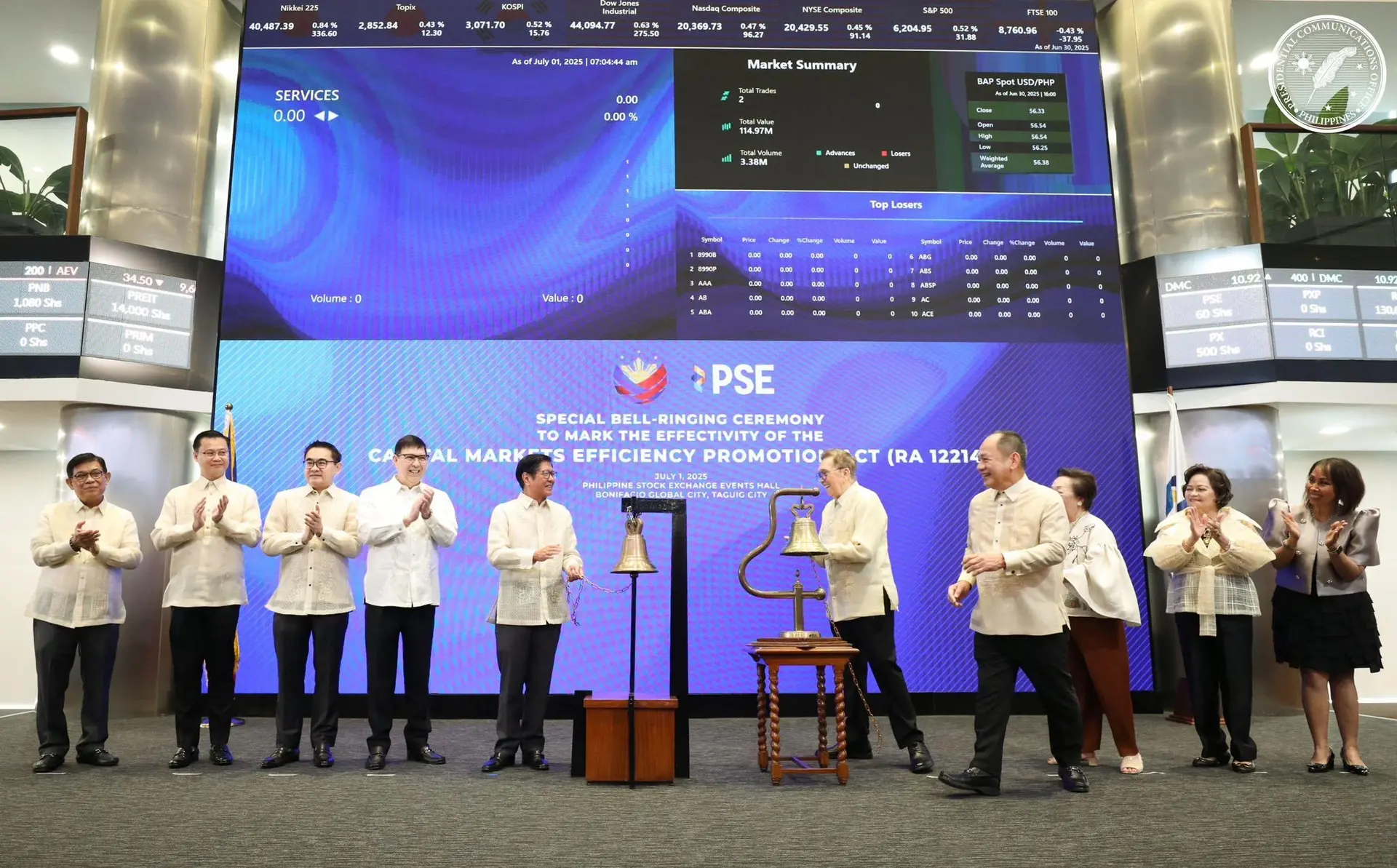
This is AI generated summarization, which may have errors. For context, always refer to the full article.BELL-RINGING. President Ferdinand Marcos Jr. leads the ceremonial bell-ringing at the Philippine Stock Exchange on July 1, 2025 to mark the effectivity of the Capital Markets Efficiency Promotion Act.
Presidential Communications Office
The Securities and Exchange Commission’s (SEC) proposed term limits on broker directors of the Philippine Stock Exchange (PSE) are not a technical fix – they are a structural intervention that aims to rectify a long-standing market governance anomaly. By limiting tenure and requiring rotation, the SEC is tackling the possibility of board entrenchment in an institution that operates not solely as a private corporation but as a vital market infrastructure.
In a market where stakeholder engagement is shallow and liquidity limited, governance credibility is not discretionary; rather, it is the bedrock. Opposition to the measure is about a deeper difference between institutional independence and regulatory responsibility. But international experience and the standards set by the International Organization of Securities Commissions (IOSCO) are clear: exchanges must move beyond broker-dominated rule if they expect to retain the trust of investors.
The SEC’s action marks a shift toward a modern, investor-oriented capital market — one where representation is balanced, oversight is credible, and no one constituency retains lasting control over the system it works through.
The objection being raised by some long-serving PSE broker directors is being dangled as a defense of shareholder rights, institutional autonomy, and market expertise. It is none of those things.
It is essentially a defense of tenure without end. And that is exactly what the SEC is now working to dismantle. The draft circular would limit broker-director service to a cumulative 10 years, impose a two-year cooling-off period after five cumulative years, and impose penalties of P1 million per broker director per year plus P30,000 for each month of continuing violation.
To me, it is not regulatory excess, but a necessary belated correction of governance. Having said that, legal issues raised by the proposal will eventually be dealt with by the courts; the issue being discussed here is the market structure and governance.
The first objection to the proposal is that the PSE is a private corporation and brokers, as shareholders, have a property right to choose whomever they want for as long as they want. That argument collapses the moment one remembers what the PSE actually is. It is not just any private company selling soap or real estate. It serves as the only securities exchange in the country, and engages in self-regulatory activities that shape price discovery, market surveillance, discipline, and investor confidence in the market.
The PSE’s own corporate governance framework even acknowledges that its board exists not just for shareholders, but also for investors and other stakeholders, with a minimum of 51% of members being non-brokers and a minimum of one-third being independent directors. In other words, the structure of the exchange itself already acknowledges that pure broker control cannot square with modern market governance.
That is also why the SEC is a stronger agency than some argue it is. The draft itself makes the assertion that the measure rests on the SEC’s policy-making authority under the Securities Regulation Code, its statutory powers under the Revised Corporation Code to promote corporate governance and protect minority investors, and the IOSCO principles that require fair representation and regulatory oversight of self-regulatory organizations. IOSCO is the global standard-setter for securities regulation.
When an institution — like the PSE — is allowed to perform regulatory functions (such as monitoring trades, enforcing rules, or disciplining brokers), it is no longer just a private company. It is acting partly on behalf of the public. Because of that, the Securities and Exchange Commission has the authority to step in and set rules on how that institution is governed—including who sits on its board and for how long.
Why? To prevent what’s called “regulatory capture.”
That’s when the people being regulated (in this case, brokers) end up controlling the system that is supposed to regulate them, potentially shaping rules in their favor. Thus, if you are given public power, you must accept public oversight. The SEC isn’t interfering in a private company — it’s protecting the integrity of a market institution that affects the investing public.
The claim that the SEC is somehow “legislating” through mere circular ignores how securities regulation actually operates. Regulators don’t wait for a corporate by-law to volunteer discipline. Instead, they impose it when public-interest market infrastructure requires it.
The second argument is the old refuge of entrenched boards everywhere: institutional memory. We are told that the exchange requires people who know the intricacies of trading, settlement, and broker operations. While that may be a fine consideration, it is important to remember that expertise does not stand for permanent occupation. If the only way for the PSE to preserve technical proficiency is to retain the same broker directors for 6, 12, 25, or 28 years, then what that reveals is not the quality of its governance pipeline, but its inability to build one.
The SEC proposal does not rule out brokers. It maintains broker representation while rotating power. A board seat is not a hereditary franchise. That is the point. It is a fiduciary function. It is reported that the proposal would affect long-serving PSE broker directors, including Ma. Vivian Yuchengco at 28 years, Eddie Gobing at 25, Wilson Sy at 12, and Diosdado Arroyo at 6. In no serious governance system could that be called an ordinary renewal. (READ: The high stakes showdown between the SEC and Vivian Yuchengco over PSE board term limits)
The third argument is that term limits shrink shareholder choices. That reads like a democratic approach until you turn to a more pressing question: choice for whom? For the investing public, or for a narrow circle of incumbent brokers who have had decades to consolidate influence?
The stronger defense of the SEC proposal was issued not by ideologues but by mainstream market institutions. The Management Association of the Philippines (MAP), the Financial Executives Institute of the Philippines (FINEX), the Institute of Corporate Directors (ICD), the Capital Markets Development Foundation Inc. (CMDFI), and the Investment House Association of the Philippines (IHAP) have publicly supported the reform, claiming that imposing term limits does not curtail shareholder choice. Having a term limit, they say, drives shareholder choice by requiring the board to periodically choose a wider array of qualified brokers.
The Fund Managers Association of the Philippines (FMAP), whose members manage about P8 trillion on behalf of investors, expounded on the line of argument that the PSE is not an ordinary private company. According to FMAP, a sustained concentration of board seats creates governance risks even without clear evidence of misconduct and, at this point, broker directors are the only group on the exchange board without tenure limits. That is a crucial factor.
Clearly, the SEC is not creating asymmetry — it is removing one.
History proves that relying on brokers to police themselves is naïve, justifying the SEC’s distrust in this model. In March 2000, the SEC revoked the PSE’s self-regulatory organization license following the 1999 BW Resources stock manipulation scandal.
An assessment made by the International Monetary Fund (IMF) thereafter added that demutualization and a majority non-broker board were reforms needed in the aftermath of the scandal, further noting that residual doubts abounded as to whether a broker-owned exchange was in the best interests of investors rather than brokers.
More than 20 years later, a Pasig court convicted stockbroker Johnny Yap of Solar Securities for wash-sale transactions involving BW shares, and sentenced him to 14 years imprisonment and a P1 million fine. The SEC said the trades created a false or misleading appearance of active trading.
This is not a myth, but a matter of record. The market already sees what happens when broker power, poor oversight, and conflicting incentives are allowed to coexist for prolonged periods.
But the BW Resources issue was not the final word. In 2019, the SEC ordered the takeover of collapsed brokerage R&L Investments after allegations of unauthorized transfers of proprietary and client shares, with later reports putting the value at more than P700 million. The firm’s license was eventually revoked.
This is not the lesson that every long-standing broker director is engaged in misconduct. The secret to the problem is, securities markets are uniquely vulnerable to abuse when oversight is treated as simply a courtesy extended among insiders rather than a discipline imposed in the public interest.
The danger lies not in universal corruption among veteran broker directors. The core problem is that securities markets become highly susceptible to abuse when regulation is treated as a friendly, professional courtesy among industry insiders rather than a mandatory, public-interest discipline.
Governance rules exist because regulators cannot wait for every risk to escalate into a scandal before taking action. What critics of the SEC proposal really want is a distinction without consequence. They accept that publicly listed companies should be subject to the idea of rotating their directors, that independent directors should have limits on their tenure, and that sectoral directors on exchange boards shouldn’t become permanent fixtures, but insist broker directors alone should remain exempt because they are uniquely knowledgeable. That’s not a principle of governance. It’s a carve-out for incumbency. And incumbency, in its veneer of expertise, soon becomes the most durable form of capture.
SEC Chair Francis Lim has every reason to stand his ground. The SEC is not weakening the exchange. It is trying to modernize it. A stock exchange cannot demand investor trust while defending board arrangements that look less like stewardship than occupation.
Fair representation does not mean indefinite residence. Corporate autonomy does not mean immunity from regulation. And institutional memory is no substitute for institutional accountability. The real choice before the market is not between expertise and reform. It is between a securities exchange governed as modern public infrastructure and one that is still haunted by the habits of an ‘All Boys Club’.
The SEC is acting on firm legal footing, which is the only standard that counts for any capital market aiming to sustain investor trust and integrity. – Rappler.com
This column discusses fair comment on matters of public interest involving capital-market governance and regulatory policy. It does not aim to prejudge, sway, or intervene in any judicial proceeding pending. All legal matters related to the Securities and Exchange Commission’s proposed regulations will be settled in courts. The views discussed are, however, limited to the more general implications about market structure, protection of investors, and institutional governance.
How does this make you feel?