밴쿠버, FIFA 회장의 '과도한' 요구 거부
Vancouver snubs FIFA president's 'excessive' demands
The Korea Herald
· 🇰🇷 Seoul, KR
Korea Herald
EN
2026-04-29 17:00
Translated
2026년 북미 FIFA 월드컵 개최 도시 중 하나인 밴쿠버가 FIFA 회장 지아니 인판티노의 '과도한 프로토콜'로 묘사된 요구를 단호히 거부했다.
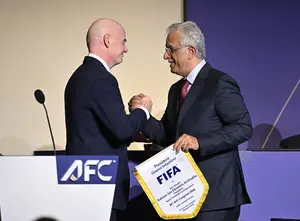
로이터 통신에 따르면, 밴쿠버에서 열린 36차 AFC 연차총회 앞서 FIFA는 지역 당국에 인판티노를 위해 레벨 4 오토바이 호송대를 제공해 줄 것을 요청했으나 즉시 거부당했다.
레벨 4 호송대는 신호등을 무시하고 경로상 다른 차량의 이동을 완전히 제한할 수 있는 고급 보안 호송단이다. 이는 교황이나 미국 대통령 같은 국가 원수 방문 시에만 예약되는 것이 일반적이다. 밴쿠버 경찰은 납세자 부담과 공공 교통 혼란에 대한 우려를 이유로 요청을 거부했다. 이 결정은 스포츠 단체 지도자들이 해외 출장 중 국가 원수 수준의 대접을 받으려는 시도라고 비평가들이 주장하는 것을 중단하게 했다.
인판티노의 요청된 프로토콜을 둘러싼 논쟁 뒤로 더 큰 폭풍이 몰려오고 있다. 48개 팀으로 확대되어 2개월 뒤 시작될 2026년 월드컵을 앞두고 국가 축구 협회들 사이에서 불만이 증가하고 있다.
미국, 캐나다, 멕시코가 공동 개최하는 토너먼트는 팀들이 대륙을 가로질러 수만 킬로미터를 이동해야 할 것이다. UEFA는 장거리 이동과 복잡한 세금 구조가 후반 무대에서 탈락한 팀들에게 상당한 재정적 손실을 초래할 수 있다는 우려를 표명했다.
FIFA는 토너먼트에서 약 130억 달러의 기록적인 수익을 예상하고 상금을 인상하겠다고 약속하여 우려를 완화하려고 노력하고 있다. 그럼에도 불구하고 참가 국가들 사이의 불안감은 여전히 높다.
정치적 복잡성도 FIFA의 과제를 가중시키고 있다. 최종 진출에 성공한 이란은 미국 내 경기장 관련 보안 및 여행 우려를 이유로 경기장 변경을 요청했다. 그러나 FIFA는 단호한 입장을 취하면서 "일정에 변경이 없을 것"이라고 밝혔다.
별도로, 스포츠와 정치 간의 긴장이 비자 관련 문제에서 표면화했다. 팔레스타인 축구 협회 관계자들은 처음에 캐나다 입국이 거부되었다가 나중에 비자가 승인되면서 논란을 촉발했다.
지정학적 긴장과 물류적 복잡성이 토너먼트의 전례 없는 규모와 교차하면서, 다가오는 월드컵이 진정한 '글로벌 축제'로 기능할 수 있을지에 대한 의문이 커지고 있다.
인판티노의 최근 요청은 또한 1월 FIFA가 미국 대통령 도널드 트럼프에게 첫 번째 FIFA 평화상을 수여하기로 한 결정을 포함한 초기 논란에 비추어 재차 비난을 받았으며, 비평가들은 이를 축구를 정치적 목적으로 사용하려는 시도라고 묘사했다.
48개 팀으로 확대된 월드컵이 다가오면서, FIFA는 회장의 의례적 특권에 초점을 맞추기 전에 참가 국가들의 여행 비용 및 재정 위험에 관한 우려를 먼저 해결하는 것을 우선시해야 한다는 주장이 점점 커지고 있다.
로이터 통신에 따르면, 밴쿠버에서 열린 36차 AFC 연차총회 앞서 FIFA는 지역 당국에 인판티노를 위해 레벨 4 오토바이 호송대를 제공해 줄 것을 요청했으나 즉시 거부당했다.
레벨 4 호송대는 신호등을 무시하고 경로상 다른 차량의 이동을 완전히 제한할 수 있는 고급 보안 호송단이다. 이는 교황이나 미국 대통령 같은 국가 원수 방문 시에만 예약되는 것이 일반적이다. 밴쿠버 경찰은 납세자 부담과 공공 교통 혼란에 대한 우려를 이유로 요청을 거부했다. 이 결정은 스포츠 단체 지도자들이 해외 출장 중 국가 원수 수준의 대접을 받으려는 시도라고 비평가들이 주장하는 것을 중단하게 했다.
인판티노의 요청된 프로토콜을 둘러싼 논쟁 뒤로 더 큰 폭풍이 몰려오고 있다. 48개 팀으로 확대되어 2개월 뒤 시작될 2026년 월드컵을 앞두고 국가 축구 협회들 사이에서 불만이 증가하고 있다.
미국, 캐나다, 멕시코가 공동 개최하는 토너먼트는 팀들이 대륙을 가로질러 수만 킬로미터를 이동해야 할 것이다. UEFA는 장거리 이동과 복잡한 세금 구조가 후반 무대에서 탈락한 팀들에게 상당한 재정적 손실을 초래할 수 있다는 우려를 표명했다.
FIFA는 토너먼트에서 약 130억 달러의 기록적인 수익을 예상하고 상금을 인상하겠다고 약속하여 우려를 완화하려고 노력하고 있다. 그럼에도 불구하고 참가 국가들 사이의 불안감은 여전히 높다.
정치적 복잡성도 FIFA의 과제를 가중시키고 있다. 최종 진출에 성공한 이란은 미국 내 경기장 관련 보안 및 여행 우려를 이유로 경기장 변경을 요청했다. 그러나 FIFA는 단호한 입장을 취하면서 "일정에 변경이 없을 것"이라고 밝혔다.
별도로, 스포츠와 정치 간의 긴장이 비자 관련 문제에서 표면화했다. 팔레스타인 축구 협회 관계자들은 처음에 캐나다 입국이 거부되었다가 나중에 비자가 승인되면서 논란을 촉발했다.
지정학적 긴장과 물류적 복잡성이 토너먼트의 전례 없는 규모와 교차하면서, 다가오는 월드컵이 진정한 '글로벌 축제'로 기능할 수 있을지에 대한 의문이 커지고 있다.
인판티노의 최근 요청은 또한 1월 FIFA가 미국 대통령 도널드 트럼프에게 첫 번째 FIFA 평화상을 수여하기로 한 결정을 포함한 초기 논란에 비추어 재차 비난을 받았으며, 비평가들은 이를 축구를 정치적 목적으로 사용하려는 시도라고 묘사했다.
48개 팀으로 확대된 월드컵이 다가오면서, FIFA는 회장의 의례적 특권에 초점을 맞추기 전에 참가 국가들의 여행 비용 및 재정 위험에 관한 우려를 먼저 해결하는 것을 우선시해야 한다는 주장이 점점 커지고 있다.
처리 완료
2,631 tokens · $0.0073
기사 수집 완료 · 17:00
매체 피드에서 기사 메타데이터 수집
헤드라인 번역 완료 · 17:20
제목/요약 한국어 번역 (fetch 시점 inline)
claude-haiku-4-5-20251001
103 tokens
$0.00023
1.7s
본문 추출 완료
3,068자 추출 완료
본문 한국어 번역 완료 · 17:20
1,349자 번역 완료
claude-haiku-4-5-20251001
2,528 tokens
$0.00706
12.6s
지정학적 엔티티 추출 완료 · 17:20
6개 엔티티 추출 완료
지정학적 맥락 & R-Scanner
R-Scanner · 핫스팟
z=2.45
평소보다 훨씬 많은 매체가 집중 보도 중 — 기준: Vancouver
(🇨🇦 CA)
최근 6시간 6건
7일 평균 1.86건 / 6h
5개국 매체
5개 매체
본문에서 추출된 지명 (6)
위치 지도
지도 로딩 중…
같은 주제의 다른 기사 (최근 7일)
Vancouver, one of the host cities for the 2026 FIFA World Cup in North America, has firmly rejected demands from FIFA President Gianni Infantino for what it described as "excessive protocols."
According to Reuters on Tuesday, ahead of the 36th AFC Annual Congress in Vancouver, FIFA requested that local authorities provide Infantino with a Level 4 motorcade escort, which was promptly denied.
A Level 4 escort is a high-security convoy that can ignore traffic signals and completely restrict the movement of other vehicles along its route. It is typically reserved only for visiting heads of state, such as the Pope or the President of the United States. Vancouver police turned down the request, citing concerns over taxpayer burden and disruption to public traffic. The decision put a stop to what critics say is an attempt by heads of sports organizations to receive head-of-state-level accommodations during their travels.
Behind the controversy surrounding Infantino’s requested protocol, a larger storm is gathering. With the 2026 World Cup — expanded to 48 teams and set to begin in two months — dissatisfaction is growing among national soccer associations.
The tournament, co-hosted by the United States, Canada and Mexico, will require teams to travel tens of thousands of kilometers across the continent. UEFA has voiced concern that long-distance travel and a complex tax structure could leave teams eliminated in the later stages facing significant financial losses.
FIFA is attempting to ease concerns by projecting record revenues of approximately $13 billion for the tournament and promising increased prize money. Nevertheless, anxiety among participating nations remains high.
Political complications are also adding to FIFA’s challenges. Iran, which has qualified for the finals, has requested changes to its match venues, citing security and travel concerns regarding matches in the United States. FIFA, however, has taken a firm stance, stating that “there will be no changes to the schedule.”
Separately, tensions between sport and politics have surfaced in visa-related issues. Officials from the Palestinian Football Association were initially denied entry into Canada before later being granted visas in a reversal that sparked controversy.
As geopolitical tensions and logistical complexity intersect with the tournament’s unprecedented scale, questions are growing over whether the upcoming World Cup can truly function as a “global festival.”
Infantino’s latest request has also drawn renewed criticism in light of earlier controversy, including FIFA’s decision in January to award US President Donald Trump the inaugural FIFA Peace Prize, which critics described as an attempt to use football for political purposes.
With the expanded 48-team World Cup approaching, there is an increasing argument that FIFA should prioritize addressing participating nations’ concerns over travel costs and financial risks before focusing on ceremonial privileges for its president.
(This article was produced with the assistance of AI. — Ed.)
According to Reuters on Tuesday, ahead of the 36th AFC Annual Congress in Vancouver, FIFA requested that local authorities provide Infantino with a Level 4 motorcade escort, which was promptly denied.
A Level 4 escort is a high-security convoy that can ignore traffic signals and completely restrict the movement of other vehicles along its route. It is typically reserved only for visiting heads of state, such as the Pope or the President of the United States. Vancouver police turned down the request, citing concerns over taxpayer burden and disruption to public traffic. The decision put a stop to what critics say is an attempt by heads of sports organizations to receive head-of-state-level accommodations during their travels.
Behind the controversy surrounding Infantino’s requested protocol, a larger storm is gathering. With the 2026 World Cup — expanded to 48 teams and set to begin in two months — dissatisfaction is growing among national soccer associations.
The tournament, co-hosted by the United States, Canada and Mexico, will require teams to travel tens of thousands of kilometers across the continent. UEFA has voiced concern that long-distance travel and a complex tax structure could leave teams eliminated in the later stages facing significant financial losses.
FIFA is attempting to ease concerns by projecting record revenues of approximately $13 billion for the tournament and promising increased prize money. Nevertheless, anxiety among participating nations remains high.
Political complications are also adding to FIFA’s challenges. Iran, which has qualified for the finals, has requested changes to its match venues, citing security and travel concerns regarding matches in the United States. FIFA, however, has taken a firm stance, stating that “there will be no changes to the schedule.”
Separately, tensions between sport and politics have surfaced in visa-related issues. Officials from the Palestinian Football Association were initially denied entry into Canada before later being granted visas in a reversal that sparked controversy.
As geopolitical tensions and logistical complexity intersect with the tournament’s unprecedented scale, questions are growing over whether the upcoming World Cup can truly function as a “global festival.”
Infantino’s latest request has also drawn renewed criticism in light of earlier controversy, including FIFA’s decision in January to award US President Donald Trump the inaugural FIFA Peace Prize, which critics described as an attempt to use football for political purposes.
With the expanded 48-team World Cup approaching, there is an increasing argument that FIFA should prioritize addressing participating nations’ concerns over travel costs and financial risks before focusing on ceremonial privileges for its president.
(This article was produced with the assistance of AI. — Ed.)