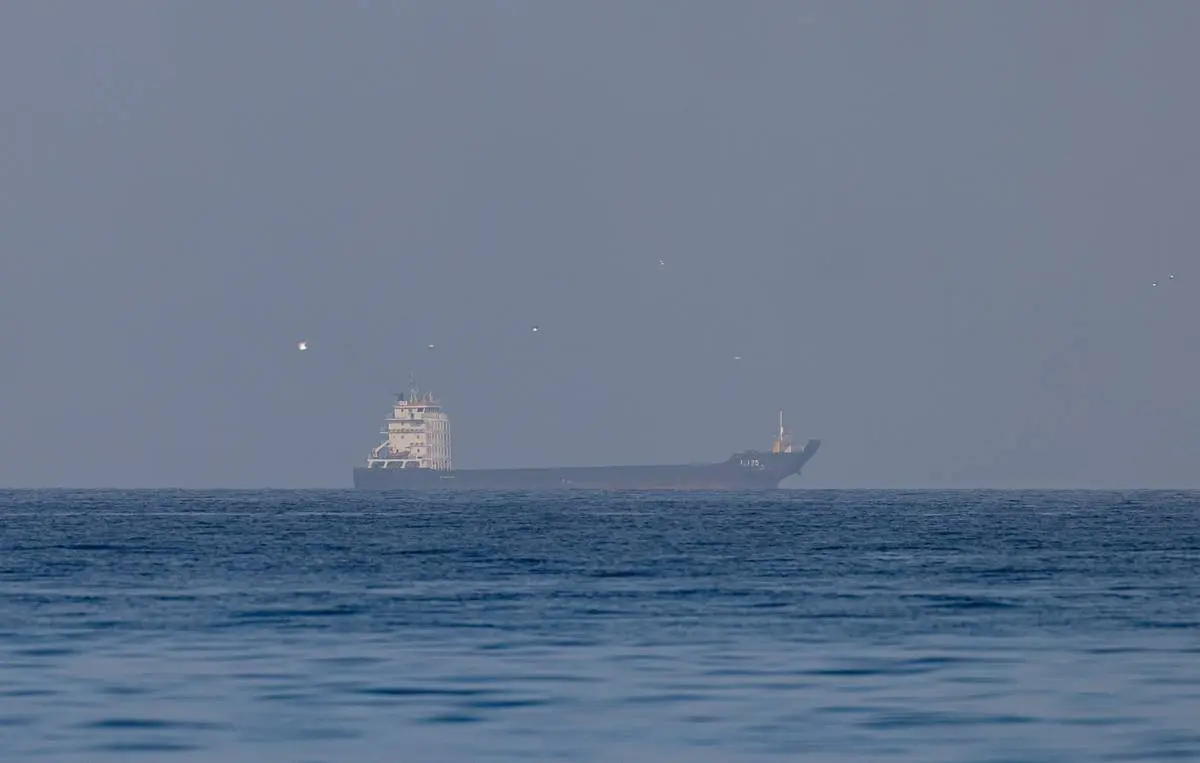
미-이스라엘의 이란 공습에 대응… 이란, 호르무즈 해협 통과 선박 하루 15척으로 제한 추진 — 소식통
US-Israeli strikes on IranIran to allow no more than 15 vessels per day through Hormuz — source
TASS
RU
2026-04-09 13:15
Translated
(Note: No description was provided in the original, so none is included in the translation)
MOSCOW, April 9. /TASS/. Under the ceasefire agreement, Iran will allow no more than 15 vessels per day to pass through the Strait of Hormuz, a senior Iranian source told TASS ahead of talks in Islamabad.
"Under the current ceasefire, fewer than 15 ships per day are permitted to transit the Strait of Hormuz. This movement is strictly contingent upon Iran's approval and the enforcement of a specific protocol. This new regulatory framework, operating under the supervision of the IRGC, has been officially communicated to regional parties. There will be no return to the pre-war status quo," the source said.
In addition, according to the source, "the unfreezing of Iran's blocked assets is a critical executive guarantee that must be realized within this two-week timeframe."
Iran also insists that the end of the war must be formalized in a resolution of the United Nations Security Council. "If the termination of the war is not codified into a UN Security Council resolution based on our stipulated terms, we are fully prepared to resume combat against the US and the Zionist regime (referring to Israel - TASS) —just as we have over the past 40 days, and with even greater intensity," the source emphasized.
Furthermore, Tehran insists that "during this two-week period, the US cannot increase its troop presence." "Regarding uranium enrichment - we remain committed strictly to the text of the exchanged agreement and are actively holding to it," the source concluded.
On April 7, US President Donald Trump announced a two-week mutual ceasefire with Iran. According to him, the sides have resolved nearly all disputed issues, and Washington considers Tehran’s 10-point proposals as a "working basis" for further negotiations. The US president said the decision was made with Iran’s readiness to open the Strait of Hormuz. In turn, Tehran agreed to cease "defensive attacks" provided no strikes are carried out against the Islamic Republic. Pakistani Prime Minister Shehbaz Sharif, acting as a mediator between the sides, invited them to talks on April 10. According to Iranian state television, the negotiations are expected to be direct.
"Under the current ceasefire, fewer than 15 ships per day are permitted to transit the Strait of Hormuz. This movement is strictly contingent upon Iran's approval and the enforcement of a specific protocol. This new regulatory framework, operating under the supervision of the IRGC, has been officially communicated to regional parties. There will be no return to the pre-war status quo," the source said.
In addition, according to the source, "the unfreezing of Iran's blocked assets is a critical executive guarantee that must be realized within this two-week timeframe."
Iran also insists that the end of the war must be formalized in a resolution of the United Nations Security Council. "If the termination of the war is not codified into a UN Security Council resolution based on our stipulated terms, we are fully prepared to resume combat against the US and the Zionist regime (referring to Israel - TASS) —just as we have over the past 40 days, and with even greater intensity," the source emphasized.
Furthermore, Tehran insists that "during this two-week period, the US cannot increase its troop presence." "Regarding uranium enrichment - we remain committed strictly to the text of the exchanged agreement and are actively holding to it," the source concluded.
On April 7, US President Donald Trump announced a two-week mutual ceasefire with Iran. According to him, the sides have resolved nearly all disputed issues, and Washington considers Tehran’s 10-point proposals as a "working basis" for further negotiations. The US president said the decision was made with Iran’s readiness to open the Strait of Hormuz. In turn, Tehran agreed to cease "defensive attacks" provided no strikes are carried out against the Islamic Republic. Pakistani Prime Minister Shehbaz Sharif, acting as a mediator between the sides, invited them to talks on April 10. According to Iranian state television, the negotiations are expected to be direct.