미국-이란 파키스탄 평화 협상: 진행 중인가? 레바논 장애물이 취약한 휴전을 위험에 빠뜨리다
US-Iran peace talks in Pakistan: Is it happening? Lebanon hurdle puts fragile truce at risk
The Times of India
TOI WORLD DESK
EN
2026-04-10 18:18
Translated
파키스탄은 휴전을 안정화하기 위한 미국-이란 간접 협상을 주최하고 있지만, 이란의 참여는 이스라엘의 레바논 공격 중단에 달려 있다. 이슬라마바드가 보안을 강화하는 동안 테헤란은 레바논 분쟁을 주요 장애물로 언급하며 대표단 파견을 부인하고 있다.
파키스탄은 미국과 이란 대표 간의 고위험 간접 협상을 이슬라마바드에서 개최할 예정이며, 이는 취약한 휴전 틀을 안정화하고 지역 보안 역학 관계와 글로벌 에너지 흐름을 이미 재편성한 분쟁의 추가 확대를 방지하려는 노력이다.
그러나 협상을 둘러싼 불확실성은 계속되고 있다. 이란은 정식 협상 대표단이 테헤란을 떠났다는 보도를 부인했으며, 자신의 참여는 이스라엘의 레바논 공격 중단을 조건으로 한다고 명확히 했다. 한편 파키스탄은 도로 폐쇄, 군대 배치 증가, 주요 장소 주변 통행 제한 등으로 이슬라마바드 전역의 보안을 강화했다.
파키스탄은 워싱턴과 테헤란 간의 간접 협상을 촉진할 예정이며, 대표단들이 별도의 방에 머물면서 중개자를 통해 제안을 교환하는 왕복 중재자로 활동할 것으로 예상된다. 미국 대표단은 부통령 JD 밴스가 이끌며, 특사 스티브 위트코프와 선임 고문 재러드 쿠슈너가 동반할 것으로 예상된다.
그러나 이란의 참여는 여전히 불확실하다. 일부 국제 언론은 대표단이 이미 이슬라마바드에 파견되었다고 제안했지만, 이란 국영 언론과 관계자들은 이러한 주장을 단호히 거부했다.
이란은 협상의 시기와 타당성에 의문을 제기하였으며, 자신의 참여를 레바논 상황 발전과 그곳의 지속적인 이스라엘 군사 활동과 직결시켰다. 이란의 입장은 실질적으로 이슬라마바드에서의 외교적 진전을 레바논에서의 공격 중단과 연결시키며, 미국-이란 채널을 유지하려는 노력을 크게 복잡하게 만들고 있다.
이란 국영 언론이 인용한 이란의 한 소식통은 "일부 언론 매체로부터의 이란 협상팀이 파키스탄 이슬라마바드에 도착하여 미국인들과 협상하기 위해 온다는 소식은 완전히 거짓"이라고 명시했다. 이란의 파르스 통신에 따르면, 월스트리트저널의 보도는 단호히 거부되었으며, 테헤란은 "레바논에서 휴전이 확립될 때까지 미국 측과의 평화 협상에 참석할 계획이 없다"고 강조했다.
테헤란의 관계자들은 외교부 장관 압바스 아라그치와 의회 의장 모하마드 바게르 갈리바프를 포함한 고위 인사들이 그러한 협상을 위해 여행하지 않았다고 추가로 주장했다.
레바논은 더 넓은 휴전 틀에서 중요한 압력 지점이 되었으며, 상충하는 해석이 외교 과정을 탈선시킬 위협이 되고 있다. 이란과 동맹 지역 행위자들은 레바논의 발전이 특히 계속되는 이스라엘 공격과 헤즈볼라 관련 국경 간 활동을 고려할 때 더 넓은 휴전 협정과 분리될 수 없다고 주장한다.
그러나 이스라엘은 이러한 연계를 단호히 거부한다. 이스라엘은 레바논에서의 군사 작전이 미국-이란 이해 관계 밖에 있으며 헤즈볼라 기반시설을 계속 표적으로 할 권리가 있다고 주장한다. 이러한 상이함은 레바논을 이슬라마바드 협상이 진행되거나 완전히 붕괴될지를 결정할 수 있는 결정적인 단층선으로 변모시켰다.
이스라엘은 파키스탄의 중재 역할을 강력히 거부했으며, 특히 파키스탄 국방부 장관 흐와자 아시프가 이스라엘을 "악의 화신이자 인류의 저주"라고 묘사한 발언 이후이다. 이 게시물은 나중에 삭제되었다.
이스라엘 관계자들은 이 발언을 비난했으며 파키스탄의 중립성이 그러한 민감한 협상을 촉진하는 데 있어 의문을 제기했다. 이스라엘 총리실은 "파키스탄 국방부 장관의 이스라엘 제거 촉구는 터무니없다. 이것은 중립 중재자임을 주장하는 어떤 정부로부터도 용인될 수 없는 성명이다"라고 비판했다.
별도로, 이스라엘 외교부 장관 기디언 사아르도 파키스탄의 역할을 비판하며 중립 중개자로서의 신뢰성을 훼손했다고 비난했다.
파키스탄의 중재자로서의 출현은 워싱턴과 테헤란 양쪽과 협력 관계를 유지하면서도 이스라엘과 공식적 외교 관계가 없는 상황에서 미묘한 외교적 입장에 놓여 있다.
이슬라마바드는 미국-이란 간 통신의 초기 단계에서의 뒤에서의 참여를 강조해왔으며, 여기에는 간접 채널을 통한 양측 간의 제안과 반제안 전달이 포함된다. 그러나 최근의 정치적 진술과 증가하는 지역적 긴장은 파키스탄의 중립성 인식을 유지하는 능력을 복잡하게 만들었으며, 중요한 시점에서 신뢰할 수 있는 중재자로서의 역할을 지속할 수 있는지에 대한 의문을 제기했다.
이슬라마바드 협상은 이란의 핵 프로그램, 제재 완화, 더 넓은 지역 보안 보장 등 오래 지속된 전략적 분쟁에 관해 언급할 것으로 예상된다. 글로벌 차원의 주요 관심사는 호르무즈 해협이며, 전 세계 석유 운송의 상당한 부분이 통과하므로 그 안정성은 지역 보안뿐만 아니라 글로벌 경제 질서에도 중요하다.
그러나 협상을 둘러싼 불확실성은 계속되고 있다. 이란은 정식 협상 대표단이 테헤란을 떠났다는 보도를 부인했으며, 자신의 참여는 이스라엘의 레바논 공격 중단을 조건으로 한다고 명확히 했다. 한편 파키스탄은 도로 폐쇄, 군대 배치 증가, 주요 장소 주변 통행 제한 등으로 이슬라마바드 전역의 보안을 강화했다.
파키스탄은 워싱턴과 테헤란 간의 간접 협상을 촉진할 예정이며, 대표단들이 별도의 방에 머물면서 중개자를 통해 제안을 교환하는 왕복 중재자로 활동할 것으로 예상된다. 미국 대표단은 부통령 JD 밴스가 이끌며, 특사 스티브 위트코프와 선임 고문 재러드 쿠슈너가 동반할 것으로 예상된다.
그러나 이란의 참여는 여전히 불확실하다. 일부 국제 언론은 대표단이 이미 이슬라마바드에 파견되었다고 제안했지만, 이란 국영 언론과 관계자들은 이러한 주장을 단호히 거부했다.
이란은 협상의 시기와 타당성에 의문을 제기하였으며, 자신의 참여를 레바논 상황 발전과 그곳의 지속적인 이스라엘 군사 활동과 직결시켰다. 이란의 입장은 실질적으로 이슬라마바드에서의 외교적 진전을 레바논에서의 공격 중단과 연결시키며, 미국-이란 채널을 유지하려는 노력을 크게 복잡하게 만들고 있다.
이란 국영 언론이 인용한 이란의 한 소식통은 "일부 언론 매체로부터의 이란 협상팀이 파키스탄 이슬라마바드에 도착하여 미국인들과 협상하기 위해 온다는 소식은 완전히 거짓"이라고 명시했다. 이란의 파르스 통신에 따르면, 월스트리트저널의 보도는 단호히 거부되었으며, 테헤란은 "레바논에서 휴전이 확립될 때까지 미국 측과의 평화 협상에 참석할 계획이 없다"고 강조했다.
테헤란의 관계자들은 외교부 장관 압바스 아라그치와 의회 의장 모하마드 바게르 갈리바프를 포함한 고위 인사들이 그러한 협상을 위해 여행하지 않았다고 추가로 주장했다.
레바논은 더 넓은 휴전 틀에서 중요한 압력 지점이 되었으며, 상충하는 해석이 외교 과정을 탈선시킬 위협이 되고 있다. 이란과 동맹 지역 행위자들은 레바논의 발전이 특히 계속되는 이스라엘 공격과 헤즈볼라 관련 국경 간 활동을 고려할 때 더 넓은 휴전 협정과 분리될 수 없다고 주장한다.
그러나 이스라엘은 이러한 연계를 단호히 거부한다. 이스라엘은 레바논에서의 군사 작전이 미국-이란 이해 관계 밖에 있으며 헤즈볼라 기반시설을 계속 표적으로 할 권리가 있다고 주장한다. 이러한 상이함은 레바논을 이슬라마바드 협상이 진행되거나 완전히 붕괴될지를 결정할 수 있는 결정적인 단층선으로 변모시켰다.
이스라엘은 파키스탄의 중재 역할을 강력히 거부했으며, 특히 파키스탄 국방부 장관 흐와자 아시프가 이스라엘을 "악의 화신이자 인류의 저주"라고 묘사한 발언 이후이다. 이 게시물은 나중에 삭제되었다.
이스라엘 관계자들은 이 발언을 비난했으며 파키스탄의 중립성이 그러한 민감한 협상을 촉진하는 데 있어 의문을 제기했다. 이스라엘 총리실은 "파키스탄 국방부 장관의 이스라엘 제거 촉구는 터무니없다. 이것은 중립 중재자임을 주장하는 어떤 정부로부터도 용인될 수 없는 성명이다"라고 비판했다.
별도로, 이스라엘 외교부 장관 기디언 사아르도 파키스탄의 역할을 비판하며 중립 중개자로서의 신뢰성을 훼손했다고 비난했다.
파키스탄의 중재자로서의 출현은 워싱턴과 테헤란 양쪽과 협력 관계를 유지하면서도 이스라엘과 공식적 외교 관계가 없는 상황에서 미묘한 외교적 입장에 놓여 있다.
이슬라마바드는 미국-이란 간 통신의 초기 단계에서의 뒤에서의 참여를 강조해왔으며, 여기에는 간접 채널을 통한 양측 간의 제안과 반제안 전달이 포함된다. 그러나 최근의 정치적 진술과 증가하는 지역적 긴장은 파키스탄의 중립성 인식을 유지하는 능력을 복잡하게 만들었으며, 중요한 시점에서 신뢰할 수 있는 중재자로서의 역할을 지속할 수 있는지에 대한 의문을 제기했다.
이슬라마바드 협상은 이란의 핵 프로그램, 제재 완화, 더 넓은 지역 보안 보장 등 오래 지속된 전략적 분쟁에 관해 언급할 것으로 예상된다. 글로벌 차원의 주요 관심사는 호르무즈 해협이며, 전 세계 석유 운송의 상당한 부분이 통과하므로 그 안정성은 지역 보안뿐만 아니라 글로벌 경제 질서에도 중요하다.
Pakistan is hosting crucial indirect US-Iran talks to stabilize a ceasefire, but Iran's participation hinges on halting Israeli strikes in Lebanon. While Islamabad ramps up security, Tehran denies sending a delegation, citing the Lebanon conflict as a key obstacle.
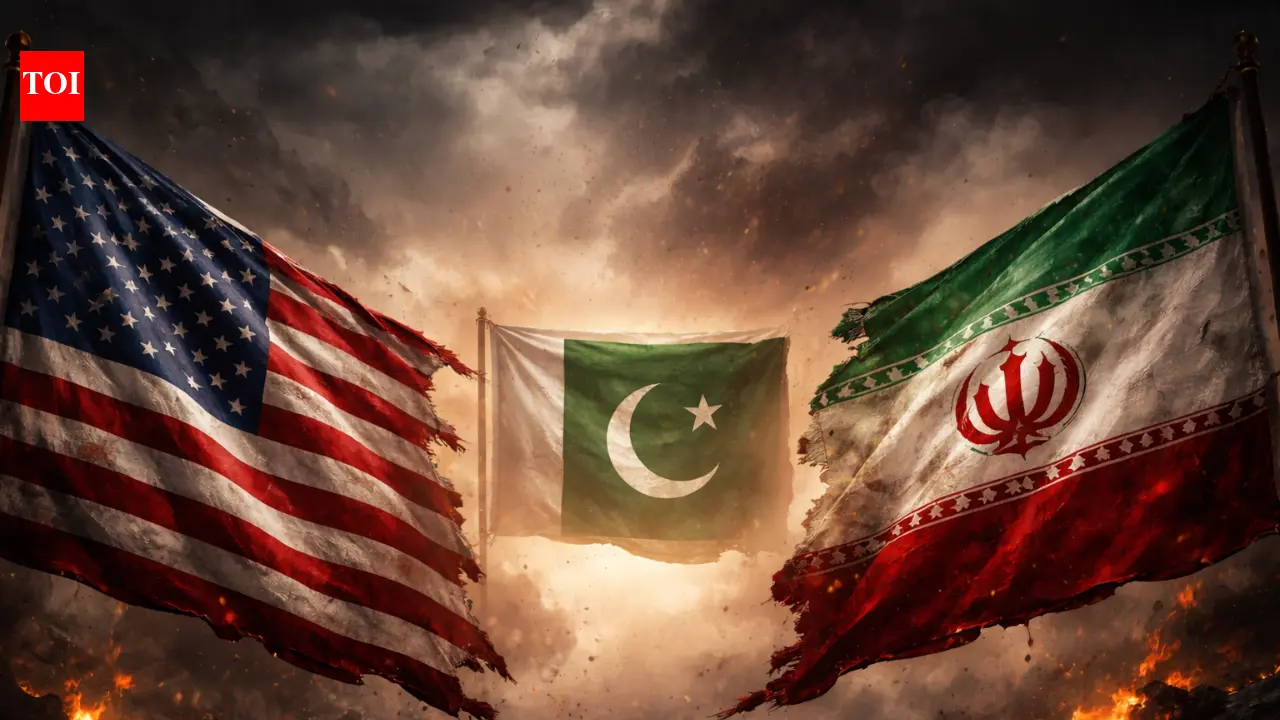
AI image used for representative purposes Pakistan is set to host high-stakes indirect negotiations between United States and Iranian representatives in Islamabad, in an effort to stabilise a fragile ceasefire framework and prevent further escalation of a conflict that has already reshaped regional security dynamics and global energy flows.However, uncertainty continues to hang over the talks. Iran has denied reports that any formal negotiating delegation has left Tehran, and has made clear that its participation is conditional on the cessation of Israeli strikes in Lebanon. Watch BREAKING: Iran Draws Red Line; ‘No Talks’ With Trump Unless U.S. Meets Key Demand – Report Meanwhile, Pakistan has stepped up security across Islamabad, with road closures, increased troop deployment, and restricted access around key venues as preparations continue.Who is expected at the tablePakistan is preparing to facilitate indirect negotiations between Washington and Tehran, acting as a shuttle mediator with delegations expected to remain in separate rooms while proposals are exchanged through intermediaries.The US delegation is expected to be led by Vice President JD Vance, alongside special envoy Steve Witkoff and senior adviser Jared Kushner, according to officials familiar with the planning., quoted by Associated Press.Iran’s participation, however, remains highly uncertain. While some international reports suggested that a delegation had already been dispatched to Islamabad, Iranian state media and officials have firmly rejected these claims.Iran questions timing of talksIran has also cast doubt on both the timing and viability of the negotiations, directly linking its engagement to developments in Lebanon and ongoing Israeli military activity there.The Iranian position effectively ties any diplomatic progress in Islamabad to a halt in Israeli strikes in Lebanon, significantly complicating efforts to keep the US–Iran channel open.State-linked reporting suggests that discussions remain suspended until ceasefire commitments are honoured, particularly in Lebanon, which Tehran and several regional actors argue cannot be separated from the broader conflict architecture.As one Iranian source, cited in state media, stated: “The news from some media outlets that an Iranian negotiating team has arrived in Islamabad, Pakistan, to negotiate with the Americans is completely false.” As per Iran’s Fars News Agency, the report by The Wall Street Journal was firmly rejected, with the agency stressing that Tehran has “no plans to attend peace talks with the American side until a ceasefire is established in Lebanon."Officials in Tehran have further insisted that senior figures, including Foreign Minister Abbas Araghchi and Parliament Speaker Mohammad Bagher Ghalibaf, have not travelled for any such talks.Lebanon emerges as central fault lineLebanon has increasingly become the critical pressure point in the wider ceasefire framework, with diverging interpretations threatening to derail the diplomatic process.Iran and allied regional actors argue that developments in Lebanon are inseparable from any broader ceasefire arrangement, especially given continued Israeli strikes and Hezbollah-linked cross-border activity.Israel, however, firmly rejects this linkage. It maintains that its military operations in Lebanon fall outside any US–Iran understanding and insists on its right to continue targeting Hezbollah infrastructure.This divergence has turned Lebanon into a decisive fault line that could determine whether the Islamabad talks proceed or collapse entirely.Israel rejects Pakistan’s mediation roleIsrael has also pushed back strongly against Pakistan’s involvement as a mediator, particularly following remarks by Pakistan’s Defence Minister Khawaja Asif, who had described Israel as “evil and a curse for humanity” in a post that was later deleted.Israeli officials condemned the statement and questioned Pakistan’s neutrality in facilitating such sensitive negotiations. Israel PMO criticised the remarks saying, "Pakistan Defence Minister’s call for Israel’s annihilation is outrageous. This is not a statement that can be tolerated from any government, especially not from one that claims to be a neutral arbiter for peace."Separately, Israeli Foreign Minister Gideon Sa’ar also criticised Pakistan’s role, accusing it of undermining its credibility as a neutral intermediary.Also read: Khawaja Asif deletes 'curse on humanity' post targeting Israel after sharp response ahead of US-Iran peace talksPakistan’s balancing act under scrutinyPakistan’s emergence as a facilitator places it in a delicate diplomatic position, as it maintains working relationships with both Washington and Tehran while lacking formal diplomatic ties with Israel.Islamabad has highlighted its behind-the-scenes involvement in earlier phases of US–Iran communication, including the relay of proposals and counter-proposals between both sides through indirect channels.However, recent political statements and rising regional tensions have complicated Pakistan’s ability to maintain a perception of neutrality, raising questions over whether it can sustain its role as a trusted mediator at a critical juncture.PollShould Pakistan continue to act as a mediator in US-Iran relations?Yes, they can facilitate constructive dialogue.No, their involvement is too controversial. Wider agenda: nuclear dispute, Hormuz corridor, and regional stabilityBeyond the immediate ceasefire discussions, the Islamabad talks are expected to touch on long-standing strategic disputes, including Iran’s nuclear programme, sanctions relief, and broader regional security guarantees.A key global concern remains the Strait of Hormuz, through which a significant share of global oil shipments passes, making its stability central not only to regional security but also to global economic order.