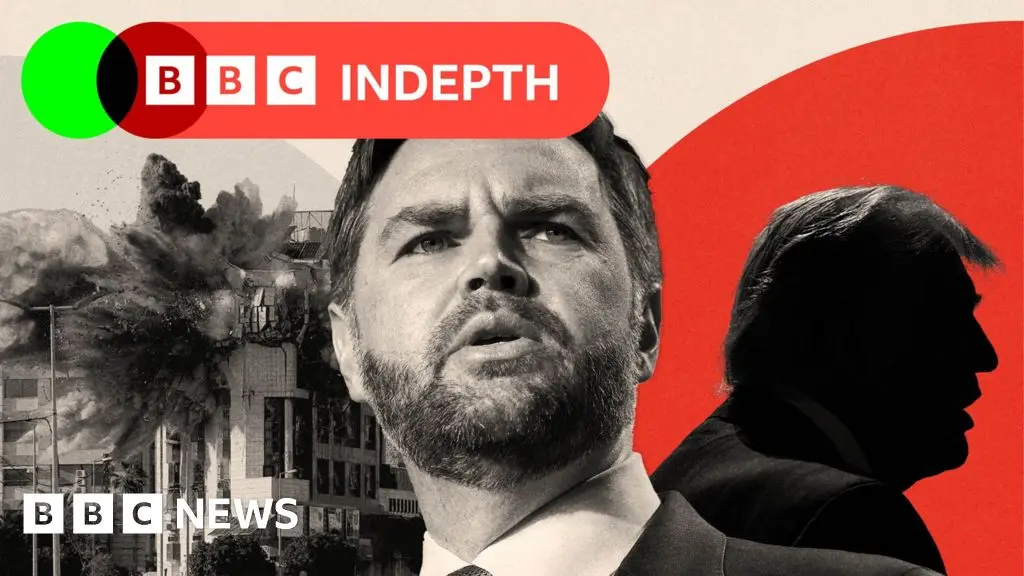
트럼프가 JD 밴스에게 지금까지 가장 어려운 임무를 부여했다
Trump has handed JD Vance his most difficult mission yet
BBC News
EN
2026-04-11 09:54
Translated
미국 부통령이 이란과의 평화 협상을 주도하면서 대립하는 진영, 까다로운 상사, 자신의 정치적 미래 사이에서 균형을 맞춰야 한다.
화이트하우스에서 열린 부활절 점심 식사 도중 도널드 트럼프 대통령은 이란과의 전쟁을 끝내기 위한 합의를 체결하는 데 있어 JD 밴스의 역할에 대한 추측을 언급하기 위해 즉흥적으로 발언했다.
"만약 그것이 일어나지 않으면, 나는 JD 밴스를 탓하겠다"고 트럼프는 농담을 했으며, 지난주 이스트룸에서 열린 행사에서 웃음이 터졌다. 그 행사에는 부통령을 포함한 고위 행정부 관리들, 국무장관 마르코 루비오, 국방장관 피트 헤그스에스가 참석했다. 그리고 "만약 그것이 일어난다면"이라고 트럼프는 덧붙였다, "나는 전적으로 신용을 가져갈 것이다."
이 발언은 파키스탄에서 이란과의 협상을 주도하고 있는 밴스의 어려운 처지를 완벽하게 보여준다. 이것은 밴스의 부통령 재임 기간 중 가장 도전적인 임무이다 - 긍정적인 결과가 제한적이고, 협상이 실패할 경우 잃을 것이 많은 상황이다.
밴스의 이슬라마바드 외교 임무는 정치적 지뢰밭이다. 전쟁을 끝내기 위한 영구적인 합의에 도달하기 위해, 그는 경쟁하는 이익을 가진 여러 이해관계자들을 만족시켜야 하며, 이들은 중동 전역을 뒤덮고 세계 경제를 뒤흔든 6주간의 군사 작전 이후 서로를 신뢰하지 않는다.
미국의 동맹국들은 밴스가 어떻게 수행할지를 면밀히 관찰하고 있다고 한 유럽 관리가 말했다. 밴스는 "방에 들어가서 뭔가를 성사시켜야 한다"고 익명을 요청한 그 관리가 덧붙였다. "그렇지 않으면 그는 약화될 것이다."
모든 합의는 먼저 평화를 촉구하는 것과 이란의 문명을 파괴하겠다고 위협하는 것 사이를 오가는 트럼프의 지지를 얻어야 한다. 또한 호르무즈 해협에 대한 통제를 강화한, 약화되었지만 여전히 존재하는 테헤란 정권의 지원이 필요하며, 지역 전역의 휴전에 조심스러운 이스라엘 동맹국도 필요하다. 전쟁에 반대하고 해협 재개에 미국을 지원하기 꺼려하는 유럽의 미국 동맹국들도 설득해야 한다.
이것만으로도 충분하지 않다면, 밴스는 트럼프의 'Make America Great Again' (MAGA) 기반을 어떻게든 만족시킬 압력을 받을 것이다. 많은 사람들이 해외 개입에 반대하므로, 2028년 대통령 선거에 출마한다면 외교 정책을 어떻게 처리할지에 대한 단서를 찾기 위해 그의 방문을 면밀히 관찰할 것이다.
이라크에서 복무한 전직 해병대원인 밴스는 과거 미국의 해외 개입에 반대하는 목소리를 높여왔으며, 뉴욕타임스 보도에 따르면 트럼프와의 비공개 회의에서 이란 공격 시작에 대해 깊은 회의감을 표현한 것으로 알려져 있다.
"밴스는 미국 외교 정책에서 절제를 바라는 신호를 보냈다. 그것은 이란에 대한 미국 전쟁과 조화시키기 상당히 어렵다"고 워싱턴 싱크탱크인 미국-독일 연구소의 회장인 제프 래스케가 말했다.
이슬라마바드에서 밴스에게 제기되는 질문은: 그가 모두를 만족시킬 수 있을까? 그리고 이 협상에서의 성공이 무엇을 의미하는가 - 완전히 형성된 평화 협약인가, 아니면 임시 휴전을 망치지 않는 생산적인 초기 대화인가?
화이트하우스 관리는 BBC에 트럼프가 부통령에게 협상을 주도하도록 지시했다고 말했다. 그리고 대변인 애나 켈리는 밴스가 이미 특사 스티브 위트코프와 대통령의 사위 자레드 쿠시너와 협력하고 있으며, 둘 다 파키스탄에서 그와 함께할 것이라고 확인했다.
밴스는 금요일 아침 워싱턴을 떠나기 전에 기대를 낮췄다.
"이란인들이 성실하게 협상할 의사가 있다면, 우리는 확실히 열린 손을 제시할 의향이 있다"고 밴스가 기자들에게 말했다. 그는 또한 이란에 "우리를 속이지" 말 것을 경고했으며, 트럼프가 미국 협상 팀에 "꽤 명확한 지침"을 제시했다고 말했다.
하지만 그가 사전에 명확한 목표를 설정했더라도, 대통령은 자신의 마음을 바꾸는 경향이 있다. 이란과의 협상에서 밴스와 미국 팀의 나머지는 2월 말에 분쟁을 시작한 이후 전쟁의 다양한 근거를 제시한 변덕스러운 상사 트럼프를 대표해야 한다는 추가적인 도전에 직면할 것이다.
금요일 오후, 이슬라마바드로 출발하기 전에 밴스에게 뭐라고 말했는지 물었을 때, 트럼프는 기자들에게 말했다: "나는 그에게 행운을 빈다. 그는 큰 일을 가지고 있다." 대통령은 "좋은 팀"을 보내고 있으며 "우리는 모든 것이 어떻게 진행될지 볼 것"이라고 말했다.
트럼프의 변덕스러운 협상 스타일은 이번 주 휴전 협상이 이루어진 소용돌이 기간에 전면적으로 드러났다. 단 36시간 동안, 트럼프는 이란에 하루 안에 거래를 체결하라고 지시했고, Truth Social의 소셜 미디어 게시물에서 이란이 협력을 거부할 경우 "전체 문명이 죽을 것"이라고 경고했으며, 그 후 최종적으로 전쟁을 확대하기 위한 기한이 2시간도 남지 않은 상황에서 휴전을 발표했다.
화요일의 긴장된 시간들은 트럼프 2기 동안 어떤 순간보다 신경이 곤두선 순간이었다고 두 번째 고위 유럽 외교관이 말했다.
"나는 일에서 집으로 돌아가 뉴스를 켜고 Truth Social을 새로고침하기 시작했다"고 익명을 요청한 그 관리가 말했다. 정상적인 조건에서도 트럼프의 부통령으로 근무하기가 쉬울 수 없지만, 특히 지금 밴스의 경우 외국 전쟁에 대한 그의 의문이 있어서 특히 어려워야 한다고 그 외교관은 덧붙였다.
"밴스는 이란 캠페인에서 자신을 거리두려고 시도했다"고 그 관계자가 말했다. "이 전쟁은 절대적으로 그의 전술에 없다."
고위험 협상에서 트럼프를 대표하는 것은 도전일 수 있지만, 밴스는 이 순간을 위해 취임 이후 노력해왔다. 그는 트럼프의 신뢰를 얻었고 타원형 사무실과 유럽 및 아시아 전역의 외교 정책 지도자들과의 고위급 회의 및 행사에서 테이블에 참석하는 자리를 얻었다.
밴스는 지난해 뮌헨 안보 회의에서 한 연설로 파장을 일으켰으며, 그곳에서 유럽의 이민과 언론의 자유 처리에 대해 신랄한 비판을 제기했다. 곧 그 이후, 그는 우크라이나 대통령 볼로디미르 젤렌스키가 타원형 사무실 회의에서 충분히 감사하지 않다고 비난했으며, 그 회의는 고함이 오가는 싸움으로 치달았다. 이번 주에도, 부통령은 헝가리로 여행을 가서 현재 총리이자 트럼프의 절친한 동맹인 빅토르 오르반의 재선거를 위한 전례 없는 캠프를 펼쳤다.
매 단계마다, 밴스는 트럼프에게 충성하며 "미국 우선주의"의 날카로운 대사로서 세계를 누비는 데 기꺼이 나서는 충실한 부하로 자리매김했다.
하지만 밴스는 항상 대통령과 의견이 같지는 않았던 것으로 알려져 있다. 그리고 트럼프 자신의 외교 정책은 때때로 밴스를 과거에 주장해온 종류의 해외 개입을 공개적으로 뒷받침하는 어색한 입장에 놓았다 - 이란이 주요 예이다.
미국 상원의원으로서 밴스는 2023년 월스트리트 저널 오피니언에 "나는 트럼프를 지지한다. 왜냐하면 그가 해외 전쟁을 시작하지 않았기 때문"이라고 발표했다. 이란 전쟁 전야에, 밴스는 워싱턴 포스트에 트럼프가 미국이 중동에서 또 다른 소위 "영구 전쟁"으로 끌려가도록 하지 않을 것이라고 말했다.
현재의 분쟁 동안, 그는 공개적으로 트럼프의 주장, 즉 전쟁이 이란의 핵무기 개발을 방지하기 위해 필요했다는 주장을 반복했다. 하지만 밴스는 특히 국방장관 헤그스에스와 같은 다른 행정부 관리들만큼 전쟁 노력을 적극적으로 뒷받침하지 못했다. 밴스의 수사학은 또한 때때로 트럼프의 것과 달랐으며, 이번 주 밴스가 임시 휴전을 "취약한 휴전"이라고 부를 때 일어났다.
이에도 불구하고, 트럼프는 밴스를 이슬라마바드로 미국 대표단을 주도하도록 지정했다. 이 선택은 트럼프가 의도적으로 밴스에게 이기거나 지지 않는 임무를 부여했는지에 대한 의문을 제기했다. 부통령 사무실은 이 이야기에 대해 의견을 밝히기를 거부했지만, 이름을 밝히지 않기를 원한 미국 관리는 밴스가 트럼프 행정부가 거래를 체결하는 것에 진지하다는 신호를 이란에 보내기 위해 선택되었다고 말했다.
지역의 미국 동맹국들은 행정부가 전쟁을 끝내기 위해 지속 가능한 평화를 원한다는 신호로 팀에 밴스를 포함시킨 것을 환영했다. "이것은 미국이 진지하게 협상 테이블에 나타나고 있다는 것을 보여준다"고 은퇴한 이스라엘 준장 아싸프 오리온이 말했다.
밴스는 이란과의 협상에서 성과를 내기 위해 워싱턴의 잡담을 차단해야 할 것이다.
젤렌스키와의 타원형 사무실 대면과 뮌헨 및 부다페스트로의 여행은 모두 공격견으로서 밴스의 역할을 하는 능력을 보여주었다.
"만약 그가 논쟁적일 필요를 느낀다면, 그는 그것을 피하지 않을 것이다. 만약 그가 미국에 무언가가 잘못되고 있다고 느낀다면, 그는 그것도 피하지 않을 것이다"고 트럼프-밴스 전환 팀에서 일했던 마크 베드나르가 말했다.
하지만 파키스탄에서 그는 불안정한 지역의 적대자들 사이의 긴장된 관계를 헤쳐나가야 하는 다른 외교적 역할을 하고 있다. 밴스와 그의 팀은 또한 호르무즈 해협 재개와 이란의 핵 프로그램 종료를 포함한 복잡한 문제들을 다루어야 하며, 이들은 매우 기술적이고 쉬운 해결책이 없다.
밴스는 휴전 전에 미국과 이란 사이의 간접 협상에서 세부적인 수준으로 관여하지 않았다. 최근 몇 주간의 협상은 위트코프와 쿠시너가 주도했으며, 미국 관리에 따르면 이들은 또한 트럼프의 2기 동안 다른 평화 협상을 주도했다. 협상의 성공은 부분적으로 이란의 핵 프로그램의 기술적 측면을 처리하는 사람에 달려 있다고 오리온이 말했다.
"쿠시너와 위트코프는 우크라이나, 이란, 가자 지구를 했다. 나는 세 가지 문제 모두에서 상세한 전문가가 되기가 매우 도전적이라고 생각한다"고 오리온이 말했다. 이슬라마바드에서 "문제는 누가 다른 사람인가, 누가 벤치에 있는가?"이다.
그럼에도 불구하고 밴스는 방에 다른 누가 있든 가장 많은 관심을 받을 것이다.
부통령은 수년에 걸쳐 축적된 외국 지도자들과의 깊은 개인적 관계에 의존할 수 없다. 밴스가 단지 41세이며, 미국 상원에 입후보했을 때 국가 정치 무대에 최근에 자신을 던졌다는 것을 잊기 쉽다. 그의 모든 연마와 영리한 본능에도 불구하고, 그는 국제 관계의 세계에 여전히 상대적 초보자이다.
그럼에도 불구하고, 트럼프는 이번 주 그를 깊은 물에 던졌으며, 이제 밴스는 대통령을 위해 승리를 거두면서 자신의 정치적 미래를 손상시키지 않으려는 압력을 받고 있다.
"그는 이란인들과 JD 밴스의 합의를 협상하고 있지 않다. 그는 이슬라마바드에 있어서 대통령이 동의할 수 있는 최선의 거래를 얻으려고 노력하고 있다"고 래스케가 말했다. "하지만 트럼프가 뭔가에 동의한 후 나중에 열정을 잃을 경우, 부통령에게는 약간의 위험이 있다. 트럼프는 협상자를 탓하려고 할 수 있다."
"만약 그것이 일어나지 않으면, 나는 JD 밴스를 탓하겠다"고 트럼프는 농담을 했으며, 지난주 이스트룸에서 열린 행사에서 웃음이 터졌다. 그 행사에는 부통령을 포함한 고위 행정부 관리들, 국무장관 마르코 루비오, 국방장관 피트 헤그스에스가 참석했다. 그리고 "만약 그것이 일어난다면"이라고 트럼프는 덧붙였다, "나는 전적으로 신용을 가져갈 것이다."
이 발언은 파키스탄에서 이란과의 협상을 주도하고 있는 밴스의 어려운 처지를 완벽하게 보여준다. 이것은 밴스의 부통령 재임 기간 중 가장 도전적인 임무이다 - 긍정적인 결과가 제한적이고, 협상이 실패할 경우 잃을 것이 많은 상황이다.
밴스의 이슬라마바드 외교 임무는 정치적 지뢰밭이다. 전쟁을 끝내기 위한 영구적인 합의에 도달하기 위해, 그는 경쟁하는 이익을 가진 여러 이해관계자들을 만족시켜야 하며, 이들은 중동 전역을 뒤덮고 세계 경제를 뒤흔든 6주간의 군사 작전 이후 서로를 신뢰하지 않는다.
미국의 동맹국들은 밴스가 어떻게 수행할지를 면밀히 관찰하고 있다고 한 유럽 관리가 말했다. 밴스는 "방에 들어가서 뭔가를 성사시켜야 한다"고 익명을 요청한 그 관리가 덧붙였다. "그렇지 않으면 그는 약화될 것이다."
모든 합의는 먼저 평화를 촉구하는 것과 이란의 문명을 파괴하겠다고 위협하는 것 사이를 오가는 트럼프의 지지를 얻어야 한다. 또한 호르무즈 해협에 대한 통제를 강화한, 약화되었지만 여전히 존재하는 테헤란 정권의 지원이 필요하며, 지역 전역의 휴전에 조심스러운 이스라엘 동맹국도 필요하다. 전쟁에 반대하고 해협 재개에 미국을 지원하기 꺼려하는 유럽의 미국 동맹국들도 설득해야 한다.
이것만으로도 충분하지 않다면, 밴스는 트럼프의 'Make America Great Again' (MAGA) 기반을 어떻게든 만족시킬 압력을 받을 것이다. 많은 사람들이 해외 개입에 반대하므로, 2028년 대통령 선거에 출마한다면 외교 정책을 어떻게 처리할지에 대한 단서를 찾기 위해 그의 방문을 면밀히 관찰할 것이다.
이라크에서 복무한 전직 해병대원인 밴스는 과거 미국의 해외 개입에 반대하는 목소리를 높여왔으며, 뉴욕타임스 보도에 따르면 트럼프와의 비공개 회의에서 이란 공격 시작에 대해 깊은 회의감을 표현한 것으로 알려져 있다.
"밴스는 미국 외교 정책에서 절제를 바라는 신호를 보냈다. 그것은 이란에 대한 미국 전쟁과 조화시키기 상당히 어렵다"고 워싱턴 싱크탱크인 미국-독일 연구소의 회장인 제프 래스케가 말했다.
이슬라마바드에서 밴스에게 제기되는 질문은: 그가 모두를 만족시킬 수 있을까? 그리고 이 협상에서의 성공이 무엇을 의미하는가 - 완전히 형성된 평화 협약인가, 아니면 임시 휴전을 망치지 않는 생산적인 초기 대화인가?
화이트하우스 관리는 BBC에 트럼프가 부통령에게 협상을 주도하도록 지시했다고 말했다. 그리고 대변인 애나 켈리는 밴스가 이미 특사 스티브 위트코프와 대통령의 사위 자레드 쿠시너와 협력하고 있으며, 둘 다 파키스탄에서 그와 함께할 것이라고 확인했다.
밴스는 금요일 아침 워싱턴을 떠나기 전에 기대를 낮췄다.
"이란인들이 성실하게 협상할 의사가 있다면, 우리는 확실히 열린 손을 제시할 의향이 있다"고 밴스가 기자들에게 말했다. 그는 또한 이란에 "우리를 속이지" 말 것을 경고했으며, 트럼프가 미국 협상 팀에 "꽤 명확한 지침"을 제시했다고 말했다.
하지만 그가 사전에 명확한 목표를 설정했더라도, 대통령은 자신의 마음을 바꾸는 경향이 있다. 이란과의 협상에서 밴스와 미국 팀의 나머지는 2월 말에 분쟁을 시작한 이후 전쟁의 다양한 근거를 제시한 변덕스러운 상사 트럼프를 대표해야 한다는 추가적인 도전에 직면할 것이다.
금요일 오후, 이슬라마바드로 출발하기 전에 밴스에게 뭐라고 말했는지 물었을 때, 트럼프는 기자들에게 말했다: "나는 그에게 행운을 빈다. 그는 큰 일을 가지고 있다." 대통령은 "좋은 팀"을 보내고 있으며 "우리는 모든 것이 어떻게 진행될지 볼 것"이라고 말했다.
트럼프의 변덕스러운 협상 스타일은 이번 주 휴전 협상이 이루어진 소용돌이 기간에 전면적으로 드러났다. 단 36시간 동안, 트럼프는 이란에 하루 안에 거래를 체결하라고 지시했고, Truth Social의 소셜 미디어 게시물에서 이란이 협력을 거부할 경우 "전체 문명이 죽을 것"이라고 경고했으며, 그 후 최종적으로 전쟁을 확대하기 위한 기한이 2시간도 남지 않은 상황에서 휴전을 발표했다.
화요일의 긴장된 시간들은 트럼프 2기 동안 어떤 순간보다 신경이 곤두선 순간이었다고 두 번째 고위 유럽 외교관이 말했다.
"나는 일에서 집으로 돌아가 뉴스를 켜고 Truth Social을 새로고침하기 시작했다"고 익명을 요청한 그 관리가 말했다. 정상적인 조건에서도 트럼프의 부통령으로 근무하기가 쉬울 수 없지만, 특히 지금 밴스의 경우 외국 전쟁에 대한 그의 의문이 있어서 특히 어려워야 한다고 그 외교관은 덧붙였다.
"밴스는 이란 캠페인에서 자신을 거리두려고 시도했다"고 그 관계자가 말했다. "이 전쟁은 절대적으로 그의 전술에 없다."
고위험 협상에서 트럼프를 대표하는 것은 도전일 수 있지만, 밴스는 이 순간을 위해 취임 이후 노력해왔다. 그는 트럼프의 신뢰를 얻었고 타원형 사무실과 유럽 및 아시아 전역의 외교 정책 지도자들과의 고위급 회의 및 행사에서 테이블에 참석하는 자리를 얻었다.
밴스는 지난해 뮌헨 안보 회의에서 한 연설로 파장을 일으켰으며, 그곳에서 유럽의 이민과 언론의 자유 처리에 대해 신랄한 비판을 제기했다. 곧 그 이후, 그는 우크라이나 대통령 볼로디미르 젤렌스키가 타원형 사무실 회의에서 충분히 감사하지 않다고 비난했으며, 그 회의는 고함이 오가는 싸움으로 치달았다. 이번 주에도, 부통령은 헝가리로 여행을 가서 현재 총리이자 트럼프의 절친한 동맹인 빅토르 오르반의 재선거를 위한 전례 없는 캠프를 펼쳤다.
매 단계마다, 밴스는 트럼프에게 충성하며 "미국 우선주의"의 날카로운 대사로서 세계를 누비는 데 기꺼이 나서는 충실한 부하로 자리매김했다.
하지만 밴스는 항상 대통령과 의견이 같지는 않았던 것으로 알려져 있다. 그리고 트럼프 자신의 외교 정책은 때때로 밴스를 과거에 주장해온 종류의 해외 개입을 공개적으로 뒷받침하는 어색한 입장에 놓았다 - 이란이 주요 예이다.
미국 상원의원으로서 밴스는 2023년 월스트리트 저널 오피니언에 "나는 트럼프를 지지한다. 왜냐하면 그가 해외 전쟁을 시작하지 않았기 때문"이라고 발표했다. 이란 전쟁 전야에, 밴스는 워싱턴 포스트에 트럼프가 미국이 중동에서 또 다른 소위 "영구 전쟁"으로 끌려가도록 하지 않을 것이라고 말했다.
현재의 분쟁 동안, 그는 공개적으로 트럼프의 주장, 즉 전쟁이 이란의 핵무기 개발을 방지하기 위해 필요했다는 주장을 반복했다. 하지만 밴스는 특히 국방장관 헤그스에스와 같은 다른 행정부 관리들만큼 전쟁 노력을 적극적으로 뒷받침하지 못했다. 밴스의 수사학은 또한 때때로 트럼프의 것과 달랐으며, 이번 주 밴스가 임시 휴전을 "취약한 휴전"이라고 부를 때 일어났다.
이에도 불구하고, 트럼프는 밴스를 이슬라마바드로 미국 대표단을 주도하도록 지정했다. 이 선택은 트럼프가 의도적으로 밴스에게 이기거나 지지 않는 임무를 부여했는지에 대한 의문을 제기했다. 부통령 사무실은 이 이야기에 대해 의견을 밝히기를 거부했지만, 이름을 밝히지 않기를 원한 미국 관리는 밴스가 트럼프 행정부가 거래를 체결하는 것에 진지하다는 신호를 이란에 보내기 위해 선택되었다고 말했다.
지역의 미국 동맹국들은 행정부가 전쟁을 끝내기 위해 지속 가능한 평화를 원한다는 신호로 팀에 밴스를 포함시킨 것을 환영했다. "이것은 미국이 진지하게 협상 테이블에 나타나고 있다는 것을 보여준다"고 은퇴한 이스라엘 준장 아싸프 오리온이 말했다.
밴스는 이란과의 협상에서 성과를 내기 위해 워싱턴의 잡담을 차단해야 할 것이다.
젤렌스키와의 타원형 사무실 대면과 뮌헨 및 부다페스트로의 여행은 모두 공격견으로서 밴스의 역할을 하는 능력을 보여주었다.
"만약 그가 논쟁적일 필요를 느낀다면, 그는 그것을 피하지 않을 것이다. 만약 그가 미국에 무언가가 잘못되고 있다고 느낀다면, 그는 그것도 피하지 않을 것이다"고 트럼프-밴스 전환 팀에서 일했던 마크 베드나르가 말했다.
하지만 파키스탄에서 그는 불안정한 지역의 적대자들 사이의 긴장된 관계를 헤쳐나가야 하는 다른 외교적 역할을 하고 있다. 밴스와 그의 팀은 또한 호르무즈 해협 재개와 이란의 핵 프로그램 종료를 포함한 복잡한 문제들을 다루어야 하며, 이들은 매우 기술적이고 쉬운 해결책이 없다.
밴스는 휴전 전에 미국과 이란 사이의 간접 협상에서 세부적인 수준으로 관여하지 않았다. 최근 몇 주간의 협상은 위트코프와 쿠시너가 주도했으며, 미국 관리에 따르면 이들은 또한 트럼프의 2기 동안 다른 평화 협상을 주도했다. 협상의 성공은 부분적으로 이란의 핵 프로그램의 기술적 측면을 처리하는 사람에 달려 있다고 오리온이 말했다.
"쿠시너와 위트코프는 우크라이나, 이란, 가자 지구를 했다. 나는 세 가지 문제 모두에서 상세한 전문가가 되기가 매우 도전적이라고 생각한다"고 오리온이 말했다. 이슬라마바드에서 "문제는 누가 다른 사람인가, 누가 벤치에 있는가?"이다.
그럼에도 불구하고 밴스는 방에 다른 누가 있든 가장 많은 관심을 받을 것이다.
부통령은 수년에 걸쳐 축적된 외국 지도자들과의 깊은 개인적 관계에 의존할 수 없다. 밴스가 단지 41세이며, 미국 상원에 입후보했을 때 국가 정치 무대에 최근에 자신을 던졌다는 것을 잊기 쉽다. 그의 모든 연마와 영리한 본능에도 불구하고, 그는 국제 관계의 세계에 여전히 상대적 초보자이다.
그럼에도 불구하고, 트럼프는 이번 주 그를 깊은 물에 던졌으며, 이제 밴스는 대통령을 위해 승리를 거두면서 자신의 정치적 미래를 손상시키지 않으려는 압력을 받고 있다.
"그는 이란인들과 JD 밴스의 합의를 협상하고 있지 않다. 그는 이슬라마바드에 있어서 대통령이 동의할 수 있는 최선의 거래를 얻으려고 노력하고 있다"고 래스케가 말했다. "하지만 트럼프가 뭔가에 동의한 후 나중에 열정을 잃을 경우, 부통령에게는 약간의 위험이 있다. 트럼프는 협상자를 탓하려고 할 수 있다."
As the US vice-president leads peace talks with Iran, he must balance warring factions, a demanding boss and his own political future.
In the middle of an Easter lunch at the White House, President Donald Trump went off script to address speculation about JD Vance's role in securing a deal to end the war in Iran."If it doesn't happen, I'm blaming JD Vance," Trump joked, drawing laughter at last week's East Room event attended by senior administration officials including the vice-president, Secretary of State Marco Rubio, and Defence Secretary Pete Hegseth. And "if it does happen," Trump added, "I'm taking full credit."
The remarks perfectly captured Vance's predicament as he leads a US delegation holding talks with Iran in Pakistan. It is the most challenging assignment of Vance's vice-presidency so far - one with a limited upside and plenty to lose if negotiations fail.
Vance's diplomatic mission to Islamabad is a political minefield. To make progress in reaching a permanent agreement to end the war, he will have to satisfy several stakeholders with competing interests, and who all distrust each other after a six-week military campaign that has engulfed the Middle East and roiled the global economy.
US allies are watching Vance closely to see how he'll perform, one European official said. Vance "needs to step into the room and deliver something," added the official, who spoke on the condition of anonymity. "Otherwise he will be diminished."
Any deal must win the support first and foremost of Trump, who has vacillated between calling for peace and threatening to destroy Iran's civilisation. It will also need the backing of a weakened but still-standing regime in Tehran that has tightened control over the Strait of Hormuz, and an ally in Israel that is wary of a region-wide ceasefire. US allies in Europe that oppose the war and have been reluctant to come to America's aid in reopening the strait will also have to be convinced.
As if that's not enough, Vance will also face pressure to somehow satisfy Trump's Make America Great Again (MAGA) base. Many are opposed to interventions abroad so will be watching his trip closely for clues about how he might handle foreign policy if he runs for president in 2028.
A former Marine who served in Iraq, Vance has been a vocal opponent of US entanglements in the past, and reportedly expressed deep scepticism about launching strikes on Iran in private meetings with Trump, according to a New York Times report.
"Vance has signalled a desire for restraint in American foreign policy. That's pretty hard to square with the American war against Iran," said Jeff Rathke, the president of the American-German Institute, a Washington-based think tank.
In Islamabad the question for Vance is: can he make everyone happy? And what does success in these negotiations look like - a fully-formed peace deal, or just productive initial talks that don't scuttle the temporary ceasefire?
A White House official told the BBC that Trump had tasked the vice-president to lead the negotiations. And spokeswoman Anna Kelly confirmed that Vance had already been collaborating with special envoy Steve Witkoff and the president's son-in-law Jared Kushner, both of whom will be with him in Pakistan.
Vance tamped down expectations before leaving Washington on Friday morning.
"If the Iranians are willing to negotiate in good faith, we are certainly willing to extend an open hand," Vance told reporters. He also warned Iran not to "play us," and said Trump gave the US negotiating team "some pretty clear guidelines".
But even if he laid out clear goalposts ahead of time, the president has a propensity to change his mind. In the talks with Iran, Vance and the rest of the US team will face the added challenge of representing a mercurial boss in Trump who has given a range of rationales for the war since launching the conflict in late February.
On Friday afternoon, when asked what he told Vance before he left for Islamabad, Trump told reporters: "I wish him luck. He's got a big thing." The president said he was sending a "good team" and "we'll see how it all turns out."
Trump's volatile negotiating style was on full display this week, in the whirlwind period leading up to the ceasefire deal reached on Tuesday. In a single 36-hour span, Trump gave Iran one day to strike a deal, warned in social media posts on Truth Social that "a whole civilisation will die" if Iran refused to cooperate, and then finally announced a ceasefire with less than two hours left before his deadline for escalating the war.
The tense hours on Tuesday were as nervewracking as any moments in Trump's second term, said a second senior European diplomat.
"I went home from work, put on the news, and started refreshing Truth Social," said the official, who spoke on the condition of anonymity. Serving as Trump's vice-president can't be easy under normal conditions, the diplomat added, but must be especially difficult for Vance right now given his misgivings about foreign wars.
"Vance has tried to distance himself from the Iran campaign," the source said. "This war is absolutely not in his playbook."
Representing Trump in high-stakes negotiations may be a challenge, but Vance has been working toward this moment since taking office. He has earned Trump's trust and been given a seat at the table in high-profile meetings and events with foreign policy leaders in the Oval Office and across Europe and Asia.
Vance made waves with a speech at the Munich Security Conference last year, where he issued a blistering critique of Europe's handling of immigration and free speech. Soon after, he accused Ukrainian President Volodymyr Zelensky of not being grateful enough for US aid during an explosive Oval Office meeting that descended into a shouting match. Just this week, the vice-president travelled to Hungary to make an unprecedented re-election push for the current prime minister and close Trump ally Viktor Orbán.
At each step, Vance has positioned himself as a loyal lieutenant to Trump who's willing to crisscross the globe serving as a sharp-elbowed ambassador of "America First".
But Vance reportedly hasn't always agreed with the president. And Trump's own foreign policy has sometimes put Vance in the awkward position of publicly backing the type of interventions abroad that he has argued against in the past - Iran being the prime example.
As a US senator Vance published a Wall Street Journal op-ed in 2023 saying he backed Trump because he didn't start foreign wars. On the eve of the Iran war, Vance told the Washington Post that Trump wouldn't let the US get dragged into another so-called forever war in the Middle East.
During the current conflict, he has publicly echoed Trump's argument that war was needed to prevent Iran from developing nuclear weapons. But Vance has not been as vocal in backing the war effort as other administration officials, in particular Defence Secretary Hegseth. Vance's rhetoric has also sometimes diverged from Trump's, as happened this week when Vance called the temporary ceasefire a "fragile truce".
Despite this, Trump tapped Vance to lead the US delegation to Islamabad. The choice raised questions of whether Trump purposely handed Vance a no-win assignment. The vice-president's office declined to comment for this story, but a US official who asked not to be named said Vance was chosen to send Iran a signal that the Trump administration was serious about reaching a deal.
US allies in the region welcomed Vance's inclusion on the team as a sign the administration wants a durable peace to end the war. "It shows that America is seriously coming to the table," said Assaf Orion, a retired Israeli brigadier general.
Vance will have to tune out the chatter back in Washington to deliver in negotiations with Iran.
The Oval Office confrontation with Zelensky and trips to Munich and Budapest all showcased Vance's ability to play the role of attack dog.
"If he feels the need to be argumentative, he's not going to shy away from that. If he feels that something is not going right for the United States, he will not shy away from that either," said Mark Bednar, who worked on the Trump-Vance transition team.
But in Pakistan he's playing a different diplomatic role, which will require navigating tense relations between adversaries in a volatile region. Vance and his team will also have to address a complex set of problems - including reopening the Strait of Hormuz and ending Iran's nuclear programme - that are highly technical and have no easy fix.
Vance was not involved at a detailed level in the indirect talks between the US and Iran before the ceasefire. Negotiations in recent weeks were led by Witkoff and Kushner, according to a US official. The pair also spearheaded other peace talks during Trump's second term. The success of the talks will rely in part on who handles technical aspects of Iran's nuclear programme, Orion said.
"Kushner and Witkoff did Ukraine, Iran and Gaza. I think it's very challenging to be a detailed expert in all three issues at the same time," Orion said. In Islamabad, "the question is who else, who is on the bench?"
Still Vance will command the most attention, regardless of whoever else is in the room.
The vice-president won't be able to rely on a deep well of personal relationships with foreign leaders built up over years. It can be easy to forget Vance is still just 41 years old, and only recently launched himself onto the national political stage when he ran for the US Senate. For all of his polish and shrewd instincts, he is still a relative newcomer to the world of international relations.
Nevertheless, Trump threw him into the deep end this week, and now Vance is under pressure to deliver a victory for the president while not damaging his own political future.
"He's not negotiating JD Vance's agreement with the Iranians. He's there in Islamabad to try to get the best deal the president can agree to," said Rathke. "But that has some risks for the vice-president, in case Trump agrees to something and then later loses his enthusiasm for it. Trump may try to blame the negotiator."
Top picture credits: Reuters and Getty Images
BBC InDepth is the home on the website and app for the best analysis, with fresh perspectives that challenge assumptions and deep reporting on the biggest issues of the day. Emma Barnett and John Simpson bring their pick of the most thought-provoking deep reads and analysis, every Saturday.