트럼프 행정부, 석탄 발전소 재 관련 규제 완화 제안 - 지하수 오염 위협
Trump administration proposes gutting rules targeting coal plant ash that threatens groundwater
Associated Press
https://apnews.com/author/michael-phillis
EN
2026-04-10 12:05
Translated
트럼프 행정부는 목요일 석탄 연소로 발생하는 재의 처리 규제를 완화하는 방안을 제안했다. 석탄재에는 수은, 납, 코발트 등 유해 중금속이 포함되어 있어 지하수를 오염시킬 수 있다. 이 규제들은 석탄 발전소 오염에 대한 광범위한 단속의 일환으로 바이든 행정부 때 강화된 것이었다.
트럼프 행정부는 일부 석탄재 매립지 인근의 지하수 모니터링 및 보호 기준을 완화하고, 석탄재가 버려진 장소뿐 아니라 전체 석탄 시설의 정화를 요구하는 규칙을 철회할 것을 제안했다. 또한 석탄재를 다른 용도로 재사용하기 쉽게 만들 것으로 보인다.
리 젤딘 환경청(EPA) 청장은 이 제안이 "미국 에너지 패권 회복, 협력적 연방주의 강화, 특정 석탄 시설의 독특한 상황 수용"에 대한 기관의 의지를 반영한다고 말했다.
석탄 연소는 엄청난 양의 재를 생산하는데, 이 폐기물에는 수은, 납, 코발트 같은 중금속이 포함되어 있다. 석탄재를 적절히 저장하지 않으면 지하수를 오염시킬 수 있다. 석탄 발전소는 종종 강이나 다른 수로의 둑에 위치하고 있으며, 폐기물 재가 근처에 있다.
반대론자들은 주정부와 다른 규제 당국에 국가 기준 면제 권한을 부여하는 이 제안이 기업들이 석탄재를 지하수에 방치하도록 허용할 수 있다고 주장한다.
예를 들어, 2022년 바이든 시대 EPA는 남부 오하이오의 제임스 개빈 장군 발전소가 지하수와 접촉하고 있다고 판단한 석탄재 매립지를 폐쇄하려는 시도를 거부했다. 2025년 1월 트럼프가 백악관으로 돌아온 후, 석탄 산업 관계자들은 젤딘에게 이 문제에 대한 기관의 입장을 수정해 달라고 요청했다.
남부환경법센터(nonprofit) 변호사 닉 토레이는 "지하수에 재를 방치하도록 허용하는 것은 이 규칙의 핵심 보호 조치 중 하나를 훼손하며, 이것이 바로 이것이 하는 일"이라고 말했다.
기관의 제안은 소유자가 재가 "인간의 건강과 환경에 대한 합리적인 역효과를 초래할 가능성이 없음"을 보장해야 한다고 명시하고 있다.
바이든 시대의 석탄재 보호 규칙은 또한 미시간 호수 인근 인디애나의 미시간시티 발전소와 같은 장소의 정화를 요구했다. 지역 활동가들은 석탄재로 부분적으로 구성된 부지에서 만들어진 토지에 대해 우려하고 있다. 2024년 규칙은 정화 기한을 정했다.
미시간시티와 여러 다른 부지에서, 석탄재로 만든 토지를 정화하는 기준은 기관의 제안에 따라 폐지될 것이다.
제안된 규칙은 또한 EPA가 "유익한 사용"이라고 부르는 석탄재의 사용 제한을 해제하려고 한다. 여기에는 시멘트, 구조용 충전재 같은 이차 재료가 포함된다.
기관은 또한 산업계 및 기타 관계자들이 석탄재로 인한 건강 위험이 이전 EPA 평가에서 과장되었다고 주장했다고 밝혔다. 연방 관리들은 예상 비용 절감이 제안된 변경을 정당화하기에 충분하다고 말했다.
개빈 발전소 소유자들은 의견 제시를 거부했다. 미시간시티 발전소 소유자들은 즉시 의견을 제시하지 않았다.
산업 협회인 유틸리티 고형폐기물 활동 그룹의 집행이사 존 매브레티치는 성명에서 "기존 규제 이행에서 우리 회원들이 직면하고 있는 중대한 과제를 해결하기 위한 EPA의 노력에 감사한다"고 말했다.
그는 또한 이 그룹이 "기존의 '획일적' 체계에서 벗어나 부지별 유연성을 포함하는 변경을 지지하며, 이는 다른 환경 프로그램에서 일반적인 접근 방식"이라고 덧붙였다.
EPA는 처음 오바마 행정부 때 석탄재에 대한 기준을 설정했다. 여기에는 기업들이 새로운 저장소에 라이너를 깔고, 물을 모니터링하며, 새는 연못을 폐쇄하도록 요구하는 조항이 포함되었으며, 종종 물질을 다른 곳으로 이동해야 했다. 2024년 당시 조 바이든 대통령 행정부는 일부 오래된 석탄재 부지에 부여된 면제를 폐지했다.
이번 조치는 화석 연료 산업의 규제 완화의 일환으로 깨끗한 공기와 물 기준을 약화시키려는 트럼프 행정부의 일련의 노력 중 최신 움직임이다. 또한 공화당 대통령 도널드 트럼프가 미국의 석탄을 증진하고 더 깨끗한 대안을 억제하려는 노력과도 맥락을 같이하며, 동시에 "국가 에너지 비상사태"를 선포하고 있다.
석탄 산업은 석탄 발전소 운영 비용을 증가시키는 엄격한 규칙이 많다고 주장해 왔으며, 이로 인해 조기에 폐지되도록 강요받는다고 주장했다.
석탄 및 에너지 협회 연합은 작년에 "EPA의 최근 전례 없는 연방 석탄재 규제 확대는 국가의 증가하는 에너지 수요를 충족하기 위한 전력 부문의 노력에서 불필요하게 자금을 돌렸으며, 공중보건이나 환경에 대응하는 이점 없이 전력회사와 소비자의 비용을 증가시켰다"고 썼다.
재해가 처음으로 EPA가 석탄재를 규제하도록 촉발했다. 기관은 2008년 테네시의 제방이 붕괴되어 300에이커(120헥타르)에 석탄재를 흩뜨린 후 대규모 정화 작업을 강요받은 후 문제를 조사하기 시작했다. 그 작업에 관여한 노동자들은 재 노출이 암을 야기했다고 말했다. 2014년에는 수만 톤이 북캐롤라이나에서 유출되었다.
환경 단체 어스저스티스의 수석 변호사 리사 에반스는 "트럼프 행정부는 유독성 석탄 오염에 대한 건강 보호 조치에 대해 망치를 휘둘렀다"며 "이것은 우리의 건강, 물, 지갑을 희생하면서 석탄 발전 산업에 또 다른 특혜를 주는 것"이라고 말했다.
다른 움직임으로, EPA는 올해 초 석탄 발전소에서 배출되는 수은 및 기타 유독성 물질에 대한 제한을 약화시켰다. 트럼프 행정부는 또한 대규모 폭풍이나 높은 수요 기간 동안 일정한 전력의 필요성을 이유로 여러 석탄 발전소의 계획된 폐쇄를 중단했으며, 이것이 없으면 전력망의 안정성이 낮아질 것이라고 주장했다.
AP의 기후 및 환경 보도는 여러 민간 재단의 재정 지원을 받는다. AP는 모든 콘텐츠에 대해 전적인 책임을 진다.
트럼프 행정부는 일부 석탄재 매립지 인근의 지하수 모니터링 및 보호 기준을 완화하고, 석탄재가 버려진 장소뿐 아니라 전체 석탄 시설의 정화를 요구하는 규칙을 철회할 것을 제안했다. 또한 석탄재를 다른 용도로 재사용하기 쉽게 만들 것으로 보인다.
리 젤딘 환경청(EPA) 청장은 이 제안이 "미국 에너지 패권 회복, 협력적 연방주의 강화, 특정 석탄 시설의 독특한 상황 수용"에 대한 기관의 의지를 반영한다고 말했다.
석탄 연소는 엄청난 양의 재를 생산하는데, 이 폐기물에는 수은, 납, 코발트 같은 중금속이 포함되어 있다. 석탄재를 적절히 저장하지 않으면 지하수를 오염시킬 수 있다. 석탄 발전소는 종종 강이나 다른 수로의 둑에 위치하고 있으며, 폐기물 재가 근처에 있다.
반대론자들은 주정부와 다른 규제 당국에 국가 기준 면제 권한을 부여하는 이 제안이 기업들이 석탄재를 지하수에 방치하도록 허용할 수 있다고 주장한다.
예를 들어, 2022년 바이든 시대 EPA는 남부 오하이오의 제임스 개빈 장군 발전소가 지하수와 접촉하고 있다고 판단한 석탄재 매립지를 폐쇄하려는 시도를 거부했다. 2025년 1월 트럼프가 백악관으로 돌아온 후, 석탄 산업 관계자들은 젤딘에게 이 문제에 대한 기관의 입장을 수정해 달라고 요청했다.
남부환경법센터(nonprofit) 변호사 닉 토레이는 "지하수에 재를 방치하도록 허용하는 것은 이 규칙의 핵심 보호 조치 중 하나를 훼손하며, 이것이 바로 이것이 하는 일"이라고 말했다.
기관의 제안은 소유자가 재가 "인간의 건강과 환경에 대한 합리적인 역효과를 초래할 가능성이 없음"을 보장해야 한다고 명시하고 있다.
바이든 시대의 석탄재 보호 규칙은 또한 미시간 호수 인근 인디애나의 미시간시티 발전소와 같은 장소의 정화를 요구했다. 지역 활동가들은 석탄재로 부분적으로 구성된 부지에서 만들어진 토지에 대해 우려하고 있다. 2024년 규칙은 정화 기한을 정했다.
미시간시티와 여러 다른 부지에서, 석탄재로 만든 토지를 정화하는 기준은 기관의 제안에 따라 폐지될 것이다.
제안된 규칙은 또한 EPA가 "유익한 사용"이라고 부르는 석탄재의 사용 제한을 해제하려고 한다. 여기에는 시멘트, 구조용 충전재 같은 이차 재료가 포함된다.
기관은 또한 산업계 및 기타 관계자들이 석탄재로 인한 건강 위험이 이전 EPA 평가에서 과장되었다고 주장했다고 밝혔다. 연방 관리들은 예상 비용 절감이 제안된 변경을 정당화하기에 충분하다고 말했다.
개빈 발전소 소유자들은 의견 제시를 거부했다. 미시간시티 발전소 소유자들은 즉시 의견을 제시하지 않았다.
산업 협회인 유틸리티 고형폐기물 활동 그룹의 집행이사 존 매브레티치는 성명에서 "기존 규제 이행에서 우리 회원들이 직면하고 있는 중대한 과제를 해결하기 위한 EPA의 노력에 감사한다"고 말했다.
그는 또한 이 그룹이 "기존의 '획일적' 체계에서 벗어나 부지별 유연성을 포함하는 변경을 지지하며, 이는 다른 환경 프로그램에서 일반적인 접근 방식"이라고 덧붙였다.
EPA는 처음 오바마 행정부 때 석탄재에 대한 기준을 설정했다. 여기에는 기업들이 새로운 저장소에 라이너를 깔고, 물을 모니터링하며, 새는 연못을 폐쇄하도록 요구하는 조항이 포함되었으며, 종종 물질을 다른 곳으로 이동해야 했다. 2024년 당시 조 바이든 대통령 행정부는 일부 오래된 석탄재 부지에 부여된 면제를 폐지했다.
이번 조치는 화석 연료 산업의 규제 완화의 일환으로 깨끗한 공기와 물 기준을 약화시키려는 트럼프 행정부의 일련의 노력 중 최신 움직임이다. 또한 공화당 대통령 도널드 트럼프가 미국의 석탄을 증진하고 더 깨끗한 대안을 억제하려는 노력과도 맥락을 같이하며, 동시에 "국가 에너지 비상사태"를 선포하고 있다.
석탄 산업은 석탄 발전소 운영 비용을 증가시키는 엄격한 규칙이 많다고 주장해 왔으며, 이로 인해 조기에 폐지되도록 강요받는다고 주장했다.
석탄 및 에너지 협회 연합은 작년에 "EPA의 최근 전례 없는 연방 석탄재 규제 확대는 국가의 증가하는 에너지 수요를 충족하기 위한 전력 부문의 노력에서 불필요하게 자금을 돌렸으며, 공중보건이나 환경에 대응하는 이점 없이 전력회사와 소비자의 비용을 증가시켰다"고 썼다.
재해가 처음으로 EPA가 석탄재를 규제하도록 촉발했다. 기관은 2008년 테네시의 제방이 붕괴되어 300에이커(120헥타르)에 석탄재를 흩뜨린 후 대규모 정화 작업을 강요받은 후 문제를 조사하기 시작했다. 그 작업에 관여한 노동자들은 재 노출이 암을 야기했다고 말했다. 2014년에는 수만 톤이 북캐롤라이나에서 유출되었다.
환경 단체 어스저스티스의 수석 변호사 리사 에반스는 "트럼프 행정부는 유독성 석탄 오염에 대한 건강 보호 조치에 대해 망치를 휘둘렀다"며 "이것은 우리의 건강, 물, 지갑을 희생하면서 석탄 발전 산업에 또 다른 특혜를 주는 것"이라고 말했다.
다른 움직임으로, EPA는 올해 초 석탄 발전소에서 배출되는 수은 및 기타 유독성 물질에 대한 제한을 약화시켰다. 트럼프 행정부는 또한 대규모 폭풍이나 높은 수요 기간 동안 일정한 전력의 필요성을 이유로 여러 석탄 발전소의 계획된 폐쇄를 중단했으며, 이것이 없으면 전력망의 안정성이 낮아질 것이라고 주장했다.
AP의 기후 및 환경 보도는 여러 민간 재단의 재정 지원을 받는다. AP는 모든 콘텐츠에 대해 전적인 책임을 진다.
일부 단계가 아직 진행 중입니다
새로고침하면 진행 상황이 업데이트됩니다
기사 수집 완료 · 12:05
매체 피드에서 기사 메타데이터 수집
헤드라인 번역 완료 · 12:47
제목/요약 한국어 번역 (fetch 시점 inline)
본문 추출 완료
7,072자 추출 완료
본문 한국어 번역 완료 · 12:47
2,775자 번역 완료
지정학적 엔티티 추출 진행 중
지오 파이프라인 도입 이전 번역분이라 개별 재처리 대기 중
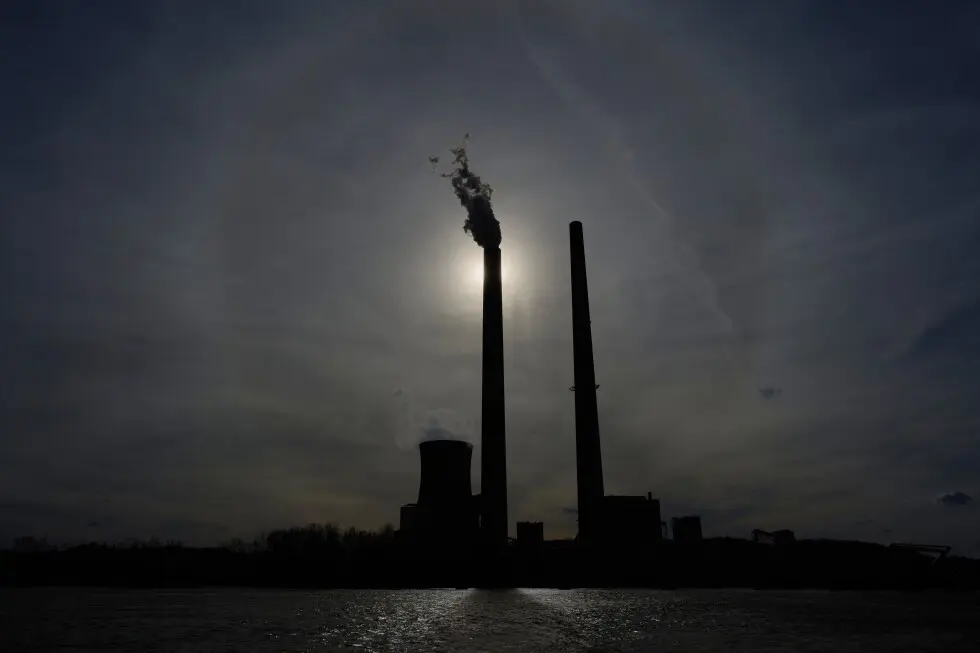
The Mountaineer Power Plant, a coal-fired power plant near New Haven, W.Va., is seen across the Ohio River from Racine, Ohio, Friday, March 13, 2026. (AP Photo/Carolyn Kaster)
A barge on the Ohio River moves past the Mountaineer Power Plant, a coal-fired power plant near New Haven, W.Va., early Friday, March 13, 2026. (AP Photo/Carolyn Kaster)
The Mountaineer Power Plant, a coal-fired power plant near New Haven, W.Va., is seen across the Ohio River from Racine, Ohio, Friday, March 13, 2026. (AP Photo/Carolyn Kaster)
The Mountaineer Power Plant, a coal-fired power plant near New Haven, W.Va., is seen across the Ohio River from Racine, Ohio, Friday, March 13, 2026. (AP Photo/Carolyn Kaster)
A barge on the Ohio River moves past the Mountaineer Power Plant, a coal-fired power plant near New Haven, W.Va., early Friday, March 13, 2026. (AP Photo/Carolyn Kaster)
A barge on the Ohio River moves past the Mountaineer Power Plant, a coal-fired power plant near New Haven, W.Va., early Friday, March 13, 2026. (AP Photo/Carolyn Kaster)
The Trump administration on Thursday proposed weakening rules for the disposal of ash produced by burning coal that can contain hazardous heavy metals and contaminate groundwater. Those regulations were strengthened under the Biden administration as part of a wider crackdown on pollution from coal-fired power plants.
The Trump administration proposed easing standards for monitoring and protecting groundwater near some coal ash sites, and rolling back rules that require the cleanup of entire coal properties rather than just the sites where ash was dumped. The revisions would also make it easier to reuse coal ash for other purposes.
EPA Administrator Lee Zeldin said the proposal reflects the agency’s “commitment to restoring American energy dominance, strengthening cooperative federalism, and accommodating unique circumstances at certain (coal) facilities.”
Burning coal produces tremendous amounts of ash, a waste product that contains heavy metals such as mercury, lead and cobalt. If not stored properly, coal ash can contaminate groundwater. Coal plants are often situated on the banks of rivers or other waterways, with waste ash sitting nearby.
Opponents say the proposal, which grants states and other regulators the ability to grant exemptions from national standards, may open the door for companies to leave coal ash sitting in groundwater.
The Biden-era EPA in 2022, for example, rebuffed the Gen. James Gavin Power Plant in southern Ohio for trying to close a coal ash disposal site that the agency said was in contact with groundwater. In January 2025, with Trump back in the White House, coal industry entities asked Zeldin to revise the agency’s stance on the issue.
“Opening the door to leaving ash in groundwater undermines one of the central protections of this rule, and that’s essentially what this does,” said Nick Torrey, an attorney with the Southern Environmental Law Center, a nonprofit.
The agency’s proposal does state that an owner would be required to ensure that the ash “poses no reasonable probability of adverse effects on human health and the environment.”
The Biden-era coal ash protections also required the cleanup of places like the Michigan City Generating Station in Indiana, by Lake Michigan. Local activists are worried about the land created at the site, which is composed in part of coal ash. The 2024 rules set deadlines for cleanup.
At Michigan City and many other sites, standards to clean up the coal ash used to make land would be eliminated under the agency’s proposal.
The proposed rule also seeks to lift restrictions on the use of coal ash — called “beneficial use” by the EPA — in secondary materials such as cement and as structural fill.
The agency also said that industry and others have said the health risks from coal ash were overstated in previous EPA assessments. Federal officials said the estimated cost savings were more than enough to justify the proposed changes.
The owners of Gavin Power Plant declined to comment. The owners of Michigan City Generating Station did not immediately comment.
The Utility Solid Waste Activities Group “appreciates EPA’s efforts to address the significant challenges our members are facing in implementing” the existing regulations, John Mavretich, executive director of the industry association, said in a statement.
He added the group “supports changes that move away from the existing ‘one-size-fits-all’ framework and incorporate site-specific flexibility, an approach that is common in other environmental programs.”
The EPA first set standards for coal ash during the Obama administration. They included requirements for companies to line new storage sites, monitor water and close leaky ponds, often requiring the material to be moved elsewhere. In 2024, then-President Joe Biden’s administration eliminated exemptions that had been granted to some older coal ash sites.
The move is the latest in a series of Trump administration efforts to weaken clean air and water standards as part of regulatory relief for the fossil fuel industry. It’s also in line with Republican President Donald Trump’s efforts to boost U.S. coal and suppress cleaner alternatives, all the while declaring a “national energy emergency.”
The coal industry has argued that a host of stringent rules that raise the cost of operating a coal plant prematurely push them into retirement.
A coalition of coal and energy associations wrote last year: “EPA’s recent unprecedented expansion of the federal (coal ash) regulations has needlessly diverted funds from the power sector’s efforts to meet the Nation’s growing energy needs; increased costs for power companies and consumers without corresponding benefits to public health or the environment.”
Disasters first prompted the EPA to regulate coal ash. The agency started looking into the problem after a dike failed in Tennessee in 2008, spreading coal ash over 300 acres or 120 hectares and forcing a massive cleanup. Workers involved in that effort said the ash exposure caused cancers. In 2014, tens of thousands of tons spilled in North Carolina.
“The Trump administration just took a sledgehammer to the health protections in place for toxic coal pollution,” said Lisa Evans, senior counsel at environmental group Earthjustice. “This is yet another handout to the coal power industry at the expense of our health, water, and wallets.”
In other moves, the EPA earlier this year weakened limits on mercury and other toxic emissions from coal-fired power plants. The Trump administration has also halted the planned shutdown of several coal plants, citing the need for consistent power during major storms or periods of high demand, and arguing that without it, the grid would be less reliable.
The Associated Press’ climate and environmental coverage receives financial support from multiple private foundations. AP is solely responsible for all content. Find AP’s standards for working with philanthropies, a list of supporters and funded coverage areas at AP.org.
A barge on the Ohio River moves past the Mountaineer Power Plant, a coal-fired power plant near New Haven, W.Va., early Friday, March 13, 2026. (AP Photo/Carolyn Kaster)
The Mountaineer Power Plant, a coal-fired power plant near New Haven, W.Va., is seen across the Ohio River from Racine, Ohio, Friday, March 13, 2026. (AP Photo/Carolyn Kaster)
The Mountaineer Power Plant, a coal-fired power plant near New Haven, W.Va., is seen across the Ohio River from Racine, Ohio, Friday, March 13, 2026. (AP Photo/Carolyn Kaster)
A barge on the Ohio River moves past the Mountaineer Power Plant, a coal-fired power plant near New Haven, W.Va., early Friday, March 13, 2026. (AP Photo/Carolyn Kaster)
A barge on the Ohio River moves past the Mountaineer Power Plant, a coal-fired power plant near New Haven, W.Va., early Friday, March 13, 2026. (AP Photo/Carolyn Kaster)
The Trump administration on Thursday proposed weakening rules for the disposal of ash produced by burning coal that can contain hazardous heavy metals and contaminate groundwater. Those regulations were strengthened under the Biden administration as part of a wider crackdown on pollution from coal-fired power plants.
The Trump administration proposed easing standards for monitoring and protecting groundwater near some coal ash sites, and rolling back rules that require the cleanup of entire coal properties rather than just the sites where ash was dumped. The revisions would also make it easier to reuse coal ash for other purposes.
EPA Administrator Lee Zeldin said the proposal reflects the agency’s “commitment to restoring American energy dominance, strengthening cooperative federalism, and accommodating unique circumstances at certain (coal) facilities.”
Burning coal produces tremendous amounts of ash, a waste product that contains heavy metals such as mercury, lead and cobalt. If not stored properly, coal ash can contaminate groundwater. Coal plants are often situated on the banks of rivers or other waterways, with waste ash sitting nearby.
Opponents say the proposal, which grants states and other regulators the ability to grant exemptions from national standards, may open the door for companies to leave coal ash sitting in groundwater.
The Biden-era EPA in 2022, for example, rebuffed the Gen. James Gavin Power Plant in southern Ohio for trying to close a coal ash disposal site that the agency said was in contact with groundwater. In January 2025, with Trump back in the White House, coal industry entities asked Zeldin to revise the agency’s stance on the issue.
“Opening the door to leaving ash in groundwater undermines one of the central protections of this rule, and that’s essentially what this does,” said Nick Torrey, an attorney with the Southern Environmental Law Center, a nonprofit.
The agency’s proposal does state that an owner would be required to ensure that the ash “poses no reasonable probability of adverse effects on human health and the environment.”
The Biden-era coal ash protections also required the cleanup of places like the Michigan City Generating Station in Indiana, by Lake Michigan. Local activists are worried about the land created at the site, which is composed in part of coal ash. The 2024 rules set deadlines for cleanup.
At Michigan City and many other sites, standards to clean up the coal ash used to make land would be eliminated under the agency’s proposal.
The proposed rule also seeks to lift restrictions on the use of coal ash — called “beneficial use” by the EPA — in secondary materials such as cement and as structural fill.
The agency also said that industry and others have said the health risks from coal ash were overstated in previous EPA assessments. Federal officials said the estimated cost savings were more than enough to justify the proposed changes.
The owners of Gavin Power Plant declined to comment. The owners of Michigan City Generating Station did not immediately comment.
The Utility Solid Waste Activities Group “appreciates EPA’s efforts to address the significant challenges our members are facing in implementing” the existing regulations, John Mavretich, executive director of the industry association, said in a statement.
He added the group “supports changes that move away from the existing ‘one-size-fits-all’ framework and incorporate site-specific flexibility, an approach that is common in other environmental programs.”
The EPA first set standards for coal ash during the Obama administration. They included requirements for companies to line new storage sites, monitor water and close leaky ponds, often requiring the material to be moved elsewhere. In 2024, then-President Joe Biden’s administration eliminated exemptions that had been granted to some older coal ash sites.
The move is the latest in a series of Trump administration efforts to weaken clean air and water standards as part of regulatory relief for the fossil fuel industry. It’s also in line with Republican President Donald Trump’s efforts to boost U.S. coal and suppress cleaner alternatives, all the while declaring a “national energy emergency.”
The coal industry has argued that a host of stringent rules that raise the cost of operating a coal plant prematurely push them into retirement.
A coalition of coal and energy associations wrote last year: “EPA’s recent unprecedented expansion of the federal (coal ash) regulations has needlessly diverted funds from the power sector’s efforts to meet the Nation’s growing energy needs; increased costs for power companies and consumers without corresponding benefits to public health or the environment.”
Disasters first prompted the EPA to regulate coal ash. The agency started looking into the problem after a dike failed in Tennessee in 2008, spreading coal ash over 300 acres or 120 hectares and forcing a massive cleanup. Workers involved in that effort said the ash exposure caused cancers. In 2014, tens of thousands of tons spilled in North Carolina.
“The Trump administration just took a sledgehammer to the health protections in place for toxic coal pollution,” said Lisa Evans, senior counsel at environmental group Earthjustice. “This is yet another handout to the coal power industry at the expense of our health, water, and wallets.”
In other moves, the EPA earlier this year weakened limits on mercury and other toxic emissions from coal-fired power plants. The Trump administration has also halted the planned shutdown of several coal plants, citing the need for consistent power during major storms or periods of high demand, and arguing that without it, the grid would be less reliable.
The Associated Press’ climate and environmental coverage receives financial support from multiple private foundations. AP is solely responsible for all content. Find AP’s standards for working with philanthropies, a list of supporters and funded coverage areas at AP.org.