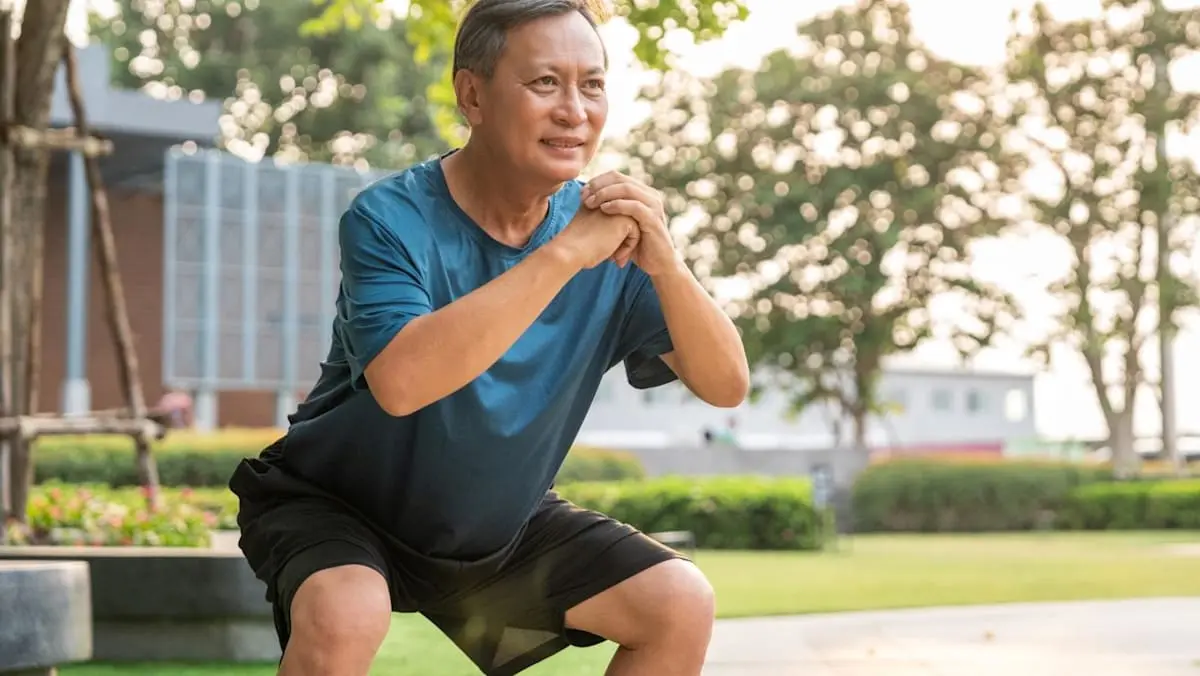
이 근육은 장수의 무명 영웅이며 시간이 지남에 따라 낙상 위험을 줄입니다
This muscle is the unsung hero of longevity and reduces fall risk over time
Channel NewsAsia
EN
2026-04-11 08:55
Translated
둔부 근육을 강화하면 중년 이후 부상 없이 독립적으로 생활하는 데 도움이 됩니다.
둔부 근육을 강화하면 중년 이후 부상 없이 독립적으로 생활하는 데 도움이 됩니다.
사람들은 오랫동안 대둔근에 집착해왔습니다. 1980년대 후반의 "강철 같은 엉덩이" 운동부터 "Heated Rivalry"의 Connor Storrie에 이르기까지, 우리 문화는 수십 년 동안 탄탄하고 도드라진 엉덩이에 몰두해왔습니다.
그러나 전문가들은 강력한 둔부를 가지는 것이 단순히 청바지에 좋아 보이는 것 이상의 의미가 있다는 것을 점점 더 발견하고 있습니다. 대둔근은 우리 신체에서 가장 큰 근육이며 안정성, 균형 및 노화와 밀접한 관련이 있습니다. 그들은 우리가 걷거나 계단을 올라갈 때 충격 흡수 장치처럼 작용하며, 강한 엉덩이를 만드는 것은 모든 연령대의 요통을 예방하고 관리하는 데 도움이 되며 노인의 낙상 위험을 줄일 수 있습니다.
뉴욕의 물리치료사이자 Touro University의 물리치료 겸임교수인 Theresa Marko는 "대둔근은 독립적인 생활에 매우 중요합니다"라고 말했습니다. "지하철을 내리고 싶으신가요? 화장실에서 내리고 싶으신가요?"
장시간 앉아있는 것은 전신에 해롭지만, 특히 대둔근을 약하게 할 수 있으며, 이를 "dead butt syndrome"이라고 합니다. 이에도 불구하고 많은 사람들은 운동 중에 이 근육들을 무시합니다. University of Texas at San Antonio의 운동학 교수인 Sandor Dorgo는 특히 노인들이 하체에 집중하는 것이 중요하다고 덧붙였습니다.
엉덩이에 더 많은 주의를 기울이는 것에 대한 주장은 다음과 같습니다.
둔근은 대둔근, 중둔근, 소둔근의 세 근육으로 구성되어 있습니다. 이 근육들은 함께 앉고, 서고, 걷고, 달리고, 뛰고, 무거운 물체를 들 수 있도록 도움을 줍니다. 또한 골반을 안정화시켜 무릎과 요추부 통증뿐만 아니라 햄스트링 염좌와 발목 염좌를 예방할 수 있습니다.
Dorgo 박사는 둔근이 신체의 후면 연쇄(posterior chain)의 일부이며, 이는 신체의 뒷면을 따라 발뒤꿈치에서 목까지 뻗어 있다고 말했습니다.
"둔근 강도는 중요하지만, 둔근 강도는 전체 하체와 함께 있을 때만 중요합니다"라고 그는 말했습니다.
둔근이 약하면 신체는 햄스트링과 등 근육을 과다 사용할 수 있으며, 이는 염좌와 관절 통증을 유발하거나 걷거나 달릴 때 허리를 구부릴 수 있습니다. 덜 명백한 점은 약한 둔근이 움직임의 자신감에 영향을 미칠 수 있으며, 이는 낙상이 더 많아지는 이유 중 하나라고 USC Leonard Davis School of Gerontology의 조교수인 Constanza Cortes는 말했습니다.
낙상에 대한 두려움은 시력, 균형, 그리고 힘을 포함하는 복잡한 문제이지만, Dorgo 박사는 똑바로 서 있기 위해 좋은 하체 근력이 필요하다고 말했습니다.
둔근의 크기는 반드시 근력의 지표가 아닙니다. 움직이는 방식과 그것을 할 때의 느낌이 종종 더 좋은 지표라고 전문가들은 말했습니다. 예를 들어, 엉덩이가 옆으로 흔들리거나 걸을 때 오리처럼 걷는다면, 이는 중둔근이 약한 신호일 수 있습니다. Marko 박사는 말했습니다. 구부정한 자세나 엉덩이, 무릎 또는 요추부의 통증도 약한 둔근 근육을 나타낼 수 있습니다.
약한 둔근은 팔을 사용하지 않고 의자에서 일어나거나, 바닥으로 스쿼트하거나, 계단을 위아래로 걷기 어렵게 할 수 있습니다. Cortes 박사는 말했습니다. 약한 둔근을 가진 사람들은 계단을 올라갈 때 약간 앞으로 구부러질 것이고, 난간에 의존할 수도 있습니다.
팽팽한 햄스트링이나 종아리도 경고 신호가 될 수 있으며, 이는 걷거나 달리거나 스쿼트할 때 둔근의 역할을 대신합니다. 약한 둔근은 발이나 발뒤꿈치만큼 먼 곳까지 통증을 유발할 수도 있습니다. 브릿지 운동을 할 때 햄스트링의 불편함은 확실한 신호라고 Marko 박사는 말했습니다.
강력한 둔근을 만들기 위한 강도와 안정성의 핵심은 햄스트링, 넙다리네갈래근, 요추부와 자연스러운 방식으로 함께 작동하도록 요구하는 운동을 찾는 것입니다. Dorgo 박사는 말했습니다.
"그들이 해야 할 일은 우리가 일상 생활에서 볼 수 있는 움직임 패턴을 모방하는 것입니다"라고 그는 말했습니다.
대둔근 브릿지, 힙 스러스트, 스쿼트 및 데드리프트는 특히 유용하다고 전문가들은 말했습니다. 이미 정기적으로 근력 운동을 하고 둔근을 고립시키고 싶다면, 클램셸, 둔근 킥백, 당나귀 킥 또는 힙 외전 머신도 좋은 옵션입니다.
중둔근을 강화하려면 밴드가 있거나 없는 몬스터 워크를 시도해보세요. 박스, 벤치 또는 계단에서 수행할 수 있는 스텝업은 둔근, 햄스트링 및 넙다리네갈래근을 목표로 하는 또 다른 훌륭한 방법입니다. 특히 언덕을 올라가며 뒤로 걷기도 평탄한 표면에서 걷기보다 둔근을 더 많이 작동시킵니다.
"둔근 운동은 매우 중요합니다"라고 Marko 박사는 말했으며, 어렵지 않아도 된다고 덧붙였습니다. "당신이 스토브에 서 있을 때, 몇 가지 옆 다리 차기와 뒷다리 차기를 시도하거나, 한쪽 다리로 서 있으세요."
Hilary Achauer 저
이 기사는 원래 The New York Times에 게재되었습니다.
사람들은 오랫동안 대둔근에 집착해왔습니다. 1980년대 후반의 "강철 같은 엉덩이" 운동부터 "Heated Rivalry"의 Connor Storrie에 이르기까지, 우리 문화는 수십 년 동안 탄탄하고 도드라진 엉덩이에 몰두해왔습니다.
그러나 전문가들은 강력한 둔부를 가지는 것이 단순히 청바지에 좋아 보이는 것 이상의 의미가 있다는 것을 점점 더 발견하고 있습니다. 대둔근은 우리 신체에서 가장 큰 근육이며 안정성, 균형 및 노화와 밀접한 관련이 있습니다. 그들은 우리가 걷거나 계단을 올라갈 때 충격 흡수 장치처럼 작용하며, 강한 엉덩이를 만드는 것은 모든 연령대의 요통을 예방하고 관리하는 데 도움이 되며 노인의 낙상 위험을 줄일 수 있습니다.
뉴욕의 물리치료사이자 Touro University의 물리치료 겸임교수인 Theresa Marko는 "대둔근은 독립적인 생활에 매우 중요합니다"라고 말했습니다. "지하철을 내리고 싶으신가요? 화장실에서 내리고 싶으신가요?"
장시간 앉아있는 것은 전신에 해롭지만, 특히 대둔근을 약하게 할 수 있으며, 이를 "dead butt syndrome"이라고 합니다. 이에도 불구하고 많은 사람들은 운동 중에 이 근육들을 무시합니다. University of Texas at San Antonio의 운동학 교수인 Sandor Dorgo는 특히 노인들이 하체에 집중하는 것이 중요하다고 덧붙였습니다.
엉덩이에 더 많은 주의를 기울이는 것에 대한 주장은 다음과 같습니다.
둔근은 대둔근, 중둔근, 소둔근의 세 근육으로 구성되어 있습니다. 이 근육들은 함께 앉고, 서고, 걷고, 달리고, 뛰고, 무거운 물체를 들 수 있도록 도움을 줍니다. 또한 골반을 안정화시켜 무릎과 요추부 통증뿐만 아니라 햄스트링 염좌와 발목 염좌를 예방할 수 있습니다.
Dorgo 박사는 둔근이 신체의 후면 연쇄(posterior chain)의 일부이며, 이는 신체의 뒷면을 따라 발뒤꿈치에서 목까지 뻗어 있다고 말했습니다.
"둔근 강도는 중요하지만, 둔근 강도는 전체 하체와 함께 있을 때만 중요합니다"라고 그는 말했습니다.
둔근이 약하면 신체는 햄스트링과 등 근육을 과다 사용할 수 있으며, 이는 염좌와 관절 통증을 유발하거나 걷거나 달릴 때 허리를 구부릴 수 있습니다. 덜 명백한 점은 약한 둔근이 움직임의 자신감에 영향을 미칠 수 있으며, 이는 낙상이 더 많아지는 이유 중 하나라고 USC Leonard Davis School of Gerontology의 조교수인 Constanza Cortes는 말했습니다.
낙상에 대한 두려움은 시력, 균형, 그리고 힘을 포함하는 복잡한 문제이지만, Dorgo 박사는 똑바로 서 있기 위해 좋은 하체 근력이 필요하다고 말했습니다.
둔근의 크기는 반드시 근력의 지표가 아닙니다. 움직이는 방식과 그것을 할 때의 느낌이 종종 더 좋은 지표라고 전문가들은 말했습니다. 예를 들어, 엉덩이가 옆으로 흔들리거나 걸을 때 오리처럼 걷는다면, 이는 중둔근이 약한 신호일 수 있습니다. Marko 박사는 말했습니다. 구부정한 자세나 엉덩이, 무릎 또는 요추부의 통증도 약한 둔근 근육을 나타낼 수 있습니다.
약한 둔근은 팔을 사용하지 않고 의자에서 일어나거나, 바닥으로 스쿼트하거나, 계단을 위아래로 걷기 어렵게 할 수 있습니다. Cortes 박사는 말했습니다. 약한 둔근을 가진 사람들은 계단을 올라갈 때 약간 앞으로 구부러질 것이고, 난간에 의존할 수도 있습니다.
팽팽한 햄스트링이나 종아리도 경고 신호가 될 수 있으며, 이는 걷거나 달리거나 스쿼트할 때 둔근의 역할을 대신합니다. 약한 둔근은 발이나 발뒤꿈치만큼 먼 곳까지 통증을 유발할 수도 있습니다. 브릿지 운동을 할 때 햄스트링의 불편함은 확실한 신호라고 Marko 박사는 말했습니다.
강력한 둔근을 만들기 위한 강도와 안정성의 핵심은 햄스트링, 넙다리네갈래근, 요추부와 자연스러운 방식으로 함께 작동하도록 요구하는 운동을 찾는 것입니다. Dorgo 박사는 말했습니다.
"그들이 해야 할 일은 우리가 일상 생활에서 볼 수 있는 움직임 패턴을 모방하는 것입니다"라고 그는 말했습니다.
대둔근 브릿지, 힙 스러스트, 스쿼트 및 데드리프트는 특히 유용하다고 전문가들은 말했습니다. 이미 정기적으로 근력 운동을 하고 둔근을 고립시키고 싶다면, 클램셸, 둔근 킥백, 당나귀 킥 또는 힙 외전 머신도 좋은 옵션입니다.
중둔근을 강화하려면 밴드가 있거나 없는 몬스터 워크를 시도해보세요. 박스, 벤치 또는 계단에서 수행할 수 있는 스텝업은 둔근, 햄스트링 및 넙다리네갈래근을 목표로 하는 또 다른 훌륭한 방법입니다. 특히 언덕을 올라가며 뒤로 걷기도 평탄한 표면에서 걷기보다 둔근을 더 많이 작동시킵니다.
"둔근 운동은 매우 중요합니다"라고 Marko 박사는 말했으며, 어렵지 않아도 된다고 덧붙였습니다. "당신이 스토브에 서 있을 때, 몇 가지 옆 다리 차기와 뒷다리 차기를 시도하거나, 한쪽 다리로 서 있으세요."
Hilary Achauer 저
이 기사는 원래 The New York Times에 게재되었습니다.
Building your butt muscles will help you stay injury free and independent in midlife and beyond.
Building your butt muscles will help you stay injury free and independent in midlife and beyond.People have had a long obsession with gluteus muscles. From the “Buns of Steel” workout in the late 1980s to Connor Storrie in Heated Rivalry, our culture has spent decades fixated on firm and prominent backsides.
However, experts are increasingly finding that having a powerful posterior isn’t just about looking good in jeans. The glutes are the largest muscles in our body and are closely tied to stability, balance and ageing well. They act like shock absorbers when we walk or climb stairs, and building a strong butt can help prevent and manage back pain at any age and reduce the risk of falling for older adults.
“Glutes are so important” for independent living, said Theresa Marko, a physical therapist in New York and adjunct professor of physical therapy at Touro University. “Do you want to get off the subway? Do you want to get off the toilet?”
Long periods of sitting are bad for your whole body, but they can weaken your glutes in particular, leading to what’s called dead butt syndrome. Despite this, many people neglect these muscles in their workout, said Sandor Dorgo, a professor of kinesiology at the University of Texas at San Antonio, adding that it’s especially important for older people to focus on their lower bodies.
Here is an argument for paying more attention to your butt.
Your glutes are made up of three muscles: the gluteus maximus, medius and minimus. These muscles work together to help you sit, stand, walk, run, jump and lift heavy objects. They also help stabilise the pelvis, which can prevent knee and low back pain, as well as hamstring strains and ankle sprains.
The glutes don’t act alone; they are part of the posterior chain, which runs from the backside of the body, all the way from the heel up to the neck, said Dr Dorgo.
“Glute strength is important, but glute strength is only important together with the entire lower body,” he said.
If your glutes are weak, your body can overuse your hamstrings and back muscles, which can lead to strains and joint pain or cause you to arch your back while walking or running. Perhaps less obviously, weak glutes can affect how confidently you move, one of the reasons they can lead to more falls, said Constanza Cortes, an assistant professor at the USC Leonard Davis School of Gerontology.
While fear of falling is a complex issue that involves our vision, balance and power, Dr Dorgo said you need to have good lower body strength to stay upright.
The size of your glutes is not necessarily an indicator of their strength. The way you move, and how you feel while doing it, is often a better guide, experts said. For instance, if your hips sway side-to-side or you waddle as you walk, that can be a sign of a weak gluteus medius, Dr Marko said. Slouching, or pain in the hips, knees or lower back can also indicate weak glute muscles.
Weak glutes can make it difficult to get out of a chair without using your arms, squat to the floor or walk up or down stairs, Dr Cortes said. People with weak glutes will often lean slightly forward while climbing stairs, and they may also rely on the handrail.
Tight hamstrings or calves can also be warning signs as they take over the job of your glutes when you’re walking, running or squatting. Weak glutes can even cause pain as far away as your feet or heels. Discomfort in your hamstring when doing a bridge exercise is a dead giveaway, Dr Marko said.
The key to building powerful glutes for strength and stability is finding exercises that require them to work alongside the hamstrings, quads, lower back in a natural way, Dr Dorgo said.
“What they need to do is mimic movement patterns that we would see in everyday life,” he said.
Glute bridges, hip thrusts, squats and deadlifts are particularly useful, experts said. If you already strength train regularly and want to isolate your glutes, clamshells, glute kickbacks, donkey kicks or the hip abduction machine are also good options.
To strengthen your gluteus medius, try monster walks, either with a band or without. Step-ups – which can be performed on a box, bench or stair – are another excellent way to target your glutes, hamstrings and quads. Walking backward, especially up a hill, also works the glutes more than walking on a level surface.
“Glute work is so important,” Dr Marko said, adding that it doesn’t even have to be hard. “When you’re standing at the stove, try some side leg kicks and some back leg kicks – or just stand on one leg.”
By Hilary Achauer
The article originally appeared in The New York Times.