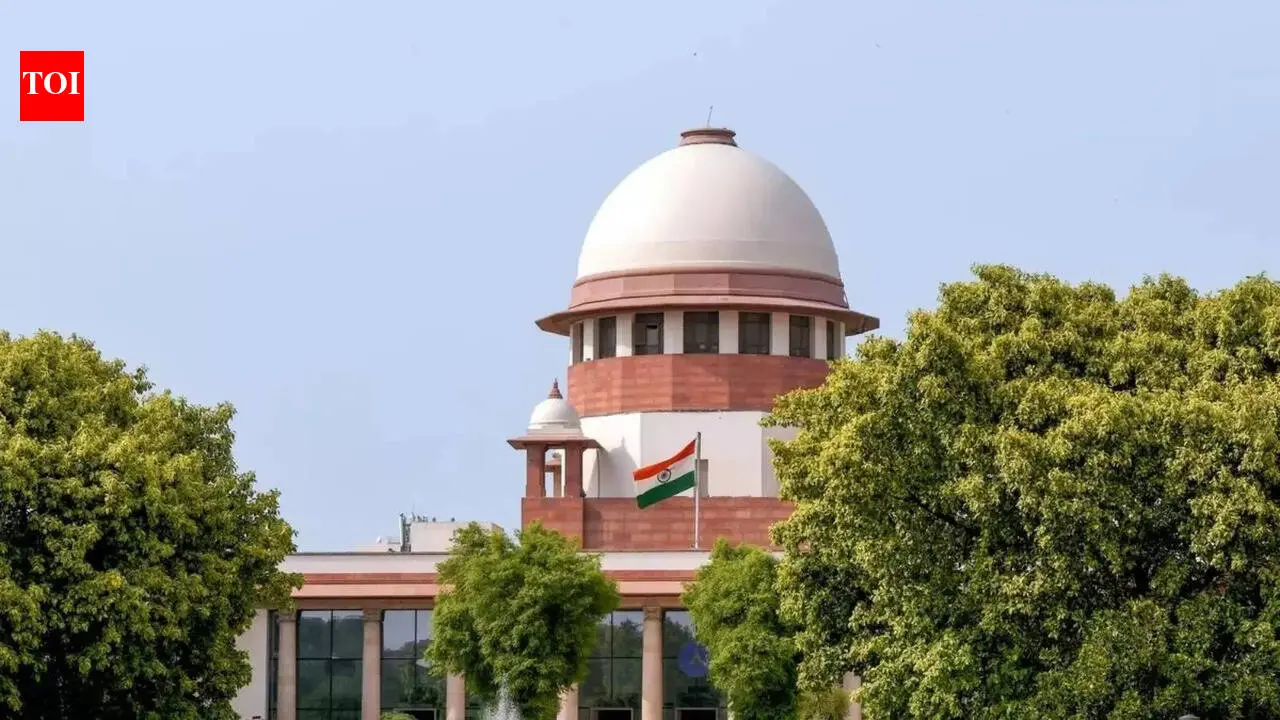
'무질서가 있을 수 없다': 대법원, 사바리말라 사건 심리, 종교기관의 체계 필요성 강조
'There can’t be anarchy': SC hears Sabarimala case, flags need for structure in religious institutions
The Times of India
· 🇮🇳 Mumbai, IN
TOI NEWS DESK
EN
2026-04-28 17:19
Translated
대법원은 예배 장소 여성 출입 관련 사건을 심리하면서 종교기관이 확립된 규범 하에서 운영되어야 하며 무질서 상태에서 작동할 수 없다고 강조했습니다. 9인 판사부는 종교기관을 관리할 권리가 차별을 방지하고 질서 있는 운영을 보장하기 위해 헌법적 한계 내에서 규제를 필요로 한다고 판시했습니다.
뉴델리: 대법원은 화요일 모든 종교기관이 확립된 규범 하에서 기능해야 하며 무질서 상태에서 운영될 수 없다고 관찰하면서, 사바리말라 사원 사건 및 예배 장소의 여성 출입 문제와 관련된 청원 묶음을 심리했습니다. 9인 헌법 판사부는 종교기관을 관리할 권리가 구조의 부재를 의미하지 않으며, 헌법적 한계 내에 머물러 있다면 질서 있는 운영을 위해 규제가 필요하다고 말했습니다. 케랄라 종교 장소에서의 여성 차별, 케랄라의 사바리말라 사원 포함, 그리고 헌법상 종교의 자유 범위 및 종파의 권리에 관한 광범위한 질문과 관련된 사안들을 심리했습니다. 판사부는 수리야 칸트 대법원장과 B V 나가라타나, M M 순드레시, 아흐산우딘 아마눌라, 아라빈드 쿠마르, 어거스틴 조지 마시, 프라산나 B 바랄레, R 마하데반, 조이말랴 바그치 판사로 구성되었습니다. 심리 중 아흐산우딘 아마눌라 판사는 종교기관을 관리할 권리가 체계나 절차의 부재를 의미할 수 없다고 말했습니다. "무질서가 있을 수 없습니다. 다르가나 사원을 보십시오. 기관과 연관된 요소들, 예배의 방식, 일의 순서가 있을 것입니다. 누군가는 그것을 규제해야 합니다." 그는 기관들이 적절한 관리와 질서를 보장하기 위한 권한이나 기구를 필요로 한다고 말했습니다. 판사부는 규제가 필요하지만 그러한 권한이 헌법적 보호를 위반하거나 차별을 허용할 수 없다고 말했습니다. "모두가 내가 원하는 대로 하겠다고 말하거나 통제 없이 항상 문이 열려 있을 수는 없습니다. 그렇다면 질문은 누가 그것을 관리하는가입니다. 그것이 보호가 작동하는 곳입니다. 왜냐하면 규제가 필요하기 때문입니다. 동시에 헌법적 한계를 침범할 수 없습니다. 광범위한 헌법적 매개변수에서 차별이 있을 수 없습니다"라고 아마눌라 판사가 말했습니다. 그는 모든 기관이 규범을 가져야 하며 기능이 각 방문객이나 신자에 의해 개별적으로 결정될 수 없다고 덧붙였습니다. 피르자다 시예드 알타마시 니자미를 대리하는 수석 변론인 니잠 파샤는 하즈랏 콘자 니자무딘 아울리아의 다르가와 관련된 치슈티 니자미 계통이 출입과 관리를 규제할 권리가 있는 종교 종파를 구성한다고 주장했습니다. 그는 다르가가 성인이 묻힌 장소이며 수피 전통이 그러한 장소에 깊은 경의를 부여한다고 법원에 말했습니다. "이슬람 내에서 죽음 이후 성인의 지위에 대해 상이한 견해가 있지만, 수피 신앙 체계에서는 성인이 묻힌 장소에 깊은 경의가 부여됩니다." 파샤는 인도의 수피 전통이 치슈티야, 카디리야, 낙슈반디야, 수라와르디야를 포함한 여러 공인된 종파들로 구성되어 있으며 현재 사건은 치슈티야 종파와 관련된다고 말했습니다. "이 체계는, 제 의견에 따르면, 명확히 종교 종파를 구성합니다. 하즈랏 니자무딘 아울리아에 귀속된 가르침을 살펴보면, 로자, 나마즈, 하즈, 자카트와 같은 이슬람 관행의 준수, 그리고 무엇보다 신앙이 강조됩니다"라고 그는 제출했습니다. 그는 종교기관으로의 출입을 규제할 권리가 헌법에 의해 보장된 관리 권리의 일부를 형성한다고 주장했습니다. 현재 진행 중인 소송은 대법원의 2018년 사바리말라 판결 이후 더 큰 판사부에 회부된 사안들에서 비롯되었습니다. 5인 헌법 판사부는 2018년 9월 4:1 다수결로 10세에서 50세 사이 여성의 사바리말라 아이야파 사원 출입 금지를 폐지했으며, 수백 년 된 관행이 불법이고 위헌이라고 판시했습니다. 대법원은 특정 관행이 종교의 필수적인 것인지 비필수적인 것인지 사법적으로 판단하는 것의 어려움을 이전에 언급했습니다. 사법 포럼이 특정 종교 관행을 필수적 또는 비필수적인 것으로 선언하기 위한 매개변수를 정의하는 것이 극히 어렵거나 불가능하다고 관찰했습니다. 해당 사건에서의 심리가 계속되고 있습니다.
처리 완료
3,940 tokens · $0.0110
기사 수집 완료 · 17:45
매체 피드에서 기사 메타데이터 수집
헤드라인 번역 완료 · 17:56
제목/요약 한국어 번역 (fetch 시점 inline)
claude-haiku-4-5-20251001
363 tokens
$0.00102
2.8s
본문 추출 완료
4,061자 추출 완료
본문 한국어 번역 완료 · 17:56
1,813자 번역 완료
claude-haiku-4-5-20251001
3,577 tokens
$0.00998
23.2s
지정학적 엔티티 추출 완료 · 17:56
4개 엔티티 추출 완료
지정학적 맥락 & R-Scanner
R-Scanner · 핫스팟
z=3.71
평소보다 훨씬 많은 매체가 집중 보도 중 — 기준: Kerala
(🇮🇳 IN)
최근 6시간 32건
7일 평균 16.5건 / 6h
3개국 매체
4개 매체
본문에서 추출된 지명 (4)
위치 지도
지도 로딩 중…
같은 주제의 다른 기사 (최근 7일)
The Supreme Court emphasized that religious institutions must operate under established norms, not anarchy, while hearing cases related to women's entry at places of worship. A nine-judge bench stated that the right to manage a religious institution requires regulation within constitutional limits to prevent discrimination and ensure orderly functioning.
NEW DELHI: The Supreme Court on Tuesday observed that every religious institution must function under established norms and cannot operate in a state of anarchy, while hearing a batch of petitions linked to the Sabarimala temple case and issues concerning women’s entry at places of worship.A nine-judge Constitution bench said the right to manage a religious institution does not mean the absence of structure, and regulation is necessary for orderly functioning, provided it remains within constitutional limits. Watch Kerala LDF Government Backs Ban on Women at Sabarimala Temple: Political and Electoral ContextThe court was hearing matters related to discrimination against women at religious places, including the Sabarimala temple in Kerala, along with broader questions on the scope of religious freedom and rights of denominations under the Constitution.The bench comprised Chief Justice Surya Kant and Justices B V Nagarathna, M M Sundresh, Ahsanuddin Amanullah, Aravind Kumar, Augustine George Masih, Prasanna B Varale, R Mahadevan, and Joymalya Bagchi.During the hearing, Justice Ahsanuddin Amanullah said the right to manage a religious institution cannot imply the absence of systems or procedures."There cannot be anarchy.Take a dargah or a temple. There will be elements associated with the institution, the manner of worship, the sequence in which things are done. Somebody has to regulate that."He said institutions require an authority or body to ensure proper management and order.The bench said while regulation is necessary, such powers cannot violate constitutional protections or permit discrimination."It cannot be that everyone says I will do whatever I want, or that the gates remain open at all times without any control. So the question is, who is that body which manages. That is where protection comes in, because regulation is necessary. At the same time, it cannot transgress constitutional limitations. There cannot be discrimination on the broad constitutional parameters," Justice Amanullah said.He added that every institution must have norms and functioning cannot be determined individually by each visitor or devotee.Senior advocate Nizam Pasha, appearing for Peerzada Syed Altamash Nizami, argued that the Chishti Nizami lineage associated with the dargah of Hazrat Khwaja Nizamuddin Aulia constitutes a religious denomination with the right to regulate entry and management.He told the court that a dargah is a place where a saint is buried and that the Sufi tradition accords deep reverence to such sites."Within Islam, there are differing views regarding the status of saints after death, but in the Sufi system of belief, there is deep reverence attached to the place where a saint is interred."Pasha said the Sufi tradition in India consists of several recognised orders, including Chishtiya, Qadriya, Naqshbandiya and Suhrawardiya, and that the present case concerns the Chishtiya order."This system, I submit, clearly constitutes a religious denomination. If one looks at the teachings attributed to Hazrat Nizamuddin Auliya, there is emphasis on adherence to Islamic practices such as roza, namaz, hajj, zakat, and above all, faith," he submitted.He argued that the right to regulate entry into a religious institution forms part of management rights guaranteed under the Constitution.The ongoing proceedings arise from issues referred to a larger bench after the Supreme Court’s 2018 Sabarimala judgment.A five-judge Constitution bench had, by a 4:1 majority in September 2018, struck down the ban on entry of women aged between 10 and 50 years into the Sabarimala Ayyappa temple, holding that the centuries-old practice was illegal and unconstitutional.The Supreme Court had earlier noted the challenge in judicially determining whether a practice is essential or non-essential to a religion.It observed that it was very difficult, if not impossible, for a judicial forum to define parameters for declaring a particular religious practice as essential or non-essential. The hearing in the matter is continuing.