부모들이 아이들을 화면에 '갇히지' 않도록 놀이를 활용하고 있습니다
The parents using play to stop children getting 'trapped' by screens
BBC News
EN
2026-04-11 08:41
Translated
연구자들은 아이들 주변에서의 더 많은 말과 상호작용이 어린 뇌의 발달을 도울 수 있다고 말합니다.
최근 영국 정부는 5세 미만의 어린이들의 화면 시간을 하루 1시간으로 제한해야 하며, 2세 미만의 어린이들은 혼자서 화면을 보지 않아야 한다고 명시하는 새로운 지침을 발표했습니다.
이 지침은 "화면 바꾸기"를 제안합니다 - 화면을 치우고 함께 이야기를 읽거나 게임을 하는 것입니다.
하지만 이것이 말처럼 쉬울까요? 부모들은 바쁜 일정, 증가하는 생활비, 기술의 매력이 계속해서 가족 생활을 지배하는 가운데, 자녀들과 의미 있는 방식으로 연결되기를 우선시하려는 노력에 대해 BBC에 이야기했습니다.
Errol Murray는 Leeds Dads의 창립자이며, 가족들이 다시 연결되도록 돕는 것이 개인적인 사명이 되었습니다.
매주 토요일 아침, 그는 10세인 아들 Isaac과 지역 아버지들의 그룹과 함께 나가서 새로운 것을 시도합니다 - 근처 호수에서 곤충을 발견하는 것부터 무료 아침 식사가 포함된 소프트 플레이 세션에 참석하는 것까지입니다.
이것은 화면에서 벗어나는 좋은 변화라고 Errol은 말하며, 아들의 행동 변화를 설명합니다: "화면에서 나오라고 5분 또는 10분 경고를 주면, 반응은 여전히 같습니다. 화가 나고, 화풀이가 되고, 초조해집니다.
"휴대폰, 화면, 태블릿에서 돌아서게 하는 무언가를 찾아야 합니다. 왜냐하면 거기서 갇히게 되기 때문입니다."
부자는 특히 공원에서의 그룹 산책을 즐기며, Isaac이 그의 원격 조종 자동차도 함께 가져갈 수 있을 때 특히 좋아합니다.
"아이들과 함께 무언가를 하는 것은 '돌아올 때 봐'라고 말하는 것과는 다릅니다. 그것은 당신이 능동적으로 연결을 구축할 수 있다는 의미입니다."라고 그는 말합니다.
Errol의 Leeds Dads 네트워크가 계속 성장하면서, 많은 부모들은 기술을 제한하고 자녀들과의 연결을 구축하는 방법으로 고심하고 있음을 인정합니다.
National Literacy Trust의 새로운 연구에 따르면 2019년 이후 매일 자녀와 놀이하는 부모의 수가 25% 감소했습니다.
전문가들은 이러한 상호작용이 감정적으로뿐만 아니라 생물학적으로도 중요하다고 말합니다.
Durham University의 Dr Samuel Forbes와 University of East Anglia의 Prof John Spencer가 주도한 연구는 7일 동안 163명의 아기와 유아들 중에서 6,000시간 이상의 언어 노출을 기록했습니다.
이 연구는 아이들이 듣고 있는 언어의 질, 특히 대면 인간 상호작용과 대화에 초점을 맞추었으며, 단순히 화면에서 음성을 보거나 듣는 것이 아닙니다.
연구자들은 한 주일 동안 아이들이 참여한 상호작용을 모니터링하기 위해 녹음 장치를 사용했고, 그 다음 MRI 스캔을 사용하여 신경 세포 사이에 신호가 효율적으로 전달되도록 돕는 물질인 수초의 수준을 조사했습니다.
그들은 더 나은 상호작용과 더 매력적인 언어에 노출된 아이들이 더 큰 수초화를 가지고 있음을 발견했으며, 이는 그들이 언어를 더 빠르고 효과적으로 처리할 수 있음을 시사합니다.
"어린 시절에 아이가 듣는 단어의 수는 문자 그대로 그들의 뇌를 형성하고 있습니다."라고 Forbes는 말합니다.
"모든 상호작용이 중요합니다. 자녀와 이야기를 시작하기에는 너무 늦지 않으며, 다양한 방식으로 상호작용을 시작하기에도 너무 늦지 않습니다. 우리는 그것이 뇌에 어떤 영향을 미치는지 볼 수 있습니다."
National Literacy Trust의 유아 교육 책임자인 Kirsty MacDonald는 많은 가족들, "특히 빈곤을 경험하는 가족들이" "자녀의 언어, 의사소통 및 문해력 발달을 자신감 있게 육성하는 데 필요한 지원, 정보 및 자원이 부족할 수 있습니다"라고 말합니다.
MacDonald는 부모들이 자녀의 화면 시간을 적절히 제한하는 것을 방해하는 여러 주요 요소들이 있다고 말합니다. 여기에는 업무 약속으로 인한 제한된 시간뿐만 아니라 현지 활동의 비용과 가용성도 포함됩니다.
일부 부모의 경우, 화면은 여전히 자녀와의 유대감 형성에 역할을 할 수 있습니다.
Leeds Dads 그룹의 또 다른 아버지인 Sam은 그의 가족이 집에서 화면을 사용하지만 창의적인 변형을 가하고 있다고 말합니다.
여유 시간에 그는 태블릿의 디지털 신시사이저를 사용하여 음악을 제작하며, 이는 현재 5세와 6세인 자녀들과 함께 공유하는 취미입니다.
"나는 항상 음악을 정말 좋아했습니다."라고 그는 말합니다. "하지만 아버지가 되었을 때, 나는 내 자신을 위해 할 수 있는 것들을 찾기 위해 고군분투했습니다.
"이제 아이들이 충분히 자라서 그것을 즐기고 감상할 나이가 되었으니, 그것은 정말 아름다운 것이 되었습니다."
하지만 그의 루틴에 새로운 활동을 도입하는 것이 항상 쉬운 것은 아니라고 그는 인정합니다. 특히 모두가 업무나 학교 후에 피곤할 때입니다.
"당신은 그냥 당신의 순간을 잡아야 합니다"라고 그는 말합니다.
"당신이 그냥 가서 '보세요, 모두가 지쳤고, 모두가 휴식이 필요하고, 우리가 할 수 있는 최선의 일은 그냥 함께 TV를 봐야 합니다'라고 말해야 하는 때가 분명히 있습니다."
이러한 도전에도 불구하고, 일부 지역사회는 창의적인 방법을 찾고 있습니다.
지역 도서관들은 상호작용적 학습을 장려하도록 개편된 새로운 공간의 도움으로 인기가 다시 증가하고 있습니다.
Salford의 Irlam Library에서 야외 지역에는 이제 "이야기 구석"과 몰입형 놀이 기반 읽기 활동이 포함되어 있습니다.
교사인 Abigail은 2세와 7세인 두 딸을 데리고 함께 그 공간을 탐험하기 시작했습니다.
그들이 함께 놀고, 사교하고, 그들의 유대감을 구축하는 것을 보는 것이 Abigail에게 특히 하이라이트였습니다.
"그냥 최선을 다하는 것에 관한 것입니다."라고 그녀는 말합니다.
그녀의 맏딸 Ava는 자신만의 태블릿을 가지고 있지만, Abigail은 그 대신 기술에서 벗어난 그녀의 관심사를 발견하는 데 초점을 맞추려고 했습니다 - 예를 들어 그림 그리기입니다.
자녀들의 말을 듣고 활동에 대한 그들의 아이디어를 따라가는 것도 놀라운 경험 목록을 가져왔습니다.
"우리는 앞뜰에서 소풍을 했는데, 그것은 그들의 아이디어였습니다."라고 그녀는 말합니다.
"당신이 그들에게 물어보면, 당신은 종종 할 일을 생각해낼 필요가 없습니다. 그것은 약간 이상할 수도 있지만, 선택의 폭을 벗어냅니다."
이 지침은 "화면 바꾸기"를 제안합니다 - 화면을 치우고 함께 이야기를 읽거나 게임을 하는 것입니다.
하지만 이것이 말처럼 쉬울까요? 부모들은 바쁜 일정, 증가하는 생활비, 기술의 매력이 계속해서 가족 생활을 지배하는 가운데, 자녀들과 의미 있는 방식으로 연결되기를 우선시하려는 노력에 대해 BBC에 이야기했습니다.
Errol Murray는 Leeds Dads의 창립자이며, 가족들이 다시 연결되도록 돕는 것이 개인적인 사명이 되었습니다.
매주 토요일 아침, 그는 10세인 아들 Isaac과 지역 아버지들의 그룹과 함께 나가서 새로운 것을 시도합니다 - 근처 호수에서 곤충을 발견하는 것부터 무료 아침 식사가 포함된 소프트 플레이 세션에 참석하는 것까지입니다.
이것은 화면에서 벗어나는 좋은 변화라고 Errol은 말하며, 아들의 행동 변화를 설명합니다: "화면에서 나오라고 5분 또는 10분 경고를 주면, 반응은 여전히 같습니다. 화가 나고, 화풀이가 되고, 초조해집니다.
"휴대폰, 화면, 태블릿에서 돌아서게 하는 무언가를 찾아야 합니다. 왜냐하면 거기서 갇히게 되기 때문입니다."
부자는 특히 공원에서의 그룹 산책을 즐기며, Isaac이 그의 원격 조종 자동차도 함께 가져갈 수 있을 때 특히 좋아합니다.
"아이들과 함께 무언가를 하는 것은 '돌아올 때 봐'라고 말하는 것과는 다릅니다. 그것은 당신이 능동적으로 연결을 구축할 수 있다는 의미입니다."라고 그는 말합니다.
Errol의 Leeds Dads 네트워크가 계속 성장하면서, 많은 부모들은 기술을 제한하고 자녀들과의 연결을 구축하는 방법으로 고심하고 있음을 인정합니다.
National Literacy Trust의 새로운 연구에 따르면 2019년 이후 매일 자녀와 놀이하는 부모의 수가 25% 감소했습니다.
전문가들은 이러한 상호작용이 감정적으로뿐만 아니라 생물학적으로도 중요하다고 말합니다.
Durham University의 Dr Samuel Forbes와 University of East Anglia의 Prof John Spencer가 주도한 연구는 7일 동안 163명의 아기와 유아들 중에서 6,000시간 이상의 언어 노출을 기록했습니다.
이 연구는 아이들이 듣고 있는 언어의 질, 특히 대면 인간 상호작용과 대화에 초점을 맞추었으며, 단순히 화면에서 음성을 보거나 듣는 것이 아닙니다.
연구자들은 한 주일 동안 아이들이 참여한 상호작용을 모니터링하기 위해 녹음 장치를 사용했고, 그 다음 MRI 스캔을 사용하여 신경 세포 사이에 신호가 효율적으로 전달되도록 돕는 물질인 수초의 수준을 조사했습니다.
그들은 더 나은 상호작용과 더 매력적인 언어에 노출된 아이들이 더 큰 수초화를 가지고 있음을 발견했으며, 이는 그들이 언어를 더 빠르고 효과적으로 처리할 수 있음을 시사합니다.
"어린 시절에 아이가 듣는 단어의 수는 문자 그대로 그들의 뇌를 형성하고 있습니다."라고 Forbes는 말합니다.
"모든 상호작용이 중요합니다. 자녀와 이야기를 시작하기에는 너무 늦지 않으며, 다양한 방식으로 상호작용을 시작하기에도 너무 늦지 않습니다. 우리는 그것이 뇌에 어떤 영향을 미치는지 볼 수 있습니다."
National Literacy Trust의 유아 교육 책임자인 Kirsty MacDonald는 많은 가족들, "특히 빈곤을 경험하는 가족들이" "자녀의 언어, 의사소통 및 문해력 발달을 자신감 있게 육성하는 데 필요한 지원, 정보 및 자원이 부족할 수 있습니다"라고 말합니다.
MacDonald는 부모들이 자녀의 화면 시간을 적절히 제한하는 것을 방해하는 여러 주요 요소들이 있다고 말합니다. 여기에는 업무 약속으로 인한 제한된 시간뿐만 아니라 현지 활동의 비용과 가용성도 포함됩니다.
일부 부모의 경우, 화면은 여전히 자녀와의 유대감 형성에 역할을 할 수 있습니다.
Leeds Dads 그룹의 또 다른 아버지인 Sam은 그의 가족이 집에서 화면을 사용하지만 창의적인 변형을 가하고 있다고 말합니다.
여유 시간에 그는 태블릿의 디지털 신시사이저를 사용하여 음악을 제작하며, 이는 현재 5세와 6세인 자녀들과 함께 공유하는 취미입니다.
"나는 항상 음악을 정말 좋아했습니다."라고 그는 말합니다. "하지만 아버지가 되었을 때, 나는 내 자신을 위해 할 수 있는 것들을 찾기 위해 고군분투했습니다.
"이제 아이들이 충분히 자라서 그것을 즐기고 감상할 나이가 되었으니, 그것은 정말 아름다운 것이 되었습니다."
하지만 그의 루틴에 새로운 활동을 도입하는 것이 항상 쉬운 것은 아니라고 그는 인정합니다. 특히 모두가 업무나 학교 후에 피곤할 때입니다.
"당신은 그냥 당신의 순간을 잡아야 합니다"라고 그는 말합니다.
"당신이 그냥 가서 '보세요, 모두가 지쳤고, 모두가 휴식이 필요하고, 우리가 할 수 있는 최선의 일은 그냥 함께 TV를 봐야 합니다'라고 말해야 하는 때가 분명히 있습니다."
이러한 도전에도 불구하고, 일부 지역사회는 창의적인 방법을 찾고 있습니다.
지역 도서관들은 상호작용적 학습을 장려하도록 개편된 새로운 공간의 도움으로 인기가 다시 증가하고 있습니다.
Salford의 Irlam Library에서 야외 지역에는 이제 "이야기 구석"과 몰입형 놀이 기반 읽기 활동이 포함되어 있습니다.
교사인 Abigail은 2세와 7세인 두 딸을 데리고 함께 그 공간을 탐험하기 시작했습니다.
그들이 함께 놀고, 사교하고, 그들의 유대감을 구축하는 것을 보는 것이 Abigail에게 특히 하이라이트였습니다.
"그냥 최선을 다하는 것에 관한 것입니다."라고 그녀는 말합니다.
그녀의 맏딸 Ava는 자신만의 태블릿을 가지고 있지만, Abigail은 그 대신 기술에서 벗어난 그녀의 관심사를 발견하는 데 초점을 맞추려고 했습니다 - 예를 들어 그림 그리기입니다.
자녀들의 말을 듣고 활동에 대한 그들의 아이디어를 따라가는 것도 놀라운 경험 목록을 가져왔습니다.
"우리는 앞뜰에서 소풍을 했는데, 그것은 그들의 아이디어였습니다."라고 그녀는 말합니다.
"당신이 그들에게 물어보면, 당신은 종종 할 일을 생각해낼 필요가 없습니다. 그것은 약간 이상할 수도 있지만, 선택의 폭을 벗어냅니다."
Researchers say more speech and interaction around children can aid the development of young brains.
Recently the UK government announced new guidance which states children under the age of five should be limited to one hour of screen time a day, while under-twos should not be watching screens alone.The guidance suggests "screen swaps" - taking screens away to read stories together or playing games.
But is that easier said than done? Parents have told the BBC about how they try to prioritise meaningful ways to connect with their children, as busy schedules, rising living costs and the pull of technology continue to dominate family life.
For Errol Murray, founder of Leeds Dads, helping families reconnect has become a personal mission.
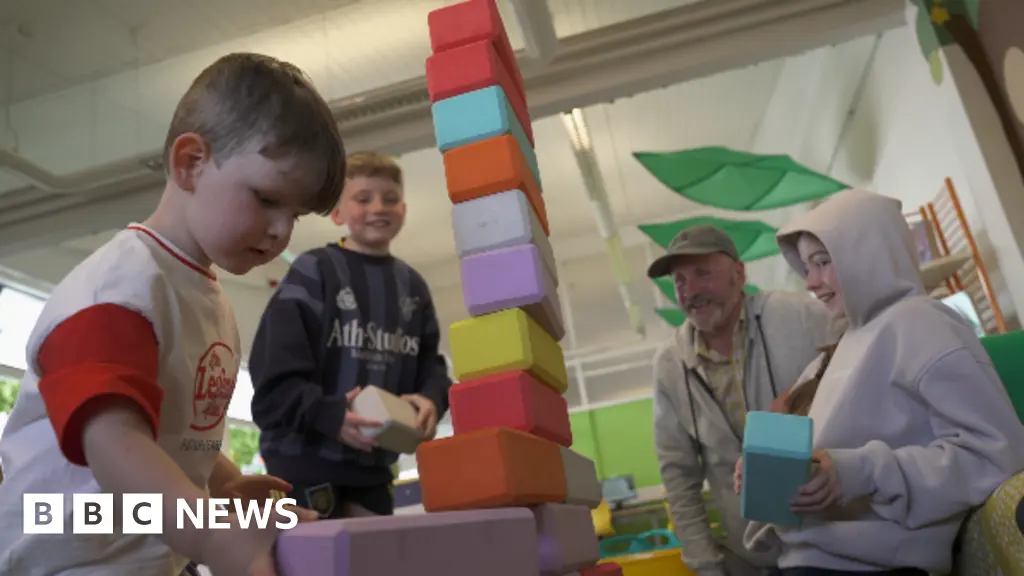
Every Saturday morning, he heads out with his 10-year-old son Isaac and a group of local fathers to try something new - from discovering insects at a nearby lake to attending soft play sessions that include a free breakfast.
It makes a nice change from being on screens, says Errol, describing the change in his son's behaviour: "When you give them a five or 10-minute warning to come off the screens, we find the response is still the same. They get angry, they get upset, they get agitated.
"You've got to find something that makes them turn away from phones, screens and tablets, because you get trapped there."
The father-son duo particularly enjoy group walks in the park, especially when Isaac can take his remote-control car along too.
"Doing something with your kids, instead of saying 'see you when you get back', means you're able to actively build a connection," he says.
As Errol's network of Leeds Dads continues to grow, many parents admit to grappling with how to limit technology and build a connection with their children.
New research from the National Literacy Trust has found a 25% drop in the number of parents who play with their children daily since 2019.
Experts say these interactions are vital, and not just emotionally, but biologically too.
Research led by Dr Samuel Forbes at Durham University and Prof John Spencer at the University of East Anglia recorded more than 6,000 hours of language exposure among 163 babies and toddlers over a seven-day period.
The study focused on the quality of language children were hearing, particularly in-person human interaction and conversation, rather than just watching or listening to speech on a screen.
The researchers used recording devices to monitor the interactions the children engaged in over the course of a week, and then, using MRI scans, examined their levels of myelin - a substance that helps signals travel efficiently between nerve cells.
They found that children exposed to better interactions and more engaging language had greater myelination, suggesting they could process language more quickly and effectively.
"The number of words a child hears at these early ages is literally shaping their brain," says Forbes.
"Every interaction is crucial. It's never too late to begin talking to your child, and it's never too late to interact in different ways. We can see what it's doing to the brain."
Kirsty MacDonald, head of early years at the National Literacy Trust, says many families, "particularly those experiencing poverty, can lack the support, information and resources needed to confidently nurture their child's language, communication and literacy development".
MacDonald says there are several key factors which hinder parents from restricting their children's screen time adequately, including limited time due to work commitments, as well as the cost and availability of local activities.
For some parents, screens can still play a role in bonding with their children.
Sam, another father in the Leeds Dads group, says his family does use screens at home, but with a creative twist.
In his spare time, he produces music using a digital synthesiser on his tablet, a hobby he now shares with his children, aged five and six.
"I've always really loved music," he says. "But when I became a dad, I struggled to find things I could do for myself.
"Now the kids are old enough to enjoy and appreciate it, it's become a really beautiful thing."
But introducing new activities to their routine isn't always easy, he admits, particularly when everyone is tired after work or school.
"You have to just seize your moments", he says.
"There are definitely times where you have to just go, 'Look, everybody is tired, everyone needs a rest, the best thing for us to do is just watch some TV together.'"
Despite these challenges, some communities are finding creative ways to help.
Local libraries are seeing a resurgence in popularity, helped by new spaces being adapted to encourage interactive learning.
At Irlam Library in Salford, the outdoor area now includes "story nooks" and immersive play-based reading activities.
Teacher Abigail has begun taking her two daughters, aged two and seven, to explore the space together.
Watching them both play, socialise and build their bond has been a particular highlight for Abigail.
"It's just about trying your best," she says.
Her eldest daughter Ava has her own tablet, but Abigail has tried to focus on discovering her interests away from tech instead - with painting, for example.
Listening to her children and following their ideas for activities has brought its own surprising list of experiences too.
"We had a picnic in our front garden, which was their idea," she says.
"You often don't even have to think of things to do if you ask them. It might be a little bit bizarre, but it takes the choice out of your hands."