트럼프의 이민 단속에 걸린 85세 미망인
The 85-Year-Old Widow Snagged by Trump’s Immigration Crackdown
The New York Times
· 🇺🇸 New York, US
Catherine Porter
EN
2026-04-25 13:01
Translated
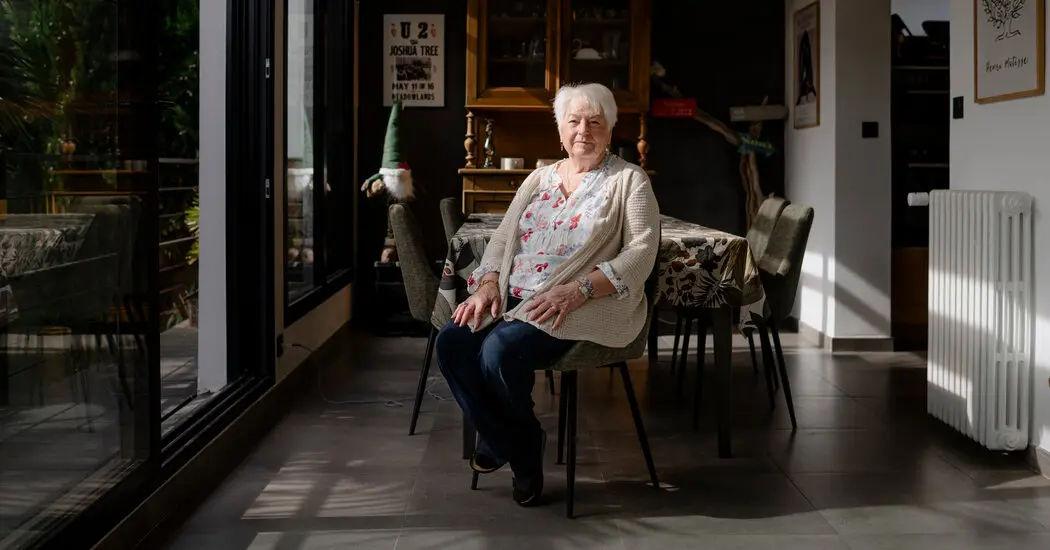
프랑스 국적의 전 미군 부인 Marie-Thérèse Ross-Mahé는 강제 추방되기 전 ICE 수용 시설에서의 경험을 처음으로 인터뷰에서 회고했다.
크레딧...The New York Times의 Dmitry Kostyukov
Catherine Porter 기자
Catherine Porter는 프랑스 Nantes에서 Marie-Thérèse Ross-Mahé를 인터뷰했고, 그녀의 변호사, 자녀들, 그리고 전직 이웃과 대화했다.
Marie-Thérèse Ross-Mahé는 Alabama의 Anniston에 있는 자신의 집 침대에서 잠을 자고 있었을 때 쾅쾅거리는 소리에 깼다. 남자들이 그녀가 1월에 죽은 미국인 남편과 함께 살던 오두막집을 포위했다. 그들은 창문과 문을 크게 두드렸다.
프랑스 국적의 85세 Ross-Mahé는 문을 열었을 때, 그들이 이민 경찰이라고 말하며 안으로 밀려들어왔다고 말했다. 그들은 그녀에게 수갑을 채웠고 표시되지 않은 자동차에 태워 감옥 감방으로 데려갔다. 그녀는 여전히 목욕가운, 잠옷, 슬리퍼를 입고 있었다고 말했다.
"정말로 내게 무슨 일이 일어나고 있는지 몰랐어요"라고 그녀는 16일간의 구금 후 강제 추방된 이후 처음으로 인터뷰에서 프랑스에서 이 주에 나에게 말했다. "정말 굴욕적이었습니다. 머리도 빗질할 기회가 없었어요. 그냥 침대에서 일어났을 뿐이었어요."
4월 1일 체포 후 Ross-Mahé는 미국의 광대한 이민 수용 시스템에 빨려들어갔고, 그곳에서 그녀는 손목과 발목이 다른 수감자들과 함께 쇠사슬로 묶여 버스와 비행기에 "감자 자루처럼" 실렸다고 말했다. Alabama와 Louisiana의 2주 수용 후, 그녀는 죽을 수도 있다는 두려움을 느꼈다고 말했다.
그녀의 이야기는 Trump 행정부가 운영하는 불투명한 이민 수용 시설의 미로에 대한 통찰력을 제공하며, 많은 사람들이 변호사를 만나지 못하거나 자신이 어디에 있는지 알지 못하며 자신이 왜 수용되는지 거의 이해하지 못하고, 그녀의 경우 나중에 석방되기도 한다. 또한 그 시스템이 어떻게 악용될 수 있는지에 대한 질문을 제기한다. 한 판사는 판결에서 Ross-Mahé의 의붓아들 Tony Ross가 그녀와 고인 남편의 유산을 두고 싸우고 있었으며 그녀의 체포를 주도했다고 믿는다고 말했다.
The New York Times는 그녀의 수용 시설 경험의 세부 사항을 독립적으로 확인할 수 없었지만, 유사한 상황에서 수용된 다른 사람들의 증언과 일치한다. Tony와 그의 형 Gary Ross는 의견 요청에 응하지 않았으며, 그들의 변호사도 마찬가지였다.
이 경험은 이전에 Trump 대통령의 지지자로 생각했던 Ross-Mahé를 경악하게 했고, 불법 이민자 추방 정책을 그렇게 많이 존경했기 때문에 그것이 프랑스에도 채택되어야 한다고 생각했다.
"이런 시설이 존재한다고 생각하지 않았어요"라고 그녀는 자신이 수용되었던 이민 시설에 대해 말했다. "우리가 그들을 체포할 때 제대로 대우할 것이라고 생각했어요. 정말 충격을 받았어요."
그녀는 덧붙여 "그들은 인간적이지 않게 개처럼 그들을 대합니다"라고 말했다.
의견을 요청받은 Homeland Security Department는 "모든 수감자에게 적절한 식사, 깨끗한 물, 담요, 의료 치료를 제공하며, 가족 및 변호사와 통신할 기회가 있습니다"라는 성명을 발표했다. 또한 "ICE는 실제 미국 시민을 수용하는 대부분의 미국 감옥보다 높은 수용 기준을 가지고 있으며" "외부 기관에 의해 정기적으로 감시되고 검사받습니다"라고 덧붙였다.
Ross-Mahé는 그녀와 미국인 남편 Bill Ross가 1950년대에 처음 사귀었다고 말했으며, 그때 그들은 모두 프랑스 서부 Nantes 외곽의 NATO 기지에서 일했다. 그녀는 비서로, 그는 군인으로 일했다. 그들의 로맨스는 단명했으며, 그는 도시의 친구 중 한 명인 Michèle Viaud와의 관계를 발전시켜 그녀와 함께 Alabama로 돌아갔다고 그녀는 말했다.
그들은 수십 년에 걸쳐 가족을 만들면서 연락을 유지했다. Mr. Ross는 Ms. Viaud와 결혼하여 두 아들을 낳았으며, Viaud는 2018년에 사망했다. Ross-Mahé는 첫 번째 남편 Bernard Goix와의 세 자녀가 있었으며, 그는 2022년 폐암으로 사망했다.
Mr. Ross는 Bernard가 병들었을 때 그녀에게 격려의 메시지를 보냈다고 그녀는 말했다.
Bernard가 사망한 지 4개월 후, Mr. Ross는 그녀에게 Alabama를 방문할 티켓을 보냈다.
그들의 우정은 빠르게 사랑으로 변했다. "모든 것이 돌아왔어요"라고 Ross-Mahé는 말했다. 거의 2년 동안 그들은 Alabama와 프랑스를 오가며 서로를 방문했다.
작년에 그들은 2025년 4월에 Alabama에서 결혼했으며, 먼저 주차장에서 공증인 앞에서, 그 다음에 교회에서 결혼했다.
Mr. Ross는 그녀의 영구 거주권 신청을 처리하기 위해 변호사를 고용했다고 그녀는 말했다. 그녀는 U.S. Citizenship and Immigration Services에서 고용 인가 문서를 받았다고 그녀는 덧붙였다. 이것은 Social Security 번호를 받기 위한 첫 번째 단계였다. 그녀는 베테랑 배우자였기 때문에, Department of Defense는 그녀에게 The New York Times가 검토한 신분증을 주었으며, 이는 인근 군 기지의 식료품점에서 할인을 받을 수 있게 해주었다.
그녀의 체포 몇 주 전에, 한 이웃이 그녀를 이민 사무소의 신청 관련 약속에 데려갔다고 그녀는 말했다.
"나로서는 합법이었어요"라고 그녀는 말했다. "이런 일이 일어날 수 있다고 생각하지 않았어요."
Mr. Ross는 1월의 어느 밤 갑자기 사망했다. Ross-Mahé는 욕실에서 그를 발견했으며, 이미 차갑게 식어있었다고 말했다. 그는 약 $173,000 가치의 뒤뜰 수영장이 있는 오두막집, 두 대의 자동차, 그리고 약 $1,500을 보유한 은행 계좌를 남겼다 (법원 기록에 따르면). 그는 유언장을 남기지 않았다.
곧 Ross-Mahé는 상속에 관해 50대인 Mr. Ross의 두 아들과 충돌했다.
Mr. Ross의 사망 다음날, 그의 아들들은 한 카운티 확인 판사의 판결에 따라 그의 트럭과 자동차를 가져갔으며, 이는 Ross-Mahé가 이웃을 떠나기 어렵게 만들었다. 법원 기록에 따르면 아들들은 그녀에게 남편의 휴대폰을 줄 것을 강요했다. 그것은 그녀가 프랑스 휴대폰만 가지고 있었기 때문에 그녀가 지역 전화를 걸 수 없다는 것을 의미했다고 그녀는 말했다.
Ross-Mahé는 그들이 그녀의 케이블과 인터넷을 끊었으며, 그녀의 혈압 약 처방약을 채우도록 도와주기를 거부했다고 말했다.
그녀의 이웃들은 그녀의 전기 및 수도 요금을 지불하도록 도와 그녀를 구출했다고 그녀는 말했다. 그들은 그녀를 병원에 데려갔으며, 그녀의 식료품을 샀고 집으로 Wheels on Meals 배달을 조직했다고 그녀는 덧붙였다.
그녀는 두 번째 변호사를 찾았고 Mr. Ross의 아들들이 원할 때마다 집에 들어올 수 없도록 집의 잠금장치를 바꿨다고 그녀는 말했다. 그녀는 창문을 종이로 덮어 아무도 안을 볼 수 없도록 했다.
"나는 그들이 이기게 놔두고 싶지 않았어요"라고 그녀는 말했다. "하지만 나는 정말로 기분이 좋지 않았어요. 나는 먹지도 자지도 않았어요. 나는 죽음의 공포에 떨고 있었어요."
확인 법원은 4월 9일 청문회 날짜를 정했다.
8일이 남았을 때, Ross-Mahé는 Homeland Security 요원에게 체포되었다.
그녀는 ICE 담당관이 그녀가 9월에 그녀의 90일 비자가 끝났을 때부터 12월 초에 그녀의 그린 카드 신청이 제출되었을 때까지의 기간 동안 미국에 불법적으로 체류했다고 말했다고 말했다. Homeland Security Department는 처음에 그녀가 90일 비자를 약 4개월 초과했다고 성명을 발표했지만, 이후 성명에서 그녀가 7개월 동안 해당 국가에 불법적으로 체류했다고 말했다.
4월 10일 판결에서, 2024년에 선출된 공화당인 확인 판사 Shirley A. Millwood는 Mr. Ross의 막내 아들인 Tony (법원 보안관이자 전직 주 경찰)가 그의 새 어머니의 체포를 주도했다고 비난했다.
판사는 미국 마샬이 체포 하루 전에 Tony에게 그녀가 곧 수용될 것이라고 통지했다고 말했다. 그녀의 수용 1시간 후에 그는 그녀의 체포를 확인하는 문자 메시지를 받았다고 판사는 말했다.
처음에 Ross-Mahé와 그녀의 변호사는 그녀가 불결한 카운티 감옥에 감금되었다고 말했으며, 나중에 Louisiana로 쇠사슬에 묶여 비행기로 이송되었고 ICE 처리 센터에 수용되었다.
여행 내내, 그녀는 딱딱한 벤치, 더러운 감옥 침대, 또는 트럭에서 설명 없이 수시간 동안 기다려야 했다고 말했다.
"계속 굴욕이었어요"라고 그녀는 말했다. "그들은 말을 하지 않았어요, 항상 고함을 질렀어요."
이 경험은 그녀의 요통과 좌골신경통을 악화시켜 걷기가 어려웠다.
다른 여성 수감자들은 그녀가 욕실로 이동하고 샤워하도록 도왔다고 그녀는 말했다. 그들은 그녀를 뜨거운 초콜릿을 만들어주었고 쿠키를 제공했다. 부활절 전날 밤에, 그들은 그녀를 눈물로 흐르게 한 찬송가를 불렀다고 그녀는 말했다.
"그들은 멋있었어요"라고 그녀는 말했다. "나는 그 감옥의 그 여자들을 통해 신을 발견했어요."
2주의 수용 후, 그녀는 석방에 대한 희망을 잃었으며 훨씬 더 오래 살아남을 수 있을 것 같지 않았다고 말했다.
"나는 정말로 죽기를 기다리고 있었어요"라고 그녀는 말했다. "나는 내가 버틸 수 없을 것이라고 알았어요."
4월 16일 아침, 그녀의 수용 16일째, 그녀는 오전 2시에 가드가 깨워 그녀가 떠난다고 말했다고 말했다. 그녀는 다른 시설로 이송될까 두려워했다. 대신, 그녀는 Dallas로 비행기를 탔고 나중에 Paris로 향하는 American Airlines 비행기에 탔다.
그녀의 석방을 위해 로비를 했던 New Orleans의 프랑스 영사 Rodolphe Sambou는 미국 정부가 "그녀의 나이와 의료 상태를 고려하여 그녀를 석방하기로 결정했다"고 말했다.
프랑스로 돌아온 그녀의 아들들과 함께, Ross-Mahé는 여전히 충격에 빠져있다. 그녀는 공항에서 돌아오는 길에 쇼핑몰에서 산 옷을 입고 있으며, 그녀의 오래된 물건들은 Alabama에 남아있다. 의사는 그녀에게 외상 후 스트레스 장애를 진단했다고 그녀는 말했다.
그녀는 판사의 판결과 그녀의 의붓아들들이 그녀의 체포를 주도했다는 제안에 대해 그녀의 석방 후에만 배웠다.
"나는 그들이 그런 일을 할 수 있다고 생각하지 않았어요"라고 그녀는 말했다. "그것은 나의 일부를 파괴했어요."
Mr. Ross의 금 결혼반은 빨간 보석으로 만든 십자가와 함께 그녀의 목에 있는 사슬에 매달려 있다.
"나는 절대 남편의 무덤으로 돌아갈 수 없을 거에요. 나는 거기 있는 친구들을 만나러 돌아갈 수 없을 거에요"라고 그녀는 말했다. "정말 힘들어요."
Nicholas Bogel-Burroughs는 New York에서 보도를 기여했다.
Catherine Porter는 The Times의 국제 기자로 프랑스를 담당하고 있다. 그녀는 Paris를 기반으로 한다.
Catherine Porter 기자
Catherine Porter는 프랑스 Nantes에서 Marie-Thérèse Ross-Mahé를 인터뷰했고, 그녀의 변호사, 자녀들, 그리고 전직 이웃과 대화했다.
Marie-Thérèse Ross-Mahé는 Alabama의 Anniston에 있는 자신의 집 침대에서 잠을 자고 있었을 때 쾅쾅거리는 소리에 깼다. 남자들이 그녀가 1월에 죽은 미국인 남편과 함께 살던 오두막집을 포위했다. 그들은 창문과 문을 크게 두드렸다.
프랑스 국적의 85세 Ross-Mahé는 문을 열었을 때, 그들이 이민 경찰이라고 말하며 안으로 밀려들어왔다고 말했다. 그들은 그녀에게 수갑을 채웠고 표시되지 않은 자동차에 태워 감옥 감방으로 데려갔다. 그녀는 여전히 목욕가운, 잠옷, 슬리퍼를 입고 있었다고 말했다.
"정말로 내게 무슨 일이 일어나고 있는지 몰랐어요"라고 그녀는 16일간의 구금 후 강제 추방된 이후 처음으로 인터뷰에서 프랑스에서 이 주에 나에게 말했다. "정말 굴욕적이었습니다. 머리도 빗질할 기회가 없었어요. 그냥 침대에서 일어났을 뿐이었어요."
4월 1일 체포 후 Ross-Mahé는 미국의 광대한 이민 수용 시스템에 빨려들어갔고, 그곳에서 그녀는 손목과 발목이 다른 수감자들과 함께 쇠사슬로 묶여 버스와 비행기에 "감자 자루처럼" 실렸다고 말했다. Alabama와 Louisiana의 2주 수용 후, 그녀는 죽을 수도 있다는 두려움을 느꼈다고 말했다.
그녀의 이야기는 Trump 행정부가 운영하는 불투명한 이민 수용 시설의 미로에 대한 통찰력을 제공하며, 많은 사람들이 변호사를 만나지 못하거나 자신이 어디에 있는지 알지 못하며 자신이 왜 수용되는지 거의 이해하지 못하고, 그녀의 경우 나중에 석방되기도 한다. 또한 그 시스템이 어떻게 악용될 수 있는지에 대한 질문을 제기한다. 한 판사는 판결에서 Ross-Mahé의 의붓아들 Tony Ross가 그녀와 고인 남편의 유산을 두고 싸우고 있었으며 그녀의 체포를 주도했다고 믿는다고 말했다.
The New York Times는 그녀의 수용 시설 경험의 세부 사항을 독립적으로 확인할 수 없었지만, 유사한 상황에서 수용된 다른 사람들의 증언과 일치한다. Tony와 그의 형 Gary Ross는 의견 요청에 응하지 않았으며, 그들의 변호사도 마찬가지였다.
이 경험은 이전에 Trump 대통령의 지지자로 생각했던 Ross-Mahé를 경악하게 했고, 불법 이민자 추방 정책을 그렇게 많이 존경했기 때문에 그것이 프랑스에도 채택되어야 한다고 생각했다.
"이런 시설이 존재한다고 생각하지 않았어요"라고 그녀는 자신이 수용되었던 이민 시설에 대해 말했다. "우리가 그들을 체포할 때 제대로 대우할 것이라고 생각했어요. 정말 충격을 받았어요."
그녀는 덧붙여 "그들은 인간적이지 않게 개처럼 그들을 대합니다"라고 말했다.
의견을 요청받은 Homeland Security Department는 "모든 수감자에게 적절한 식사, 깨끗한 물, 담요, 의료 치료를 제공하며, 가족 및 변호사와 통신할 기회가 있습니다"라는 성명을 발표했다. 또한 "ICE는 실제 미국 시민을 수용하는 대부분의 미국 감옥보다 높은 수용 기준을 가지고 있으며" "외부 기관에 의해 정기적으로 감시되고 검사받습니다"라고 덧붙였다.
Ross-Mahé는 그녀와 미국인 남편 Bill Ross가 1950년대에 처음 사귀었다고 말했으며, 그때 그들은 모두 프랑스 서부 Nantes 외곽의 NATO 기지에서 일했다. 그녀는 비서로, 그는 군인으로 일했다. 그들의 로맨스는 단명했으며, 그는 도시의 친구 중 한 명인 Michèle Viaud와의 관계를 발전시켜 그녀와 함께 Alabama로 돌아갔다고 그녀는 말했다.
그들은 수십 년에 걸쳐 가족을 만들면서 연락을 유지했다. Mr. Ross는 Ms. Viaud와 결혼하여 두 아들을 낳았으며, Viaud는 2018년에 사망했다. Ross-Mahé는 첫 번째 남편 Bernard Goix와의 세 자녀가 있었으며, 그는 2022년 폐암으로 사망했다.
Mr. Ross는 Bernard가 병들었을 때 그녀에게 격려의 메시지를 보냈다고 그녀는 말했다.
Bernard가 사망한 지 4개월 후, Mr. Ross는 그녀에게 Alabama를 방문할 티켓을 보냈다.
그들의 우정은 빠르게 사랑으로 변했다. "모든 것이 돌아왔어요"라고 Ross-Mahé는 말했다. 거의 2년 동안 그들은 Alabama와 프랑스를 오가며 서로를 방문했다.
작년에 그들은 2025년 4월에 Alabama에서 결혼했으며, 먼저 주차장에서 공증인 앞에서, 그 다음에 교회에서 결혼했다.
Mr. Ross는 그녀의 영구 거주권 신청을 처리하기 위해 변호사를 고용했다고 그녀는 말했다. 그녀는 U.S. Citizenship and Immigration Services에서 고용 인가 문서를 받았다고 그녀는 덧붙였다. 이것은 Social Security 번호를 받기 위한 첫 번째 단계였다. 그녀는 베테랑 배우자였기 때문에, Department of Defense는 그녀에게 The New York Times가 검토한 신분증을 주었으며, 이는 인근 군 기지의 식료품점에서 할인을 받을 수 있게 해주었다.
그녀의 체포 몇 주 전에, 한 이웃이 그녀를 이민 사무소의 신청 관련 약속에 데려갔다고 그녀는 말했다.
"나로서는 합법이었어요"라고 그녀는 말했다. "이런 일이 일어날 수 있다고 생각하지 않았어요."
Mr. Ross는 1월의 어느 밤 갑자기 사망했다. Ross-Mahé는 욕실에서 그를 발견했으며, 이미 차갑게 식어있었다고 말했다. 그는 약 $173,000 가치의 뒤뜰 수영장이 있는 오두막집, 두 대의 자동차, 그리고 약 $1,500을 보유한 은행 계좌를 남겼다 (법원 기록에 따르면). 그는 유언장을 남기지 않았다.
곧 Ross-Mahé는 상속에 관해 50대인 Mr. Ross의 두 아들과 충돌했다.
Mr. Ross의 사망 다음날, 그의 아들들은 한 카운티 확인 판사의 판결에 따라 그의 트럭과 자동차를 가져갔으며, 이는 Ross-Mahé가 이웃을 떠나기 어렵게 만들었다. 법원 기록에 따르면 아들들은 그녀에게 남편의 휴대폰을 줄 것을 강요했다. 그것은 그녀가 프랑스 휴대폰만 가지고 있었기 때문에 그녀가 지역 전화를 걸 수 없다는 것을 의미했다고 그녀는 말했다.
Ross-Mahé는 그들이 그녀의 케이블과 인터넷을 끊었으며, 그녀의 혈압 약 처방약을 채우도록 도와주기를 거부했다고 말했다.
그녀의 이웃들은 그녀의 전기 및 수도 요금을 지불하도록 도와 그녀를 구출했다고 그녀는 말했다. 그들은 그녀를 병원에 데려갔으며, 그녀의 식료품을 샀고 집으로 Wheels on Meals 배달을 조직했다고 그녀는 덧붙였다.
그녀는 두 번째 변호사를 찾았고 Mr. Ross의 아들들이 원할 때마다 집에 들어올 수 없도록 집의 잠금장치를 바꿨다고 그녀는 말했다. 그녀는 창문을 종이로 덮어 아무도 안을 볼 수 없도록 했다.
"나는 그들이 이기게 놔두고 싶지 않았어요"라고 그녀는 말했다. "하지만 나는 정말로 기분이 좋지 않았어요. 나는 먹지도 자지도 않았어요. 나는 죽음의 공포에 떨고 있었어요."
확인 법원은 4월 9일 청문회 날짜를 정했다.
8일이 남았을 때, Ross-Mahé는 Homeland Security 요원에게 체포되었다.
그녀는 ICE 담당관이 그녀가 9월에 그녀의 90일 비자가 끝났을 때부터 12월 초에 그녀의 그린 카드 신청이 제출되었을 때까지의 기간 동안 미국에 불법적으로 체류했다고 말했다고 말했다. Homeland Security Department는 처음에 그녀가 90일 비자를 약 4개월 초과했다고 성명을 발표했지만, 이후 성명에서 그녀가 7개월 동안 해당 국가에 불법적으로 체류했다고 말했다.
4월 10일 판결에서, 2024년에 선출된 공화당인 확인 판사 Shirley A. Millwood는 Mr. Ross의 막내 아들인 Tony (법원 보안관이자 전직 주 경찰)가 그의 새 어머니의 체포를 주도했다고 비난했다.
판사는 미국 마샬이 체포 하루 전에 Tony에게 그녀가 곧 수용될 것이라고 통지했다고 말했다. 그녀의 수용 1시간 후에 그는 그녀의 체포를 확인하는 문자 메시지를 받았다고 판사는 말했다.
처음에 Ross-Mahé와 그녀의 변호사는 그녀가 불결한 카운티 감옥에 감금되었다고 말했으며, 나중에 Louisiana로 쇠사슬에 묶여 비행기로 이송되었고 ICE 처리 센터에 수용되었다.
여행 내내, 그녀는 딱딱한 벤치, 더러운 감옥 침대, 또는 트럭에서 설명 없이 수시간 동안 기다려야 했다고 말했다.
"계속 굴욕이었어요"라고 그녀는 말했다. "그들은 말을 하지 않았어요, 항상 고함을 질렀어요."
이 경험은 그녀의 요통과 좌골신경통을 악화시켜 걷기가 어려웠다.
다른 여성 수감자들은 그녀가 욕실로 이동하고 샤워하도록 도왔다고 그녀는 말했다. 그들은 그녀를 뜨거운 초콜릿을 만들어주었고 쿠키를 제공했다. 부활절 전날 밤에, 그들은 그녀를 눈물로 흐르게 한 찬송가를 불렀다고 그녀는 말했다.
"그들은 멋있었어요"라고 그녀는 말했다. "나는 그 감옥의 그 여자들을 통해 신을 발견했어요."
2주의 수용 후, 그녀는 석방에 대한 희망을 잃었으며 훨씬 더 오래 살아남을 수 있을 것 같지 않았다고 말했다.
"나는 정말로 죽기를 기다리고 있었어요"라고 그녀는 말했다. "나는 내가 버틸 수 없을 것이라고 알았어요."
4월 16일 아침, 그녀의 수용 16일째, 그녀는 오전 2시에 가드가 깨워 그녀가 떠난다고 말했다고 말했다. 그녀는 다른 시설로 이송될까 두려워했다. 대신, 그녀는 Dallas로 비행기를 탔고 나중에 Paris로 향하는 American Airlines 비행기에 탔다.
그녀의 석방을 위해 로비를 했던 New Orleans의 프랑스 영사 Rodolphe Sambou는 미국 정부가 "그녀의 나이와 의료 상태를 고려하여 그녀를 석방하기로 결정했다"고 말했다.
프랑스로 돌아온 그녀의 아들들과 함께, Ross-Mahé는 여전히 충격에 빠져있다. 그녀는 공항에서 돌아오는 길에 쇼핑몰에서 산 옷을 입고 있으며, 그녀의 오래된 물건들은 Alabama에 남아있다. 의사는 그녀에게 외상 후 스트레스 장애를 진단했다고 그녀는 말했다.
그녀는 판사의 판결과 그녀의 의붓아들들이 그녀의 체포를 주도했다는 제안에 대해 그녀의 석방 후에만 배웠다.
"나는 그들이 그런 일을 할 수 있다고 생각하지 않았어요"라고 그녀는 말했다. "그것은 나의 일부를 파괴했어요."
Mr. Ross의 금 결혼반은 빨간 보석으로 만든 십자가와 함께 그녀의 목에 있는 사슬에 매달려 있다.
"나는 절대 남편의 무덤으로 돌아갈 수 없을 거에요. 나는 거기 있는 친구들을 만나러 돌아갈 수 없을 거에요"라고 그녀는 말했다. "정말 힘들어요."
Nicholas Bogel-Burroughs는 New York에서 보도를 기여했다.
Catherine Porter는 The Times의 국제 기자로 프랑스를 담당하고 있다. 그녀는 Paris를 기반으로 한다.
처리 완료
8,330 tokens · $0.0243
기사 수집 완료 · 13:15
매체 피드에서 기사 메타데이터 수집
헤드라인 번역 완료 · 13:25
제목/요약 한국어 번역 (fetch 시점 inline)
claude-haiku-4-5-20251001
228 tokens
$0.00055
2.1s
본문 추출 완료
9,467자 추출 완료
본문 한국어 번역 완료 · 13:25
5,451자 번역 완료
claude-haiku-4-5-20251001
8,102 tokens
$0.02379
52.5s
지정학적 엔티티 추출 완료 · 13:25
8개 엔티티 추출 완료
지정학적 맥락 & R-Scanner
R-Scanner · 평상
z=-2.67
일상적인 보도 수준 — 기준: Anniston
(🇺🇸 US)
최근 6시간 25건
7일 평균 42.61건 / 6h
6개국 매체
9개 매체
본문에서 추출된 지명 (8)
위치 지도
지도 로딩 중…
In her first interview since being deported, Marie-Thérèse Ross-Mahé, the French widow of a former G.I., recounted her experience in ICE detention.
Credit...Dmitry Kostyukov for The New York TimesBy Catherine Porter
Catherine Porter interviewed Marie-Thérèse Ross-Mahé in Nantes, France, and spoke with her lawyer, children and a former neighbor.
Marie-Thérèse Ross-Mahé was in bed at home in Anniston, Ala., when she was startled awake by banging. Men had surrounded the bungalow where Ms. Ross-Mahé, a French citizen, had lived with her American husband until he died in January. They were knocking loudly on the windows and doors.
When Ms. Ross-Mahé, 85, opened the door, they pushed inside, saying they were the immigration police, she said in an interview. They handcuffed her and took her to an unmarked car before driving her to a jail cell. She was still in her bathrobe, pajamas and slippers, she said.
“I didn’t know what was happening to me really,” she told me in France this week, in her first interview since being deported after a 16-day incarceration. “It was very humiliating. My hair had not even been combed. I was just getting out of bed.”
After her arrest on April 1, Ms. Ross-Mahé was swallowed into the country’s sprawling immigration detention system, where, she said, she was chained by her wrists and ankles to other inmates and loaded onto buses and a plane “like a potato sack.” After two weeks in detention in Alabama and Louisiana, she said, she feared she might die.
Her story gives a glimpse into the opaque labyrinth of immigrant-detention sites operated by the Trump administration, where many like her see no lawyer, have no sense of where they are and understand little of why they are held or, in her case, later released. It also raises questions about how that system may be weaponized: A judge said in a ruling that she believed that Ms. Ross-Mahé’s stepson Tony Ross, who had been fighting with her over her late husband’s estate, instigated her arrest.
The New York Times could not independently confirm the details of her experience in detention, but it aligns with the accounts of others who have been detained in similar circumstances. Tony and his brother, Gary Ross, did not respond to requests for comment, nor did their lawyer.
The experience stunned Ms. Ross-Mahé, who previously considered herself a supporter of President Trump and so admired his policy to deport illegal immigrants that she thought it should be adopted in France.
“I didn’t think these things existed,” she said of the immigration facilities she was held in. “I thought that when we arrested them, we would treat them properly. It really shocked me.”
She added, “They treat them like dogs, not in a human way.”
Asked for comment, the Homeland Security Department said in a statement that “all detainees are provided with proper meals, quality water, blankets, medical treatment, and have opportunities to communicate with their family members and lawyers.” It added that “ICE has higher detention standards than most U.S. prisons that hold actual U.S. citizens” and is “regularly audited and inspected by external agencies.”
Ms. Ross-Mahé said she and her American husband, Bill Ross, first dated in the 1950s, when they both worked at a NATO base on the outskirts of Nantes, in western France — she as a secretary, he as a soldier. Their romance was short-lived, she said, as he developed a relationship with one of her friends in town, Michèle Viaud, moving back to Alabama with her.
They stayed in touch over the decades as they built their lives and families. Mr. Ross married and raised two sons with Ms. Viaud, who died in 2018. Ms. Ross-Mahé had three children with her first husband, Bernard Goix, who died of lung cancer in 2022.
Mr. Ross sent her supportive messages when Bernard fell sick, she said.
Four months after Bernard died, Mr. Ross sent her a ticket to visit him in Alabama.
Their friendship quickly shifted to love. “Everything came back,” said Ms. Ross-Mahé. For almost two years, they flew between Alabama and France, visiting each other.
Last year, they married in Alabama in April 2025, first in a parking lot before a notary and then in a church.
Mr. Ross hired a lawyer to process her application for permanent residency, she said. She received an employment authorization document from U.S. Citizenship and Immigration Services, she added — a first step toward getting a Social Security number. Because she was a veteran’s spouse, the Department of Defense gave her an identification card, which The New York Times reviewed, that gave her grocery discounts at a nearby military base.
Weeks before her arrest, a neighbor took her to an appointment related to her application at the immigration office, she said.
“For me, I was legal,” she said. “I never thought this could happen.”
Mr. Ross died suddenly one night in January. Ms. Ross-Mahé said she found him in the bathroom, already cold. He left behind the bungalow with its backyard pool, worth about $173,000; two vehicles; and a bank account holding about $1,500, according to court records. He did not leave a will.
Soon, Ms. Ross-Mahé clashed with Mr. Ross’s sons, both in their 50s, over the inheritance.
The day after Mr. Ross’s death, his sons took his truck and car, according to a ruling by a county probate judge, making it hard for Ms. Ross-Mahé to leave the neighborhood. Court records said the sons forced her to give them her husband’s cellphone. That meant she couldn’t make local calls, she said, since she had only her French phone.
Ms. Ross-Mahé said they cut off her cable and internet, took their father’s credit cards and refused to help her fill her prescription for blood pressure medication.
Her neighbors came to her rescue, helping pay her electricity and water bills, she said. They took her to the hospital, bought her groceries and organized Wheels on Meals deliveries to the house, she added.
She found a second lawyer and changed the locks on the house so Mr. Ross’s sons couldn’t enter whenever they wanted, she said. She covered the windows with paper, so no one could see in.
“I didn’t want to let them win,” she said. “But I was not feeling good at all. I wasn’t eating. I wasn’t sleeping. I was scared to death.”
The probate court set a date for a hearing on April 9.
With eight days to go, Ms. Ross-Mahé was arrested by Homeland Security agents.
She said an ICE officer told her she had been illegally in the United States between September, when her 90-day visa ended, and early December, when her green card application was submitted. The Homeland Security Department initially said in a statement that she had overstayed a 90-day visa by roughly four months, but said in a later statement she had been in the country illegally for seven months.
In her ruling on April 10, the probate judge, Shirley A. Millwood, a Republican elected in 2024, accused Mr. Ross’s youngest son, Tony, a courthouse security officer and former state trooper, of initiating his stepmother’s arrest.
The judge said that U.S. marshals notified Tony the day before the arrest that she would be detained shortly. An hour after her detention, he received a text message confirming her arrest, the judge said.
At first, Ms. Ross-Mahé and her lawyer said, she was imprisoned in a filthy county jail, before being flown in chains to Louisiana and held in an ICE processing center.
Throughout the journey, she said, she was made to wait for hours without explanation on hard benches, dirty prison beds or in trucks.
“It was humiliation all the time,” she said. “They never talked, they were always yelling.”
The experience worsened her back pain and sciatica, making it hard for her to walk.
The other female inmates helped her move to the bathroom and shower, she said. They made her hot chocolate and offered her cookies. The night before Easter, she said, they sang hymns that brought her to tears.
“They were wonderful,” she said. “I found God in that jail through those women.”
After two weeks of detention, she said, she lost hope of being released and didn’t think she could survive much longer.
“I was waiting to die, really,” she said. “I knew I was not going to make it.”
On the morning of April 16, the 16th of her incarceration, she said, she was awakened at 2 a.m. by a guard and told she was leaving. She was frightened that she would be transferred to another facility. Instead, she was flown to Dallas and later taken to an American Airlines plane heading to Paris.
The French consul general in New Orleans, Rodolphe Sambou, who had lobbied for her release, said the American government had “decided to release her, given her age and medical condition.”
Back in France with her sons, Ms. Ross-Mahé is still in shock. She wears clothes bought at the mall on her way back from the airport, since her old belongings remain in Alabama. A doctor has diagnosed her with post-traumatic stress disorder, she said.
She learned about the judge’s ruling, and the suggestion that her stepsons instigated her arrest, only after her release.
“I didn’t think they were capable of doing something like that,” she said. “It has destroyed a part of me.”
Mr. Ross’s gold wedding ring hangs from a chain on her neck, together with a cross made of red gems.
“I will never be able to go back to my husband’s grave. I will not be able go back to see my friends there,” she said. “That really hurts.”
Nicholas Bogel-Burroughs contributed reporting from New York.
Catherine Porter is an international reporter for The Times, covering France. She is based in Paris.