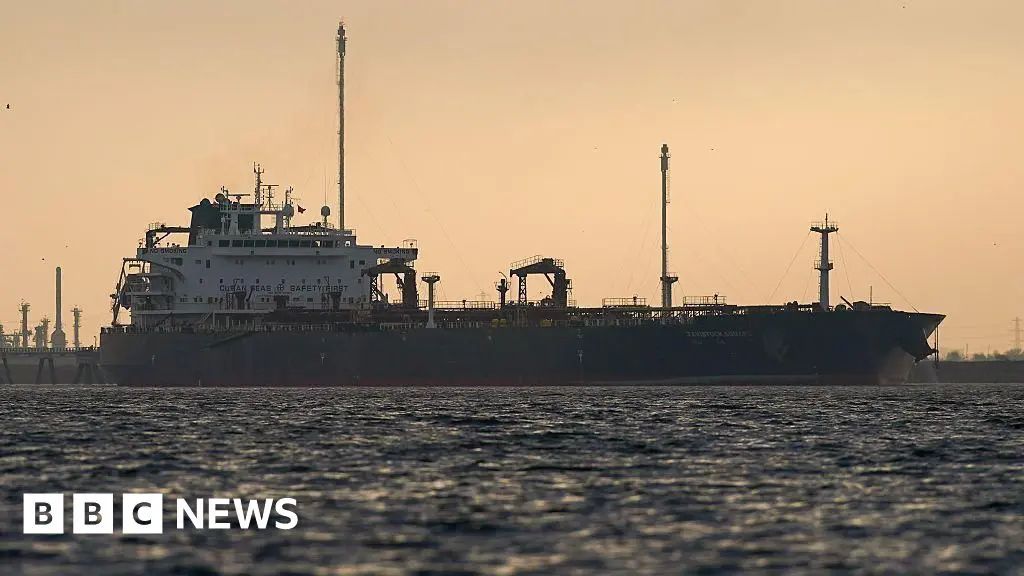
유조선들에게 해협 통행료를 이란에 지불하지 말 것을 권고
Tankers urged not to pay toll to Iran for use of strait
BBC News
EN
2026-04-11 03:45
Translated
유조선 회사들은 화요일에 합의된 휴전이 수로를 통한 교통 재개에 실패한 후 호르무즈 해협을 통과하기 위해 이란에 통행료를 지불하지 말라는 조언을 받고 있습니다.
호르무즈 해협을 통과하려는 유조선들은 화요일에 합의된 휴전 이후에도 해협 통행이 재개되지 않자 이란에 통행료를 지불하지 말라는 조언을 받고 있습니다.
이 협정은 해협 재개를 포함해야 했지만, 이란은 선박들이 허가를 구해야 하며 그렇지 않으면 여전히 "표적이 되어 파괴될" 수 있다고 제안했으며, 안전한 통행의 대가로 수수료를 부과할 수 있다고 말했습니다.
유조선 회사들을 대표하는 단체인 인터탱코의 필립 벨처는 "우리는 통행료 지불이 올바른 방식이라고 생각하지 않습니다"라고 말했습니다.
그는 BBC에 "이것이 협상의 시작점 중 하나인 것 같다는 것에 놀랐습니다"라고 말했습니다.
미국 부통령 JD 밴스는 토요일 파키스탄의 이슬라마바드에서 이란 정부 대표들과 만나 이미 이스라엘과 레바논의 계속된 공습과 중요한 해운로의 교착상태로 인해 위험해 보이는 휴전 협정의 세부 사항을 확정하려고 합니다.
벨처는 190개의 독립적인 유조선 운영업체와 세계 석유 유조선 함대의 절반 이상을 대표하는 인터탱코가 "언제든지 공격이 발생할 수 있으므로" 회원들에게 해협을 사용하지 말라고 조언하고 있다고 말했습니다.
그는 "분쟁의 지속적인 중단, 선박에 대한 모든 공격이 중단되었을 때, 그리고 이란이 해협의 주권을 갖지 않는 어떤 형태의 자발적 연합 감시가 있을 때까지 해협이 안전하다고 생각하지 않습니다"라고 말했습니다.
통행료 부과는 "국제 해역의 국제 법칙과 자유로운 통행의 전체 개념에 위배된다"고 그는 말했습니다.
"현재 호르무즈 해협은 이란 군부의 실질적 지배 아래 있습니다"라고 벨처는 말했습니다.
이란 혁명 수비대(IRGC)는 이란 군부의 한 부서로 이란의 많은 경제 활동을 감시하지만, 미국과 EU에 의해 테러 조직으로 지정되었습니다.
"IRGC는 지정된 테러 조직이므로 테러 조직에 금전을 지불하는 것을 피해야 합니다"라고 벨처는 말했습니다.
현재의 전쟁이 시작된 이후, 이란은 중요한 해역을 통과하는 교통에 대한 새로운 규칙을 부과하고 싶다는 의사를 표명했습니다.
일부 언론 보도에 따르면 테헤란의 계획에는 선박당 200만 달러(150만 파운드)의 통행료를 요구할 권리가 포함되어 있으며, 수익은 해협을 경계하는 두 국가인 이란과 오만 사이에 공유됩니다.
트럼프 대통령은 이번 주 초 미국과 이란이 "합작사업"으로 수수료를 부과할 수 있다고 제안했습니다.
그러나 그는 나중에 소셜 미디어에 "이란이 호르무즈 해협을 통과하는 유조선에 수수료를 부과하고 있다는 보도가 있습니다. 그들은 그렇게 하지 않아야 하며, 그렇다면 지금 바로 중단해야 합니다"라고 게시하며 입장을 바꾼 것으로 보입니다.
해운의 안전과 보안을 담당하는 국제연합 기구인 국제해사기구의 사무총장 아르세니오 도밍게스는 BBC에 국가들이 이미 확립된 항해의 자유 권리를 존중해야 한다고 말했습니다.
"국제 법에 따른 국제 해협은 실제로 모두가 사용할 수 있으므로 통행료 제한을 부과해서는 안 됩니다"라고 그는 말했습니다.
전쟁으로 인해 해협을 통과하는 유조선의 통행이 미미하게 감소했습니다. 화요일 이후 단 15척의 선박만이 여행을 했으며, 분쟁 발발 전 평균 거의 140척에 비해, 세계 석유와 가스 공급량의 5분의 1을 운반합니다. 거의 800척의 선박이 만만부를 빠져나가 있으며, 대부분이 화물을 실은 상태입니다.
봉쇄가 지속될수록 석유, 가스 및 비료의 세계 공급에 미치는 영향이 커지며, 연료, 전기, 식량 및 의약품의 가격에 대한 전 세계적인 파급 효과가 예상됩니다.
스웨덴 유조선 회사 스테나 벌크의 최고 경영자 에릭 하넬은 교통 두절이 언제 끝날지는 아직 명확하지 않지만, 그의 회사는 승무원을 위해 100% 안전하다는 것을 확실히 할 때까지 분쟁 중인 해협을 사용하기 위해 어떤 조치도 취하지 않을 것이라고 말했습니다.
"우리는 안전 보장이 필요합니다"라고 그는 말했습니다.
"미국과 여러 해운 공동체, 그리고 아마도 이란 사이에 논의가 진행 중이라는 것을 알고 있지만, 현 단계에서 우리는 정보가 제한되어 있습니다."
스테나는 이란인들과 직접 접촉하지 않았으며, "독립적인 회사로서" 또는 공식 채널의 정보가 없을 때 통행료를 지불하지 않을 것이라고 그는 말했습니다.
"장기적으로, 호르무즈 해협을 통행하기 위해 수수료를 지불하는 것은 영국 해협을 사용하기 위해 수수료를 지불하는 것과 같을 것입니다"라고 그는 덧붙였습니다.
"그것은 우리가 계속하고 싶은 세상이 아닙니다. 그것은 확실히 우리가 장기적으로 피하고 싶은 것입니다."
이 협정은 해협 재개를 포함해야 했지만, 이란은 선박들이 허가를 구해야 하며 그렇지 않으면 여전히 "표적이 되어 파괴될" 수 있다고 제안했으며, 안전한 통행의 대가로 수수료를 부과할 수 있다고 말했습니다.
유조선 회사들을 대표하는 단체인 인터탱코의 필립 벨처는 "우리는 통행료 지불이 올바른 방식이라고 생각하지 않습니다"라고 말했습니다.
그는 BBC에 "이것이 협상의 시작점 중 하나인 것 같다는 것에 놀랐습니다"라고 말했습니다.
미국 부통령 JD 밴스는 토요일 파키스탄의 이슬라마바드에서 이란 정부 대표들과 만나 이미 이스라엘과 레바논의 계속된 공습과 중요한 해운로의 교착상태로 인해 위험해 보이는 휴전 협정의 세부 사항을 확정하려고 합니다.
벨처는 190개의 독립적인 유조선 운영업체와 세계 석유 유조선 함대의 절반 이상을 대표하는 인터탱코가 "언제든지 공격이 발생할 수 있으므로" 회원들에게 해협을 사용하지 말라고 조언하고 있다고 말했습니다.
그는 "분쟁의 지속적인 중단, 선박에 대한 모든 공격이 중단되었을 때, 그리고 이란이 해협의 주권을 갖지 않는 어떤 형태의 자발적 연합 감시가 있을 때까지 해협이 안전하다고 생각하지 않습니다"라고 말했습니다.
통행료 부과는 "국제 해역의 국제 법칙과 자유로운 통행의 전체 개념에 위배된다"고 그는 말했습니다.
"현재 호르무즈 해협은 이란 군부의 실질적 지배 아래 있습니다"라고 벨처는 말했습니다.
이란 혁명 수비대(IRGC)는 이란 군부의 한 부서로 이란의 많은 경제 활동을 감시하지만, 미국과 EU에 의해 테러 조직으로 지정되었습니다.
"IRGC는 지정된 테러 조직이므로 테러 조직에 금전을 지불하는 것을 피해야 합니다"라고 벨처는 말했습니다.
현재의 전쟁이 시작된 이후, 이란은 중요한 해역을 통과하는 교통에 대한 새로운 규칙을 부과하고 싶다는 의사를 표명했습니다.
일부 언론 보도에 따르면 테헤란의 계획에는 선박당 200만 달러(150만 파운드)의 통행료를 요구할 권리가 포함되어 있으며, 수익은 해협을 경계하는 두 국가인 이란과 오만 사이에 공유됩니다.
트럼프 대통령은 이번 주 초 미국과 이란이 "합작사업"으로 수수료를 부과할 수 있다고 제안했습니다.
그러나 그는 나중에 소셜 미디어에 "이란이 호르무즈 해협을 통과하는 유조선에 수수료를 부과하고 있다는 보도가 있습니다. 그들은 그렇게 하지 않아야 하며, 그렇다면 지금 바로 중단해야 합니다"라고 게시하며 입장을 바꾼 것으로 보입니다.
해운의 안전과 보안을 담당하는 국제연합 기구인 국제해사기구의 사무총장 아르세니오 도밍게스는 BBC에 국가들이 이미 확립된 항해의 자유 권리를 존중해야 한다고 말했습니다.
"국제 법에 따른 국제 해협은 실제로 모두가 사용할 수 있으므로 통행료 제한을 부과해서는 안 됩니다"라고 그는 말했습니다.
전쟁으로 인해 해협을 통과하는 유조선의 통행이 미미하게 감소했습니다. 화요일 이후 단 15척의 선박만이 여행을 했으며, 분쟁 발발 전 평균 거의 140척에 비해, 세계 석유와 가스 공급량의 5분의 1을 운반합니다. 거의 800척의 선박이 만만부를 빠져나가 있으며, 대부분이 화물을 실은 상태입니다.
봉쇄가 지속될수록 석유, 가스 및 비료의 세계 공급에 미치는 영향이 커지며, 연료, 전기, 식량 및 의약품의 가격에 대한 전 세계적인 파급 효과가 예상됩니다.
스웨덴 유조선 회사 스테나 벌크의 최고 경영자 에릭 하넬은 교통 두절이 언제 끝날지는 아직 명확하지 않지만, 그의 회사는 승무원을 위해 100% 안전하다는 것을 확실히 할 때까지 분쟁 중인 해협을 사용하기 위해 어떤 조치도 취하지 않을 것이라고 말했습니다.
"우리는 안전 보장이 필요합니다"라고 그는 말했습니다.
"미국과 여러 해운 공동체, 그리고 아마도 이란 사이에 논의가 진행 중이라는 것을 알고 있지만, 현 단계에서 우리는 정보가 제한되어 있습니다."
스테나는 이란인들과 직접 접촉하지 않았으며, "독립적인 회사로서" 또는 공식 채널의 정보가 없을 때 통행료를 지불하지 않을 것이라고 그는 말했습니다.
"장기적으로, 호르무즈 해협을 통행하기 위해 수수료를 지불하는 것은 영국 해협을 사용하기 위해 수수료를 지불하는 것과 같을 것입니다"라고 그는 덧붙였습니다.
"그것은 우리가 계속하고 싶은 세상이 아닙니다. 그것은 확실히 우리가 장기적으로 피하고 싶은 것입니다."
Tanker firms are being advised not to pay Iran any levies in return for safe passage through the Strait of Hormuz.
Tankers that want to pass through the Strait of Hormuz are being advised not to pay money to Iran to allow them through, after a ceasefire agreed on Tuesday failed to get traffic moving through the waterway again.The agreement was supposed to include reopening the strait but Iran has suggested that ships must seek its permission or they may still be "targeted and destroyed" and has said it could levy a fee in return for safe passage.
"We do not believe the payment of tolls is the right way to go about this," said Phillip Belcher, from Intertanko, a group representing tanker firms.
"We are amazed that this appears to be one of the starting points of negotiations," he told the BBC.
US vice president JD Vance is meeting representatives of the Iranian government in Islamabad in Pakistan on Saturday to try to nail down details of a ceasefire deal that already appears to be in jeopardy after continued air strikes in Israel and Lebanon and a stalemate over the vital shipping lane.
Belcher said Intertanko, which represents 190 independent tanker operators and more than half of the world's oil tanker fleet, was still advising members not to use the strait as "an attack could take place at any time".
"We do not believe the Strait is safe until there is a lasting cessation of conflict, where all attacks against ships have halted and where there is some sort of coalition-of-the-willing oversight for ships to go through, where Iran does not have sovereignty of the strait," he said.
Charging a toll was "against the whole idea of international laws and free passage through international waterways", he said.
"At the moment the Strait of Hormuz is under the de facto rule of the Iranian military," Belcher said.
The Iranian Revolutionary Guard Corps (IRGC) a branch of the Iranian military oversees much of Iran's economic activity, but has been listed as a terrorist organisation by the US and the EU.
"The IRGC is a designated terrorist organisation and so the payment of monies to a terrorist organisation should be avoided," said Belcher.
Since the current war started, Iran has indicated it wants to impose new rules for traffic moving through the pivotal waterway.
Some media reports have suggested that Tehran's plan includes the right to demand transit fees to the tune of $2m (£1.5m) per ship, with the proceeds shared between Iran and Oman - the two countries which border the strait.
Earlier this week President Trump suggested the US and Iran could levy fees as a "joint venture".
However he later appeared to backtrack, posting on social media: "There are reports that Iran is charging fees to tankers going through the Hormuz Strait. "They better not be and, if they are, they better stop now."
Arsenio Dominguez, secretary general of the International Maritime Organisation, the United Agency responsible for the safety and security of shipping, told the BBC that countries should respect the already established right to freedom of navigation.
"International straits in accordance [with] international law are actually for the use of everyone and that's why no toll restrictions should be imposed," he said.
The war has reduced the passage of tankers through the strait to a trickle. Only 15 vessels have made the trip since Tuesday, compared to an average of almost 140 each day prior to the outbreak of the conflict, carrying a fifth of the world's oil and gas supplies. Almost 800 ships have been left stranded in the Gulf, most of them loaded with cargo.
The longer the blockage lasts the greater the impact on global supplies of oil, gas and fertiliser, with a worldwide knock-on impact expected on the prices of fuel, electricity, food and medicines.
The chief executive of Swedish tanker firm Stena Bulk, Erik Hanell, said it was not yet clear when the disruption would end but that his firm would not make any moves to use the disputed Strait until they were 100% certain it was safe for the crews on board.
"We need safety guarantees," he said.
"I know there are discussions going on between the US and the different shipping communities, and maybe Iran as well, but at this stage we have limited information."
Stena did not have any direct contact with the Iranians, he said, and would not pay any tolls "as a standalone company" or while there was no information from official channels.
"Longer term, paying fees to travel through the Strait of Hormuz would be like paying fees to use the English Channel," he added.
"That's not a world we would like to continue with. It's definitely something we want to avoid in the long term."