미국-이란 협상 예정을 앞두고 주식은 등락하고 유가는 안정세 유지
Stocks waver and oil prices hold steady ahead of planned US-Iran talks
Associated Press
https://apnews.com/author/damian-j-troise
EN
2026-04-11 02:05
Translated
미국과 이란 간의 휴전 협정 논의 속에서 월스트릿 주식이 변동성을 보이고 있으며, 유가는 지속적인 상승세 이후 안정세를 보이고 있다.
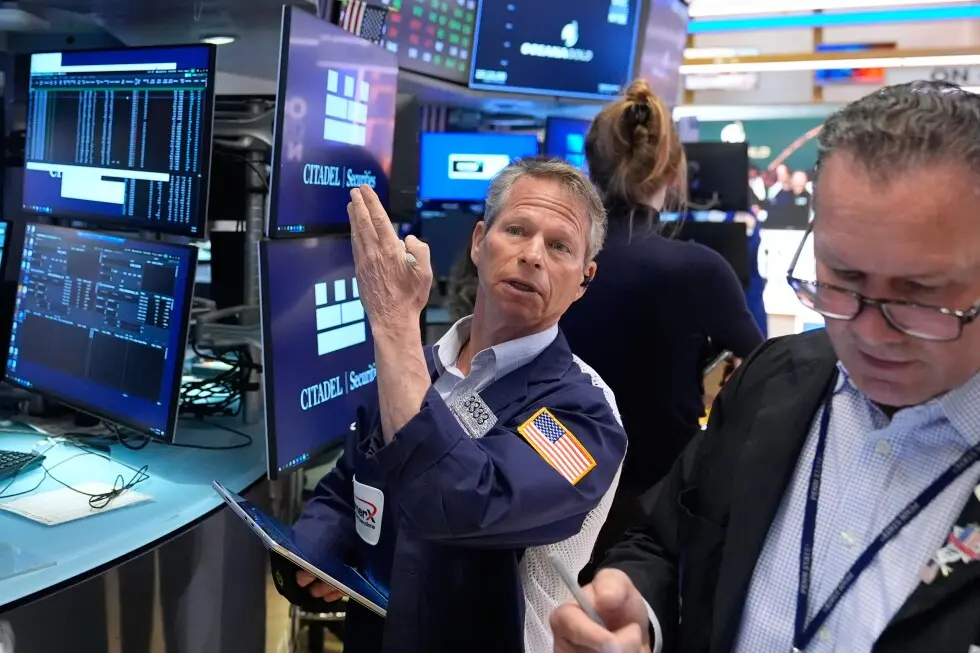
Bobby Charmak이 2026년 4월 7일 화요일 뉴욕의 뉴욕증권거래소 거래소 바닥에서 일하고 있다. (AP Photo/Seth Wenig)
뉴욕 (AP) — 월스트릿에서 금요일 주식이 등락했으며 미국과 이란 간의 불안정한 휴전 협정 속에서 유가는 안정세를 유지했다.
S&P 500은 오후 거래에서 0.1% 하락했으나 연속 두 번째 상승주를 향하고 있다. 다우지수는 오전 12시 27분 동부 시간 기준 261포인트, 즉 0.5% 하락했다. 나스닥 종합지수는 0.3% 상승했다.
주요 지수들은 이란과의 전쟁이 해결 방향으로 향할 수 있다는 낙관론 속에서 지난 2주간 상승세를 보이고 있다. S&P 500은 3월 손실의 대부분을 회복했으며 1월에 기록한 사상 최고치에서 2.3% 떨어져 있다. 시장은 여전히 전쟁 관련 뉴스에 큰 변동성을 보이고 있다.
월스트릿 거래는 불안정한 상태를 유지했다. 벤치마크 S&P 500의 대부분 기업들이 하락했으나 높은 가치의 기술주들이 다른 곳의 손실을 상쇄했다. 엔비디아는 2.4% 상승했고 브로드컴은 4.6% 상승했다.
미국 주식은 파키스탄에서의 주말 휴전 협상을 앞두고 초반 거래에서 등락하고 있다. AP의 Seth Sutel이 더 많은 정보를 제공한다.
아시아 시장은 상승했으나 유럽 시장은 혼조를 보였다.
유가가 주식시장의 급격한 변동 뒤에 있었다. 전쟁이 시작된 이후 호르무즈 해협을 통한 해상 운송이 본질적으로 정체되면서 유가가 급등했다.
국제 기준인 브렌트유는 2월 말 전쟁 이전의 배럴당 약 70달러에서 때때로 119달러 이상으로 올랐다. 브렌트유는 금요일 1.1% 상승하여 배럴당 96.49달러가 되었다.
미국 원유 가격은 1% 상승하여 배럴당 98.88달러가 되었다.
이란과 미국의 협상가들은 토요일 고위급 회담을 준비하고 있다. 상황은 불확실한 상태를 유지하고 있다. 이란의 반관영 타스님 통신사는 이스라엘이 레바논에서의 공격을 중단하지 않으면 회담이 진행되지 않을 것이라고 주장했다.
이 갈등은 3월 미국의 인플레이션 급증 뒤에 있다. 정부는 4년 만의 최대 인플레이션 증가를 발표했으며 휘발유 가격이 급등했다. 그러나 인플레이션 증가는 경제학자들의 예상에 미치지 못했다.
채권 수익률은 최신 인플레이션 업데이트 이후 대부분 안정세를 유지했다. 10년물 국채 수익률은 목요일 늦은 시간 4.29%에서 4.31%로 상승했다.
인플레이션은 경제학자들에게 지속적인 우려사항이 되었다. 광범위한 글로벌 관세의 영향으로 인해 소비자 상품 및 서비스의 가격이 이미 완고하게 높다. 휘발유 가격 상승은 운전자들에게 즉시 영향을 미치지만 기업들이 배송 및 연료 비용을 전가하면서 결국 식품에서 항공료까지 모든 것의 가격을 올릴 수 있다.
분석가들은 향후 수개월간 유공급 충격의 연장된 영향이 있을 수 있다고 경고하고 있다.
Harris Financial Group의 관리 파트너인 Jamie Cox는 연구 노트에서 "3월의 영향이 예상보다 적음을 보게 되어 기쁘지만, 4월의 영향은 더 악화될 가능성이 높다"고 썼다.
미시간 대학의 광범위한 월간 조사에 따르면 소비자 심리는 4월에 10.7% 급락했다. 소비자들이 인플레이션에 대해 더 우려하고 있음을 보여주며, 1년 앞의 기대치가 3월 3.8%에서 4월 4.8%로 급등했다.
인플레이션은 인플레이션 재가열 우려 속에서 더 신중한 입장을 보인 연방준비제도의 주요 관심사로 남아있다. 인플레이션 률은 중앙은행의 2% 목표를 초과하고 있다. 인플레이션 상승의 위협으로 인해 중앙은행은 계속해서 기준금리를 현수준에서 유지할 것으로 보인다. 여러 연준 관계자들은 인플레이션이 진정되지 않으면 금리 인상이 필요할 수 있다고 밝혔다.
낮은 금리는 차입 비용을 낮춤으로써 주식 및 기타 투자를 촉진하는 데 도움이 된다. 금리 인하는 또한 인플레이션을 악화시킬 위험이 있다.
월스트릿은 연준이 2026년 내내 기준금리를 현수준에서 유지할 것으로 예측하고 있다.
뉴욕 (AP) — 월스트릿에서 금요일 주식이 등락했으며 미국과 이란 간의 불안정한 휴전 협정 속에서 유가는 안정세를 유지했다.
S&P 500은 오후 거래에서 0.1% 하락했으나 연속 두 번째 상승주를 향하고 있다. 다우지수는 오전 12시 27분 동부 시간 기준 261포인트, 즉 0.5% 하락했다. 나스닥 종합지수는 0.3% 상승했다.
주요 지수들은 이란과의 전쟁이 해결 방향으로 향할 수 있다는 낙관론 속에서 지난 2주간 상승세를 보이고 있다. S&P 500은 3월 손실의 대부분을 회복했으며 1월에 기록한 사상 최고치에서 2.3% 떨어져 있다. 시장은 여전히 전쟁 관련 뉴스에 큰 변동성을 보이고 있다.
월스트릿 거래는 불안정한 상태를 유지했다. 벤치마크 S&P 500의 대부분 기업들이 하락했으나 높은 가치의 기술주들이 다른 곳의 손실을 상쇄했다. 엔비디아는 2.4% 상승했고 브로드컴은 4.6% 상승했다.
미국 주식은 파키스탄에서의 주말 휴전 협상을 앞두고 초반 거래에서 등락하고 있다. AP의 Seth Sutel이 더 많은 정보를 제공한다.
아시아 시장은 상승했으나 유럽 시장은 혼조를 보였다.
유가가 주식시장의 급격한 변동 뒤에 있었다. 전쟁이 시작된 이후 호르무즈 해협을 통한 해상 운송이 본질적으로 정체되면서 유가가 급등했다.
국제 기준인 브렌트유는 2월 말 전쟁 이전의 배럴당 약 70달러에서 때때로 119달러 이상으로 올랐다. 브렌트유는 금요일 1.1% 상승하여 배럴당 96.49달러가 되었다.
미국 원유 가격은 1% 상승하여 배럴당 98.88달러가 되었다.
이란과 미국의 협상가들은 토요일 고위급 회담을 준비하고 있다. 상황은 불확실한 상태를 유지하고 있다. 이란의 반관영 타스님 통신사는 이스라엘이 레바논에서의 공격을 중단하지 않으면 회담이 진행되지 않을 것이라고 주장했다.
이 갈등은 3월 미국의 인플레이션 급증 뒤에 있다. 정부는 4년 만의 최대 인플레이션 증가를 발표했으며 휘발유 가격이 급등했다. 그러나 인플레이션 증가는 경제학자들의 예상에 미치지 못했다.
채권 수익률은 최신 인플레이션 업데이트 이후 대부분 안정세를 유지했다. 10년물 국채 수익률은 목요일 늦은 시간 4.29%에서 4.31%로 상승했다.
인플레이션은 경제학자들에게 지속적인 우려사항이 되었다. 광범위한 글로벌 관세의 영향으로 인해 소비자 상품 및 서비스의 가격이 이미 완고하게 높다. 휘발유 가격 상승은 운전자들에게 즉시 영향을 미치지만 기업들이 배송 및 연료 비용을 전가하면서 결국 식품에서 항공료까지 모든 것의 가격을 올릴 수 있다.
분석가들은 향후 수개월간 유공급 충격의 연장된 영향이 있을 수 있다고 경고하고 있다.
Harris Financial Group의 관리 파트너인 Jamie Cox는 연구 노트에서 "3월의 영향이 예상보다 적음을 보게 되어 기쁘지만, 4월의 영향은 더 악화될 가능성이 높다"고 썼다.
미시간 대학의 광범위한 월간 조사에 따르면 소비자 심리는 4월에 10.7% 급락했다. 소비자들이 인플레이션에 대해 더 우려하고 있음을 보여주며, 1년 앞의 기대치가 3월 3.8%에서 4월 4.8%로 급등했다.
인플레이션은 인플레이션 재가열 우려 속에서 더 신중한 입장을 보인 연방준비제도의 주요 관심사로 남아있다. 인플레이션 률은 중앙은행의 2% 목표를 초과하고 있다. 인플레이션 상승의 위협으로 인해 중앙은행은 계속해서 기준금리를 현수준에서 유지할 것으로 보인다. 여러 연준 관계자들은 인플레이션이 진정되지 않으면 금리 인상이 필요할 수 있다고 밝혔다.
낮은 금리는 차입 비용을 낮춤으로써 주식 및 기타 투자를 촉진하는 데 도움이 된다. 금리 인하는 또한 인플레이션을 악화시킬 위험이 있다.
월스트릿은 연준이 2026년 내내 기준금리를 현수준에서 유지할 것으로 예측하고 있다.
Bobby Charmak works on the floor at the New York Stock Exchange in New York, Tuesday, April 7, 2026. (AP Photo/Seth Wenig)
NEW YORK (AP) — Stocks wavered on Wall Street Friday and oil prices held steady amid a shaky ceasefire agreement between the U.S. and Iran.
The S&P 500 fell 0.1% in afternoon trading, but is still heading for a second consecutive winning week. The Dow Jones Industrial Average fell 261 points, or 0.5%, as of 12:27 p.m. Eastern. The Nasdaq composite rose 0.3%.
Major indexes have been gaining ground over the last two weeks amid optimism that the war with Iran could be heading toward a resolution. The S&P 500 has erased most of its losses from March and is just 2.3% short of its all-time high set in January. The market is still prone to big swings on developments around the war.
Trading on Wall Street remained choppy. Most companies in the benchmark S&P 500 were losing ground, but technology stocks with hefty values helped offset losses elsewhere. Nvidia rose 2.4% and Broadcom rose 4.6%.
U.S. stocks are wavering in early trading ahead of weekend ceasefire talks in Pakistan. The AP’s Seth Sutel has more.
Markets in Asia gained ground while markets in Europe were mixed.
Oil prices have been behind many of the stock market’s sharp movements. Oil prices have surged as shipping through the vital Strait of Hormuz essentially stalled since the war began.
Brent crude oil, the international standard, has gone from roughly $70 per barrel before the war in late February to more than $119 at times. Brent rose 1.1% to $96.49 Friday.
U.S. crude oil prices rose 1% to $98.88 per barrel.
Negotiators from Iran and the U.S. are preparing for high-level talks on Saturday. The situation remains uncertain. Iran’s semiofficial Tasnim news agency claimed that talks wouldn’t happen unless Israel stopped its attacks in Lebanon.
The conflict is behind surging inflation in the U.S. in March. The government reported the biggest spike in inflation in four years as prices at the gas pump jumped. But, the inflation increase was just short of what economists expected.
Bond yields held mostly steady following the latest inflation update. The yield on the 10-year Treasury rose to 4.31% from 4.29% late Thursday.
Inflation has been a lingering concern for economists. Prices on a range of consumer goods and services are already stubbornly high, in part from the impact of extensive global tariffs. Higher gas prices are immediately felt by drivers at the pump, but they could eventually raise prices on everything from food to airfare as companies pass along higher costs for shipping and fuel.
Analysts are warning that there might be a drawn out impact from the oil supply shock in the months ahead.
“While I’m glad to see the effects to be less than expected in March, the effects in April are now more likely to be worse,” Jamie Cox, managing partner for Harris Financial Group, wrote in a research note.
Consumer sentiment slumped 10.7% percent in April, according to a closely watched monthly survey from the University of Michigan. It also shows that consumers are growing more worried about inflation, with year-ahead expectations surging to 4.8% in April from 3.8% in March.
Inflation remains a major concern for the Federal Reserve, which has signaled more caution amid worries about inflation reheating. The rate of inflation remains above the central bank’s 2% target. The threat of rising inflation will likely mean the central bank continues to hold interest rates steady. Several Fed officials have also said a rate hike may be needed if inflation doesn’t cool.
Lower interest rates help boost stocks and other investments by lowering borrowing costs. Interest rate cuts also risk worsening inflation.
Wall Street is forecasting that the Fed will likely hold its interest rate steady through 2026.
NEW YORK (AP) — Stocks wavered on Wall Street Friday and oil prices held steady amid a shaky ceasefire agreement between the U.S. and Iran.
The S&P 500 fell 0.1% in afternoon trading, but is still heading for a second consecutive winning week. The Dow Jones Industrial Average fell 261 points, or 0.5%, as of 12:27 p.m. Eastern. The Nasdaq composite rose 0.3%.
Major indexes have been gaining ground over the last two weeks amid optimism that the war with Iran could be heading toward a resolution. The S&P 500 has erased most of its losses from March and is just 2.3% short of its all-time high set in January. The market is still prone to big swings on developments around the war.
Trading on Wall Street remained choppy. Most companies in the benchmark S&P 500 were losing ground, but technology stocks with hefty values helped offset losses elsewhere. Nvidia rose 2.4% and Broadcom rose 4.6%.
U.S. stocks are wavering in early trading ahead of weekend ceasefire talks in Pakistan. The AP’s Seth Sutel has more.
Markets in Asia gained ground while markets in Europe were mixed.
Oil prices have been behind many of the stock market’s sharp movements. Oil prices have surged as shipping through the vital Strait of Hormuz essentially stalled since the war began.
Brent crude oil, the international standard, has gone from roughly $70 per barrel before the war in late February to more than $119 at times. Brent rose 1.1% to $96.49 Friday.
U.S. crude oil prices rose 1% to $98.88 per barrel.
Negotiators from Iran and the U.S. are preparing for high-level talks on Saturday. The situation remains uncertain. Iran’s semiofficial Tasnim news agency claimed that talks wouldn’t happen unless Israel stopped its attacks in Lebanon.
The conflict is behind surging inflation in the U.S. in March. The government reported the biggest spike in inflation in four years as prices at the gas pump jumped. But, the inflation increase was just short of what economists expected.
Bond yields held mostly steady following the latest inflation update. The yield on the 10-year Treasury rose to 4.31% from 4.29% late Thursday.
Inflation has been a lingering concern for economists. Prices on a range of consumer goods and services are already stubbornly high, in part from the impact of extensive global tariffs. Higher gas prices are immediately felt by drivers at the pump, but they could eventually raise prices on everything from food to airfare as companies pass along higher costs for shipping and fuel.
Analysts are warning that there might be a drawn out impact from the oil supply shock in the months ahead.
“While I’m glad to see the effects to be less than expected in March, the effects in April are now more likely to be worse,” Jamie Cox, managing partner for Harris Financial Group, wrote in a research note.
Consumer sentiment slumped 10.7% percent in April, according to a closely watched monthly survey from the University of Michigan. It also shows that consumers are growing more worried about inflation, with year-ahead expectations surging to 4.8% in April from 3.8% in March.
Inflation remains a major concern for the Federal Reserve, which has signaled more caution amid worries about inflation reheating. The rate of inflation remains above the central bank’s 2% target. The threat of rising inflation will likely mean the central bank continues to hold interest rates steady. Several Fed officials have also said a rate hike may be needed if inflation doesn’t cool.
Lower interest rates help boost stocks and other investments by lowering borrowing costs. Interest rate cuts also risk worsening inflation.
Wall Street is forecasting that the Fed will likely hold its interest rate steady through 2026.