세계 최대 규모 강의 일곱 가지 멋진 하이라이트
Seven spectacular highlights of the world’s largest river
Sydney Morning Herald
Sue Williams
EN
2026-04-10 23:00
Translated
눈이 소복이 내린 안데스 산맥의 높은 곳에서 흐르기 시작한 아마존강은 페루, 브라질, 콜롬비아를 거쳐 6,400킬로미터 떨어진 대서양으로 흘러들어간다.
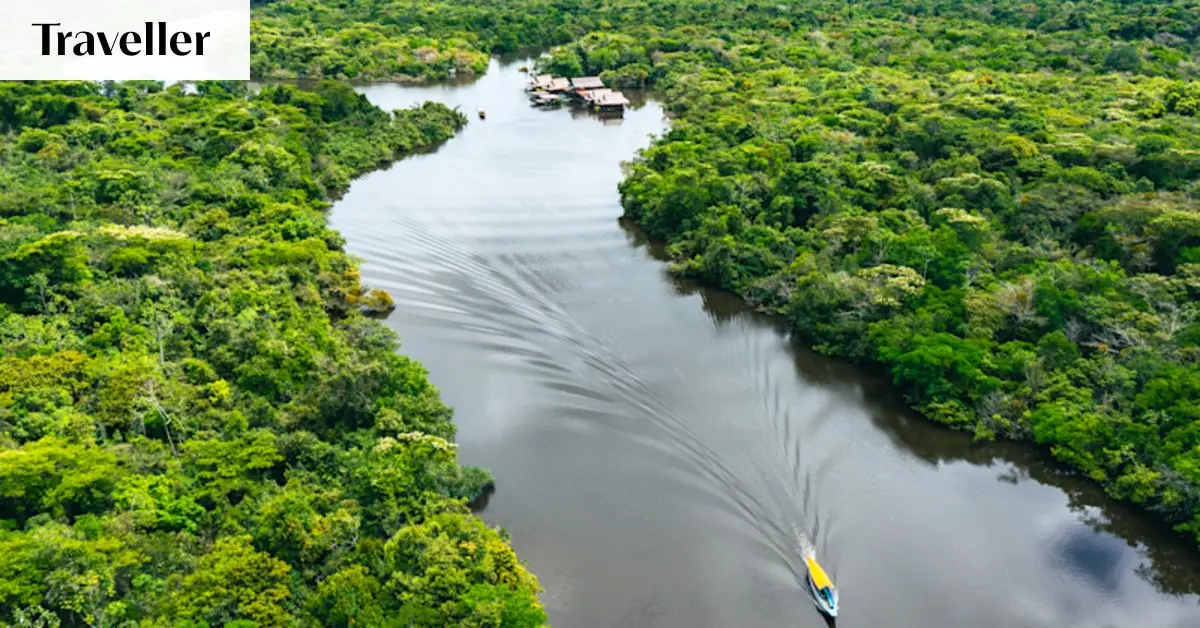
눈이 소복이 내린 안데스 산맥의 높은 곳에서 흐르기 시작한 아마존강은 페루, 브라질, 콜롬비아를 거쳐 6,400킬로미터 떨어진 대서양으로 흘러들어간다. 아마존강의 페루 구간은 접근이 쉬우며, 엄청난 야생동물 다양성과 현지 페리부터 호화로운 소형선 아쿠아 네라에 이르기까지 다양한 종류의 보트들이 있다.
지구 담수의 약 20%를 차지하는 세계 최대 규모의 강이면서도 단 하나의 다리도 없다. 정말 멋진 광경이다. 브라질과 에콰도르와 달리 페루는 강의 수원지이며, 계절에 따라 급격히 변한다. 건기에는 폭이 1~5킬로미터로 다른 나라들보다 훨씬 좁지만, 우기에는 일부 지역에서 50킬로미터에 이를 수 있다. 강을 따라 크루징하면서 장엄한 일출과 일몰을 경험하면 마치 살아 있는 강력한 힘, 야생동물과 강둑을 따라 사는 원주민 공동체가 맥동하는 모습을 느낄 수 있다.
핑크돌핀은 유니콘만큼 신화적이지만 실제로 존재하며, 페루 아마존에서는 수천 마리로 추정되는 전 세계 어느 곳보다도 많은 수가 살고 있다. 멸종위기종인 이 포유류는 놀랍게도 인간보다 더 큰 뇌를 가지고 있으며, 혼자이거나 작은 무리를 이루어 다니면서 분홍색 등이나 배가 물을 헤치는 모습을 갑자기 목격하는 것은 정말 설레는 경험이다(해양 돌고래처럼 뛰어오르지는 않는다). 밤에 잘생긴 남자로 변신할 수 있고 너무 가까이 오는 젊은 여성을 임신시킬 수 있다는 등 많은 전설이 생겨났다. 하지만 이러한 신화들이 그들을 보호하는 데 도움이 될지도 모른다.
페루 아마존은 우기에 30미터까지 상승할 수 있으며 안데스 산맥의 녹는 눈으로도 공급받는다. 다양한 수위 덕분에 연중 매력적이다. 건기에는 방문객들이 열대우림을 통해 긴 산책을 하며 모피가 있거나 미끄럽거나 단순히 무서운 수많은 생물들을 경탄하며 바라볼 수 있으며, 우기에는 마치 몽환적이듯이 나뭇가지 덤불을 떠다니는 수생 숲을 지나다가 완전히 건조한 땅에 도달한다. 페루의 보호된 생태 경이지인 파카야 사미리아 국립공원의 일부 지역은 "거울의 정글"이라고 불리는데, 물로 둘러싸여 있어 초목과 하늘을 반사하므로 땅이 어디서 시작되는지 판단하기 어려울 수 있다.
강 위의 모든 야생동물, 즉 멋진 마카우, 벌새, 나비, 카이만, 피라냐, 하울러 원숭이, 거미원숭이, 보아뱀, 아나콘다, 타란툴라를 포함하여 나무늘보가 가장 인기 있는 경이로움이다. 그들은 조용히 나무 가지에 거꾸로 매달려 있고, 느리고, 온화하고, 오래되었으며, 자신의 환경에 완벽하게 적응되어 있어서 에너지를 절약하기 위해 코알라처럼 최소 속도로 움직인다. 그들은 하루에 10~15시간을 잘 수 있고 주에 한 번만 지면으로 내려온다. 과학자들에게 그들은 여전히 놀라운 미스터리다.
페루 아마존에는 50개 이상의 서로 다른 원주민 집단이 강둑을 따라 화려한 고립 속에 살고 있으며, 주로 진흙으로 지어진 집에서 살면서 물고기를 먹고 열대우림 식물로 만든 약을 사용하며 물을 중심으로 한 문화를 유지하고 있다. 아쿠아 네라 선박은 작은 정착촌 리스보아에 정박했으며 승객들은 책, 펜, 종이 선물로 즐거워하는 현지 아이들의 인사를 받았고, 장난감 코알라를 보고는 신기해했다. 그렇게 풍부한 전통 공동체를 경험하는 것은 드문 특권이 될 수 있다.
이키토스는 아마존으로 가는 출발점이며 정말 멋진 곳이다! 도로로 접근할 수 없는 세계 최대 규모의 도시(보트나 비행기로만 접근 가능)이며, 1700년대 예수회 선교부, 이후 1880년대의 고무 재벌들이 멋진 랜드마크를 건설한 매혹적인 역사를 가지고 있다. 강 위에는 우기에 현지인들이 카누를 타고 서로 방문하는 벨렌의 고상식 주택들이 있다. 또한 붐비는 시장도 있다.
이것은 정말 믿기 힘든 자연 현상이다. 이키토스 근처 나나이 강과 아마존강의 합류점에서 그들 사이에 명확한 경계선이 있으며, 전자는 검은색이고 후자는 옅은 갈색이다. 이러한 분리는 각각의 침전물 양, 흐름의 속도, 서로 다른 온도로 인해 발생한다. 이는 브라질의 마나우스에서 리오 네그로와 아마존강 사이의 분리와 유사하지만 더 컴팩트하다.
아쿠아 익스페디션의 소형 럭셔리 선박인 아쿠아 네라는 20개의 객실과 40명의 승무원을 보유하고 있으며, 1인당 미화 5,130달러(7,435달러)부터 시작하는 4일 및 8일 일정의 여행을 제공한다. 조기 예약 할인 가능. LATAM 항공사는 시드니에서 산티아고로, 리마와 이키토스로 연결되는 항공편을 운행한다. aquaexpeditions.com, latamairlines.com, peru.travel 참조
필자는 아쿠아 익스페디션의 초대로 여행했다. aquaexpeditions.com 참조
지구 담수의 약 20%를 차지하는 세계 최대 규모의 강이면서도 단 하나의 다리도 없다. 정말 멋진 광경이다. 브라질과 에콰도르와 달리 페루는 강의 수원지이며, 계절에 따라 급격히 변한다. 건기에는 폭이 1~5킬로미터로 다른 나라들보다 훨씬 좁지만, 우기에는 일부 지역에서 50킬로미터에 이를 수 있다. 강을 따라 크루징하면서 장엄한 일출과 일몰을 경험하면 마치 살아 있는 강력한 힘, 야생동물과 강둑을 따라 사는 원주민 공동체가 맥동하는 모습을 느낄 수 있다.
핑크돌핀은 유니콘만큼 신화적이지만 실제로 존재하며, 페루 아마존에서는 수천 마리로 추정되는 전 세계 어느 곳보다도 많은 수가 살고 있다. 멸종위기종인 이 포유류는 놀랍게도 인간보다 더 큰 뇌를 가지고 있으며, 혼자이거나 작은 무리를 이루어 다니면서 분홍색 등이나 배가 물을 헤치는 모습을 갑자기 목격하는 것은 정말 설레는 경험이다(해양 돌고래처럼 뛰어오르지는 않는다). 밤에 잘생긴 남자로 변신할 수 있고 너무 가까이 오는 젊은 여성을 임신시킬 수 있다는 등 많은 전설이 생겨났다. 하지만 이러한 신화들이 그들을 보호하는 데 도움이 될지도 모른다.
페루 아마존은 우기에 30미터까지 상승할 수 있으며 안데스 산맥의 녹는 눈으로도 공급받는다. 다양한 수위 덕분에 연중 매력적이다. 건기에는 방문객들이 열대우림을 통해 긴 산책을 하며 모피가 있거나 미끄럽거나 단순히 무서운 수많은 생물들을 경탄하며 바라볼 수 있으며, 우기에는 마치 몽환적이듯이 나뭇가지 덤불을 떠다니는 수생 숲을 지나다가 완전히 건조한 땅에 도달한다. 페루의 보호된 생태 경이지인 파카야 사미리아 국립공원의 일부 지역은 "거울의 정글"이라고 불리는데, 물로 둘러싸여 있어 초목과 하늘을 반사하므로 땅이 어디서 시작되는지 판단하기 어려울 수 있다.
강 위의 모든 야생동물, 즉 멋진 마카우, 벌새, 나비, 카이만, 피라냐, 하울러 원숭이, 거미원숭이, 보아뱀, 아나콘다, 타란툴라를 포함하여 나무늘보가 가장 인기 있는 경이로움이다. 그들은 조용히 나무 가지에 거꾸로 매달려 있고, 느리고, 온화하고, 오래되었으며, 자신의 환경에 완벽하게 적응되어 있어서 에너지를 절약하기 위해 코알라처럼 최소 속도로 움직인다. 그들은 하루에 10~15시간을 잘 수 있고 주에 한 번만 지면으로 내려온다. 과학자들에게 그들은 여전히 놀라운 미스터리다.
페루 아마존에는 50개 이상의 서로 다른 원주민 집단이 강둑을 따라 화려한 고립 속에 살고 있으며, 주로 진흙으로 지어진 집에서 살면서 물고기를 먹고 열대우림 식물로 만든 약을 사용하며 물을 중심으로 한 문화를 유지하고 있다. 아쿠아 네라 선박은 작은 정착촌 리스보아에 정박했으며 승객들은 책, 펜, 종이 선물로 즐거워하는 현지 아이들의 인사를 받았고, 장난감 코알라를 보고는 신기해했다. 그렇게 풍부한 전통 공동체를 경험하는 것은 드문 특권이 될 수 있다.
이키토스는 아마존으로 가는 출발점이며 정말 멋진 곳이다! 도로로 접근할 수 없는 세계 최대 규모의 도시(보트나 비행기로만 접근 가능)이며, 1700년대 예수회 선교부, 이후 1880년대의 고무 재벌들이 멋진 랜드마크를 건설한 매혹적인 역사를 가지고 있다. 강 위에는 우기에 현지인들이 카누를 타고 서로 방문하는 벨렌의 고상식 주택들이 있다. 또한 붐비는 시장도 있다.
이것은 정말 믿기 힘든 자연 현상이다. 이키토스 근처 나나이 강과 아마존강의 합류점에서 그들 사이에 명확한 경계선이 있으며, 전자는 검은색이고 후자는 옅은 갈색이다. 이러한 분리는 각각의 침전물 양, 흐름의 속도, 서로 다른 온도로 인해 발생한다. 이는 브라질의 마나우스에서 리오 네그로와 아마존강 사이의 분리와 유사하지만 더 컴팩트하다.
아쿠아 익스페디션의 소형 럭셔리 선박인 아쿠아 네라는 20개의 객실과 40명의 승무원을 보유하고 있으며, 1인당 미화 5,130달러(7,435달러)부터 시작하는 4일 및 8일 일정의 여행을 제공한다. 조기 예약 할인 가능. LATAM 항공사는 시드니에서 산티아고로, 리마와 이키토스로 연결되는 항공편을 운행한다. aquaexpeditions.com, latamairlines.com, peru.travel 참조
필자는 아쿠아 익스페디션의 초대로 여행했다. aquaexpeditions.com 참조
The almighty Amazon flows from the heights of the snow-capped Andean Mountains and rushes through Peru, Brazil and Colombia before pouring into the Atlantic Ocean, 6400 kilometres away.
The almighty Amazon River flows from the heights of the snow-capped Andean Mountains and rushes through Peru, Brazil and Colombia before pouring into the Atlantic Ocean, 6400 kilometres away. The Peruvian section of the Amazon is easier to get to, with a huge diversity of wildlife and all sorts of boats to explore, from local ferries and cargo boats all the way up to the ultra-luxurious small ship, Aqua Nera.The world’s largest river by volume of water with about 20 per cent of the globe’s total freshwater … and not a single bridge. It’s a stunning sight. Unlike Brazil and Ecuador, Peru is the source of the river, and it changes dramatically with the different seasons. In the dry, it’s between one and five kilometres wide, much narrower than in the other countries, but in the wet it can end up as broad as 50 kilometres in stretches. Cruising on the river, with those glorious sunrises and sunsets, gives the sensation of it being a living, powerful force, pulsating with wildlife and with Indigenous communities along its banks.
Get exclusive travel deals delivered straight to your inbox.
Pink dolphins seem as mythical as unicorns, but they do exist, and nowhere else in the world in as great a number – estimated at several thousand – as in the Peruvian Amazon. It’s such a thrill to suddenly spot one of the endangered mammals – which have, astonishingly, even bigger brains than humans – alone or in a small pod, and see the flash of a pink back or belly as they roll (they don’t leap like marine dolphins). Lots of legends have grown up around them – that they can shape-shift into handsome men at night and impregnate young women wandering too close. But maybe the myths help protect them …
The Peruvian Amazon can rise 30 metres in the rainy season, and is also fed by melting Andean snow-caps. Its various water levels make it fascinating all year round. In the dry, visitors can go on long walks through the rainforest, marvelling at the cornucopia of creatures – furry, slimy or just plain scary – and in the wet, it’s almost ethereal, floating past thickets of treetops in an aquatic forest, until reaching not-so-dry land. Parts of Peru’s protected ecological wonderland, the Pacaya Samiria National Reserve, are dubbed “the jungle of mirrors”; surrounded as they are by water reflecting both greenery and sky, it can be difficult to judge where the earth begins.
Amid all the wildlife on the river – including the fabulous macaws, hummingbirds, butterflies, caimans, piranhas, howler and spider monkeys, boas, anacondas and tarantulas – sloths are a favourite wonder. Just quietly hanging upside down from tree branches, they’re slow, gentle, ancient, and perfectly adapted to their environment, moving at minimal speed, a bit like koalas, to preserve energy. They can sleep 10 to 15 hours a day and only descend to the ground once a week. To scientists, they remain a marvellous mystery.
There are more than 50 different Indigenous groups in the Peruvian Amazon, living in splendid isolation along the riverbanks, in homes often built largely from the mud, eating fish, using medicines made from rainforest plants, and with a culture centred on the water. The ship, Aqua Nera, stopped off in the tiny settlement of Lisboa with passengers greeted by local children, delighted with gifts of books, pens and paper … and mystified by toy koalas. It can be a rare privilege to experience such a richly traditional community.
Iquitos is the jumping-off point into the Amazon, and what a place! It’s the largest city in the world to be inaccessible by road (only by boat or plane), and it has a fascinating history, with Jesuit missions in the 1700s, then rubber barons from the 1880s building some splendid landmarks. On the river are the stilted houses of Belen, where locals drop in on each other by canoe during the wet season. There is also a teeming market.
It’s a natural phenomenon that beggars belief. Near Iquitos, at the confluence of the River Nanay and the Amazon, there’s a clear line between them, with the former black and the other light brown. The separation comes from the amount of sediment in each, the pace of the flow and their different temperatures. It’s similar to the division between the Rio Negro and the Amazon at Brazil’s Manaus, but more compact.
Aqua Expeditions’ small luxury ship, Aqua Nera, has 20 cabins and 40 crew on four- and eight-day itineraries from $US5130 ($7435) a person, based on double occupancy. Early booking discounts available. LATAM flies from Sydney to Santiago, with connections to Lima and then Iquitos.See aquaexpeditions.com; latamairlines.com; peru.travel
The writer travelled as a guest of Aqua Expeditions. See aquaexpeditions.com
You have reached your maximum number of saved items.
Remove items from your saved list to add more.