세네갈: 괴테 인스티투트, 다카르에 새 건물 개관
Senegal: The Goethe-Institut opens its new building in Dakar
Deutsche Welle
· 🇩🇪 Bonn, DE
DE
2026-04-16 23:07
Translated
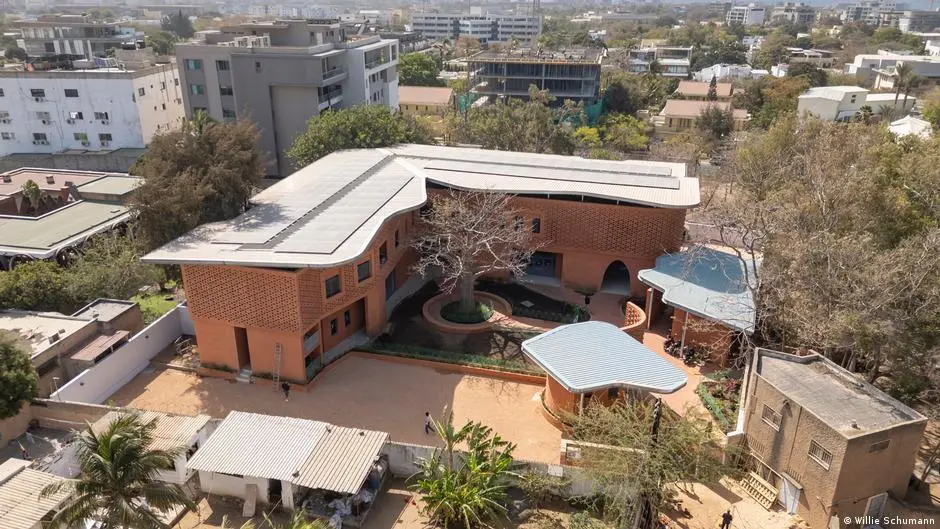
다카르의 괴테 인스티투트 새 건물은 흙으로 만든 지속가능한 건축의 선구자입니다. 스타 건축가 프란시스 케레가 현지 재료와 현대적 디자인을 조화롭게 결합했습니다.
다카르에서 괴테 인스티투트는 단순히 새 건물을 얻은 것이 아닙니다. 바오밥 나무를 둘러싼 이 건물은 문화 교육과 교류를 위한 열린 공간을 제공합니다. 이는 지역 전통에 대한 존중과 글로벌 비전에 대한 대담함을 동시에 보여줍니다.
괴테 인스티투트는 1970년대 중반부터 세네갈 수도에 자리를 잡아왔습니다. 이들의 새로운 지속가능한 건물 단지는 유엔의 지원을 받았습니다.
7년 전, 모래투성이의 대지 위에 서 있던 프란시스 케레가 수첩에 첫 스케치를 그렸습니다.
2022년, 부르키나파소 출신의 세계적으로 저명한 건축가는 흑인 최초로 프리츠커상을 수상했습니다. 그는 또한 일본의 프라미엄 임페리알 상도 받았습니다.
다카르를 위해 그는 현대 건축과 아프리카 건축 문화를 융합하는 건물을 만들고자 했습니다. 이를 위해 열을 차단하고 시원한 실내를 보장하는 천 년 된 건축 재료를 선택했습니다: 점토. 세네갈의 붉은 흙에 최소량의 시멘트를 섞어 벽돌로 압축하는 아이디어였습니다.
점토는 매우 의식적인 재료 선택이었다고 프란시스 케레는 DW에 말했습니다: "점토의 특성을 수정하여 균일한 벽돌을 생산하고, 현대적인 외관의 건물을 만들었습니다." 그는 사람들이 친숙하게 여길 재료라는 점을 알고 있었습니다. "그것이 매우 중요합니다: 사람들은 정말로 존중받고 진지하게 대우받는다고 느낍니다"라고 케레는 말합니다.
건축물은 그림자진 파사드, 상호 연결된 공간, 자연 환기와 함께 환경에 조화롭게 어우러집니다. 소수의 지지 구조물만 철근 콘크리트로 건설되었습니다.
건설은 은징가 음부프와 니콜라 롱데가 설립한 다카르 기반 건축 사무소 워로필라가 관리했습니다. 그들은 생물기후 건축에 전문화되어 있으며, 이 접근법은 수동 냉각, 교차 환기, 현지 재료 사용에 의존합니다.
정원은 공기 흐름을 촉진하고, 두꺼운 흙벽은 시원함을 유지하여 더위 속에서 점차 방출합니다. 이는 사헬 지역의 건설에 대한 오랜 전통입니다. "여기서 나는 해양 바람을 느낄 수 있습니다"라고 워로필라의 건축가 은징가 음부프는 말합니다. "흙으로 짓는 것은 몸을 재료와 재연결시키는 매우 본질적이고 강력한 것이 있습니다. 설명할 수 없는 것입니다 — 직접 경험해야 합니다."
흙 건축을 새 건물에 선택함으로써 괴테 인스티투트는 세계에 메시지를 보내고 있습니다. 이 프로젝트는 글로벌 상황이 점점 더 복잡해지는 가운데에서도 대규모로 지속가능하게 건설하는 것이 가능하다는 것을 증명합니다.
다카르는 아프리카에서 가장 빠르게 성장하는 대도시 지역 중 하나입니다. 이러한 성장과 함께 주택 부족, 상승하는 기온, 콘크리트 건물에서 나오는 증가하는 이산화탄소 배출 — 종종 에너지 집약적인 에어컨 시스템과 결합되어 — 같은 도전이 따릅니다.
DW와의 인터뷰에서 가나 출신 건축학자 레슬리 로코는 지속가능한 대안이 시급히 필요하다고 말합니다. "우리 대륙은 다른 어떤 곳보다 빠르게 도시화되고 있으며, 믿을 수 없는 시간 압박을 받고 있습니다"라고 그녀는 언급했습니다. "나는 그 압박을 우리의 이점으로 사용하고 싶습니다. 우리에게는 백 년이 없습니다. 지금 생각하고 행동해야 합니다."
이제 새로운 세대의 건축가들이 미래의 건축 재료로 흙에 주목하고 있습니다. 다카르의 새 괴테 인스티투트는 지속가능한 건축의 모델로 기능합니다. 그 메시지는 분명합니다: 세계의 도시적 미래는 고대의 지식, 현대 기술, 사회적 책임 — 그리고 아프리카의 붉은 흙 —의 융합에서 시작될 수 있습니다.
수년간의 건설 끝에, 이 문화 기관은 2026년 4월 18일 다카르에서 개관할 예정입니다. 괴테 인스티투트 세네갈은 또한 감비아, 카보베르데, 기니비사우의 활동도 감독합니다.
이 기사는 원래 독일어로 작성되었습니다.
괴테 인스티투트는 1970년대 중반부터 세네갈 수도에 자리를 잡아왔습니다. 이들의 새로운 지속가능한 건물 단지는 유엔의 지원을 받았습니다.
7년 전, 모래투성이의 대지 위에 서 있던 프란시스 케레가 수첩에 첫 스케치를 그렸습니다.
2022년, 부르키나파소 출신의 세계적으로 저명한 건축가는 흑인 최초로 프리츠커상을 수상했습니다. 그는 또한 일본의 프라미엄 임페리알 상도 받았습니다.
다카르를 위해 그는 현대 건축과 아프리카 건축 문화를 융합하는 건물을 만들고자 했습니다. 이를 위해 열을 차단하고 시원한 실내를 보장하는 천 년 된 건축 재료를 선택했습니다: 점토. 세네갈의 붉은 흙에 최소량의 시멘트를 섞어 벽돌로 압축하는 아이디어였습니다.
점토는 매우 의식적인 재료 선택이었다고 프란시스 케레는 DW에 말했습니다: "점토의 특성을 수정하여 균일한 벽돌을 생산하고, 현대적인 외관의 건물을 만들었습니다." 그는 사람들이 친숙하게 여길 재료라는 점을 알고 있었습니다. "그것이 매우 중요합니다: 사람들은 정말로 존중받고 진지하게 대우받는다고 느낍니다"라고 케레는 말합니다.
건축물은 그림자진 파사드, 상호 연결된 공간, 자연 환기와 함께 환경에 조화롭게 어우러집니다. 소수의 지지 구조물만 철근 콘크리트로 건설되었습니다.
건설은 은징가 음부프와 니콜라 롱데가 설립한 다카르 기반 건축 사무소 워로필라가 관리했습니다. 그들은 생물기후 건축에 전문화되어 있으며, 이 접근법은 수동 냉각, 교차 환기, 현지 재료 사용에 의존합니다.
정원은 공기 흐름을 촉진하고, 두꺼운 흙벽은 시원함을 유지하여 더위 속에서 점차 방출합니다. 이는 사헬 지역의 건설에 대한 오랜 전통입니다. "여기서 나는 해양 바람을 느낄 수 있습니다"라고 워로필라의 건축가 은징가 음부프는 말합니다. "흙으로 짓는 것은 몸을 재료와 재연결시키는 매우 본질적이고 강력한 것이 있습니다. 설명할 수 없는 것입니다 — 직접 경험해야 합니다."
흙 건축을 새 건물에 선택함으로써 괴테 인스티투트는 세계에 메시지를 보내고 있습니다. 이 프로젝트는 글로벌 상황이 점점 더 복잡해지는 가운데에서도 대규모로 지속가능하게 건설하는 것이 가능하다는 것을 증명합니다.
다카르는 아프리카에서 가장 빠르게 성장하는 대도시 지역 중 하나입니다. 이러한 성장과 함께 주택 부족, 상승하는 기온, 콘크리트 건물에서 나오는 증가하는 이산화탄소 배출 — 종종 에너지 집약적인 에어컨 시스템과 결합되어 — 같은 도전이 따릅니다.
DW와의 인터뷰에서 가나 출신 건축학자 레슬리 로코는 지속가능한 대안이 시급히 필요하다고 말합니다. "우리 대륙은 다른 어떤 곳보다 빠르게 도시화되고 있으며, 믿을 수 없는 시간 압박을 받고 있습니다"라고 그녀는 언급했습니다. "나는 그 압박을 우리의 이점으로 사용하고 싶습니다. 우리에게는 백 년이 없습니다. 지금 생각하고 행동해야 합니다."
이제 새로운 세대의 건축가들이 미래의 건축 재료로 흙에 주목하고 있습니다. 다카르의 새 괴테 인스티투트는 지속가능한 건축의 모델로 기능합니다. 그 메시지는 분명합니다: 세계의 도시적 미래는 고대의 지식, 현대 기술, 사회적 책임 — 그리고 아프리카의 붉은 흙 —의 융합에서 시작될 수 있습니다.
수년간의 건설 끝에, 이 문화 기관은 2026년 4월 18일 다카르에서 개관할 예정입니다. 괴테 인스티투트 세네갈은 또한 감비아, 카보베르데, 기니비사우의 활동도 감독합니다.
이 기사는 원래 독일어로 작성되었습니다.
처리 완료
217 tokens · $0.0004
기사 수집 완료 · 23:15
매체 피드에서 기사 메타데이터 수집
헤드라인 번역 완료 · 23:29
제목/요약 한국어 번역 (fetch 시점 inline)
kimi-k2.5
217 tokens
$0.00043
5.5s
본문 추출 완료
3,665자 추출 완료
본문 한국어 번역 완료 · 23:29
1,827자 번역 완료
지정학적 엔티티 추출 완료 · 23:29
0개 엔티티 추출 완료
The Goethe-Institut's new building in Dakar champions sustainable architecture, made from the earth. Star architect Francis Kere has blended local materials with contemporary design.
In Dakar, the Goethe-Institut has more than just a new building. Encircling a baobab tree, it offers an open space for cultural education and exchange. It signals both respect for local traditions and boldness in global vision.The Goethe-Institut has had a home in the Senegalese capital since the mid-1970s. Their new, sustainable building complex received backing from the United Nations.
Seven years ago, standing on a sandy plot of land, Francis Kere drew the first sketches in his notebook.
In 2022, the internationally renowned architect from Burkina Faso became the first Black person to win the Pritzker Prize. He's also been awarded Japan's Praemium Imperiale.
For Dakar, he aspired to create a building that would meld modern architecture with an African culture of construction. To achieve that, he selected a millennia-old building material that keeps out heat and ensures a cool interior: clay. The idea was to mix Senegal's red soil with a minimal amount of cement and press it into bricks.
Clay was a very conscious choice of material, Francis Kere told DW: "I modified the properties of the clay to produce uniform bricks, creating a building with a modern look." It was a material he knew people would be familiar with. "That's so important: People really feel honored and taken seriously," says Kere.
The architecture blends harmoniously into its environment — with shadowed façades, interconnecting spaces and natural ventilation. Only a few supporting elements were built with reinforced concrete.
Construction has been managed by Dakar-based architecture firm Worofila, founded by Nzinga Mboup and Nicolas Rondet. They've specialized in bioclimatic architecture, an approach which relies on passive cooling, cross ventilation and the use of local materials.
Courtyards promote air flow, while thick earthen walls retain their coolness, gradually releasing it in the heat. It's a time-tested tradition for construction in the Sahel region. "Here, I can feel the ocean breeze," architect Nzinga Mboup of Worofila says. "Building with earth has something very essential and powerful that reconnects the body with the material. It's not something that can be explained — you have to experience it for yourself."
In selecting earthen architecture for their new building, the Goethe-Institut is sending a signal to the world. The project proves that building sustainably at a large scale is possible — even while global conditions are growing ever more complex.
Dakar is one of Africa's fastest-growing metropolitan areas. With that growth come challenges: housing shortages, rising temperatures and rising CO₂ emissions from concrete buildings, often combined with energy-intensive air conditioning systems.
Speaking with DW, Ghanaian architectural scholar Lesley Lokko says sustainable alternatives are urgently needed. "Our continent is urbanizing faster than any other, we're facing incredible time pressure," she noted. "I want to use that pressure to our advantage. We don't have a hundred years. We need to think and act now."
Now, a new generation of architects is turning to earth as a construction material for the future. The new Goethe-Institut in Dakar serves as a model for sustainable construction. Its message is clear: The world's urban future could begin with the convergence of ancient knowledge, modern technology and social responsibility — and the red soil of Africa.
Following years of construction, the cultural institute is set to open in Dakar on April 18, 2026. The Goethe-Institut Senegal also oversees activities in The Gambia, Cape Verde and Guinnea-Bissau.
This article was originally written in German.