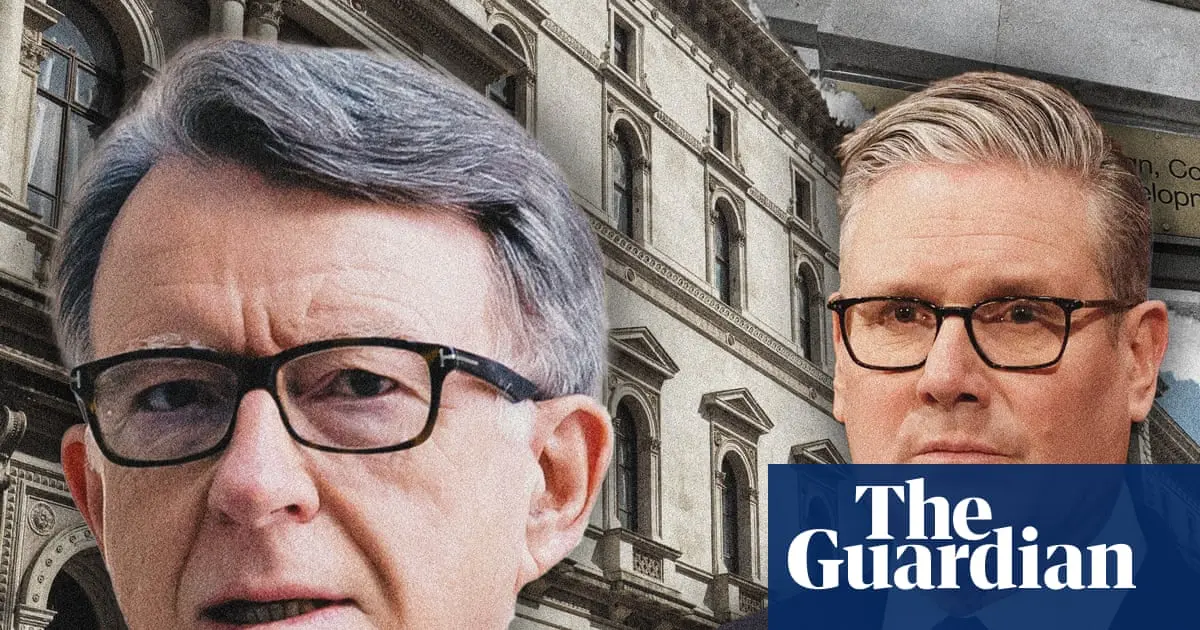
공개: 만델슨 안보 심사 실패했으나 외무부가 결정 뒤집어
Revealed: Mandelson failed vetting but Foreign Office overruled decision
여러 소식통에 따르면, 만델슨은 2025년 1월 말 안보 당국이 실시한 고도 기밀 배경 조사인 '심화 심사' 후 최초로 허가를 거부당했다.
당시 키어 스타머는 이미 만델슨을 워싱턴 주재 영국 최고 외교관으로 임명하겠다고 발표한 상태였으며, 이는 외무부 관리들에게 딜레마를 안겨주었다. 외무부는 안보 당국의 권고를 뒤집기 위해 드물게 사용되는 권한을 행사하기로 결정했다.
만델슨의 심사 허가 실패는 그의 임명에 대한 강렬한 조사와 정부가 사건의 진상을 밝히기 위해 147페이지의 문서를 공개했음에도 불구하고 이전에 공개적으로 밝혀진 적이 없다.
추가 문서가 공개될 예정이다. 그러나 고위 정부 관리들이 만델슨이 안보 당국의 심사 허가를 받지 못했음을 드러내는 문서를 의회에 제출하지 않을지 검토해 왔음도 밝혀질 수 있다.
이 결정은 내각실에 달려 있으며 아직 내려지지 않았다. 정보·안보위원회에 문서를 제출하지 않으려는 시도는 "만델슨 임명과 관련된 모든 서류"를 공개하라는 의회 결의 위반일 수 있다.
현재 전직 대사가 내각실 산하로 민간인 공무원 지망생의 배경을 심사하는 영국 안보 심사(UKSV)로부터 허가를 받지 못했다는 사실은 총리가 그를 임명한 판단에 대해 추가적인 의문을 제기할 것이다.
스타머는 또한 만델슨이 "해당 직무에 대한 허가를 받았다"고 말한 안보 심사 과정에 대해 대중을 오도했는지 압박받게 될 것이다.
총리가 워싱턴 대사로 지명한 인물이 UKSV의 승인을 받지 못했음을 알았는지는 알려져 있지 않다. 또한 외무부의 누가 UKSV를 뒤집기로 결정했는지도 알려져 있지 않다.
올리 로빈스 경은 현재 외무부 상무차관이며, 결정이 내려진 2025년 1월 말에 해당 직무를 맡아 부서 최고 공무원이었다. 외무장관은 당시 데이비드 래미였으며, 현재 부총리직을 맡고 있다.
2월에 만델슨 임명 과정에서의 역할로 사임한 스타머의 당시 비서실장 모건 맥스위니 역시 UKSV의 허가 거부 결정을 뒤집는 데 관여했거나 이에 대해 알고 있었는지 질문받을 수 있다.
해당 결정은 만델슨이 2025년 2월에 취임할 예정이었던 몇 주 전에 내려졌다. 7개월 후, 그는 유죄 판결을 받은 성범죄자 제프리 엡스틴과의 관계로 해임되었다.
장관들과 관리들은 이제 그의 임명으로 이어진 과정에 대해 완전히 투명했는지 압박받게 될 것이다.
2월 5일 헤이스팅스 기자회견에서 스타머는 기자의 질문에 "안보 당국이 독립적으로 실시한 안보 심사가 있었는데, 이는 직무에 대한 허가를 받기 위해 거쳐야 하는 집중적인 절차였다"며 "그에게 해당 직무에 대한 허가를 주었다"고 답했다. 그는 덧붙여 "명활히 실사와 안보 심사 모두 다시 검토되어야 한다"고 말했다.
이는 소식통에 따르면 정부가 뒤집은 심사 과정의 실패에 대해 만델슨의 임명 책임을 부분적으로 돌리는 것처럼 보였다.
2025년 9월 11일 만델슨이 엡스틴과의 관계 정도가 밝혀진 후 주미 대사직에서 해임되면서 의회 감시가 강화되었다. 9월 16일, 이베트 쿠퍼 외무장관과 로빈스 상무차관은 외교위원회에 심사 과정에 대한 질문에 답하는 서한을 보냈다.
"피터 만델슨의 안보 심사는 확립된 내각실 정책에 따라 심화 심사에 설정된 통상적인 기준에 따라 실시되었다"며, 해당 과정이 외국·영연방·개발부(FCDO)를 대신해 UKSV에 의해 수행되었다고 설명했다.
쿠퍼와 로빈스는 해당 과정이 "2월 만델슨 경이 취임하기 전에 FCDO에 의해 DV 허가가 부여된 것으로 결론 났다"고 말했다.
서한이 의회에 알리지 않은 것은 UKSV가 만델슨의 허가를 거부했다는 사실이다. 이는 이미 공개적으로 발표한 고위 임명을 철회해야 할 위기에 처한 스타머를 위협하는 권고였다.
UKSV의 심사 결정은 거의 항상 정부 부처에 의해 집행되지만, 기술적으로는 권고를 뒤집을 권한이 있다. UKSV가 만델슨에게 허가를 주지 않기로 권고한 정확한 이유는 이제 강렬한 추측의 대상이 될 가능성이 높다.
공공 이익 저널리즘의 최고는 아는 사람들의 일급 정보에 의존한다. 이 주제에 공유할 것이 있다면 다음 방법으로 기밀리 연락할 수 있다:
가디언 앱에는 기사에 대한 제보를 보내는 도구가 있다. 메시지는 종단 간 암호화되며 모든 가디언 모바일 앱이 수행하는 일상적인 활동 내에 숨겨져 있다. 이는 관찰자가 당신이 우리와 소통하고 있는지, 더 나아가 무엇을 말하고 있는지조차 알 수 없게 한다.
아직 가디언 앱이 없다면 다운로드(iOS/Android)하고 메뉴로 가라. '보안 메시징'을 선택하라.
높은 수준의 보안이나 기밀성이 필요하지 않다면 investigations.contact@theguardian.com으로 이메일을 보낼 수 있다.
마지막으로, theguardian.com/tips의 가이드는 여러 가지 안전한 연락 방법을 나열하고 각각의 장단점을 논의한다.
공개적으로 이용 가능한 정부 문서에 따르면, UKSV의 심화 심사 과정에는 개인 재정, 사업 관계, 성적 이력을 포함한 고도의 사생활 정보 공개를 요구하는 설문지와 면접이 포함된다.
알려진 바에 따르면, 외무부의 초급 공무원에게도 요구되는 심화 심사는 거의 항상 승인으로 끝나지만, 때로는 위험 관리 권고가 있기도 하다. 일부 경우 승인은 완화 조치에 따른다. 만델슨의 경우와 같은 명백한 거부는 드물다.
UKSV의 거부 결정이 정부 부처에 의해 뒤집히는 것은 더욱 예외적인 일이지만, 관리들은 해당 권한을 가지고 있다. 만델슨 사건에서 그렇게 하기로 한 결정은 2025년 1월 말 48시간 동안 이루어졌다.
UKSV는 2025년 1월 28일 그의 허가를 거부하는 공식 결정을 내렸다. 소식통에 따르면, UKSV는 만델슨과 관련된 위험 요인 때문에 그의 허가를 거부해야 한다고 외무부에 통보했다.
로빈스는 결정 당시 상무차관직을 맡은 지 몇 주 되었으며, 만델슨의 곧 직속 상관이 될 예정이었으므로 결정에 관여했을 것으로 보인다. 그 정도의 중대한 결정은 정치적 승인이나 최소한 협의가 필요했을 수 있으며, 이는 래미나 다우닝가가 관여했을 수 있다.
1월 30일까지 만델슨은 외무부로부터 안보 허가가 "확인되었다"는 통보를 받았다. 그가 UKSV가 자신의 신청을 승인하지 않았음을 알았는지는 알려져 있지 않다.
2025년 11월, 만델슨 사임 후 외교위원회 의원들은 청문회에서 로빈스에게 전직 대사의 심사 과정에 대해 질문했다.
로빈스는 심사 보고서의 "대다수"가 "비교적 간단하다"고 말했다. 그는 덧붙여 "더 고위급 판단을 필요로 하고 잠재적으로 위험 관리 및 완화에 대한 논의가 필요한 경우는 적절히 상부로 이관된다"고 말했다.
만델슨의 임명이 "이관되었는지" 직접 묻자, 로빈스는 "확실히 그에 대해 논평할 수 없다"고 답했다.
스타머의 만델슨 임명 결정은 1977년 이후 처음으로 경력 외교관이 아닌 정치 임명자를 해당 직책에 임명한 것으로, 그의 적합성에 대한 잘 문서화된 우려에도 불구하고 그의 총리직에서 가장 심각한 위기를 야기했다.
맥스위니가 2월 사임할 때, 그는 스타머에게 만델슨을 임명하라고 조언한 것에 대해 "전적인 책임"을 진다고 말하며 심사 과정에 문제가 있었음을 암시했다. "실사와 심사 과정을 감독하지는 않았지만, 해당 과정은 이제 근본적으로 전면 개편되어야 한다고 믿는다"고 그는 말했다.
만델슨의 UKSV에 의한 심사는 그의 배경을 조사하는 두 가지 별개 과정 중 하나였다.
첫 번째는 그가 정치 임명자였기 때문에 발생한 실사 과정으로, 그의 직책 발표 전에 이루어졌다. 이는 내각실 관리들인 청렴·윤리팀(PET)이 담당했다.
이는 대부분 공개적으로 이용 가능한 자료를 기반으로 했으며, PET가 스타머를 위해 만델슨의 전문적·금융적 관계, 평판 위험(엡스틴과의 관계 포함), 이전 직책을 요약한 보고서를 작성했다. 총리는 이러한 경고를 무시하고 임명을 강행했다.
그의 임명 발표 후 취임 전 몇 주간 UKSV가 수행한 두 번째, 완전히 별개의 과정에 대해서는 훨씬 적은 주목을 받았다.
외무부, 다우닝가, 내각실, 모건 맥스위니, 피터 만델슨은 논평을 요청받았다.
kimi-k2.5
468 tokens
$0.00096
18.5s
Guardian investigation uncovers decision by UK security officials to deny clearance before Mandelson took up role as US ambassadorOfficials debate withholding Mandelson vetting documents from parliamentFive key questions: Who overruled the decision to deny Mandelson security clearance?Peter Mandelson failed his security vetting clearance but the decision was overruled by the Foreign Office to ensure he could take up his post as ambassador to the US, an investigation by the Guardian can reveal.According to multiple sources, Mandelson was initially denied clearance in late January 2025 after a developed vetting process, a highly confidential background check by security officials.
Peter Mandelson failed his security vetting clearance but the decision was overruled by the Foreign Office to ensure he could take up his post as ambassador to the US, an investigation by the Guardian can reveal.According to multiple sources, Mandelson was initially denied clearance in late January 2025 after a developed vetting process, a highly confidential background check by security officials.
Keir Starmer had by then announced he would be making Mandelson the UK’s chief diplomat in Washington, posing a dilemma for officials at the Foreign Office, who decided to use a rarely used authority to override the recommendation from security officials.
Mandelson’s failure to secure vetting approval has not previously been publicly revealed, despite intense scrutiny over his appointment and the release by the government of 147 pages of documents supposed to shed light on the case.
Further documents are due to be released. However, it can also be revealed that senior government officials have been considering whether to withhold from parliament documents that would reveal that Mandelson was not given vetting approval from security officials.
The decision, which rests with the Cabinet Office, has not yet been taken. Any attempt to withhold the documents from the intelligence and security committee could amount to a breach of a parliamentary motion to release “all papers relating to Mandelson’s appointment”.
The revelation that the now former ambassador was not granted clearance by UK Security Vetting (UKSV), a division of the Cabinet Office that scrutinises the background of prospective civil servants, will raise further questions about the prime minister’s judgment in appointing him.
Starmer will also be pressed over whether he misled the public in remarks about the security vetting process, which he said had given Mandelson “clearance for the role”.
It is not known whether the prime minister was made aware that his pick for Washington ambassador had not been granted approval by UKSV, which conveys its decision as a recommendation to government departments. Neither is it known who in the Foreign Office made the decision to overrule UKSV.
Sir Olly Robbins, the current permanent secretary in the Foreign Office, was the department’s top civil servant in late January 2025 when the decision was made, having taken up the role earlier that month. The foreign secretary was David Lammy, who is now the deputy prime minister.
Starmer’s then chief of staff, Morgan McSweeney, who resigned in February over his role in appointing Mandelson, could also now be asked whether he had any involvement in, or knowledge or, the decision to overrule UKSV’s denial of clearance.
That decision was made weeks before Mandelson was due to take up his post in February 2025. Seven months later, he was sacked over his relationship with the convicted sex offender Jeffrey Epstein.
Ministers and officials are now likely to be pressed over whether they have been fully transparent about the process that led to his appointment.
At a press conference in Hastings on 5 February, Starmer responded to a question from a journalist by saying there had been “security vetting, carried out independently by the security services, which is an intensive exercise that gave him [Mandelson] clearance for the role. You have to go through that before you take up the post.” He added: “Clearly both the due diligence and the security vetting need to be looked at again.”
This appeared to partly put the blame for Mandelson’s appointment on the failure of a vetting process which, according to sources, his government had overruled.
As a result of Mandelson’s sacking as US ambassador on 11 September 2025, after the extent of his relationship with Epstein came to light, parliamentary scrutiny mounted. On 16 September, Yvette Cooper, the foreign secretary, and Robbins, her top official, responded to questions over the vetting process with a letter to the foreign affairs select committee.
“Peter Mandelson’s security vetting was conducted to the usual standard set for developed vetting in line with established Cabinet Office policy,” the letter said, explaining that the process had been undertaken by UKSV on behalf of the Foreign, Commonwealth and Development Office (FCDO).
Cooper and Robbins said the process had “concluded with DV clearance being granted by the FCDO in advance of Lord Mandelson taking up post in February”.
What the letter failed to inform parliament was that UKSV had denied Mandelson’s clearance – a recommendation that threatened Starmer having to withdraw a high-profile appointment he had already made public.
UKSV’s vetting decisions are almost always enforced by government departments, but they technically have the authority to override the recommendations. The precise reason that UKSV recommended that Mandelson not receive clearance is now likely to be subject to intense speculation.
The best public interest journalism relies on first-hand accounts from people in the know. If you have something to share on this subject, you can contact us confidentially using the following methods:
The Guardian app has a tool to send tips about stories. Messages are end to end encrypted and concealed within the routine activity that every Guardian mobile app performs. This prevents an observer from knowing that you are communicating with us at all, let alone what is being said.
If you don’t already have the Guardian app, download it (iOS/Android) and go to the menu. Select ‘Secure Messaging’.
If you don’t need a high level of security or confidentiality you can email investigations.contact@theguardian.com.
Finally, our guide at theguardian.com/tips lists several ways to contact us securely, and discusses the pros and cons of each.
According to publicly available government documents, the UKSV developed vetting process includes a questionnaire and interviews requiring disclosure of highly private information, including about personal finances, business connections and sexual history.
It is understood that developed vetting, which is a requirement even for junior civil servants in the Foreign Office, almost always ends in approval, although there is sometimes a recommendation to manage risks. In some cases, approval is subject to mitigations. An outright denial, as in Mandelson’s case, is rare.
It is even more exceptional for a decision by UKSV to deny an applicant to then be overruled by a government department, although officials do have that power. The decision to do so in the case of Mandelson occurred over a 48-hour period in late January 2025.
A formal decision to deny him clearance was made by UKSV on 28 January 2025. According to sources, UKSV informed the Foreign Office that the risk factors involving Mandelson meant that his clearance should be denied.
Robbins was a few weeks into the role of permanent secretary at the time of the decision, and was Mandelson’s soon-to-be line manager, both of which suggest he would have been involved in the decision. A decision of that magnitude may also have warranted political approval, or at least consultation, which could have involved Lammy or Downing Street.
By 30 January, Mandelson was told by the Foreign Office that his security clearance had been “confirmed”. It is not known whether he was ever informed that UKSV had not approved his application.
In November 2025, after Mandelson’s resignation, MPs on the foreign affairs select committee questioned Robbins at a hearing about the former ambassador’s vetting process.
Robbins said the “vast majority” of vetting reports were “relatively straightforward”. He added: “Ones that require more senior judgment, and potentially a discussion about managing and mitigating risks, are escalated appropriately.”
Asked directly if Mandelson’s appointment had been “escalated”, Robbins replied: “I certainly cannot comment on that.”
Starmer’s decision to appoint Mandelson – the first political appointee to the role, as opposed to a career diplomat, since 1977 – despite well-documented concerns about his suitability, has prompted the most serious crisis of his premiership.
When McSweeney resigned in February, he said that he took “full responsibility” for advising Starmer to appoint Mandelson, and implied there had been shortcomings in the vetting process. “While I did not oversee the due diligence and vetting process, I believe that process must now be fundamentally overhauled,” he said.
Mandelson’s vetting by UKSV was one of two separate processes that involved scrutinising his background.
The first, which occurred because he was a political appointee, was a due diligence process that occurred before the announcement of his role. It involved the propriety and ethics team (PET), a group of officials in the Cabinet Office.
This was largely based on publicly available material, with a report produced by PET for Starmer, summarising Mandelson’s professional and financial relationships, reputational risks – which included his relationship with Epstein – and his previous roles. The prime minister ignored those warnings and went ahead with the appointment.
Far less attention has been given to the second, entirely separate process undertaken by UKSV in the weeks after his appointment was announced but before he took up the role.
The Foreign Office, Downing Street, the Cabinet Office, Morgan McSweeney and Peter Mandelson have been approached for comment.