접근성 장벽 완화로 퀘벡 낙태약 처방 80% 급증
Quebec abortion pill prescriptions jump 80% as access barriers fallJanuary 1, 1970
CBC News
Rachel Watts · CBC News · Posted: Feb 12, 2026 4:00 AM EST | Last Updated: February 12
EN
2026-04-09 13:06
Translated
퀘벡이 의료 낙태약에 대한 규제를 완화한 지 수년 후, 지난해 약 80%에 가까운 사용 증가를 기록했다.
퀘벡 공공의료보험위원회(RAMQ)의 통계에 따르면 퀘벡 주는 2025년 의료 낙태약 사용이 급증했다.
지난해 미페지미소(Mifegymiso) 약물로 보험금을 받은 여성은 총 2,852명으로, 2024년 1,586명에 비해 크게 증가했다. 이 약물은 수술 절차 없이 자연적인 낙태를 가능하게 한다.
캐나다 산부인과의사협회 최고경영자이자 산부인과 의사인 다이앤 프랑쾨르 박사는 "이 약물은 전 세계에서 수년간 사용되어 왔다"며 "하지만 캐나다, 특히 퀨벡은 항상 뒤처져 있다. 왜냐하면 이 약물을 둘러싼 규제가 많았기 때문"이라고 말했다.
퀘벡은 2022년에야 약물 관련 일련의 규제를 해제하여 접근성을 크게 높였다.
그러나 약물 낙태 처방 비율이 높다고 해서 낙태 자체가 증가하는 것은 아니라고 프랑쾨르는 지적한다.
주 내 전문가들은 퀘벡의 낙태율이 상대적으로 안정적이며, 낙태약 처방 증가는 그 안전성과 접근성으로 인해 긍정적인 신호라고 말한다.
샤를루아-퀘벡대학 병원의 산부인과 의사인 마티외 벨랑제 박사는 "퀘벡이 캐나다에서 가장 뒤처져 있다는 점을 감안할 때 숫자 증가는 좋은 일"이라며 "약물은 처방될 수 있고, 사람들은 집에서 사용할 수 있다. 우리는 그것이 안전하다는 것을 알고 있고, 좋든 싫든 입소문이 퍼지고 있다"고 라디오-캐나다에 말했다.
2015년 캐나다 보건부가 약물 낙태를 승인한 이후, 처음에는 매우 엄격한 처방 조건이 있었지만 캐나다의 대부분 지역에서는 빠르게 폐지되었다고 퀘벡 가족계획기구(FQPN)의 총괄 조정자 제스 르고 씨는 말한다.
하지만 퀘벡은 달랐다.
르고는 퀘벡 의사들이 약물 낙태를 처방하려면 확장 소파술(D&C)로 알려진 시술 낙태 교육을 받아야 했고, 환자들도 초음파 검사를 받아야 했다고 설명한다.
이러한 규제를 유지하는 것은 "과학적 근거가 없다"고 르고는 말한다.
"이것이 정말로 처방할 수 있는 사람들을 제한했다"고 그는 덧붙였다.
FQPN은 특히 미국의 로 대 웨이드 판결이 뒤집힌 이후 퀘벡 의사협회에 약물 접근성을 높이도록 압력을 가한 그룹 중 하나였다.
르고에 따르면 지난 몇 년 동안 정부는 퀘벡의 접근성을 높이기 위한 계획을 수립했다.
2024년 당시 여성지위 담당 장관 마르틴 비롱이 발표한 계획에는 4가지 일반 목표에 기반한 28개 조치가 포함되었다: 지역의 낙태 접근성 촉진, 잘못된 정보 대처, 피임 정보 개선, 연구 촉진.
현재 의사, 전문 간호사, 조산사가 낙태약을 처방할 수 있으며, 경우에 따라 원격의료를 통해서도 처방될 수 있다.
르고는 주에서 더 높은 숫자를 보고 있는 이유가 부분적으로 이 때문이며, 더 많은 정보가 이용 가능해졌기 때문이라고 덧붙였다.
"과거에는 사람들이 응급 피임약인 모닝애프터필과 약물 낙태를 혼동했다. 그들은 그것이 두 가지 다른 것이라는 것을 몰랐다"고 그는 말했다.
프랑쾨르는 낙태약 사용 증가를 설명하는 또 다른 이유로 태아가 자궁 내에서 성장을 멈출 때 더 많은 여성들이 약물로 전환하기 때문이라고 추측한다.
"아기가 저절로 나오지 않지만 거기 있고, 때로는 임신이 배출될 때까지 몇 주가 걸릴 수 있다"고 프랑쾨르는 말했다.
이전에는 의사들이 시술 낙태를 수행해야 했지만, 이제는 선택지가 있다고 그는 설명한다.
여성들은 여전히 시술 낙태를 선택할 수 있지만, 진료 접근성이 "너무 좋지 않아서" 때로는 수술 전에 일주일을 기다려야 한다고 프랑쾨르는 말한다.
르고는 일부 클리닉이 약물 낙태 접근성 증대를 위해 시술 낙태 운영 일수를 줄이고 있다는 얘기를 들었다고 말한다.
하지만 그는 약물 처방 증가가 비용이 크고 더 많은 시간이 필요한 필요한 시술을 희생해서는 안 된다는 점이 중요하다고 지적한다.
레이철 왓츠는 퀘벡시의 CBC뉴스 기자다. 몬트리올 출신인 그는 퀘벡 주의 뉴스 취재를 즐긴다.
라디오-캐나다의 마리안 베르제롱-쿠르토의 자료 제공.
지난해 미페지미소(Mifegymiso) 약물로 보험금을 받은 여성은 총 2,852명으로, 2024년 1,586명에 비해 크게 증가했다. 이 약물은 수술 절차 없이 자연적인 낙태를 가능하게 한다.
캐나다 산부인과의사협회 최고경영자이자 산부인과 의사인 다이앤 프랑쾨르 박사는 "이 약물은 전 세계에서 수년간 사용되어 왔다"며 "하지만 캐나다, 특히 퀨벡은 항상 뒤처져 있다. 왜냐하면 이 약물을 둘러싼 규제가 많았기 때문"이라고 말했다.
퀘벡은 2022년에야 약물 관련 일련의 규제를 해제하여 접근성을 크게 높였다.
그러나 약물 낙태 처방 비율이 높다고 해서 낙태 자체가 증가하는 것은 아니라고 프랑쾨르는 지적한다.
주 내 전문가들은 퀘벡의 낙태율이 상대적으로 안정적이며, 낙태약 처방 증가는 그 안전성과 접근성으로 인해 긍정적인 신호라고 말한다.
샤를루아-퀘벡대학 병원의 산부인과 의사인 마티외 벨랑제 박사는 "퀘벡이 캐나다에서 가장 뒤처져 있다는 점을 감안할 때 숫자 증가는 좋은 일"이라며 "약물은 처방될 수 있고, 사람들은 집에서 사용할 수 있다. 우리는 그것이 안전하다는 것을 알고 있고, 좋든 싫든 입소문이 퍼지고 있다"고 라디오-캐나다에 말했다.
2015년 캐나다 보건부가 약물 낙태를 승인한 이후, 처음에는 매우 엄격한 처방 조건이 있었지만 캐나다의 대부분 지역에서는 빠르게 폐지되었다고 퀘벡 가족계획기구(FQPN)의 총괄 조정자 제스 르고 씨는 말한다.
하지만 퀘벡은 달랐다.
르고는 퀘벡 의사들이 약물 낙태를 처방하려면 확장 소파술(D&C)로 알려진 시술 낙태 교육을 받아야 했고, 환자들도 초음파 검사를 받아야 했다고 설명한다.
이러한 규제를 유지하는 것은 "과학적 근거가 없다"고 르고는 말한다.
"이것이 정말로 처방할 수 있는 사람들을 제한했다"고 그는 덧붙였다.
FQPN은 특히 미국의 로 대 웨이드 판결이 뒤집힌 이후 퀘벡 의사협회에 약물 접근성을 높이도록 압력을 가한 그룹 중 하나였다.
르고에 따르면 지난 몇 년 동안 정부는 퀘벡의 접근성을 높이기 위한 계획을 수립했다.
2024년 당시 여성지위 담당 장관 마르틴 비롱이 발표한 계획에는 4가지 일반 목표에 기반한 28개 조치가 포함되었다: 지역의 낙태 접근성 촉진, 잘못된 정보 대처, 피임 정보 개선, 연구 촉진.
현재 의사, 전문 간호사, 조산사가 낙태약을 처방할 수 있으며, 경우에 따라 원격의료를 통해서도 처방될 수 있다.
르고는 주에서 더 높은 숫자를 보고 있는 이유가 부분적으로 이 때문이며, 더 많은 정보가 이용 가능해졌기 때문이라고 덧붙였다.
"과거에는 사람들이 응급 피임약인 모닝애프터필과 약물 낙태를 혼동했다. 그들은 그것이 두 가지 다른 것이라는 것을 몰랐다"고 그는 말했다.
프랑쾨르는 낙태약 사용 증가를 설명하는 또 다른 이유로 태아가 자궁 내에서 성장을 멈출 때 더 많은 여성들이 약물로 전환하기 때문이라고 추측한다.
"아기가 저절로 나오지 않지만 거기 있고, 때로는 임신이 배출될 때까지 몇 주가 걸릴 수 있다"고 프랑쾨르는 말했다.
이전에는 의사들이 시술 낙태를 수행해야 했지만, 이제는 선택지가 있다고 그는 설명한다.
여성들은 여전히 시술 낙태를 선택할 수 있지만, 진료 접근성이 "너무 좋지 않아서" 때로는 수술 전에 일주일을 기다려야 한다고 프랑쾨르는 말한다.
르고는 일부 클리닉이 약물 낙태 접근성 증대를 위해 시술 낙태 운영 일수를 줄이고 있다는 얘기를 들었다고 말한다.
하지만 그는 약물 처방 증가가 비용이 크고 더 많은 시간이 필요한 필요한 시술을 희생해서는 안 된다는 점이 중요하다고 지적한다.
레이철 왓츠는 퀘벡시의 CBC뉴스 기자다. 몬트리올 출신인 그는 퀘벡 주의 뉴스 취재를 즐긴다.
라디오-캐나다의 마리안 베르제롱-쿠르토의 자료 제공.
Years after Quebec loosened restrictions on the medical abortion pill, the province saw nearly an 80 per cent increase in use in 2025, according to statistics from the Quebec public health insurance board, also known as RAMQ.
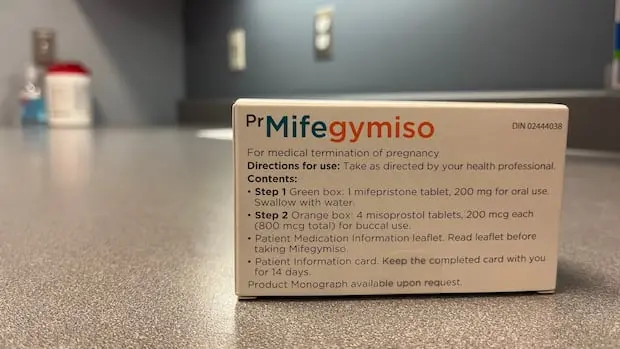
A total of 2,852 women were reimbursed for taking Mifegymiso last year, compared to 1,586 in 2024. The medication allows for people to have an abortion naturally, without the need for a surgical procedure.
“It's been used around the world for years,” said Dr. Diane Francoeur, OBGYN and CEO of the Society of Obstetricians and Gynaecologists of Canada.
“But Canada lags all the time, especially Quebec … because there was a lot of regulation around it.”
It was only in 2022 that Quebec lifted a series of requirements surrounding the drug — making it significantly more accessible
But the higher rates of medication abortions do not mean abortions are necessarily increasing, says Francoeur.
Experts in the province say abortion rates in Quebec are relatively stable and the increase in prescriptions for the abortion pill is good news, in part due to its safety and accessibility.
It’s a good thing the numbers are increasing, considering Quebec is “the most behind in all of Canada,” said Dr. Mathieu Bélanger, an obstetrician-gynecologist at the CHU de Québec-Université Laval hospital.
“It can be prescribed, and people can do it at home. We know it’s safe and, like it or not, word of mouth is spreading," he told Radio-Canada.
After medication abortion was approved by Health Canada in 2015, there were some “very rigid” prescribing parameters that were quickly dropped by most of the country, says Jess Legault, the general co-ordinator of Quebec’s family planning organization (FQPN).
That wasn’t the case in Quebec.
She says Quebec doctors were required to be trained for procedural abortions, known as dilation and curettage D&C, if they were to prescribe medical abortions — the pill. Patients also had to have an ultrasound.
Holding onto these restrictions was “not based on science,” says Legault.
“That really restricted who would be able to prescribe,” she said.
The FQPN was among groups putting pressure on the Quebec College of Physicians to make the medication more available — especially after the overturning of Roe V. Wade in the U.S.
In the last couple of years, Legault says the government put in place a plan to increase access in Quebec.
Announced in 2024 by Martine Biron, then minister responsible for the status of women, the plan outlined 28 measures based on four general objectives: facilitating access to abortion in the regions, combating misinformation, improving information on contraception and promoting research.
Why does the U.S. election have some Quebec politicians voicing their commitment to women's rights?
Currently, doctors, specialized nurse practitioners and midwives can prescribe the abortion pill. In some cases, it can also be prescribed via telemedicine.
Legault says it’s partly why the province might be seeing higher numbers now — adding there is also a lot more information available.
“There was a time when people were getting confused between the morning-after pill, like emergency contraception, and medication abortion. They didn’t know it was two different things,” she said.
Francoeur suspects another reason explaining the rise in the use of the pill has to do with more women turning to the medication when a fetus stops growing in the womb.
“The baby is not coming out on its own, but it's there, and sometimes it may take weeks before the pregnancy will be expelled,” said Francoeur.
Previously, doctors had to perform a procedural abortion, she says. Now, they have options.
Although women can still opt for the procedural abortion, access to care is "so bad” that sometimes women are forced to wait a week before having a surgery, says Francoeur.
Legault says she has heard of clinics reducing days for procedural abortions, in favour of increasing access to medication abortion.
But she notes it’s important the increase in medication-prescribing practices doesn’t come at the expense of necessary procedures — which are costly and take more time.
Rachel Watts is a journalist with CBC News in Quebec City. Originally from Montreal, she enjoys covering stories in the province of Quebec. You can reach her at rachel.watts@cbc.ca.
With files from Radio-Canada's Mariane Bergeron-Courteau
A total of 2,852 women were reimbursed for taking Mifegymiso last year, compared to 1,586 in 2024. The medication allows for people to have an abortion naturally, without the need for a surgical procedure.
“It's been used around the world for years,” said Dr. Diane Francoeur, OBGYN and CEO of the Society of Obstetricians and Gynaecologists of Canada.
“But Canada lags all the time, especially Quebec … because there was a lot of regulation around it.”
It was only in 2022 that Quebec lifted a series of requirements surrounding the drug — making it significantly more accessible
But the higher rates of medication abortions do not mean abortions are necessarily increasing, says Francoeur.
Experts in the province say abortion rates in Quebec are relatively stable and the increase in prescriptions for the abortion pill is good news, in part due to its safety and accessibility.
It’s a good thing the numbers are increasing, considering Quebec is “the most behind in all of Canada,” said Dr. Mathieu Bélanger, an obstetrician-gynecologist at the CHU de Québec-Université Laval hospital.
“It can be prescribed, and people can do it at home. We know it’s safe and, like it or not, word of mouth is spreading," he told Radio-Canada.
After medication abortion was approved by Health Canada in 2015, there were some “very rigid” prescribing parameters that were quickly dropped by most of the country, says Jess Legault, the general co-ordinator of Quebec’s family planning organization (FQPN).
That wasn’t the case in Quebec.
She says Quebec doctors were required to be trained for procedural abortions, known as dilation and curettage D&C, if they were to prescribe medical abortions — the pill. Patients also had to have an ultrasound.
Holding onto these restrictions was “not based on science,” says Legault.
“That really restricted who would be able to prescribe,” she said.
The FQPN was among groups putting pressure on the Quebec College of Physicians to make the medication more available — especially after the overturning of Roe V. Wade in the U.S.
In the last couple of years, Legault says the government put in place a plan to increase access in Quebec.
Announced in 2024 by Martine Biron, then minister responsible for the status of women, the plan outlined 28 measures based on four general objectives: facilitating access to abortion in the regions, combating misinformation, improving information on contraception and promoting research.
Why does the U.S. election have some Quebec politicians voicing their commitment to women's rights?
Currently, doctors, specialized nurse practitioners and midwives can prescribe the abortion pill. In some cases, it can also be prescribed via telemedicine.
Legault says it’s partly why the province might be seeing higher numbers now — adding there is also a lot more information available.
“There was a time when people were getting confused between the morning-after pill, like emergency contraception, and medication abortion. They didn’t know it was two different things,” she said.
Francoeur suspects another reason explaining the rise in the use of the pill has to do with more women turning to the medication when a fetus stops growing in the womb.
“The baby is not coming out on its own, but it's there, and sometimes it may take weeks before the pregnancy will be expelled,” said Francoeur.
Previously, doctors had to perform a procedural abortion, she says. Now, they have options.
Although women can still opt for the procedural abortion, access to care is "so bad” that sometimes women are forced to wait a week before having a surgery, says Francoeur.
Legault says she has heard of clinics reducing days for procedural abortions, in favour of increasing access to medication abortion.
But she notes it’s important the increase in medication-prescribing practices doesn’t come at the expense of necessary procedures — which are costly and take more time.
Rachel Watts is a journalist with CBC News in Quebec City. Originally from Montreal, she enjoys covering stories in the province of Quebec. You can reach her at rachel.watts@cbc.ca.
With files from Radio-Canada's Mariane Bergeron-Courteau