교수 김재경, 동아시아 목재 건축과 그 미래 검토
Professor Kim Jae-kyung examines East Asian timber architecture and its future
The Korea Herald
Park Yuna
EN
2026-04-10 17:34
Translated
고대 DNA, 신라시대 근친혼과 가족 기반 제사 매장 드러내
인사동 토포하우스에서의 전시, 새 책 "목재공예: 동아시아의 잃어버린 구조학" 출판과 함께 진행
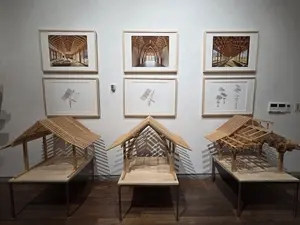
동아시아 목재 건축의 구조적 논리를 재검토하고 그 현대적 해석에 의문을 제기하는 전시가 서울 인사동의 토포하우스에서 열리고 있으며, 한양대학교 건축학 교수인 김재경이 주최했다.
이번 전시는 김의 최근 저작 "목재공예: 동아시아의 잃어버린 구조학"이 3월에 건축 및 미술 전문 네덜란드 출판사인 Nai010 publishers에서 출판된 것을 기념한다.
"이 책은 정식 학위 논문이 아니라 동아시아 건설에 대한 아이디어를 정리하는 방법으로 의도했습니다"라고 김은 4월 4일 전시회에서 말했다.
김은 이 책이 역사적 참고자료를 바탕으로 하면서도 목재 건축 체계가 어떻게 발전했으며 오늘날 어떻게 이해될 수 있는지에 대한 자신의 해석을 반영한다고 말했다.
이 책은 9개의 사례 연구와 에세이를 통해 한국, 중국, 일본에 걸친 1,400년 이상의 목재 건설을 추적한다. 출판사에 따르면 이 출판물은 건축 전통에 담긴 아이디어와 가치, 그리고 오래된 방법들이 미래의 대담한 새로운 가능성을 어떻게 알릴 수 있는지를 탐구한다.
김의 목재 건축은 브래킷 시스템, 즉 한국어로 "공포"에 중심을 두고 있는데, 이는 지붕의 무게를 지탱하면서 동시에 장식적 역할도 하는 구조 요소이다.
이들은 한국의 김제 전북 금산사, 중국 산시의 불궁사 탑(불궁 사원의 탑), 일본 나라의 호류지 등 아시아의 수백 년 된 목재 구조물에서 흔히 볼 수 있다.
전시는 김의 "목재 구조학 삼부작"을 중심으로 전개되며, 이는 김의 세 가지 주요 프로젝트로 구성된다: "세 나무의 집", "떠 있는 빛의 정자", "재생의 집".
"현재 연구팀과 함께 목재 구조의 수직 및 수평 확장을 탐구하고 있으며, 약 200미터에 달하는 대규모 목재 건설 연구도 포함되어 있습니다"라고 그는 말했다.
"아직 개념 단계이지만, 향후 몇 년 내에 이를 실현할 수 있기를 바랍니다."
전시는 월요일까지 계속된다.
동아시아 목재 건축의 구조적 논리를 재검토하고 그 현대적 해석에 의문을 제기하는 전시가 서울 인사동의 토포하우스에서 열리고 있으며, 한양대학교 건축학 교수인 김재경이 주최했다.
이번 전시는 김의 최근 저작 "목재공예: 동아시아의 잃어버린 구조학"이 3월에 건축 및 미술 전문 네덜란드 출판사인 Nai010 publishers에서 출판된 것을 기념한다.
"이 책은 정식 학위 논문이 아니라 동아시아 건설에 대한 아이디어를 정리하는 방법으로 의도했습니다"라고 김은 4월 4일 전시회에서 말했다.
김은 이 책이 역사적 참고자료를 바탕으로 하면서도 목재 건축 체계가 어떻게 발전했으며 오늘날 어떻게 이해될 수 있는지에 대한 자신의 해석을 반영한다고 말했다.
이 책은 9개의 사례 연구와 에세이를 통해 한국, 중국, 일본에 걸친 1,400년 이상의 목재 건설을 추적한다. 출판사에 따르면 이 출판물은 건축 전통에 담긴 아이디어와 가치, 그리고 오래된 방법들이 미래의 대담한 새로운 가능성을 어떻게 알릴 수 있는지를 탐구한다.
김의 목재 건축은 브래킷 시스템, 즉 한국어로 "공포"에 중심을 두고 있는데, 이는 지붕의 무게를 지탱하면서 동시에 장식적 역할도 하는 구조 요소이다.
이들은 한국의 김제 전북 금산사, 중국 산시의 불궁사 탑(불궁 사원의 탑), 일본 나라의 호류지 등 아시아의 수백 년 된 목재 구조물에서 흔히 볼 수 있다.
전시는 김의 "목재 구조학 삼부작"을 중심으로 전개되며, 이는 김의 세 가지 주요 프로젝트로 구성된다: "세 나무의 집", "떠 있는 빛의 정자", "재생의 집".
"현재 연구팀과 함께 목재 구조의 수직 및 수평 확장을 탐구하고 있으며, 약 200미터에 달하는 대규모 목재 건설 연구도 포함되어 있습니다"라고 그는 말했다.
"아직 개념 단계이지만, 향후 몇 년 내에 이를 실현할 수 있기를 바랍니다."
전시는 월요일까지 계속된다.
Ancient DNA reveals close-kin marriage, family-based sacrificial burials in Silla
Exhibition at Topohaus in Insadong accompanies release of new book “Timbercraft: Lost Tectonics from East Asia"An exhibition revisiting the structural logic of East Asian timber architecture and questioning its contemporary interpretation is on view at Topohaus in Insadong, Seoul, presented by Kim Jae-kyung, a professor of architecture at Hanyang University.
The exhibition marks Kim’s recent publication “Timbercraft: Lost Tectonics from East Asia” in March, printed by Nai010 publishers, a Dutch company specializing in architecture and art.
“The book is not intended as a formal academic thesis, but as a way of organizing ideas about East Asian construction,” Kim said at the exhibition on April 4.
Kim said the book draws on historical references while also reflecting his own interpretation of how timber architectural systems developed and can be understood today.
The book traces more than 1,400 years of timber construction across Korea, China and Japan through nine case studies and essays. The publication explores the ideas and values embedded in the architectural tradition and how age-old methods can inform bold new possibilities in the future, according to the publisher.
Kim’s timber architecture centers on bracket systems — “gongpo” in Korean — structural elements beneath the roof that support its weight while also serving a decorative role.
They are commonly found in centuries-old timber structures in Asia, such as Geumsansa in Gimje, North Jeolla Province, in Korea; Fogong-si (pagoda of Fogong temple) in Shanxi, China; and Horyu-ji in Nara, Japan.
The exhibition unfolds, centering on Kim’s “Timber Tectonics Trilogy,” composed of three major projects by Kim: “House of Three Trees,” “Pavilion of Floating Lights” and “House for Rejuvenation.”
“We are currently exploring both the vertical and horizontal expansion of timber structures with a research team, including a study on large-scale timber construction of up to around 200 meters,” he said.
“It is still at a conceptual stage, but we hope to realize it within the next few years.”
The exhibition runs through Monday.