해협이 중국의 전략에서 의미하는 것 - 호르무즈 해협 사례
[Pastilan] What the Strait of Hormuz points to in China’s playbook
Rappler
Herbie Gomez
EN
2026-04-10 17:31
Translated
이란이 상대적으로 좁은 해협에서 글로벌 에너지 시장을 불안정하게 할 수 있다면, 중국도 방치될 경우 남중국해 무역로에서 동일한 효과를 달성할 수 있다
이것은 오류가 있을 수 있는 AI 생성 요약입니다. 전체 기사는 항상 원본을 참조하시기 바랍니다.
래파엘 레예스/래플러
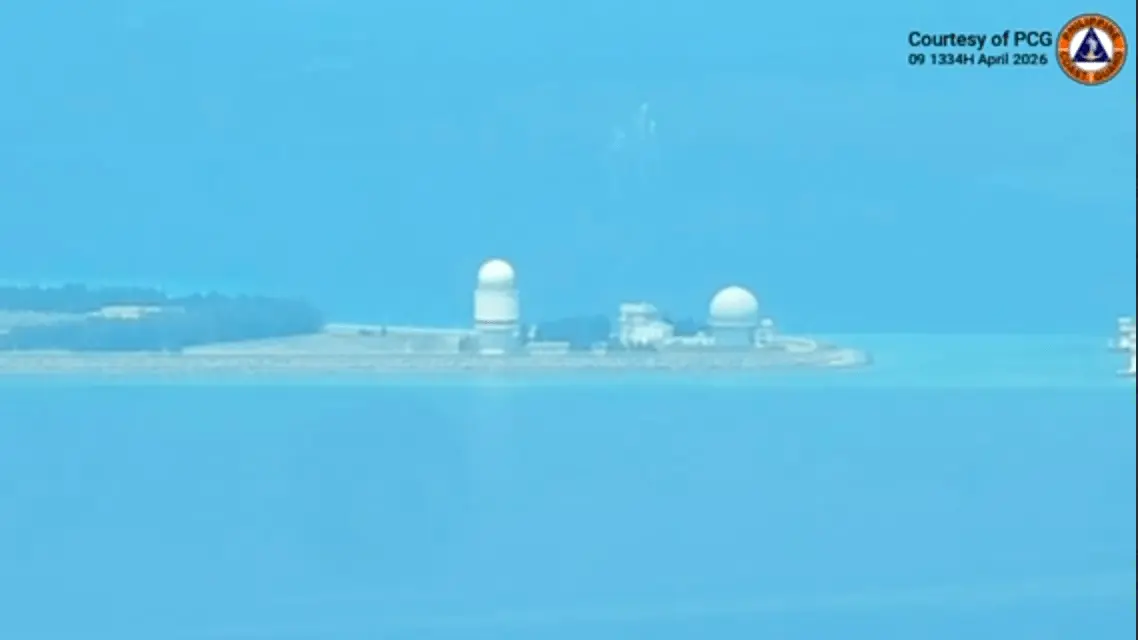
중국은 4월 9일 목요일 자신의 주장이 법의 빛을 견딜 수 없다는 것을 아는 강대국의 반사적 행동을 또다시 드러냈다. 팡가니반과 자모라 암초 상공을 비행 중인 필리핀 해안경비대 항공기에 조명탄을 발사했다.
이러한 행동은 중국의 옹호자들에 의해 일상적인 "보안 집행"으로 설명될 것이지만, 이러한 완곡한 표현은 약간의 압박에도 무너진다. 우리가 다시 보는 것은 법치를 무시하며 한 국가에 대한 권위를 갈구하는 국가의 강압이다.
표적은 칼라얀 섬 그룹 상공에서 정기 해상 순찰을 수행 중이던 무장하지 않은 항공기였다. 그러나 모래와 콘크리트로 인공 섬을 조성한 후 2016년 중재 판정부에 도전하며 영토 주장을 내세운 베이징은 갑자기 우리 인원을 "침입자"로 취급했다.
사실은 완고한 것이다. 암초는 필리핀의 배타적경제수역 내에 있으며 2016년 중재 판정에서 저조선 부지(중국에 정확히 영토권을 부여하지 않는 지형)로 판정받았다.
해양 자유 항행은 본질적으로 필리핀이 그 규모보다 훨씬 더 중요한 이유 중 하나다. 해양 문제에서 수동적인 방관자가 아니라 지리를 독점으로 만들려는 시도가 있는 지역에서 필요한 저항의 거점이다.
베이징의 행동은 일련의 괴롭힘 행위 이상의 것을 드러낸다. 이는 세계 지도의 다른 곳에서도 발생하고 있는, 특히 호르무즈 해협에서 가장 생생하게 나타나는 지리와 권력에 관한 교훈을 보여준다.
이란은 좁은 수로(호르무즈 해협은 전체적으로 약 55~95킬로미터 너비이며 가장 좁은 항해 가능 지점은 약 33킬로미터, 상선의 항로는 대략 3킬로미터 너비로 제한됨)도 해안을 넘어선 영향력을 행사할 수 있다는 것을 보여줬다. 단 하나의 위협(해군 기동이든 석유 선적 차단이든)도 글로벌 시장에 파동을 일으킨다. 유가가 급등한다. 외교관들이 우왕좌왕한다. 경제가 흔들린다.
우리가 보는 바와 같이 지리는 강력한 도구로 사용될 수 있다. 호르무즈 같은 수로는 공급망을 붕괴시키고, 시장에 영향을 미치며, 정부가 약점을 직시하도록 강제할 수 있다. 같은 개념이 남중국해에도 적용된다. 그 지역의 중요한 해상로를 통제하면 지역을 넘어 무역, 정치, 전략적 결정에 영향을 미칠 수 있다.
남중국해는 우리 서필리핀해가 권력, 무역, 주권 경쟁의 중심에 놓여 있는 곳이다. 이것은 단순한 소규모 지역 수역이 아니다. 세계에서 가장 바쁜 해상로 중 하나이며 글로벌 무역의 중요한 통로다.
매년 아시아태평양의 해상 무역량의 약 3분의 1이 이 수역을 통과한다. 에너지 공급, 제조 상품, 원자재 모두 중국이 점점 더 통제하길 원하는 경로를 통해 이동한다. 이것이 단순한 영토 분쟁이라고 생각한다면 현대의 권력이 어떻게 작동하는지에 대한 더 큰 그림을 놓친다.
호르무즈 해협과의 유사점은 명확하다. 지리는 전통적 군사력만으로는 달성할 수 없는 더 큰 권력을 만들 수 있다.
중국의 인공 섬 건설, 군사 자산 배치, 영토 밖의 끊임없는 순찰은 노골적인 강압과 위협의 표시이며 해상 교통 통제 능력을 독점하려는 의도적 행위다.
베이징은 호르무즈의 교훈을 이해한다 - 접근을 제한할 수 있는 권력은 해운 비용을 올리고, 취약한 공급망을 위협하며, 이미 팽팽한 시장에 변동성을 주입할 것이라는 것. 이것이 중국이 법적 근거가 없음에도 국제법을 선택적 읽을거리 취급하며 타국 영토를 짓밟고 다니는 이유다.
기저의 동기는 명확히 영향력이다. 이란이 상대적으로 좁은 병목 지점에서 글로벌 에너지 시장을 불안정하게 할 수 있다면, 중국도 방치될 경우 남중국해 무역로에서 동일한 효과를 달성할 수 있다. 여기서 통제를 공고히 하면 베이징은 무역을 질식시키고, 중요 기술 접근을 명령하며, 군사력을 태평양 깊숙이 투사할 수 있다. 이는 의도적 계산이며, 이를 무시하는 것은 오늘날의 권력 규칙을 오해하는 것이다.
전략적 수로에 대한 통제는 타국의 행동을 형성하고, 원거리에 권력을 투사하며, 지리를 압박의 형태로 변환하는 것에 관한 것이지, 순전히 군사력에 관한 것만은 아니다.
베이징에게 국제법과 외교는 권력이 문제일 때는 이차적일 뿐이다. 이란은 한 국가가 매우 전략적인 위치에서 글로벌 주목을 받는 방법을 보여줬다. 중국은 관찰하고, 더 배우고, 계산하고 있다. 군사 주둔과 이웃에 대한 압박으로 뒷받침된 대담한 행동이 결과를 낼 수 있다는 것을 이해한다.
호르무즈 해협은 간단한 교훈을 가르친다. 그리고 권력의 문법에 항상 주의하는 중국이 미국-이스라엘의 이란 대립 훨씬 이전부터 수년 동안 이를 이해하지 못했을 가능성은 낮다. 파스틸란. – 래플러닷컴
래파엘 레예스/래플러
중국은 4월 9일 목요일 자신의 주장이 법의 빛을 견딜 수 없다는 것을 아는 강대국의 반사적 행동을 또다시 드러냈다. 팡가니반과 자모라 암초 상공을 비행 중인 필리핀 해안경비대 항공기에 조명탄을 발사했다.
이러한 행동은 중국의 옹호자들에 의해 일상적인 "보안 집행"으로 설명될 것이지만, 이러한 완곡한 표현은 약간의 압박에도 무너진다. 우리가 다시 보는 것은 법치를 무시하며 한 국가에 대한 권위를 갈구하는 국가의 강압이다.
표적은 칼라얀 섬 그룹 상공에서 정기 해상 순찰을 수행 중이던 무장하지 않은 항공기였다. 그러나 모래와 콘크리트로 인공 섬을 조성한 후 2016년 중재 판정부에 도전하며 영토 주장을 내세운 베이징은 갑자기 우리 인원을 "침입자"로 취급했다.
사실은 완고한 것이다. 암초는 필리핀의 배타적경제수역 내에 있으며 2016년 중재 판정에서 저조선 부지(중국에 정확히 영토권을 부여하지 않는 지형)로 판정받았다.
해양 자유 항행은 본질적으로 필리핀이 그 규모보다 훨씬 더 중요한 이유 중 하나다. 해양 문제에서 수동적인 방관자가 아니라 지리를 독점으로 만들려는 시도가 있는 지역에서 필요한 저항의 거점이다.
베이징의 행동은 일련의 괴롭힘 행위 이상의 것을 드러낸다. 이는 세계 지도의 다른 곳에서도 발생하고 있는, 특히 호르무즈 해협에서 가장 생생하게 나타나는 지리와 권력에 관한 교훈을 보여준다.
이란은 좁은 수로(호르무즈 해협은 전체적으로 약 55~95킬로미터 너비이며 가장 좁은 항해 가능 지점은 약 33킬로미터, 상선의 항로는 대략 3킬로미터 너비로 제한됨)도 해안을 넘어선 영향력을 행사할 수 있다는 것을 보여줬다. 단 하나의 위협(해군 기동이든 석유 선적 차단이든)도 글로벌 시장에 파동을 일으킨다. 유가가 급등한다. 외교관들이 우왕좌왕한다. 경제가 흔들린다.
우리가 보는 바와 같이 지리는 강력한 도구로 사용될 수 있다. 호르무즈 같은 수로는 공급망을 붕괴시키고, 시장에 영향을 미치며, 정부가 약점을 직시하도록 강제할 수 있다. 같은 개념이 남중국해에도 적용된다. 그 지역의 중요한 해상로를 통제하면 지역을 넘어 무역, 정치, 전략적 결정에 영향을 미칠 수 있다.
남중국해는 우리 서필리핀해가 권력, 무역, 주권 경쟁의 중심에 놓여 있는 곳이다. 이것은 단순한 소규모 지역 수역이 아니다. 세계에서 가장 바쁜 해상로 중 하나이며 글로벌 무역의 중요한 통로다.
매년 아시아태평양의 해상 무역량의 약 3분의 1이 이 수역을 통과한다. 에너지 공급, 제조 상품, 원자재 모두 중국이 점점 더 통제하길 원하는 경로를 통해 이동한다. 이것이 단순한 영토 분쟁이라고 생각한다면 현대의 권력이 어떻게 작동하는지에 대한 더 큰 그림을 놓친다.
호르무즈 해협과의 유사점은 명확하다. 지리는 전통적 군사력만으로는 달성할 수 없는 더 큰 권력을 만들 수 있다.
중국의 인공 섬 건설, 군사 자산 배치, 영토 밖의 끊임없는 순찰은 노골적인 강압과 위협의 표시이며 해상 교통 통제 능력을 독점하려는 의도적 행위다.
베이징은 호르무즈의 교훈을 이해한다 - 접근을 제한할 수 있는 권력은 해운 비용을 올리고, 취약한 공급망을 위협하며, 이미 팽팽한 시장에 변동성을 주입할 것이라는 것. 이것이 중국이 법적 근거가 없음에도 국제법을 선택적 읽을거리 취급하며 타국 영토를 짓밟고 다니는 이유다.
기저의 동기는 명확히 영향력이다. 이란이 상대적으로 좁은 병목 지점에서 글로벌 에너지 시장을 불안정하게 할 수 있다면, 중국도 방치될 경우 남중국해 무역로에서 동일한 효과를 달성할 수 있다. 여기서 통제를 공고히 하면 베이징은 무역을 질식시키고, 중요 기술 접근을 명령하며, 군사력을 태평양 깊숙이 투사할 수 있다. 이는 의도적 계산이며, 이를 무시하는 것은 오늘날의 권력 규칙을 오해하는 것이다.
전략적 수로에 대한 통제는 타국의 행동을 형성하고, 원거리에 권력을 투사하며, 지리를 압박의 형태로 변환하는 것에 관한 것이지, 순전히 군사력에 관한 것만은 아니다.
베이징에게 국제법과 외교는 권력이 문제일 때는 이차적일 뿐이다. 이란은 한 국가가 매우 전략적인 위치에서 글로벌 주목을 받는 방법을 보여줬다. 중국은 관찰하고, 더 배우고, 계산하고 있다. 군사 주둔과 이웃에 대한 압박으로 뒷받침된 대담한 행동이 결과를 낼 수 있다는 것을 이해한다.
호르무즈 해협은 간단한 교훈을 가르친다. 그리고 권력의 문법에 항상 주의하는 중국이 미국-이스라엘의 이란 대립 훨씬 이전부터 수년 동안 이를 이해하지 못했을 가능성은 낮다. 파스틸란. – 래플러닷컴
If Iran can unsettle global energy markets from a relatively narrow chokepoint, then China – if left to do what it wishes – can also achieve the same effect in the South China Sea trade route
This is AI generated summarization, which may have errors. For context, always refer to the full article.Raphael Reyes/Rappler
China, for the nth time on Thursday, April 9, displayed the reflex of a power that knows its claims cannot withstand the light of law. It fired flares at a Philippine Coast Guard aircraft flying over the Panganiban and Zamora reefs.
Its antics will no doubt be explained away by China’s apologists as routine “security enforcement,” but such euphemisms collapse under the faintest pressure. What we are seeing, yet again, is coercion by a state that harbors delusions of authority over a country whose sovereign rights are affirmed by international law.
The target was an unarmed aircraft conducting a routine maritime patrol over the Kalayaan Island Group. Yet our men were suddenly treated as “intruders” by Beijing that manufactured islands out of sand and concrete, and then asserted territorial claims in defiance of the 2016 arbitral award.
Facts are stubborn things. The reefs lie within the Philippines’ exclusive economic zone and were ruled in the 2016 arbitral award to be low-tide elevations – features that grant China precisely zero sovereignty there.
Freedom of navigation, in essence, is one of the reasons why the Philippines matters far more than its size suggests. It is not a passive bystander in maritime affairs, but a necessary point of resistance in a region where there are attempts to turn geography into a monopoly.
And Beijing’s behavior reveals something larger than a series of acts of harassment. It illustrates a lesson about geography and power that is being played out elsewhere on the map, most vividly in the Strait of Hormuz.
Iran has shown that even a narrow strip of water — the Strait of Hormuz, about 55 to 95 kilometers wide overall and only around 33 kilometers at its narrowest navigable point, with commercial shipping confined to lanes roughly three kilometers wide — can wield influence far beyond its shores. A single threat, whether naval maneuvers or a disruption of oil shipments, sends tremors through global markets. Oil spikes. Diplomats scurry. Economies wobble.
Geography, as we are seeing, can be used as a powerful tool. A waterway like Hormuz can disrupt supply chains, affect markets, and force governments to face their weaknesses. The same idea applies to the South China Sea. Controlling important sea routes there can influence trade, politics, and strategic decisions far beyond the region, even without firing a single shot.
The South China Sea is where our very own West Philippine Sea sits squarely in a contest over power, trade, and sovereignty. This is not just a small regional body of water. It is one of the world’s busiest shipping routes and a vital path for global trade.
Roughly one-third of maritime trade in the Asia-Pacific passes through these waters every year. Energy supplies, manufactured goods, and raw materials all move through routes that China increasingly wants to control. If we think this is only about territory, then we miss the bigger picture of how power works today.
The similarities with the Strait of Hormuz are clear. Geography, combined with a strong strategy, can create power far greater than traditional military strength alone.
China’s construction of artificial islands, stationing of military assets, and relentless patrols beyond its territory are naked displays of coercion and intimidation, and deliberate acts to monopolize the ability to influence maritime traffic.
Beijing understands the lesson of Hormuz that the power to restrict access will drive up shipping costs, threaten fragile supply chains, and inject volatility into already tense markets. That is why even if China has no legal leg to stand on, it stomps through another’s territory as if international law were optional reading.
The underlying motive is unmistakably leverage. If Iran can unsettle global energy markets from a relatively narrow chokepoint, then China – if left to do what it wishes – can also achieve the same effect in the South China Sea trade route. Consolidate control here and Beijing could strangle trade, dictate access to vital technologies, and project military power deep into the Pacific. These are deliberate calculations, and ignoring them is to misunderstand the rules of power today.
Control over strategic waterways is about shaping how others behave, projecting power over long distances, and turning geography into a form of pressure, and not only about military strength.
For Beijing, international law and diplomacy are only secondary when power is at stake. Iran has shown how one country can command global attention from a very strategic location. China is watching, learning more, and calculating. It understands that bold actions, backed by military presence and pressure on neighbors, can bring results.
The Strait of Hormuz teaches a simple lesson. And it is unlikely that China – ever attentive to the grammar of power – has not understood it for years, long before the latest American-Israeli escalation with Iran. Pastilan. – Rappler.com
How does this make you feel?